Podcast
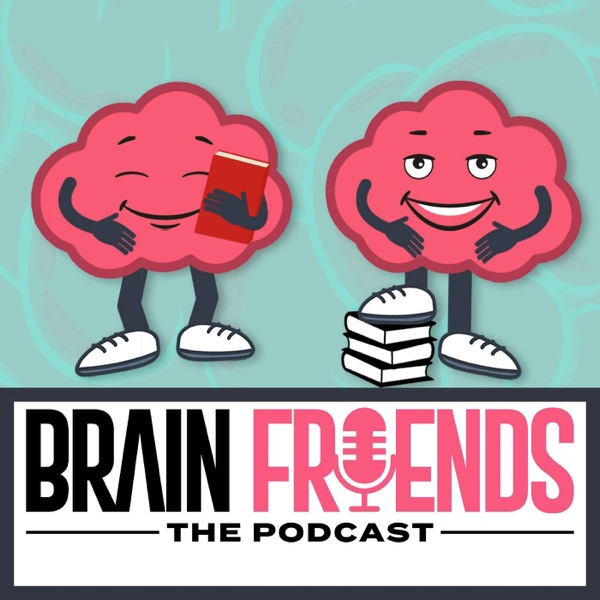
Brain Friends
Brain Friends: The Podcast is a survivor-led show about stroke, brain health, aphasia, recovery, and health equity.
Hosted by Angie Cauthorn, a two-time stroke survivor and aphasia advocate, Brain Friends takes complicated medical and research topics and turns them into everyday clarity. The show is for survivors, care partners, families, clinicians, researchers, and anyone trying to understand what life after stroke can really look like.
Brain Friends began with me and my friend and co-host, Dr. D. Seles Gadson, a neuroscientist, speech-language pathologist, and champion for equity in aphasia care. Dr. Seles’s work focused on health disparities, representation, and making science useful for real communities. Her voice still opens and closes every episode, and her legacy remains part of the show’s foundation.
Since launching in June 2022, Brain Friends has reached listeners in more than 100 countries, with conversations that center stroke recovery, aphasia, cognition, communication, prevention, brain health, and the real-life “now what?” after a neurological event.
Regular segments include:
The Breakdown: Clear explanations of stroke, aphasia, brain health, research, and recovery topics.
Smart Cookie: The thoughtful question Angie asks guests about brain health, recovery, equity, or what they wish more people understood.
OTC with the Commish: “On The Clock” style recovery talk, where Angie uses football draft energy to break down the moves, tools, and first-round picks that matter.
The Check-In: Short, honest reflections on life after stroke, recovery, advocacy, and what comes next.
Brain Friends is not here to give medical advice or empty inspiration. It is here to make the science clearer, the recovery road less lonely, and the next step easier to see.
Welcome to Brain Friends.
- Episodes
- 35
- Releases
- Every few months
- Typical length
- 35 min
- On air since
- 2022
- Latest episode
- 2 weeks ago
Episodes
35 episodes, newest first
-
1 hr 39 min
HMF Special Edition: Centennial Voices | Houston Medical Forum at 100
Season 3, Episode 9
Show notes
Centennial Voices: The History. The Health. The Promise.
Celebrating 100 Years of the Houston Medical Forum | A Brain Friends Special Edition
What happens when a century of medical history meets the voices of the people living it today?
Founded in 1926, the Houston Medical Forum (HMF) was created by Black physicians navigating segregation and barriers to professional opportunity. One hundred years later, that legacy continues through mentorship, education, community engagement, and a commitment to improving health.
Brain Friends: The Podcast brought Conference Voices to Houston for HMF's centennial celebration. We came expecting conversations about medicine, research, and history.
We came home with much more.
The History. We explore the physicians who opened doors when those doors were closed to them, supported future generations of Black doctors, and stood alongside their communities during the civil rights movement. From Dr. Edith Irby Jones and Dr. Carl Mark Carroll Jr. to the remarkable family history of a midwife known as Grandma Candy, these stories remind us that healthcare history is also community history.
The Health. Physicians, researchers, and a medical student share perspectives on stroke prevention, neuroplasticity, antibiotic resistance, nutrition, healthcare access, and the importance of making complicated medical information understandable. We also examine why knowing what to do isn't always the same as having the resources to do it.
The Promise. Stroke survivors, a woman living with Parkinson's disease, and care partners speak openly about recovery, invisible disabilities, communication, family responsibilities, and hope. An unexpected visitor seeking business connections finds himself in a conversation about his brother's recent stroke—and discovers something he didn't know he needed.
Voices you'll hear
Among the many people who joined us:
• Dr. Brandi Freeman — The importance of mentorship, representation, and investing in future generations of physicians.
• Dr. Joanie Hare — Family legacy, maternal-fetal medicine, stroke recovery, aphasia, and hope.
• Dr. Portia Davis — Building community trust and including families in healthcare decisions.
• Dr. Shandra Higginbotham — Taking ownership of your health while recognizing barriers involving food, finances, access, and healthcare systems.
• Albert Sarpong — A medical student's commitment to making scientific knowledge understandable.
• Dr. Randall Wright — Stroke prevention, brain health, neuroplasticity, and the changing possibilities of neurological recovery.
• Dr. June Williams Coleman — Practical ways to prepare for medical appointments, ask questions, and bring someone into important healthcare conversations.You'll also hear from stroke survivor Spring Miles, a woman sharing her experience with Parkinson's disease, Terry Baylor, and Angie's husband and care partner, Charles Cauthorn.
Together, these conversations remind us that medical knowledge becomes more powerful when it reaches the people who need it.
A special thank-you
Our sincere gratitude to the Houston Medical Forum for welcoming Brain Friends and Conference Voices into this historic centennial celebration.
Special thanks to HMF President Dr. Simbo Chiadika, immediate past president Dr. Anjail Sharrief-Ibrahim, the centennial planning team, organizers, and volunteers for their hospitality and commitment to bringing people together.
And thank you to every physician, researcher, student, survivor, and care partner who generously shared their knowledge and experiences.
These conversations continue
We recorded far more than could fit into one special edition!
Throughout this season and the next, Brain Friends will return to Houston with extended interviews, additional science, and more stories from the people who made this gathering unforgettable.
Centennial Voices is a special Houston Medical Forum edition powered by Conference Voices, featured on Brain Friends: The Podcast.
About the Houston Medical Forum: https://houstonmedicalforum.org/
Conference Voices: https://conferencevoices.com/
Medical information disclaimer
This episode is intended for educational and informational purposes only. The conversations reflect individual experiences and professional perspectives and do not constitute personal medical advice, diagnosis, or treatment recommendations.
Health conditions, treatment decisions, and recovery experiences vary from person to person. Always consult your own qualified healthcare team about your individual circumstances. In a medical emergency, seek immediate emergency assistance.
Hosted by Angie Cauthorn
Take care of your brain. Take care of your body. And take care of each other.
https://www.cognitiverecoverylab.com/seles
https://aphasia.org/stories/announcing-the-davetrina-seles-gadson-health-equity-grant-program/
Our beloved colleague, Dr. Davetrina Seles Gadson, passed away January 11, 2025. Dr. Gadson was an extraordinary speech-language pathologist and neuroscience researcher who devoted her energy to studying health disparities in aphasia recovery. She was a fierce advocate for improving services for individuals with aphasia, particularly Black Americans. Her research transformed our understanding of these health disparities and shed light on how we can address them. We were privileged to have Dr. Gadson as a cherished member of our lab community for four years, first as a postdoctoral fellow and then as an Instructor of Rehabilitation Medicine. She was still a close collaborator and friend to many of us at the time of her passing. Dr. Gadson was an incredible person—compassionate, inspiring, and full of life. Her dedication to advancing equity in aphasia recovery and her profound impact on our community will never be forgotten. We are committed to honoring her memory by continuing to push our field forward and fight for equitable services for all people with aphasia.
-
37 min
2026 Stroke Rehabilitation and Recovery Guideline with Chair Dr. Lorie Richards
Season 3, Episode 8
Show notes
The 2026 Guideline for Adult Stroke Rehabilitation and Recovery from the American Heart Association and American Stroke Association is a major update to how we understand stroke rehabilitation, recovery, and long term care. This is a conversation about the evidence, the gaps, and what happens when stroke rehabilitation recommendations meet the people actually living them.
In this episode of Brain Friends, Angie sits down with Dr. Lorie G. Richards, PhD, OTR/L, FAHA, occupational therapist, stroke rehabilitation researcher, and Chair of the 2026 Stroke Rehabilitation and Recovery Guideline Writing Group, to unpack what the latest evidence says and what it means for stroke survivors, care partners, clinicians, and rehabilitation professionals.
Dr. Richards discusses key topics including:
• Stroke rehabilitation and neuroplasticity
• Restoration versus compensation after stroke
• Physical, cognitive, communication, and emotional recovery
• Post stroke depression and mental health
• Cognitive changes and cognitive fatigue after stroke
• Aphasia, AAC, reading, writing, and communication support
• Motor recovery and brain pathway damage
• Caregiver education and support
• Reassessment after formal rehabilitation ends
• Insurance, access, and gaps in stroke rehabilitation services
• Community reintegration, independence, work, and daily life after stroke
• What stroke rehabilitation research still does not knowThe conversation also explores an important message from the new guideline: stroke recovery does not end when formal therapy ends. Rehabilitation can extend across the recovery continuum, with continued reassessment, support, and strategies that help people participate in everyday life.
The 2026 Guideline for Adult Stroke Rehabilitation and Recovery: A Guideline From the American Heart Association and American Stroke Association was published in Stroke.
Learn more about Brain Friends, Neuroplasticity City, and Conference Voices at RiversSpeaking.com.
This podcast is for education and discussion and is not medical advice. Talk with your physician or rehabilitation team about your individual care, not a random podcast
https://www.cognitiverecoverylab.com/seles
https://aphasia.org/stories/announcing-the-davetrina-seles-gadson-health-equity-grant-program/
Our beloved colleague, Dr. Davetrina Seles Gadson, passed away January 11, 2025. Dr. Gadson was an extraordinary speech-language pathologist and neuroscience researcher who devoted her energy to studying health disparities in aphasia recovery. She was a fierce advocate for improving services for individuals with aphasia, particularly Black Americans. Her research transformed our understanding of these health disparities and shed light on how we can address them. We were privileged to have Dr. Gadson as a cherished member of our lab community for four years, first as a postdoctoral fellow and then as an Instructor of Rehabilitation Medicine. She was still a close collaborator and friend to many of us at the time of her passing. Dr. Gadson was an incredible person—compassionate, inspiring, and full of life. Her dedication to advancing equity in aphasia recovery and her profound impact on our community will never be forgotten. We are committed to honoring her memory by continuing to push our field forward and fight for equitable services for all people with aphasia.
-
41 min
BE FAST Stroke Signs And The Seconds That Matter with Karrima Owens
Season 3, Episode 7
Show notes
A stroke doesn’t always arrive like a movie scene. Sometimes it shows up as a dragging leg, blurry vision, a face that won’t smile straight, or speech or language that suddenly changes. And the scariest part is that you may still feel “fine.”
That’s why Angie sits down with Nurse Karrima Owens, clinical nurse specialist and stroke program coordinator at Penn Presbyterian Medical Center, known around West Philly as the Stroke Lady. Her message is simple and urgent: you don’t know what you don’t know, and when stroke symptoms appear, time matters.
The conversation explores how stroke and brain injury can affect awareness, attention, memory, language, speech, judgment, and other cognitive functions, sometimes making it harder for a person to recognize what has changed. Nurse Karrima shares what she hears from patients and families every day, including the common misconception that a stroke must be painful or dramatic. They also talk about why stroke is often called a “brain attack,” why “time is brain,” and how recognizing symptoms quickly can change what happens next.
You’ll leave with practical tools, including B.E. F.A.S.T. stroke warning signs: Balance, Eyes, Face, Arms, Speech, and Time. Nurse Karrima explains why even one sudden symptom is enough to call 911 and breaks down major stroke risk factors, including high blood pressure, smoking and vaping, diabetes, high cholesterol, irregular heart rhythms, sleep apnea, physical inactivity, and more.
The episode also gets into what happens after the emergency, including Angie’s “discharge cliff,” stroke recovery resources, support groups, preparing questions for medical appointments, and simple ways to stay organized when reading or writing is difficult.
If this episode helps you understand stroke a little better, subscribe to Brain Friends, share it with someone you love, and leave a review so more people can learn the signs before they need them.
https://www.cognitiverecoverylab.com/seles
https://aphasia.org/stories/announcing-the-davetrina-seles-gadson-health-equity-grant-program/
Our beloved colleague, Dr. Davetrina Seles Gadson, passed away January 11, 2025. Dr. Gadson was an extraordinary speech-language pathologist and neuroscience researcher who devoted her energy to studying health disparities in aphasia recovery. She was a fierce advocate for improving services for individuals with aphasia, particularly Black Americans. Her research transformed our understanding of these health disparities and shed light on how we can address them. We were privileged to have Dr. Gadson as a cherished member of our lab community for four years, first as a postdoctoral fellow and then as an Instructor of Rehabilitation Medicine. She was still a close collaborator and friend to many of us at the time of her passing. Dr. Gadson was an incredible person—compassionate, inspiring, and full of life. Her dedication to advancing equity in aphasia recovery and her profound impact on our community will never be forgotten. We are committed to honoring her memory by continuing to push our field forward and fight for equitable services for all people with aphasia.
-
41 min
More than words, Why Storytelling Breaks Down In Aphasia Recovery
Season 3, Episode 6
Show notes
What does it actually mean to recover language after a stroke? Not just pass a test, but tell a story, hold a conversation, explain what happened to you at the airport.
In this episode, I sit down with Dr. Brielle Stark, a neuroscientist and aphasia researcher at Indiana University Bloomington, to talk about discourse: the kind of language we use every day to describe our lives, our memories, and what matters to us. We dig into why standard aphasia tests miss so much of the real picture, what good home practice actually looks like (hint: easy is not the same as useful), and why the myth that recovery stops at six months needs to be retired for good.
We also talk about primary progressive aphasia, what fatigue really means for a post-stroke brain, and why you have seen one person with aphasia, you have seen exactly one person with aphasia.
Plus, Angie brings some receipts from her own story, including a pre-kindergarten math book, a crowded support group, and a very patient friend named Tay.
This is a real conversation between a researcher and a survivor, and that is exactly the point.
WHAT WE COVER
• What discourse is and why it matters more than any test you have been given
• Why aphasia is not just about language and why that framing has kept survivors from getting real help
• What good home practice actually looks like, and why easy is not the same as useful
• Brain fatigue: what it is, what triggers it, and why it is so underestimated
• The six-month recovery myth, and what the research actually shows
• Why you have seen one person with aphasia, you have seen one person with aphasiaTopics covered:
• What discourse is and why it matters for real-world recovery
• Primary progressive aphasia versus stroke aphasia: different paths, different goals
• Why standard tests do not capture how people actually communicate
• What makes home practice worth your time
• The six-month recovery myth, and what the research actually shows
• Brain fatigue, what it is, what triggers it, and why it is so underestimated
• Why "aphasia doesn't affect intelligence" is incomplete and sometimes harmful
• Neuroplasticity: what it means for stroke survivors and what it means for everyonehttps://www.cognitiverecoverylab.com/seles
https://aphasia.org/stories/announcing-the-davetrina-seles-gadson-health-equity-grant-program/
Our beloved colleague, Dr. Davetrina Seles Gadson, passed away January 11, 2025. Dr. Gadson was an extraordinary speech-language pathologist and neuroscience researcher who devoted her energy to studying health disparities in aphasia recovery. She was a fierce advocate for improving services for individuals with aphasia, particularly Black Americans. Her research transformed our understanding of these health disparities and shed light on how we can address them. We were privileged to have Dr. Gadson as a cherished member of our lab community for four years, first as a postdoctoral fellow and then as an Instructor of Rehabilitation Medicine. She was still a close collaborator and friend to many of us at the time of her passing. Dr. Gadson was an incredible person—compassionate, inspiring, and full of life. Her dedication to advancing equity in aphasia recovery and her profound impact on our community will never be forgotten. We are committed to honoring her memory by continuing to push our field forward and fight for equitable services for all people with aphasia.
-
51 min
Blood Pressure Basics For Stroke Prevention And Recovery With Dr Rachel Forman
Season 3, Episode 5
Show notes
Dr. Rachel Forman is a stroke neurologist at Yale School of Medicine. She treats stroke, researches it, and takes that knowledge into communities through Stamp Out Stroke -- sixty-plus events and counting. She recommends this podcast to her patients.
In this conversation: blood pressure and why most people do not know they have a problem until something goes wrong. Why only one in five stroke survivors check their blood pressure correctly. The discharge cliff. Secondary stroke prevention and why finding the cause of your first stroke changes everything. Post-stroke depression as a clinical condition that worsens outcomes. The mental health gap for survivors with aphasia. Equity in stroke research and care. And the Smart Cookie: the one thing Dr. Forman would change about stroke care right now.
Brain Friends: the podcast Every episode delivers stroke and aphasia science you can actually use. Hosted by Angie Cauthorn -- stroke survivor, aphasia advocate, and founder of ROSA, Resource Orientation for Stroke and Aphasia.
Health education only. Not personal medical advice. Mental health crisis support: call or text 988.
Stamp Out Stroke -- Yale Stroke and Vascular Neurology https://medicine.yale.edu/neurology/excellence/stampoutstroke/
AHA Home Blood Pressure Monitoring Guidelines https://www.heart.org/en/health-topics/high-blood-pressure/understanding-blood-pressure-readings/monitoring-your-blood-pressure-at-home
Find a Validated Blood Pressure Monitor https://www.validatebp.org
SEQUINS -- Society for Equity Neuroscience https://www.s-equi-ns.org/
988 Suicide and Crisis Lifeline Call or text 988 https://988lifeline.org
National Aphasia Synergy -- Peer Befriending Program Founded and led by people with aphasia. Trish Hambridge, info@nationalaphasiasynergy.org
https://www.cognitiverecoverylab.com/seles
https://aphasia.org/stories/announcing-the-davetrina-seles-gadson-health-equity-grant-program/
Our beloved colleague, Dr. Davetrina Seles Gadson, passed away January 11, 2025. Dr. Gadson was an extraordinary speech-language pathologist and neuroscience researcher who devoted her energy to studying health disparities in aphasia recovery. She was a fierce advocate for improving services for individuals with aphasia, particularly Black Americans. Her research transformed our understanding of these health disparities and shed light on how we can address them. We were privileged to have Dr. Gadson as a cherished member of our lab community for four years, first as a postdoctoral fellow and then as an Instructor of Rehabilitation Medicine. She was still a close collaborator and friend to many of us at the time of her passing. Dr. Gadson was an incredible person—compassionate, inspiring, and full of life. Her dedication to advancing equity in aphasia recovery and her profound impact on our community will never be forgotten. We are committed to honoring her memory by continuing to push our field forward and fight for equitable services for all people with aphasia.
-
47 min
The Blueprint: Dr. Davetrina Seles Gadson on Black Stroke Survivors Health Equity and Aphasia
Show notes
Two world-class researchers walked into this conversation because of one woman. They did not have to. They chose to.
Dr. Peter Turkeltaub is a neurologist at Georgetown University Medical Center. MD. PhD. He directs the Cognitive Recovery Lab, where his research focuses on the neural mechanisms of language recovery after stroke. He is Dr. Seles friend and co-author Dr. Charles Ellis Jr. holds a PhD and CCC-SLP certification and is a professor at the University of Florida, one of the most recognized authorities on equity in communication sciences in the country. He was her mentor. Neither of them does podcasts. Both of them showed up. First time on this mic.
The paper is published in Aphasiology, the field's flagship peer-reviewed journal. Open access. Free. No paywall. That was a deliberate choice, and it was completely consistent with who Dr. Davetrina Seles Gadson was.
She was a neuroscientist and a speech-language pathologist simultaneously. That combination is rare. It is exactly why nobody else was going to write this paper. Eight concrete action points for SLPs working with Black stroke survivors with aphasia. Not aspirations. A clinical blueprint. Built from evidence and from the understanding that Black patients carry a specific history into every clinical encounter that changes what good care actually requires.
Stroke does not see color. But your doctor does.
Black patients face higher stroke incidence, earlier onset, greater severity, and lower rates of sustained rehabilitation. That is documented. That is structural. Dr. Seles Gadson named eight ways to change it. Dr. Ellis extends the framework live, adding a ninth point on the spot. The paper is already generating scholarship.
This is not a tribute episode dressed up as science. This is science. The tribute is that she finished it.
This is the blueprint
Paper: https://doi.org/10.1080/02687038.2025.2561681
Open access. Free. Search her name.
https://www.cognitiverecoverylab.com/seles
https://aphasia.org/stories/announcing-the-davetrina-seles-gadson-health-equity-grant-program/
Our beloved colleague, Dr. Davetrina Seles Gadson, passed away January 11, 2025. Dr. Gadson was an extraordinary speech-language pathologist and neuroscience researcher who devoted her energy to studying health disparities in aphasia recovery. She was a fierce advocate for improving services for individuals with aphasia, particularly Black Americans. Her research transformed our understanding of these health disparities and shed light on how we can address them. We were privileged to have Dr. Gadson as a cherished member of our lab community for four years, first as a postdoctoral fellow and then as an Instructor of Rehabilitation Medicine. She was still a close collaborator and friend to many of us at the time of her passing. Dr. Gadson was an incredible person—compassionate, inspiring, and full of life. Her dedication to advancing equity in aphasia recovery and her profound impact on our community will never be forgotten. We are committed to honoring her memory by continuing to push our field forward and fight for equitable services for all people with aphasia.
-
43 min
New ASA 2026 Stroke Ischemic Guidelines with Chair Dr. Shyam Prabhakaran
Season 3, Episode 6
Show notes
A stroke can feel like a lightning strike on the brain’s power grid—which is why the new 2026 AHA/ASA acute ischemic stroke guidelines focus on speed, clarity, and better systems at every step. We sit down with the chair of the writing group, Dr. Sean Pabakaron, to translate cutting-edge research into actions families, clinicians, and first responders can take right now. No jargon, no fluff—just the signals to watch, the questions to ask, and the processes that save brain.
We unpack what changed since the 2018–2019 updates and why more than 50 new trials reshaped the playbook for pre-hospital screening, ER imaging timelines, thrombolysis decision-making, and routing to thrombectomy-capable centers. You’ll learn how tools like FAST and the Cincinnati scale help paramedics identify strokes in the field, why regions now sometimes bypass closer hospitals, and how door-in, door-out time became a critical quality metric for transfers. Inside the ED, we outline the ideal sequence from stroke alert to scan within 25 minutes, to mixing tenecteplase or alteplase, to rapid consults for clot retrieval—because earlier treatment within extended windows still yields better outcomes.
We also spotlight a major breakthrough: meaningful guidance for pediatric stroke. Kids present differently, the data are thinner, and the stakes are high. Dr. Prabhakaran explains when thrombolysis and thrombectomy can be considered in expert centers and how causes shift from congenital factors to post-viral arteriopathy or trauma as children age. We close with practical prevention: midlife blood pressure control, access to primary care, and the simple steps that protect cognition and reduce stroke risk over decades.
If stroke touches your life—as a survivor, caregiver, clinician, or advocate—this conversation gives you a clear map for a faster, safer response. Listen, share with your circle, and help us spread actionable stroke knowledge. If you find this valuable, follow the show, leave a rating, and tell a friend who needs a smarter plan for brain health.
https://www.cognitiverecoverylab.com/seles
https://aphasia.org/stories/announcing-the-davetrina-seles-gadson-health-equity-grant-program/
Our beloved colleague, Dr. Davetrina Seles Gadson, passed away January 11, 2025. Dr. Gadson was an extraordinary speech-language pathologist and neuroscience researcher who devoted her energy to studying health disparities in aphasia recovery. She was a fierce advocate for improving services for individuals with aphasia, particularly Black Americans. Her research transformed our understanding of these health disparities and shed light on how we can address them. We were privileged to have Dr. Gadson as a cherished member of our lab community for four years, first as a postdoctoral fellow and then as an Instructor of Rehabilitation Medicine. She was still a close collaborator and friend to many of us at the time of her passing. Dr. Gadson was an incredible person—compassionate, inspiring, and full of life. Her dedication to advancing equity in aphasia recovery and her profound impact on our community will never be forgotten. We are committed to honoring her memory by continuing to push our field forward and fight for equitable services for all people with aphasia.
-
27 min
Memories of Seles 5/24/82 - 1/11/25 raise a glass.
Season 3, Episode 5
Show notes
A friendship became a movement when a survivor searching for culturally competent therapy met a clinician who refused to treat equity like an optional add-on. What started as a phone call turned into Brain Friends—a space where lived experience and rigorous science work side by side to make aphasia, stroke recovery, and neuroplasticity feel human, practical, and possible.
We walk through the real story: how instant respect turned into a partnership, how roles formed—one voice translating from the trenches, the other anchoring with research—and how that rhythm made complex ideas usable for families, caregivers, clinicians, and researchers. Then the pivot no one wanted: sudden loss. Grief shows up as silence, stalled projects, and episodes too tender to edit. Naming that pain opens a path forward. “Progress over perfection” becomes more than a motto; it’s a care strategy for speech attempts, therapy homework, and the messy edits that stay in the final cut to normalize real recovery.
Legacy grounds the work. We highlight the scholarship honoring Dr.Seles Gadson, designed to fund equity-centered clinicians and researchers who center patient-reported outcomes and culturally responsive care. Scholarships don’t run on vibes, and support here turns memory into infrastructure—training, mentorship, and research that actually changes lives. Along the way, we talk about trust in healthcare, the realities Black women face in brain health systems, and why clear, simple language outperforms jargon when the brain is tired and the heart is full.
We close with gratitude for a new advocacy award that carries responsibility, an audio message that still lights the room, and a promise to keep showing up for survivors, caregivers, and the professionals who serve them. If this resonates, share it with someone who needs hope they can use, and help sustain the scholarship that keeps this legacy working. Subscribe, leave a review, and tell us how you’re choosing progress over perfection today.
https://www.cognitiverecoverylab.com/seles
https://aphasia.org/stories/announcing-the-davetrina-seles-gadson-health-equity-grant-program/
Our beloved colleague, Dr. Davetrina Seles Gadson, passed away January 11, 2025. Dr. Gadson was an extraordinary speech-language pathologist and neuroscience researcher who devoted her energy to studying health disparities in aphasia recovery. She was a fierce advocate for improving services for individuals with aphasia, particularly Black Americans. Her research transformed our understanding of these health disparities and shed light on how we can address them. We were privileged to have Dr. Gadson as a cherished member of our lab community for four years, first as a postdoctoral fellow and then as an Instructor of Rehabilitation Medicine. She was still a close collaborator and friend to many of us at the time of her passing. Dr. Gadson was an incredible person—compassionate, inspiring, and full of life. Her dedication to advancing equity in aphasia recovery and her profound impact on our community will never be forgotten. We are committed to honoring her memory by continuing to push our field forward and fight for equitable services for all people with aphasia.
-
35 min
Understanding Aphasia: Tools, Consent, And Real-World Communication
Season 3, Episode 4
Show notes
Words don’t just disappear; sometimes the path to them does. We explore what aphasia really is—evidence of brain injury—and why that framing changes everything for survivors, caregivers, and clinicians. Instead of waiting at a broken bridge, we focus on building new routes: consent-based support, yes/no prompts, two-choice options, functional descriptions, and shared signals that turn help into partnership. The result is less pressure, more access, and conversations that actually include the person who’s fighting to be heard.
We also dig into the messy truth of inconsistency. On one day, automatic phrases might show up on cue; on another, a simple sentence can stall. That doesn’t mean the thought is gone. Capacity rises and falls with fatigue, stress, speed, and noise. The wardrobe analogy makes it clear: the clothes are there, the drawers are jammed. So we shift the goal from perfect words to being understood—reframing success as clear meaning, not flawless speech. Along the way, we talk about when “take your time” helps and when it hurts, and how a quick reset like “let me say it another way” can unlock progress.
Caregivers and clinicians will find pragmatic guidance for protecting dignity while improving outcomes: pace the exchange, reduce choices, offer help with consent, and respect “never mind” as triage, not attitude. We name the emotional weight too—grief and depression that often travel with aphasia—and offer a way forward grounded in partnership. If you suspect aphasia after a stroke or head injury, seek an evaluation and bring these tools to your team. Subscribe, share this with someone who needs it, and leave a review to help more people find the conversation. Your support keeps this work moving and makes the path to language a little smoother for everyone.
https://www.cognitiverecoverylab.com/seles
https://aphasia.org/stories/announcing-the-davetrina-seles-gadson-health-equity-grant-program/
Our beloved colleague, Dr. Davetrina Seles Gadson, passed away January 11, 2025. Dr. Gadson was an extraordinary speech-language pathologist and neuroscience researcher who devoted her energy to studying health disparities in aphasia recovery. She was a fierce advocate for improving services for individuals with aphasia, particularly Black Americans. Her research transformed our understanding of these health disparities and shed light on how we can address them. We were privileged to have Dr. Gadson as a cherished member of our lab community for four years, first as a postdoctoral fellow and then as an Instructor of Rehabilitation Medicine. She was still a close collaborator and friend to many of us at the time of her passing. Dr. Gadson was an incredible person—compassionate, inspiring, and full of life. Her dedication to advancing equity in aphasia recovery and her profound impact on our community will never be forgotten. We are committed to honoring her memory by continuing to push our field forward and fight for equitable services for all people with aphasia.
-
45 min
Aphasia, Dementia, and Stroke with Dr Roy Hamilton
Season 3, Episode 3
Show notes
A face that slips, a word that won’t come, an arm that won’t lift—tiny moments that point to massive truths about how the brain works, heals, and sometimes declines. I invited Dr. Roy Hamilton, neurologist, neuroplasticity researcher, and one of the clearest teachers in our field, to help us untangle aphasia, dementia, and stroke with practical language and unforgettable analogies.
We start by separating terms people often blend. Dementia isn’t just memory loss; it’s a progressive decline across thinking skills that eventually limits independence. Aphasia is a language disorder: after stroke it strikes suddenly and often improves over time, while in primary progressive aphasia it creeps in gradually and can ultimately meet criteria for dementia. Along the way, we explore why prior stroke raises future risk, how small vessel disease can silently chip away at cognition, and what high blood pressure, cholesterol, diabetes, and smoking do to the brain’s “sprinkler system.”
Then we get tactical. Dr. Hamilton breaks down ischemic versus hemorrhagic stroke, how atrial fibrillation forms clots that travel to the brain, and why time is brain when speech slips or a face droops. Don’t sleep it off—modern teams can give clot‑busting drugs, thread catheters to dissolve or remove clots, and save language if you act fast. We spotlight neuroplasticity as the engine of recovery and show why practice is the original brain‑changing tool. We also share how non‑invasive brain stimulation—magnetic and electrical—aims to boost language networks in subacute stroke and help people with primary progressive aphasia hold on to communication longer.
If you or someone you love is navigating aphasia—whether after a recent stroke or as language slowly changes—this conversation blends clarity, science, and hope. Share it with your circle, watch for FAST warning signs, and ask your care team about therapy intensity, prevention, and research options. If this helped you see the brain more clearly, follow the show, leave a rating or review, and pass it on to someone who needs it.
https://www.cognitiverecoverylab.com/seles
https://aphasia.org/stories/announcing-the-davetrina-seles-gadson-health-equity-grant-program/
Our beloved colleague, Dr. Davetrina Seles Gadson, passed away January 11, 2025. Dr. Gadson was an extraordinary speech-language pathologist and neuroscience researcher who devoted her energy to studying health disparities in aphasia recovery. She was a fierce advocate for improving services for individuals with aphasia, particularly Black Americans. Her research transformed our understanding of these health disparities and shed light on how we can address them. We were privileged to have Dr. Gadson as a cherished member of our lab community for four years, first as a postdoctoral fellow and then as an Instructor of Rehabilitation Medicine. She was still a close collaborator and friend to many of us at the time of her passing. Dr. Gadson was an incredible person—compassionate, inspiring, and full of life. Her dedication to advancing equity in aphasia recovery and her profound impact on our community will never be forgotten. We are committed to honoring her memory by continuing to push our field forward and fight for equitable services for all people with aphasia.
-
34 min
From Jordan River Baptism to Emergency Evacuation: Dr Seles's Unexpected Journey
Season 3, Episode 2
Show notes
Dr. Seles shares her harrowing experience of being in Israel when war broke out in October, capturing both the fear of the situation and the remarkable perspective it gave her on American privilege.
• Dr. Seles traveled to Israel with a church group of 60 people including her mother
• She was baptized in the Jordan River by her childhood pastor who had originally baptized her 20+ years ago
• Plans changed suddenly when they were redirected to Jerusalem due to a "developing situation"
• They witnessed smoke in the distance as conflict began to escalate
• The group had to evacuate to Jordan as airports closed and the situation worsened
• Dr. Seles faced challenging experiences at border crossings related to her identity as a Black American woman
• She and her mother (Ma Dukes) were separated onto different flights home due to limited evacuation options
• The flight home was delayed due to airspace safety concerns, creating additional anxiety
• The experience highlighted American passport privilege and the complex dynamics of race, gender, and religion in the regionStroke survivors may experience intensified seasonal depression and anxiety. Dr. Seles and Angie discuss how symptoms like winter blues that might have been a "five" before stroke can increase to a "seven" afterward, requiring additional management strategies.
https://www.cognitiverecoverylab.com/seles
https://aphasia.org/stories/announcing-the-davetrina-seles-gadson-health-equity-grant-program/
Our beloved colleague, Dr. Davetrina Seles Gadson, passed away January 11, 2025. Dr. Gadson was an extraordinary speech-language pathologist and neuroscience researcher who devoted her energy to studying health disparities in aphasia recovery. She was a fierce advocate for improving services for individuals with aphasia, particularly Black Americans. Her research transformed our understanding of these health disparities and shed light on how we can address them. We were privileged to have Dr. Gadson as a cherished member of our lab community for four years, first as a postdoctoral fellow and then as an Instructor of Rehabilitation Medicine. She was still a close collaborator and friend to many of us at the time of her passing. Dr. Gadson was an incredible person—compassionate, inspiring, and full of life. Her dedication to advancing equity in aphasia recovery and her profound impact on our community will never be forgotten. We are committed to honoring her memory by continuing to push our field forward and fight for equitable services for all people with aphasia.
-
46 min
Welcome to Season 3
Season 3, Episode 1
Show notes
Hey Brain Friends, Celebrating the life and legacy of Dr. Seles is at the heart of today's episode. I'm sharing the original recording of our neuroplasticity episode from 2022 that didn't make the cut. We had so much fun recording this but when we went to edit, the levels were not good. updates to the platform, there is a fix now. LOL We explore the concept of neuroplasticity and its role in recovery and personal growth, infused with laughter and ice breakers! We had such a good time recording this, I hope you enjoy. I will be back on the mic when I can, right now I'm grieving my friend. So enjoy this gem.
• Reflecting on the impact of Dr. Seles’s life
• Scholarships established in her name to promote health equity
• Understanding neuroplasticity and how the brain adapts
• Engaging in memory recall through an icebreaker
• Tips for incorporating playful activities to promote brain health
• The significance of consistency in practice during recovery
• How art and exercise can aid neuroplasticity
• The inspiring journeys shared by listeners and community membersWe remind our Brain Friends to support the scholarships established to honor Dr. Seles and I encourage everyone to explore their websites for detailed information.
https://aphasia.org/stories/announcing-the-davetrina-seles-gadson-health-equity-grant-program/
https://www.cognitiverecoverylab.com/seles
https://www.cognitiverecoverylab.com/seles
https://aphasia.org/stories/announcing-the-davetrina-seles-gadson-health-equity-grant-program/
Our beloved colleague, Dr. Davetrina Seles Gadson, passed away January 11, 2025. Dr. Gadson was an extraordinary speech-language pathologist and neuroscience researcher who devoted her energy to studying health disparities in aphasia recovery. She was a fierce advocate for improving services for individuals with aphasia, particularly Black Americans. Her research transformed our understanding of these health disparities and shed light on how we can address them. We were privileged to have Dr. Gadson as a cherished member of our lab community for four years, first as a postdoctoral fellow and then as an Instructor of Rehabilitation Medicine. She was still a close collaborator and friend to many of us at the time of her passing. Dr. Gadson was an incredible person—compassionate, inspiring, and full of life. Her dedication to advancing equity in aphasia recovery and her profound impact on our community will never be forgotten. We are committed to honoring her memory by continuing to push our field forward and fight for equitable services for all people with aphasia.
-
11 min
Heartbreaking news about Dr Seles...
Season 2, Episode 12
Show notes
In this brief episode of Brain Friends, Angie shares the devastating news of the passing of her beloved friend and co-host, Dr. Davetrina Seles Gadson, after a courageous battle with cancer.
Dr. Seles, a brilliant and compassionate neuro nerd and speech-language pathologist, brought a unique blend of expertise and warmth to Brain Friends. Her insights and genuine concern for the aphasia community deeply resonated with listeners.
Angie pays tribute to Dr. Seles's unwavering strength and grace throughout her illness. She reflects on the profound impact Dr. Seles had on her life and on the countless individuals whose lives were touched by her work.
The episode also addresses the future of Brain Friends, honoring Dr. Seles's legacy by continuing to provide valuable information and support to the aphasia community.
We love, appreciate, and remember you, Dr. Seles.
https://www.cognitiverecoverylab.com/seles
https://aphasia.org/stories/announcing-the-davetrina-seles-gadson-health-equity-grant-program/
Our beloved colleague, Dr. Davetrina Seles Gadson, passed away January 11, 2025. Dr. Gadson was an extraordinary speech-language pathologist and neuroscience researcher who devoted her energy to studying health disparities in aphasia recovery. She was a fierce advocate for improving services for individuals with aphasia, particularly Black Americans. Her research transformed our understanding of these health disparities and shed light on how we can address them. We were privileged to have Dr. Gadson as a cherished member of our lab community for four years, first as a postdoctoral fellow and then as an Instructor of Rehabilitation Medicine. She was still a close collaborator and friend to many of us at the time of her passing. Dr. Gadson was an incredible person—compassionate, inspiring, and full of life. Her dedication to advancing equity in aphasia recovery and her profound impact on our community will never be forgotten. We are committed to honoring her memory by continuing to push our field forward and fight for equitable services for all people with aphasia.
-
32 min
Cognitive Impairment and Dementia
Season 2, Episode 11
Show notes
In this episode of Brain Friends, we delve into the complexities of cognitive function and its disorders.
Angie shares her personal journey with cognitive impairment following a stroke, highlighting the challenges of aphasia and adapting to a "new normal."
Dr. Seles provides insights into the differences of cognitive testing, explaining why certain tests are designed for specific populations and the importance of normalized testing.
What you'll learn:
• How strokes, TBIs, and dementia affect the brain differently
• Learn about the key indicators and testing differences that help diagnose cognitive impairments.Tune in to gain valuable knowledge for individuals facing cognitive challenges.
https://www.cognitiverecoverylab.com/seles
https://aphasia.org/stories/announcing-the-davetrina-seles-gadson-health-equity-grant-program/
Our beloved colleague, Dr. Davetrina Seles Gadson, passed away January 11, 2025. Dr. Gadson was an extraordinary speech-language pathologist and neuroscience researcher who devoted her energy to studying health disparities in aphasia recovery. She was a fierce advocate for improving services for individuals with aphasia, particularly Black Americans. Her research transformed our understanding of these health disparities and shed light on how we can address them. We were privileged to have Dr. Gadson as a cherished member of our lab community for four years, first as a postdoctoral fellow and then as an Instructor of Rehabilitation Medicine. She was still a close collaborator and friend to many of us at the time of her passing. Dr. Gadson was an incredible person—compassionate, inspiring, and full of life. Her dedication to advancing equity in aphasia recovery and her profound impact on our community will never be forgotten. We are committed to honoring her memory by continuing to push our field forward and fight for equitable services for all people with aphasia.
-
33 min
Aphasia Assessments Explained: From the Western Aphasia Battery to Quality of Life
Season 2, Episode 10
Show notes
Language assessments after stroke are not all the same, and the type of test a clinician chooses directly affects what gets measured and what gets missed. This episode breaks down the difference between impairment-based assessments like the Western Aphasia Battery and participation-based assessments like the Communication Activities of Daily Living, and explains why that distinction matters for survivors. Dr. Seles walks through how aphasia intersects with cognition and why quality-of-life assessments belong in every evaluation. Angie shares the real benefits and challenges of completing language assessments from the survivor's side of the table. Dr. Seles closes with three concrete tips for speech-language pathologists supporting survivors with low social support and reduced quality of life. For SLPs, students, survivors, and care partners who want to understand what gets tested, what gets missed, and what good assessment actually looks like. In this episode of Brain Friends, we discuss language assessments used in individuals with aphasia and acquired communication disorders.
Angie shares the benefits and challenges in completing language assessments and which type of assessment is beneficial to recovery.
Dr. Seles discusses the difference between impairment-based tests like the Western Aphasia Battery (WAB) and participation-based tests like the Communication Activities of Daily Living (CADL).
Together we discuss the importance of quality-of-life assessments and how aphasia impacts cognition. Finally, Dr. Seles shares 3 tips for Speech-Language Pathologists (SLP) to help survivors navigate low social support and quality of life.
https://www.cognitiverecoverylab.com/seles
https://aphasia.org/stories/announcing-the-davetrina-seles-gadson-health-equity-grant-program/
Our beloved colleague, Dr. Davetrina Seles Gadson, passed away January 11, 2025. Dr. Gadson was an extraordinary speech-language pathologist and neuroscience researcher who devoted her energy to studying health disparities in aphasia recovery. She was a fierce advocate for improving services for individuals with aphasia, particularly Black Americans. Her research transformed our understanding of these health disparities and shed light on how we can address them. We were privileged to have Dr. Gadson as a cherished member of our lab community for four years, first as a postdoctoral fellow and then as an Instructor of Rehabilitation Medicine. She was still a close collaborator and friend to many of us at the time of her passing. Dr. Gadson was an incredible person—compassionate, inspiring, and full of life. Her dedication to advancing equity in aphasia recovery and her profound impact on our community will never be forgotten. We are committed to honoring her memory by continuing to push our field forward and fight for equitable services for all people with aphasia.
-
15 min
What is Anomic Aphasia?
Season 2, Episode 9
Show notes
In this episode of Brain Friends, we share a behind-the-scenes conversation between Angie and Dr. Seles on Anomia. Together we weigh the benefits of recognizing the different types of Anomia and the challenges with diagnosis.
Anomia is a fluent aphasia characterized by word-finding difficulty or the inability to name objects.
Should we classify Anomia differently? What can Speech-Language Pathologists and researchers do to better help survivors with Anomia?
https://www.cognitiverecoverylab.com/seles
https://aphasia.org/stories/announcing-the-davetrina-seles-gadson-health-equity-grant-program/
Our beloved colleague, Dr. Davetrina Seles Gadson, passed away January 11, 2025. Dr. Gadson was an extraordinary speech-language pathologist and neuroscience researcher who devoted her energy to studying health disparities in aphasia recovery. She was a fierce advocate for improving services for individuals with aphasia, particularly Black Americans. Her research transformed our understanding of these health disparities and shed light on how we can address them. We were privileged to have Dr. Gadson as a cherished member of our lab community for four years, first as a postdoctoral fellow and then as an Instructor of Rehabilitation Medicine. She was still a close collaborator and friend to many of us at the time of her passing. Dr. Gadson was an incredible person—compassionate, inspiring, and full of life. Her dedication to advancing equity in aphasia recovery and her profound impact on our community will never be forgotten. We are committed to honoring her memory by continuing to push our field forward and fight for equitable services for all people with aphasia.
-
35 min
Five Ways to Advance Health Equity for Black People With Aphasia
Season 2, Episode 8
Show notes
Black stroke survivors with aphasia face compounding barriers to care, and the research is clear on what needs to change. This episode breaks down five concrete actions clinicians, researchers, and care partners can take right now: implicit bias training, workforce diversity, representation in research, health literacy support, and patient-reported outcomes. Hosted by Angie of Brain Friends: The Podcast. Resources included for caregivers seeking compensation and for speech-language pathologists committed to closing the equity gap in aphasia care. For SLPs, researchers, care partners, and anyone working toward more equitable outcomes for Black people with aphasia.
In this episode of Brain Friends, we discuss 5 ways everyone can contribute to health equity for Black people with aphasia. We give resources for caregivers to get compensated and encourage speech-language pathologists (SLPs) to support health literacy in clients.
1. Implicit Bias Training- to help practitioners recognize stereotypical beliefs that contribute to health inequities.
2. Workforce Diversity- may help clients with communication and participation in research by having practitioners who look like them.
3. Representation in Research- helps ensure generalization of findings and that all voices are included. http://www.aphasiaresource.org/ Also, how are researchers sharing clinical findings? How many researchers have collected data from participants, published the findings, and gone back to the participants to share their study results?
4. Health Literacy- helps individuals understand medical information to make an informed decision. It is important to encourage care partners and provide disability resources that compensate the caregiver https://www.usa.gov/disability-caregiver
5. Patient Reported Outcomes- helps give people with aphasia a voice in therapy by sharing goals that are important to the individual. Patient-reported outcomes can be challenging to read and should be diversified with large print, pictures, audio versions, or available on assistive devices.
https://www.cognitiverecoverylab.com/seles
https://aphasia.org/stories/announcing-the-davetrina-seles-gadson-health-equity-grant-program/
Our beloved colleague, Dr. Davetrina Seles Gadson, passed away January 11, 2025. Dr. Gadson was an extraordinary speech-language pathologist and neuroscience researcher who devoted her energy to studying health disparities in aphasia recovery. She was a fierce advocate for improving services for individuals with aphasia, particularly Black Americans. Her research transformed our understanding of these health disparities and shed light on how we can address them. We were privileged to have Dr. Gadson as a cherished member of our lab community for four years, first as a postdoctoral fellow and then as an Instructor of Rehabilitation Medicine. She was still a close collaborator and friend to many of us at the time of her passing. Dr. Gadson was an incredible person—compassionate, inspiring, and full of life. Her dedication to advancing equity in aphasia recovery and her profound impact on our community will never be forgotten. We are committed to honoring her memory by continuing to push our field forward and fight for equitable services for all people with aphasia.
-
30 min
Why Aphasia Awareness Matters: What Survivors, Families, and Clinicians Need to Know
Season 2, Episode 7
Show notes
Aphasia affects nearly 2 million Americans, yet most people have never heard of it. This episode makes the case for why awareness is not just a campaign, it is a survival issue. From diagnosis to discharge to community reintegration, gaps in knowledge cost survivors time, access, and outcomes. For everyone in the aphasia ecosystem who believes the information gap is a problem worth solving.
In this episode of Brain Friends, we invite two stakeholders to celebrate Aphasia Awareness Month, Maura Silverman, the executive director of the National Aphasia Association (NAA), and Gee Jackson, a lawyer and stroke survivor with aphasia.
Together we answer two important questions:
1. What do you know about aphasia now that you wish you would have known on day 1?
2. How can we bring awareness to aphasia?Listen, laugh, and learn how you can spread awareness about aphasia.
Links:
National Aphasia Association- https://aphasia.org/
Aphasia Resource Collaboration Hub (ARCH)- https://aphasiaresource.org/https://www.cognitiverecoverylab.com/seles
https://aphasia.org/stories/announcing-the-davetrina-seles-gadson-health-equity-grant-program/
Our beloved colleague, Dr. Davetrina Seles Gadson, passed away January 11, 2025. Dr. Gadson was an extraordinary speech-language pathologist and neuroscience researcher who devoted her energy to studying health disparities in aphasia recovery. She was a fierce advocate for improving services for individuals with aphasia, particularly Black Americans. Her research transformed our understanding of these health disparities and shed light on how we can address them. We were privileged to have Dr. Gadson as a cherished member of our lab community for four years, first as a postdoctoral fellow and then as an Instructor of Rehabilitation Medicine. She was still a close collaborator and friend to many of us at the time of her passing. Dr. Gadson was an incredible person—compassionate, inspiring, and full of life. Her dedication to advancing equity in aphasia recovery and her profound impact on our community will never be forgotten. We are committed to honoring her memory by continuing to push our field forward and fight for equitable services for all people with aphasia.
-
32 min
Caregiver Tap In: Supporting Stroke Survivors with Aphasia Guest Charles Cauthorn
Season 2, Episode 6
Show notes
Stroke recovery does not happen alone. This episode brings Angie's husband & care partner Kiehl Cauthorn into the conversation for an honest look at what aphasia support actually requires. Together they break down the difference between a caregiver and a care partner, walk through the stages of care in post-stroke aphasia recovery, and address the real work of advocating with insurance companies on a survivor's behalf. Speech-language pathologists and practitioners will find concrete tips on how to include the care partner in the therapy room, not as a bystander but as part of the recovery team. For survivors, this episode carries a message worth holding onto: you are better today than you were yesterday, and you will be better tomorrow than you are today. For care partners, the reminder is just as direct: stop, listen, be patient, and trust. For care partners, SLPs, stroke survivors, and anyone who has ever wondered what it takes to show up for someone rebuilding their language after stroke. Does it take a village to recover from a stroke? In this episode of Brain Friends, we talk about aphasia support with Angie's care partner Kiehl Cauthorn.
We discuss the difference between caregivers and care partners, the stages of care in post-stroke aphasia, and advocacy with insurance companies. We give tips to speech-language pathologists (SLPs) and other practitioners on how to include the caregiver/care partner in therapy.
Finally, we remind aphasia survivors that "you are better today than you were yesterday and you will be better tomorrow than you are today". We encourage caregivers and care partners to "stop, listen, be patient, and trust".
https://www.cognitiverecoverylab.com/seles
https://aphasia.org/stories/announcing-the-davetrina-seles-gadson-health-equity-grant-program/
Our beloved colleague, Dr. Davetrina Seles Gadson, passed away January 11, 2025. Dr. Gadson was an extraordinary speech-language pathologist and neuroscience researcher who devoted her energy to studying health disparities in aphasia recovery. She was a fierce advocate for improving services for individuals with aphasia, particularly Black Americans. Her research transformed our understanding of these health disparities and shed light on how we can address them. We were privileged to have Dr. Gadson as a cherished member of our lab community for four years, first as a postdoctoral fellow and then as an Instructor of Rehabilitation Medicine. She was still a close collaborator and friend to many of us at the time of her passing. Dr. Gadson was an incredible person—compassionate, inspiring, and full of life. Her dedication to advancing equity in aphasia recovery and her profound impact on our community will never be forgotten. We are committed to honoring her memory by continuing to push our field forward and fight for equitable services for all people with aphasia.
-
27 min
When Language Declines Slowly: Understanding Primary Progressive Aphasia
Season 2, Episode 5
Show notes
Primary progressive aphasia is not the same as stroke-related aphasia, and the difference matters for diagnosis, treatment, and family planning. In this episode, Dr. Davetrina Seles Gadson breaks down the complexities of PPA, how it differs from other aphasia types, and why frontotemporal dementia is often part of the conversation. Angie Cauthorn adds plain language analogies that make the distinctions clear for anyone navigating this diagnosis. PPA is progressive, which means its impact on individuals, families, and communities does not stop at diagnosis. For stroke survivors, care partners, students, and health professionals who need to understand where PPA fits in the larger aphasia picture.
Dr. Seles unravels the complexities of PPA versus other aphasia types and describes the difference between a stroke and frontal temporal dementia.Angie shares analogies highlighting the key differences from other forms of aphasia.
The impact of PPA on individuals, their families, and communities is ongoing.
This episode of Brain Friends is a must-listen for survivors, students, and health professionals.
https://www.cognitiverecoverylab.com/seles
https://aphasia.org/stories/announcing-the-davetrina-seles-gadson-health-equity-grant-program/
Our beloved colleague, Dr. Davetrina Seles Gadson, passed away January 11, 2025. Dr. Gadson was an extraordinary speech-language pathologist and neuroscience researcher who devoted her energy to studying health disparities in aphasia recovery. She was a fierce advocate for improving services for individuals with aphasia, particularly Black Americans. Her research transformed our understanding of these health disparities and shed light on how we can address them. We were privileged to have Dr. Gadson as a cherished member of our lab community for four years, first as a postdoctoral fellow and then as an Instructor of Rehabilitation Medicine. She was still a close collaborator and friend to many of us at the time of her passing. Dr. Gadson was an incredible person—compassionate, inspiring, and full of life. Her dedication to advancing equity in aphasia recovery and her profound impact on our community will never be forgotten. We are committed to honoring her memory by continuing to push our field forward and fight for equitable services for all people with aphasia.
Life Sciences lists
More Life Sciences shows picked out from the charts







More in Life Sciences
Placed highest on Apple Podcasts' Life Sciences chart right now