Podcast
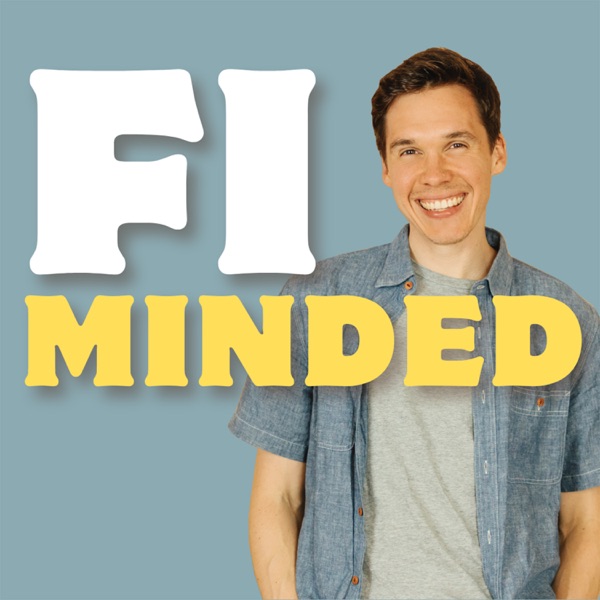
FI Minded - Financial Independence, Early Retirement & Lifestyle Design
Pursuing financial independence, financial freedom, or early retirement often leads to the same questions: How do I become financially independent? How much should I save? What happens after I reach FI?
FI Minded helps you use money to create more freedom, without turning your entire life into a financial optimization project.
Host Justin Peters explores the decisions behind building a flexible, work-optional life, from reaching financial independence and navigating Coast FI and Slow FI to spending your money, changing careers, stepping away from work, and figuring out what comes after FI.
Each episode combines practical personal finance with conversations about early retirement, lifestyle design, work, spending, healthcare, self-employment, and life after financial independence. The goal isn't simply to reach FI as quickly as possible. It's to make progress toward financial freedom while actually enjoying your life along the way.
On FI Minded, you'll learn how to:
- Reach financial independence without burning out
- Build a flexible, work-optional lifestyle
- Navigate Coast FI, Slow FI, and other paths to FI
- Make smarter decisions about spending and saving
- Prepare financially and emotionally for early retirement
- Figure out what life can look like after financial independence
- Think through the tradeoffs behind major money and lifestyle decisions
- Make progress toward financial independence while actually living your life.
Some of our past guests include Carl Jensen (1500 Days), Jeremy Schneider (Personal Finance Club), Nick Loper (Side Hustle Show), Andrew Giancola (The Personal Finance Podcast), Jordan Grumet (Earn & Invest), Rachael Camp (Work Optional), Jillian Johnsrud (Retire Often), Sean Mullaney (FI Tax Guy), Jill Sirianni (Frugal Friends), Jackie Cummings-Koski (Catching Up to FI), Joel Larsgaard (How to Money), Cody Garrett (Measure Twice), Jesse Cramer (Personal Finance for Long-Term Investors), Jess (The Fioneers), Chris Hutchins (All The Hacks), Diania Merriam (EconoMe), Andy Hill (Marriage Kids Money), Fritz Gilbert (Retirement Manifesto), Maggie Tucker (Inside Out Money), Cody Berman (The Financial Independence Show), Joe Saul-Sehy (Stacking Benjamins), Doug Cunnington (Mile High FI), and and others helping you rethink how to approach financial independence.
- Episodes
- 209
- Releases
- Every two weeks
- Typical length
- 37 min
- On air since
- 2020
- Latest episode
- 1 week ago
Episodes
209 episodes, newest first
-
41 min
Roth Conversions in Early Retirement: Tax Hack or Retirement Risk? | E208 Sean Mullaney
Episode 208
Show notes
I love the little hacks for saving money on groceries, airfare, and transportation. But there’s a quieter expense that can be a real needle-mover when we focus on it: taxes.
For early retirees, Roth conversions can create an unusually attractive tax-planning opportunity. With little or no earned income, you may be able to move money from traditional retirement accounts into a Roth while paying taxes at relatively low rates. But that doesn’t necessarily mean every Roth conversion is a good idea.
In this episode, I sit down with Sean Mullaney, the FI Tax Guy and author of Tax Planning to and Through Early Retirement, to explore the hidden tradeoffs of Roth conversions. We discuss how conversions can interact with sequence-of-returns risk, ACA subsidies, withdrawal rates, and the decision of whether to pay taxes from cash or your portfolio.
We also tackle a bigger question: If you have money available today, should you use it to reduce a future tax bill or spend it improving your life now? Because sometimes the most tax-efficient decision isn’t necessarily the best decision for your early retirement.
Key Takeaways:
• Understand why Roth conversions are so attractive in early retirement
• Learn when paying taxes early can create unnecessary risk
• See how Roth conversions can affect sequence-of-returns risk
• Consider ACA subsidies before deciding how much to convert
• Avoid common mistakes when executing Roth conversions
• Balance tax optimization with the life you want todayOther Episodes You’ll Love:
• Retiring Before 50? Here’s What You Need to Know | E196 Jesse Cramer
• Why Roth Contributions Are Overrated for Financial Independence | E191 Cody Garrett
• Optimal Tax Strategies for Your Early Retirement | E180 Cody Garrett & Sean MullaneyGuest Summary:
Sean Mullaney is the FI Tax Guy and author of Tax Planning to and Through Early Retirement. He helps people pursuing financial independence understand how to make smarter tax-planning decisions before and during early retirement.
Health Insurance Marketplace Calculator: https://www.kff.org/interactive/subsidy-calculator/
Connect With Justin
Email me at Justin@FIMinded.com or connect with me on LinkedIn.
Support FI Minded
Want to hear more? Follow FI Minded on your favorite podcast player.
Like this episode? Share it with a friend pursuing financial independence.
Love the show? Say thanks by leaving a positive review.
The discussion is intended for general educational purposes only and is not tax, legal, or investment advice for any individual. Justin and the FI Minded podcast do not endorse Sean Mullaney, Mullaney Financial & Tax, Inc. and their services.
-
45 min
Should You Become Less Frugal as You Get Closer to FI? | E207 Jill Sirianni, Frugal Friends
Episode 207
Show notes
Frugality can be one of the most powerful tools on the path to financial independence. But what happens when you start getting closer to your FI number?
At some point, the question may shift from “How can I spend less?” to “Is optimizing every dollar still serving me?”
I have been wrestling with that question myself, experimenting with spending more on hobbies, convenience, and peace of mind while trying to figure out where frugality still adds value and where it might simply be holding him back.
I sit down with Jill Sirianni, co-host of the Frugal Friends podcast and author of Buy What You Love Without Going Broke, to explore how your relationship with frugality can evolve as your financial situation changes.
We discuss spending on friendships, hobbies, convenience, and personal growth, how to distinguish intentional spending from scarcity, and why buying a solution to a problem you don't actually have can quietly derail your financial goals.
If you've spent years getting really good at saving money, this conversation will help you decide where to stay disciplined, where to loosen your grip, and how to make sure your frugality is actually helping you build the life you want.
Key Takeaways:
• Learn when frugality stops adding meaningful value
• Recognize when scarcity is disguising itself as frugality
• Decide which expenses are worth paying more for
• Spend on hobbies and relationships without sabotaging your FI goals
• Protect your finances without optimizing every dollar
• Avoid buying solutions to problems you don't have
• Find the balance between intentionality and indulgenceOther Episodes You’ll Love:
The Hardest Skill in FI: Knowing When to Stop | E190 Joel Larsgaard
4 Rules That Will Help You Spend Money Without Stress & Regret | E188
Smart Frugality: The Frugal Mindset That Actually Feels Good | E183 JC Rodriguez
Mentions:
International healthcare: https://www.uhcglobal.com/
Guest Summary:
Jill Sirianna is the co-host of the Frugal Friends podcast and author of Buy What You Love Without Going Broke. Through her podcast, writing, and work as a CFP® professional, Jill helps people rethink frugality, spending, and what it means to use money intentionally. Her approach focuses on finding ways to spend on what matters while avoiding unnecessary spending and lifestyle inflation.
Connect With Justin
Email me at Justin@FIMinded.com or connect with me on LinkedIn.
Support FI Minded
Want to hear more? Follow FI Minded on your favorite podcast player.
Like this episode? Share it with a friend pursuing financial independence.
Love the show? Say thanks by leaving a positive review.
-
37 min
3 Retirement Withdrawal Strategies for Early Retirees | E206 Rachael Camp
Episode 206
Show notes
For years, the 4% rule has been one of the most important tools in the financial independence community. It gives us a simple way to answer one critical question: Can I afford to retire?
But once you actually reach FI, a different question becomes much harder to answer: How much should I spend?
Retirement planner Rachael Camp joins me to challenge the idea that retirement spending needs to follow a rigid formula. Instead, she explains why spending can, and probably should, adapt to market performance, changing priorities, and the different stages of retirement.
In this conversation, you'll learn three flexible withdrawal strategies that go beyond the traditional 4% rule: ratcheting, guardrails, and flexible spending. Rachael explains how each approach works, who they may be best suited for, and how to build a spending plan that gives you both financial security and permission to enjoy your money.
You'll also learn why these ideas may be useful before you reach FI, especially if you've spent years becoming an exceptional saver but aren't sure how to become a confident spender.
Key Takeaways:
• Rethink the 4% rule as a planning tool
• Learn three ways to make retirement spending more flexible
• Match your withdrawal strategy to your personality
• Build spending categories that adapt to changing circumstances
• Learn how to become more comfortable spending your moneyOther Episodes You’ll Love:
What to Do in Your Final Year Before Retirement | E198 Fritz Gilbert
Retiring Before 50? Here’s What You Need to Know | E196 Jesse Cramer
Why Roth Contributions Are Overrated for Financial Independence | E191 Cody Garrett
Guest Summary:
Rachael Camp is a retirement planner and founder of Camp Wealth, where she helps clients build thoughtful, personalized retirement plans. Her work focuses on helping people navigate the transition from saving and investing to actually spending their wealth with confidence.
Connect With Justin
Email me at Justin@FIMinded.com or connect with me on LinkedIn.
Support FI Minded
Want to hear more? Follow FI Minded on your favorite podcast player.
Like this episode? Share it with a friend pursuing financial independence.
Love the show? Say thanks by leaving a positive review.
-
32 min
The Missing Piece of the FIRE Formula | E205 Brian Herriot
Episode 205
Show notes
For decades, the formula for financial independence has been remarkably simple: earn more, spend less, invest the difference, and build a portfolio large enough to cover your expenses forever.
It's a strategy that's helped thousands of people retire years, even decades, earlier than traditional retirement.
But what if there's another way to create freedom?
Instead of replacing 100% of your income with investments, what if you also redesigned your work so you actually wanted to keep doing it?
In this episode, I sit down with Brian Herriot, author of Time Freedom, to explore why flexible work may be the missing piece of the FIRE formula. Brian introduces his Time Freedom Formula, explains why meaningful work doesn't have to end at retirement, and shares a practical roadmap for building a lifestyle business that creates income, flexibility, and purpose.
Whether you're pursuing Coast FI, full FIRE, or simply looking for more control over your time, this conversation will challenge how you think about work and help you discover another path to freedom.
Key Takeaways:
• Discover the missing third lever of financial independence
• Learn how flexible work creates freedom before full FIRE
• Understand Brian's Time Freedom Formula
• Explore lifestyle businesses that prioritize freedom over growth
• Build work you enjoy instead of escaping work entirelyOther Episodes You’ll Love:
How to Reach Financial Independence in 10 Years | E201 Chris Luger
Retiring Before 50? Here’s What You Need to Know | E196 Jesse Cramer
Tiny Quits That Build Toward Full FI | E194 Jess, The Fioneers
Guest Summary:
Brian Herriot is an entrepreneur, speaker, and author of Time Freedom. After questioning the traditional path to financial independence, Brian developed a framework that combines investment income with flexible work to create meaningful freedom sooner. Through his writing and financial planning, he helps people build lifestyle businesses and redesign their careers so they can enjoy more flexibility, purpose, and control over their time long before traditional retirement.
Connect With Justin
Email me at Justin@FIMinded.com or connect with me on LinkedIn.
Support FI Minded
Want to hear more? Follow FI Minded on your favorite podcast player.
Like this episode? Share it with a friend pursuing financial independence.
Love the show? Say thanks by leaving a positive review.
-
43 min
Why Freedom Needs Structure in Early Retirement | E204 Maggie Tucker
Episode 204
Show notes
For years, financial independence feels like the answer.
No more alarms. No more asking permission for vacation. No more meetings that could have been an email.
But what happens when you finally get everything you worked for?
Maggie Tucker retired at 41 expecting money and identity to be the biggest adjustments. Instead, she discovered something she never anticipated: freedom without structure can leave you feeling surprisingly lost.
After decades of living by deadlines, calendars, and expectations from other people, early retirement requires an entirely different skill—learning how to create purpose, rhythm, and meaning on your own.
In this conversation, Maggie shares what she's learned during four years of early retirement, why she believes freedom works best with a framework, and how simple practices like hobbies, community, and "Adventure Days" can make life after FIRE far more fulfilling.
Whether you're years away from financial independence or already work-optional, this episode will help you prepare for the part of FIRE that no spreadsheet can predict.
Key Takeaways:
• Learn how to create structure after leaving full-time work
• Avoid the hidden challenges many early retirees experience
• Build habits that make freedom feel meaningful
• Create purpose without relying on work for identity
• Practice retirement skills before reaching your FI numberOther Episodes You’ll Love:
What 200 Episodes Taught Me About Financial Independence | E200 Joe Saul-Sehy
When Productivity Becomes the Problem | E199 Doug Cunnington
How to Create a 3-Day Workweek (Before You Reach FI) | E187 Andy Hill
Guest Summary:
Maggie Tucker retired at 41 after reaching financial independence with her husband in 2022. Through her podcast, Inside Out Money, she shares honest reflections on life after FIRE, exploring topics like purpose, structure, identity, and how to build a fulfilling life once work is optional. Her work encourages future retirees to prepare not just financially, but emotionally, for the transition into early retirement.
Connect With Justin
Email me at Justin@FIMinded.com or connect with me on LinkedIn.
Support FI Minded
Want to hear more? Follow FI Minded on your favorite podcast player.
Like this episode? Share it with a friend pursuing financial independence.
Love the show? Say thanks by leaving a positive review.
-
32 min
Fast-Track Your Way to Financial Independence With This Plan | E203 Cody Berman
Episode 203
Show notes
The Slow FI movement has changed the way many of us think about financial independence. Instead of rushing to the finish line, more people are prioritizing balance, flexibility, and enjoying life along the way.
But what if you're in a season where you actually want to accelerate?
Maybe you're motivated to leave a stressful job, create more options for your family, or simply reach financial independence sooner. The question becomes: how do you speed things up without sacrificing everything that makes the journey worthwhile?
In this episode, I sit down with Cody Berman, entrepreneur, real estate investor, and author of Retire by 30, to explore the biggest levers that can dramatically shorten your path to financial independence. Together they discuss the two primary approaches to FI, why increasing your income often matters more than cutting another expense, and how Cody earned more than $400,000 in a single year while intentionally keeping his lifestyle simple.
Whether you're just starting your FI journey or looking for ways to shave years off your timeline, this conversation will help you identify the strategies with the biggest impact.
Key Takeaways:
• Learn the biggest levers that accelerate financial independence
• Decide whether entrepreneurship fits your FI strategy
• Discover why income often matters more than frugality
• Build wealth faster without inflating your lifestyle
• Find the right balance between speed and sustainabilityOther Episodes You’ll Love:
How to Reach Financial Independence in 10 Years | E201 Chris Luger
Retiring Before 50? Here’s What You Need to Know | E196 Jesse Cramer
Tiny Quits That Build Toward Full FI | E194 Jess, The Fioneers
Guest Summary:
Cody Berman is an entrepreneur, real estate investor, and co-host of The FI Show podcast. He achieved financial independence at a young age by combining entrepreneurship, strategic investing, and intentional spending. Cody is also the author of Retire by 30, where he shares practical strategies to help people accelerate their path to financial independence while building a life they enjoy along the way.
Connect With Justin
Email me at Justin@FIMinded.com or connect with me on LinkedIn.
Support FI Minded
Want to hear more? Follow FI Minded on your favorite podcast player.
Like this episode? Share it with a friend pursuing financial independence.
Love the show? Say thanks by leaving a positive review.
-
34 min
How Many Years of Freedom Does Your Car Cost? | E202 Hanna Horvath
Episode 202
Show notes
Most people can quickly tell you what they love spending money on: travel, concerts, hobbies, or trying new restaurants.
But almost no one gets excited about paying for their car.
Yet transportation is one of the biggest expenses most households have. Between car payments, insurance, fuel, maintenance, and depreciation, the average American spends more than $11,000 each year to own and operate a vehicle. For many families, that's over $20,000 annually going toward something that often feels more like a necessity than a choice.
In this episode, I sit down with Hanna Horvath from Your Brain on Money to explore what our cars are really costing us (and not just financially). We discuss practical ways to reduce transportation expenses, whether you decide to go car-free, become car-lite, or simply make smarter decisions about the vehicle you already own. Along the way, they examine how America's car-centric culture shapes our spending, our communities, and even our relationships.
If you've ever wondered how much faster you could reach financial independence by spending less on transportation, this conversation may completely change how you think about your next car.
Key Takeaways:
• The expense quietly delaying your path to FI
• Why your "dream neighborhood" may cost less overall
• The surprising math behind owning two cars
• How much freedom cheaper transportation can buy
• Why going car-free isn't the only smart option
• The hidden costs of driving beyond your budget
• Why America's car culture feels impossible to escapeOther Episodes You’ll Love:
What Our Wedding Taught Us About Money | E197 Gaby Deimeke
The Emotional Cost of Ignoring Burnout While Pursuing FI | E193 Jess, The Fioneers
The Hardest Skill in FI: Knowing When to Stop | E190 Joel Larsgaard
Guest Summary:
Hanna Horvath is a personal finance journalist, creator of Your Brain on Money, and an advocate for helping people make smarter financial decisions by understanding the psychology behind them. Through her writing and reporting, she explores how our environments, habits, and cultural norms influence the way we spend, save, and build wealth. Her work frequently challenges conventional assumptions about money while offering practical ways to create a life that's both financially healthier and more intentional.
Connect With Justin
Email me at Justin@FIMinded.com or connect with me on LinkedIn.
Support FI Minded
Want to hear more? Follow FI Minded on your favorite podcast player.
Like this episode? Share it with a friend pursuing financial independence.
Love the show? Say thanks by leaving a positive review.
-
41 min
How to Reach Financial Independence in 10 Years | E201 Chris Luger
Episode 201
Show notes
Most people want to reach financial independence faster.
We talk about enjoying the journey, and that matters, but if there’s a way to get there in 10 or 15 years instead of 25, it’s hard to ignore.
The question is: what actually moves the needle?
In this episode, I sit down with Chris Luger from Heavy Metal Money, who reached financial independence in a decade. But what makes Chris’s story compelling is that he didn’t start with a financial advantage. After a divorce forced him to take ownership of his finances for the first time, he built his FI plan from scratch and executed it quickly.
In this conversation, we break down the most impactful levers for accelerating your FI timeline, including increasing income, reducing expenses, and making intentional lifestyle choices. We also explore the tradeoffs that come with moving faster, like balancing enjoyment with optimization, managing risk, and avoiding burnout.
If you’re looking to speed up your path to financial independence without sacrificing your quality of life, this episode will give you practical strategies to consider.
Key Takeaways:
• The simple housing move that can shave years off FI
• Why eating out might be costing more than you think
• The fastest (and most overlooked) way to boost income
• How to speed up FI without burning yourself out
• The tradeoff most people underestimate on the fast path
• Why saving more isn’t always the best lever
• The “non-negotiable” expenses worth keeping on any budgetOther Episodes You’ll Love:
• What to Do in Your Final Year Before Retirement | E198 Fritz Gilbert
• Retiring Before 50? Here’s What You Need to Know | E196 Jesse Cramer
• How to Create a 3-Day Workweek (Before You Reach FI) | E187 Andy HillGuest Summary:
Chris Luger is the host of the Heavy Metal Money podcast and an advocate for financial independence. Chris built a plan that helped him reach financial independence in about 10 years. Through his content, he shares practical strategies and honest insights on balancing aggressive saving, income growth, and lifestyle design to help others reach FI faster.
Connect With Justin
Email me at Justin@FIMinded.com or connect with me on LinkedIn.
Support FI Minded
Want to hear more? Follow FI Minded on your favorite podcast player.
Like this episode? Share it with a friend pursuing financial independence.
Love the show? Say thanks by leaving a positive review.
-
42 min
What 200 Episodes Taught Me About Financial Independence | E200 Joe Saul-Sehy
Episode 200
Show notes
Six years. 200 episodes. And a lot has changed along the way.
After years of working, saving, and building toward financial independence, this milestone episode comes at a meaningful moment — just weeks after stepping away from corporate work. What once felt like a distant goal is now something much more real and a lot more nuanced than expected.
Looking back on the journey from Episode 100 to now, one lesson stands out: there is no perfect path to financial independence — only intentional tradeoffs. The decisions to travel more, spend more, and prioritize experiences may have slowed the math, but they made the journey far more enjoyable. And along the way, it became clear that FI isn’t just about hitting a number. It’s about building options.
To celebrate Episode 200, I’m joined by Joe Saul-Sehy, host of Stacking Benjamins, for a fun and insightful conversation built around the number 200. Together, they explore what truly makes retirees happy, how to use your time once work becomes optional, and why relationships may matter more than anything else on the path to financial independence.
Key Takeaways:
• Start using your freedom before reaching your FI number
• Design your time intentionally instead of defaulting to work
• Prioritize relationships before and after financial independence
• Accept that not every financial decision will be optimal
• Use money as a tool to improve your life today
• Build a lifestyle you actually enjoy along the way
• Recognize that FI is about options, not just a numberOther Episodes You’ll Love:
• What to Do in Your Final Year Before Retirement | E198 Fritz Gilbert
• Retiring Before 50? Here’s What You Need to Know | E196 Jesse Cramer
• Fridays: The Best Place to Begin Practicing Financial Freedom | E192Guest Summary:
Joe Saul-Sehy is a former financial advisor turned podcast host, speaker, and author. He is the creator of the popular personal finance podcast Stacking Benjamins, where he combines humor and practical advice to help listeners make smarter financial decisions. Through years of interviewing experts and studying retirees, Joe has developed a deep understanding of what truly leads to a fulfilling and happy life after work.
Connect With Justin
Email me at Justin@FIMinded.com or connect with me on LinkedIn.
Support FI Minded
Want to hear more? Follow FI Minded on your favorite podcast player.
Like this episode? Share it with a friend pursuing financial independence.
Love the show? Say thanks by leaving a positive review.
-
39 min
When Productivity Becomes the Problem | E199 Doug Cunnington
Episode 199
Show notes
For years, productivity felt like a superpower.
It helped you earn more, save more, and move faster toward financial independence. It becomes part of your identity. The reason you feel like you’re “on track.”
But what happens when that same skill starts working against you?
As you get closer to FI, it becomes harder to tell the difference between productive effort and unnecessary optimization. And for many people, the habit of doing more doesn’t stop, even when they no longer need it.
In this episode, I talk with Doug Cunnington, host of Mile High FI, about the idea of “anti-productivity” or the intentional practice of doing less, not out of laziness, but out of clarity.
We explore why over-optimization can quietly reduce quality of life, how productivity can become a default identity, and what it actually looks like to step back without losing purpose or direction.
If productivity has been your edge on the way to FI, this conversation will help you rethink what comes next.
Key Takeaways:
• Why productivity can become a limitation after FI
• How over-optimization reduces joy and increases burnout
• The hidden fears that drive constant productivity
• Why many FI achievers struggle to slow down
• How to tell when effort stops producing meaningful returns
• What “anti-productivity” actually looks like in real life
• How to build purpose without constant optimization
• Why doing less is a skill, not lazinessOther Episodes You’ll Love:
Tiny Quits That Build Toward Full FI | E194 Jess, The Fioneers
The Hardest Skill in FI: Knowing When to Stop | E190 Joel Larsgaard
How to Create a 3-Day Workweek (Before You Reach FI) | E187 Andy Hill
Guest Summary:
Doug Cunnington is the host of Mile High FI and a financial independence advocate known for his practical, grounded approach to money and life design. Before reaching FI, Doug built a career centered around productivity, side hustles, and business building — skills that helped him achieve financial independence relatively early. Today, he focuses on helping others think more clearly about money, work, and lifestyle design, while also exploring what it means to step back from constant optimization and live with more intention.
Connect With Justin
Email me at Justin@FIMinded.com or connect with me on LinkedIn.
Support FI Minded
Want to hear more? Follow FI Minded on your favorite podcast player.
Like this episode? Share it with a friend pursuing financial independence.
Love the show? Say thanks by leaving a positive review.
-
37 min
What to Do in Your Final Year Before Retirement | E198 Fritz Gilbert
Episode 198
Show notes
Retirement can feel like a finish line, but when it gets close, it often feels more like a transition you’re not fully prepared for.
After years of saving, planning, and imagining what life could look like, the final year of work is when things start to get real. And that’s when a lot of people realize: dreaming about retirement is very different from actually stepping into it.
Drawing from ideas inspired by Fritz Gilbert of Retirement Manifesto, this episode breaks down six intentional steps you can take during your final year of work to make the transition smoother, more meaningful, and far less uncertain.
We talk through how to get clear on what you actually want retirement to feel like, how to stay engaged during the final stretch of work, and how to start practicing the habits and routines you’ll carry into your next chapter. This episode will help you step into retirement with confidence rather than guesswork.
Key Takeaways:
• Get clear on what you want retirement to feel like
• Stay engaged during the final stretch of work
• Practice spending and living off less income
• Separate personal life from your work
• Build a list of meaningful activities in advance
• Celebrate the transition into retirement intentionallyOther Episodes You’ll Love:
Tiny Quits That Build Toward Full FI | E194 Jess, The Fioneers
Fridays: The Best Place to Begin Practicing Financial Freedom | E192
Spending Experiments: Learn What Purchases Make You Happy | E160 Carl Jensen
Guest Summary:
Fritz Gilbert is the Founder of The Retirement Manifesto, an award-winning blog focused on “Helping People Achieve A Great Retirement.” He is the author of “Keys to a Successful Retirement - Staying Happy, Active and Productive in Your Retired Years.” Fritz retired in 2018 at age 55 after a 33-year career in Corporate America and enjoys sharing the lessons he’s learned to help others on their journey. He and his wife live with their 3 dogs in the Appalachian Mountains in Blue Ridge, GA, where they enjoy managing their 501c3 charity Freedom For Fido, building free dog fences for low-income families with dogs on chains. They also enjoy many outdoor activities, RV travel, exercise, and spending time at their second home with their granddaughter in Southern Alabama. You can follow Fritz on Twitter, Facebook, or on his blog.
Connect With Justin
Email me at Justin@FIMinded.com or connect with me on LinkedIn.
Support FI Minded
Want to hear more? Follow FI Minded on your favorite podcast player.
Like this episode? Share it with a friend pursuing financial independence.
Love the show? Say thanks by leaving a positive review.
-
27 min
What Our Wedding Taught Us About Money | E197 Gaby Deimeke
Episode 197
Show notes
Weddings are one of the most emotionally charged financial decisions you’ll ever make.
You’re spending a large amount of money in a short period of time, making dozens of decisions — all while balancing your own priorities, your partner’s preferences, and outside expectations.
And after getting married in February, I realized something:
This wasn’t just a wedding…it was a real-life experiment in how we spend money.
In this episode, my wife Gaby joins me to break it all down — from how we decided what mattered, to exactly how much we spent, to what we’d do differently.
We share the full breakdown, the moments that were 100% worth it, and the things that, honestly, didn’t matter as much as we thought.
If you’ve ever struggled with spending money without second-guessing it, whether it’s a wedding, a house, or a big life decision, this episode will help you think about it more clearly.
Key Takeaways:
• How to decide what actually matters before spending money
• A real wedding cost breakdown and where the money went
• What expenses were truly worth it (and what weren’t)
• How social pressure can influence your spending decisions
• The tradeoffs between saving money and reducing stress
• Why optimization can sometimes make the experience worse
• How to make big financial decisions with less regretOther Episodes You’ll Love:
4 Rules That Will Help You Spend Money Without Stress & Regret | E188
Shifting Away from a “Save-Only” Mindset | E175 Matt & Yana - CoastFI Couple
When You and Your Partner See Money Differently | E162 Brian Page
Guest Summary:
Gaby is Justin’s wife and partner in building a thoughtful, FI-minded life. While Justin tends to approach money from a more analytical perspective, Gaby brings a creative and experience-driven lens — making her the perfect counterbalance when it comes to making meaningful spending decisions. Together, they navigate how to align priorities, communicate through tradeoffs, and spend money in ways that genuinely enhance their lives. When she’s not bothering Justin, she’s often traveling and taking photos. See what she is up to on her website.
Connect With Justin
Email me at Justin@FIMinded.com or connect with me on LinkedIn.
Support FI Minded
Want to hear more? Follow FI Minded on your favorite podcast player.
Like this episode? Share it with a friend pursuing financial independence.
Love the show? Say thanks by leaving a positive review.
-
46 min
Retiring Before 50? Here’s What You Need to Know | E196 Jesse Cramer
Episode 196
Show notes
If you’re planning to retire early, there’s something most people don’t realize:
Early retirement isn’t just “normal retirement…earlier.”
Most financial advice is built around retiring at 65 with a 25–30 year time horizon, Medicare coverage, and limited tax planning flexibility.
But if you’re aiming to retire in your 40s or 50s, the rules change.
Your retirement could last 40–50+ years. You’ll need to bridge the gap to Medicare. And you’ll have a unique window to optimize taxes in ways traditional retirees can’t.
If you follow standard retirement advice without adjusting for these differences, you can accidentally create risks that are completely avoidable.
In this episode, I’m joined by Jesse Cramer, financial advisor and host of Personal Finance for Long-Term Investors, to break down the biggest planning differences between traditional and early retirement.
We cover what changes, what stays the same, and how to build a plan that actually works for a longer, more flexible retirement.
Key Takeaways:
• Why early retirement requires a different strategy than traditional retirement
• How longer time horizons impact withdrawal rates and investment strategy
• The biggest risks early retirees face and how to manage them
• How to plan for healthcare before Medicare kicks in
• Why early retirement opens up powerful tax planning opportunities
• How to access your money before age 59½ without penalties
• Why flexibility matters more than precision in early retirement planning
• The mindset shift required when work becomes optionalOther Episodes You’ll Love:
Why Roth Contributions Are Overrated for Financial Independence | E191 Cody Garrett
Is Saving Too Much Holding You Back? | E179 Jesse Cramer
Guest Summary:
Jesse Cramer is a financial advisor and the host of Personal Finance for Long-Term Investors, where he helps thoughtful investors make smarter, long-term decisions with their money. He specializes in breaking down complex financial topics, like tax strategy, withdrawal planning, and retirement, into clear, practical guidance for those looking to build and sustain wealth over time. For more of Jesse, check out Personal Finance for Long-Term Investors.
Connect With Justin
Email me at Justin@FIMinded.com or connect with me on LinkedIn.
Support FI Minded
Want to hear more? Follow FI Minded on your favorite podcast player.
Like this episode? Share it with a friend pursuing financial independence.
Love the show? Say thanks by leaving a positive review.
-
51 min
You’re FI, But Still Obsessed with Making More Money | E195 Justin David Carl
Episode 195
Show notes
If you’ve been pursuing financial independence for a while, there’s a good chance you’ve built your identity around progress — earning more, saving more, optimizing everything.
That mindset is what gets you to FI.
But what happens when you get close…or even cross the finish line?
For a lot of high achievers, they don’t slow down. They keep chasing. They move the goalposts. They look for the next number to hit.
Not because they need more money, but because they don’t know what replaces the pursuit.
In this episode, I sit down with Justin David Carl from Fit Rich Life to talk about what happens when money is no longer the main constraint in your life.
After walking away from a high-paying sales career, Justin was forced to confront a deeper question: Who am I if I’m no longer making a ton of money?
We unpack what it looks like to shift from optimizing net worth to optimizing net life, how to navigate identity after FI, and why high achievers often struggle to stop playing a game they’ve already won.
Key Takeaways:
• Why high achievers often struggle to slow down after reaching FI
• How your identity can get tied to income, progress, and achievement
• What it means to shift from optimizing net worth to optimizing net life
• Why chasing “more” doesn’t always lead to a better life
• How to redefine success when money is no longer the primary goal
• The role competition, purpose, and structure play after FI
• How to navigate major life transitions without losing yourselfOther Episodes You’ll Love:
Fridays: The Best Place to Begin Practicing Financial Freedom | E192
The Hardest Skill in FI: Knowing When to Stop | E190 Joel Larsgaard
How to Create a 3-Day Workweek (Before You Reach FI) | E187 Andy Hill
Guest Summary:
Justin David Carl is a fitness and money coach who helps high achievers build a “fit, rich life” — one that prioritizes health, freedom, and fulfillment alongside financial success. After leaving a high-income sales career, he now focuses on helping others shift from chasing more money to optimizing their time, energy, and overall quality of life. Check out more at Fit Rich Life.
Connect With Justin
Email me at Justin@FIMinded.com or connect with me on LinkedIn.
Support FI Minded
Want to hear more? Follow FI Minded on your favorite podcast player.
Like this episode? Share it with a friend pursuing financial independence.
Love the show? Say thanks by leaving a positive review.
-
24 min
Tiny Quits That Build Toward Full FI | E194 Jess, The Fioneers
Episode 194
Show notes
Financial independence doesn’t have to be an all-or-nothing leap — it’s a spectrum, and you can start practicing freedom now. In this episode, I continue the conversation with Jess from The Fioneers, exploring “tiny quits” — low-risk experiments you can take to reclaim time, protect your energy, and build confidence without derailing your FI plan.
We discuss practical ways to negotiate your work, control your calendar, and even step back from the chase for maximum income, all in service of a more balanced, intentional path toward FI.
If you’ve been feeling the pressure of burnout or stuck waiting until some future number to enjoy freedom, this conversation is full of actionable strategies to start practicing it today.
Key Takeaways:
• Tiny quits help reclaim time and energy without quitting your job
• How to negotiate responsibilities, meetings, or schedule to reduce burnout
• Ways to control your workload and say no guilt-free
• Quitting the chase for maximum income can increase freedom and peace
• Practical steps to take back your calendar and protect focusOther Episodes You’ll Love:
The Hardest Skill in FI: Knowing When to Stop | E190 Joel Larsgaard
How to Create a 3-Day Workweek (Before You Reach FI) | E187 Andy Hill
Mini-Retirements: Retire Often, Not Just Early | E177 Jillian Johnsrud
Guest Summary:
Jess is the co-founder of The Fioneers, a platform dedicated to helping people pursue financial independence while building a life they enjoy along the way. Through their writing, courses, and YouTube channel, Jess and her partner Corey help people explore ideas like SlowFI, intentional living, and designing a flexible lifestyle before reaching full financial independence.
Connect With Justin
Email me at Justin@FIMinded.com or connect with me on LinkedIn.
Support FI Minded
Want to hear more? Follow FI Minded on your favorite podcast player.
Like this episode? Share it with a friend pursuing financial independence.
Love the show? Say thanks by leaving a positive review.
-
19 min
The Emotional Cost of Ignoring Burnout While Pursuing FI | E193 Jess, The Fioneers
Episode 193
Show notes
For many people pursuing financial independence, discovering compounding interest is the moment everything clicks.
You start earning more, saving aggressively, and letting your investments grow. The math works, the plan is clear, and the finish line feels achievable.
But wealth isn’t the only thing that compounds. Burnout does too.
And if you ignore it long enough, it eventually catches up to you.
In this episode, I speak with Jess from The Fioneers to talk about the hidden cost of pushing too hard on the path to FI. Jess shares her experience hitting a wall before stepping away from work, the warning signs she ignored, and what she learned from slowing down.
Together, they explore why many high achievers in the FI community overestimate the financial risks of slowing down while underestimating the emotional cost of waiting too long.
You’ll also hear why the SlowFI philosophy resonates with so many people pursuing financial independence, and how it can help you design a life that balances progress toward FI with enjoying your time today.
If you’ve been pushing hard toward your FI number but feeling the weight of burnout creeping in, this conversation offers a thoughtful look at how to recalibrate before you’re forced to.
Key Takeaways:
• Burnout compounds just like investments if you ignore it long enough
• Many FI pursuers overestimate the risks of slowing down
• Waiting for full FI can come with hidden emotional costs
• SlowFI focuses on changing your relationship with progress
• Small adjustments can relieve burnout without derailing your FI planOther Episodes You’ll Love:
The Hardest Skill in FI: Knowing When to Stop | E190 Joel Larsgaard
How to Create a 3-Day Workweek (Before You Reach FI) | E187 Andy Hill
3 Hidden Traps That Make FIRE Feel Empty | E182 Jordan Grumet
Guest Summary:
Jess is the co-founder of The Fioneers, a platform dedicated to helping people pursue financial independence while building a life they enjoy along the way. Through their writing, courses, and YouTube channel, Jess and her partner Corey help people explore ideas like SlowFI, intentional living, and designing a flexible lifestyle before reaching full financial independence.
Connect With Justin
Email me at Justin@FIMinded.com or connect with me on LinkedIn.
Support FI Minded
Want to hear more? Follow FI Minded on your favorite podcast player.
Like this episode? Share it with a friend pursuing financial independence.
Love the show? Say thanks by leaving a positive review.
-
22 min
Fridays: The Best Place to Begin Practicing Financial Freedom | E192
Episode 192
Show notes
As I got closer to financial independence, I realized something strange: I had more financial freedom than ever, but I still wasn’t using my time any differently.
It forced me to ask a bigger question: if the goal of FI is freedom with your time, why was I still waiting to start living that way?
In this solo episode, I share why Fridays might be the best place to begin practicing financial independence before you reach your FI number. After years of working full-time while also running my business, I started experimenting with taking Fridays off, and eventually Mondays too, and discovered that freedom is something you can practice in small doses.
You’ll learn why Fridays are the perfect low-risk “tiny quit,” how reclaiming just one day can help you escape the weekend crunch, and why experimenting with flexibility now can build confidence in your FI plan long before you hit your number.
Key Takeaways:
• Why financial independence is a skill, not just a number
• How taking Fridays off can help you practice freedom before reaching FI
• Why Fridays are the lowest-risk day to experiment with flexibility at work
• How reclaiming your time can prevent burnout and create more life balance
• Simple ways to ask your employer for Fridays off or more flexibility
• Why small “tiny quits” can help you build confidence and design your ideal lifeOther Episodes You’ll Love:
The Hardest Skill in FI: Knowing When to Stop | E190 Joel Larsgaard
How to Create a 3-Day Workweek (Before You Reach FI) | E187 Andy Hill
What’s on Your FI Bucket List? | E186
Connect With Justin
Email me at Justin@FIMinded.com or connect with me on LinkedIn.
Support FI Minded
Want to hear more? Follow FI Minded on your favorite podcast player.
Like this episode? Share it with a friend pursuing financial independence.
Love the show? Say thanks by leaving a positive review.
-
28 min
Why Roth Contributions Are Overrated for Financial Independence | E191 Cody Garrett
Episode 191
Show notes
For years, I assumed Roth contributions were the smarter move. Pay the taxes now, enjoy tax-free growth later, and never worry about future tax hikes. It felt simple and responsible. But during my highest-earning years, that mindset was quietly slowing down my progress toward financial independence.
Financial planner and tax expert Cody Garrett explains why Traditional contributions often outperform Roth for people pursuing FI. The key insight: during retirement, it’s not your income that drives taxes, it’s your spending. That shift changes everything about how tax planning should work for early retirees and those working toward financial independence.
In this conversation, we break down the three major reasons Traditional contributions often win, why retirees benefit from a surprisingly friendly tax code, and how locking yourself into Roth contributions too early can limit your future flexibility. You’ll also learn how strategic tax planning can help you reach your FI number faster and create more options once you stop working.
Key Takeaways:
• Lower today’s tax bill during peak earning years
• Optimize tax brackets and avoid costly phase-outs
• Retirement taxes depend on spending, not income
• Preserve flexibility to convert to Roth later
• Avoid overpaying taxes during high-income years
• Use Traditional savings to accelerate your FI timeline
• Take advantage of the retiree-friendly tax codeOther Episodes You’ll Love:
50/30/20 Budget: Does This Popular Guideline Actually Work for FI Seekers? | E184
3 Hidden Traps That Make FIRE Feel Empty | E182 Jordan Grumet
Optimal Tax Strategies for Your Early Retirement | E180 Cody Garrett & Sean Mullaney
Guest Summary:
Cody Garrett is a financial planner, tax specialist, and the founder of Measure Twice Financial. A former professional musician turned financial advisor, Cody specializes in tax planning strategies for people pursuing financial independence and early retirement. His work focuses on helping high earners optimize tax strategies during their working years while creating flexible withdrawal strategies for retirement.
Book: Tax Planning To and Through Early Retirement
Connect With Justin
Email me at Justin@FIMinded.com or connect with me on LinkedIn.
Support FI Minded
Want to hear more? Follow FI Minded on your favorite podcast player.
Like this episode? Share it with a friend pursuing financial independence.
Love the show? Say thanks by leaving a positive review.
-
42 min
The Hardest Skill in FI: Knowing When to Stop | E190 Joel Larsgaard
Episode 190
Show notes
The FI community is incredibly good at effort, optimization, and doing hard things for a long time. But somewhere along the way, many of us forget how to stop. Even after gaining more control over our time, we fill it back up with projects, commitments, and expectations, leaving us busy, tired, and quietly stretched thin.
Joel Larsgaard shares what it looked like to recognize that “doing it all” was no longer sustainable, even when the work was meaningful. After front-loading years of effort through saving, investing, and building How to Money, Joel began intentionally pulling back: working fewer hours, prioritizing family and health, and even taking a six-week sabbatical. This conversation explores why doing less isn’t laziness, but a necessary evolution after years of striving.
You’ll hear how financial independence can be used as a tool for time, not just wealth, along with practical ways to say no, resist constant expansion, and create space without losing ambition. If you’ve reached a point where more effort isn’t improving your life the way it used to, this episode offers a healthier path forward - one built on balance, presence, and intentional choices.
Key Takeaways:
• Doing more eventually stops improving your quality of life
• Financial independence is a tool to reclaim time, not fill it
• Burnout can exist even when work is meaningful
• Saying no protects energy for what matters most
• Over-committing quietly erodes family and personal time
• Small boundaries can create disproportionate freedom
• Doing less doesn’t kill ambition—it refines it
• Success should feel sustainable, not exhaustingOther Episodes You’ll Love:
4 Rules That Will Help You Spend Money Without Stress & Regret | E188
How to Create a 3-Day Workweek (Before You Reach FI) | E187 Andy Hill
3 Hidden Traps That Make FIRE Feel Empty | E182 Jordan Grumet
Guest Summary:
Joel Larsgaard is the co-host of How to Money, one of the most popular personal finance podcasts, where he helps listeners build wealth while living well. Through his own FI journey, Joel has shifted from relentless optimization toward a more intentional, balanced life—focusing on family, health, and long-term sustainability without abandoning ambition.
Connect With Justin
Email me at Justin@FIMinded.com or connect with me on LinkedIn.
Support FI Minded
Want to hear more? Follow FI Minded on your favorite podcast player.
Like this episode? Share it with a friend pursuing financial independence.
Love the show? Say thanks by leaving a positive review.
-
45 min
Divorce Lawyer Reveals the Reasons Marriages Fail (and How to Prevent Them) | E189 Aaron Thomas
Episode 189
Show notes
Most people enter marriage with optimism and good intentions, but very few understand what actually causes relationships to fall apart over time. After spending 15 years inside divorce courtrooms and watching more than a thousand marriages unravel, today’s guest reached a blunt conclusion that challenges everything we’re taught about marriage and money.
Aaron Thomas, divorce lawyer, Harvard Law graduate, and founder of Prenups.com, shares what he learned from seeing marriages fail up close, and how those lessons completely reshaped how he approached his own relationship. Instead of ignoring the risks, Aaron reverse-engineered the most common emotional and financial breakdowns couples face and built systems to prevent them before they ever show up.
This conversation explores practical tools couples can use to strengthen trust, reduce money-related conflict, and stay aligned on big goals like financial independence, early retirement, and lifestyle design. You’ll learn how to run a marriage check-in that actually works, why prenups can be healthy (not hostile), and how clear financial agreements can protect both your relationship and your FI journey.
Key Takeaways:
• Identify repeating conflict patterns before they escalate
• Schedule an annual relationship check-in on your calendar
• Set a shared spending limit to prevent daily money tension
• Create financial guardrails for helping family and friends
• Align on FI timelines before resentment builds
• Talk through risk tolerance differences, not past each other
• Use a prenup to clarify values and expectations early
• Learn your state’s default divorce rules before you marryOther Episodes You’ll Love:
How to Have End-of-Life Conversations with the People You Love | E185 Tess Waresmith
When You and Your Partner See Money Differently | E162 Brian Page
When Your Spouse Makes More Than You | E151 Ed Coambs
Guest Summary:
Aaron Thomas is a divorce lawyer, Harvard Law graduate, and founder of Prenups.com. After representing hundreds of couples through emotionally and financially costly divorces, Aaron became passionate about helping couples proactively design healthier relationships. His work focuses on clear communication, financial transparency, and practical systems that reduce conflict and support long-term partnerships, especially for high-achieving couples pursuing financial independence.
Aaron’s website: https://prenups.com/
Connect With Justin
Email me at Justin@FIMinded.com or connect with me on LinkedIn.
Support FI Minded
Want to hear more? Follow FI Minded on your favorite podcast player.
Like this episode? Share it with a friend pursuing financial independence.
Love the show? Say thanks by leaving a positive review.
On these lists
FI Minded - Financial Independence, Early Retirement & Lifestyle Design is one of the shows picked out on each of these





More in How To
Placed highest on Apple Podcasts' How To chart right now