Podcast
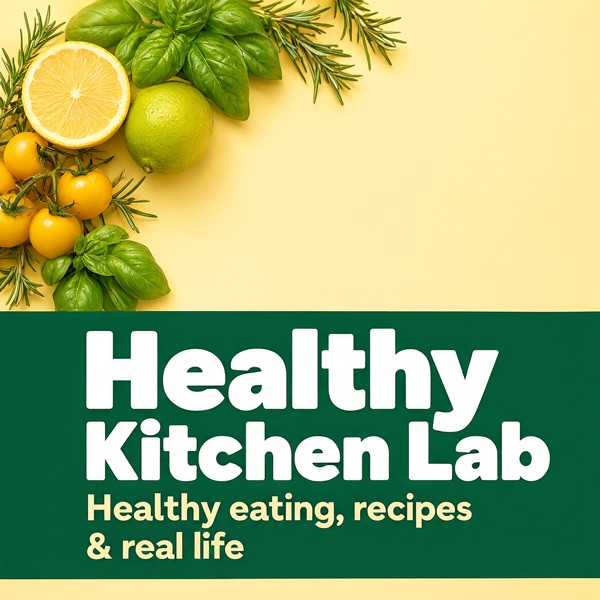
Healthy Kitchen Lab: Healthy eating, recipes & real life
Healthy Kitchen Lab is the definitive audio destination for anyone seeking to transform their relationship with food through science-backed nutrition and approachable, delicious recipes. Hosted by Sarah-Louise Stevens, this narrative podcast demystifies healthy eating by blending culinary expertise with real-life lifestyle insights, creating an empowering experience that feels both educational and deeply personal. Listeners are invited into a warm, engaging space where complex nutritional concepts are broken down into actionable advice, making wellness accessible rather than overwhelming.
Explore a rich tapestry of topics including meal prep strategies, gut health optimization, sustainable diet plans, and quick weeknight dinners that do not compromise on flavor or nutrition. The show delves into the psychology of eating, offering practical tips for mindful consumption, budget-friendly grocery shopping, and overcoming common dietary hurdles without sacrificing joy. Each episode serves as a comprehensive guide to building a healthier kitchen, covering everything from superfood benefits to intuitive eating practices that support long-term physical and mental well-being.
This podcast is crafted for busy professionals, health-conscious families, and anyone curious about nourishing their body with wholesome ingredients while maintaining a balanced life. Sarah-Louise’s conversational, encouraging voice provides a steady rhythm of inspiration and instruction, ensuring that every listener feels supported on their unique journey toward better health. With consistent episodes delivered regularly, the show offers a reliable resource for ongoing motivation and practical culinary education.
Join the community of listeners dedicated to thriving through better food choices by following and subscribing to Healthy Kitchen Lab today.
Topics: healthy eating podcast, nutrition advice for beginners, easy healthy recipes, meal prep ideas, gut health optimization, mindful eating practices, sustainable diet plans, wellness and lifestyle, cooking for health, real food ingredients, dietary habits change, Sarah-Louise Stevens podcast, healthy kitchen lab, nutritional science explained, budget friendly meals, intuitive eating guide, food and mental health, wholesome cooking tips
#HealthyEating #NutritionTips #MealPrepIdeas #GutHealth #MindfulEating #WellnessJourney #RealFoodRecipes #HealthyLifestyle #DietaryAdvice #CookingForHealth #SustainableLiving #FoodScience
General information, not professional advice.
- Episodes
- 56
- Releases
- Daily
- Typical length
- 9 min
- On air since
- 2026
- Latest episode
- 17 hours ago
Episodes
56 episodes, newest first
-
9 min
Why Eating Cereal Out of a Mug Is Actually Genius | Healthy Kitchen Lab
Show notes
In this episode of Healthy Kitchen Lab, host Sarah-Louise Stevens dismantles the social anxiety surrounding breakfast presentation by arguing that eating cereal out of a mug is not only acceptable but a genius strategy for modern well-being. This conversation is designed for anyone who has ever felt judged for their morning routine, including those dealing with depression, chronic fatigue, or the general overwhelm of adulting. We explore how using a mug reduces 'friction'—the mental and physical energy required to transfer food from container to vessel—making it easier to nourish yourself when your battery is low. If you’ve ever questioned whether you’re a functional adult because you ate standing over the sink, this episode offers validation and practical science-backed reasoning to help you let go of perfectionism.
Sarah-Louise draws on her background in laboratory science to explain the concept of activation energy in cooking, showing how eliminating extra dishes lowers the barrier to eating. She highlights the sensory benefits of ceramic mugs, which retain heat better than shallow bowls, providing a comforting tactile anchor during anxious moments. The episode also touches on sustainability, noting that using a single vessel for mixing, storing, and eating (like overnight oats) reduces water usage, detergent consumption, and kitchen clutter. By reframing tableware selection as a tool for efficiency rather than a test of moral character, we can reclaim mental bandwidth and reduce the invisible baggage of executive function decisions.
We discuss real-life scenarios where pragmatic choices lead to better health outcomes, such as a client who reduced workplace anxiety by eating lunch from a sturdy mug instead of worrying about proper plates. The core takeaway is that dignity is tied to making choices that keep you sane and healthy, not to adhering to outdated etiquette norms. Whether you are optimizing for speed, comfort, or environmental impact, using what works for you is the ultimate act of self-care. This episode encourages listeners to democratize their kitchens and stop policing their methods of consumption.
Join us as we rip off the mask of propriety and embrace the comfort of a warm mug against your hands. It’s time to give yourself permission to skip the ceremony, trust your instincts, and prioritize actual nourishment over performative wellness. If you found value in these insights, please support the show via the link in the description. Keep it messy, keep it real, and remember: your guests can wait, but your hunger cannot.
More from Healthy Kitchen Lab: https://humanitymedia.org/healthy-kitchen-lab-3
Topics: eating cereal out of a mug, healthy breakfast hacks, mental load reduction, kitchen efficiency tips, overcoming food shame, sustainable living practices, morning routine optimization, self care for adults, depression friendly recipes, minimalist kitchen advice, overnight oats storage, reducing dishwashing stress
#healthykitchenlab #breakfastideas #adultingtips #mentalhealthmatters #sustainableliving #foodshame #kitchenhacks #selfcarejourney #efficientcooking #morningroutine #wellnessrealness #pragmaticliving
Transcript: https://cdn.humanitymedia.org/transcripts/healthy-kitchen-lab-3/2026-11-03.txt
-
9 min
Street Food Stalls That Define a City’s Soul: Eat Like a Local | Healthy Kitchen Lab
Show notes
In this episode of Healthy Kitchen Lab, host Sarah-Louise Stevens explores the profound connection between street food and community well-being, arguing that eating like a local is not just a culinary adventure but a vital practice for mental health and social connection. This discussion is tailored for listeners who are curious about nutrition beyond sterile supermarket aisles, those seeking to reduce stress through mindful eating, and anyone looking to deepen their relationship with their neighborhood’s diverse cultural heritage. We move beyond the traditional notion of safety in food preparation to reveal how the vibrant chaos of street stalls offers a unique form of comfort and belonging that formal dining often lacks.
We dive deep into the science behind why street food can be healthier than you think. Contrary to popular belief, small-batch cooking at local stalls often preserves nutrients better than industrial logistics chains because ingredients travel from market to wok in minutes rather than weeks. The episode highlights the chemistry of joy, explaining how shared anticipation and communal eating lower cortisol levels and release dopamine, turning a simple meal into an act of emotional regulation. Sarah-Louise shares personal anecdotes from Bangkok to illustrate how navigating language barriers and trusting strangers builds resilience and empathy, proving that good things cannot be hurried and that trust is a key ingredient in any meal.
Practical takeaways include actionable advice on democratizing healthy food by visiting ethnic markets, buying unfamiliar spices, and engaging directly with vendors to learn authentic techniques. The host encourages listeners to cook one new dish a week that honors cultural spirit rather than perfection, fostering a sense of history and tradition in their own homes. By supporting local vendors, we keep money in our communities and preserve cultural narratives, ensuring that diverse voices are represented on our plates. This approach transforms eating from a solitary act of consumption into a dynamic exchange of humanity, where every bite validates the story of migration, survival, and celebration told by the vendor.
Join us as we challenge you to find one new spot this week—whether it’s a taco truck or a dumpling shop—and experience the magic of showing up, being present, and eating with gratitude. Discover how getting a little sauce on your shirt and losing yourself in the crowd can lead to a deeper appreciation for life’s messiness and beauty. Support the show and explore more resources at the link below to continue your journey toward nourishing your body, soul, and community.
More from Healthy Kitchen Lab: https://humanitymedia.org/healthy-kitchen-lab-3
Topics: street food culture, healthy eating tips, community wellness, mindful eating practices, culinary anthropology, stress reduction through food, local food systems, sustainable cooking methods, cultural heritage recipes, neighborhood exploration, emotional health nutrition, authentic home cooking, food psychology benefits
#streetfood #healthyliving #communityoverperfection #mindfuleating #culinaryscience #localfood #foodpsychology #wellnessjourney #culturalconnection #sustainableeating #homecooking #urbanexploration
Transcript: https://cdn.humanitymedia.org/transcripts/healthy-kitchen-lab-3/2026-11-02.txt
-
10 min
Polishing Silverware with Abrasive Paste for Wedding Dinner | Healthy Kitchen Lab
Show notes
In this episode of Healthy Kitchen Lab, host Sarah-Louise Stevens demystifies the art and science of polishing silverware for special occasions like wedding dinners. If you’ve ever stared at a tarnished spoon wondering how to restore its shine without causing damage, this guide is for you. We move beyond simple cleaning tips to explore the chemistry behind silver tarnish—specifically how sulfur in the air creates silver sulfide—and why embracing this natural process is part of caring for your home. This isn't just about making metal look good; it's about understanding material care, preventing micro-scratches, and turning a dreaded chore into a meditative ritual of hospitality.
We dive deep into the toolkit required for safe silver maintenance, advising against harsh abrasives like steel wool that trap dirt and accelerate future tarnishing. Instead, we recommend soft microfiber cloths, cotton flannel, and soft-bristled toothbrushes for intricate designs. The episode also covers the fascinating DIY alternative using baking soda and aluminum foil, explaining the galvanic action that transfers tarnish from silver to aluminum. Whether you are dealing with heavy oxidation on antique pieces or routine maintenance on sterling silver, learn the proper techniques for applying abrasive pastes, rinsing thoroughly to avoid cloudy residue, and buffing to a mirror-like finish. We also discuss storage solutions, including anti-tarnish bags and silica gel packets, to keep your silver pristine between uses.
Beyond the technical steps, this episode explores the psychological shift from viewing cleaning as a burden to seeing it as an act of love and resistance against disposable culture. Through a personal story of scratching forks during a sister’s wedding prep, Sarah-Louise illustrates the importance of patience, circular motions, and 'dancing' with the metal rather than fighting it. The takeaway is that attention to detail in preparation reflects the care you have for your guests. By slowing down and engaging mindfully with the task, you create a sense of pride and readiness to welcome people into your home. This approach transforms the mundane into the meaningful, proving that small acts of restoration add up to a joyful, well-cared-for living space.
Listen now to learn how to polish silverware safely and effectively, turning your kitchen chores into moments of mindfulness and connection. Support the show and access more healthy living resources by visiting our website link below. Thank you for joining us in the Healthy Kitchen Lab, where we blend nutrition science with real-life domestic wisdom.
More from Healthy Kitchen Lab: https://humanitymedia.org/healthy-kitchen-lab-3
Transcript: https://cdn.humanitymedia.org/transcripts/healthy-kitchen-lab-3/2026-11-01.txt
-
10 min
Zero Cooking Skills? How to Master Your First Meal Without Burning Water | Healthy Kitchen Lab
Show notes
Are you terrified of the kitchen? Do you believe that cooking is an innate talent reserved for a lucky few, leaving you stuck with takeout and guilt? This episode of Healthy Kitchen Lab dismantles that myth once and for all. Host Sarah-Louise Stevens shares her journey from viewing cooking as a terrifying chemistry experiment to embracing it as a messy, intuitive language anyone can learn. If you have zero cooking skills or simply feel overwhelmed by complex recipes and intimidating culinary jargon, this guide is your safe harbor. We explore how to master your first meal without burning water, focusing on mindset shifts, foundational techniques, and the freedom of one-pan meals.
We strip away the pretension of words like 'sauté,' 'braise,' and 'julienne,' revealing them as simple physical actions: chop, stir, wait, and taste. Learn why perfectionism is the enemy of progress and how to replace anxiety with curiosity. The episode offers practical strategies for beginners, such as mastering the one-sheet-pan dinner to reduce cleanup stress and build confidence. You will discover how to trust your own senses—your eyes, nose, and tongue—over rigid recipe instructions, allowing you to adjust flavors intuitively. By focusing on verbs rather than nouns, you learn to engage with the process rather than fearing the outcome.
Throughout the narrative, we discuss the beauty of the mess, reframing flour splatters and broken eggshells not as failures, but as proof of participation and effort. The host provides a step-by-step walkthrough of a beginner-friendly garlic butter shrimp recipe, demonstrating heat control, timing, and the importance of tasting as you go. Whether you are looking for easy healthy recipes for beginners, tips on overcoming kitchen anxiety, or advice on building sustainable cooking habits, this episode delivers actionable insights wrapped in compassion. Stop blaming yourself for not knowing what grandmothers knew; start where you are, use what you have, and enjoy the journey of nourishing yourself.
Join us for this empowering conversation on turning fear into flavor. If you found value in these tips on healthy eating and real-life cooking hacks, please support the show via the link in the description. Your support helps us continue to provide accessible, science-backed nutrition guidance and encouraging content for home cooks at every level.
More from Healthy Kitchen Lab: https://humanitymedia.org/healthy-kitchen-lab-3
Topics: cooking for beginners, easy healthy recipes, one pan meals, kitchen anxiety relief, how to cook without skills, simple dinner ideas, garlic butter shrimp recipe, cooking basics tutorial, healthy eating motivation, overcoming perfectionism, beginner cooking tips, meal prep for lazy people, intuitive cooking methods
#CookingForBeginners #HealthyKitchenLab #EasyRecipes #OnePanMeals #NoBurnWater #HomeCooking #FoodConfidence #SimpleCooking #EatWellFeelGood #KitchenTips #BeginnerChef #RealLifeCooking
Transcript: https://cdn.humanitymedia.org/transcripts/healthy-kitchen-lab-3/2026-10-31.txt
-
9 min
Unboxing Exotic Spices: The Science of Scent & Soul | Healthy Kitchen Lab
Show notes
In this episode of Healthy Kitchen Lab, host Sarah-Louise Stevens explores the profound connection between exotic spices, neuroscience, and emotional well-being. This guide is perfect for home cooks, food enthusiasts, and anyone seeking to break out of culinary ruts by understanding the science behind scent and flavor. We dive deep into why unboxing new ingredients triggers a sensory reset, activating the limbic system to evoke memories and joy, turning routine cooking into a mindful practice.
We debunk common myths about spice storage and quality, explaining how heat and light degrade essential oils, leaving you with 'colored dirt' instead of vibrant flavor. Learn practical tips for storing delicate spices like saffron in the fridge or freezer, and discover why grinding whole seeds right before use unlocks a spectrum of taste that pre-ground powders cannot match. The episode also addresses the economics of ethical eating, discussing value versus cost when supporting small-scale farmers and sustainable importers who ensure fair wages and authentic origins.
Beyond the kitchen mechanics, we examine the cultural significance of spices like sumac, za’atar, and berbere. These ingredients are not just seasonings but historical artifacts that connect us to geography and tradition. By choosing appreciation over appropriation, listeners learn to engage with food as a form of mindfulness and resistance against the stagnation of repetitive diets. This approach transforms Tuesday dinners into celebrations, adding complexity and joy without restrictive diet culture constraints.
Join Sarah-Louise for this bright and homey exploration of how a single pinch of spice can change your week. Whether you are looking for recipe inspiration, storage hacks, or a deeper appreciation for the soul of food, this episode offers actionable advice to spark curiosity in your daily routine. Support the show and explore more resources at the link below.
More from Healthy Kitchen Lab: https://humanitymedia.org/healthy-kitchen-lab-3
Topics: exotic spices benefits, spice storage tips, science of smell and memory, mindful cooking practices, ethical food sourcing, culinary wellness, sumac za'atar recipes, fresh vs ground spices, kitchen mindfulness, sustainable eating habits
#spicescience #mindfulcooking #healthykitchenlab #exoticflavors #foodtherapy #ethicalfood #culinaryart #sensoryexperience #homecooktips #wellnessjourney
Transcript: https://cdn.humanitymedia.org/transcripts/healthy-kitchen-lab-3/2026-10-30.txt
-
9 min
The Windowpane Test: Why Kneading Dough is Therapy, Not Chores | Healthy Kitchen Lab
Show notes
Discover why kneading dough is more than just a cooking chore—it’s a profound act of therapy and resilience. In this episode of Healthy Kitchen Lab, host Sarah-Louise Stevens breaks down the science behind the 'Windowpane Test,' explaining how gluten development transforms chaotic, sticky dough into a structured, elastic network capable of trapping gas for perfect bread. This guide is essential for home bakers struggling with dense loaves, overly wet doughs, or the frustration of recipes that don’t turn out as expected. We move beyond basic instructions to explore the meditative rhythm of push-fold-turn, offering practical tips on hydration levels, autolyse rests, and resisting the urge to add excess flour.
The narrative weaves together culinary science with emotional well-being, illustrating how the repetitive motion of kneading can ground anxiety and process daily stress. You’ll learn to trust the invisible work of protein alignment, understanding that smoothness isn't the only metric of readiness. Instead, you’ll master the visual cue of translucency—holding your dough up to the light to see if it holds without tearing. This approach demystifies high-hydration baking, teaching you to embrace stickiness as a sign of potential rather than failure. By focusing on patience over force, you avoid tough, rubbery textures and achieve the coveted open crumb structure that defines artisanal sourdough and white bread alike.
We also address common pitfalls, such as stopping too early or misinterpreting temperature effects on yeast activity. The episode encourages a mindset shift: viewing baking not as a performance for social media, but as a joyful, messy, and deeply human practice. Whether you are a novice intimidated by sourdough starters or an experienced baker seeking to refine their technique, this episode provides actionable advice on bench scrapers, hand hygiene, and the psychological benefits of mindful cooking. It’s a reminder that building strength in dough mirrors building resilience in ourselves.
Tune in to transform your kitchen experience from stressful to soothing. If you find value in these insights, please support the show via the link below to help us continue bringing you honest, science-backed healthy living content.
More from Healthy Kitchen Lab: https://humanitymedia.org/healthy-kitchen-lab-3
Topics: windowpane test bread, kneading dough therapy, gluten development explained, sourdough troubleshooting, high hydration dough tips, meditative baking, bread making basics, autolyse method, homemade bread science, resilience through baking, sticky dough solutions, artisan bread techniques
#breadmaking #kneadingtherapy #sourdoughjourney #homebaker #mindfulcooking #glutennetwork #windowpanetest #bakingprocess #healthykitchenlab #resiliencebuilding #slowfoodmovement #bakingtips
Transcript: https://cdn.humanitymedia.org/transcripts/healthy-kitchen-lab-3/2026-10-29.txt
-
11 min
Why Your Childhood Ketchup Brand Still Matters More Than You Think | Healthy Kitchen Lab
Show notes
In this episode of Healthy Kitchen Lab, host Sarah-Louise Stevens explores the profound emotional chemistry behind food choices, arguing that nostalgic brands like childhood ketchup matter just as much as nutritional macros. This conversation is designed for listeners who feel guilty about their food preferences or struggle with diet culture perfectionism, offering a compassionate perspective on how sensory memories shape our relationship with eating. By examining the concept of 'processing fluency,' we learn why familiar tastes provide psychological safety and comfort in a chaotic world, bridging the gap between scientific nutrition and emotional well-being.
The episode delves into the neurobiology of nostalgia, explaining how specific flavors trigger deep emotional centers linked to safety and identity. Sarah shares a personal anecdote about failing to recreate her mother’s spaghetti sauce without sugar, realizing that technical superiority often lacks soul. She introduces the idea of sustainability over perfection, suggesting that if a slightly less healthy option brings joy and helps you stick to your habits, it has value. We discuss how to read labels for physical health while honoring emotional needs, emphasizing that stress from restriction can be more damaging than occasional indulgences. This segment provides practical advice for those navigating gluten-free, keto, or general clean-eating journeys without losing their sense of self or heritage.
Finally, the show invites listeners to practice mindful consumption by weaving old favorites into new, healthier meals. Rather than demonizing the past, we are encouraged to use familiar brands as anchors for connection and memory. Whether it’s pairing classic ketchup with roasted vegetables or using nostalgic mustards in modern dressings, the goal is to create a pantry that reflects both current health goals and cherished history. This approach fosters a kitchen environment of acceptance rather than judgment, helping to alleviate food anxiety and promote long-term sustainable habits. It’s a guide to trusting your unique palate and recognizing that food is not just fuel, but a sacred act of remembering and loving yourself.
Tune in to discover how to balance nutrition with nostalgia and find peace at your table. If this episode resonated with you, please support the show by leaving a review or visiting our website via the link below to join the Healthy Kitchen Lab community.
More from Healthy Kitchen Lab: https://humanitymedia.org/healthy-kitchen-lab-3
Topics: emotional eating, food nostalgia, diet culture guilt, healthy kitchen lab, sustainable nutrition, mindful eating practices, processing fluency psychology, food and memory, kitchen therapy, comfort food science, healthy habits mindset, food anxiety relief, nutritional psychology
#emotionalchemistry #foodnostalgia #healthykitchenlab #mindfuleating #dietculturefree #nutritionpsychology #comfortfood #sustainableeating #foodmemories #kitchentherapy #joyfulmovement #intuitiveeating
Transcript: https://cdn.humanitymedia.org/transcripts/healthy-kitchen-lab-3/2026-10-28.txt
-
9 min
The Heartbreak of the Wedding Cake: Why We Don't Eat It | Healthy Kitchen Lab
Show notes
In this episode of Healthy Kitchen Lab, host Sarah-Louise Stevens explores the surprising emotional and psychological weight we place on leftover wedding cakes. Many people feel a deep sense of guilt or failure when they cannot finish elaborate desserts after celebrations, viewing uneaten food as a waste of effort or a sign of poor planning. This episode dismantles that mindset by blending culinary science with mindful living advice. We discuss why cake goes stale through the chemical process of starch retrogradation, explaining that it is a natural physical change rather than a moral failing. By understanding that buttercream hardens and fondant absorbs humidity, listeners can let go of the pressure to consume food past its prime.
Beyond the science, we tackle the cultural rituals surrounding food and the influence of diet culture on our perception of abundance versus waste. Sarah-Louise shares personal anecdotes about different approaches to wedding cakes, from tiny display-only tiers to massive spreads, highlighting how intentionality reduces anxiety. The episode offers practical strategies for managing leftovers, such as ordering separate serving cakes, donating unserved portions to local shelters, or composting with gratitude. These actionable tips help transform feelings of guilt into acts of generosity and self-care.
We also examine the broader theme of holding onto physical tokens of memories versus experiencing them in the present moment. Clinging to stale food often ruins the joy of the original event by associating pleasant memories with unpleasant textures and tastes. Instead, we encourage creating new rituals that align with values like sustainability, connection, and mindfulness. Whether freezing slices for future breakfasts or sharing boxes with neighbors, small changes can redefine what 'enough' looks like in your life.
Join us as we learn to trust our brains over our fridges, recognizing that memories are stored in our hearts, not in plastic wrap. This episode is perfect for anyone who loves cooking, wants to reduce food waste, struggles with food-related guilt, or seeks a more joyful, less stressful approach to celebrations and daily eating habits. Tune in to find peace at the table and support the show via the link provided.
More from Healthy Kitchen Lab: https://humanitymedia.org/healthy-kitchen-lab-3
Topics: wedding cake leftovers, food waste reduction, mindful eating practices, culinary science explained, starch retrogradation, healthy kitchen lab podcast, diet culture myths, sustainable hosting tips, emotional relationship with food, leftover management strategies, mindful disposal, celebration rituals, Sarah-Louise Stevens
#HealthyKitchenLab #MindfulEating #FoodWaste #WeddingTips #CulinaryScience #SustainableLiving #NoGuilt #LeftoverHacks #BakingScience #IntentionalLiving #HostWithHeart #EatJoyfully
Transcript: https://cdn.humanitymedia.org/transcripts/healthy-kitchen-lab-3/2026-10-27.txt
-
6 min
The Secret to Glossy Balsamic Glaze: Why Reduction Matters | Healthy Kitchen Lab
Show notes
Discover the secret to making restaurant-quality glossy balsamic glaze at home with this episode of Healthy Kitchen Lab. Host Sarah-Louise Stevens explains why reduction is the key to transforming thin, watery vinegar into a thick, flavorful syrup that elevates salads and roasted vegetables. This guide is perfect for home cooks looking to improve their meal presentation and flavor profiles without buying expensive pre-made sauces. We break down the simple chemistry behind evaporation and sugar concentration, showing you how to achieve that coveted 'coat the back of the spoon' texture using just time, patience, and low heat.
We dive deep into common mistakes, such as using high heat which burns the sugars and creates bitterness, and choosing cheap vinegars with caramel coloring instead of aged grape must. Learn exactly what ingredients to look for on labels, like 'tradizionale' or pure grape must blends, to ensure your glaze develops complex depth rather than just stickiness. The episode offers practical tips for small-batch preparation, recommending just two tablespoons simmered gently for five to ten minutes. You will learn how to monitor the color change from ruby red to mahogany brown and understand the meditative benefits of slowing down in the kitchen as an act of self-care and mindfulness.
This episode also explores the sensory experience of cooking, comparing the slow reduction process to savoring a novel versus skimming it. It highlights how proper viscosity allows the glaze to adhere to every leaf of spinach and slice of tomato, providing a slow-release burst of sweetness and tang. Whether you are drizzling it over fresh mozzarella, strawberries, or a quick Tuesday night salad, mastering this technique turns ordinary meals into moments of joy. Join us as we discuss the importance of presence over perfection in the kitchen.
Tune in now to master the art of balsamic reduction and transform your everyday eating habits. If you enjoyed this episode, please support the show by visiting the link in our bio to subscribe, leave a review, or buy us a coffee. Your support helps us continue bringing you real-life healthy living advice and delicious recipes.
More from Healthy Kitchen Lab: https://humanitymedia.org/healthy-kitchen-lab-3
Topics: balsamic glaze recipe, how to reduce balsamic vinegar, homemade salad dressing, healthy cooking tips, kitchen science explained, glossy sauce technique, meditative cooking, food presentation hacks, aged balsamic vinegar, simple dinner upgrades, mindful eating practices, kitchen mistakes to avoid
#balsamicglaze #homecooking #healthyeating #kitchentips #saladdressing #foodscience #slowcooking #mindfulness #recipehacks #freshingredients #selfcare #culinaryarts
Transcript: https://cdn.humanitymedia.org/transcripts/healthy-kitchen-lab-3/2026-10-26.txt
-
11 min
Why You Must Salt Pasta Water Like the Sea | Healthy Kitchen Lab | Healthy Kitchen Lab
Show notes
Unlock the secret to restaurant-quality pasta at home with this essential cooking technique from Healthy Kitchen Lab. In this episode, host Sarah-Louise Stevens explains exactly why you must salt your pasta water generously—aiming for a salinity similar to seawater—to ensure flavor penetrates the starch from the inside out. This isn't just about taste; it's about chemistry and osmosis. Learn how proper seasoning creates a flavorful foundation that allows your sauce to cling and dance with the noodles, rather than sitting on top of bland, unseasoned starch. If you’ve ever felt like your homemade meals lack depth or 'magic,' this simple adjustment is the game-changer you need.
Beyond salting, we tackle the most common pasta mistakes that ruin texture and sauce integration. Discover why you should never rinse hot pasta, as doing so washes away the crucial surface starch needed for emulsification. Instead, learn the pro-tip of reserving starchy cooking water to create a silky, glossy coating that binds your ingredients together. These insights apply to boiling potatoes, rice, and beans too, transforming everyday healthy eating into a vibrant, satisfying experience. Stop treating pasta as a blank canvas and start building structure from the ground up for meals that truly nourish both body and soul.
Join us as we demystify kitchen science with practical, actionable advice for busy weeknight dinners. Whether you are a novice cook or a seasoned chef looking to refine your technique, these small tweaks lead to big wins in flavor and satisfaction. By paying attention to the details—tasting the boil, watching the steam, and listening to the sizzle—you reconnect with the joy of cooking. It’s an act of rebellion against rushed, processed food, offering a moment of presence and pride in every bite.
Tune in now to transform your pasta game and elevate your healthy living routine. Support the show and get more exclusive content by visiting our link below. Thank you for letting us into your kitchen; keep stirring and enjoy your meal!
More from Healthy Kitchen Lab: https://humanitymedia.org/healthy-kitchen-lab-3
Topics: how to salt pasta water, pasta cooking tips, healthy kitchen lab, why not rinse pasta, cooking pasta correctly, starch emulsification, homemade pasta sauce, kitchen science basics, easy healthy recipes, cooking mistakes to avoid, salting boiling water, pasta water reserve
#pastatips #cookinghacks #healthyeating #kitchentips #foodscience #homecooking #recipetutorial #savoryflavors #wellnessjourney #chefsecrets #mealprep #tastybites
Transcript: https://cdn.humanitymedia.org/transcripts/healthy-kitchen-lab-3/2026-10-25.txt
-
7 min
Eating Alone on a Train: The Joy of Solitude & Simple Snacks | Healthy Kitchen Lab
Show notes
In this episode of Healthy Kitchen Lab, host Sarah-Louise Stevens explores the profound psychological and physiological benefits of eating alone, specifically framing the experience as a luxurious act of solitude rather than loneliness. This guide is designed for individuals seeking to improve their relationship with food, reduce social anxiety around meals, and cultivate mindful eating habits in public spaces like trains or cafes. The narrative begins by contrasting the stress of 'performative eating' with the biological safety of solitary dining, explaining how removing an audience allows the parasympathetic nervous system to activate, leading to better digestion and heightened sensory appreciation of textures and flavors.
The episode provides practical, science-backed advice on traveling with healthy snacks that are both nutritious and mess-free. Sarah-Louise recommends specific foods such as oranges, almonds, and roasted chickpeas, emphasizing whole fruits that come in their own packaging to avoid waste and maintain hygiene. These tips are tailored for commuters, solo travelers, and anyone looking to optimize their fuel intake without the hassle of complex meal prep. The discussion moves beyond mere nutrition to address the emotional weight of eating alone, challenging the societal stigma that views solo dining as a sign of isolation or failure. Instead, it reframes this behavior as a radical power move and a declaration of independence, allowing individuals to reclaim agency over their dietary choices without the pressure to compromise or seek external validation.
Further themes include curating a personal atmosphere during solo meals through music, podcasts, or scenic observation, which helps transform potential sadness into quiet peace. The host shares personal anecdotes about overcoming the shame of sitting alone in diners, illustrating how this practice builds mental resilience and self-completion. By honoring hunger and need for quiet in public, listeners learn to carry a sense of stillness and recharge into their daily routines, whether entering a meeting or returning home. This approach turns solitary nourishment into a sustainable resource for mental health and emotional balance in our hyper-connected world.
Join Sarah-Louise Stevens for this reflective journey into the joy of solitude and simple snacks. If you resonate with these insights on mindful living and healthy travel habits, please support the show by visiting the link below to help us continue creating content that empowers your wellness journey. Thank you for listening, and remember to keep your kitchen messy and your heart full.
More from Healthy Kitchen Lab: https://humanitymedia.org/healthy-kitchen-lab-3
Topics: eating alone benefits, mindful eating techniques, solo travel food tips, solitude vs loneliness, healthy train snacks, parasympathetic nervous system digestion, social anxiety around food, self-care practices, nutrient dense snacks, mental health and nutrition, independent eating habits, wellness podcast episodes, food psychology, commuter healthy eating
#solitude #mindfulEating #healthyTravel #selfCare #nutritionTips #soloDining #mentalWellness #foodPsychology #trainRides #independence #healthySnacks #peacefulMoments
Transcript: https://cdn.humanitymedia.org/transcripts/healthy-kitchen-lab-3/2026-10-24.txt
-
10 min
Cooking for Someone Who Doesn't Appreciate It: Finding Joy in the Kitchen | Healthy Kitchen Lab
Show notes
In this episode of Healthy Kitchen Lab, host Sarah-Louise Stevens addresses the emotional toll of cooking for unappreciative partners, family members, or roommates. If you have ever spent hours preparing a nutritious meal only to watch your loved ones push it around their plate or offer minimal gratitude, this episode offers profound validation and practical strategies for reclaiming your joy in the kitchen. We explore why the lack of appreciation feels like rejection, examining the invisible labor and mental load involved in meal preparation, from planning and shopping to chopping and timing. This is not just about food; it is about the psychological connection between care-taking and self-worth, and how we often tie our identity to the reactions of others.
Drawing on culinary science and human psychology, Sarah-Louise helps listeners decouple their self-esteem from the reception of their meals. She explains that taste is subjective and influenced by mood, stress, and biology, meaning a grumpy reaction is rarely a critique of your skill but rather a reflection of the eater’s current state. The episode provides actionable advice on setting healthy boundaries, such as cooking for yourself first, adjusting portion sizes to ensure you enjoy abundance, and diversifying your sources of culinary validation through friends, classes, and online communities. By shifting from 'performing' to 'nourishing,' you can transform cooking from an exhausting chore into a creative act of self-care.
Key takeaways include learning to distinguish between love-language cooking and chore cooking, recognizing that you are not a vending machine dispensing happiness via carbohydrates, and understanding that resentment is a heavy ingredient that ruins both the food and the relationship. The narrative encourages listeners to find satisfaction in the technique itself—the rhythm of chopping, the sizzle of garlic, the aroma of herbs—rather than seeking external applause. It emphasizes that creators often work in silence before the masterpiece is seen, and that enjoying your own craft is a valid win regardless of the audience.
Join us as we discuss how to detach joy from outcome, allowing you to cook more creatively and boldly. Whether you are dealing with picky eaters, moody spouses, or simply the daily grind of domestic life, this episode invites you to fall back in love with your kitchen. Listen now for insights on protecting your energy, embracing hospitality toward yourself, and letting go of perfectionism. Support the show and access exclusive resources via the link below.
More from Healthy Kitchen Lab: https://humanitymedia.org/healthy-kitchen-lab-3
Topics: cooking for unappreciative partner, kitchen resentment, invisible labor cooking, mental load meal prep, healthy eating motivation, culinary science and emotion, setting boundaries in relationships, finding joy in cooking, self worth and feeding others, subjective taste preferences, cooking for yourself first, emotional labor in kitchen
#healthykitchenlab #cookingforjoy #kitchenboundaries #mentalhealthandfood #culinaryscience #selfworth #homecooking #nutritionpsychology #resilience #mindfulcooking #foodrelationships #sarahlouisestevens
Transcript: https://cdn.humanitymedia.org/transcripts/healthy-kitchen-lab-3/2026-10-23.txt
-
7 min
Why Salting Pasta Water Tastes Like the Sea (And Why It Matters) | Healthy Kitchen Lab
Show notes
In this episode of Healthy Kitchen Lab, host Sarah-Louise Stevens demystifies the most common mistake home cooks make: under-salting pasta water. If your homemade pasta tastes like bland cardboard despite a delicious sauce, the issue likely lies in the boiling stage, not the topping. This guide explains why salting your pasta water is crucial for flavor penetration and how to achieve the perfect balance without making your dish overly salty. We dive into the simple science of osmosis, explaining how salt travels into the noodle's fibers during cooking, creating a foundational seasoning that enhances the wheat flavor rather than just sitting on the surface.
Sarah-Louise provides a practical, two-pot experiment you can try at home to instantly notice the difference between properly seasoned and unseasoned pasta. Learn the correct ratio of kosher salt to water (aiming for a taste similar to seawater) and discover why you should never add oil to your pasta water, as it creates a slippery barrier that prevents sauce from clinging. The episode also addresses common fears about sodium intake, clarifying that since you drain the water, you are not consuming all the salt, only what the pasta absorbs. This approach allows you to be bold with seasoning while maintaining control over the final dish's health profile.
Beyond the technical tips, this episode explores the emotional connection to food, encouraging listeners to slow down and respect ingredients. By paying attention to the details, such as tasting the water before adding pasta, you transform a quick weeknight meal into an act of care and mindfulness. Whether you are a beginner or an experienced cook looking to refine your technique, these insights will help you elevate everyday meals like spaghetti and macaroni. Stop forcing flavor with extra cheese or spices and start solving the problem at its source.
Tune in to Healthy Kitchen Lab for more actionable advice on healthy eating, nutrition, and real-life cooking hacks. Join us as we explore how small tweaks can lead to big wins in your kitchen. Support the show and access additional resources by clicking the link in our description. Thank you for letting us into your kitchen today—keep experimenting and enjoy the journey of discovering true flavor.
More from Healthy Kitchen Lab: https://humanitymedia.org/healthy-kitchen-lab-3
Topics: pasta water salt ratio, how to season pasta water, why salt pasta water, osmosis in cooking, healthy pasta recipes, cooking mistakes to avoid, homemade pasta tips, kitchen science explained, flavorful pasta dishes, kosher salt vs table salt, home cooking basics, nutrition myths debunked, easy dinner ideas, culinary techniques
#pasta #cookingtips #foodscience #healthyeating #kitchenhacks #recipeideas #homecook #nutrition #mealprep #delicious #foodie #healthyrecipes
Transcript: https://cdn.humanitymedia.org/transcripts/healthy-kitchen-lab-3/2026-10-22.txt
-
8 min
Leftover Alchemy: Turning Tuesday’s Dinner Into Thursday’s Masterpiece | Healthy Kitchen Lab
Show notes
In this episode of Healthy Kitchen Lab, host Sarah-Louise Stevens transforms the common anxiety of leftover food into a creative culinary opportunity. If you find yourself staring at yesterday’s roasted vegetables or half-eaten quinoa with guilt, this guide offers a fresh perspective: leftovers are not failures, but pre-processed ingredients ready for their second act. We explore how to shift your mindset from wasting food to playing in the kitchen, turning mundane scraps into Thursday’s gourmet masterpiece through simple, science-backed techniques.
Sarah dives deep into the culinary science behind repurposing food, explaining concepts like the Maillard reaction and texture transformation. Learn why refrigeration alters the molecular structure of fats and starches, making reheating often disappointing, and discover how to fix it. Key strategies include frying leftover mashed potatoes into crispy latkes, blending soups for silky textures with crunchy toppings, and using acids or fresh herbs to amplify existing flavors. These practical tips help you stop seeing 'leftovers' and start viewing them as a head start on a new meal, reducing mental load and food waste simultaneously.
The episode features concrete recipes, including the 'Fridge Raid Frittata,' a fast, forgiving dish that uses up wilting spinach, bell peppers, and cheese. Sarah also shares her personal experience baking an imperfect banana-yogurt cobbler, emphasizing that creativity matters more than perfection. This mindful approach encourages you to trust your instincts, appreciate imperfect produce, and break the cycle of overbuying. By engaging deeply with what you have, you cultivate sustainability and joy in the kitchen. Tune in to learn how to reduce stress, save money, and create delicious meals from what’s already in your fridge.
Join us for these bright, homey cooking tips designed to make healthy eating feel effortless and fun. Support the show and access more resources by visiting our website link below. Let’s turn Tuesday’s dinner into Thursday’s masterpiece together.
More from Healthy Kitchen Lab: https://humanitymedia.org/healthy-kitchen-lab-3
Topics: leftover recipes, reduce food waste, culinary science tips, fridge raid ideas, meal prep hacks, sustainable cooking, healthy eating habits, texture transformation, easy weeknight dinners, zero waste kitchen, creative cooking, food psychology
#leftovers #zerowaste #cookingscience #mealprep #healthykitchen #foodwaste #sustainableliving #recipeideas #mindfulcooking #kitchentips
Transcript: https://cdn.humanitymedia.org/transcripts/healthy-kitchen-lab-3/2026-10-21.txt
-
13 min
Stop Throwing Away Herbs: The Crisper Guilt Fix | Healthy Kitchen Lab
Show notes
Stop throwing away fresh herbs and eliminate the guilt of food waste with this practical guide to keeping your kitchen greens crisp and flavorful for longer. In this episode of Healthy Kitchen Lab, host Sarah-Louise Stevens tackles the common frustration of wilted basil, slimy cilantro, and forgotten parsley that ends up in the trash. We explore why herbs rot so quickly—often due to trapped moisture in plastic clamshell containers—and provide science-backed storage solutions that work for every type of herb. Learn the difference between tender leafy herbs like cilantro and parsley, which thrive in water, and woody herbs or tropical basil, which require different handling to prevent blackening and bitterness.
Discover the 'water glass method,' a simple technique where you treat herbs like cut flowers by standing their stems in water and loosely covering the leaves to maintain humidity without causing slime. This method can extend the life of cilantro and dill for up to ten days. For basil, we explain why it hates the cold and how to store it at room temperature or in the fridge with a damp paper towel if necessary. We also cover freezing techniques, such as making herb-infused ice cubes with olive oil or water, perfect for adding flavor to soups, stews, and sauces without the texture issues of thawed fresh herbs.
Beyond storage, we discuss mindful buying habits to reduce waste before it starts. Learn why purchasing smaller quantities more frequently is often cheaper and less stressful than buying bulk bags that go bad. We also touch on the psychological aspect of food waste, encouraging listeners to shift from shame to curiosity when ingredients spoil. Whether you are growing herbs on a windowsill or buying them from the grocery store, these tips help you respect your ingredients and save money. Join us as we turn your crisper drawer from a graveyard into a vibrant pantry staple.
If you found these tips helpful, please subscribe and share this episode with friends who struggle with food waste. You can support the show and access more resources through the link in our bio. Thank you for listening, and remember: progress, not perfection, is the goal in your healthy kitchen journey.
More from Healthy Kitchen Lab: https://humanitymedia.org/healthy-kitchen-lab-3
Topics: herb storage tips, stop food waste kitchen, cilantro storage hack, basil preservation methods, fresh herbs last longer, kitchen organization ideas, freezing herbs recipes, healthy eating habits, reduce grocery bill, crisper drawer hacks, sustainable cooking practices, food waste reduction, home cooking tips, meal prep efficiency
#herbstorage #foodwaste #kitchentips #zerowastekitchen #healthyeating #cookinghacks #sustainableliving #freshherbs #mealprep #greenliving #culinaryscience #fridgeorganization
Transcript: https://cdn.humanitymedia.org/transcripts/healthy-kitchen-lab-3/2026-10-20.txt
-
10 min
Stealing Bites From Your Toddler’s Plate: Why It’s Actually Good for You | Healthy Kitchen Lab
Show notes
In this episode of Healthy Kitchen Lab, host Sarah-Louise Stevens explores the surprising benefits and science behind 'stealing bites' from your toddler’s plate. If you’ve ever felt guilty about eating your child’s leftovers, this episode offers a liberating perspective grounded in culinary science and family psychology. We dive deep into why sharing food with your little ones is not only safe but beneficial for building a robust microbiome through what Sarah calls a 'microbiome handshake.' By exposing yourself to the bacteria your toddler encounters daily, you are actually reinforcing your own immune system rather than introducing foreign pathogens. This episode is perfect for parents navigating picky eating phases, those concerned about food waste, and anyone looking to reduce stress around mealtime dynamics.
Beyond the biological advantages, we discuss the psychological power of modeling behavior. Toddlers are naturally wary of new textures and flavors, but seeing a parent enjoy the same food can dissolve fear and encourage curiosity through mirror neurons. This simple act transforms eating from a high-stakes battle into a low-pressure opportunity for connection. Sarah shares personal anecdotes from her own kitchen, illustrating how these small rituals foster trust and reduce anxiety around food. The conversation also touches on sustainability, framing the consumption of leftovers as a respectful nod to the labor and resources that went into growing the food, countering the culture of perfectionism that often plagues modern parenting.
While advocating for this flexible approach, the episode provides necessary caveats regarding allergies, dietary restrictions, and medical conditions, emphasizing that safety and parental instinct always come first. The core message is one of mindfulness and presence: letting go of rigid rules to embrace the messy, imperfect reality of feeding a family. By normalizing shared meals and reducing the stigma around 'leftovers,' parents can create a more joyful dining environment where food is seen as nourishment and connection rather than a performance. This approach helps children develop a healthier relationship with food by removing pressure and replacing it with shared enjoyment.
Join us as we redefine mindful eating and discover how small, seemingly insignificant moments—like a stolen bite of broccoli or a half-eaten strawberry—can weave stronger threads of love and understanding through your family’s days. Whether you are a seasoned parent or just starting out, this episode offers practical wisdom and emotional relief. Listen now to learn how to turn leftover plates into opportunities for bonding, and remember to support the show via the link below to keep these conversations coming.
More from Healthy Kitchen Lab: https://humanitymedia.org/healthy-kitchen-lab-3
Topics: toddler picky eating tips, family food waste reduction, parenting microbiome health, healthy eating for families, culinary science home cooking, modeling healthy eating habits, reducing mealtime stress, sustainable family living, food allergy safety tips, mindful eating practices, parent-child bonding activities, kitchen hygiene myths
#pickyeaters #foodwaste #familynutrition #parentingtips #healthyliving #micobiome #mealtimehacks #sustainableeating #kitchenlab #familybonding #realfood #mindfulparenting
Transcript: https://cdn.humanitymedia.org/transcripts/healthy-kitchen-lab-3/2026-10-19.txt
-
10 min
Stop the Squeeze: How to Pipe Icing Rosettes Without Losing Your Mind | Healthy Kitchen Lab
Show notes
Stop the Squeeze: How to Pipe Icing Rosettes Without Losing Your Mind. In this episode of Healthy Kitchen Lab, host Sarah-Louise Stevens tackles one of the most frustrating hurdles in home baking: piping perfect buttercream rosettes without the mess or the meltdown. If you have ever stared at a sad, lopsided blob of frosting and felt a surge of inadequacy, this guide is for you. We strip away the intimidation factor of professional-looking cakes and cookies, replacing it with practical, science-backed techniques that prioritize your mental well-being alongside your culinary results. This isn't just about decoration; it's about dismantling the inner critic that whispers you are failing because your icing exploded out the back of the bag.
We dive deep into the specific mechanics of piping, starting with the often-overlooked importance of equipment choice. Learn why disposable plastic bags are slippery enemies and how switching to reusable silicone bags provides the tactile feedback necessary for consistent pressure. We explore the physics of air bubbles—the silent killers of smooth piping—and teach you the 'push, don't scoop' method to eliminate unwanted squirting. You will master the geometry of the forty-five-degree angle, learning to visualize the nozzle position like writing the letter 'L' rather than stressing over precise degrees. These concrete tips transform abstract anxiety into manageable, repeatable actions.
Beyond technique, we address the emotional landscape of baking. Why do we tie our self-worth to the perfection of a sugar cookie? We discuss the concept of 'presence over perfection,' encouraging listeners to view piping as a mindful, playful act rather than a high-stakes performance. From adjusting buttercream consistency using the toothpaste test to mastering the decisive 'pull-away' motion that seals petals cleanly, every step is designed to build muscle memory and confidence. Whether you are preparing for a wedding cake or just want to treat yourself to beautiful homemade treats, these strategies remove the mystery and restore the joy.
Join us as we turn kitchen chaos into calm creativity. Listen now to learn how to pipe stunning rosettes while keeping your sanity intact. Support the show and access more resources by visiting our link below. Remember, a slightly lopsided rosette tastes just as sweet as a perfect one—so lower the stakes, enjoy the process, and let your hands find their natural grace.
More from Healthy Kitchen Lab: https://humanitymedia.org/healthy-kitchen-lab-3
Topics: how to pipe buttercream, piping icing techniques, baking mistakes to avoid, royal icing vs buttercream, homemade decorating tips, kitchen anxiety relief, pastry bag hacks, sugar cookie decorating, mindful baking, culinary science basics, imperfect baking joy, baking for beginners
#bakingtips #pipingicing #buttercreamroses #homebaker #kitchenhacks #mindfulness #foodpsychology #bakingcommunity #sugarcookies #creativecooking #selfcompassion #healthykitchenlab
Transcript: https://cdn.humanitymedia.org/transcripts/healthy-kitchen-lab-3/2026-10-18.txt
-
8 min
How to Feed a Picky Eater Without Losing Your Mind (Science & Soul) | Healthy Kitchen Lab
Show notes
Feeding a picky eater can feel like an emotional battlefield, leaving parents exhausted and guilty. In this episode of Healthy Kitchen Lab, host Sarah-Louise Stevens combines culinary science with compassionate parenting strategies to help you navigate the challenges of raising healthy eaters without losing your mind. This guide is designed for parents of toddlers and young children who are struggling with food refusal, texture sensitivities, and the pressure to force vegetables onto reluctant plates. We explore why rejecting bitter foods is actually a hardwired survival instinct rather than defiance, helping you shift from frustration to understanding.
We dive deep into the research-backed reality that it can take up to fifteen exposures before a child even considers trying a new food. You will learn practical techniques for expanding your child’s comfort zone through consistency rather than coercion. Key topics include managing texture aversions by matching mouthfeel preferences—such as offering crunchy roasted veggies instead of mushy steamed ones—and using low-stakes involvement to build trust. By allowing kids to wash grapes or tear lettuce, you tap into their developmental need for autonomy, making them more likely to accept the food they helped prepare. These methods transform mealtime from a performance into a calm, joyful gathering where anxiety is minimized.
The episode also emphasizes the critical role of parental modeling. Children watch what we do far more closely than they listen to what we say; if you sigh at your salad, they will learn to hate it. Instead, we discuss how to genuinely enjoy nutritious foods and avoid labeling them as 'good' or 'bad,' which removes moral weight and reduces eating anxiety. By creating a positive environment and stripping away judgment, you allow nutrients to follow joy naturally. This approach helps parents let go of perfectionism and embrace the long-term goal of planting seeds for future healthy habits.
Join us as we unpack the science behind taste bud sensitivity and the soul of nurturing connection at the dinner table. Whether you are dealing with broccoli battles or soup refusals, these evidence-based tips offer relief and hope. Listen now for actionable advice on feeding picky eaters, and support the show by visiting our website link below to keep bringing you real-life kitchen wisdom.
More from Healthy Kitchen Lab: https://humanitymedia.org/healthy-kitchen-lab-3
Topics: picky eater solutions, toddler feeding struggles, child nutrition science, healthy eating recipes, food refusal tips, parenting picky eaters, texture sensitive kids, intuitive feeding, kitchen lab healthy living, exposure therapy food, family mealtime advice, nutritional psychology
#pickyeater #toddlermeals #healthyeating #parentingtips #nutritionscience #foodrefusal #familydinner #mindfulparenting #kitchenlab #wellnessjourney #healthykids #realfood
Transcript: https://cdn.humanitymedia.org/transcripts/healthy-kitchen-lab-3/2026-10-17.txt
-
9 min
Master the Piping Bag: Rosettes That Won't Collapse | Healthy Kitchen Lab
Show notes
Struggling with piping bags that result in collapsed, flat icing instead of elegant rosettes? This episode of Healthy Kitchen Lab solves the physics behind perfect buttercream decoration. Host Sarah-Louise Stevens reveals why your icing fails—often due to temperature and air pockets rather than lack of skill—and provides a step-by-step guide to achieving stable, professional-looking swirls every time. Whether you are decorating vanilla sponge cakes, cupcakes, or cookies, understanding the chemistry of fat and sugar is key to success.
We dive deep into the 'Goldilocks zone' of buttercream temperature: too warm and it melts under pressure; too cold and it cracks. Learn the correct tools for the job, specifically why disposable plastic bags and large open star tips (like Wilton 1M) create better ridges and surface area for structure. The episode also covers practical techniques, such as filling your bag like a suitcase to avoid air bubbles, using a tall glass for easy filling, and the crucial test squeeze on a paper towel before you begin. These small tweaks ensure smooth flow and consistent texture.
Mastering the physical motion is equally important. Stand perpendicular to your cake, apply steady even pressure while tracing a circle, and pull straight up upon release to let the ridges stand tall. Avoid dragging sideways, which smears the peak. Troubleshooting tips address common issues like lumpy icing from being too cold or flat rosettes from being too warm. Chilling your cake provides a firmer canvas, preventing sliding. This approach combines applied chemistry with gentle, judgment-free baking advice.
Join Sarah-Louise for this bright, homey tutorial on turning frustrating baking disasters into confident creations. Remember, perfection isn't the goal, progress is. If it collapses, it still tastes delicious! Listen now for full instructions and support the show via the link below.
More from Healthy Kitchen Lab: https://humanitymedia.org/healthy-kitchen-lab-3
Topics: piping bag technique, buttercream rosettes, icing collapse fix, cake decorating tips, wilton 1m nozzle, buttercream temperature, homemade frosting, baking science explained, cupcake decorating ideas, pastry bag filling, stable buttercream recipe, baking troubleshooting
#pipingbag #buttercream #cakedecorating #bakingtips #rosetteicing #homebaker #kitchenlab #bakingscience #frosting #dessertmaking #bakingcommunity #sweettreats
Transcript: https://cdn.humanitymedia.org/transcripts/healthy-kitchen-lab-3/2026-10-16.txt
-
4 min
The Windowpane Test: Why Kneading Dough Is Actually Therapy | Healthy Kitchen Lab
Show notes
Discover why kneading dough is more than just a baking step—it’s a profound act of mindfulness and therapy. In this episode of Healthy Kitchen Lab, host Sarah-Louise Stevens explores the science behind gluten development and the famous windowpane test, explaining how aligning protein strands creates the elastic structure necessary for perfect bread. This guide is perfect for home bakers struggling with dense loaves, those interested in the chemistry of sourdough, or anyone seeking a tactile way to reduce anxiety and practice active mindfulness through cooking.
We dive deep into the mechanics of glutenin and gliadin proteins, illustrating how rhythmic kneading transforms tangled strands into a strong, gas-trapping net. You’ll learn exactly how to perform the windowpane test to gauge dough readiness, ensuring your yeast has the environment it needs to produce carbon dioxide for a beautiful rise. Beyond the technical details, we share personal stories of finding calm in the kitchen during chaotic times, showing how the repetitive motion of folding and pushing dough can lower heart rate and quiet mental noise. It’s a practical lesson in patience, proving that the dough doesn’t care about your schedule, only your connection.
This episode bridges the gap between nutritional science and emotional well-being, offering concrete takeaways for both improving your baking results and enhancing your mental health through sensory engagement. Whether you are a novice baker looking for clear instructions on developing gluten or an experienced cook wanting to deepen your practice of mindful eating, this conversation provides actionable advice wrapped in warmth. We discuss the importance of slowing down, trusting the process, and recognizing the visual proof of your effort when light passes through translucent dough.
Tune in to Healthy Kitchen Lab for more insights on healthy eating, real-life recipes, and the therapeutic power of food preparation. Support the show and join our community by visiting the link in the description to access exclusive resources and keep the conversation going.
More from Healthy Kitchen Lab: https://humanitymedia.org/healthy-kitchen-lab-3
Topics: windowpane test, kneading dough benefits, gluten development science, mindful baking, sourdough troubleshooting, active mindfulness, bread making tips, stress relief through cooking, healthy kitchen lab, baking therapy, gluten network explained, slow living recipes
#windowpanetest #kneadingdough #mindfulbaking #glutenscience #sourdoughjourney #bakingtherapy #healthyliving #activemindfulness #homemadebread #kitchenlab #slowcooking #mentalwellness
Transcript: https://cdn.humanitymedia.org/transcripts/healthy-kitchen-lab-3/2026-10-11.txt
On these lists
Healthy Kitchen Lab: Healthy eating, recipes & real life is one of the shows picked out on this list



More in Food
Placed highest on Apple Podcasts' Food chart right now