Podcast
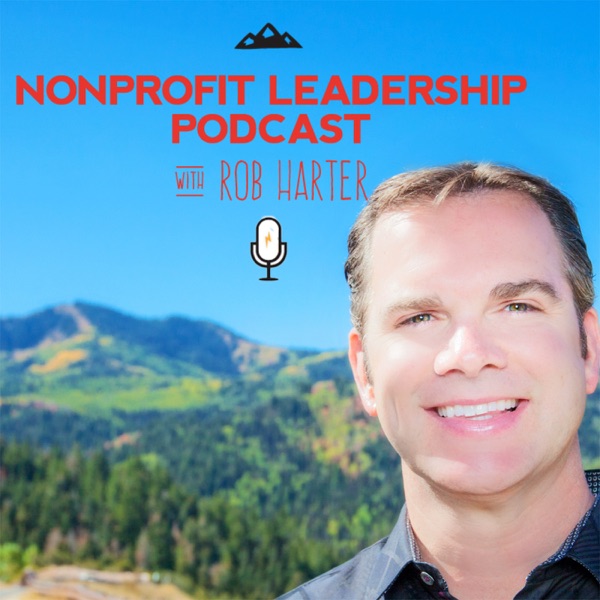
Nonprofit Leadership Podcast
The Nonprofit Leadership Podcast discusses important issues facing nonprofit leaders in our community and features real stories from real leaders about what strategies and practices have made them successful. Enjoy the show!
- Non-Profit chart
- #55
- Episodes
- 303
- Releases
- Weekly
- Typical length
- 35 min
- On air since
- 2020
- Latest episode
- 1 day ago
Episodes
303 episodes, newest first
-
35 min
Bringing Your Organization’s Impact to Life Through Story
Show notes
Matt Kamin
How can nonprofit leaders use storytelling to inspire donors, strengthen fundraising efforts, and bring their organization’s mission to life? While statistics and impact reports are important, compelling stories are often what truly connect supporters to a cause. But how can nonprofits share these stories effectively while protecting the dignity and privacy of the people they serve?
In this episode of the Nonprofit Leadership Podcast, host Rob Harter sits down with Matt Kamin, nonprofit leader, fundraising expert, founder of Envision Consulting, and host of Nonprofit on the Rocks. Drawing on his experience leading nonprofit organizations and advising social impact leaders, Matt shares practical strategies for building a culture of philanthropy, using authentic storytelling to increase donor engagement, and communicating organizational impact. Rob and Matt also explore the role of AI in nonprofit communications, the opportunities and challenges of nonprofit mergers, and the leadership qualities needed to navigate financial uncertainty. Discover how your nonprofit can tell more powerful stories, inspire generosity, and ultimately expand its impact.
Key Topics Include:
• The power of nonprofit storytelling: Why real-life stories often resonate more deeply with donors than statistics alone and how sharing meaningful outcomes can strengthen fundraising and donor relationships.
• Building a culture of philanthropy: How nonprofit leaders can involve staff, board members, and volunteers in understanding fundraising, organizational finances, and the importance of communicating impact.
• Ethical storytelling and client privacy: How to celebrate success stories while protecting the dignity of those served, obtaining permission, establishing boundaries, and setting expiration dates for sharing personal stories.
• Using social media and video effectively: Practical considerations for capturing authentic stories, identifying appropriate moments to share, and creating content that connects supporters to your nonprofit’s mission.
• AI and technology in nonprofit communications: How nonprofit organizations can use artificial intelligence to save time, support grant writing, and improve efficiency without sacrificing authenticity, accuracy, or human connection.
• Nonprofit mergers and strategic partnerships: Why financial pressures are encouraging nonprofit collaboration and how organizational culture, humility, and shared mission influence successful mergers.
• Leadership in uncertain times: The importance of courage, vision, emotional intelligence, and adaptability as nonprofit leaders navigate funding challenges, organizational change, and evolving technology.Mentioned in This Episode:
• Matt Kamin and Envision Consulting – Learn more about Matt’s work supporting nonprofit organizations through executive recruitment, strategic planning, mergers, and board development.
• Nonprofit on the Rocks – Explore Matt Kamin’s podcast featuring candid conversations with nonprofit executives, fundraisers, and social impact leaders about nonprofit management, leadership, and the challenges of running mission-driven organizations.
• Nonprofit Leadership Podcast – Explore additional interviews, leadership insights, and resources for nonprofit executives and social impact leaders.This Episode is Sponsored By:
• Donorbox
Links to Resources:
• Interested in Leadership and Life Coaching? Visit Rob’s website: https://robharter.com/
• Find us on YouTube: Nonprofit Leadership Podcast YouTube Channel
• Suggestions for the show? Email us at nonprofitleadershippodcast@gmail.com
• Request a sample coaching session: Email Rob at rob@robharter.comSubscribe and Share
Listen and subscribe to the Nonprofit Leadership Podcast on iTunes, Spotify, or Amazon. Don’t forget to like, subscribe, and share with other nonprofit leaders!
-
39 min
What This Nonprofit Leader-Turned-Podcast Host Has Learned About Leadership
Show notes
What does it take to become a better nonprofit leader, and what can we learn from our biggest leadership mistakes? In this episode of the Nonprofit Leadership Podcast, host Rob Harter sits down with Dolph Goldenburg, nonprofit consultant, former executive director, and host of the Successful Nonprofits Podcast. Drawing on more than 30 years of experience in nonprofit fundraising, leadership, and organizational management, Dolph shares powerful lessons from both sides of the microphone. He opens up about his personal journey from becoming what he describes as a toxic leader to helping nonprofit organizations thrive without sacrificing their people or their values.
Rob and Dolph explore the importance of building healthy nonprofit cultures, developing stronger teams, navigating fundraising challenges, and rebuilding trust with donors. Dolph shares the remarkable story of how he restored a damaged donor relationship that eventually resulted in a nearly $400,000 gift. They also discuss why nonprofits need to think bigger, advocate for fair compensation, set bold organizational goals, and make difficult decisions to prevent leadership burnout. This conversation offers practical nonprofit leadership strategies for executive directors, development professionals, and anyone seeking to create lasting social impact while building healthier, more sustainable organizations.
Key Topics Include:
• Learning from leadership mistakes: How Dolph’s experience as a nonprofit executive director taught him the dangers of toxic leadership and the importance of personal growth, self-awareness, and organizational culture.
• Building stronger nonprofit teams: Why thoughtful recruitment, onboarding, employee development, and a people-first leadership approach are essential for long-term organizational success.
• Rethinking nonprofit fundraising: How nonprofit leaders can confidently approach donors and foundations, negotiate realistic grant expectations, and recognize when funding opportunities are not worth pursuing.
• Rebuilding donor trust: The power of patience, authentic relationships, and donor-centered fundraising, including Dolph’s remarkable story of securing a nearly $400,000 donation after repairing a broken relationship.
• Setting bold goals for greater social impact: Why nonprofits should challenge conventional assumptions, pursue ambitious goals, and invest in competitive salaries, employee benefits, and operational efficiency.
• Preventing nonprofit leadership burnout: How prioritization, intentional decision-making, and accepting that not everything can get done can help nonprofit leaders manage compassion fatigue and protect their well-being.
• Creating a more sustainable nonprofit sector: What Dolph has learned from interviewing other leaders and why the future of nonprofit leadership must emphasize equity, fair compensation, organizational effectiveness, and helping both employees and communities thrive.Mentioned in This Episode:
• Dolph Goldenburg – Successful Nonprofits – Learn more about Dolph’s nonprofit consulting work, leadership expertise, and resources for nonprofit organizations.
• Successful Nonprofits Podcast – Explore Dolph’s podcast featuring conversations with nonprofit leaders and experts on fundraising, management, and organizational success.This Episode is Sponsored By:
• Donorbox
Links to Resources:
• Interested in Leadership and Life Coaching? Visit Rob’s website: https://robharter.com/
• Find us on YouTube: Nonprofit Leadership Podcast YouTube Channel
• Suggestions for the show? Email us at nonprofitleadershippodcast@gmail.com
• Request a sample coaching session: Email Rob at rob@robharter.comSubscribe and Share
Listen and subscribe to the Nonprofit Leadership Podcast on iTunes, Spotify, or Amazon. Don’t forget to like, subscribe, and share with other nonprofit leaders!
-
31 min
What Real Support for Parental Leave Looks Like
Show notes
Beth Wanner
Offering parental leave is one thing, but creating a workplace where employees can confidently take that leave without worrying about their careers, their coworkers, or the organization’s mission is another. For nonprofit leaders managing tight budgets and lean teams, supporting parental leave can feel complicated and costly. Yet without a thoughtful plan, organizations risk employee burnout, decreased productivity, and losing valuable staff. So how can nonprofits build parental leave policies and practices that truly support employees while maintaining organizational effectiveness?
In this episode, Rob Harter sits down with Beth Wanner, Founder and CEO of Mother Cover, an agency that provides interim and fractional staffing solutions for organizations navigating parental and caregiver leave. Drawing from her personal experience with pregnancy discrimination and her years as a marketing executive, Beth shares why traditional parental leave policies often fall short and what nonprofit leaders can do differently. Together, they explore practical strategies for planning employee absences, maintaining organizational continuity, preventing burnout, and creating a smoother return-to-work experience. Beth also explains how nonprofits can provide meaningful parental leave support without breaking their budgets, ultimately strengthening employee retention, workplace culture, and long-term mission impact.
Key Topics Include:
• Why parental leave policies aren’t enough: The difference between offering parental leave benefits and creating an organizational culture that genuinely supports employees before, during, and after their leave.
• Planning for employee absences: How nonprofit leaders can develop effective parental leave coverage plans, document responsibilities, establish decision-making authority, and ensure critical work continues.
• Preventing employee burnout and improving retention: Why distributing an absent employee’s workload across an already stretched team can lead to burnout, resentment, and costly staff turnover.
• Using fractional leadership and interim staffing: How nonprofits can leverage experienced fractional professionals to maintain operations, protect donor relationships, and support organizational leadership during parental leave.
• The financial ROI of supporting parental leave: Understanding the hidden costs of inadequate leave coverage, including disrupted programs, lost productivity, damaged donor relationships, and employee turnover.
• Creating a successful return-to-work transition: Why re-onboarding, documented updates, gradual workload transitions, and regular check-ins are essential for supporting employees returning from parental leave.
• Practical parental leave solutions for nonprofits on tight budgets: How leaders can create a simple, one-page coverage plan, prioritize essential responsibilities, identify internal growth opportunities, and provide meaningful support without requiring full-time replacement staffing.Mentioned in This Episode:
• Mother Cover – Founded by Beth Wanner, Mother Cover helps nonprofits and other organizations maintain operational continuity through interim and fractional staffing solutions during parental and caregiver leave.
• Nonprofit Leadership Podcast – Explore additional episodes, nonprofit leadership resources, and interviews with experts helping nonprofit organizations strengthen their leadership and impact.This Episode is Sponsored By:
• Donorbox – An online fundraising platform that helps nonprofits streamline fundraising, maximize donations, and simplify giving with customizable donation forms, digital wallet payments, donation tracking, and automated receipts.
Links to Resources:
• Interested in Leadership and Life Coaching? Visit Rob’s website: https://robharter.com/
• Find us on YouTube: Nonprofit Leadership Podcast YouTube Channel
• Suggestions for the show? Email us at nonprofitleadershippodcast@gmail.com
• Request a sample coaching session: Email Rob at rob@robharter.comSubscribe and Share
Listen and subscribe to the Nonprofit Leadership Podcast on iTunes, Spotify, or Amazon. Don’t forget to like, subscribe, and share with other nonprofit leaders!
-
42 min
How a Small Group of College Students Launched a National Movement
Show notes
This is repost of a previously published episode. In this episode, Dr. Rob Harter sits down with Aidan Reilly, co-founder of The Farmlink Project, a nonprofit that began as a college passion project and grew into a national food recovery movement. What started in 2020 as two friends trying to make a difference during the COVID-19 pandemic quickly evolved into a logistics powerhouse that has since delivered over 350 million pounds of food—soon to be half a billion.
Aidan shares the compelling origin story of Farmlink and how a group of students bridged the gap between farms with surplus food and food banks in desperate need. With impressive agility, grassroots organizing, and a deep sense of purpose, Farmlink has scaled nationwide and is now exploring international efforts. Aidan also discusses how Farmlink is addressing food waste, hunger, and climate change simultaneously—and how their innovative model may one day make their own work unnecessary.
Key Topics Include:
• The founding of Farmlink during the pandemic by college students looking to make an impact
• How Farmlink grew from a local food rescue effort to a national nonprofit operating in 27+ states
• The logistics of moving nearly half a billion pounds of food and partnering with over 1,200 food banks and 400 farms
• The systemic causes of food waste in the U.S. and how Farmlink is creating long-term infrastructure solutions
• How Farmlink measures and communicates its climate and hunger relief impact to donors
• The role of AI, predictive analytics, and capacity mapping in scaling nonprofit operations
• Why public-private partnerships and policy advocacy are essential to solving food insecurity at scaleMentioned in This Episode:
• The Farmlink Project
• Abundance: The Farmlink Documentary (YouTube)This Episode is Sponsored By:
• DonorBox
Links to Resources:
• Interested in Leadership and Life Coaching? Visit Rob’s website: RobHarter.com
• Find us on YouTube:Nonprofit Leadership Podcast YouTube Channel
• Suggestions for the show? Email us at nonprofitleadershippodcast@gmail.com
• Request a sample coaching session: Email Rob at rob@robharter.comSubscribe and Share
Listen and subscribe to the Nonprofit Leadership Podcast oniTunes,Spotify, orAmazon. Don’t forget to like, subscribe, and share with other nonprofit leaders!Summary
The conversation with Aidan Reilly from the Farm Link Project explores the organization’s journey from a student-led initiative to a national movement addressing food waste and hunger. Aidan shares insights on the importance of partnerships, innovative solutions, and the impact of their work on communities and the environment. The discussion highlights the challenges faced in scaling their efforts and the vision for a sustainable food system that eliminates waste and hunger.
Quotes
“We shouldn’t, let’s try to help.”
“We rescued 50 million apples.”
“We work with all food banks.”Chapters
00:00 The Birth of Farm Link Project
02:54 Scaling Up: Partnerships and Systems
05:48 Connecting Farms and Food Banks
08:40 Addressing Food Waste and Consumer Preferences
11:35 Measuring Impact: Hunger Relief and Climate Outcomes
19:54 Harnessing AI for Nonprofit Scalability
22:34 Eliminating Waste and Hunger: A Guiding Philosophy
26:18 Building Infrastructure for Zero Waste
29:10 Overcoming Operational Challenges in Scaling
33:58 Strategizing for Future Growth and Impact -
27 min
“From Aristotle to Zuckerberg”, Learn How and When Philanthropy First Started and Where We Have Gone Wrong Today
Show notes
Ever wondered how philanthropy and charity first began? The answer may surprise you! The Greek roots for the word “philanthropy” refer to the “love of humankind”.
Rob’s guest today is author Paul Vallely who has written a new book that serves as an encyclopedic review of the origins and history of philanthropy and charity over the centuries. Paul argues that today, too many people and organizations have lost the true purpose of charity and he offers a way back to the roots of good philanthropy.
Paul Vallely, author of “Philanthropy: from Aristotle to Zuckerberg”
Paul shares what led him to research the history of philanthropy, what surprised him most about how money moves through philanthropic organizations and who really benefits from donations. He also talks about how organizations can help recapture the missing element in philanthropy, particularly as it relates to the relationship between the rich and the poor. In short, Paul argues for having a more human and holistic vision of philanthropy that marries the head and the heart. Finally, Paul digs into why more nonprofit leaders need to focus on building partnerships by listening to and respecting the people they are trying to help and how the pandemic has actually strengthened philanthropy as a third pillar in society alongside government and the market.
*This episode previously aired #Remix #FromTheArchives
This podcast is sponsored by @Donorbox
Learn more about Paul’s book here:
Paul Vallely: Website | Twitter |
If you have questions or want to come on the show, email Rob at nonprofitleadershippodcast@gmail.com
To be added to the monthly email update, go to http://nonprofitleadershippodcast.org/
-
23 min
How Can You Future-Proof Your Fundraising?
Show notes
This is repost of a previously published episode. 2020 skyrocketed the move to online giving for all donors who give to nonprofits. Organizations who already had a clear and robust process for donors to give online really benefited—those who didn’t, really struggled. They struggled to keep their giving on par with previous years. Now, the question for all nonprofits of how to “future-proof” fundraising is constantly on our collective minds. So how does your organization go about doing that? Rob’s guest shares some fascinating data points gleaned from a recent report on the “state of philanthropy” within the nonprofit sector and why an easy and efficient online giving experience for your donors is absolutely essential for your organization’s future success and sustainability.
Elizabeth Pun, Manager of Content at Classy
Rob’s guest today is Elizabeth Pun, Manager of Content at Classy. Classy is a B-Corp that focuses on closing the gap between nonprofit and for-profit businesses and Elizabeth is the primary editor of Classy’s recent report entitled: The State of Modern Philanthropy 2021.
Elizabeth explains how empowering your event attendees to fundraise can organically increase your donations and provide more engagement. She breaks down why recurring giving, subscription services, and donation matching are excellent strategies to drive more funds and donations to your organization. Finally, Elizabeth shares valuable insight about creating a more robust online giving experience, and a powerful reminder that if you want to maximize donations to help safeguard and scale your organization, you must be able and willing to meet donors where they are. (This episode previously aired)
#FromTheArchives
Links to Resources:
Classy: Website
Read the report here.
Collaborative Virtual Sessions Conference
If you have questions or want to come on the show, email Rob at nonprofitleadershippodcast@gmail.com
To be added to the monthly email update, go to http://nonprofitleadershippodcast.org/
-
45 min
How Airbnb Is Doing Something Very Different with Their Social Impact
Show notes
Christoph Gorder
This is repost of a previously published episode. In this episode of the Nonprofit Leadership Podcast, Rob Harter sits down with Christoph Gorder, leader of Airbnb.org, to explore how Airbnb has built a social impact model that looks very different from a traditional corporate foundation. As an independent 501(c)(3), Airbnb.org operates separately from Airbnb while still leveraging the company’s technology, host network, and infrastructure to provide emergency housing for people displaced by disasters and other crises.
Christoph shares how Airbnb.org is rethinking disaster response by using millions of available homes around the world to provide fast, flexible, dignified shelter for families in need. He also talks about leadership, scaling nonprofit impact, the role of AI and technology in modern nonprofit operations, and why strategic partnerships are essential for responding effectively in moments of crisis. This conversation is packed with insights for nonprofit leaders who want to innovate, collaborate, and maximize their mission impact.
Key Topics Include:
• How Airbnb.org is structured as an independent 501(c)(3) with its own board and mission
• Why Airbnb.org’s model is different from a traditional corporate social responsibility or philanthropic arm
• How the organization scaled from responding to 8 disasters in 2023 to 78 disasters two years later
• What nonprofit leaders can learn about focus, standardization, and scaling wisely
• How Airbnb.org used local partnerships like 211LA and Catholic Charities to respond quickly during the Los Angeles wildfires
• Why giving displaced families choice and control is such an important part of effective disaster housing
• How AI, technology, and collaboration can help nonprofits become more efficient and responsiveMentioned in This Episode:
This Episode is Sponsored By:
• DonorBox
Links to Resources:
• Interested in Leadership and Life Coaching? Visit Rob’s website: http://robharter.com
• Find us on YouTube: Nonprofit Leadership Podcast YouTube Channel
• Suggestions for the show? Email us at nonprofitleadershippodcast@gmail.com
• Request a sample coaching session: Email Rob at rob@robharter.comSubscribe and Share
Listen and subscribe to the Nonprofit Leadership Podcast oniTunes,Spotify, orAmazon. Don’t forget to like, subscribe, and share with other nonprofit leaders! -
42 min
Are You Dreaming Big Enough for Your Organization?
Show notes
This is repost of a previously published episode. In this episode, Dr. Rob Harter sits down with Dan Pallotta—renowned author, TED Talk speaker, and social impact provocateur—to discuss what it really takes to solve the world’s biggest problems. Known for challenging the status quo in the nonprofit sector, Dan pushes listeners to think beyond conventional limitations, urging nonprofit leaders and donors alike to reimagine what’s possible when we truly embrace bold, audacious goals.
Dan unpacks his groundbreaking fundraising innovations, including the AIDS Rides and Breast Cancer 3-Day Walks, and dives into key themes from his recent documentary Uncharitable. He emphasizes that nonprofits need to stop playing it safe and start empowering people to explore their own heroism—whether it’s through higher-risk initiatives or rethinking how we define overhead and impact. This episode will inspire you to challenge outdated assumptions and push your organization to dream—and do—bigger.
Key Topics Include:
• The origin and impact of Dan’s fundraising innovations, including the AIDS Rides and Breast Cancer 3-Day events
• Why nonprofits must reframe how they view overhead, salaries, and investments
• The danger of playing it safe: how fear of failure stifles nonprofit innovation
• Exploring the concept of fundraising as a path to individual heroism
• Why bold, time-bound goals are essential for real social impact
• The importance of capital investment and risk-taking in the nonprofit sector
• Insights from the Uncharitable documentary and how it’s shifting donor mindsetsMentioned in This Episode:
• Dan Pallotta’s Website: https://www.danpallotta.com/
• Watch Uncharitable: https://www.uncharitablemovie.com/
• The Audacious Project: https://www.audaciousproject.org/
• No Kid Hungry: https://www.nokidhungry.org/
• Social Current: https://www.social-current.org/This Episode is Sponsored By:
• DonorBox
Links to Resources:
• Interested in Leadership and Life Coaching? Visit Rob’s website: RobHarter.com
• Find us on YouTube: Nonprofit Leadership Podcast YouTube Channel
• Suggestions for the show? Email us at nonprofitleadershippodcast@gmail.com
• Request a sample coaching session: Email Rob at rob@robharter.comSubscribe and Share
Listen and subscribe to the N -
29 min
How to create a healthy culture that leads to greater impact
Show notes
A healthy nonprofit culture is not a “soft” issue—it directly affects employee retention, trust, innovation, performance, and ultimately an organization’s ability to create lasting impact. In this episode, Rob Harter sits down with Marcia Beckner, founder and CEO of Culture CARES Global, to discuss how nonprofit leaders can intentionally build workplace cultures where employees feel valued, respected, engaged, and psychologically safe.
Marcia shares her CARES framework—Commitment, Appreciation, Respect, Engagement, and Safety—and explains why psychological safety serves as the foundation for a thriving nonprofit team. Rob and Marcia also explore nonprofit leadership burnout, employee retention, trust and accountability, transparent communication during times of change, and the importance of narrowing strategic priorities so leaders and teams can pursue excellence without spreading themselves too thin.
Key Topics Include:
• The five elements of the CARES framework: Commitment, Appreciation, Respect, Engagement, and Safety
• Why psychological safety is foundational to nonprofit culture, innovation, inclusion, and high performance
• How nonprofit leaders can improve employee retention by helping staff feel valued, respected, and appreciated
• Leading authentically and confidently without pretending to have all the answers
• How transparent communication helps organizations maintain trust during uncertainty and organizational change
• Preventing nonprofit leadership burnout through energy management, healthy boundaries, delegation, and sustainable pacing
• Why nonprofit leaders must strategically say “no,” prune unnecessary priorities, and focus resources on the few initiatives that can create the greatest mission impactMentioned in This Episode:
• Culture CARES Global
• Connect with Marcia Beckner on LinkedIn
• Nonprofit CEO SPARK Podcast
• You Are Meant for Great Things by Marcia BecknerThis Episode is Sponsored By:
• Donorbox
Links to Resources:
• Interested in Leadership and Life Coaching? Visit Rob’s website: https://robharter.com/
• Find us on YouTube: Nonprofit Leadership Podcast YouTube Channel
• Suggestions for the show? Email us at nonprofitleadershippodcast@gmail.com
• Request a sample coaching session: Email Rob at rob@robharter.comSubscribe and Share
Listen and subscribe to the Nonprofit Leadership Podcast on iTunes, Spotify, or Amazon. Don’t forget to like, subscribe, and share with other nonprofit leaders! -
42 min
What would you do with not just one but two multi-million-dollar gifts?
Show notes
What happens when a nonprofit receives not one, but two transformational, unrestricted gifts worth millions of dollars? In this episode, Rob Harter speaks with Dr. Xanthe Scharff, President and CEO of the Women’s Refugee Commission (WRC), and Havovi Waddia, Managing Director of Programs for The Freedom Fund. Both organizations have received two major gifts from philanthropist MacKenzie Scott—WRC receiving a total of $24 million and The Freedom Fund receiving a total of $95 million.
Xanthe and Havovi discuss how these unexpected gifts have transformed their organizations’ ability to think strategically, invest in frontline organizations, strengthen internal systems, and make long-term commitments to the communities they serve. They also explore the power of trust-based philanthropy, why unrestricted funding can create significantly more impact than traditional restricted grants, and what MacKenzie Scott’s approach to giving could mean for the future of nonprofit fundraising and philanthropy.
Dr. Xanthe Scharff
Key Topics Include:
• How the Women’s Refugee Commission and The Freedom Fund received transformational gifts from MacKenzie Scott without applying or making a traditional funding request
• Why receiving a second major gift represents an extraordinary vote of confidence in an organization’s leadership, mission, transparency, and impact
• How unrestricted funding gives nonprofit leaders the flexibility and “head space” to make strategic, long-term decisions instead of simply reacting to immediate funding pressures
• How The Freedom Fund is using its funding to make long-term investments in frontline and survivor-led organizations working to end modern slavery
• How the Women’s Refugee Commission is adapting its funding model amid major cuts to government and international humanitarian aid
• Why trust-based philanthropy can strengthen nonprofit organizations, frontline partners, civil society, and ultimately democracy and human rights
• What MacKenzie Scott’s giving philosophy may signal about the future of philanthropy—and why private philanthropy cannot replace the responsibility of governmentsMentioned in This Episode:
• Women’s Refugee Commission
• The Freedom Fund
• Yield GivingThis Episode is Sponsored By:
• DonorBox
Links to Resources:
• Interested in Leadership and Life Coaching? Visit Rob’s website: https://robharter.com/
• Find us on YouTube: Nonprofit Leadership Podcast YouTube Channel
• Suggestions for the show? Email us at nonprofitleadershippodcast@gmail.com
• Request a sample coaching session: Email Rob at rob@robharter.comSubscribe and Share
Listen and subscribe to the Nonprofit Leadership Podcast on iTunes, Spotify, or Amazon. Don’t forget to like, subscribe, and share with other nonprofit leaders! -
37 min
What values-driven leadership looks like
Show notes
What does values-driven leadership look like when a nonprofit is growing rapidly, facing increasing demand, and making difficult decisions about where to focus? In this episode of the Nonprofit Leadership Podcast, Rob Harter sits down with Angelique Albert, CEO of Native Forward Scholars Fund, the largest direct provider of scholarships to Native students in the United States. Angelique shares how her upbringing on the Flathead Indian Reservation and her connection to the Confederated Salish and Kootenai Tribes have shaped her approach to leadership, service, and community impact.
Angelique also offers an inside look at how Native Forward has scaled its impact, growing from roughly $4 million in annual revenue to an annual budget of approximately $26 million while significantly expanding its net assets and student support. She explains why strong nonprofit leadership requires knowing what to say no to, building the infrastructure needed for sustainable growth, bringing in outside expertise, and balancing long-term organizational strength with immediate mission impact. The conversation also explores Native Forward’s transformational unrestricted gifts from MacKenzie Scott and how those investments strengthened the organization’s capacity to serve more Native scholars.
Key Topics Include:
• How Angelique Albert’s Native heritage and connection to community shape her values-driven leadership approach
• Why nonprofit leaders need to identify what their organizations can do exceptionally well—and be willing to stop doing the rest
• How Native Forward narrowed its focus to college access and college success while partnering with others for complementary services
• The importance of strategic planning, organizational infrastructure, documented systems, and strong internal processes when scaling a nonprofit
• Why outside consultants and third-party perspectives can help nonprofit leaders identify blind spots and build stronger strategies
• How unrestricted funding from MacKenzie Scott helped Native Forward invest in infrastructure, scholarships, wraparound services, marketing, and long-term sustainability
• How nonprofit leaders can balance immediate mission impact with investments in capacity, fundraising, technology, and future generationsMentioned in This Episode:
• Native Forward Scholars Fund: https://nativeforward.org/
• The Bridgespan Group: https://www.bridgespan.org/
• MacKenzie Scott’s Yield Giving: https://yieldgiving.com/
• Hispanic Scholarship Fund: https://www.hsf.net/
• UNCF: https://uncf.org/This Episode is Sponsored By:
• Donorbox
Links to Resources:
• Interested in Leadership and Life Coaching? Visit Rob’s website: https://robharter.com/
• Find us on YouTube: Nonprofit Leadership Podcast YouTube Channel
• Suggestions for the show? Email us at nonprofitleadershippodcast@gmail.com
• Request a sample coaching session: Email Rob at rob@robharter.comSubscribe and Share
Listen and subscribe to the Nonprofit Leadership Podcast on iTunes, Spotify, or Amazon. Don’t forget to like, subscribe, and share with other nonprofit leaders! -
25 min
How to Lead When Life Is Unraveling Around You
Show notes
What happens when you’re responsible for holding a nonprofit organization together while your personal life is falling apart? In this episode, Rob Harter sits down with Ashley Stallings to have an honest conversation about nonprofit leadership, burnout, vulnerability, and what it takes to lead sustainably through seasons of personal crisis.
Ashley shares her own experience of navigating the end of a 19-year marriage, becoming a single mom, and leading an organization that was barely hanging on—all at the same time. She explains the warning signs she missed, why asking for help can be so difficult for leaders, and how a strong support system ultimately helped her recover. Rob and Ashley also explore practical ways nonprofit leaders and boards can build healthier organizational structures, create psychological safety, establish boundaries, and prepare for difficult seasons before a crisis occurs.
Key Topics Include:
• Recognizing the early warning signs that a nonprofit leader may be approaching burnout or a breaking point
• How tying your identity and self-worth too closely to your organization’s mission can push you beyond healthy limits
• Why nonprofit leaders often struggle to ask for help and the importance of building a support network before you need it
• Finding the right balance between healthy vulnerability and oversharing with staff and board members
• How boards, second-in-command leaders, and succession plans can reduce the pressure placed on executive directors
• Establishing healthy boundaries and learning why saying “no” can protect both the leader and the organization’s mission
• Creating sustainable leadership practices that allow nonprofit leaders and their teams to stay healthy for the long haulMentioned in This Episode:
• Learn more about Ashley Stallings, her speaking, and nonprofit consulting:https://audiblyashley.com/
This Episode is Sponsored By:
• Donorbox
Links to Resources:
• Interested in Leadership and Life Coaching? Visit Rob’s website:https://robharter.com/
• Find us on YouTube:Nonprofit Leadership Podcast YouTube Channel
• Suggestions for the show? Email us at nonprofitleadershippodcast@gmail.com
• Request a sample coaching session: Email Rob at rob@robharter.comSubscribe and Share
Listen and subscribe to the Nonprofit Leadership Podcast oniTunes,Spotify, orAmazon. Don’t forget to like, subscribe, and share with other nonprofit leaders! -
35 min
Noah’s brief life led to lasting legacy
Show notes
Matthew Efird
How can profound grief be transformed into purpose, empathy, and a legacy that serves others? In this powerful episode of the Nonprofit Leadership Podcast, Rob Harter speaks with Matthew Efird about the loss of his son, Noah, who was diagnosed with Trisomy 13 before birth and lived for 57 and a half hours. Matthew shares how he and his wife, Hannah, navigated the months between Noah’s diagnosis and birth, the intentional choices they made to protect their marriage and family, and the role faith and community played in helping them endure an unimaginable season.
Matthew also discusses how journaling became a critical tool for processing grief and eventually led to his book, Even Though We Will. He explains how Noah’s legacy now fuels his work through the Even Though We Will Foundation, where his family helps connect others facing child loss and terminal diagnoses with resources and support. Their story offers nonprofit leaders meaningful lessons on empathetic leadership, sustainable leadership, protecting what matters most, learning to say no, and turning personal pain into service for others.
Key Topics Include:
• Matthew and Hannah Efird’s experience receiving their son Noah’s Trisomy 13 diagnosis and preparing for the loss of their child
• The 57 and a half hours Matthew and Hannah were able to spend with Noah and how his life continues to shape their family
• How intentional communication helped Matthew and Hannah protect their marriage while navigating grief
• Why journaling, counseling, community, and openly processing difficult emotions became essential parts of Matthew’s grief journey
• How Matthew’s personal journals eventually became his book, Even Though We Will, written in part to provide a father’s perspective on child loss
• How the Even Though We Will Foundation helps families connect with resources and support while navigating child loss and terminal diagnoses
• Leadership lessons around empathy, burnout, delegation, protecting your time, setting 90-day priorities, and understanding that every “yes” is also a “no” to something elseMentioned in This Episode:
• Matthew Efird:https://matthewefird.com/
• Even Though We Will Foundation:https://eventhoughwewill.com/
• Even Though We Will by Matthew Efird:https://eventhoughwewill.com/This Episode is Sponsored By:
• DonorBox
Links to Resources:
• Interested in Leadership and Life Coaching? Visit Rob’s website:https://robharter.com/
• Find us on YouTube:Nonprofit Leadership Podcast YouTube Channel
• Suggestions for the show? Email us at nonprofitleadershippodcast@gmail.com
• Request a sample coaching session: Email Rob at rob@robharter.comSubscribe and Share
Listen and subscribe to the Nonprofit Leadership Podcast oniTunes,Spotify, orAmazon. Don’t forget to like, subscribe, and share with other nonprofit leaders! -
37 min
The Missing Middle: How Ivory Innovations Is Seeking to Address the Housing Crisis
Show notes
Amy Tomasso
America’s housing crisis is not only about affordability—it is also about a lack of diverse housing options for people at different income levels and stages of life. In this episode, Rob Harter speaks with Amy Tomasso, Director of Policy Innovation at Ivory Innovations, about the “missing middle” between detached single-family homes and large apartment buildings. Amy explains how duplexes, triplexes, cottage courts, accessory dwelling units, and other smaller housing types could create more attainable options for first-time homebuyers, growing families, and older adults hoping to downsize.
Amy also shares how Ivory Innovations combines research, education, entrepreneurship, public policy, and hands-on affordable housing development to move promising ideas into practice. The conversation explores zoning reform, construction technology, innovative financing, cross-sector partnerships, and the important role nonprofit leaders and community foundations can play in developing local housing strategies.
Key Topics Include:
• Why the housing crisis affects community wellbeing, economic development, food security, and financial stability
• What “missing middle” housing is and why many communities stopped building it
• How zoning reform, smaller lots, streamlined approvals, and developer support can expand housing options
• How Ivory Innovations tests new construction technologies and housing solutions through its Fieldworks program
• Why successful housing policy reforms need committed champions from government, business, nonprofits, or the community
• What nonprofit organizations can learn from the public and private sectors—and what those sectors can learn from nonprofits
• How students and emerging leaders can enter the housing field through Hack-A-House and other educational opportunitiesMentioned in This Episode:
• Ivory Innovations
• The Little Book of Low-Cost, High-Impact Housing Solutions
• The Ivory Prize for Housing Affordability
• Ivory Innovations Fieldworks
• Hack-A-House
• Missing Middle Housing
• UCLA Housing Voice Podcast
• Fixer-Upper: How to Repair America’s Broken Housing Systems by Jenny Schuetz
• Escaping the Housing Trap by Charles Marohn Jr. and Daniel Herriges
• Missing Middle Housing: Thinking Big and Building Small to Respond to Today’s Housing Crisis by Daniel ParolekThis Episode is Sponsored By:
• Donorbox
Links to Resources:
• Interested in Leadership and Life Coaching? Visit Rob’s website:https://robharter.com/
• Find us on YouTube:Nonprofit Leadership Podcast YouTube Channel
• Suggestions for the show? Email us at nonprofitleadershippodcast@gmail.com
• Request a sample coaching session: Email Rob at rob@robharter.comSubscribe and Share
Listen and subscribe to the Nonprofit Leadership Podcast oniTunes,Spotify, orAmazon. Don’t forget to like, subscribe, and share with other nonprofit leaders! -
38 min
A Nonprofit Driving Meaningful Change for the Unhoused
Show notes
Preston Cochrane
Housing is essential, but is it enough to create lasting change for people experiencing chronic homelessness? In this episode, Rob Harter speaks with Preston Cochrane, CEO of The Other Side Village in Salt Lake City, Utah, about the nonprofit’s human-centered approach to homelessness. Rather than treating residents as clients or case numbers, the organization creates a supportive community where people can rebuild relationships, rediscover purpose, develop practical skills, and take responsibility for their futures.
Preston explains how The Other Side Village combines permanent housing with peer mentorship, meaningful work, recovery support, social enterprise, and a democratic therapeutic community. He also discusses the need to balance compassion with accountability, why lived experience is central to the organization’s coaching model, and how the village measures long-term success through housing stability, self-reliance, sobriety, and crime-free living.
Key Topics Include:
• Why housing alone may not address the isolation, trauma, addiction, mental health challenges, and broken relationships connected to chronic homelessness
• How a human-centered model helps residents move beyond short-term stabilization toward lasting transformation
• The importance of balancing compassion and accountability when serving people experiencing homelessness
• How coaches with lived experience provide credible peer support, mentorship, and encouragement
• Why residents are called neighbors and participate in a democratic therapeutic community
• How social enterprises provide employment, workforce training, purpose, and sustainable revenue
• The four outcomes The Other Side Village uses to measure success: permanent housing, employment or self-reliance, drug-free living, and crime-free livingMentioned in This Episode:
• Learn more aboutThe Other Side Village
• Connect withPreston Cochrane on LinkedIn
• Learn more aboutThe Other Side Academy
• VisitThe Other Side Donuts
• Learn more about theNational League of CitiesThis Episode is Sponsored By:
• Donorbox
Links to Resources:
• Interested in Leadership and Life Coaching? Visit Rob’s website: http://robharter.com
• Find us on YouTube: Nonprofit Leadership Podcast YouTube Channel
• Suggestions for the show? Email us at nonprofitleadershippodcast@gmail.com
• Request a sample coaching session: Email Rob at rob@robharter.comSubscribe and Share
Listen and subscribe to the Nonprofit Leadership Podcast oniTunes,Spotify, orAmazon. Don’t forget to like, subscribe, and share with other nonprofit leaders! -
30 min
How Transparency Can Improve Donor Retention
Show notes
Donors want to know that their generosity is making a real difference. Yet many gifts can feel like they disappear into a “black box,” leaving supporters unsure where their donations went or whom they helped. In this episode, Rob Harter speaks with Antonis Politis, CEO and co-founder of Givelink, and Panos Kokmotos, COO and co-founder of Givelink, about how greater transparency can strengthen donor trust, improve the giving experience, and increase donor retention.
Givelink enables donors to purchase products that nonprofits currently need, track those items through delivery, and receive photos, videos, and personalized stories showing their impact. Antonis and Panos explain why nonprofits should make giving more tangible and human, how AI can personalize donor communications without replacing authentic connection, and why Givelink’s transparency model has led donors to give approximately 60% more annually.
Key Topics Include:
• Why uncertainty about where donations go can weaken donor trust and retention
• How Givelink connects donors with the specific products nonprofits currently need
• Why nonprofits should be able to track charitable impact as easily as consumers track a package
• How photos, videos, and personalized impact stories make giving more tangible
• Why Givelink reports that donors give approximately 60% more annually through its platform
• How nonprofits can use AI to personalize donor communications while preserving authentic human connection
• How Givelink provides its in-kind donation platform to nonprofits at no costMentioned in This Episode:
• Learn more about Givelink and its free in-kind donation platform for nonprofits:Givelink
• Explore Givelink’s resources for nonprofit organizations:Givelink for Nonprofits
• Research nonprofit accountability and transparency:Charity NavigatorThis Episode is Sponsored By:
• Donorbox
Links to Resources:
• Interested in Leadership and Life Coaching? Visit Rob’s website: http://robharter.com
• Find us on YouTube: Nonprofit Leadership Podcast YouTube Channel
• Suggestions for the show? Email us at nonprofitleadershippodcast@gmail.com
• Request a sample coaching session: Email Rob at rob@robharter.comSubscribe and Share
Listen and subscribe to the Nonprofit Leadership Podcast oniTunes,Spotify, orAmazon. Don’t forget to like, subscribe, and share with other nonprofit leaders! -
35 min
How Our Brains Are Wired for Generosity and Why It Matters
Show notes
Why do people give—and what happens in the brain when they decide to support a cause? Rob Harter sits down with fundraising strategist, behavioral science expert, and Neurogiving author Cherian Koshy to explore the neuroscience behind generosity. Cherian explains why charitable giving is closely connected to emotion, identity, belonging, and the brain’s reward systems—and why facts alone rarely inspire someone to donate.
Cherian also shares practical ways nonprofit leaders can create more meaningful donor experiences, reduce unnecessary friction, and build lasting relationships rooted in trust. The conversation examines the ethical use of neuroscience and artificial intelligence in fundraising, emphasizing that these tools should deepen human connection rather than manipulate donors or reduce them to data points.
Key Topics Include:
• Why generosity and charitable giving are wired into the human brain
• How giving expresses a donor’s identity, values, passions, and sense of belonging
• Why nonprofit communications should connect emotionally before presenting facts and data
• How confusion, excessive choices, insider language, and complicated donation forms create friction
• The difference between harmful friction and intentional questions that reinforce donor identity
• Ethical considerations for using neuroscience and artificial intelligence in fundraising
• How consistency, curiosity, transparency, and patience build donor trust and lifelong loyaltyMentioned in This Episode:
• Cherian Koshy’s Website
• Connect with Cherian Koshy on LinkedInThis Episode is Sponsored By:
• Donorbox
Links to Resources:
• Interested in Leadership and Life Coaching? Visit Rob’s website: http://robharter.com
• Find us on YouTube: Nonprofit Leadership Podcast YouTube Channel
• Suggestions for the show? Email us at nonprofitleadershippodcast@gmail.com
• Request a sample coaching session: Email Rob at rob@robharter.comSubscribe and Share
Listen and subscribe to the Nonprofit Leadership Podcast oniTunes,Spotify, orAmazon. Don’t forget to like, subscribe, and share with other nonprofit leaders! -
31 min
How to Not Just Survive but Thrive in Leadership
Show notes
Dr. Doris Macharia
In this episode of the Nonprofit Leadership Podcast, Rob Harter speaks with Dr. Doris Macharia, President of the Elizabeth Glaser Pediatric AIDS Foundation, about what it takes to lead with clarity, courage, and resilience during times of crisis. Dr. Macharia shares her journey from practicing medicine in Kenya to leading global HIV and public health initiatives, and how her background prepared her to step into executive leadership during a season of major international funding cuts.
Dr. Macharia offers practical insight for nonprofit leaders navigating uncertainty, staffing challenges, donor shifts, and organizational change. She emphasizes the importance of staying anchored to mission, communicating consistently, making decisive choices, caring for yourself as a leader, and building trust through presence, empathy, and action.
Key Topics Include:
• How nonprofit leaders can build trust when stepping into leadership during a crisis
• Why mission clarity gives organizations authority and direction during uncertain times
• Leading global health and nonprofit work through funding cuts and resource scarcity
• The importance of communication, listening, and visible leadership with staff and stakeholders
• How collaboration with governments, communities, donors, and partners strengthens impact
• Why leaders must make decisions quickly, even with limited information
• The role of self-care, family support, preparation, and personal values in sustainable leadershipMentioned in This Episode:
• Elizabeth Glaser Pediatric AIDS Foundation:https://pedaids.org/
• EGPAF on Instagram:https://www.instagram.com/egpaf
• EGPAF on LinkedIn:https://www.linkedin.com/company/elizabeth-glaser-pediatric-aids-foundationThis Episode is Sponsored By:
Links to Resources:
• Interested in Leadership and Life Coaching? Visit Rob’s website: http://robharter.com
• Find us on YouTube: Nonprofit Leadership Podcast YouTube Channel
• Suggestions for the show? Email us at nonprofitleadershippodcast@gmail.com
• Request a sample coaching session: Email Rob at rob@robharter.comSubscribe and Share
Listen and subscribe to the Nonprofit Leadership Podcast oniTunes,Spotify, orAmazon. Don’t forget to like, subscribe, and share with other nonprofit leaders! -
34 min
How Building Trust Can Accelerate Impact
Show notes
In this episode of the Nonprofit Leadership Podcast, Dr. Rob Harter speaks with Clare Durrett and Dr. Terri Thompson of Answer ALS about how trust, collaboration, and shared data can accelerate meaningful impact. Answer ALS began after a powerful summit led by Steve Gleason and Team Gleason, where patients, caregivers, researchers, clinicians, and advocates came together to rethink how ALS research could move forward with fewer barriers and greater urgency.
Clare and Terri share how Answer ALS developed Neuromine, a globally accessible research platform designed to help researchers explore clinical, genomic, biological, and multi-omic data in one place. Their conversation offers valuable lessons for nonprofit leaders on building trust with stakeholders, protecting community-centered values, scaling ambitious work, and creating systems that make collaboration easier than working in isolation.
Key Topics Include:
• How Steve Gleason and the ALS community helped spark the creation of Answer ALS
• Why traditional disease research often gets slowed down by data silos and limited access
• How Neuromine helps researchers access, compare, and use complex ALS data more efficiently
• The importance of patient partnership, dignity, and agency in nonprofit and medical research models
• How Answer ALS balances global accessibility with privacy, security, and scientific rigor
• Why trust with donors, researchers, and the community is essential for long-term impact
• Lessons for nonprofit leaders on collaboration, transparency, data stewardship, and scaling a missionMentioned in This Episode:
• Answer ALS:https://www.answerals.org/
• Neuromine:https://www.answerals.org/neuromine
• Answer ALS on LinkedIn:https://www.linkedin.com/company/answer-alsThis Episode is Sponsored By:
Links to Resources:
• Interested in Leadership and Life Coaching? Visit Rob’s website: http://robharter.com
• Find us on YouTube: Nonprofit Leadership Podcast YouTube Channel
• Suggestions for the show? Email us at nonprofitleadershippodcast@gmail.com
• Request a sample coaching session: Email Rob at rob@robharter.comSubscribe and Share
Listen and subscribe to the Nonprofit Leadership Podcast oniTunes,Spotify, orAmazon. Don’t forget to like, subscribe, and share with other nonprofit leaders! -
33 min
Investing in the Next Generation: Why the Greater Hartford Gives Foundation Is All In
Show notes
Jay Williams
In this episode of the Nonprofit Leadership Podcast, Rob Harter talks with Jay Williams, President and CEO of the Greater Hartford Gives Foundation. Jay shares his leadership journey from banking and public service to becoming the first African American and youngest mayor of Youngstown, Ohio, serving in the Obama administration, and now leading one of Connecticut’s major community foundations.
Rob and Jay discuss how philanthropy, nonprofit partnerships, workforce development, and education can come together to create lasting community impact. Jay explains why the Greater Hartford Gives Foundation is investing deeply in the next generation through its Greater Futures Scholarship partnership with Hartford Promise, helping students access college, wraparound support, and the opportunity to graduate with little to no student loan debt.
Key Topics Include:
• Jay Williams’ journey from banking and public service to nonprofit and philanthropic leadership
• Why community foundations must use data, partnerships, and local insight to address inequity
• The Greater Hartford Gives Foundation’s five strategic priorities: basic human needs, employment, thriving neighborhoods, civic resident engagement, and arts and culture
• How student loan debt impacts local economies, workforce development, homeownership, and long-term community growth
• The Greater Futures Scholarship partnership with Hartford Promise and its potential to provide up to $100,000 over four years
• Why wraparound services are essential for helping first-generation college students succeed
• Leadership lessons on building strong teams, creating a collaborative culture, and taking responsibility when challenges ariseMentioned in This Episode:
• Greater Hartford Gives Foundation
• Greater Futures Scholarship Fund
• Hartford Promise
• Hartford Promise ScholarshipThis Episode is Sponsored By:
• DonorBox
Links to Resources:
• Interested in Leadership and Life Coaching? Visit Rob’s website: http://robharter.com
• Find us on YouTube: Nonprofit Leadership Podcast YouTube Channel
• Suggestions for the show? Email us at nonprofitleadershippodcast@gmail.com
• Request a sample coaching session: Email Rob at rob@robharter.comSubscribe and Share
Listen and subscribe to the Nonprofit Leadership Podcast oniTunes,Spotify, orAmazon. Don’t forget to like, subscribe, and share with other nonprofit leaders!
On these lists
Nonprofit Leadership Podcast is one of the shows picked out on this list
More in Non-Profit
Placed highest on Apple Podcasts' Non-Profit chart right now