Podcast
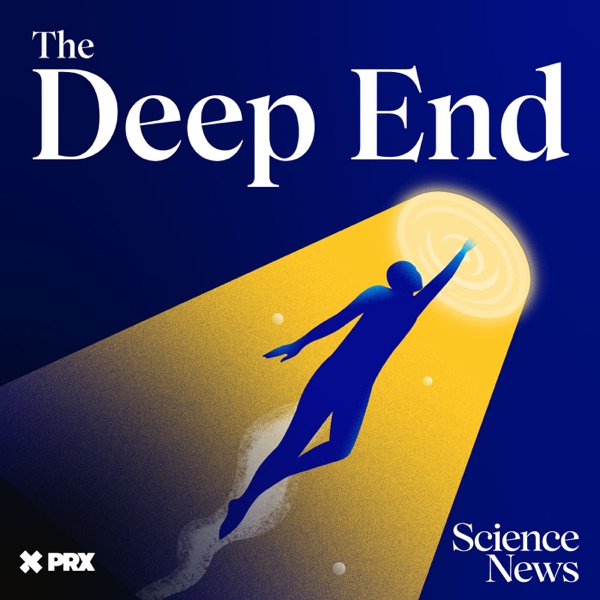
The Deep End
The Deep End explores the science that changes lives. In Season 2, discover how our voices shape who we are — and what happens when we lose them. In Season 1, meet people testing brain implants for depression. Each season will change how you think about the brain — and maybe yourself.
- Episodes
- 14
- Releases
- Weekly
- Typical length
- 25 min
- On air since
- 2025
- Latest episode
- 15 hours ago
Episodes
14 episodes, from the first
Season 1
-
3 min
The Deep End Trailer Trailer
Show notes
Brain implants for depression: It sounds like science fiction but it’s real. The Deep End, a new podcast from Science News, will give you a glimpse of what it’s like to live with electrodes in your brain. It might change how you think about mental health, the brain and what makes you you.
-
23 min
Meet Jon Nelson
Episode 1
Show notes
Hear why he volunteered to get brain implants for his relentless depression.
-
25 min
‘It felt like dread’
Episode 2
Show notes
Jon Nelson explains what it’s like to live with severe depression, and listeners hear the backstory of an experimental treatment involving brain implants.
-
24 min
The void is gone
Episode 3
Show notes
Jon Nelson wasn’t scared of brain surgery. His worry about the procedure was the same amount of worry he had about getting his teeth cleaned — none. What happened next was surreal.
-
26 min
Living with brain electrodes
Episode 4
Show notes
After surgery, Jon went through some big transformations. But his relief came with trade-offs.
-
23 min
A 'no casserole' disease
Episode 5
Show notes
Jon details the intense stigma, shame and judgement that comes with depression and its treatments. Is there something different about changing our brains versus other body parts?
-
24 min
Their depression is gone. Now what?
Episode 6
Show notes
Several years after surgery, Jon and others have found relief. Here’s a look at what’s next for them and what’s next for deep brain stimulation research.
-
40 min
Life after deep brain stimulation Bonus
Show notes
Jon Nelson shares how he’s doing these days, now that his depression is gone.
Season 2
-
2 min
Season 2 Trailer: Talk to Me Trailer
Show notes
What if you lost your voice? Today, AI can recreate it, and brain implants can turn your thoughts into speech. This season of The Deep End: Talk to Me follows the people living through these vocal transformations — and asks what these remarkable technologies can teach us about why our voices matter at all.
-
20 min
What happens when you lose your voice?
Episode 1
Show notes
Jules Rodriguez has always had a lot to say — as a dad, podcaster and stand-up comedian. As ALS takes away his ability to speak, we discover why voices are so deeply tied to who we are and what it’s like to face losing your own.
-
27 min
The decision that could silence him for good
Episode 2
Show notes
Jules is losing his ability to talk. Now he faces a decision that could silence his natural voice for good. A voice carries more than words — emotion, identity, even a smile. As Jules weighs his choice, we explore what makes a voice so personal, and why letting it go can be so difficult.
-
27 min
Could an AI voice give someone a reason to keep living?
Episode 3
Show notes
Jules lost his voice. Then AI gave it back. Voice-cloning technology can now recreate voices for people who can no longer speak — raising a remarkable possibility: How much of a person can a synthetic voice restore?
-
34 min
What’s it like to speak with your brain?
Show notes
Casey thinks of a sentence. A computer says it out loud, in a voice that sounds like his. Brain implants are beginning to turn thoughts into speech, bringing scientists closer to something that once seemed impossible.
Season 2
-
26 min
Who owns your voice after you die?
Episode 5
Show notes
Your voice can now be cloned — and used without you. The same AI that can give a voice back to someone who has lost it can also separate a voice from the person it belongs to. What does this division mean in our modern era?
Science lists
More Science shows picked out from the charts








More in Science
Placed highest on Apple Podcasts' Science chart right now