Podcast
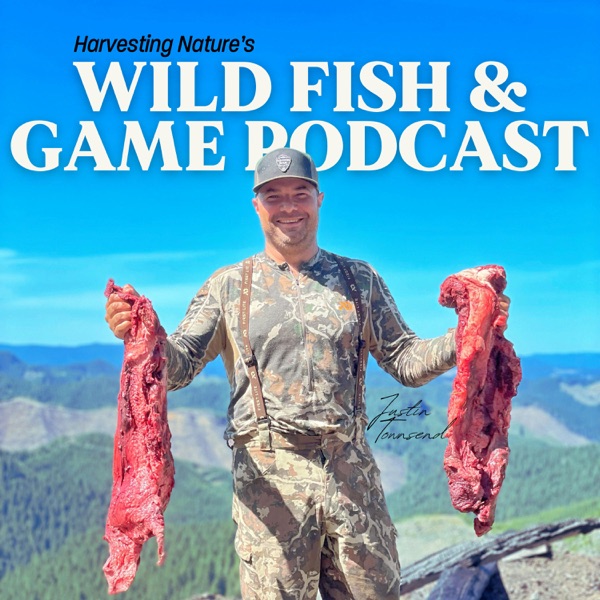
Wild Fish and Game Podcast
The Wild Fish and Game Podcast explores wild food at the intersection of place, season, culture, and craft. Hosted by Justin Townsend and the Harvesting Nature team, the show goes beyond recipes and hunting stories to examine how food is grown, harvested, preserved, and carried through real life.
Each episode dives into the whole wild food system, from hunting, fishing, and foraging to butchery, preservation, and cooking, while asking more profound questions about sustainability, tradition, and how people have continuously fed themselves from the land. Along the way, Justin and his co-hosts are joined by chefs, hunters, foragers, biologists, writers, and cultural knowledge-keepers who help connect ecology to the table.
Whether discussing regional foodscapes, seasonal harvests, preservation techniques, or modern wild-food culture, the Wild Fish and Game Podcast is about learning to eat with the land rather than against it.
Harvesting Nature is a wild food media company dedicated to education, conservation, and self-reliance through hunting, fishing, and foraging.
Questions, feedback, and guest suggestions can be sent to whatscooking@harvestingnature.com.
- Episodes
- 288
- Releases
- Weekly
- Typical length
- 48 min
- On air since
- 2019
- Latest episode
- 14 hours ago
Episodes
288 episodes, newest first
-
58 min
The Wild Pantry, Part VIII: Preserving North America’s Wild Foods Before Refrigeration
Show notes
Summary:
Justin and Adam trace North American food preservation from Indigenous practices to frontier provisions, showing how seasonal abundance, travel, trade, and winter scarcity shaped what people ate. They explain traditions including pemmican, preserved fish, wild rice, hominy, roots, dried berries, and maple sugar, while noting that historical methods require modern food-safety care.
-
Leave a Review of the Podcast
-
Buy our Wild Fish and Game Spices
The Art of Venison Sausage Making
"Smoke All Day" Ka'ikena Scanlan
Chapters:
00:00 Why food preservation mattered before refrigeration
03:05 Seasonality, travel, storage, and Indigenous food systems
08:23 Choctaw hunger seasons and preparing for winter
10:38 Pemmican: portable energy for travel and trade
20:03 Salmon runs, drying racks, and preserved fish
25:59 Migratory waterfowl, small game, and useful fats
32:00 Salt pork, barrel provisions, and the history of jerky
39:33 Wild rice, hominy, and storing grains and crops
47:34 Camas, roots, and seasonal harvesting grounds
55:07 Dried berries, hickory nuts, and maple sugar
01:00:10 What these preservation traditions made possible
Takeaways:
“preservation transformed a short lived abundance into, you know, a supply that could last for months”
“removing that water greatly reduces the weight in bulk.”
“They didn't show up into a vacuum.”
“you need to be prepared.”
“for reliable long term storage, people are using very like aggressive drying methods”
“make sure you're doing it properly because a lot of those old ways can kill you and your family.”
“wild rice isn't actually rice as we think of it. It is a seed, in fact.”
“it allows the the outside exterior, the skin ... to be separated from the inside.”
“the entire landscape could function as a managed food resource”
“preservation was about a lot more than simply preventing spoilage.”
Keywords:
North American food preservation, Indigenous foodways, pemmican, wild food, traditional food preservation, salmon drying, wild rice, hominy, jerky, maple sugar
Learn more about your ad choices. Visit https://megaphone.fm/adchoices
-
59 min
The Deer Leg Steak Sucks
Show notes
Justin Townsend and Adam Berkelmans discuss why venison leg steaks often turn out tough or chewy, the role of silver skin and muscle structure in meat quality, and how proper butchery techniques can transform cuts from the hindquarter into better meals. They explore the importance of understanding animal anatomy, choosing the right cuts, and matching cooking methods to each cut to make the most of harvested game meat.
-
Leave a Review of the Podcast
-
Buy our Wild Fish and Game Spices
The Art of Venison Sausage Making
Chapters:
00:00 Introduction to venison leg steaks and common issues
02:10 Justin and Adam share their dislike for leg steaks
03:25 What exactly is a leg steak and how is it cut
05:55 Different cuts of the hindquarter and their characteristics
17:53 Why cross-cutting muscles for steaks often fails
22:44 How cooking method impacts meat quality
24:01 Proper techniques for cooking game meat cuts
25:00 The role of silver skin in venison toughness
26:56 Proper butchery techniques for deer
28:49 The problem with labeling cuts as steaks
30:58 Processing and packaging considerations
32:59 The impact of cut selection on meat quality
35:00 Cost and labor considerations in processing
37:00 Reevaluating how we think about meat cuts
38:59 The importance of understanding anatomy for butchering
41:12 Confidence gained through butchering knowledge
43:02 The value of processing your own meat
44:57 Alternatives to leg steaks for better meals
47:10 How to cook tough cuts effectively
49:07 Breaking down the hindquarter yourself
51:10 Using thin slicing and stir-fry techniques
52:59 The importance of respecting the animal’s anatomy
54:58 Summary of why leg steaks are problematicTakeaways:
Problems with venison leg steaks
Different cuts of the hindquarter and their uses
Why cross-cutting muscles can ruin steak quality
Proper butchery techniques for game meat
Cooking methods best suited for different cuts
The importance of understanding meat anatomy
Common mistakes hunters and processors make
How to cook venison for optimal tenderness
Keywords:
Venison, leg steaks, butchery, cooking tips, game meat, meat cuts, hunting, processing, culinary techniques, butchery, meat cuts, cooking techniques, hunting, processing, steak, braising, connective tissue, meat education
Learn more about your ad choices. Visit https://megaphone.fm/adchoices
-
47 min
Gamey - Myth, Misconception & Truth
Season 8, Episode 286
Show notes
Summary:
Justin Townsend and Adam Berkelmans explore the true meaning of 'gamey' in wild game meat, dissecting its causes, misconceptions, and how different factors influence flavor. This episode offers hunters and cooks a deeper understanding of wild meat flavor profiles and best practices for handling and cooking.
-
Leave a Review of the Podcast
-
Buy our Wild Fish and Game Spices
The Art of Venison Sausage Making
Chapters:
00:00 Introduction to 'Gamey' and Its Mysteries
02:01 Factors Influencing Wild Game Flavor
04:07 Describing 'Gamey' Without Using the Word
05:55 Historical Perspectives on Flavor Development
08:09 The Circular Definition of 'Gamey'
10:06 Hanging and Aging Wild Game
12:01 Fat and Its Role in Flavor
14:05 Storage, Freezer Burn, and Oxidation
15:54 The Variability of Wild Meat and Its Cultural Significance
17:47 Cooking Techniques and Overcooking Risks
20:00 Breaking Down 'Gamey' Into Multiple Descriptions
21:58 Species-Specific Flavors and Blind Taste Tests
24:04 The Impact of Field Handling and Processing
26:02 The Role of Expectation and Perception
27:53 Practical Tips for Handling and Cooking Wild Meat
30:09 The Cultural and Psychological Aspects of Flavor
32:14 Summary and Final Thoughts on 'Gamey'
Takeaways:
The definition and origins of 'gamey'
Factors influencing wild game flavor including species, diet, age, storage, and cooking
Historical perspectives on flavor development in game meat
The impact of field handling and processing on flavor
The role of fat, oxidation, and freezer burn in flavor changes
The importance of proper butchering and storage techniques
Psychological and cultural influences on flavor perception
Practical tips for cooking and preparing wild game
Keywords:
Wild game, gamey flavor, meat science, hunting, meat storage, flavor development, meat cooking, wild meat handling, flavor misconceptions, hunting tips
Learn more about your ad choices. Visit https://megaphone.fm/adchoices
-
1 hr 15 min
The New Buck, Buck, Moose with Hank Shaw
Season 8, Episode 285
Show notes
Summary:
In this episode, Hank Shaw revisits his acclaimed venison cookbook, discussing the extensive updates, new recipes, and modern techniques that bring the book into the 21st century. He shares insights on revising his work a decade later, the evolution of wild game cooking, and practical tips for hunters and cooks alike. In this episode, Hank shares insights on meat science, cooking techniques, and the evolution of culinary practices, along with updates on his upcoming book and events.
-
Leave a Review of the Podcast
-
Buy our Wild Fish and Game Spices
The Art of Venison Sausage Making
Chapters:
00:00 Introduction to the Updated Venison Cookbook
00:04 Introduction to Hank's culinary philosophy
00:32 Dry aging meat and the importance of fat
00:53 Hank Shaw's Journey of Revising a Decade-Old Book
01:05 Insights from meat science expert Jess Prials
01:08 Changes in cooking styles with regional influences
01:34 The value of simplicity and minimalism in plating
02:04 Food safety myths and best practices in meat handling
02:26 Upcoming book release and where to find it
02:56 Hank's future projects and writing plans
02:58 The Impact of Reader Feedback and Community Engagement
03:00 Hank's events and how to meet him
03:10 Closing thoughts and appreciation
03:15 Changes in Food Photography and Visual Presentation
04:15 Incorporating Modern Cooking Appliances and Techniques
06:13 The Truth About Sous-Vide and Wild Game
09:17 Safety and Pasteurization of Wild Game with Sous-Vide
11:07 New Recipes and Culinary Innovations in the Book
19:44 Evolving Demographics of Wild Game Cooks
22:50 Cultural Influences and Global Flavors in Wild Game Cooking
26:08 Reader Feedback and Its Role in Content Updates
29:25 Future Directions and Personal Growth in Wild Game Cuisine
Takeaways:
Revisiting and revising a successful cookbook after a decade
The evolution of wild game cooking techniques and recipes
The role of modern kitchen appliances like sous-vide and air fryers in wild game cuisine
Hank Shaw's insights on food safety, especially with wild game like bear and moose
The changing demographics and motivations of wild game cooks and hunters
The importance of reader feedback in updating culinary guides
Cultural influences on wild game recipes, including British and Scandinavian cuisines
The science behind dry aging and its relevance to wild game
New recipes and techniques introduced in the updated book
The impact of social media and community feedback on culinary innovation Meat science and dry aging techniques
The importance of internal fat in meat quality
Evolution of cooking styles in different regions
Common misconceptions in wild game preparation
The significance of simplicity and focus in culinary arts
Food safety practices in meat handling and preservation
Upcoming book and event details
The role of outdoor activities in food culture
Keywords:
Wild game, venison, cooking techniques, cookbook revision, hunting, charcuterie, sous-vide, food science, hunting culture, food innovation meat science, cooking techniques, culinary evolution, book launch, outdoor cooking, preservation, hunting, food safety
Learn more about your ad choices. Visit https://megaphone.fm/adchoices
-
45 min
The Bacon Paradox
Show notes
In this episode, Justin and Adam explore the history, techniques, and cultural significance of adding fat to wild game, with a focus on bacon. They challenge common assumptions, discuss historical methods like larding and barding, and consider when and why to use fat in wild game cooking.
-
Leave a Review of the Podcast
-
Buy our Wild Fish and Game Spices
The Art of Venison Sausage Making
Mrs. Beeton's Book of Household Management
The Art of Cookery Made Plain and EasyChapters:
00:00 Introduction to the history of bacon in wild game cooking
02:24 Historical techniques: larding and barding explained
05:15 European origins: Robert May and 17th-century methods
13:58 Bacon in 18th-century cookbooks and its variations
20:16 The 19th-century codification of game preparation techniques
26:10 American adaptations and the cultural intertwining of bacon and wild meat
32:18 Does wild game need fat? Analyzing the necessity and alternatives
41:14 Butchery decisions and their impact on cooking wild game
46:16 Conclusion: Bacon as tradition, convenience, and flavor
47:27 Rethinking bacon: making intentional choices in wild game cooking
Takeaways:
Historical techniques of adding fat to game, including larding and barding
The cultural significance of bacon in American and European wild game cuisine
The evolution of culinary practices from the 1600s to modern times
The role of fat in flavor, moisture, and thermal management of wild game
The concept of the bacon paradox and its implications for cooking wild game
Alternatives to bacon for adding fat, such as caul fat, suet, and animal's own fat
Keywords:
wild game, bacon, larding, barding, cooking techniques, culinary history, game meat, fat, dove poppers, wild food
Learn more about your ad choices. Visit https://megaphone.fm/adchoices
-
52 min
The Wild Pantry, Part VII, Fermenting Wild Foods
Show notes
Justin and Adam explore the fascinating world of fermentation, covering everything from vegetables and wild foods to meat and fish. Discover how controlled microbial activity transforms foods, preserves seasonal abundance, and creates new flavors, with practical tips for home fermentation.
-
Leave a Review of the Podcast
-
Buy our Wild Fish and Game Spices
The Art of Venison Sausage Making
The Art of Fermentation
The Art of Making Fermenting Sausages
National Center for Home Food Preservation
Chinese Stir Fried Lambsquarters with Fermented Bean Curd
Chapters:
00:00 Introduction to Fermentation and Its Significance
02:09 Difference Between Pickling and Fermentation
03:01 What Exactly Is Fermentation?
04:25 The Role of Salt and Microorganisms
06:10 Types of Fermentation: Bacteria, Yeast, Mold
10:27 Traditional Fermentation Practices Around the World
11:26 Fermenting Wild Plants and Berries
16:12 Getting Started with Vegetable Fermentation
17:27 Fermentation of Wild Mushrooms and Safety Tips
21:56 Fermentation of Wild Fish and Seafood
33:39 Aging Meat and Its Relationship to Fermentation
44:36 Historical Practices of Hanging and Aging Game Birds
50:42 Fermentation of Mushrooms and Cultural Traditions
54:45 Practical Tips for Home Fermentation and Safety
Takeaways:
What is fermentation and how it works
The role of salt and microbes in fermentation
Fermenting wild plants, berries, and mushrooms
Fermentation of wild game and meat products
Safety considerations in fermenting meat and fish
Historical and cultural practices of fermentation
Practical tips for home fermentation projects
Keywords:
Fermentation, wild foods, preservation, wild game, wild mushrooms, wild berries, sausage, meat aging, traditional fermentation, food preservation
Learn more about your ad choices. Visit https://megaphone.fm/adchoices
-
58 min
Learning to Hunt Lanai
Season 8, Episode 282
Show notes
Summary:
Justin shares his detailed experiences hunting on the Hawaiian island of Lanai, exploring its unique terrain, logistics, and the challenges of island hunting. Discover insights into hunting Mouflon sheep and Axis deer, and learn practical tips for hunting in remote, rugged environments.
-
Leave a Review of the Podcast
-
Buy our Wild Fish and Game Spices
The Art of Venison Sausage Making
Takeaways:
Unique terrain and geography of Lanai
Logistics of hunting on remote islands
Experience hunting Mouflon sheep and Axis deer
Weather challenges and how they impact hunting trips
Importance of preparation and local knowledge
Keywords:
Hunting, Lanai, Mouflon sheep, Axis deer, Hawaii, backcountry, hunting logistics, island hunting, outdoor adventure, wildlife
Learn more about your ad choices. Visit https://megaphone.fm/adchoices
-
48 min
Cooking by Cut - Making the Book
Season 8, Episode 281
Show notes
Summary:
Justin and Adam discuss their new book 'Cooking by Cut', exploring the philosophy of butchery, cooking techniques, and global influences on wild game preparation. They share insights on organizing the book, unlearning traditional hunter preferences, and future plans for outreach and education.
-
Leave a Review of the Podcast
-
Buy our Wild Fish and Game Spices
The Art of Venison Sausage Making
Cooking by Cut Podcast Series
Takeaways:
The inspiration behind 'Cooking by Cut' and its organization
How understanding animal anatomy improves cooking techniques
The importance of unlearning traditional hunter preferences for cuts like backstrap
Global culinary influences incorporated into wild game recipes
The process of writing, photographing, and publishing the book
Future plans for book promotion, outreach, and in-person events
The role of butchery skills in enhancing wild game preparation
How the book aims to preserve and innovate the art of wild game butchery
Keywords:
Wild game, butchery, cooking techniques, hunting, food culture, recipes, meat cuts, culinary education, global cuisine, book launch
Learn more about your ad choices. Visit https://megaphone.fm/adchoices
-
58 min
Advanced Offal and Wild Game Butchery with Anna Borgman
Season 8, Episode 280
Show notes
Summary:
Justin and Anna Borgman explore the fascinating world of organ meats, butchery, and processing wild and domestic animals. They share practical tips, cultural insights, and personal stories to inspire a deeper appreciation for the whole animal.
-
Leave a Review of the Podcast
-
Buy our Wild Fish and Game Spices
The Art of Venison Sausage Making
Recipes:
Curried Steak and Kidney Pie
Dried Venison Soup with Timpsila (Bapa Wohanpi)
Chapters:
00:00 Introduction and Overview of the Episode
01:04 Anna Borgman's Background in Butchery and Cooking
03:13 Upcoming Whitetail Deer Camp and Butchery Workshops
04:07 Anna's Journey into Culinary School and Butchery
06:04 Transition from Shop Work to Field Slaughter
07:31 Motivations for Moving into Field Harvesting
08:55 Challenges Facing Small Meat Shops and Regulations
11:25 Demand for In-Field and At-Home Butchery
13:00 Wild Game Seasons and Processing in Montana
14:38 Philosophy of Offal and Organ Meat Consumption
15:37 Kids and Organ Meat Acceptance
19:06 Processing and Cooking Organ Meats: Tips and Techniques
22:36 The Use and Identification of Organs in Field Dressing
27:01 Cleaning and Preparing Intestines for Sausage Casings
32:32 Using Caul Fat and Fat in Cooking
35:58 Keeping Things Clean During Butchery and Processing
42:13 The Culinary Appeal of Cheeks and Trotters
48:16 Experiences with Tripe and Offal Dishes
55:14 Exploring Feet, Tails, and Other Offal Parts
01:00:00 Sharing the Joy of Organ Meats with Family
01:02:56 Closing Remarks and Future Events
Takeaways:
The importance of using the whole animal in butchery
Practical tips for processing wild game and domestic animals
Cultural and culinary significance of organ meats and offal
Techniques for cleaning and preparing organs like liver, heart, and tripe
The role of fat, caul fat, and tails in cooking and flavoring
Encouraging the next generation to try organ meats and offal
Keywords:
Butchery, organ meats, wild game, processing, cooking, fat, tripe, sweetbreads, offal, hunting
Learn more about your ad choices. Visit https://megaphone.fm/adchoices
-
50 min
Episode 279: The Wild Pantry, Part VI, Pickling Wild Foods
Season 8, Episode 279
Show notes
Summary:
Justin and Adam explore the rich history, science, and techniques of pickling, emphasizing safety, creativity, and cultural diversity. Discover how vinegar preserves, enhances flavors, and offers endless culinary possibilities, especially for wild foods.
-
Leave a Review of the Podcast
-
Buy our Wild Fish and Game Spices
The Art of Venison Sausage Making
Links:
From Salted Mushrooms to Biltong: 10 Fascinating Wild Food Traditions from Around the World
Chapters:
00:00 The Art of Preservation: Introduction to Pickling
04:15 Historical Roots of Pickling
10:01 Understanding the Science of Pickling
12:33 Safety First: Ensuring Safe Pickling Practices
18:57 Crafting the Perfect Pickle Brine
27:22 Exploring Wild Ingredients for Pickling
31:06 The Art of Pickling Mushrooms
35:35 Pickling Fish: A Culinary Tradition
38:34 Innovative Pickling of Meats and Eggs
43:42 Creative Uses for Pickled Ingredients
49:34 The Significance of Pickling in Preservation
Takeaways:
History of pickling from Mesopotamia to modern times
Different preservation methods: curing, freezing, drying, smoking, acid
How vinegar preserves and enhances flavor
Safety protocols for home pickling and canning
Cultural diversity in pickling traditions worldwide
Techniques for building and customizing brines
Pickling wild mushrooms, fish, and game
The difference between pickling and fermentation
Creative uses for pickled ingredients in cooking and cocktails
Preserving seasonal bounty for year-round enjoyment
Keywords:
pickling, food preservation, vinegar, wild foods, fermentation, safety, culinary techniques, wild mushrooms, foraging, traditional methods
Learn more about your ad choices. Visit https://megaphone.fm/adchoices
-
53 min
The School of Salmon
Season 8, Episode 278
Show notes
Summary:
Join us as Melanie Brown shares her deep connection to salmon fishing in Bristol Bay, exploring its cultural significance, sustainable practices, and environmental challenges including the impact of farmed salmon and the Pebble Mine controversy.
-
Leave a Review of the Podcast
-
Buy our Wild Fish and Game Spices
The Art of Venison Sausage Making
Chapters:
00:00 Introduction to Salmon Fishing Perspectives
02:59 Melanie's Journey into Salmon Fishing
05:59 The Process of Salmon Fishing
08:49 Harvesting and Processing Salmon
12:00 Cultural Significance of Salmon
14:59 Sustainability and Management of Salmon Fisheries
18:11 Family Involvement in Salmon Processing
21:02 Utilizing the Whole Fish
24:05 Salmon's Role in Indigenous Culture
27:09 Teachings and Wisdom Passed Down
29:50 The Evolution of Fishing in Bristol Bay
34:25 Traditional and Modern Preservation Techniques
39:35 The Impact of Farmed Salmon on Wild Stocks
48:14 Conservation Efforts and Community Unity
53:39 Lessons from Salmon: Ecosystem Connections
Takeaways:
Salmon fishing traditions in Bristol Bay
Sustainable practices and management of wild salmon
Impact of farmed salmon on wild populations
Cultural importance of salmon for indigenous communities
Environmental threats including Pebble Mine
Keywords:
Salmon fishing, Bristol Bay, sustainable fishing, indigenous culture, wild salmon, conservation, Pebble Mine, Alaska, fish preservation, ecosystem
Learn more about your ad choices. Visit https://megaphone.fm/adchoices
-
54 min
Hunting America's Hidden Truffles with Alana McGee of Truffle Dog Company
Season 8, Episode 277
Show notes
Summary:
Join us as Alana McGee from Truffle Dog Company shares her journey into truffle hunting, the different types of truffles in North America, and best practices for foraging and culinary use. Discover how dogs and pigs are used in truffle detection, the importance of stewardship, and tips for beginners.
-
Leave a Review of the Podcast
-
Buy our Wild Fish and Game Spices
The Art of Venison Sausage Making
Links:
Truffle Dog Company Contact Form
Chapters:
00:00 Introduction to Truffle Hunting
03:07 Alana's Journey into Truffle Hunting
05:58 Types of Truffles in North America
09:07 Comparing European and North American Truffles
11:52 Seasonality and Growth of Truffles
15:02 The Role of Dogs in Truffle Hunting
17:58 Community and Education in Truffle Hunting
21:02 Stewardship and Ethical Foraging Practices
24:05 Regulations and Land Use for Truffle Hunting
31:05 Navigating Truffle Harvesting Regulations
32:04 Urban Truffles: Finding Gems in Backyards
34:35 Understanding Truffle Habitats and Species
36:29 Culinary Uses: How to Enjoy Fresh Truffles
41:51 Innovative Ideas: Truffle-Infused Bacon and Beyond
45:40 Dispelling Myths: The Truth About Truffles
48:15 Connecting with the Truffle Community
Takeaways:
Types of North American truffles and their habitats
Use of dogs and pigs in truffle detection
Seasonality and environmental factors affecting truffle growth
Stewardship and sustainable foraging practices
Culinary uses and infusing flavors into dishes
Community building and resources for aspiring truffle hunters
Keywords:
Truffle hunting, North American truffles, dog training, foraging, culinary truffles, stewardship, truffle species, truffle cultivation, wild mushrooms, edible fungi
Learn more about your ad choices. Visit https://megaphone.fm/adchoices
-
41 min
The Wild Pantry, Part V, Preserving Wild Food with Fat
Season 8, Episode 276
Show notes
Summary:
In this episode, Justin Townsend and Adam Berkelmans explore the history, techniques, and safety considerations of fat-based preservation methods like confit, rillette, and oil preservation. They discuss how these ancient techniques transform food and remain relevant today.
-
Leave a Review of the Podcast
-
Buy our Wild Fish and Game Spices
The Art of Venison Sausage Making
Links:
Chapters:
00:00 Introduction and Overview of Fat Preservation Techniques
02:50 The History and Evolution of Confit
06:02 The Science Behind Confit and Preservation
08:56 Rendering Fat: The Key to Successful Confit
11:51 Practical Applications and Modern Considerations
22:02 Unlocking the Value of Animal Fats
25:30 Exploring Confit and Rillette Techniques
30:04 Innovative Oil Preservation Methods
34:10 Safety in Fat and Oil Preservation
41:10 The Luxurious Transformation of Food Preservation
Takeaways:
History of confit and fat preservation
Techniques for rendering and preserving fat
Safety considerations and botulism risks
Modern applications of traditional methods
Transformative effects of fat on food texture and flavor
Keywords:
Food preservation, confit, rillette, fat preservation, wild food, traditional techniques, safety, botulism, rendering fat, culinary history
Learn more about your ad choices. Visit https://megaphone.fm/adchoices
-
44 min
Wild Game Without Borders
Season 8, Episode 275
Show notes
Summary:
Justin Townsend and Adam Berkelmans explore how global cuisines can inspire new approaches to cooking wild game, emphasizing techniques suited for tougher, leaner, and more variable ingredients. They discuss the historical roots of European traditions, the influence of other cuisines, and practical tips for expanding your culinary repertoire.
-
Leave a Review of the Podcast
-
Buy our Wild Fish and Game Spices
The Art of Venison Sausage Making
Chapters:
00:00 Exploring Wild Game Cooking Traditions
10:00 The Influence of European Cooking on Wild Game
19:50 Global Cuisines and Their Techniques for Wild Game
21:40 Culinary Adaptations Across Cultures
27:15 The Importance of Enjoying Food
33:36 Techniques for Cooking Wild Game
39:04 Exploring Global Culinary Systems
44:53 Redefining Wild Food and Its Potential
Takeaways:
European culinary traditions and their origins
Techniques for tough and lean meats from global cuisines
The influence of scarcity and environment on cuisine development
Using spices, acids, and fermentation to balance wild ingredients
Practical methods for applying international techniques at home
Keywords:
Wild game, global cuisines, cooking techniques, culinary systems, wild food, traditional recipes, food culture, foraging, wild meat, culinary diversity
Learn more about your ad choices. Visit https://megaphone.fm/adchoices
-
49 min
Episode 274: The Wild Pantry, Part IV, Smoking
Show notes
Summary:
This conversation delves into the ancient art of smoking food, exploring its historical significance, cultural practices, and the science behind how smoking enhances flavor and preserves food. The hosts discuss various smoking techniques, safety considerations, and the versatility of smoking in modern culinary practices, including the use of liquid smoke as an alternative. The discussion emphasizes the transformative power of smoke in enhancing the richness and complexity of flavors in wild foods. In this conversation, Adam Berkelmans and Justin Townsend delve into the art of smoking food, discussing various techniques, common mistakes, and creative recipes. They explore the use of liquid smoke, the importance of seasoning, and the communal aspect of smoking as a cooking method. The discussion emphasizes the balance between traditional methods and modern conveniences, encouraging listeners to experiment with smoking techniques and flavors.
-
Leave a Review of the Podcast
-
Buy our Wild Fish and Game Spices
The Art of Venison Sausage Making
Links:
Smoked Za’atar Puffball Mushroom
Smoked Goose Hearts with Lemon Dressing
Blackened Smoked Salmon Burgers with Duck Fat Fries
Chapters:
00:00 The Art of Smoking: An Ancient Preservation Method
03:12 Cultural Significance and Global Practices of Smoking
05:46 The Science Behind Smoking: How It Works
09:13 Getting Started: Tools and Techniques for Smoking
12:00 Safety Considerations in Smoking Food
14:50 Exploring Wild Foods: Smoking Fish and Game
17:58 The Versatility of Smoking: Beyond Preservation
20:52 Liquid Smoke: A Modern Alternative
24:00 Conclusion: Embracing the Flavor of Smoke
29:31 Exploring Liquid Smoke and DIY Techniques
31:00 Crossover Methods in Smoking and Preservation
38:51 Common Mistakes in Smoking Techniques
40:00 Starting with Hot Smoking: Easy Entry Points
49:04 Creative Smoking Recipes and Techniques
51:01 The Communal Aspect of Smoking and Traditional Techniques
Takeaways:
Smoking is one of the oldest methods of food preservation.
Cultural practices of smoking vary globally, from fish to meats.
The science of smoking involves compounds that enhance flavor and preservation.
Hot smoking cooks food while cold smoking requires careful temperature control.
Different smoking setups range from simple DIY to advanced electric smokers.
Safety is crucial, especially with cold smoking to prevent bacterial growth.
Wild foods like fish and game benefit greatly from smoking techniques.
Smoking transforms food, enhancing its flavor and richness.
Liquid smoke offers a convenient alternative but should be used sparingly.
Understanding the history and methods of smoking can enhance culinary experiences. Liquid smoke can be recreated with simple tools.
Combining smoking with other preservation methods yields better results.
Too much smoke can lead to bitter flavors; a thin stream is ideal.
Temperature control is crucial for successful smoking.
Wild game requires different smoking techniques than domestic meats.
Seasoning is essential; smoke adds flavor but is not a substitute.
Overcrowding the smoker can lead to uneven cooking.
Quality of wood affects the flavor of smoked food.
Hot smoking is an accessible entry point for beginners.
Smoking can be a communal and enjoyable experience.
Keywords:
Smoking, food preservation, wild food, cultural practices, safety, techniques, flavor enhancement, liquid smoke, ancient methods, culinary arts liquid smoke, smoking techniques, preservation methods, common mistakes, hot smoking, creative recipes, communal cooking, traditional flavors
Learn more about your ad choices. Visit https://megaphone.fm/adchoices
-
44 min
Wild Salmon, Wild Forests
Season 8, Episode 273
Show notes
Summary:
Join us as Tyson Fick from Yakobi Fisheries shares insights into Alaskan salmon fishing, conservation efforts, and the ecological importance of wild salmon. Discover the nuances of sustainable fishing, the impact of habitat preservation, and how consumer choices can support healthy fisheries.
-
Leave a Review of the Podcast
-
Buy our Wild Fish and Game Spices
The Art of Venison Sausage Making
Links:
Salmon In the Trees Life in Alaska's Tongass Rain Forest by Amy Gulick
Chapters:
00:00 Introduction to Salmon Fishing and Conservation
15:55 The Importance of the Tongass National Forest
24:01 Management Plans and Future of the Tongass
26:01 The Future of Fisheries and Conservation
34:08 Culinary Delights: Cooking with Salmon
40:02 The Importance of Sustainable Seafood Choices
44:22 Advocacy and Support for Fisheries
Takeaways:
Alaskan salmon fishing techniques
Conservation of the Tongass National Forest
Impact of habitat loss on salmon populations
Differences between wild and farmed salmon
Ecological role of salmon in forest health
Keywords:
Salmon fishing, Alaska, conservation, wild seafood, sustainable fishing, Tongass National Forest, fishery management, seafood preservation, ecosystem health
Learn more about your ad choices. Visit https://megaphone.fm/adchoices
-
58 min
Episode 272: On the Ethics of Killing: The Moral Math of Eating
Show notes
Summary:
Explore the ethical considerations of eating and killing in the context of hunting, food production, and environmental impact. Blake Binford shares insights from his book 'On the Ethics of Killing: The Moral Math of Eating', discussing how distance from nature influences our perceptions and responsibilities.
-
Leave a Review of the Podcast
-
Buy our Wild Fish and Game Spices
The Art of Venison Sausage Making
Links:
On the Ethics of Killing: The Moral Math of Eating
Chapters:
00:00 Introduction to Wild Food and Perspectives
02:50 Personal Journey and the Role of Food
06:13 The Ethics of Eating and Protein Sources
08:58 Wild Game and Its Nutritional Value
11:56 Revisiting Perspectives on Food Production
15:02 The Cost of Living: Death and Consumption
17:47 Understanding Clean vs. Violent Food
20:59 The Distance of Modern Life from Nature
23:59 Moral Relief and Responsibility in Food Choices
27:06 Access to Food and Public Lands
30:12 Ethical Considerations of Distance in Food Production
32:17 Understanding the Cost of Consumption
39:28 Ethics of Hunting and Awareness
50:25 Moral Math in Food Choices
56:46 Honest Eating and Personal Responsibility
Takeaways:
The concept that living requires death and its implications
The impact of modern life and distance from nature on food ethics
The idea of moral responsibility following the act of killing
The relationship between hunting, food production, and environmental conservation
The concept of kill count per calorie as a moral math model
Keywords:
Ethics of killing, hunting, food sustainability, environmental impact, moral responsibility, wild game, food waste, conservation, food ethics, natural world
Learn more about your ad choices. Visit https://megaphone.fm/adchoices
-
48 min
Episode 271: The Wild Pantry, Part III - Dehydrating and Drying
Show notes
Summary:
Explore the ancient and modern techniques of drying and dehydrating food, its scientific principles, and practical applications in wild food lifestyle. Learn how to preserve, enhance, and utilize wild ingredients through drying methods.
-
Leave a Review of the Podcast
-
Buy our Wild Fish and Game Spices
The Art of Venison Sausage Making
Recipes:
Chapters:
00:00 The Art of Drying: A Historical Perspective
03:10 Scientific Principles of Drying Food
06:09 Modern Techniques for Food Drying
08:57 Safety and Nutritional Aspects of Dried Foods
12:14 Practical Applications: Drying Wild Game and Fish
24:29 The Art of Drying Mushrooms
27:45 Exploring Dehydrated Ingredients
30:04 Jerky: A Versatile Snack
32:50 Creative Jerky Recipes
36:05 Innovative Drying Techniques
39:02 Mushroom Drying Essentials
42:29 Cured and Smoked Fish Recipes
Takeaways:
History and cultural significance of drying food
Scientific principles behind drying and water activity
Techniques and equipment for drying food at home
Food safety considerations in drying and dehydrating
Enhancing flavor and nutrition through drying
Keywords:
Food preservation, drying, dehydrating, wild food, food science, jerky, mushrooms, fish, food safety, culinary techniques
Added clips: How Does Freeze Drying Work? Safely Dehydrating and Freeze Drying Foods
Learn more about your ad choices. Visit https://megaphone.fm/adchoices
-
12 min
Episode 270: The Wild Harvest Report - April 2026
Show notes
Summary:
A comprehensive overview of April's seasonal activities across North America, focusing on hunting, fishing, foraging, and cooking wild foods. The report highlights regional differences, key species in season, and practical tips for outdoor enthusiasts and cooks.
-
Leave a Review of the Podcast
-
Buy our Wild Fish and Game Spices
The Art of Venison Sausage Making
Chapters:
00:00 Introduction to Wild Harvesting and Seasonal Changes
01:07 April's Momentum: Spring Awakens
02:35 Southeast Fishing and Foraging Insights
04:01 Deep South: Refining Patterns in Nature
05:25 Rocky Mountain Transitions: Spring's Arrival
06:51 Midwest: Ice Out and New Opportunities
07:22 Northeast: Transitioning into Spring
08:25 Canada's April: A Month of Transition
09:08 Foraging Summary and Kitchen Reflections
Takeaways:
Seasonal wildlife activity in April
Regional differences in hunting and fishing
Foraging for wild greens and mushrooms
Cooking with fresh wild ingredients
Keywords:
Wild food, hunting, fishing, foraging, spring season, North America, wildlife, recipes, conservation, outdoor activities
Learn more about your ad choices. Visit https://megaphone.fm/adchoices
-
34 min
Wild Game Is More Than Protein
Season 8, Episode 269
Show notes
Summary:
This episode explores the full value of wild animals beyond just protein, emphasizing traditional and cultural uses of all animal parts, including fat, marrow, organs, and connective tissues. It highlights how modern diets and hunting practices can benefit from a holistic approach to animal utilization.
-
Leave a Review of the Podcast
-
Buy our Wild Fish and Game Spices
The Art of Venison Sausage Making
Chapters:
00:00 The Value of the Whole Animal
02:05 Cultural Shifts in Protein Consumption
05:25 Historical Perspectives on Animal Parts
09:26 The Importance of Fat and Connective Tissue
18:28 Nutritional Insights Beyond Muscle Meat
25:30 The Broader Nutritional Spectrum
32:03 Practical Applications in Cooking
Takeaways:
Full animal utilization in hunting and cooking
Historical and cultural perspectives on animal parts
Nutritional benefits of offal, marrow, and connective tissue
Keywords:
Wild game, full animal utilization, traditional cuisine, connective tissue, collagen, offal, nutrition, hunting, cooking techniques
References:
International Food Information Council — 2023 Food & Health Survey
USDA — Dietary Guidelines for Americans
Vilhjalmur Stefansson — The Fat of the Land
Cordain et al., American Journal of Clinical Nutrition — Evolutionary diets research
•
Khatri M, et al. 2021. The effects of collagen peptide supplementation on body composition, collagen synthesis, and recovery from joint injury and exercise: a systematic review.
•
Campos LD, et al. 2023. Collagen supplementation in skin and orthopedic diseases: A review of the literature.
•
Latoch A, et al. 2024. Edible Offal as a Valuable Source of Nutrients in the Diet—A Review.
•
Fuerniss HF, et al. 2024. Nutrient Analysis of Raw United States Beef Offal Items.
•
Joy JM, et al. 2024. A Review on Fish Skin-Derived Gelatin.
•
de Paz-Lugo P, et al. 2018. High glycine concentration increases collagen synthesis…
McCarty MF, et al. 2018. Dietary Glycine Is Rate-Limiting for Glutathione Synthesis…Learn more about your ad choices. Visit https://megaphone.fm/adchoices
On these lists
Wild Fish and Game Podcast is one of the shows picked out on each of these



More in Food
Placed highest on Apple Podcasts' Food chart right now