Podcast
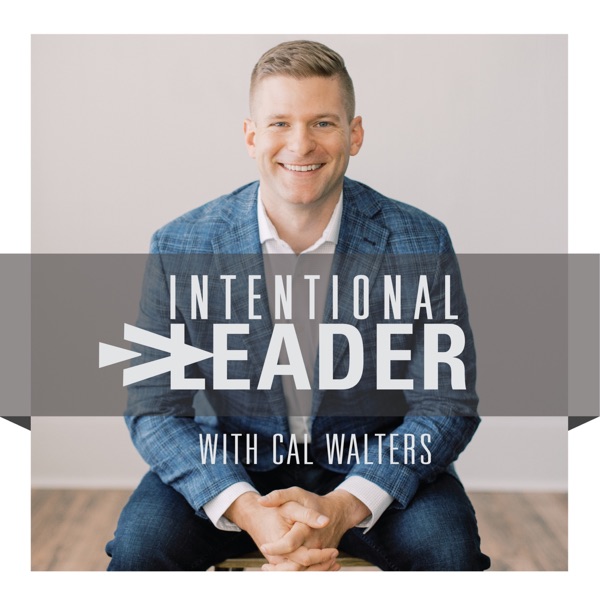
Intentional Leader with Cal Walters
Let's be honest. The hardest person you will ever have to lead is the person you look at in the mirror everyday.
Self-leadership is the most important thing we do as leaders, but it's hard.
And it hasn't gotten any easier in a world of smart phone addiction, social media comparison, global pandemics, and information overload (just to name a few obstacles).
That's why Intentional Leader exists.
We help leaders take the guesswork out of self-leadership, fight a reactionary lifestyle, accelerate their personal growth, and achieve their God-given potential at home, at work, and in their communities.
This is why we get out of bed each morning. We love helping leaders on their personal growth journey! Because we know when the leader gets better everyone benefits. Organizations, communities, and families all thrive when the leader is thriving.
We are a team of ordinary people with an extraordinary passion for personal growth and helping leaders thrive.
Join this community to pursue personal growth and leadership excellence, to inspire others, and make a lasting impact on the world. Life is short, so let's make it count by living an intentional life.
On this podcast, Cal Walters — a follower of Jesus, a husband, father, West Point graduate, former Infantry Officer, Army Ranger, combat veteran, lawyer, and Army JAG — passionately explores ways to live intentionally, make each day count, and lead with greater influence and impact.
Cal firmly believes leadership matters, and this podcast will help you lead yourself and inspire others. Cal believes we each have a unique contribution to make to the world, and he wants to help you make yours!
For show notes, visit https://www.calwalters.me/
Disclaimer: The views expressed on this podcast are those of the author and guests and do not reflect the official policy, position, or endorsement of the US Army JAG Corps, US Army, DoD, or the US Government.
- Episodes
- 142
- Releases
- Monthly
- Typical length
- 57 min
- On air since
- 2019
- Latest episode
- 6 days ago
Episodes
142 episodes, newest first
-
1 hr 19 min
141: Jon Harmeling — How AI Can Make You a Better Leader: Productivity, People, and Significance
Show notes
➡️ Get my free weekly newsletter (The Intentional Letter): https://courses.calwalters.me/signup
Apply to join the Intentional Leader Lab: https://courses.calwalters.me/thelab
Get Jon's Book (Frontline AI Leadership): https://www.amazon.com/dp/B0HNDTHR36
Website: frontlineaileadership.com
My friend and West Point classmate Jon Harmeling is a Chick-fil-A owner-operator in Miami Shores, Florida, where he leads a team of 89 people from 18 different countries. He's also the author of Frontline AI Leadership. Jon has found ways to save approximately 10 hours a week using AI.
But what makes his approach so fascinating isn't simply the time he's saving. It's what he's doing with that time. He's using AI to identify overlooked employees, prepare for meaningful conversations, help his team pursue personal goals, and become a more intentional leader.
Jon shares a simple framework from his book: Machines do. Managers decide. Leaders develop.
It's a reminder that technology should support leadership, not replace the human relationships at its center. I hope this conversation encourages you to think differently about AI—and more intentionally about the people you've been entrusted to lead.
00:00 – What Should Leaders Do With the Time AI Saves?
00:39 – Welcome to the Intentional Leader Podcast
02:23 – From West Point to Chick-fil-A
06:44 – A Leadership Lesson That Changed Jon's Life
11:23 – The Competitive Journey to Becoming a Chick-fil-A Operator
17:29 – A Cancer Diagnosis and an Unexpected Turning Point
20:11 – When the Dream Gets Delayed
22:19 – Learning to Wait Well
24:30 – 363 Job Rejections and a Crisis of Purpose
28:07 – The Difference Between Success and Significance
29:32 – Losing His Father and Rethinking His Legacy
34:00 – The Legacy We Leave Behind
39:42 – Why AI Should Make Us Better Leaders
44:02 – Practical Ways Leaders Can Use AI
46:03 – Machines Do. Managers Decide. Leaders Develop.
48:22 – Using AI to Develop Your People
52:57 – How Jon Saves 10 Hours a Week
55:00 – Automating 13 of 15 Onboarding Steps
57:17 – The Question That Changed How Jon Uses AI
59:37 – How AI Identified an Overlooked Employee
1:04:00 – Which AI Tools Does Jon Actually Use?
1:09:43 – The Most Important Skills for an AI-Driven Future
1:14:15 – Frontline AI Leadership and Giving Back
1:17:00 – Final Thoughts Remember, life is short. Let's make it count.
#Leadership #ArtificialIntelligence #AI #IntentionalLeadership #ChickfilA
Please visit my website to get more information: https://calwalters.me/
-
1 hr 1 min
140: Dan Casey & Griffin Brand — Coach Bill Walsh's Playbook for Winning: Culture, Standards, Resilience, and Leadership
Show notes
➡️ Get my free weekly newsletter (The Intentional Letter): https://courses.calwalters.me/signup
Apply to join the Intentional Leader Lab: https://courses.calwalters.me/thelab
Get the book or connect with Dan and Griffin: https://bringyourownpencil.com/
What does it actually take to build a winning culture?
In this episode, I sit down with Dan Casey and Griffin Brand, authors of Bring Your Own Pencil: Bill Walsh's Playbook for Winning at Anything, to explore the leadership lessons behind legendary San Francisco 49ers coach Bill Walsh. We talk about how Walsh transformed one of the NFL's worst organizations into a championship team, why great cultures eventually become self-policing, how leaders establish meaningful standards without micromanaging, and why the moments when you feel closest to quitting may come right before a breakthrough.
In this conversation:
00:00 — Welcome + the Intentional Leader Lab
01:24 — The story behind Bring Your Own Pencil
04:05 — Ronnie Lott, Hacksaw Reynolds, and personal preparation
06:23 — How leaders create a self-policing culture
08:12 — Candid feedback without tearing people down
09:50 — Bill Walsh's Standard of Performance
11:24 — Setting clear standards without micromanaging
12:43 — The danger of "productive procrastination"
13:37 — What were Bill Walsh's actual standards?
15:51 — How to create standards for your own team
18:15 — Why authentic leadership matters
20:56 — Why Bill Walsh wanted everyone to call him "Bill"
22:58 — Great leaders operate at 30,000 feet and in the dirt
26:04 — Bill Walsh's long road to becoming an NFL head coach
29:00 — What to do when your opportunity hasn't arrived
31:01 — Your "permanent base camp" for preparation
33:23 — Did Bill Walsh ever want to quit?
36:41 — The Valley of Death
37:39 — Why setbacks often come after success
38:39 — Why the people around you matter
41:23 — Why leaders need to be led
43:37 — Build a personal board of advisors
45:49 — Bill Walsh's coaching tree and the legacy of a leader
48:48 — What is "permissionless apprenticeship"?
50:47 — How Dan made Bill Walsh his mentor
53:55 — Charlie Munger, Benjamin Franklin, and self-education
55:17 — Why personal development is your responsibility
56:34 — How to connect with Dan and Griffin
59:46 — Final thoughts: private victories precede public victories
Please visit my website to get more information: https://calwalters.me/
-
1 hr 2 min
139: Ryan Hawk — How to Build Life-Changing Confidence
Show notes
📘Order Ryan's New Book, The Price of Becoming: https://learningleader.com/
➡️ Get my free weekly newsletter (The Intentional Letter): https://courses.calwalters.me/signup
What does it really take to become the person you're capable of becoming?
In this conversation, Ryan Hawk shares the lessons he's learned from interviewing more than 700 world-class leaders, the habits that build lasting confidence, and why keeping promises to yourself is the foundation of consistency.
We also discuss the surprising letter that changed Ryan's life as a child, his years-long pursuit of Jim Collins, and the leadership lessons he's learned from his wife and family. If you're looking to grow as a leader, spouse, parent, or person, I think you'll find this conversation both challenging and encouraging.
00:00 Introduction
01:10 Why Ryan Hawk Loves Long-Form Conversations
03:04 How Interviewing Became a Core Part of Ryan's Life
06:22 The People Who Shape Who We Become
07:44 The Letter Ryan Received at Eight Years Old
09:54 Prove Your Supporters Right
13:16 The Motivation Behind Ryan's Work
16:56 Responsibility, Service, and Productive Paranoia
19:08 Have a Plan, Work the Plan, Plan for the Unexpected
22:39 The Real Price of Becoming
25:44 How Confidence Is Built Through Consistency
28:05 Are Some People Naturally More Disciplined?
32:16 Be Careful About the Promises You Make
35:36 Ryan's Unfiltered Perspective on Waking Up Early
38:49 When Your Strengths Create Tension at Home
41:49 What Ryan's Wife Said About His Growth
44:14 Why Curiosity Is One of the Greatest Ways to Show Love
47:52 Modeling Love, Marriage, and Leadership at Home
50:37 Ryan's Years-Long Pursuit of Jim Collins
54:34 How Ryan Finally Got Jim Collins on the Podcast
56:29 Meeting One of His Heroes
58:23 The Price of Becoming and Where to Find Ryan
1:00:25 Closing Thoughts
Please visit my website to get more information: https://calwalters.me/
🔔𝐃𝐨𝐧'𝐭 𝐟𝐨𝐫𝐠𝐞𝐭 𝐭𝐨 𝐬𝐮𝐛𝐬𝐜𝐫𝐢𝐛𝐞 𝐭𝐨 𝐦𝐲 𝐜𝐡𝐚𝐧𝐧𝐞𝐥 𝐟𝐨𝐫 𝐦𝐨𝐫𝐞 𝐮𝐩𝐝𝐚𝐭𝐞𝐬. https://www.youtube.com/@intentionalleader_calwalters/?sub_confirmation=1
-
1 hr 1 min
138: Eva Rose Daniel — How Great Speakers Captivate Any Audience
Show notes
Learn more about (or apply) for the next Clarity Cohort: https://theclaritycohort.com What separates a good speaker from a great one?
In this episode, Cal sits down with Eva Rose Daniel, a speech coach and communication strategist who has spent nearly two decades helping leaders, authors, speakers, and public figures communicate with greater clarity, confidence, and influence.
Eva has worked with voices like Dave Ramsey and Jefferson Fisher, and in this conversation she shares practical, tactical advice for anyone who wants to become a more memorable and effective communicator.
Cal and Eva discuss why preparation matters, how to rehearse well, how to sound more authentic, how to overcome procrastination and imposter syndrome, and how to tell stories that actually connect with an audience.
This episode is especially helpful for anyone who leads meetings, teaches, preaches, pitches ideas, gives presentations, speaks on stage, or wants to communicate with more confidence and clarity.
In This Episode, We Cover:
00:00 Introduction 01:20 What Eva learned from working with Dave Ramsey 04:42 What makes a speech unforgettable 08:26 How to sound more authentic 11:31 Internalize your content instead of memorizing it 14:37 How to rehearse effectively 22:10 How to overcome procrastination 27:23 Imposter syndrome and speaking confidence 35:45 How to receive feedback without losing confidence 41:05 How to give clear, specific, kind feedback 45:33 How to tell better stories 54:02 Why every speaker needs a story file 55:12 Eva's SPARK framework for preparing a talk
Key Takeaways
Great speakers are never too good to practice.
The best communicators don't wait for a big stage to refine their skills. They practice in everyday conversations, meetings, and smaller opportunities.
Memorable communication usually includes strong storytelling, authenticity, and a clear framework or point of view.
Instead of memorizing a speech word for word, internalize the main ideas so you can communicate naturally.
Your first time giving a presentation should not be in front of the actual audience. Practice with trusted people and ask for specific feedback.
Procrastination is common, but Eva recommends "planned spontaneity": prepare the structure early, then leave room for timely examples, humor, and fresh insight.
When imposter syndrome shows up, remember that someone invited you because they believed you had something valuable to share.
Feedback should be clear, specific, and kind.
Every leader should keep a story file to capture meaningful moments, funny observations, lessons, and examples.
Practical Application
Before your next presentation, ask:
What do I want my audience to know? What do I want them to feel? What do I want them to do?
Then use Eva's SPARK framework:
S — Start with a story P — Identify the problem A — Give the action steps R — Resolve what you opened K — End with a knockout close
Connect with Eva Rose Daniel
Website: https://www.thespeakshop.com/ LinkedIn: Eva Rose Daniel
Listen and Subscribe
If this episode encouraged you, helped you grow, or made you think, please subscribe, leave a review, or share it with a friend.
-
1 hr 5 min
137: Jamie Winship — How Great Leaders Handle Fear, Conflict, and Difficult Conversations
Show notes
➡️ Get my free weekly newsletter (The Intentional Letter): https://courses.calwalters.me/signup
Email cal@calwalters.me if you're interested in learning more about the Intentional Leader Lab.
Learn more about Jamie Winship and his work: https://www.identityexchange.com/
Get Jamie's new book, The War of Worldviews: https://www.identityexchange.com/books
Jamie Winship returns to the Intentional Leader Podcast for a deep and honest conversation about fear, identity, conflict, truth-telling, and what it means to lead from love instead of self-protection.
Jamie is a former CIA officer, conflict mediator, speaker, and author of Living Fearless and The War of Worldviews. In this conversation, Jamie shares vulnerably about his own fear of being a disappointment, how leaders often use self-protection and self-promotion to cover insecurity, and why truth-telling is one of the most powerful tools for resolving conflict.
We also explore how leaders can help people in conflict, why anger is often connected to fear, and why leaders must model the freedom they want to create in others.
Jamie is a Christian, and this conversation includes discussion of faith, prayer, Jesus, and Scripture. Whether or not you come from that faith background, this episode offers powerful insight into what it means to be human, to face fear honestly, and to lead with courage, love, and truth.
In this episode, we discuss:
• Why fear is valuable but should not make decisions for us
• How leaders self-protect and self-promote when they feel afraid
• Why conflict is usually rooted in fear
• How to tell the truth without weaponizing vulnerability
• Why leaders must do their own inner work first
• How to help people in conflict reconnect as human beings
• Why love, not fear, is the better leadership motive
• How to stay grounded in high-stress situations00:00 Introduction
01:37 Jamie's core fear: being a disappointment
04:47 How fear shows up in leadership
05:13 The decision to take his family to Iraq
07:33 When leadership decisions go wrong
08:29 Why truth-telling is the path through fear
10:16 Only truth can remove a lie
12:28 What Jamie says to himself when fear rises
12:50 Fear makes simple things complicated
15:13 Tracing fear back to an old wound
17:31 Asking God where He was in the painful moment
19:42 What happens when leaders don't process fear
20:17 Self-protection and self-promotion
21:31 Don't get your identity from the room
22:14 Can leaders be motivated by love instead of fear?
22:38 Every decision comes from fear or love
25:59 Jamie's definition of love
26:05 Serve and protect vs. enforce and control
30:32 How leaders should handle conflict on their team
32:16 Fear is what produces conflict
34:36 Underneath anger is usually fear
36:53 How identity changes conflict resolution
39:23 "I'm not qualified to do that"
40:12 Leaders must model the freedom they want to create
42:36 How two people in conflict can tell the truth
45:02 A CEO chooses humanity over HR process
47:13 Is truth-telling too vulnerable in conflict?
47:46 Truth-telling vs. vulnerability
49:03 A real-world conflict resolution example
53:25 Why present pain usually has a past root
56:25 What to do if you can't remember where the fear started
57:21 Habits for staying calm under pressure
57:49 Keep your brain in your own car
01:00:41 How the future helps us deal with fear
01:01:07 Getting the enemy out from behind you
01:03:34 Cal's biggest takeaways
-
29 min
136: Jordan Montgomery — Why Even High Performers Need Encouragement (and How to Lead with It)
Show notes
➡️ Get my free weekly newsletter (The Intentional Letter): https://courses.calwalters.me/signup
Check out Jordan's work: https://www.montgomerycompanies.com/
00:00 Intro + Why Encouragement Matters (Even for High Performers)
01:09 Why Everyone Needs Encouragement (No Matter Their Success)
02:35 What Elite Performers Have in Common (They All Have Coaches)
04:16 The Paradox of Growth: The More You Learn, The More You Need Help
06:25 How Jordan Coaches Leaders (2 Powerful Questions)
07:44 "What Do You Want?" + "Who Are You Really?"
10:01 Why Most Leaders Struggle with Self-Awareness
11:47 Identity, Calling, and Becoming an Encourager
13:27 Jordan's Failure Story (Losing His Career at 27)
15:53 "You're Not Buried, You're Planted" (Valley Season Lessons)
17:01 The Power of Self-Encouragement
19:32 How to Rewire Your Thinking (Speak vs. Listen to Yourself)
21:32 Practical Self-Talk (What It Actually Looks Like Daily)
23:27 The Art of Authentic Encouragement
23:56 Why Specific Encouragement Is More Powerful
26:59 Final Takeaways + How to Encourage Others Better
27:42 Practical Leadership Application (Cal's Closing Thoughts)
What if encouragement isn't just "nice"… but essential for leadership?
In this episode of the Intentional Leader Podcast, I sit down with Jordan Montgomery, bestselling author of The Art of Encouragement, to unpack:
• Why even elite performers need encouragement
• The surprising link between success and coaching
• How to lead yourself when your mindset is off
• Why most encouragement feels fake—and how to fix it
• A simple framework to become a better encourager todayThis conversation is short—but packed with practical wisdom you can apply immediately in your leadership, your family, and your team.
-
56 min
135: Dr. Jeff Wetzler — Why People Don't Tell You the Truth (and the Questions That Change Everything)
Show notes
➡️ Get my free weekly newsletter (The Intentional Letter): https://courses.calwalters.me/signup
Follow Jeff's work: https://www.jeffwetzler.com/
Dr. Jeff Wetzler, author of Ask, joins Cal Walters to unpack a leadership blind spot: the crucial information your team has… but isn't telling you. Jeff explains the "left-hand column" (what people think and feel but don't say), the four reasons honesty gets filtered, and the ASK Approach—a practical framework for choosing curiosity, building psychological safety, asking better questions, and closing the loop when feedback is hard to act on.
If you want better decisions, healthier relationships, and fewer surprises, this conversation will give you a playbook.
Episode Outline / Timestamps
00:00 The hidden information problem
00:41 Guest intro + what you'll learn
01:37 Chris Argyris + the "left-hand column" tool
08:07 Four reasons people don't tell you the truth
12:06 Why smart/successful leaders struggle to learn
13:55 Jeff's near miss: one question that revealed the truth
15:45 Psychological safety: why curiosity alone isn't enough
21:35 Reactivity: the biggest predictor of future honesty
22:18 Responding well to hard feedback
25:00 The ASK Approach: Choose curiosity
29:48 Curiosity killers + "When you're furious, get curious"
32:29 Busy leaders: "Pay now or pay later"
36:40 Quality questions vs. crummy questions
40:04 Better questions for feedback and performance reviews
44:07 Go-to questions for parties and relationships
47:48 Questions as a gift: helping others gain clarity
49:55 How to handle feedback you won't follow
51:08 Reflect & reconnect: sift it, turn it, and close the loop
53:13 Cal's takeaways and practical challenges
Practical Challenges to Try This Week
•
Replace: "Do you have feedback for me?"
With: "What's one thing I could do differently that would make your life easier?"
•
When you feel defensive, ask one question before making a statement.
•
When someone brings hard truth, try:
"That's hard to hear—and I'm really glad you told me."
-
1 hr 2 min
134: Randy Gravitt — Winning at Home Without Losing at Work, Leading With Presence, and Why Hope Is Not a Strategy
Show notes
➡️ Get my free weekly newsletter (The Intentional Letter): https://courses.calwalters.me/signup
Get Randy's book: https://www.amazon.com/Winning-Begins-Home-Strategy-Leadership/dp/B0CTYGNXCG
Learn about Lead Every Day: https://leadeveryday.com/
In this episode, Cal Walters sits down with executive coach, speaker, and author Randy Gravitt of @Lead_Every_Day to explore one of the most important leadership questions of our time:
How do you pursue excellence at work without sacrificing what matters most at home?
Randy shares powerful insights from decades of coaching leaders across Fortune 100 companies, professional sports teams, and nonprofits—along with lessons from his book Winning Begins at Home.
This conversation goes beyond clichés about work-life balance and gets practical about strategy, systems, presence, and love—and why winning at home actually makes you a better leader at work.
Please visit my website to get more information: https://calwalters.me/
00:00 – Welcome to 2026 & the Intentional Leader community
02:10 – Introducing Randy Gravitt & the tension leaders feel
03:40 – Strategic at work, sporadic at home
06:00 – Why family has quietly been diminished
07:45 – Being home but not really home
08:55 – Proximity does not equal intimacy
10:00 – The servant leadership tension
12:20 – Living in the center of the tension
13:45 – Begin with the end in mind
15:10 – You will never finish all the work
16:50 – Seasons turn into patterns
18:30 – The NFL Super Bowl story
21:00 – Leaving work at work
22:15 – Training presence like a discipline
23:30 – Rituals that help you be present
25:30 – Phone boundaries that actually work
27:40 – Winning the first hour of the day
29:40 – Why home life fuels work performance
32:10 – Choosing priorities on purpose
34:00 – The hidden cost of neglecting home
36:30 – "What kind of family do you want?"
38:40 – Family by design, not by default
41:00 – Marriage after the kids leave
43:00 – Don't go to bed angry
46:30 – Love first
49:50 – See a need, meet a need
54:00 – Final encouragement to leaders
59:00 – Key takeaways & closing challenge
-
1 hr 21 min
133: LTG(R) Milford Beagle "Beags" — A Three-Star General on True North, Resilience, Feedback, and How to Lead With Confidence Without Becoming Overconfident
Show notes
➡️ Get my free weekly newsletter (The Intentional Letter): https://courses.calwalters.me/signup
📚 Get LTG (Ret.) Beagle's new book, When the Map Runs Out: https://www.amazon.com/When-Map-Runs-Out-Uncertain/dp/B0G1ZGH76J
As leaders rise, they often hear less and less truth. LTG (Ret.) Milford Beagle calls this the cone of silence—and he warns that it's one of the quietest ways leaders lose their true north.
In this episode, we explore how to lead when your "map" falls apart. General Beagle shares his journey from a stunned new platoon leader at Fort Polk to commanding the U.S. Army Combined Arms Center, and what he's learned about staying grounded, humble, and effective in uncertainty.
We dig into his new book, When the Map Runs Out: Values, Judgment, and Clarity in Uncertain Times, and talk about practical tools: a one-page "How to Handle Me" document, a journaling habit to process negative emotions, and how to invite real feedback without shutting people down.
If you're navigating change, promotion, or pressure to have all the answers, this conversation will help you lead with confidence and humility at the same time.
🔎 In This Episode, You'll Learn
•
Why the higher you go, the more you're at risk of a cone of silence.
•
How leaders lose true north—not from incompetence, but distortion.
•
The difference between maps (plans, strategies, frameworks) and the compass (your values and judgment).
•
Two key disciplines of leadership: bearing (self-awareness) and calibration (inviting others to check your bearing).
•
How introverts, extroverts, and ambiverts can all be authentic leaders without pretending to be someone else.
•
A practical tool: the "How to Handle Me" document that accelerates trust and clarifies expectations.
•
How to create a culture where honest feedback is normal—especially for senior leaders.
•
Why even three-star generals feel imposter syndrome, and how to work through it.
•
How to provide clarity without certainty using "signposts on the road."
•
Simple habits for resilience: journaling, reframing failure, and "always quit tomorrow."
⏱️ TIMESTAMPS
00:00 – The cone of silence: how leaders lose true north as they rise
01:56 – Cal's intro, the Intentional Leader Podcast, and LTG Beagle's background
03:15 – Fort Polk & the first platoon: "I felt like a leader… and not a very good one"
08:45 – From follower to leader: athletics, ROTC, and early moments when the map ran out
10:27 – Why When the Map Runs Out and the map/compass metaphor
12:36 – Frameworks, bearing, and calibration: why leaders need more than maps
16:54 – Authentic leadership for every personality type
22:57 – Designing a "How to Handle Me" one-pager for your team
26:27 – Examples: not liking details, humor, and getting quiet when processing
29:57 – Public speaking fear, reps & sets, and keeping the bar high
32:16 – Ego, promotion, and the cone of silence at senior levels
36:27 – Training your team to give you unvarnished feedback
40:24 – Feedback as the breakfast of champions (and why it stings)
42:09 – Imposter syndrome at the Combined Arms Center
46:01 – Clarity vs. certainty: the signpost town hall during organizational change
52:05 – True north and values: integrity, empathy, resilience, "quit tomorrow," loyalty
58:33 – The hurdles metaphor: falling, resilience, and running through obstacles
1:02:10 – Journaling to process emotion and see your own growth over time
1:07:17 – Time, priorities, and the cost of diluted focus
1:15:02 – Knowing your weaknesses and starting with them in interviews
1:16:15 – Where to find When the Map Runs Out and connect with LTG Beagle
1:17:53 – Cal's closing: four practical actions you can take this week
🧭 Practical Ways to Apply This Episode
•
Create your own "How to Handle Me" document
•
One page, honest, and specific: quirks, tendencies, what you're working on, and how people can best work with you.
•
Start (or restart) a journaling habit
•
For the next 7 days, write at least one sentence about how you're feeling and what you're facing.
•
Ask for one piece of real feedback
•
Pick one person you trust. Ask, "What's one thing I could do differently that would make me a better leader for you?" Then thank them.
•
Practice clarity in uncertainty
•
In one messy situation this week, clearly state:
•
What we know
•
What we don't know
•
What we're going to do next
-
56 min
132: Joe McCormack — Special Operations Communication Expert Shares How to Say Less, Communicate With Clarity, and Lead With Quiet Confidence
Show notes
Connect with Joe: https://www.linkedin.com/in/josephpmccormack/
Learn more about The Brief Lab: https://thebrieflab.com/
How do you become the kind of leader who cuts through noise, communicates with clarity, and actually moves people to action?
In this episode of the Intentional Leader Podcast, Cal talks with Joe McCormack—founder of The Brief Lab and author of Brief, Noise, and Quiet Works. Joe has trained elite military units and Fortune 500 executives to be clear, concise, and intentional communicators, and to rediscover the quiet that makes powerful communication possible.
They explore:
•
Why noise is the real villain in your leadership story
•
The "sword and shield" of effective communication: brief (cut through clutter) and quiet (protect your attention)
•
Why being brief actually requires more preparation, not less
•
The 3 levels of detail and how to stop overwhelming people
•
How to build quiet into your day so you think better and lead better
•
Why thinking time is part of your job, not a luxury
•
How to use small pockets of quiet before and after meetings
•
Practical ways to manage your phone instead of being managed by it
•
How AI + quiet work can become a leadership superpower
If you've ever felt frustrated by endless meetings, rambling updates, or your own distracted brain, this conversation will give you practical tools you can use this week.
Episode Highlights
•
Noise as the villain – How constant distractions, disruptions, and devices are eroding our ability to think and communicate.
•
The brief & quiet toolkit – Brief is the sword that cuts through clutter; quiet is the shield that protects your attention so you can prepare.
•
Why we overtalk – Insecurity, lack of preparation, ego, and a poor understanding of attention spans.
•
The 3 levels of detail – Level 1 (headline), Level 2 (support), Level 3 (full detail). Most leadership moments only need Levels 1–2.
•
Clarity like comedy – Sequence and timing matter. If it takes too long to get to the punchline, you lose people—even if the content is good.
•
Quiet as an appointment – Why you should literally block quiet time on your calendar and not treat it like a "snow day."
•
Quiet before collaboration – Simple practices like two minutes of silence at the start of meetings can transform outcomes.
•
Redefining work in the AI age – Undistracted thinking is becoming a rare and valuable skill; AI works best when you can sit still and think.
•
Your phone works for you – Reframing your phone as a tool, not a master.
Practical Takeaways
•
Take 3 minutes before your next meeting or email to decide: What's my headline?
•
Use Joe's 3 levels of detail filter: Am I giving a headline, a trailer, or the entire movie?
•
Block 15 minutes of quiet in the morning and afternoon, and connect it directly to upcoming or recent communication.
•
Start your next team meeting with 2 minutes of silence for everyone to think about what they want to say and what they hope to get out of the meeting.
•
Put your phone in another room for your quiet block and remind yourself: My phone works for me; I don't work for it.
-
49 min
131: Dr. Liz Werly — What an Army Psychologist for Special Ops Teaches About High Performance and Emotional Intelligence
Show notes
How do the best military leaders go from operating at an already elite level… to an even higher level under pressure?
In this episode, Army psychologist Dr. Liz Werly (who works directly with some of the U.S. military's most elite units) breaks down the exact framework she uses to help high performers:
•
build accurate self-awareness using gold-standard assessments,
•
"engineer" their personality to fit the context (calm under fire and present at home),
•
develop emotional intelligence as the differentiator once IQ and talent are in place, and
•
translate values into visible daily behaviors that protect what matters most.
We also dig into groundedness and intentionality as core high-performance habits, the basics that leaders ignore at their own risk (sleep, rhythm, connection), and how generational shifts and resiliency trends are reshaping today's force and workplaces.
In this episode, you'll learn:
•
How Dr. Werly assesses elite leaders (IQ, Big Five, emotional measures) and turns data into a growth plan
•
Why emotional intelligence becomes more important than raw intellect at higher levels of leadership
•
A simple values → beliefs → behaviors framework (including the "20-minute Lego" example)
•
How to recognize when your strengths (e.g., robotic under pressure) become liabilities at home or with your team
•
Practical tools for grounding, bandwidth management, and emotional "dialing"
•
What leaders need to understand about younger generations, resiliency, and expectations
If you're already a high performer and want to become a more grounded, self-aware, and sustainable leader, this conversation is for you.
Mentioned in this episode:
•
Connect with Dr. Liz Werly on LinkedIn: https://www.linkedin.com/in/elizabeth-h-werly-psy-d-b843b817/
•
Join the waitlist for the next Intentional Leader Lab cohort: intentionalleaderlab.com
The views expressed in this episode are those of the participants and do not represent the official position of the U.S. Government or the U.S. Army.
Chapters:
00:00 Intro – How elite leaders go from high to higher
00:33 Disclaimer + what this episode will cover
01:06 Welcome to The Intentional Leader Podcast + IL Lab mention
01:36 Meet Dr. Liz Werly & her work with elite military units
03:35 "If I walked into your office…" – her framework for high performers
05:19 Patterns, personality, and "engineering" your strengths
07:42 Robotic under pressure, distant at home – dialing traits up/down
09:20 Big Five, gold-standard assessments & why cheap tests fall short
11:24 Why tests need interpretation, not labels
13:18 How leaders react when they see their data
16:50 Values-based goals & Acceptance and Commitment mindset
18:58 IQ vs personality vs EQ – what you can actually change
21:00 The four pillars of emotional intelligence (Liz's breakdown)
24:25 Why EQ is the edge once IQ is "good enough"
24:50 Groundedness & intentionality as #1 performance levers
26:44 Designing your "ideal day" for this season of life
29:04 Sleep, basics, and whole-person performance
29:50 Values → beliefs → behaviors (the 20-minute Lego example)
32:36 When values collide (deployments, travel, guilt & shame)
34:44 Emotions as information vs letting emotions drive decisions
36:30 Generational friction & why it's an emotional intelligence issue
39:25 Tech, expectations, and how younger leaders are different
41:06 Resiliency, safety culture, and maturity gaps
43:18 Recruiting, mental health, and opportunity in today's force
45:00 Where to connect with Liz + her final advice to leaders
46:24 Outro – 5 practical challenges: grounding, values, bandwidth, dialing, feedback
-
55 min
130: Dr. Zach Mercurio — The Hidden Engine of High-Performing Teams: Mattering, Trust, and Purpose-Driven Leadership
Show notes
Apply to work with me 1-1: https://courses.calwalters.me/coaching
Join the Intentional Leader Lab waitlist: https://courses.calwalters.me/intentional-leader-lab
Learn more about Zach: https://www.zachmercurio.com/
In this conversation, Dr. Zach Mercurio discusses the importance of creating a sense of purpose and mattering within teams. He emphasizes that feeling valued is a basic human instinct and that leaders play a crucial role in fostering an environment where everyone feels significant. The discussion covers the psychological impacts of not feeling like one matters, the barriers leaders face in demonstrating care, and practical strategies for enhancing team dynamics through small, intentional interactions. The conversation ultimately highlights the shift from traditional command-and-control leadership to a more trust-based approach that prioritizes relationships and emotional intelligence.
00:00 Creating a Sense of Purpose in Teams
02:10 Understanding the Cost of Not Mattering
04:28 The Role of Leaders in Mattering
07:56 The Importance of Mattering in Work and Life
11:41 Barriers to Caring in Leadership
16:10 The Shift from Command and Control to Trust-Based Leadership
19:35 Leading Indicators vs. Lagging Indicators
23:28 The Power of Small Interactions
28:59 Practical Actions for Leaders to Show Mattering
44:26 Noticing, Affirming, and Needing in Leadership
-
57 min
129: Dr. Ryan Gottfredson — The Groundbreaking Science of Personal Transformation, Mindsets, Emotional Intelligence, and Becoming Better
Show notes
Update: Now only 6 spots left in the Intentional Leader Lab!
➡️ Learn about the Intentional Leader Lab: https://intentionalleaderlab.com
Book a call: https://tally.so/r/w8X6dz
Apply today: https://tally.so/r/nr40XM
Please visit my website to get more information: https://calwalters.me/
In this episode, Dr. Ryan Gottfredson returns to discuss the concepts of trauma, vertical development, and the distinction between 'being' and 'doing' in leadership. He emphasizes the importance of self-awareness and healing one's internal operating system to achieve true personal transformation. The conversation explores how mindsets shape our experiences and the role of emotional intelligence in effective leadership. Ryan shares his personal journey of transformation and the impact of trauma on leadership effectiveness, providing insights into how leaders can grow both personally and professionally.
00:00 Introduction to the Intentional Leader Lab
01:12 Deep Dive with Dr. Ryan Gottfredson
02:35 Exploring Mindsets and Personal Transformation
04:49 The Importance of Vertical Development
11:13 Understanding Self-Protective Fears
16:12 The Doing Side vs. The Being Side
22:42 The Impact of Trauma on Leadership
29:58 Emotional Intelligence and Its Connection to Being
38:47 The Neuroscience of Emotional Intelligence
44:23 Ryan's Personal Journey of Transformation
50:40 Final Thoughts on Becoming Better
Takeaways
- The Intentional Leader Lab offers a six-month leadership experience
- Dr. Ryan Gottfredson emphasizes the importance of vertical development
- Mindsets are crucial for personal transformation
- Self-protective fears can hinder leadership growth
- The distinction between doing and being is vital for leaders
- Emotional intelligence is primarily a being side ability
- Trauma can significantly impact leadership effectiveness
- Awareness is the first step towards transformation
- Expanding your window of tolerance is essential for growth
- Healing one's internal operating system is key to becoming better
#leadership #leader #leadershipdevelopment #emotionalintelligence #podcast #personalgrowth #growth #growthmindset #growthjourney #trauma #traumahealing #selfimprovement #selfcare #selflove #selfgrowth #intentionalliving #fear #fearless #team #teamwork #neuroscience #science
-
4 min
128: Accomplish Anything as a Leader with the 3 Levels of Clarity and the Intentional Leader Lab
Show notes
➡️ Learn about the Intentional Leader Lab: https://intentionalleaderlab.com
Book a call: https://tally.so/r/w8X6dz
Apply today: https://tally.so/r/nr40XM
The Intentional Leader Lab: A Mastermind for Successful Leaders Who Refuse to Plateau Even the best leaders can drift, but this carefully curated leadership community and Cal's Narrow Path™ Framework give you the tools, accountability, and systems to accelerate your growth. Only 11 spots left.
-
45 min
127: Dr. Travis Bradberry — Emotional Intelligence Expert Gives Practical Advice to Increase Your EQ, Increase Your Self-Awareness, and Change Your Thinking
Show notes
➡️ Apply to the Intentional Leader Lab (only 12 slots available): https://intentionalleaderlab.com/
In this conversation, Cal introduces the Intentional Leader Lab, a coaching program aimed at enhancing leadership skills through emotional intelligence. Dr. Travis Bradberry, an expert in emotional intelligence, discusses its significance in leadership, differentiating it from IQ, and the importance of self-awareness, self-management, and social awareness. The conversation emphasizes practical strategies for developing emotional intelligence and the impact it has on personal and professional relationships.
Dr. Travis Bradberry is a best-selling author and a leading expert in emotional intelligence (EQ), co-authoring the #1 bestseller Emotional Intelligence 2.0 and the book The New Emotional Intelligence. He co-founded TalentSmart, a provider of EQ assessments and training used by many Fortune 500 companies, and is currently the Chief People Scientist at LEADx. His work focuses on practical strategies and new research to help people improve their EQ, which impacts behavior, decision-making, and relationships.
-
57 min
126: Melody Wilding — How to Manage Up and 5 Conversations to Have with Your Boss
Show notes
➡️ Get my free weekly newsletter (The Intentional Letter): https://courses.calwalters.me/signup
🧭 Clarify Your Core Values: https://calwalters.me/course
In this conversation, Melody Wilding, an expert in managing up, discusses the essential skills and strategies needed to influence your boss and navigate workplace dynamics effectively. She emphasizes the importance of emotional intelligence, establishing alignment, and taking ownership in your role. The discussion also covers setting boundaries, giving and receiving feedback, and the concept of the triple win, which focuses on finding mutually beneficial solutions for yourself, your boss, and the organization.
Melody Wilding is the bestselling author of Trust Yourself: Stop Overthinking and Channel Your Emotions for Success at Work and the Managing Up: How to Get What You Need from the People in Charge.
Melody is a licensed social worker with a master's degree from Columbia University, professor of human behavior at Hunter College in New York City, and former emotions researcher at Rutgers University.
For more than a decade, she's helped top performers and leadership at the world's most successful companies — including Google, JP Morgan, and Verizon — to communicate more clearly, prevent burnout, and transform complicated workplace dynamics into powerful alliances that impact the bottom line.
Her work has been featured in The New York Times, Wall Street Journal, The Washington Post, and dozens of other respected publications. She's a regular contributor to Harvard Business Review, Forbes, Fast Company, and CNBC.
➡️ Connect with Melody: https://melodywilding.com/
00:00 Mastering the Art of Managing Up
01:23 Understanding the Concept of Managing Up
05:37 Navigating Workplace Dynamics
07:52 The Importance of Emotional Intelligence
11:55 The Power of Effective Conversations
15:35 The Triple Win Concept
20:21 Establishing Alignment with Your Boss
39:57 Taking Ownership in Your Role
49:50 Setting Boundaries for Success
53:35 Giving and Receiving Feedback Effectively
Please visit my website to get more information: https://calwalters.me/
🔔𝐃𝐨𝐧'𝐭 𝐟𝐨𝐫𝐠𝐞𝐭 𝐭𝐨 𝐬𝐮𝐛𝐬𝐜𝐫𝐢𝐛𝐞 𝐭𝐨 𝐦𝐲 𝐜𝐡𝐚𝐧𝐧𝐞𝐥 𝐟𝐨𝐫 𝐦𝐨𝐫𝐞 𝐮𝐩𝐝𝐚𝐭𝐞𝐬. https://www.youtube.com/@intentionalleader_calwalters/?sub_confirmation=1
-
59 min
125: Patrick Lencioni — The One Thing Every Leader Needs and His Top Advice to Leaders at All Stages
Show notes
➡️ Get my free weekly newsletter (The Intentional Letter): https://courses.calwalters.me/signup
In this episode of the Intentional Leader podcast, Cal and Patrick Lencioni delve into the core motivations behind leadership, emphasizing the importance of serving others over seeking personal gain. They discuss the impact of fear on leadership effectiveness, the necessity of daily self-reflection, and the significance of understanding one's wounds in shaping leadership styles. The conversation also touches on the importance of unity within organizations and offers practical advice for leaders at various stages of their careers, encouraging self-discovery and intentionality in leadership practices.
Go deeper with Pat and his work:
- The Table Group: https://www.tablegroup.com/?srsltid=AfmBOooh27JebY2gN8wRMxtvnSo_5oO9jcZ6r0y7cdrS00K2kPh_-E0O
- The Working Genius Assessment: https://www.workinggenius.com/
- At the Table Podcast: https://www.tablegroup.com/pat/#podcasters
00:00 The Essence of Leadership Motivation
02:55 Understanding the True Motive Behind Leadership
05:41 The Impact of Fear on Leadership
08:46 Daily Reflections and Intentions
11:36 The Importance of Self-Discovery in Leadership
14:40 Navigating Leadership Through Different Life Stages
17:33 The Role of Wounds in Shaping Leadership
20:26 Finding Peace Beyond Success
23:29 Unity in Leadership and Organizations
26:46 Advice for Young Leaders
29:28 The Journey of Self-Awareness
32:36 Leadership in the Later Stages of Life
35:31 Creating Cohesion in Divided Times
Please visit my website to get more information: https://calwalters.me/
🔔𝐃𝐨𝐧'𝐭 𝐟𝐨𝐫𝐠𝐞𝐭 𝐭𝐨 𝐬𝐮𝐛𝐬𝐜𝐫𝐢𝐛𝐞 𝐭𝐨 𝐦𝐲 𝐜𝐡𝐚𝐧𝐧𝐞𝐥 𝐟𝐨𝐫 𝐦𝐨𝐫𝐞 𝐮𝐩𝐝𝐚𝐭𝐞𝐬. https://www.youtube.com/@intentionalleader_calwalters/?sub_confirmation=1
⭐⭐⭐ Audio Podcast is currently on your favorite platforms:
ApplePodcast:https://podcasts.apple.com/us/podcast/intentional-leader-with-cal-walters/id1468715294
Spotify:https://open.spotify.com/show/41qlvUJj1Ej0hzNp3dC5wn
🔗 Support Me Here! Patreon: https://www.patreon.com/calwalters
🔗 Stay Connected With Me. Linkedin (Cal Walters): https://www.linkedin.com/in/cal-walters-5571b824/
Linkedin (Intentional Leader): https://www.linkedin.com/company/intentional-living-leadership/
Website: https://calwalters.me/
📩 For business inquiries: cal@calwalters.me
-
52 min
124: Geoff Woods — Leverage AI for Elite Thinking and Decision Making (The Ai-Driven Leader)
Show notes
➡️ Get my Newsletter (Intentional Letter): https://courses.calwalters.me/signup
Discover Your Core Values: https://calwalters.me/course
Geoff Woods is the author of The AI-Driven Leader and the Founder of AI Leadership, where he empowers leaders to harness AI, escape operational overwhelm, and think strategically to accelerate growth.
AI Leadership is spearheaded by Geoff Woods, a visionary leader with a proven track record helping companies grow through strategic thinking and AI-driven solutions.
As the former Chief Growth Officer of Jindal Steel & Power, he drove market cap growth from $750M to $12B in four years through AI-driven leadership.
He also co-founded the training and consulting company behind The ONE Thing, where he coached and advised companies with annual revenues from $10 million to $60 billion.
In this conversation, Cal and Geoff explore the transformative potential of AI in leadership and decision-making. They discuss the importance of asking the right questions, mastering essential skills, and using AI as a strategic partner rather than just a tool. The dialogue highlights real-world applications of AI in business, including creating AI boards to simulate executive dynamics and enhance decision-making processes. The speakers emphasize the need for leaders to adapt to technological advancements and leverage AI to overcome significant challenges in their organizations. In this conversation, the speakers explore the transformative role of AI in leadership and decision-making. They discuss practical applications of AI in board meetings, presentation feedback, and strategic thinking. The importance of maintaining a thought leadership role while leveraging AI as a thought partner is emphasized, along with the need for leaders to adapt to the rapidly changing job landscape. The discussion also highlights lessons from Blockbuster's downfall and offers practical steps for leaders to integrate AI into their daily practices.
00:00 AI as a Strategic Partner for Leaders
07:23 Harnessing AI for Strategic Thinking
21:43 Creating AI Boards for Leadership
26:02 Real-World Applications of AI in Business
27:51 Simulating Reality: AI's Role in Predictive Analysis
29:03 Proactive AI Engagement: Preparing for Presentations
31:20 Thought Leadership vs. Thought Partnership
33:05 Building Your AI Board: A Personal Strategy
38:50 Strategic Thinking: Lessons from Blockbuster's Downfall
42:38 Practical Steps for Leaders: Using AI Effectively
45:04 Future Skills: Preparing for an AI-Driven World
49:52 Powerful Questions: Shaping Your Leadership Journey
-
58 min
123: General Stan McChrystal — How to Face Fear, Pivot from Failure, and Live a Disciplined Life
Show notes
➡️ Get my Newsletter (Intentional Letter): https://courses.calwalters.me/signup
Discover Your Core Values: https://calwalters.me/course
Get On Character by General McChrystal: https://www.mcchrystalgroup.com/about/books/detail/2025/01/04/on-character--choices-that-define-a-life
Follow Stan: https://www.linkedin.com/in/stanmcchrystal/
Learn about the McChrystal Group: https://www.mcchrystalgroup.com/
In this conversation, General Stanley McChrystal discusses the profound impact of character on leadership, emphasizing that true leadership is tested during challenging times. He reflects on his personal experiences, including his resignation from the military, and how his marriage has shaped his character. The discussion also delves into the importance of understanding core values, the influence of parents on our convictions, and the role of fear in leadership decisions. McChrystal encourages leaders to clarify their values and to recognize that character is a choice that defines us. In this conversation, Stanley McChrystal discusses the dynamics of leadership, the importance of courage in speaking up against groupthink, and the necessity of discipline in personal and professional life. He reflects on his experiences in high-pressure environments, the challenges of maintaining integrity, and the value of writing as a tool for clarifying thoughts and fostering a national dialogue on character. The discussion emphasizes the significance of learning from mistakes and the impact of personal values on leadership effectiveness.
00:00 The Essence of Leadership and Character
03:00 The Journey of Writing and Reflection
05:55 Marriage as a Foundation for Character
11:49 The Role of Character in Leadership
17:55 Understanding Core Values and Convictions
23:00 The Influence of Parents on Character
25:50 Confronting Fear in Leadership
30:15 The Pressure to Conform in Leadership
32:44 Courage to Speak Up: A Personal Reflection
35:33 Coaching Leaders to Embrace Truth
38:26 The Importance of Discipline in Leadership
46:57 Learning from Mistakes and Moving Forward
49:05 The Value of Writing and National Dialogue on Character
-
45 min
122: Will Acuff — Find Joy in Life's Struggles
Show notes
➡️ Get my Newsletter (Intentional Letter): https://courses.calwalters.me/signup
Discover Your Core Values: https://calwalters.me/course
Get Will's book: https://noelevatortoeverest.com/
Learn about Corner to Corner: https://cornertocorner.org/
In this conversation, Will Acuff shares his journey of finding joy amidst life's challenges, particularly through his experiences with his family and the transformative 'trauma camp' that helped him shift his perspective. He discusses the importance of self-compassion, the struggles of parenting a child with disabilities, and the pressures of maintaining a facade of having it all together. The dialogue emphasizes the significance of recognizing small sparks of joy and the power of community and support in navigating difficult times.
In this conversation, the speakers explore the themes of love, mercy, and personal responsibility within relationships. They discuss the drama triangle concept, emphasizing the importance of shifting from a hero mentality to one of ownership and self-compassion. The dialogue also touches on thriving in tough circumstances, the significance of self-awareness, and practical practices for cultivating joy in daily life.
00:00 Finding Joy in Hardship
02:53 The Journey to Trauma Camp
11:42 Transformative Experiences at Trauma Camp
22:02 The Power of Joy in Difficult Times
24:35 The Context of Love and Mercy
25:08 Understanding the Drama Triangle
29:04 Shifting from Hero to Ownership
30:44 The Impact of Codependency
32:07 Self-Compassion and Ownership
35:31 Thriving in Tough Circumstances
36:40 Exploring Joy and Self-Awareness
42:22 Practical Practices for Daily Joy Please visit my website to get more information:
🔔𝐃𝐨𝐧'𝐭 𝐟𝐨𝐫𝐠𝐞𝐭 𝐭𝐨 𝐬𝐮𝐛𝐬𝐜𝐫𝐢𝐛𝐞 𝐭𝐨 𝐦𝐲 𝐜𝐡𝐚𝐧𝐧𝐞𝐥 𝐟𝐨𝐫 𝐦𝐨𝐫𝐞 𝐮𝐩𝐝𝐚𝐭𝐞𝐬. https://www.youtube.com/@intentionalleader_calwalters/?sub_confirmation=1
On these lists
Intentional Leader with Cal Walters is one of the shows picked out on each of these





More in Management
Placed highest on Apple Podcasts' Management chart right now