Podcast
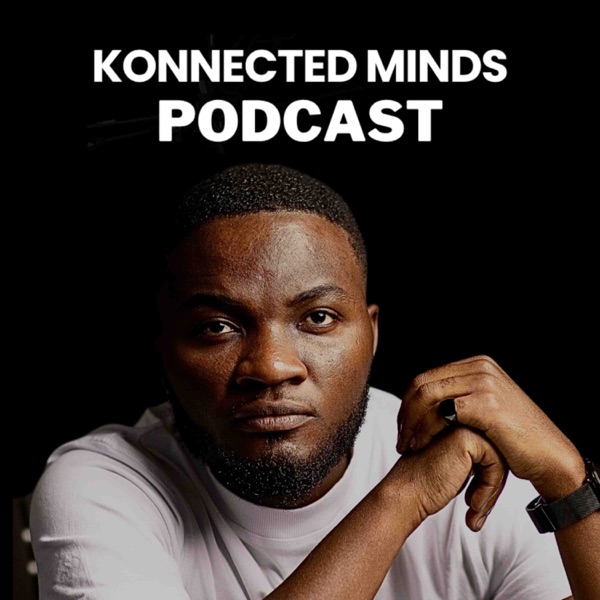
Konnected Minds Podcast with Derrick Abaitey
Konnected Minds: Success, Wealth & Mindset. This show helps ambitious people crush limiting beliefs and build unstoppable confidence.
Created and Hosted by Derrick Abaitey
YT: https://youtube.com/@KonnectedMinds?si=s2vkw92aRslgfsV_
IG: https://www.instagram.com/konnectedminds/
TikTok: https://www.tiktok.com/@konnectedminds?_t=8ispP2H1oBC&_r=1
Podcast in Africa | Podcast in Ghana | Podcast in Nigeria | Best Podcast in Nigeria | Africa's best podcast
- Episodes
- 489
- Releases
- Weekly
- Typical length
- 1 hr 8 min
- On air since
- 2024
- Latest episode
- 1 day ago
Episodes
489 episodes, newest first
-
10 min
Segment: School Gave You a Degree, Not a Future - Learn A Skill Bonus
Show notes
What if the biggest difference between people who build successful careers in Africa and those who spend their lives trapped in degrees they hate isn't how much education they have or which university they attended, but understanding that the entire education system was designed to produce employees not entrepreneurs, that the 17-year-old who taught himself WordPress while studying human anatomy discovered something universities will never teach you about skills over certificates, and that the young person stuck in a course the university picked for them because they needed to fill spaces has been programmed to finish what they started while missing the brutal truth that the world has changed and it's never been easier to learn the skills that actually pay but most people struggle because they don't understand how their own brain learns best?
In this raw and unfiltered conversation on Konnected Minds, we sit down with someone who reveals why his tech journey started during his national service year when he saw needs that required a website and had to teach himself how to build one, why he started with WordPress and web design and smiled when it was mentioned because he's used it for quite a bit and did a lot of development with it, why he went from freelancing to learning HTML CSS JavaScript React.js front-end development, and why he's really grateful for how everything was aligned during his NYC year that transferred him into tech.
He breaks down why it was stages of development where he learned the skill started using it to solve local problems then started freelancing offering it to the public and when more demand grew he started a company called Clunify to do it at scale, why he launched Clunify with a small team and began building websites web applications and mobile apps for clients in almost every continent including the US UK Canada Australia and Asia, why while he was developing hands-on writing code using WordPress he looked at it and said he doesn't see himself doing this for the next 10 15 20 years, and why in one of his projects he discovered something called product management which empowers a person to build products but you're not the one writing code you're coordinating teams coordinating design coordinating engineering coordinating quality assurance testing and collaborating with other teams.
But he also confronts the brutal reality of being stuck in the wrong degree. Why while he was doing his human anatomy course he already knew that this was not it for him but he had to try and finish, why there are many young people today at university who are not exactly happy with what they are studying especially because you go to university and sometimes you don't get a course you want and the university picks a course for you because they want to fill up their space, why he would encourage anyone listening right now who feels stuck in school doing something they don't like or aren't passionate about or don't feel has potential in the future to do two things, and why the first thing is you have to learn a skill because the world has changed or rather people are just now coming to realize what has always been true that you finish university apply for a job and they ask you for experience.
He reveals why the change he's referring to is that it's never been easier globally right now to learn, why if you're in school and you're stuck you will have to learn and you don't have a choice and you don't have any excuse, why a mistake he made or almost made was that while you look and get trendy skills to learn or relevant skills to learn in tech you should not sacrifice your current degree but put effort to finish it and finish it well, and why when people hear technology today the mind first goes to engineering and coding but there's a lot you can do outside of coding including design like graphic design product design UI UX design brand design and management like product management where you own a product and build it and are responsible for its failure or success and project management where you manage the successful execution of projects.
But he also exposes what most people miss about tech skills. Why there are tech skills you can learn which are non-technical like IT support and marketing and sales because there's no tech startup that doesn't have a marketing team and without marketing there will be no growth, why the biggest issue usually is figuring out what to learn, why what he usually says is look inwards at what you are naturally good at like how he was good with color combinations aesthetics and botting colors which helped him in his web design track, why you should leverage online platforms like Udemy Coursera and YouTube which have thousands of free courses, and why the channels he's had the most value from on YouTube are not popular channels but two hour three hour four hour courses from people with a thousand subscribers teaching marketing better than the big channels that do it as a...
-
15 min
Segment: Africa Has a Shortage of Entrepreneurs, Not Problems Bonus
Show notes
What if the biggest difference between people who build wealth in Africa and those who spend their lives searching for jobs after graduation isn't how many degrees they collect or how well they speak English, but understanding that the entire education system was designed to produce employees not entrepreneurs, that the young lady on a flight to China holding $200,000 without a professor's credentials discovered something universities will never teach you, and that the graduate who spends 20 years in school only to chase monthly salaries while mechanics contractors and shoemakers who never sat in a classroom create value and control money has been programmed to worship certificates while missing the brutal truth that there is a shortage of employment in Africa but no shortage of products and services to build businesses around?
In this raw and unfiltered conversation on Konnected Minds, we sit down with Coach Eckwashon and Engineer Kwabena Obeng Darkwa who reveal why it's necessary for Africans to develop business mindsets because there is shortage of employment in Africa and that's not bad there are no shortages of products and services, why when you go to secondary schools we don't have something like entrepreneurship they don't teach it but we have general science visual arts general arts, why it's better that the younger ones those who are coming should have that kind of mindset to see if I complete university and I don't get somebody to employ me I can start my own thing, and why wearing suit and tie doesn't work anymore in Africa it doesn't work.
They break down why people are not comfortable with that lifestyle when you cannot pay your children's school fees when you've taken bank loans three or four and you can't buy a plot of land unless you take a bank loan, why you can't build a house buy a car unless you take a loan and how many teachers with all due respect or police officers can buy a plane ticket and take their family to Paris or Dubai, why if you go to some countries one company can employ a thousand people at a time but how many companies in our country can employ even 200 people at a time, why we are grooming people from our secondary schools from our universities to come and somebody should pay them and of course that's the design of the school, and why the whole concept of this modern education came because some people came here to colonize us and before they came we had our own way of educating our people and it was not sit down be trained write CV after school and then somebody will pay you monthly salary.
But they also confront the brutal reality of what education actually produces. Why our leaders should keep on giving us these statistics on unemployment rate when we only have to tell our people there are problems that you solve and once you solve them and you can monetize them you can live your life without somebody giving you a monthly salary, why when we were children 30 years ago we had graduate unemployment and at this stage in life we're still hearing the same thing which means not much has changed, why if every year you are bringing out 250,000 to 300,000 tertiary graduates and you look at the number of jobs that you are creating you are not creating jobs you are creating frustration, and why if you continue to tell them that when they come out somebody should give them a job and you are not creating jobs that's why our minds are on traveling.
They reveal why the design of education was to produce employees because somebody had to be a business person open a factory and you would need so called experts or professionals to work with them, why they didn't design school so that you go through it and become successful because if that were true look at the people who control the world's economy and where do their children go to school and what do they teach them, why there's this wholesale information they give us to make you feel that you've been given an education to face life when really it's just like somebody going to learn trade, why if you go to the websites of a lot of universities and see who they are training and where they are training them to it's to go and look for a job, and why when schools are having anniversaries the people they hail are those who have been employed in multinational positions and government positions more than somebody who has a provision shop somewhere.
But they also expose the truth about what education really means. Why education doesn't mean you need to sit in the classroom because that mechanic who has been fixing your car is not a graduate but when you have a problem you go to the mechanic for him to fix your car and he's educated, why the contractor is educated even though he may not have a degree, why we need to let people who are going through that system understand that they are not necessarily going to get a job after and that they should look at business as an alternative or maybe even the main thing, why this system has been...
-
13 min
Segment: You Don't Need Democracy, You Need to Control Information Bonus
Show notes
What if the biggest difference between people who build wealth in Africa and those who spend their lives chasing visas and foreign opportunities isn't how much money they can raise or how many connections they have, but understanding that we have been programmed to think that what we have is nothing when there is so much money here in Africa, that the person going to China with $10,000 will succeed more than the person going to America with the same amount if they do things right, and that the young person who completes university but cannot see that buying plantain and yam from villages to supply in Accra is a legitimate business has been conditioned to worship foreign validation while the richest black man on earth made his money right here in Africa not in America?
In this raw and unfiltered conversation on Konnected Minds, we sit down with someone who reveals why we have been programmed to think that what we have we don't have money when there is money so much money here in Africa but we are not thinking right, why somebody going to China with $10,000 in one year if the person is serious and does things right will succeed more than the person going to America, why when he went to his hometown Portland two weeks ago and saw people selling plantain and palm oil on the roadside common wisdom should tell you that you can buy plantain go to villages bring plantain yam to Accra and supply because now we are all growing and want to eat organic food, and why we have been programmed to think the things that we have are not good so we've accepted it and think we don't have anything here in Africa.
He breaks down why to say that Ghana is not good so you want to go to America means you are not smart, why apart from footballers the richest man in Africa is in Africa in Nigeria and the richest black man on earth is not in America but here in Africa where he made his money, why we've been programmed to know that everybody who is doing well in Africa is a scammer or fraud when the truth is we can succeed here, why the best place to succeed in this world is Africa because here is easy to start anything but our people are not thinking, and why social acceptance is key and where are we accepted it's here where you don't have to go through gatekeepers and protocols.
But he also confronts the brutal reality of what education fails to teach. Why our major problem is the information because if you have $10,000 and you are very much educated financially you will never use that to get to America to go and work for hours, why if you go to China now at 25 years after completing university and bring some product learn something and move around the world will be different, why when he was in school traveling he never thought of China when they should have gone to see the factories the products the distribution systems not to go and look for work and be paid some dollar, and why if you want to create worth it's here and that's why you go to Makola and see women who started from the tabletop now major traders who control money.
He reveals why if you put hundred people together in those economies and ask them to give you a million dollars it will be those who are doing business, why if you ask our so called brothers and sisters in America how many of them have ten thousand dollars sitting in their bank account right now the answer will shock you, why this whole thing about I want to travel doesn't make sense to him, why the programming has made us accept that if you don't go to America you haven't made it, and why he remembers when they were growing up there was this man who was so successful as a businessman who left everything and moved to America and even as a young boy he said that this man has made a big mistake and after so many years this man came back hustling.
But he also exposes why the focus on money is not materialistic but necessary. Why when people ask why do you guys just keep talking about money your focus is just so much on money he says this is about money because you are talking about business and people doing well, why you can't solve poverty with ignorance and you can't solve poverty with financial ignorance, why it's not about money but solving a particular problem which is people having money and not making intelligent decisions even with them, why some people have money and still don't make intelligent decisions like a young man who worked his first hundred thousand and used it to buy a plot while his business collapsed instead of using the capital to build, and why what they are doing is critical because it's dedicated to financial education business education people trying to do something with their lives and it shouldn't be sponsored in entertainment and religion.
He explains why he doesn't have big company sponsorship when people on social media who are not doing anything and not adding any value have big big sponsorship which tells you something, why if we want to develop we need to control...
-
1 hr 5 min
Why THIS Helped Him Build a $5 Million Fitness Business in Africa
Show notes
What does it really take to build a successful business? Is intelligence enough, or do strategy, execution and access to cash matter more?
On this episode of Konnected Minds Podcast, Derrick Abaitey sits down with Folusho Ogunmola, founder of iFitness, to explore the realities of entrepreneurship, raising capital and building a business that can survive difficult times.
In this conversation, Folusho reveals:
• Why being smart can sometimes hold entrepreneurs back
• How he started Yes Mobile without having enough money
• Why two colleagues took loans to support his business
• How he approached more than 40 potential sources of fundingChapters
• 00:00:00 Introduction & Podcast Welcome
• 00:03:24 Early Entrepreneurial Journey: From Recharge Cards to Mobile Phones
• 00:05:25 Family Background & The Drive to Succeed
• 00:09:01 Breaking Into Corporate: Banking Career & Intensive Training
• 00:12:42 Launching Yes Mobile: Bootstrap Funding & Taking Risks
• 00:29:02 The Importance of Character & Responsibility in Fundraising
• 00:30:53 Four Pillars of Scaling a Business
• 00:38:04 Exiting Yes Mobile: Lessons from a Painful Deal
• 00:44:37 The Birth of iFitness: Finding Purpose in Fitness
• 00:48:07 Building Fitness Culture in Nigeria & Future Expansion
• 00:53:00 Scaling iFitness: Strategic Expansion & Proof of Concept
• 00:57:03 Negotiation Masterclass: The Chinese Landlord Story
• 01:01:07 Book Recommendations & Final ThoughtsSubscribe to Konnected Minds Podcast for conversations about entrepreneurship, wealth creation, business strategy and personal growth from an African perspective.
Guest: Foluso Ogunwale
Join our FREE Community - https://konnectedminds.com/communities
━━━━━━━━━━━━━━━━━━━━━━━━━━
🎙️ ABOUT THE HOST
Derrick Abaitey is a Ghanaian entrepreneur, podcast host, and personal development advocate.
IG: https://www.instagram.com/derrick.abaitey#Entrepreneurship #BusinessGrowth #KonnectedMinds
-
11 min
Segment: Financial Intelligence Over Religion Bonus
Show notes
What if the biggest difference between people who build wealth and those who spend their lives praying for financial breakthroughs isn't how much faith they have or how many midnight prayers they attend, but understanding that social media is the most powerful tool for change in this era where even Elon Musk is tweeting, that the person with valuable products and services doesn't need to fast for money because money exists where value is exchanged not in heaven, and that the young person who thinks successful people teaching online means they have nothing else to do has been programmed to worship conspicuous consumption while missing the fact that some of these people they think are rich are trapped in debt with bank loans and gathered money they don't personally own?
In this raw and unfiltered conversation on Konnected Minds, we sit down with someone who reveals why we've built big businesses big investment big assets with no support from politics or even banks from ourselves, why we built families and have houses that are not a mortgage and we are free, why if you think we were not free we wouldn't be here spending two hours, and why if you ask that question it means that you are not intelligent because the force is in the words that we speak.
He breaks down why you think that any ignorant person who has never done anything will come here and speak this and it is changing people's lives and his life is not changing, why this is a person full of football and entertainment because they are not learning, why those who are learning will never ask such questions because they see and it takes one to see one, and why people think that if you have time to share some things it means that you're not busy but a lot of these guys that you think are busy have time to meet their friends and are on social media.
But he also confronts the brutal reality of what people mistake for success. Why some of them have two three friends and they meet them every time which means they are occupied but you have priorities, why what we didn't have when we were growing up we are giving to the people now we have to make them available so that people will not make the same mistakes that we made, why this does not mean that we are useless and we sit on social media talking nonsense, and why for him social media is a tool for change.
He reveals why the skill to be able to put the frameworks that has worked for you and then teach people and the skill to just make money is two different things, why there are some people who are popular and have the money as you know it but they don't have the ability to teach for people to understand, why it's not because they're busy because they have time to watch football move around chase girls but because they don't think this is critical, and why some of them will even think that they are worthier than us when some of them is just people's money that they have gathered together and some of them is just bank expensive loans.
But he also exposes the truth about wealth versus appearance. Why some of them if you ask them even a million themselves they may not even have, why some of them are not cash at all they are not liquid trapped in debt, why because of conspicuous consumption when you see cars and houses you think someone is rich, why somebody will come on the channel and say where is it and somebody said if you are successful why are you teaching people, and why those people are not smart.
He explains why in this era even Elon Musk is on Twitter tweeting, why if he's on social media teaching people and they think he doesn't have anything to do that's why he's on social media then they are not smart and don't know what they are talking about, why social media is his TV station with thousands of people across the world watching, why at first you have to go to TV and pay money and beg but today with your smartphone you can say whatever you want to say, and why there is no censorship.
But he also confronts the tragedy of what media prioritizes. Why when he went to Kumasi for an event there was no segment for business and mindset, why they had to put him on sports or entertainment and slot him in while they are discussing Kotoko for five minutes, why that was the point he came out and told his team there is a big problem in this country where there is no business and mindset segment on these radio stations, why the closest is religion which is itself manipulative and enslaving more than liberating, and why if you look at the results you will see that the people are not free because if you put a visa there and all your members will move you have not taught them.
He reveals why some of them are even praying for the members to get visas which means they are deceiving the people because what the people want is success, why majority of the people who are praying every midnight don't have any valuable product or service to exchange for money, why those who are praying for money saying open financial...
-
13 min
Segment: Don't Take Financial Advice from Your Poor Parents Bonus
Show notes
What if the biggest difference between people who build wealth in Africa and those who spend their lives complaining about the system isn't how much education they have or how many degrees they collect, but understanding that the entire society operates on mental programming that keeps you trapped like a baby elephant tied to concrete, that the same politicians who mismanage millions while the dollar climbs from 16 cedis to crisis levels are using young people as raw materials for demonstrations while their own children never show up, and that the young person who complains there are no opportunities in Ghana while you can literally wake up tomorrow and sell watermelon bananas or start a container business with 200 cedis has been conditioned to see obstacles where smart people see the easiest place on earth to make money?
In this raw and unfiltered conversation on Konnected Minds, we sit down with someone who reveals why we have people who claim they have PhD speak good English blah blah blah but they are not competent to look at Accra when Accra is very dirty, why there are people who are supposed to clean it they've been paid there are people in charge of that but the system must work, why when they travel to London Dubai everywhere every week have you seen the white man construct roads the way they construct gutters in Jacob they don't do that, and why if they are smart some of our leadership not all some of them are not smart and don't have the competence to copy what the white man is doing and bring it here.
He breaks down why we spend so much money on Black Stars millions of dollars with qualification bonus winning bonus but the last time they won the African Cup was about 30 something years ago, why we need to collapse GFA because if the GFA president owned it as his own business would he run it the way he's running it, why you will see somebody who has built a school outside this continent and that person will be a deputy minister while somebody who has zero knowledge about education will be a minister, and why when the dollar was 16 cedis we have so called professor the economic messiah whatever and now what are they coming to do when they cannot even do the simple thing of copying what works.
But he also confronts the brutal reality of how the education system created this dysfunction. Why the system is there but go back to the beginning of the kind of education we have now it was religious it was for religion it was not for proper school, why some school was celebrating 185 something and who brought that school their intention was to convert us to a particular religion and culture not to develop the minds of people so they can solve problems, why the same people at the top have gone through the same system, and why the education the skill development the execution the supporting institutions and the intentionality is an ecosystem and when you go to any place that is organized it's not just one of them it's everything.
He reveals why young people complain about the system saying we're ready to start business but the system is not conducive but where is the system conducive enough for the African, why something was hung on us and we have to change it and if you think the system is not right here therefore you move somewhere then when is it going to change because we are the ones to change them, why don't expect that some politician some government somewhere will make things right so you come because they are thinking of their life and their profile more than you, and why if you're a young man thinking somebody's thinking how you become successful go ahead and think like that but he doesn't think that way.
But he also exposes how politicians manipulate the innocent. Why they rally the young ones the innocent young ones behind them and now they start getting themselves into trouble because those guys are not smart, why you see Yuko inviting former ministers and these same people crying there are no jobs no money why is that we are poor Africa when somebody has taken 50 something million Ghana cedis and you are complaining there are no jobs, why you think Ghana is not a good place and you go to Yuko to demonstrate free so and so it means we are not serious, and why politicians are using people as raw materials because they realize they are not serious and have you seen their children be part of the demonstrations.
He explains why we as parents have responsibility to teach our children, why some of his videos said if your parents are poor don't take financial advice from your parents unless they have financial knowledge, why he is teaching his children master you don't need to get a job, why his grandmother in the 80s said Ghana is hard and his mom growing up said Ghana is hard so this Ghana is hard started from way back, and why he told himself Ghana is not hard Ghana is the best place to make money if you are smart.
But he also confronts why so many people miss the opportunities right in...
-
10 min
Segment: Poverty Is Not Default - Be Intentional About Your Life Bonus
Show notes
What if the biggest difference between people who lift themselves out of poverty and those who stay trapped isn't how much education they have or how many degrees they collect, but understanding that life is a choice and when you are struggling you must know what to choose and what you do with your resources, that the world is designed to keep people confused by bombarding them with entertainment and politics from morning to evening while the very things that will help you lift yourself are not on wholesale and you must go search for them, and that the young person who spends their time watching football and debating on unnecessary things while they can't pay their rent is asleep and life will beat them because life is dangerous when you are poor?
In this raw and unfiltered conversation on Konnected Minds, we sit down with someone who reveals why everybody gets a chance to hear something that will lift them from their misery and human beings are not that dumb, why life is fair and God is fair so even though you were born in poverty there will be some condition some experience that will bring some kind of entry into you lifting yourself up, why if you don't have what to eat where to sleep and you're confused about your life you cannot continue to sedate yourself, and why those who succeed in this life are people who have sobriety of heart and are ready to learn like dry sponge because if you don't have that disposition it will be very difficult for you to succeed in life.
He breaks down why when you are in a situation and it's difficult and you're still arguing talking back you'll be there forever, why the world does not argue when you're struggling but anytime they put anything that will lift you out of your bondage then they come out with arguments, why look at the things that we discuss on the radio from morning to evening and tell me which one of them will add value to you if you're struggling, and why the precious things in life are not everywhere and you must go and look for them and that's the sacrifice that you have to make because poverty is by default not righteous.
But he also confronts the brutal reality of what education fails to teach. Why if you see a bare land what would generate on that bare land is not organized fruit but weed because that's the system entropy, why any time you go anywhere that is organized you can be certain that over 90 percent of the time somebody is intentional about it, why when you're a young man and you want to succeed you must be intentional about your life and what are the priorities that you have to pay attention to, and why your finances is key because money is like blood in your system and if your system does not have blood you're gone and in this life almost everything that you're crying for has some link with money.
He reveals why you must have the information how to make money how to organize it and how to make sure that you have enough to live for yourself and for others and for your family, why if you don't have this primary education you don't have education, why intentionally they took all your degrees and they took this thing out so you come out of school and you still don't have a sense of priority of what is critical or the most critical things in life, and why they debate but once you're debating you think you are rehearsing for life when you're not rehearsing for life because you're living life and life is life not college.
But he also exposes why so many people reach 50 years still unaware with their minds on suspension. Why there are many people without any plan for their life who don't know where their life is going because the basic information they need they didn't have it, why they are not in full control of their lives and don't even have self confidence, why one of the feelings you have when you are not confident or when you don't know what you're doing or when you're wasting your destiny is that every time you get up in the morning you don't feel like you are in charge of your life, and why the moment you become aware you start to be intentional about your life with how you spend your time where you go what you eat the people you talk to what you read what you watch because it means that now you have become alive and that's where the consciousness comes in.
He explains why you cannot succeed in this life when you are asleep and many people are asleep, why when you are struggling and watching football you are asleep, why you can't pay your rent and you are watching TV debating on unnecessary things means you are asleep, why life will beat you and life is dangerous when you are poor, and why we are not trivializing school but the truth is that we have to come to that point to tell them to change it because so long as we think it's important and we see the results then they won't change it.
But he also confronts the tragedy of wasted potential in our education system. Why you go to university and some people are spending their life to...
-
10 min
Segment: School Wasn't Designed to Prepare You for Life Bonus
Show notes
What if the biggest difference between people who build wealth and those who stay poor isn't how much education they have or how many degrees they collect, but understanding that the entire school system was designed not to make you successful but to make you employable, that spending hours watching football and celebrity lifestyles while claiming you don't have data for life changing conversations is the exact programming keeping you trapped, and that the young person who depends on their carpenter father for chop money two years after university graduation has invested years learning something that isn't even designed to prepare them for the life they're now expected to live?
In this raw and unfiltered conversation on Konnected Minds, we sit down with someone who reveals why this whole school thing is not working anymore and we shouldn't deceive ourselves, why you are expecting something from something that is not designed to give, why it's just like finishing primary school and knowing how to pronounce ABCD but they say you're going to face life because you can write ABCD when we are talking about life not basic literacy, and why there are many young minds who have finished university and still don't know what to do with their lives because we expect too much from this particular entity.
He breaks down why school is okay somewhere but if you don't go somewhere you can still give yourself that training for life, why we are putting so much importance on this and when you have it and you cannot succeed then you feel like you're a failure when in the first place you didn't have what it would take you to build this life, why it's just like training a carpenter and then expecting that carpenter to do surgery on you because the training is different, and why we are talking of succeeding in life but school trains you to be able to read academically.
But he also confronts the brutal origins of our education system. Why we didn't design this current education ourselves, why some British and Europeans came and said they have to put us through school to civilize us to think and behave like them but not as the best of them but as their servants, why you are speaking your own language but they say you will not use that language to be taught in that school that they brought, and why today if a young person wants to become a doctor they know they have to go to medical school for between four to seven years but if somebody wants to prepare themselves for life where is the curriculum for that.
He reveals why the answer is personal education, why you don't need that structured system because life does not give you a structured program, why school people when they come out ask questions wanting a template an example mentorship wanting you to give them the exact procedures because that is the regimen they went through, why life is not like that and that's why when you have come out of school you are afraid to take risk because life is full of uncertainties, and why now it's easy because that smartphone that laptop everything is there and you can go to ChatGPT and ask how can I do this and step by step it will give you everything.
But he also exposes what's really stopping people from accessing this information. Why if people are not doing it then what is stopping them is they don't know they are not aware that such information exists, why 90 percent of people when they go on social media watch things that will not add value to them, why you go to TikTok and see oh this lady was in China and 50,000 people watching listening to something that will not benefit them, and why if someone teaching about money and life is on live can they have 10K people watching when the conversation about money can feel very uncomfortable because there's responsibility involved and many people don't want responsibility they want magic.
He explains why the things that will not put the work in their hands are what people consume because they are waiting for something supernatural to happen to them, why if you're watching football you're just enjoying not thinking, why if you're dancing to music you're not thinking, why we shouldn't take that out of life but it should not be the main thing, and why these guys who are using their data and Wi-Fi to watch Neymar they don't have money but they know everything about Neymar they know everything about celebrities their lifestyle their girlfriends but can they spend those same hours to invest in themselves consuming information that will add value to them.
But he also confronts the tragedy of misplaced priorities. Why people will sit down watching football happy happy happy for what when at a certain point in life you need to understand that without money or without certain basic things you need in life you are suffering and those things you can acquire are just around you, why our people are not ready to look for it, why someone spends four years in school and after school their mother who was a...
-
10 min
Segment: Successful People Don't Need Degrees Bonus
Show notes
What if the biggest difference between people who build real wealth and those who chase degrees isn't how many certificates they collect or how well they speak English, but understanding that the entire education system was designed not to make you successful but to make you employable, that the young lady on a flight to China holding $200,000 without a professor's credentials discovered something universities will never teach you, and that the mechanic who fixes your car the contractor who builds your house and the shoemaker who crafts your shoes are all educated people who never needed a classroom to create value and earn money in a world that worships certificates while the certificate holders struggle to pay their children's school fees? In this raw and unfiltered conversation on Konnected Minds, we sit down with someone who reveals why there's this wholesale information they give us to make you feel you've been given an education to face life when really it's just like somebody going to learn trade, why if you go to the websites of a lot of our investors and see who they are trading and where they are trading them to it's to go and look for a job, why the main import of especially university education is so that you can come out and somebody should give you a job, and why when schools are having anniversaries the people they hail are those who have been employed in multinational positions and government positions more than somebody who has a provision shop somewhere. He breaks down why education doesn't mean you need to sit in the classroom, why that mechanic who has been fixing your car is educated even though he's not a graduate, why the contractor is educated even though he may not have a degree, why we need to let people who are going through that system understand that they are not necessarily going to get a job after and that they should look at business as an alternative or maybe even the main thing, and why this system has been there for so many years to keep people poor especially in Africa. But he also confronts the brutal reality of what certificates actually mean. Why how many professors in this country can confidently say they have $500,000 or $200,000, why he's been going to China and was in a flight with one young lady sitting by him holding $200,000 from her collar going to China, why this whole thing about go to school you have to be educated means you don't have to sit in a classroom before you can be educated, why knowledge you can acquire and he believes in self education not this whole thing about go to school and after school, and why we need to have trade schools here in Africa in Ghana so that if you complete secondary school you can say okay I want to be a shoemaker and go to a vocational school for that. He reveals why the only vocational schools we have here are for cooking and bread making, why we don't have trade schools but we need them if we want to succeed as a country, why everybody wants to go to university and become a lawyer because they can argue and speak good English, why you don't have to speak good English to succeed in life, why you don't need that certificate to succeed in life, and why you need education but you don't need certificates. But he also shares his personal journey of discovering this truth. Why about 15 years ago life was so difficult for him and he decided to study successful people, why he realized those successful people know something the ordinary poor person doesn't know, why he studied why is this guy successful and realized all the successful people have something in common, why they all have a certain skill or a business because in this life there are only two ways to make money through a product or service, why all the successful people in our world have it, and why it wasn't about certificate. He explains why education is different from school, why the one we have is the boxers to go to school where the knowledge is contained, why what you need in life to succeed is education and especially personal education where you teach yourself for life, why you can't become successful in life holistically just because you have an engineering degree, why there are so many engineers who don't understand life, and why critical things in life like character advantage over money family health and influence in society are not taught in any particular course in the university. But he also reveals the sophisticated understanding that separates life education from school education. Why those who didn't sit in any particular classroom to study physics or chemistry may not necessarily be disadvantaged because they still are open to learn the basis you need for life, why there's life education and there is school kind of education, why many of us think that once we have the school kind it means we are equipped enough when he will not place it more than 10% of the information you need, why the school one is what many of us were pushed through and they..
-
13 min
Segment: Education Only Made You Broken, Not Confident Bonus
Show notes
What if the biggest difference between people who build wealth in Africa and those who spend their lives searching for opportunities abroad isn't how much money they can raise or how many degrees they have, but understanding that your mental programming determines everything you see and everything you miss, that a people who cannot accept their own names their own skin their own language will always struggle to see value in their own land, and that the young man who raised over $10,000 to become a second class citizen changing diapers for four months straight in a foreign country could have used that same money to build something generational right here where 30 million people wake up every morning exchanging money from the trotro driver to the pharmacist while opportunities announce themselves through every closed provision shop and every roadside yam seller?
In this powerful and unfiltered conversation on Konnected Minds, we sit down with someone who reveals why we are only reflecting our thinking anyway and even the chair you chose and the decor you see is based on your mental processes and the training you have had, why our most critical duty as a people is to change the software because you can give people millions but if they don't know what to do they will destroy it, why pouring money into people with wrong mental processes is like pouring water in a leaky basket, and why the duty as an African as a young man is to make sure you don't grow or continue this wrong thinking because we were born into an environment where the thinking makes you so likely to have wrong thinking.
He breaks down why even through our universities when you watch our TV even from the pulpit sometimes when our leaders are talking on TV you know that this information will make people poor, why if you don't give yourself different information then you become just like them, why Africa's problem is that one where a people cannot have right self image so everything else you present will be wrong, and why which people talk so negatively about themselves and are trying to look or become like any other people besides themselves and hardly accept who they are.
But he also confronts the brutal reality of our conditioning. Why look at our names look at our skin color even our language we fight it, why other people are so ready to sell to us because they know that we are ready to buy from them more than from ourselves, why the African who succeeds here will be an African who has worked on self image at a certain level and is proud, why if you take that success from that person they will still be able to build it because those Africans are very different the software is different the primary process data is different, and why they are consistent in their language consistent in their action because they have given themselves different kind of education.
He reveals why if you don't have that kind of education the default setting will work where you wait for the government you wait for God you're looking for visa you're waiting for somebody to give you funding you're looking for political connection, why visa is something that fascinates you and if you marry a white girl it means you're blessed and you worship white Jesus and wearing a suit means you are civilized, why there are so many of our people here who are doing well who you can still trick, and why these things persist because we were born into it.
But he also shares the sophisticated understanding of how identity is destroyed from childhood. Why once you get to primary one they start to teach you English but you were speaking your mother's language so why would you not continue with that and what was wrong with your language, why you go to school and they have to add another English name when there was nothing wrong with your original name, why if you put somebody through these processes and they grow up it's easy for them to lose their identity, and why when they bring the contract that says sign the gold for them it will not be difficult because already you are broken.
He explains why anytime you watch our TV and see any investor do they look like you, why the young man is just reflecting the programming, why if you want to deal with that you must give yourself different kind of education not the one they are giving you in school, why if that education were enough you would not be less self confident but education is supposed to make you see yourself like I can do it no matter what wherever I am, and why that's what it means to become who you are wherever you are.
But he also confronts the tragedy of Africans who cannot see what they have. Why in your village if you're properly trained you will see opportunities and will never see that there's nothing in this village, why you look around and there's big land and you still can't see opportunity until some Chinese man comes and builds a business that employs you and gives you a thousand and you're very happy even though...
-
58 min
Top 5 High-Income Skills Every African Youth Must Learn to Make Money Online in 2027
Show notes
How can you make money online in Africa? And do you really need a university degree to build a successful career?
On this episode of Konnected Minds Podcast, Derrick Abaitey sits down with Nigerian entrepreneur and digital skills educator Uzoma Oranebo to discuss his journey from earning ₦15,000 a month at Yaba Market to making his first million through e-commerce.
Uzoma shares how he spent eight years completing a four-year university course, discovered online business during COVID, made his first six figures selling an e-book, and learned how to sell products online.
Chapters
• 00:00:00 Introduction: From Anger to Opportunity
• 00:02:59 The Power of Mindset and Environment
• 00:03:12 The COVID Turning Point: First Ebook Success
• 00:09:39 From 15K Naira Salary to E-Commerce Success
• 00:11:58 University Struggles: 8 Years for a 4-Year Degree
• 00:22:21 Learning E-Commerce: The Mentor Connection
• 00:33:01 The Reality of Life for Young Nigerians
• 00:35:15 Top 5 High-Income Skills Breakdown
• 00:37:50 Copywriting: The Art of Persuasive Selling
• 00:45:11 Four Business Models Using One Skill
• 00:50:46 The Mentor Debate: Why Courses Matter
• 00:55:24 Discipline Over Motivation: Final WisdomGuest: Uzoma Oranebo
Web: https://bossuhziconsult.com/
LinkedIn: https://www.linkedin.com/in/uzoma-oranebo-480b24149
━━━━━━━━━━━━━━━━━━━━━━━━━━
🎙️ ABOUT THE HOST
Derrick Abaitey is a Ghanaian entrepreneur, podcast host, and personal development advocate.
IG: https://www.instagram.com/derrick.abaitey -
10 min
Segment : I Don't Have Friends And That's Made Me Stronger Bonus
Show notes
What if the biggest difference between people who live authentically and those who constantly struggle with external pressure isn't how much they achieve, but understanding that living without friends doesn't mean living without connection, that authenticity isn't something you develop over time but something you protect from the very beginning, and that the woman who throws legendary birthday parties for politicians while running multiple businesses and raising children might actually be protecting something more valuable than friendship itself?
In this raw and deeply personal conversation, we sit down with a woman who has lived her entire life on her own terms. From celebrating birthdays like wedding receptions with big politicians in attendance, to running a bar, restaurant, and Fugu supply business while writing books and raising children who demand her undivided attention, she reveals why she has never lived under pressure in any situation or circumstance, why if she keeps five clothes and those five clothes please her she doesn't bother herself no matter how many clothes you have, and why her authenticity started way back before most people even begin their journey of self discovery.
She breaks down why growing up as a Jehovah's Witness while simultaneously celebrating birthdays that her faith discouraged might have been the first sign that her mind of her own was operating early, why living in a house full of brothers with no sisters meant she never saw that competitive vibe where two ladies fight over one man or this person wants that makeup bag or that hairstyle, and why this absence of female competition around her probably shaped her into someone who has never lived in envy of what you have more than she does.
But she also confronts the brutal reality of what people mistake for friendship. Why anywhere she has worked except multimedia when it's time for her to move to the next chapter everybody cries like somebody is dead because she has very fine human relations, why she relates to you like you are her brother or sister but they don't become friends because it doesn't go beyond that, why some people on social media assumed and made claims but the way she relates to industry colleagues is just that industry colleagues who meet at events and awards programs, and why when you say somebody is your friend the person knows the inside of you but she doesn't allow that.
She reveals why she has done this to avoid troubles so there will be no issue that comes up, why she could live with you at a place for years and wouldn't know your name because she's so focused on what matters to her which is her life and how to survive the next day, and why as one woman doing a whole lot running multiple business units managing workers picking orders writing books reviewing chapters catching mistakes that even the people who made them would never notice and raising a daughter who loves attention and insists it must be you that does this for me she simply cannot make time to be checking what somebody is wearing and be having friends.
But she also shares the sophisticated understanding that separates vibing from friendship. Why the moment you have friends and you have an issue you'll be compelled to confide in that friend but humans switch at different times, why for the fact that she cannot trust anybody because we are friends today tomorrow will not be friends means she doesn't need a friend in the first place, why she needs a colleague a mate a person at the same church a neighbor who will say Emma is a nice person when she sees me she greets me, and why when people see them sitting together sleeping together drinking together laughing together at parties they call it friendship but there's a real meaning to friendship and she doesn't do friends as far as she is concerned.
She explains why she vibes with good people so when she does a party all the people she vibes with come around, why if you call her she'll be there and if you are bereaved she comes and pays her dues and does what she has to do as what you would call a friend, but why this is not friendship in the truest sense because friendship requires a level of vulnerability and access to the inside of you that she has deliberately chosen not to give to anyone in order to protect what matters most which is her ability to remain authentic constant and consistent without the drama and switching that comes when humans get too close.
━━━━━━━━━━━━━━━━━━━━━━━━━━
🎙️ ABOUT THE HOST
Derrick Abaitey is a Ghanaian entrepreneur, podcast host, and personal development advocate.
IG: https://www.instagram.com/derrick.abaitey -
10 min
Segment: Build Your Identity Against All Expectations, Stop Living for Validation Bonus
Show notes
What if the biggest difference between people who live authentically and those who constantly struggle with external pressure isn't how much they rebel or how much they conform, but understanding that true identity is formed when you're raised in an environment where discipline meets freedom, where religious training meets personal conviction, and where the woman who celebrated birthday parties as a Jehovah's Witness while maintaining her faith discovered something more valuable than blind obedience itself: the power of thinking for yourself while respecting the foundation that shaped you?
In this raw and deeply personal conversation, we sit down with a woman who reveals why she was already grown and grounded into the mother thing by age 16 or 17 when she was in GSS1, why her mother would not allow you to do friends and you can have friends when you are in school during class hours but when you close and come home everybody has their work to do with one person washing another scrubbing the white home lookout chairs and another scrubbing the bathroom, why her mother did not even complete secondary school but would keep all of them stay by their books do their homework and guide them, and why early morning after church at 5 or 6 a.m. her mother would wake all of them and ask what they heard when they went to church and if you did not hear anything you would be punished by squatting and holding your ears.
She breaks down why even though they were confined with the mother and siblings without time to make friends she is a social person a very social person who relates very nice and divides with people, why that upbringing gives her family a bond where you cannot come between them and it would fail, why she loved dancing and music and performing and would have been a musician if she didn't do media because she recorded demos even after secondary school with groups she was doing songs with, and why her nickname in secondary school was Kastibora and the mistresses would not even put her on duty because when she was on duty the students would have their way.
But she also reveals the sophisticated understanding that separates conviction from conformity. Why she completed secondary school before she broke her virginity but you would see her on stage wearing baggy and even clapping, why people sometimes assume that because you are Tom or you are not doing boy then you do the other but she was into none of them because this is who she is and she loves entertainment, why as a DJ today she knows music and didn't struggle when she learned how to play music because aside knowing the controller she knows the songs by themselves and when she plays songs sometimes she raps them sometimes she sings them and if she doesn't rap nor sing she tells you the message of the song, and why people who listen to her know this because she has had time to learn lyrics because she would perform.
She explains why when she started radio she did not start as a DJ even though the program she attended taught her everything from news writing to presenting news in English and Twi, why she started as a sales executive and knows how to do sales and negotiate well and do voiceovers, why she moved to news then entertainment then the mid morning slots and anywhere they put her she excels so they leave her there, and why if she sits in for your show you may not be happy because of the feedback.
But she also confronts the brutal reality of growing up Jehovah's Witness while living authentically. Why her mother baptized and her mother's grandparents were Jehovah's Witnesses so she knows how strict their rules are, why she learned everything all the books that after that book you go into baptism but still decided that she is one of the Jehovah Witnesses and would attend services but would not baptize, why until recently they have revealed some of these restrictions but the least thing they would have issue with you, and why she said no because she is one person that when she was at secondary school born on 24th December she loved parties especially when it's her birthday and was celebrating birthday parties even though Jehovah Witnesses don't celebrate birthdays.
She reveals why she started these annual birthday parties from the age of 18 right after secondary school while still attending services and studies and doing what she has to do, why she worships God and reads the Bible and has a different understanding and perspective where she doesn't challenge what is the supposed right but also has her own philosophy and way of life, why it is not like when you celebrate a birthday it is a sin but it is based on a scenario in the Bible where somebody celebrated a birthday and it went wrong because somebody had to cut somebody's head for the celebrant, and why for her if she celebrates her birthday and nobody cuts anybody's head anymore then it should be fine because that's nothing wrong she did.
She explains why she didn't do this before she was 18...
-
13 min
Segment: Challenge to Become Better, Not to Compete with Anybody Bonus
Show notes
What if the biggest difference between people who build sustainable careers and those who chase fame isn't how much recognition they receive, but understanding that passion for the work itself outlasts any temporary glory, that true success comes from serving people rather than collecting fans, and that the woman who continued working without salary while building multiple businesses on the side discovered something more valuable than fame itself: the power of staying authentic in an industry obsessed with validation? In this raw and deeply personal conversation, we sit down with a woman who reveals why she started her business after her diploma program at the University of Ghana when she was working at Top Radio and the station had financial difficulties and for a period they were not paying salaries, why even though radio has been her passion and something she loves doing apart from being paid she decided not to leave, why her mother gave her the idea to start making Sheto at home with a helper in small amounts and took it to the office where everybody loved it, and why she quickly worked on getting FDA approval through standard boards and started supplying shell total and other shops because managers who listened to her show were more than ready to have her supply their locations. She breaks down why her bosses at Top Radio loved her so much because she worked well and even when doing presentations was bringing revenue with lots of adverts, why they started running free adverts for her Sheto business on radio to support her while they couldn't pay salaries, why she survived through voiceovers especially with alcohol and drinks commercials before they were banned during peak times, and why every weekend she had events to emcee from weddings to parties to naming ceremonies driving her small golf car back home after getting paid. But she also confronts the fundamental question of what drives real work. Why it has never been about fame for her and that's why she still lives the way she lives doing everything as her ordinary self would do without the name, why she doesn't mind jumping into trotro because those times when she bought any trotro they didn't take money from her and taxi drivers would say no no no you're Emma Eje, why she has not set any class and standards that would buy pressure for her, and why as long as food is healthy and the place is clean she will eat there because she's a clean person but has never created artificial standards based on her public profile. She reveals why when people mention I'm a fan I'm a fan she always says I'm only doing my work and doing it to the best of my ability but it is you that is seeing yourself as a fan because she has not come to work looking for fans, why she stopped some award organizations from nominating her because it's not about the awards even though she has won the Pan African Heroes Awards for most outstanding voice and most ostentatious voice on radio, why she will not even buy awards because she doesn't work for fame, and why she rates her performance not by awards but by what people tell her about how her program impacts their lives and the value they place on the inspiration and messages she gives. But she also shares the sophisticated understanding that separates purpose from validation. Why the late former President Rawlings called her himself on his phone and invited her because of the work after he listened to a statement she made and told her he didn't know there are such young intelligent women still existing, why it is the work that she does and purely the purpose why she is here and the reason why her boss employed her that is driving her not fame, why she still speaks to her customers nicer than maybe the way her workers speak with customers, and why there are people who get fame headed and think that because they are popular they are supernatural human beings who don't reply messages or remind people because they feel too big. She explains why nothing has changed about her and a lot of big people tell her you have never changed, why that consistency and authenticity is important for longevity in the industry, why today people don't really listen to radio like that but people listen to her show a lot and when it is between 10 and 12 you can monitor vehicles that pass and go to banks everywhere and it's not just the streets but the corporate and top personalities, and why she has remained consistent and authentic without pretending to be anything else that she is not. But she also reveals her approach to handling negativity and criticism. Why she doesn't make time for anything that drains her energy and is too busy to have time going to check videos of people insulting her, why even though she hears people telling her there's this person saying that about you she doesn't engage, why her page is so clean because when you come with negativity you get deleted and blocked without her even responding, why she won't let it become a tren
-
10 min
Segment: 20 Years, Zero Court Cases - My Upbringing Kept Me Protected Bonus
Show notes
What if the biggest difference between people who live authentically and those who constantly struggle with external validation isn't how much they achieve or how many friends they have, but understanding that true strength comes from protecting your inner circle rather than expanding it, that childhood training in environments where you're treated as an adult shapes your ability to navigate life without needing constant external advice, and that the woman who never needed to learn through heartbreak why friendship can be dangerous might have been protected by something more valuable than social connection itself: a foundation so solid that she never had to rely on anyone outside her family in the first place?
In this raw and deeply personal conversation, we sit down with a woman who reveals why she has never had to learn through the hard way not to be doing friends, why she has no record in the past of having a previous friend whom she confided in and later the person blew her out which would have taught her that lesson, why for friendship she has no such record because she didn't even allow it to happen in the first place, and why the stages she has grown through from one phase to the other involve social media bullies where she felt one or two ways that this is not sitting well but had a family who advised her and over time she understood people's frustration and why they would come and bully you.
She breaks down why when she needs anybody to confide in she will do so with her brothers, why possibly because of them that's why she doesn't do friends because she can trust them more than going outside, why even before marriage she went through only one or two sessions with a counselor because her husband was a European citizen living abroad and they spoke on the phone but she had trained herself well, and why her mother trained them very well through the teachings of Jehovah's Witnesses which apart from a few things about blood issues that people don't like teaches and trains very well in ways that guide you throughout life.
But she also reveals the sophisticated foundation that shaped her self reliance. Why Jehovah's Witnesses don't have a separate section for kids like other churches but mother father and children all sit together in one session so you can guide your child if they're messing up, why during studies and discussions the kids partake and when they ask questions from the text the kids can raise answers so you're a child but you are like an adult because you're having the teaching already, why this allows you to express your curiosity and the teaching is solid in ways that help you learn how to talk and think critically, and why she has done radio for over 20 years and apart from the training she received has never goofed for any organization or individual to sue her at court while there are a lot of people facing court issues because they were not guided.
She explains why the kingdom teaches you well so she doesn't always need people to advise her much because she's had enough teachings, why she came out for the preaching works and evangelism and can read the Bible in a way that makes people clap and can explain and answer questions so even though she may be young she has that height of intelligence because of the guidance and teachings from where she's coming from, why she would not always come for advice because when she was in her early 20s at Top Radio sometimes she closed from her radio show and met people age 60 plus coming to look for her because they assumed she was their age mate due to the impact and weight of what she says, and why people who are older than her come to her for advice rather than the other way around.
But she also confronts the reality of choosing health and family over career pressure. Why when she left Multimedia she was pregnant carrying her baby in the first trimester and was frustrated because her contract was frustrated and her job was taken from her, why when her doctors advised that this was not healthy for the unborn child and herself and she explained to every person who mattered at the station and they didn't do anything about it she had to choose her life her health and the safety of the unborn child over the career, why once she has life she can still work and do the same work and the name is still out there because the talent is God given not something given by a man, and why if she loses one job as long as she has her talent she will survive and she is surviving.
She reveals why she started her Sheto business after her diploma program at the University of Ghana when she was working at Top Radio and the station had financial difficulties and for a period they were not paying salaries, why even though radio has been her passion and something she loves doing apart from being paid her mother gave her the idea to start the business, why they made Sheto at home with a helper named Martha in small amounts and took it to the office where everybody...
-
13 min
Segment : Stop Chasing Someone Else's Standards Bonus
Show notes
What if the biggest difference between people who live authentically and those who constantly struggle with external validation isn't how much they achieve or how they look, but understanding that beauty standards are manufactured pressures designed to make you feel inadequate, that the moment you stop feeding negative energy by refusing to watch trash content you reclaim your peace, and that the woman who takes raw camera phone pictures that get 11,000 likes while edited photos get less engagement has discovered something more valuable than perfection itself: the power of originality that makes people fall in love with the real you not the version you're trying to use to impress them? In this raw and deeply empowering conversation, we sit down with a woman who has mastered the art of living beyond opinions, and she reveals why she spends zero energy watching trash content when she could be watching something positive, why she won't even click to hear what negative people said about her because the person who has time for such content becomes burdened by it while she remains completely fine, why she could stay with you for a long time and would not know your name because that's just who she is naturally, and why her brothers would tell you she simply doesn't have time for the noise that consumes most people's mental and emotional energy. She breaks down why her book has been specifically dedicated to women and everyone learning to live beyond opinions, why her fellow sisters mothers and daughters are struggling with their identity and living under tremendous pressure, why a lot of women are dying for validation and some are going under serious risk because they feel they are lacking one or two elements before they can fully connect with their identity, and why the highlights on social media are buying for women in ways that are far too much where people show their highlights but behind the scenes they themselves don't even love what they see about themselves. But she also confronts the brutal reality of the perfection trap. Why people look very fine on social media with all the packaging but when they go back home and take off their clothes and all the additions and watch their raw self they themselves are not pleased with what they see, why even after going through all that people still mock at you so you pretend and post like you like it but when you come back to yourself you know you are exhausted emotionally and not happy, why you can never get to perfection so you should love who you are and connect with your own identity because people will connect with you, and why when professional photographers want to do shoots for her she doesn't have time and does most pictures with her phone and her raw camera picture gets 11,000 or 12,000 likes while the edited ones get less because people have identified with her originality. She reveals why over time when you allow yourself to remain authentic people identify with that and have genuine love for you not because of what you're trying to use to impress but because they love you for you, why even when you try to do other things they say this is not what we know you for we want the original you, why she hears a lot of men on her show commenting that they want their wife to be like her because people can't own themselves and everybody is struggling, and why people are asking why did God make me black I should have been fair while somebody fair is envying the melanin and wishing they have your brown color but people don't know this. She explains why knowing who you are through self awareness and then accepting who you are brings you back to being a human being and gets you connected to yourself because you are perfectly fine before people created their standards, why there are people who can eat a very full bowl of food and still have a flat stomach while somebody drinks just water and the tummy shoots because that's your nature, why when you allow somebody to convince you that flat tummy is the best you now struggle and will not even eat when you attend parties because when you eat your stomach will shoot out and you think you won't look fine in the dress, and why this means you are not living as a human being because you are disconnected and have been influenced to believe you need somebody else's validation. But she also shares the sophisticated understanding that separates awareness from ignorance. Why your natural eating and showing that you have eaten has now become a weakness for you when the other person's condition should rather be seen as a deformity or weakness, why people are struggling and going for procedures to pull fat from here to do this when all they need is awareness, why the moment you know you relax and have peace and it brings you total peace of mind so you walk with your chest very confident because you know you are very fine, and why now people's ignorant statements will not work on you because they themselves may need the education..
-
10 min
Segment: What I Have Is Priceless, I Have Self-Worth Bonus
-
1 hr 20 min
The 20% Rule: Why Your SALARY Is Keeping You Poor – No Fluff, No Excuses | Paul Mante
Show notes
If your salary is your only source of income, are you one step away from poverty? In this powerful conversation, financial literacy expert Paul Kofi Mante breaks down the money lessons most people never learn in school — and why earning a good salary doesn't automatically make you wealthy.
Why do some people work for decades and still struggle financially? Why can someone be highly educated but financially illiterate? And what do wealthy people understand about money that the average person may never be taught?
From the dangers of depending entirely on a salary to the difference between saving and investing, this episode challenges the way we think about money, work, wealth, and financial independence.
Paul also discusses the importance of investing consistently, managing inflation, building alternative income streams, and taking personal responsibility for your financial future — even when the economic system makes it difficult.
Chapters
• 00:00:00 Introduction: The Poverty Trap of Salary Dependence
• 00:02:38 Paul's Childhood Struggles and Early Hardships
• 00:04:21 The UNDP Job That Sparked a Financial Literacy Mission
• 00:05:46 The Turning Point: Discovering Vision and Purpose
• 00:09:04 Marriage, Money, and the Balance of Family Income
• 00:11:13 Educated But Financially Illiterate: The Crisis Explained
• 00:11:29 The Journey to Financial Independence Begins
• 00:16:49 Understanding Risk and the DDEP Crisis Recovery
• 00:18:36 Investment Options Explained: Treasury Bills to Mutual Funds
• 00:34:53 The Teacher Who Makes 80,000 Cedis Monthly in Interest
• 00:40:17 Five Essential Areas of Financial Planning
• 00:41:12 Why You Shouldn't Make Your Children Your Retirement Plan
• 00:48:58 The 2,000 Cedis Salary Challenge and Practical Solutions
• 00:50:20 The 10-20-70 Principle for Every Income Level
• 00:53:57 The Poverty of Time: Ghana's Infrastructure Crisis
• 01:01:54 Starting Financial Education: From Secondary School to Age 21
• 01:05:20 Why Salary Increases Don't Solve Financial Problems
• 01:09:49 Operation One Million: Building Wealth Over Time
• 01:16:22 Money and the Four Glass Balls of Life
• 01:18:52 Final Challenge: Create Your Financial Future or Accept What Shows UpGuest: Paul Mante
IG: https://www.instagram.com/paulkofimante/
LinkedIn: https://www.linkedin.com/in/paul-mante-7861ba7b
━━━━━━━━━━━━━━━━━━━━━━━━━━
🎙️ ABOUT THE HOST
Derrick Abaitey is a Ghanaian entrepreneur, podcast host, and personal development advocate.
IG: https://www.instagram.com/derrick.abaitey -
13 min
Segment: The Family Business Trap - Position Without Authority Bonus
Show notes
What if the biggest difference between families who build businesses that last for generations and those who watch fortunes crumble within a single lifetime isn't how much wealth they accumulate, but understanding that giving someone a position without giving them authority creates frustration that destroys everything you've built, that fathers in their 70s who won't let go aren't just driven by ego but by fear of young people making mistakes that kill the business when they're too old to work, and that complex family dynamics with multiple branches and mothers require governance structures at the family level before you even think about transitioning the business to the next generation?
In this powerful and deeply insightful episode of Konnected Minds, we sit down with a family business expert who reveals the uncomfortable truth about fathers who give their children the position of succeeding MD or CEO but won't give them the authority so every major decision still goes through them, why this makes the younger generation feel like a figurehead working for the father instead of running the show, why this frustrates next gens so much they eventually say how about you just come back and take your thing since you will not allow me to run this show, and why starting your succession while you're still active in the business is the only way to avoid heart palpitations and sabotaging what you're trying to do.
She breaks down why there is ego and fear and emotional attachment when you started a business in your 30s and built it to 75 and now your child is coming on board because this business has been your baby for your entire active work life, why each party really needs to understand where the other is coming from and give themselves some grace because it's tough on both sides, why the older generation struggles with thoughts of I hope they don't mess it up I hope if I step away things will not crumble, and why the moment you're looking at putting succession plan in place when you step out there's no way you won't have heart palpitations and sabotage by giving position without authority.
But she also reveals the sophisticated approach that solves these problems through family governance. Why families practice how to make decisions at the family level by drawing up a family constitution that is the rulebook saying this is who we are this is how we do things this is how we make decisions these are the do's and don't this is how we take ownership these are the things we will never invest in this is how we will never be represented these are our values, why that family constitution drives how they run their own meetings through a family council that is the governing body within the family of which the children are a part, and why there's already role play happening at the family level before they get to the point where they work in the business or the father is thinking of handing over.
She explains why as you prepare the children while they're still in school or working somewhere you should immediately get them to be part of the board even if they are just there as observers so they understand how decision making is made and they understand daddy in the boardroom not daddy at home, why even from primary or secondary school you should bring them into the office during summer to do internship jobs so they get familiar with the business which naturally builds their interest, and why these hiccups where the father is trying to transition to the son and the son is wondering does he even want me does he respect my ideas happen because you're coming into that thing just like husband and wife getting married where at the honeymoon phase everything feels rosy but when that phase is off there is friction and tussling for authority.
But she also confronts the brutal reality of next gens who went to Harvard to study business administration and come back home to work with their father who's at home and they always have to go to him for his consent before they can make a decision and their own salary he's paying them so anything they do he can step on it and say accountant don't pay this guy meanwhile the father's education is not even at their level he built it from vibes. She reveals why it's a combination of many things including culture where the father still feels like no matter what I'm still your father and the child should know when to defer, why there's the man's ego that will always be there so the child needs the wisdom to know when to defer even though they know what to do so at the end of the day the old man may say oh by the way young man go ahead with this thing you know what to do, and why as opposed to the child just feeling fly like yeah I'm now the one in charge so you don't care what the old man thinks.
She explains why the older generation should put structure in place that does not create that dynamic, why if the younger generation feels like it's still the man that makes the decision at the end of...
-
13 min
Segment: Stop Sharing Your Wealth Before You Die - Your Children Will Sell Everything You Built Bonus
Show notes
What if the biggest difference between families who build wealth that lasts for generations and those who watch fortunes disappear within a single lifetime isn't how much money they accumulate, but understanding that inheritance by birth is automatic but working in the family business requires competence and skill, that cultural inheritance practices across Africa have fragmented more wealth than they've preserved, and that even a well written will becomes a public record that can be contested in court for years while your assets waste away unused and your family fights over properties nobody wanted to manage in the first place? In this powerful and deeply insightful episode of Konnected Minds, we sit down with a wealth structuring expert who works across the African continent, and she reveals the uncomfortable truth about why it's not automatic that you work in the family business just because you bear the family name, why you have inheritance automatically by reason of being a child but whether you get to run the business or partake in making decisions is a function of competence and skill set, and why this must be defined in the family constitution so that at the end of the day it doesn't matter what branch you're coming from because everybody is bound by the same rules. She breaks down why creating a system where everybody understands what the rules are prevents conflict that starts when children already feel disadvantaged because they see that the father loves one person's mother more than another person's mother, why somebody who decides to drop out of school already knows they will be entitled to maybe dividend distribution at the end of the year but that working in the business is not going to work, and why this removes the bias and the perception of favoritism that destroys family businesses before they even get to the second generation. But she also confronts the brutal reality of how African families have passed down wealth. Why over time people have passed it down more culturally than in documentation, why in some Yoruba traditions only the son inherits the father's wealth while daughters get nothing unless the mother and son decide to share, why in some Igbo and Hausa communities girls don't inherit at all because they will go to their husband's house and bear their husband's name, and why these cultural practices even though they differ from one culture to the other have over the years shaped how inheritance is passed and explain why wealth is fragmented at the point where it is passed on to the next generation. She reveals why even for those who bother to do a will that doesn't fully solve the problem of transgenerational wealth because a will tells you how to distribute your wealth but the people you share it with have no obligation to continue to build it grow it or scale it, why children who moved to the US or UK or Canada for 10 years and became citizens there will not leave their lives abroad to come manage properties in Nigeria so there's a high likelihood they will just sell everything, why you will find a prominent family with a huge real estate portfolio and within two to three years of the man passing everything is sold and there is no transgenerational wealth, and why assets sitting idle during years of probate and conflict resolution begin to waste away with nobody getting any value. But she also shares the more sophisticated structures that solve these problems. Why people are now setting up trusts that allow you to not distribute your wealth but keep it together within a structure where it is stewarded and managed and grown for the benefit of beneficiaries, why the wealth is owned by nobody but owned by all so no one person can make a claim on anything, why a trustee manages the wealth on behalf of beneficiaries who get dividends quarterly or yearly as stated in the trust deed so the second and third generation can continue to grow it without anyone saying I want to sell the family house or the business, and why a trust is a private vehicle so nobody gets to know about your business unlike a will which becomes a public record that can be contested. She explains why the first step is to put structure behind your wealth by not owning assets in your personal name, why wealth you hold in your personal name versus wealth you hold in a structure other than you makes a massive difference in how easy it is to transfer when you're no longer there, why you should create a special purpose vehicle like a company to buy land at Airport Hills instead of buying it in your personal name, and why if the business is non operating and not generating revenue there's no corporate tax to pay so that concern is eliminated. But she also reveals the sophisticated approach of living trusts. Why people now set up living trusts while still alive and can even appoint themselves as trustee so they're still making decisions as far as what should happen with the assets they've transferred to the trust,.
Entrepreneurship lists
More Entrepreneurship shows picked out from the charts












More in Entrepreneurship
Placed highest on Apple Podcasts' Entrepreneurship chart right now