Podcast
Side Hustle Pro
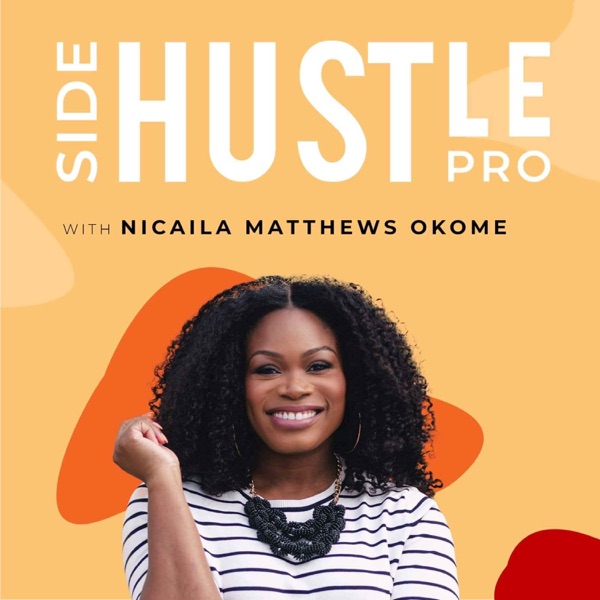
Side Hustle Pro spotlights bold black women entrepreneurs who have scaled from side hustle to profitable business. Join Chief Side Hustler turned full-time entrepreneur Nicaila Matthews Okome for your weekly installment of Side Hustle Pro and learn actionable strategies to start small and get going–wherever and whoever you are. Side Hustle Pro features interviews with inspiring Black women entrepreneurs who started out as side hustlers, including interviews with Myleik Teele, Morgan DeBaun, Tiffany "The Budgetnista" Aliche, and more!
Hosted on Acast. See https://acast.com/privacy for more information.
- Entrepreneurship chart
- #87
- Episodes
- 545
- Releases
- Weekly
- Typical length
- 52 min
- On air since
- 2016
- Latest episode
- 1 day ago
Episodes
545 episodes, newest first
-
46 min
Why Nobody Bought Your Offer (Even Though They Said They Would)
Show notes
People told you they would be the first to sign up. Then you launched, and they were nowhere to be found. In this solo episode, I break down why interest and buying are two different decisions, and what an underperforming launch can and can't tell you.
I walk through the four signals to separate: what people praise, what they ask for, what they spend time with, and what they pay for. I also cover how to ask about past behavior instead of hypotheticals, how to figure out who actually saw your offer, and the five places a sale can break down: the audience, the problem, the offer, trust, and the invitation.
Then I share what I do after a launch that misses my expectations, from talking to buyers and non-buyers to the webinar time test I'm running right now. I close with five questions to answer about the offer you've been sitting on so you can run your next small test.
Main Takeaways
• Praise, requests, attention, and payment each answer a different question about your offer.
• Ask people about the last time they dealt with the problem, not whether they would buy.
• Measure who actually saw the offer before deciding nobody wants it.
• Change one or two things per launch so you know what made the difference.Highlights Include
• [00:00] When people say they'd buy it, then disappear at launch
• [02:20] Why your audience isn't necessarily lying to you
• [04:47] You and your customer are picturing two different offers
• [05:30] The four signals: praise, requests, attention, and payment
• [09:33] The meal planning example: asking about real experiences
• [11:54] What "I can't afford it" really means, and painkillers vs. vitamins
• [14:08] Start with the people who actually saw the offer
• [18:22] The five places a sale can break down
• [25:32] Did you actually ask people to buy?
• [30:33] Why a small paid pilot can teach you more than a big launch
• [34:00] What I do after a launch that misses my expectations
• [38:47] My webinar time test and changing one variable at a time
• [41:08] Setting a budget and a stopping point for your experiments
• [45:15] How my Instagram challenge became the Master the Gram courseWatch & Listen
Spotify: https://open.spotify.com/show/13qDj08lBR4ymzGhXIKy8t
Apple Podcasts: https://podcasts.apple.com/us/podcast/side-hustle-pro/id1126021323
Hosted on Acast. See https://acast.com/privacy for more information.
-
44 min
You Don’t Have to Be an Influencer to Build a Business
Show notes
You don't need a huge following or constant access to your private life to build a profitable business. You need to be known for solving a specific problem. In this solo episode, I break down the difference between influence and authority, and between visibility and exposure. I share the questions I ask clients before we talk about anything they don't want to do, starting with what they actually want to be known for. I walk through the three layers of sharing, how I decide what stays private, including how I've approached sharing my journey as an autism mom, and a simple boundary exercise you can use before you post. Then I cover four ways to build authority without becoming a lifestyle influencer: the teacher, the curator, the practitioner, and the connector. We close with how to pick one discovery channel and one owned channel, what consistency really looks like, and how to connect your content to a paid offer you can test.
Highlights Include
• [00:00] Why a profitable brand doesn't require a huge following
• [01:40] The difference between an influencer and a business owner
• [02:20] Why my business keeps earning when I step away from Instagram
• [05:55] Being famous vs. being findable
• [08:15] The first question to answer: what do you actually want to be known for?
• [13:15] Visibility vs. exposure, and how I handle sharing my autism mom journey
• [18:00] The three layers of sharing: expertise, experience, and personal access
• [22:10] A boundary exercise and the question "What will this yield?"
• [26:15] The four ways to build authority: teacher, curator, practitioner, and connector
• [36:00] Discovery channels vs. owned channels, and why social media is rented attention
• [41:05] The three jobs every piece of business content should do
• [44:30] Why you should launch before you feel ready, even if you launch to crickets
• [49:30] Five questions to answer this weekLinks Mentioned in This Episode
• Podcast Moguls coaching program: https://sidehustlepro.co/podcastmoguls
Hosted on Acast. See https://acast.com/privacy for more information.
-
33 min
Why Everyone and Their Mother Has a Podcast
Show notes
In this solo episode, I break down why so many people are starting shows right now, drawing on 10 years of running Side Hustle Pro, which I launched in 2016 and have grown past 10 million downloads.
I walk through three things a podcast can be: a networking tool, a bridge from where you've been to where you want to go, and a launch pad. I share how I grew the show with a small paid promotion budget, landed my first $4,000 sponsorship while working full time at NPR, and was found by producers from the Today Show and TEDx without pitching.
I also cover how I started Side Hustle Pro after graduating from business school without a job, how Ryan Clark used his podcast The Pivot to move into his next chapter, and how to give people a clear reason to listen so your show can grow and earn.
Main Takeaways
• A podcast is a networking tool that opens doors a cold coffee request would not.
• Your show can be a bridge to the field you want next, even before you know what it is.
• Specificity grows a show; "life and everything in between" gives no one a reason to listen.
• Start before you need it: a podcast can work as your work insurance plan.Highlights Include
• [00:00] What Michelle Obama, Jalen Brunson, LeBron James, and I have in common
• [02:03] Why podcasting is the most powerful networking tool
• [04:40] Podcasting from home as an introvert
• [06:55] Podcasting as a bridge to where you want to go
• [12:05] How I grew Side Hustle Pro with $5 to $10 per post in paid promotion
• [15:00] Landing my first $4,000 sponsorship
• [18:50] Using your podcast as a pivot tool
• [22:50] How Side Hustle Pro started after business school
• [26:30] How the show led to the Today Show and TEDx
• [27:25] Ryan Clark, The Pivot, and your work insurance plan
• [29:45] Why "life and everything in between" won't grow your showLinks Mentioned in This Episode
• Podcast Moguls: https://sidehustlepro.co/podcastmoguls
Watch & Listen
• Spotify: https://open.spotify.com/show/13qDj08lBR4ymzGhXIKy8t
• Apple Podcasts: https://podcasts.apple.com/us/podcast/side-hustle-pro/id1126021323Announcements
Podcast Moguls, my coaching program for podcasters, is open. If you want to start your own podcast or grow your current one, I'll coach you on making your show more visible, more marketable, and an actual business. Join at sidehustlepro.co/podcastmoguls.
Hosted on Acast. See https://acast.com/privacy for more information.
-
37 min
Life Update: How I'm Rebuilding My Business Around My Life
Show notes
I kept putting off this solo episode because I did not want to get camera-ready. So I took the camera out of the picture. This audio-only life update is about the changes that helped me feel like myself again, a year after sharing that I was burned out.
I share how I started building my business around my life as a mother, why I am focused on Podcast Moguls and SHIFT, and what I learned from launching the first group cohort of SHIFT this summer.
I also talk about returning to therapy, the impact of postpartum on my mental health, and making room to rest. Next up: building systems that require less of my energy and asking what I can take out of the picture when I feel stuck.
Main Takeaways
• Design your business around your life instead of designing your life around your business.
• Identify the part of a process that is keeping you stuck, and ask whether you can remove it.
• Focus on the offers that fit your life, and build systems that reduce unnecessary work.
• Protecting rest and getting professional support can change how you work and how you feel.Highlights Include
• Why this episode is audio only and what I removed from the picture
• Where I was last year compared to where I am now
• Building my business around motherhood, with most of my work on Tuesdays and Thursdays
• Deciding what belongs in the business after a year of experimenting
• Recommitting to Podcast Moguls and keeping it current
• Launching the first group cohort of SHIFT in July
• Why Podcast Moguls and SHIFT feel aligned with this season
• The next chapter: systems, systems, systems
• Changing my relationship with business and my sense of worth
• Therapy, postpartum, and getting support for my mental health
• The year I centered myself and redefining wealthAdditional Links:
• FREE CLASS: Start the Podcast that Builds Your Exit Plan: https://sidehustlepro.lpages.co/your-first-1000-downloads
• Join Podcast Moguls: https://sidehustlepro.co/podcastmoguls
• Apply for the SHIFT Coaching Waitlist: https://sidehustlepro.co/shift
• START Your Next Chapter: A Woman's Guide to Taking the Leap with AI by Nadeen Matthews Blair: https://amzn.to/4z2AZs8Watch & Listen
Spotify: https://open.spotify.com/show/13qDj08lBR4ymzGhXIKy8t
Apple Podcasts: https://podcasts.apple.com/us/podcast/side-hustle-pro/id1126021323
Hosted on Acast. See https://acast.com/privacy for more information.
-
24 min
5 Simple Ways to Get Paid for What You Already Know
Show notes
One of the biggest misconceptions I see when it comes to making money is the belief that you need to start from scratch. A new certification, a brand new idea, or a completely different skill set. But the truth is, most of us already have everything we need. The real problem is not a lack of knowledge, it is not knowing how to package and position what we already know.
In this episode, I break down five simple and practical ways to turn your existing skills, experiences, and knowledge into income. Whether you are in between roles, exploring a side hustle, or just trying to make extra money right now, this episode is your reminder that there is value in what you already bring to the table.
I also walk through a key mindset shift. You do not need to be the top expert. You just need to be a few steps ahead of the person you are helping. People are not just paying for information. They are paying for clarity, speed, guidance, and confidence. And that is where your opportunity lies.
Main Takeaways
• You do not need new skills or certifications to start making money
• There are five core ways to monetize what you already know
• People pay for clarity, speed, and guidance, not just expertise
• Start with one path and keep it simple instead of trying everythingHighlights Include
• 00:00 – The biggest misconception about making money
• 01:30 – Why you already have valuable, monetizable knowledge
• 02:00 – The 5 ways to make money with what you know
• 03:00 – The mindset shift you need before starting
• 04:00 – Service and coaching as the fastest path to income
• 06:00 – Done-for-you services and why people pay for convenience
• 08:00 – Creating simple digital products that sell
• 10:30 – Workshops and why people pay for real-time learning
• 13:00 – Why reminders are key when selling anything
• 15:00 – Using content to create opportunities and income
• 18:00 – How to use AI without losing your voice
• 21:00 – Why you should pick ONE path and start nowWatch & Listen
Watch this episode on YouTube and listen on all podcast platforms:
• Apple Podcasts:https://podcasts.apple.com/us/podcast/side-hustle-pro/id1126021323
• Spotify:https://open.spotify.com/show/13qDj08lBR4ymzGhXIKy8t
• YouTube:https://www.youtube.com/sidehustleproAnnouncements
If you’re ready to build a podcast that becomes your exit plan from your 9-to-5, sign up for my next live class: Start the Podcast That Builds Your Exit Plan
Save your seat here.
Social Media
Side Hustle Pro – @sidehustlepro
#SideHustlePro
Hosted on Acast. See https://acast.com/privacy for more information.
-
57 min
She Got Laid Off…Then Built a YouTube Income to Pay Her Bills
Show notes
This week in the guest chair, Symone’ Austin shares her powerful journey from being laid off to building a thriving YouTube platform.
After recording and posting her layoff conversation, her video went viral and became the turning point in her entrepreneurial journey. In this episode, she breaks down how she built multiple income streams through YouTube ad revenue, brand partnerships, digital products, virtual assistant work, and strategic financial decisions like bringing on a roommate.
If you’ve been navigating uncertainty, considering content creation, or wondering how to turn a setback into leverage, this episode will show you how.
Highlights Include
00:00 – Recording the layoff conversation that changed everything
04:30 – Growing from 10K to 60K+ subscribers in one year
08:20 – Making $5,900 in one month from YouTube ad revenue
13:00 – Cutting expenses and surviving without touching savings
18:10 – Turning skills into income: photography, digital products, VA work
24:00 – Why personal finance has one of the highest CPMs on YouTube
29:00 – Replacing a corporate salary through content creation
35:00 – The reality of working 7 days a week as a full-time creator
38:00 – Getting a roommate as a financial reset strategy
43:00 – Navigating job offers after deciding to go all-in
Links Mentioned in This Episode
• Watch Symone’s YouTube video “I Got Laid Off From My 6 Figure Tech Job”
• Podcast Moguls: Start the Podcast That Builds Your Exit Plan
• Read Successful Failure by KevOnStageWatch & Listen
Watch this episode on YouTube and listen on all podcast platforms:
• Apple Podcasts: https://podcasts.apple.com/us/podcast/side-hustle-pro/id1126021323
• Spotify: https://open.spotify.com/show/13qDj08lBR4ymzGhXIKy8t
• YouTube: https://www.youtube.com/sidehustleproAnnouncements
If you’re ready to build a podcast that becomes your exit plan, attend my next live class: Start the Podcast That Builds Your Exit Plan. Save your seat here.
Social Media
YouTube: Life and Numbers: https://www.youtube.com/lifeandnumbers
Instagram: @lifeandnumbers: http://instagram.com/lifeandnumbers
Side Hustle Pro – @sidehustlepro
#SideHustlePro
Hosted on Acast. See https://acast.com/privacy for more information.
-
53 min
From a Food Blog to a $500K-a-Year Media Business: How Jannese Torres Built Yo Quiero Dinero
Show notes
In this episode, I sat down with Jannese Torres, host of the Yo Quiero Dinero podcast, to talk about how she went from a corporate career in engineering, pharmaceuticals, and consumer manufacturing to building a $500K-a-year media business. Jannese shares how getting laid off pushed her to take entrepreneurship seriously and how her food blog, Delish D'Lites, became her first profitable side hustle.
We talk about how she used her blog income to pay off her student loans, why she launched Yo Quiero Dinero in 2019 to create the personal finance show she wanted to hear as a Latina, and how the podcast became the engine behind her book, speaking engagements, brand partnerships, and other income streams.
Jannese also breaks down the team and systems behind the business, why niching down helped her grow brand deals from $125 to more than $50,000, and how she separates the offers that pay the bills from the offers that let her experiment. This is an honest look at what it takes to build a profitable media brand without depending on one platform, one offer, or one source of income.
In this episode, you will learn:
• How a layoff gave Jannese the push to test entrepreneurship before she felt fully ready
• Why she treated her food blog like a non-negotiable commitment and learned SEO and brand partnerships
• How blog income helped her pay off her student loans and become debt-free in February 2020
• Why Yo Quiero Dinero centers Latinas and the power of building for a specific audience
• How the podcast became the foundation for her book, speaking, brand deals, and other revenue streams
• Why a podcast team, online business manager, and talent agent are essential to the way she works now
• How she separates reliable 'pay the bills' offers from 'fun money' offers that give her room to experimentHighlights Include
01:07 - Being the first in her family to graduate from college and beginning her career in pharmaceuticals and medical devices
04:10 - How getting laid off became the catalyst for testing entrepreneurship
08:32 - Building the Delish D'Lites food blog and treating it like a non-negotiable commitment
09:52 - Learning SEO and brand partnerships through a food blogging course
11:33 - Using blog income to become debt-free in February 2020
16:32 - Why owning your platform matters more than building entirely on someone else's platform
17:32 - Moving from blogging to launching Yo Quiero Dinero in 2019
19:42 - Why the podcast intentionally centers the Latina community
26:01 - How the podcast became the engine behind her media business
36:51 - The team behind the business: a podcast team, an online business manager, and a talent agent
40:20 - Growing brand deals from $125 to more than $50,000 by niching down
48:07 - Managing cash flow with 'pay the bills' offers and 'fun money' offers
Links and Resources Mentioned
Yo Quiero Dinero: https://yoquierodineropodcast.com
Connect With Jannese
Instagram: @yoquierodineropodcast
Hosted on Acast. See https://acast.com/privacy for more information.
-
33 min
How to Make Your First $1K Side Hustling
Show notes
If this resonated with you, here are additional resources:
You do not need a million dollars to change your life, you need your first $1,000.
In this solo episode, I’m breaking down why the first $1K is such a pivotal milestone for side hustlers and how it shifts everything from theory to proof. I walk you through the exact decisions and actions that turn preparation into income without overbuilding, overthinking, or waiting until things feel perfect.
If you’ve been stuck planning, tweaking, or doubting yourself, this episode will help you move forward with clarity, confidence, and momentum.
In This Episode, I Share:
• Why the first $1,000 changes everything mentally and strategically
• How to choose a simple offer you can confidently deliver right now
• How to identify who your offer is really for and why frustration matters
• Why clarity, consistency, and conversations matter more than perfectionHighlights Include:
• 00:00 – Why you don’t need a million dollars to change your life — you need your first $1,000
• 01:35 – How your mindset shifts after you make your first $1K and why proof matters more than theory
• 02:31 – What actually counts as an offer and why your first one should be useful, not fancy
• 03:52 – Why starting with what you’re already confident in is the fastest way to get paid
• 05:16 – How to decide who your offer is really for and why specificity matters
• 07:27 – The difference between a painkiller and a vitamin offer (and why frustration drives sales)
• 08:55 – How to package your offer simply without a website, logo, or brand
• 11:22 – Why offering your service is the most important step people delay
• 12:48 – How confidence and customer focus directly impact whether you make your first $1K
• 14:04 – Why you don’t need a massive audience — just real conversations and feedback
• 15:37 – How to use feedback as information instead of taking it personally
• 17:47 – Why overbuilding and “perfecting” keeps side hustlers stuck
• 19:21 – Breaking down the math behind $1,000 so it feels achievable
• 20:45 – Why fewer clients at a higher price can reduce burnout
• 21:34 – Why most people earn their first $1K from conversations, not content
• 22:19 – How I made my first $1,000 and what actually worked
• 26:03 – When to start building your email list and why simple free resources convert better
• 28:54 – How to use a 12-week sprint to stay focused on your first $1K
• 29:38 – What to do when your first offer feels slow or doesn’t land immediately
• 31:08 – What changes after you hit your first $1,000 — and the mistake to avoid next
• 31:49 – Final action steps to start building your first $1K offerLinks Mentioned in This Episode
• Side Hustle Pro Website:https://sidehustlepro.co/
Watch & Listen
Watch this episode on YouTube and listen on all podcast platforms:
• Apple Podcasts: https://podcasts.apple.com/us/podcast/side-hustle-pro/id1126021323
• Spotify: https://open.spotify.com/show/13qDj08lBR4ymzGhXIKy8t
• YouTube: https://www.youtube.com/sidehustleproCheck out episode 530 of Side Hustle Pro podcast out now on Apple Podcasts, Spotify, and YouTube
Click here to subscribe via RSS feed (non-iTunes feed): http://sidehustlepro.libsyn.com/rss
Hosted on Acast. See https://acast.com/privacy for more information.
-
1 hr 9 min
From YouTube Exec to Full-Time Creator: How Chanel Tyler Turned Content Creation Into 5-Figure Passive Income
Show notes
If this resonated with you, here are additional resources:
This week in the guest chair is Chanel Tyler, a strategist, creator, and self-described “contentpreneur” who has worked across investment banking, luxury marketing, and
YouTube before stepping fully into entrepreneurship.
Chanel built her reputation online by sharing trusted product recommendations and insights from her background in beauty marketing. But after years of consulting with a creator commerce platform that generated over 80% of her income, everything changed when the company suddenly shut down.
In this episode, Chanel opens up about what it really looks like to rebuild after losing the majority of your income overnight. She shares how she pivoted by diversifying her platforms, leaning deeper into affiliate marketing, launching new creator education programs, and embracing the vulnerability of sharing her personal story — including her journey with hearing loss.
If you’ve ever worried about relying on a single income stream or wondered how creators actually make money online, Chanel breaks down the strategy behind building a sustainable creator business.
In this episode, Chanel shares:
• How she built a creator business by combining corporate strategy, content creation, and affiliate marketing
• What happened when the platform responsible for 80% of her income shut down overnight and how she rebuilt
• Why diversification across platforms, income streams, and partnerships is essential for creators and entrepreneurs
• How affiliate marketing works and how creators can use performance data to negotiate higher-paying brand dealsHighlights Include
• 00:00 – Introduction
• 02:10 – Chanel’s career path from investment banking to luxury beauty marketing
• 05:10 – Building an audience through skincare and product recommendations
• 09:00 – Landing a role at YouTube working with top creators
• 15:00 – Saving a year of income before leaving corporate
• 19:00 – The moment she lost 80% of her income overnight
• 24:30 – Why diversification is critical for creators and entrepreneurs
• 27:00 – Building content series that grow an audience
• 32:00 – Affiliate marketing vs. brand partnerships explained
• 37:00 – Sharing her journey with hearing loss and disability
• 40:00 – How statement earrings became part of her empowerment story
• 43:00 – Affiliate income strategies for creatorsLinks Mentioned in This Episode
• Substack: Sensible
• Julia Broome
• Check out the Networth and Chill Podcast;Creator Economy & Brand Deals with Victoria Paris
• ShopMy:https://shopmy.us/home/creators
• MagicLinks:https://www.magiclinks.com/creators
• BrandCycle:https://brandcycle.com/
• LTK: https://company.shopltk.com/en/creator
• Nordstrom Affiliate Program:https://www.nordstromcreators.com/
• Check out Chanel’s Creator Profit Lab’s interest form & course registration
• Save the Date: Start the Podcast That Builds Your Exit Plan (Friday, March 20)Watch & Listen
Watch this episode on YouTube and listen on all podcast platforms:
• Apple Podcasts:https://podcasts.apple.com/us/podcast/side-hustle-pro/id1126021323
• Spotify:https://open.spotify.com/show/13qDj08lBR4ymzGhXIKy8t
• YouTube:https://www.youtube.com/sidehustleproSocial Media
Instagram: @thecreatorprofitlab
Instagram: @buymechanel
Side Hustle Pro – @sidehustlepro
#SideHustlePro
Hosted on Acast. See https://acast.com/privacy for more information.
-
1 hr 14 min
How Karen Young Built OUI the People
Show notes
In this episode, I sat down with Karen Young, founder of OUI the People, a fine fragrance and body care brand born out of her own struggle with razor burn and ingrown hairs. Karen walks us through her path from fashion, where she interned at Dolce and Gabbana, to becoming an executive at Estee Lauder, to eventually building a beauty brand now sold in Sephora.
But Karen's story starts before OUI the People, with a lifestyle and home goods brand called Hammocks and High T that she built and ultimately had to close. We talk about the hard lessons on margins and capital that came out of that experience, the unexpected subway encounter that led to her job at Estee Lauder, and how she used her years inside a major beauty conglomerate to build her own brand from the ground up.
Karen also gets honest about the financial rollercoaster of raising venture capital, scaling a team, and chasing growth without profitability for years, and what finally shifted this year. We close things out with her thoughts on consumer psychology, pricing a premium product, and her advice for women weighing whether to leave a steady paycheck for their side hustle.
Main Takeaways
• Why closing a business is not failure, but tuition in a school of hard knocks that teaches you margins, capital, and scale.
• How to price a premium product by studying who your customer already trusts enough to spend on, not just what they say they need.
• Why visibility does not equal revenue, and how chasing growth without watching profitability can quietly sink a business.
• How building a trusted circle of fellow founders can matter more than any book when the entrepreneurial journey gets lonely.Highlights Include
• 00:20 - How a lifelong struggle with razor burn and ingrown hairs on melanated skin became the idea behind OUI the People
• 05:49 - Why Karen closed her first business, a lifestyle and home goods brand called Hammocks and High T
• 11:19 - Learning the difference between spotting a market gap and finding real money inside of it
• 16:00 - The subway encounter that led to Karen's job offer at Estee Lauder
• 25:37 - What Karen absorbed from watching a major beauty conglomerate acquire and scale brands from the inside
• 34:15 - The origins of OUI the People, which started as a direct to consumer razor brand called We Shave
• 41:14 - How Karen priced her first razor at seventy five dollars, then raised it to eighty five to ninety, by studying who was already buying La Mer
• 43:49 - Why Karen called manufacturers in the UK, Germany, and Japan before choosing a small German razor maker
• 50:39 - How the brand expanded from razors into body care, then into Sephora in 2019, then a full fragrance launch in 2023
• 57:57 - The honest truth about raising venture capital, scaling a team, and finally hitting profitability this year
• 1:12:19 - Lightning round: her go to founder resource, the mentor she admires, her non negotiable evening ritual, and her advice for side hustlersLinks Mentioned in This Episode
• Shop OUI the People: https://ouithepeople.com/
Social Media
• https://ouithepeople.com/
• OUI the People on Instagram: @ouithepeople https://www.instagram.com/ouithepeople/
• OUI The People TikTok: @ouithepeople https://www.tiktok.com/@ouithepeopleHosted on Acast. See https://acast.com/privacy for more information.
-
1 hr 11 min
She Left Corporate Law, Went Back to Work, and Still Built a Global Fashion Brand
Show notes
In this episode, I sat down with Busayo Olupona, founder and creative director of Busayo, the Brooklyn- and Lagos-based fashion brand known for its bold prints and textiles created with artisans in Nigeria. Busayo shares how she went from corporate finance law to bringing handmade pieces home in suitcases, selling them at scrappy pop-ups, and eventually landing in major retailers including Saks Fifth Avenue, Bloomingdale's, Shopbop, and Moda Operandi.
But this conversation goes much deeper than fashion. Busayo opens up about returning to a 9-to-5 after years of entrepreneurship, the shame and fear she had to unlearn, and the two serious cardiac events that forced her to confront the cost of constant striving. We talk about what it takes to build a business without losing yourself, why preparation matters before opportunity arrives, and how faith, meditation, and surrender changed the way she leads.
In This Episode, You Will Learn
• Why learning a new industry while you still have a paycheck can protect both your savings and your confidence
• How to view returning to a job as reinvesting in your business, not failing at entrepreneurship
• Why Busayo had to separate her worth from her corporate title and other people's opinions
• How years of creating collections before buyers said yes prepared her for the Saks opportunity
• What two serious cardiac events taught her about sleep, stress, self-care, and sustainable ambition
• How wholesale relationships can drive recurring revenue, brand discovery, and direct-to-consumer sales
• Why Busayo believes faith, meditation, and surrender are practical tools for entrepreneurshipHighlights Include
• 03:04 - Moving from Nigeria to the United States at age 11 and learning to reject parts of herself to fit in
• 16:44 - How annual trips to Nigeria planted the seed for the Busayo brand
• 19:37 - The first pop-up that pushed her to stop hiding her designs
• 24:05 - Leaving Cleary Gottlieb and unlearning the belief that she was not enough
• 29:16 - Attending her first trade show and returning with only two orders
• 31:36 - Meeting mentor Mercedes Gonzalez and learning how wholesale really works
• 32:36 - Going back to a legal job after burning through her savings
• 34:49 - Returning to the same office building and confronting the shame tied to her old title
• 36:19 - The first cardiac emergency that showed her she was pushing too hard
• 39:49 - Experiencing a second cardiac event and making sleep and self-care non-negotiable
• 47:59 - Why she now sees building a business as a spiritual endeavor
• 55:49 - How years of preparation helped her seize the opportunity that led to Saks
• 1:00:08 - Navigating strong years, lean years, and the impact of the Saks bankruptcy
• 1:06:17 - Why wholesale remains an important revenue and discovery channel
• 1:14:48 - Identifying your fear pockets before leaving a steady paycheckLinks and Resources Mentioned
• Shop Busayo
• The Fashion Designer Survival Guide by Mary Gehlhar
• RAISEfashion
• The Untethered Soul by Michael A. Singer
• Mindset by Carol S. DweckConnect With Busayo
• Brand Instagram: @busayoworld: https://www.instagram.com/busayoworld/
• Personal Instagram: @busayojournal: https://www.instagram.com/busayojournal/Hosted on Acast. See https://acast.com/privacy for more information.
-
52 min
How Her Wine Became the Obama Presidential Center’s Official White Wine
Show notes
After a devastating flood forced Chrishon Lampley to close her Chicago art gallery and wine bar, she turned that loss into the foundation for Love Cork Screw, a nationally distributed wine brand that has sold more than two million bottles.
In this episode, Chrishon shares how she broke into the wine industry with no upfront capital, got her products into major retailers, and navigated the realities of building a consumer brand without millions in marketing dollars.
She also reveals how a wine created in honor of her late father became the official white wine of the Obama Presidential Center, and what it took to rebuild after nearly losing the business again.
Main Takeaways
• A devastating setback, like losing a business to a flood, can become the foundation for something bigger if you keep moving forward.
• Building relationships and repeatedly asking for the sale, even after rejection, can open doors that money alone cannot.
• Chasing notoriety across too many markets at once can cost more than it earns; focusing on one market at a time builds real traction.
• Consistent, face to camera content can rebuild a business faster than relying on a marketing budget alone.Highlights Include
• [00:32] The flood that closed Three P's Art Lounge and led to Love Corkscrew
• [01:26] Becoming one of the first African American women with an on and off premise liquor license in downtown Chicago
• [05:58] Starting the Love Corkscrew blog as a way to heal after losing the gallery
• [11:14] Explaining what a negociant is and pioneering the term in the wine industry
• [17:30] Building Love Corkscrew from nothing through commission and consignment deals
• [24:41] The advice from Barefoot Wine's founders that changed her strategy
• [32:07] Losing her father and creating the Lampley wine line in his honor
• [35:00] Landing the deal to become the official white wine of the Obama Presidential Center
• [39:30] Running the Clink and Sip Festival and the Sipping Empower Foundation
• [44:29] Committing to daily social media consistency to rebuild the business in 2026Links Mentioned in This Episode
• http://lovecorkscrew.com
• https://thelampley.com/Watch & Listen
• Spotify: open.spotify.com/show/13qDj08lBR4ymzGhXIKy8t
• Apple Podcasts: podcasts.apple.com/us/podcast/side-hustle-pro/id1126021323Social Media
• Instagram: @lovecorkscrew
Hosted on Acast. See https://acast.com/privacy for more information.
-
44 min
7 Things I Had to Unlearn Before Leaving My Corporate Job
Show notes
If this resonated with you, here are additional resources:
In this episode, I'm sharing the seven beliefs I had to unlearn before I could finally leave my corporate job and build Side Hustle Pro full time. I spent decades in corporate America, working at places like HBO, MTV, Google, and NPR, and even though I knew I wanted to leave, I wasn't mentally ready until I confronted the internal beliefs that kept me tied to that life.
Highlights Include
• 00:00 - My corporate background and why I'm scratching the record on old habits
• 03:01 - The seven things I had to unlearn to build Side Hustle Pro full time
• 06:48 - Unlearning the need to have my entire future figured out before leaving
• 11:25 - Why other people's opinions could not be my decision making system
• 17:31 - Unlearning that a job or promotion was my only path to more money
• 21:59 - Pay inequity in corporate and why the ceiling is lower than it seems
• 22:49 - Unlearning that I was limited to doing only what I had already done
• 27:33 - Confusing busyness with meaningful progress, and the one hour a day model
• 33:36 - The biggest unlearn: staying employed was not actually the safest option
• 42:21 - Reflection questions to figure out which belief you're still carryingWatch & Listen
Spotify: https://open.spotify.com/show/13qDj08lBR4ymzGhXIKy8t
Apple Podcasts: https://podcasts.apple.com/us/podcast/side-hustle-pro/id1126021323
Social Media
Instagram: @SideHustlePro
Hosted on Acast. See https://acast.com/privacy for more information.
-
52 min
Why She Pulled Her Brand Out of Whole Foods After 26 Years | Dawn Fitch, Founder of Pooka Pure and Simple
Show notes
If this resonated with you, here are additional resources:
In this episode, I sat down with Dawn Fitch, founder of Pooka Pure and Simple, to talk about the winding road that took her from designing album covers in the music industry to building a natural beauty brand rooted in her own health journey. Dawn opens up about the years it took to get an MS diagnosis, and how healing herself led her to start formulating clean, simple products long before she ever thought of herself as a business owner.
We get into the real, unglamorous parts of entrepreneurship: street teaming outside churches before social media existed, a cease-and-desist letter that almost derailed her Whole Foods deal, and the hard lessons of scaling into big box retail. Dawn also shares how she walked away from a failing retail lease with nowhere to go, only to land in the space that's been home to her production for over a decade.
Finally, Dawn walks me through the newest chapter of her story: a 250,000 dollar grant from Audible's DEI program that brought Pooka into a beautiful new Newark location, and how an activity she almost treated as an afterthought, the Bloom Bar, became the biggest draw of the whole business.
Main Takeaways
• Protect your business structure early. Trademark your name, keep separate books, and build SOPs before you're forced to by a cease-and-desist letter or a big retail opportunity.
• Don't chase big box retail until your core revenue stream is stable enough to absorb the rules, returns, and thin margins that come with it.
• When a business decision doesn't feel right, it is okay to walk away even without a backup plan. Trust and timing can lead you somewhere better.
• Build a real activation or experience around your product. Community and connection, not just the product itself, is what keeps customers coming back.Highlights Include
• (00:41) Dawn's start as a graphic designer in the music industry, designing album covers
• (01:36) The moment paralysis first hit while she was walking to work
• (03:04) The five-year journey to her eventual MS diagnosis
• (05:15) How the name Pooka came from her mother calling her kids her pooka leaders
• (07:19) Why email marketing became the backbone of the business from day one
• (11:01) The cease-and-desist letter over the brand name right before entering Whole Foods
• (13:49) How putting her pride to the side led to her first 10 Whole Foods stores
• (18:29) Her advice on knowing when a business is truly ready for big box retail
• (26:51) Why Pooka exited all 62 of its Whole Foods stores last year
• (29:04) How the Best Life Tribe Facebook group and a sea moss request from a member helped save the business during the pandemic
• (32:07) Landing the 250,000 dollar Audible DEI grant for the new Newark space
• (35:14) How the Bloom Bar, almost an afterthought, became the biggest draw of the businessWatch & Listen
Spotify: https://open.spotify.com/show/13qDj08lBR4ymzGhXIKy8t
Apple Podcasts: https://podcasts.apple.com/us/podcast/side-hustle-pro/id1126021323
Social Media
Website: http://www.pookapureandsimple.com
Instagram: @Pookalita
TikTok: @Pookalita1
Hosted on Acast. See https://acast.com/privacy for more information.
-
50 min
How Roxy Couse Replaced Her Corporate Title With Her Personal Brand
Show notes
If this resonated with you, here are additional resources:
In this episode, I sat down with Roxy Couse, the creator behind Millennial Manager, to talk about how she built a thriving personal brand while climbing the corporate ladder. Roxy spent almost 15 years in corporate, working her way up to senior director, before stepping away to run her content and consulting business full time.
We got into the real logistics of that transition, from going part time first, to navigating conflict of interest concerns at work, to eventually bringing on a management team once the opportunities became too much to handle alone. Roxy also opened up about paying off student loan debt with her side hustle income and the exact moment she realized her content could become a real business.
Roxy is now building SlowFi, a platform designed to help other corporate professionals build profitable personal brands with structure, community, and coaching.
Main Takeaways:
• Consider going part time before fully leaving your job so you can test whether your side income is consistent before walking away completely.
• Protect your main income while building a passion project by staying discreet at work and avoiding brand partnerships that could create a conflict of interest.
• Bring on a management team or support staff once inbound opportunities outgrow what you can manage on your own, especially around contracts and negotiations.
• Personal brand building does not have to be high effort. Make content creation fit into the pockets of time you already have instead of forcing a rigid content calendar.Highlights Include
• 1:01 - Roxy's 15 year corporate career and her shift into content creation
• 3:50 - What held Roxy back from starting to create content
• 6:36 - The origin story behind her Millennial Manager persona
• 8:09 - How Roxy navigated conflict of interest concerns while working full time
• 14:20 - Why she went part time before leaving corporate completely
• 19:51 - The moment she realized she needed a management team
• 25:26 - How her one on one consulting turned into building SlowFi
• 33:24 - Her timeline for launching SlowFi and the realities of bootstrapping as a Black founder
• 38:22 - Balancing motherhood with running her business
• 47:00 - Lightning round: resources, admiration, non-negotiables, and her advice for aspiring side hustlersWatch & Listen
Spotify: https://open.spotify.com/show/13qDj08lBR4ymzGhXIKy8t
Apple Podcasts: https://podcasts.apple.com/us/podcast/side-hustle-pro/id1126021323
Social Media
• Instagram, TikTok, and X: @Roxycouse
Hosted on Acast. See https://acast.com/privacy for more information.
-
1 hr
She Emptied Her Retirement to Open a Tea Brand (Jamila Wright, Founder of Brookyn Tea)
Show notes
If this resonated with you, here are additional resources:
In this episode, I sat down with Jamila Wright, co-founder of Brooklyn Tea, to trace the full story of how she and her husband Ali turned tea dates into a business. Jamila walked me through leaving a career in education, emptying her retirement savings, and fighting a two year trademark battle before they ever opened their first location.
We got into the real financial decisions behind building out that first shop, including an SBA loan that arrived late, putting up her own home as collateral, and the lesson she learned about the difference between being an investor and being an owner operator. Jamila also shared how a relationship with a fellow Brooklyn business owner led to their current Lewis Avenue location.
From there we picked up with how Brooklyn Tea’s verticals came together, the financial setbacks along the way including a six figure loan and a partnership that fell apart, and the moment she and Ali finally started paying themselves.
Main Takeaways
• Big opportunities often come from saying yes rather than a master plan, so be ready to rise to the moment when it arrives.
• Waiting on outside funding like an SBA loan can force you to dip into personal savings, so plan for delays before signing a lease or starting construction.
• Choosing between taking on debt or equity investors should depend on your long term goal, whether that is building a legacy brand or eventually selling it.
• Paying yourself is a milestone that often comes after years of sacrifice, so figuring out that number is part of building a sustainable business.Highlights Include
• (00:32) How Jamila and Ali went from dating over tea to business partners
• (08:12) The financial decisions behind opening the first Brooklyn Tea location
• (16:16) Why Jamila had to put up her Atlanta home as collateral for their SBA loan
• (19:38) Debt versus equity, and deciding what kind of business you want to build
• (24:13) The real lesson foot traffic taught them about their first location
• (29:45) How a relationship with Monique Greenwood led to their current Lewis Avenue location
• (37:33) Saying yes to wholesale and e-commerce almost by accident
• (47:39) Landing a licensing and franchising deal with an airport
• (52:12) The Saks Fifth Avenue partnership that fell apart
• (1:07:45) Paying themselves for the first time after two and a half yearsWatch & Listen
Spotify: https://open.spotify.com/show/13qDj08lBR4ymzGhXIKy8t
Apple Podcasts: https://podcasts.apple.com/us/podcast/side-hustle-pro/id1126021323
Social Media
Website: brooklyntea.com
Brooklyn Tea Instagram: @brooklyntea
Jamila's Instagram: @jamilawright21
Hosted on Acast. See https://acast.com/privacy for more information.
-
1 hr 2 min
How Real Housewives of Atlanta's Cynthia Bailey and Co-Founder Dana Hill-Robinson Built Glowissima Skincare
Show notes
If this resonated with you, here are additional resources:
In this episode, I sat down with longtime friends and business partners Cynthia Bailey and Dana Hill-Robinson to talk about how a friendship that started in a New York hair salon in the 1990s turned into a skincare brand thirty years later. Cynthia shares her path from an eighteen year old model moving to New York to a reality television mainstay, while Dana walks us through her years at Vogue and Harper's Bazaar and building the beauty subscription box Cocotique.
We dig into how they finally partnered on Glowissima, why they chose to launch with only two hero products, and how they source ingredients like manuka honey and kiwi seed oil from New Zealand. Cynthia also opens up about the businesses she has closed in the past and what those experiences taught her about knowing when to walk away.
Cynthia and Dana get candid about profitability timelines, the current shift in consumer spending, and why a huge social following does not automatically translate into sales. They close out with practical advice for women who want to start a business but are worried about money and failure.
Main Takeaways
• Launch lean: start with one or two hero products instead of a full line so you can prove the concept before scaling.
• Know when to fold: it is a business skill, not a failure, to walk away from a venture once it stops making financial sense.
• Vet every partnership: joint ventures work best when both sides have a track record and clearly defined roles from the start.
• Followers are not buyers: a large social following does not guarantee sales, so keep testing your messaging and your audience.Highlights Include
• (00:19) How Cynthia and Dana met at a New York hair salon in the 1990s
• (02:37) Cynthia's move from Alabama to New York at eighteen to model
• (04:08) The Essence cover that became Cynthia's big break
• (05:24) The move from modeling into reality television
• (10:26) Lessons from closing the Bailey Wine Cellar and the Bailey Room
• (14:44) Dana on pivoting Cocotique into a health and wellness hub
• (17:56) The formulation story and meaning behind the name Glowissima
• (19:14) Turning a thirty-year friendship into a business partnership
• (27:01) Sourcing manuka honey and kiwi seed oil from New Zealand
• (38:57) Digging deeper on marketing when the economy shiftsWatch & Listen
Watch this episode on YouTube and listen on all podcast platforms:
• Apple Podcasts:https://podcasts.apple.com/us/podcast/side-hustle-pro/id1126021323
• Spotify:https://open.spotify.com/show/13qDj08lBR4ymzGhXIKy8t
• YouTube:https://www.youtube.com/sidehustleproAnnouncements
Applications are now open for Shift, my 12-week coaching program designed to help experienced professionals package their expertise into a profitable offer, identify their first clients, and confidently launch their next chapter.
Learn more and apply at: https://sidehustlepro.co/shift
Social Media
Cynthia Bailey: Instagram @CynthiaBailey
Dana Hill-Robinson: Instagram @DanaHillRobinson
Glowissima: Instagram, Facebook, and TikTok @Glowissima
Cocotique: Facebook @CocoTique, TikTok @CocoTiqueBeautyBox
Hosted on Acast. See https://acast.com/privacy for more information.
-
1 hr 4 min
520: How Jotaka Eaddy Built a Movement of 44,000 Black Women Overnight
Show notes
If this resonated with you, here are additional resources:
In this episode, I sat down with Jotaka Eaddy, founder of Full Circle Strategies and Win With Black Women, for a conversation about power, purpose and resilience. We talked about her childhood in Johnsonville, South Carolina, a town of under 1,400 people that taught her the value of community long before she ever set foot in Washington, DC or Silicon Valley.
Jotaka walked me through her path from student activist against the death penalty to senior advisor at the NAACP to becoming the first Black employee at a fintech startup in Silicon Valley. She opened up about the layoff that nearly broke her and the Oprah Winfrey clip that helped her reframe it as redirection rather than failure.
We also talked about how Win With Black Women was born from a single late night email in 2020 that turned into a Zoom call with 44,000 women, and how that same community continues to organize today. Jotaka got vulnerable about losing her mother during the 2024 election season and what that grief has taught her about faith, resilience and asking for help.
Main Takeaways
• Your community can be your first investors. The people of Jotaka's hometown pooled money so she could attend a conference that changed the course of her life.
• A layoff is not always failure. It can be redirection toward something bigger than you could have planned for yourself.
• Movements are built in the quiet, consistent work that happens long before anyone is watching or celebrating.
• Black women hold real power at the ballot box and in daily acts of organizing, even while in survival mode.Highlights Include
• 02:01 - Growing up in Johnsonville, South Carolina
• 05:04 - The conference that changed her life
• 11:46 - Learning to lead by carrying the bag
• 15:17 - Making the leap into Silicon Valley
• 19:08 - Getting laid off and finding strength in an Oprah Winfrey clip
• 29:02 - The spark behind Win With Black Women
• 35:40 - The night 44,000 women joined the call
• 44:53 - How to show up when you are in survival mode
• 48:05 - Opening up about losing her motherWatch & Listen
Watch this episode on YouTube and listen on all podcast platforms:
• Apple Podcasts:https://podcasts.apple.com/us/podcast/side-hustle-pro/id1126021323
• Spotify:https://open.spotify.com/show/13qDj08lBR4ymzGhXIKy8t
• YouTube:https://www.youtube.com/sidehustleproAnnouncements
Applications are now open for Shift, my 12-week coaching program designed to help experienced professionals package their expertise into a profitable offer, identify their first clients, and confidently launch their next chapter.
Learn more and apply at: https://sidehustlepro.co/shift
Social Media
Jotaka Eaddy: Instagram: @JotakaEaddy
Win With Black Women: Instagram: @WinWithBlackWomen
Hosted on Acast. See https://acast.com/privacy for more information.
-
26 min
519: After 10 Million Downloads, Here’s What I Learned
Show notes
If this resonated with you, here are additional resources:
When I launched Side Hustle Pro, I thought success would be measured by downloads, rankings, sponsorships, and audience growth. And while reaching 10 million downloads is a milestone I'm incredibly grateful for, I've learned that the true value of podcasting has very little to do with the number itself.
In this episode, I share the biggest lessons I've learned after more than 500 episodes and 10 million downloads. From building meaningful relationships and creating opportunities I never could have predicted to developing new business offers, growing a loyal community, and gaining clarity on my next chapter, podcasting became much more than a content platform. It became a vehicle for transformation.
Whether you're a podcaster, entrepreneur, creator, or professional looking to build your personal brand, this episode will challenge you to think differently about what you're creating and how it can become the bridge to where you want to go next.
Main Takeaways
• Downloads are not the destination. Trust, relationships, and opportunity are the true assets.
• A podcast can become a powerful networking tool that opens doors you never expected.
• Specificity and niching down accelerate discoverability, growth, and community building.
• Podcasting can help you validate ideas, package your expertise, and build your next business offerHighlights Include
• 00:00 – The lesson behind 10 million podcast downloads
• 01:16 – Why podcasting became my most powerful networking tool
• 03:28 – The new podcasting playbook for creators and entrepreneurs
• 04:17 – Building trust through the intimacy of audio
• 05:39 – My thoughts on video podcasting and discoverability
• 10:34 – Why niche podcasts grow faster than general ones
• 14:50 – Trust as the most valuable asset you build
• 16:27 – How Side Hustle Pro led to national media opportunities
• 18:30 – The unexpected doors podcasting opened for my career
• 20:04 – Why most podcasts struggle to grow
• 21:36 – How podcasting became the bridge to my next chapter
• 23:52 – Why I created the Shift ProgramLinks Mentioned in This Episode
• Shift Program: https://sidehustlepro.co/shift
Watch & Listen
Watch this episode on YouTube and listen on all podcast platforms:
• Apple Podcasts:https://podcasts.apple.com/us/podcast/side-hustle-pro/id1126021323
• Spotify:https://open.spotify.com/show/13qDj08lBR4ymzGhXIKy8t
• YouTube:https://www.youtube.com/sidehustleproAnnouncements
Applications are now open for Shift, my 12-week coaching program designed to help experienced professionals package their expertise into a profitable offer, identify their first clients, and confidently launch their next chapter.
Learn more and apply at: https://sidehustlepro.co/shift
Social Media
Instagram: @sidehustlepro
Hosted on Acast. See https://acast.com/privacy for more information.
-
30 min
518: The ONE skill you need to learn before you QUIT
Show notes
If this resonated with you, here are additional resources:
In this solo episode, I am getting real with you about the one skill that changed everything for me and that I believe every woman needs to develop right now: learning how to make money directly for yourself. I am sharing why the leap from employee to entrepreneur is so hard, how our entire lives have programmed us to earn money for someone else, and what it truly takes to start creating money on your own terms.
I take you back to my days at NPR, where I was climbing the ladder, playing the game, and quietly building Side Hustle Pro on the side. I share how a hater coworker who reported me to my boss became the catalyst for my exit plan, how I landed my first $4,000 podcast sponsorship from a cold customer service email, and how learning just two revenue streams gave me the confidence to leave my job for good.
This episode is also a reminder that you do not have to have everything figured out before you start. Your first $20 or $25 outside of your paycheck changes something in you that no amount of planning can replicate. If you are sitting at a crossroads wondering what your next move is, this episode is your sign to start choosing yourself.
Main Takeaways
• The difficulty of leaving a job is not fear or lack of risk tolerance; it is decades of programming to earn money for someone else, and that programming can be unlearned.
• Earning money depends on someone else choosing you, while creating money is about identifying a problem, building a solution, and offering it to the world.
• You do not need two revenue streams mastered before you act; your first dollar outside a paycheck unlocks a shift in confidence and mindset that no amount of planning can give you.
• Showing up imperfectly is part of the process; authenticity attracts the right people and gives your audience permission to let their guard down too.Highlights Include
• 00:01 - Why I chose to record this episode on the go with ease over perfection
• 02:27 - How jobs program us to earn money for someone else and why that makes the leap so hard
• 03:06 - The story of bringing my now-husband Muoyo to my NPR holiday party and what it revealed about being stuck in the corporate mindset
• 07:31 - Why smart, experienced, degreed women still feel stuck and what they are actually missing
• 09:49 - The difference between earning money (someone choosing you) and creating money (creating value)
• 12:15 - Why showing up imperfectly is how you attract your people, especially as Black women in professional spaces
• 14:37 - Why relying on someone else to choose you is bad for your mental health, and what to do instead
• 18:47 - My personal backstory: launching Side Hustle Pro while at NPR and investing $1,197 in a sponsorship intensive
• 21:06 - How a cold email to a customer service inbox landed me my first $4,000 podcast sponsorship contract
• 25:52 - The coworker who reported me to HR and how that moment became the push I needed to start my exit plan
• 00:00 (Part 2) - Why your first $25 changes everything internally and how making money directly for yourself is the skill to build right nowLinks Mentioned in This Episode
Shift Coaching Program: sidehustlepro.co/shift
Watch & Listen
Listen to Side Hustle Pro on Apple Podcasts: podcasts.apple.com/us/podcast/side-hustle-pro/id1126021323
Listen on Spotify: open.spotify.com/show/13qDj08lBR4ymzGhXIKy8t
Announcements
SHIFT, my transformational coaching program for ambitious women who want to turn their side hustle into their exit plan from their 9-to-5, is now open for applications. Apply now at sidehustlepro.co/shift before spots fill.
Social Media
Side Hustle Pro Instagram: @SideHustlePro
Hosted on Acast. See https://acast.com/privacy for more information.
Entrepreneurship lists
More Entrepreneurship shows picked out from the charts








More in Entrepreneurship
Placed highest on Apple Podcasts' Entrepreneurship chart right now