Podcast
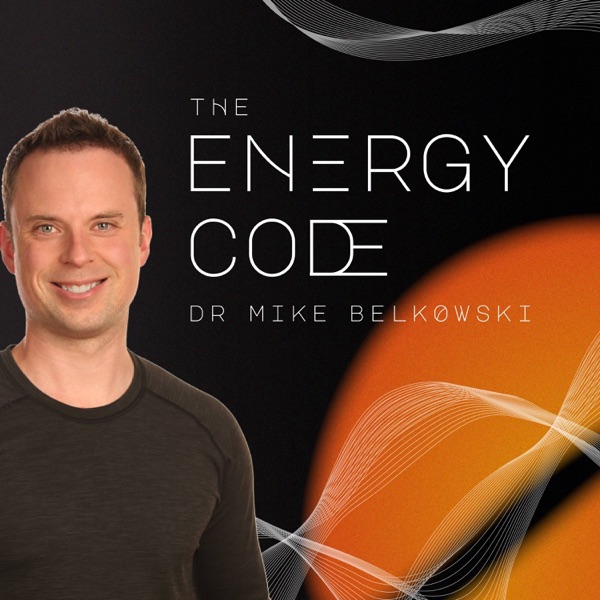
The Energy Code
The Energy Code is your blueprint for unlocking limitless vitality at the cellular level. Hosted by Dr. Mike Belkowski, this podcast dives deep into the science of your mitochondria—the true engines of health and energy. From light, water, and magnetism to groundbreaking molecules and lifestyle upgrades, each episode decodes the most effective strategies to strengthen your “Mitochondrial Matrix.” If you’re seeking cutting-edge science, practical tools, and proven methods to optimize your body and mind, you’ve just cracked the code. Check out these sources:
http://www.drmikebelkowski.com
Instagram: @dr.mikebelkowski
Facebook: Mike Belkowski
TikTok: @dr.mikebelkowski
YouTube: @drmikebelkowski
LinkedIn: Mike Belkowski
X: @doctormike
Instagram: @biolight.official
- On air since
- 2021
- Episodes
- 387
- Releases · typical length
- Weekly · 52 min
- Latest episode
- 5 days ago
Chart history since Oct 26
| Now | Chart | Peak | Since Oct 26 |
|---|---|---|---|
| Off | Alternative Health Last on it Nov 23 at #198 | #96 |
Episodes
387 episodes, newest first
-
1 hr 59 min
The Truth About Peptides: What’s Overhyped, What Works & What’s Next | Dean Henry
Show notes
Peptides are everywhere right now. But how much do we actually understand about how they work, how to use them responsibly, and what separates meaningful results from the hype?
In this episode of The Energy Code, Dr. Mike Belkowski sits down with Dean Henry, health entrepreneur, performance optimization consultant, and peptide specialist with more than 11 years of experience in peptide therapeutics. Drawing on his background in functional medicine, therapeutic nutrition, and hands-on client experience, Dean offers a practical look at the rapidly growing world of peptide research and wellness.
Dean shares how a career-ending sports injury and an interest in functional health led him into peptide science. He breaks down what peptides are, how they interact with the body’s signaling systems, and why he describes them as a way to communicate with the body’s existing biology rather than simply override it.
The conversation explores some of the biggest questions surrounding peptide use: why some people respond while others don’t, when peptides may make sense, and why sleep, hormone balance, gut health, nutrition, and other fundamentals can influence outcomes. Mike and Dean also discuss GLP-1 medications, microdosing, weight management, and the importance of having a plan that extends beyond the time someone is using a medication.
They take a closer look at specific compounds, including BPC-157, growth hormone secretagogues, MOTS-c, SS-31, and peptide bioregulators. Dean shares his experience with different delivery methods, including oral, intranasal, and injectable peptides, along with some of the limitations and unanswered questions surrounding their use.
One of the most important parts of the discussion centers on peptide safety. Dean explains why he is cautious about certain reactions, why people should never ignore potential side effects, and why combining multiple peptides can make it harder to understand what’s actually working. He also breaks down the difference between a manufacturer’s certificate of analysis and independent testing of the finished product, emphasizing purity, sterility, stability, and responsible sourcing.
The episode closes with a look at Dean’s work building peptide education platforms and businesses, the future of peptide research, and a rapid-fire round covering promising compounds for tissue healing, skin health, weight management, muscle growth, sleep, and cognitive performance.
(Educational content only, not medical advice. Peptides and related compounds may carry risks and should only be considered with appropriate medical guidance.)
Key Quotes From Dean Henry:
• “Working with your biology first is overriding your biology.”
• “The foundation is making sure that the foundation is optimized as possible.”
• “For most people, less is more.”
• “Never power through. Don’t ignore the side effects.”
• “We need to manage expectations.”
• “You want to take the least amount to get the desired result.”Key Points
⚡ Dean’s journey from competitive athletics and injury recovery to more than a decade working with peptide therapeutics.
⚡ What peptides are, how they differ from proteins, and how therapeutic peptides interact with the body’s signaling systems.
⚡ The difference between working with the body’s own biology and overriding its natural processes.
⚡ Why foundational health factors such as sleep, nutrition, gut health, hydration, and hormone balance can affect peptide outcomes.
⚡ GLP-1 medications, weight management, microdosing, and the importance of building sustainable habits alongside treatment.
⚡ Professor Kevin’s influence on Dean’s understanding of peptide bioregulators and oral delivery.
⚡ Oral vs. injectable vs. intranasal peptides, and how delivery methods may influence their intended targets.
⚡ A closer look at BPC-157, growth hormone secretagogues, MOTS-c, SS-31, and other emerging compounds.
⚡ Potential peptide reactions, including flushing, palpitations, skin irritation, and why Dean advises against ignoring adverse responses.
⚡ Why Dean believes MOTS-c is often misunderstood and why expectations and protocols matter.
⚡ Peptide blends, compatibility, stability, and why introducing compounds separately can make it easier to evaluate results.
⚡ How to assess peptide quality, including independent testing, certificates of analysis, sterility, endotoxins, heavy metals, and product stability.
⚡ The role of peptide education and the challenges facing a rapidly expanding industry.
Episode Timeline
00:00 — Introducing Dean Henry
02:45 — Dean’s Journey Into Peptide Therapeutics
06:12 — A Career-Long Injury and the Search for Better Recovery
07:32 — How the Peptide Industry Has Changed
11:32 — What Exactly Are Peptides?
12:59 — The Doorbell Analogy: How Therapeutic Peptides Work
14:21 — Peptides vs. Hormone Replacement Therapy
16:10 — Why Some People Respond to Peptides and Others Don’t
18:11 — When Should Someone Consider Peptides?
20:12 — GLP-1 Medications and Weight Management
22:09 — Rethinking Long-Term GLP-1 Use
24:56 — Building a Plan Beyond the Medication
26:23 — Microdosing and the Principle of Less Is More
28:07 — Learning From Professor Kevin and Peptide Bioregulators
30:04 — Oral Peptides vs. Injectable Peptides
32:05 — Choosing the Right Delivery Method
33:11 — Intranasal Peptides and Cognitive Performance
36:27 — SS-31 and Brain Fog
38:23 — MOTS-c: Overhyped or Misunderstood?
40:17 — MOTS-c, Exercise Signaling, and Potential Risks
43:04 — Understanding Peptide Reactions
45:07 — Growth Hormone Secretagogues and Injection-Site Reactions
48:44 — MOTS-c Reactions and When to Stop
50:55 — Peptide Blends: Do They Make Sense?
51:21 — Testing Peptide Combinations and Stability
01:30:37 — What to Look for When Evaluating Peptide Quality
01:31:20 — Peptide Manufacturing and the Supply Chain
01:33:55 — Independent Testing, Purity, and Product Stability
01:36:27 — Dean’s Peptide Businesses and the Peptide Academy
01:40:45 — Rapid-Fire Peptide Questions
01:41:11 — Peptides for Tissue Healing, Skin, Weight Management, and Muscle
01:43:03 — Peptides for Sleep and Cognitive Health
01:54:01 — Which Peptides Deserve More Research?
01:54:47 — Where to Find Dean HenryConnect with Dean Henry:
Instagram: @dean.e.henry
Peptides Academy: PeptidesAcademy.comFor more information about Dean’s work, peptide education, and consulting, visit his social channels and Peptides Academy.
-
🧬 The Future of Peptide Research Is Here
From mitochondrial health and longevity to metabolism and cellular repair, peptides are unlocking exciting new frontiers in science.
🔬 BioLight Labs offers over a dozen intranasal peptide solutions AND over a dozen injectable peptide options to support cutting-edge research.
Discover the BioLight Labs Peptide Collection!
For research use only. Not for human consumption.
-
Dr. Mike's #1 recommendations:
Deuterium depleted water: Litewater (code: DRMIKE)
EMF-mitigating products: Somavedic (code: BIOLIGHT)
Blue light blocking glasses: Ra Optics (code: BIOLIGHT)
Grounding products: Earthing.com
-
Stay up-to-date on social media:
Dr. Mike Belkowski:
BioLight Labs:
BioLight:
-
36 min
Mitochondrial Medicine Breakthroughs: Brain Health, Red Light & Next-Gen Peptides
Show notes
Could light change how your brain functions? And could the next generation of weight-loss peptides go beyond even retatrutide?
In this episode of The Energy Code, Dr. Mike Belkowski breaks down some of the newest and most intriguing research connecting mitochondrial biology, brain health, mental wellness, red light therapy, and next-generation metabolic peptides.
We begin with the emerging field of mitochondrial psychobiology, which explores how mitochondria may help connect psychological stress, emotional experiences, cellular energy, and brain function. New research is challenging the traditional view of mitochondria as simple energy factories and instead revealing their role as dynamic signaling systems that respond to our environment and experiences.
Next, we explore fascinating research on transcranial photobiomodulation, or red and near-infrared light therapy directed toward the brain. Studies investigating migraines, generalized anxiety disorder, and motor performance are producing intriguing results—including a randomized, sham-controlled anxiety study reporting significant improvements following near-infrared stimulation.
The conversation then shifts to mitochondrial aging and a new study examining how mitochondrial DNA organization changes in aging neurons.
We also explore a surprising new MOTS-c study demonstrating why activating a favorable mitochondrial pathway doesn't always translate into better cellular function—and why context matters enormously in peptide research.
Finally, we dive into amylin, an increasingly important metabolic hormone that may become the fourth target in next-generation weight-loss medications. The experimental quadruple agonist CT-G32 (SCO-940) combines GLP-1, GIP, glucagon, and amylin receptor activity, with early preclinical research raising questions about whether it could improve weight loss and body composition beyond existing therapies.
The bigger takeaway?
The future of mitochondrial medicine may not involve finding one miracle molecule or intervention — but understanding how biological signals interact to influence brain health, metabolism, and cellular resilience.
(Educational content only, not medical advice.)
-
Key Quotes From Dr. Mike:
“Mitochondria are part of the cellular machinery responding to (stress-related) demands.”
“Migraine involves more than a blood vessel problem. It also includes neural excitability, sensory processing, pain pathways, and neurovascular interactions.”
“MOTS-c activated AMPK in this context, but the cells didn't become better repair cells. Some measures moved in an unfavorable direction, actually.”
“Because amylin acts through a different receptor system from GLP-1, it could complement existing weight loss drugs rather than simply repeating their effects.”
-
Key Points
⚡ Mitochondrial psychobiology is emerging: Researchers are exploring how mitochondria may connect psychological experiences, stress, emotional health, and cellular energy metabolism.
⚡ Mitochondria are biological signaling systems: Beyond ATP production, they respond to metabolic demands, redox changes, inflammation, and stress while communicating with other cellular systems.
⚡ Aging neurons may undergo mitochondrial DNA reorganization: New research suggests changes in mitochondrial nucleoid architecture may contribute to age-related bioenergetic decline.
⚡ Transcranial photobiomodulation is gaining research attention: Near-infrared light may influence brain physiology through mitochondrial, redox, and neurovascular mechanisms.
⚡ Red light therapy for migraines is an emerging research direction: Preclinical findings suggest potential effects on neurogenic inflammation and sensory hypersensitivity, although definitive human clinical evidence remains limited.
⚡ A randomized clinical trial found promising anxiety improvements: An 820 nm transcranial near-infrared protocol produced greater reductions in anxiety scores than sham treatment in a small study of generalized anxiety disorder.
⚡ Brain-directed light therapy may influence motor performance: A separate randomized trial found improvements in non-dominant hand motor coordination and changes in EEG activity following 850 nm stimulation.
⚡ Photobiomodulation dosimetry matters: Wavelength, irradiance, treatment location, duration, and tissue depth can dramatically influence biological responses.
⚡ MOTS-c research reveals an important paradox: The mitochondrial-derived peptide activated AMPK signaling in human-derived stromal cells but did not improve their reparative function.
⚡ More mitochondrial signaling doesn't always mean better outcomes: Changes in biomarkers must ultimately translate into meaningful improvements in cellular or tissue function.
⚡ Amylin could become the fourth major metabolic target: This pancreatic hormone complements GLP-1 biology by influencing satiety, food intake, and gastric emptying.
⚡ CT-G32 represents the next generation of metabolic peptides: The experimental quadruple agonist targets GLP-1, GIP, glucagon, and amylin receptors.
⚡ Early CT-G32 animal results are intriguing: Developer-reported findings suggest numerically greater weight loss than retatrutide and a potentially more favorable lean-mass profile, although human trials are still needed.
⚡ Preserving lean mass during weight loss is a major research priority: However, lean mass is not synonymous with skeletal muscle, and animal results do not establish muscle preservation in humans.
⚡ The next breakthroughs may come from biological synergy: Understanding how multiple signaling pathways interact may be more important than simply activating one pathway more aggressively.
-
Episode timeline
00:00 — Introduction: Brain Health, Mitochondria & New Research
00:29 — Mitochondrial Psychobiology: The Mind–Body Connection
02:00 — How Psychological Stress Influences Cellular Biology
03:30 — Can We Measure the Mind–Mitochondria Relationship?
05:02 — New Discoveries in Aging Neuronal Mitochondria
05:46 — Mitochondrial DNA, Nucleoids & Bioenergetic Decline
07:25 — Transcranial Photobiomodulation Explained
07:44 — Why Near-Infrared Light Matters for the Brain
08:59 — Red Light Therapy for Migraines
10:57 — What the Clinical Evidence Still Needs to Prove
11:42 — Animal Research on Light Therapy & Migraines
13:49 — Targeting Migraine Pain & Nerve Referral Patterns
16:47 — Red Light Therapy for Anxiety
18:04 — Randomized Clinical Trial: Near-Infrared Light & Anxiety
19:30 — How Brain-Directed Light Therapy May Influence Mental Health
20:00 — New Research on Light Therapy & Motor Performance
21:47 — What the Motor Performance Results Actually Mean
22:47 — MOTS-c: A Surprising New Study
24:02 — Why MOTS-c Didn't Improve Cellular Repair
24:40 — Why Activating AMPK Isn't Always Beneficial
25:44 — Amylin: The Next Frontier of Weight-Loss Peptides
26:31 — What Is Amylin & Why Does It Matter?
27:00 — CT-G32: The Experimental Quadruple Agonist
27:59 — Early CT-G32 Results vs. Retatrutide
29:00 — The Potential Importance of Lean-Mass Preservation
30:50 — When Could CT-G32 Enter Human Trials?
31:40 — The Evolution From GLP-1s to Quadruple Agonists
32:53 — Final Takeaways: Why Biological Context Matters
-
BioLight Labs
Introducing Four NEW Intranasal Peptides...
• BPC-157
• Oxytocin
• MOTS-c
• MOTS-c + SS-31-
Dr. Mike's #1 recommendations:
Deuterium depleted water: Litewater (code: DRMIKE)
EMF-mitigating products: Somavedic (code: BIOLIGHT)
Blue light blocking glasses: Ra Optics (code: BIOLIGHT)
Grounding products: Earthing.com
-
Stay up-to-date on social media:
Dr. Mike Belkowski:
BioLight Labs:
BioLight:
-
46 min
The Winter Mitochondria Protocol: 10 Ways to Supercharge Your Cellular Energy
Show notes
Shorter days, colder temperatures, less sunlight, and more time indoors can create the perfect storm for declining energy, disrupted circadian rhythms, metabolic dysfunction, and poor recovery.
But what if we could turn those same seasonal challenges into opportunities for better mitochondrial health?
In this episode of The Energy Code, Dr. Mike Belkowski breaks down 10 research-informed strategies to optimize mitochondrial function, cellular energy, and metabolic resilience throughout the winter months.
We explore why light exposure is arguably the most important environmental signal to get right, how red and near-infrared light influence mitochondrial signaling beyond ATP production, and why exercise intensity, cold exposure, and sauna may all provide valuable metabolic stimuli.
We also dive into the latest research on vitamin D, mitochondrial nutrients, meal timing, circadian biology, and the profound effects of sleep deprivation on cellular metabolism.
But perhaps the most surprising takeaway? More biohacking isn't necessarily better.
Stacking fasting, intense exercise, cold plunges, sauna, and sleep restriction may actually undermine the mitochondrial adaptations you're trying to create.
The episode ultimately challenges a fundamental assumption about mitochondrial optimization: the goal isn't simply producing more ATP — it's developing mitochondria that can adapt, recover, and respond intelligently to their environment.
Winter doesn't have to be something you simply survive.
It can become your mitochondrial training season.
(Educational content only, not medical advice.)
-
Key Quotes From Dr. Mike:
"Winter doesn't have to be the season where your mitochondrial health declines. It can be the season where you deliberately rebuild metabolic resilience."
"The stressor itself isn't necessarily what makes you healthier. It's the adaptation to the stressor that makes you more resilient."
"If the recovery never happens, you're not necessarily creating hormesis. You're essentially creating chronic stress."
"Instead of thinking of red light therapy as just giving your mitochondria energy, we need to rethink it as red and near-infrared light activating mitochondrial signaling that encourages the cell to adapt."
"Biology wasn't designed for perpetual comfort. It was designed to adapt."
"Your mitochondria are paying attention to all of it as environmental signals. And ultimately, that is the energy code."
-
Key Points
⚡ Winter can become a mitochondrial training season: Shorter days, colder temperatures, and seasonal changes create opportunities to improve metabolic flexibility and resilience.
⚡ Win the light battle: Bright days and dark nights help synchronize circadian rhythms that influence mitochondrial function, glucose regulation, hormones, and metabolism.
⚡ Red light therapy goes beyond ATP: Photobiomodulation may influence cytochrome c oxidase, nitric oxide signaling, Nrf2, AMPK, PGC-1α, and mitochondrial adaptation.
⚡ Exercise remains one of the most powerful mitochondrial interventions: Endurance training, intervals, resistance training, and everyday movement all provide valuable metabolic signals.
⚡ Zone 2 isn't necessarily superior: Emerging research challenges the assumption that Zone 2 is uniquely optimal for mitochondrial biogenesis or oxidative capacity.
⚡ Cold exposure is a whole-body metabolic stimulus: Beyond brown fat activation, cold influences skeletal muscle, thermogenesis, fuel utilization, and mitochondrial metabolism.
⚡ Heat exposure may promote mitochondrial adaptation: Sauna and heat acclimation activate heat shock responses and pathways associated with mitochondrial biogenesis and cellular stress resistance.
⚡ Fix nutritional deficiencies before chasing exotic supplements: Adequate protein, minerals, vitamins, and mitochondrial cofactors provide the foundation for healthy cellular energy production.
⚡ Vitamin D matters during winter: Reduced UVB availability at higher latitudes can increase deficiency risk, but correcting deficiency is different from indiscriminate megadosing.
⚡ When you eat matters: Research suggests earlier eating windows may improve certain metabolic outcomes compared with late-night eating.
⚡ Sleep is a mitochondrial intervention: Sleep deprivation can disrupt glucose regulation, muscle protein synthesis, hormonal balance, and cellular energy homeostasis.
⚡ Stop biohacking yourself into the ground: Excessive stacking of fasting, cold, heat, intense exercise, and inadequate recovery may create chronic stress rather than beneficial adaptation.
⚡ Hormesis requires recovery: The benefits of physiological stress come from the body's ability to adapt afterward—not simply from accumulating more stress.
⚡ Mitochondria are more than cellular batteries: They're dynamic sensing and signaling organelles that respond to light, temperature, nutrition, movement, stress, and sleep.
⚡ Don't try to turn winter into summer: Seasonal variability may provide valuable biological signals that modern indoor lifestyles frequently eliminate.
⚡ The ultimate goal is mitochondrial resilience: The ability to produce energy, switch fuels, tolerate stress, repair damage, and return to homeostasis.
-
Episode timeline
00:00 — Winter Is Coming: A New Mitochondrial Opportunity
01:34 — Why Most People Are Doing Winter Wrong
03:50 — Turning Winter Into a Mitochondrial Training Season
04:54 — Strategy #1: Win the Light Battle
06:28 — Circadian Rhythms, BMAL1 & Mitochondrial Function
09:02 — Strategy #2: Red & Near-Infrared Light Therapy
11:07 — Beyond ATP: Red Light & Mitochondrial Signaling
13:22 — Strategy #3: Create Energy Demand Through Exercise
14:30 — Zone 2 vs. High-Intensity Training
16:06 — How Quickly Inactivity Affects Mitochondria
18:07 — Strategy #4: Let Your Body Experience Cold
19:30 — Brown Fat, Thermogenesis & Metabolic Adaptation
21:00 — Strategy #5: Heat Exposure & Sauna
22:55 — Heat Shock Proteins & Mitochondrial Adaptations
24:15 — Strategy #6: Correct Nutritional Deficiencies
25:32 — Vitamin D, Winter Sunlight & Mitochondrial Health
27:00 — Why More Supplements Aren't Always Better
28:00 — Strategy #7: Chrononutrition & Meal Timing
29:50 — Why Earlier Eating May Improve Metabolic Health
31:45 — Strategy #8: Treat Sleep as a Metabolic Intervention
32:34 — What One Night of Sleep Deprivation Does to Your Body
34:17 — Building a Mitochondria-Friendly Sleep Routine
35:01 — Strategy #9: Stop Biohacking Yourself Into the Ground
36:23 — Hormesis, HRV & the Importance of Recovery
38:01 — Strategy #10: Stop Trying to Turn Winter Into Summer
39:10 — Why Mitochondria Need Environmental Variability
41:24 — The Biological Signals Your Mitochondria Receive Daily
42:11 — Your Winter Mitochondrial Optimization Blueprint
43:42 — The Ultimate Goal: Mitochondrial Resilience
-
BioLight Labs
Introducing Four NEW Intranasal Peptides...
• BPC-157
• Oxytocin
• MOTS-c
• MOTS-c + SS-31-
Dr. Mike's #1 recommendations:
Deuterium depleted water: Litewater (code: DRMIKE)
EMF-mitigating products: Somavedic (code: BIOLIGHT)
Blue light blocking glasses: Ra Optics (code: BIOLIGHT)
Grounding products: Earthing.com
-
Stay up-to-date on social media:
Dr. Mike Belkowski:
BioLight Labs:
BioLight:
-
53 min
Intranasal Peptides Explained: Brain Repair, Mitochondria, Stress & Recovery
Show notes
What if the future of peptide therapy isn't just about which peptide you use — but where you deliver it?
In this episode of The Energy Code, Dr. Mike Belkowski explores one of the most intriguing frontiers in peptide research: intranasal delivery and its potential to create a more brain-oriented route for peptides that influence neurological function, tissue repair, stress regulation, and mitochondrial biology.
The episode begins with the science of nose-to-brain delivery, including the olfactory and trigeminal pathways, systemic absorption through the nasal mucosa, and the possibility of partially circumventing one of neuroscience's biggest obstacles: the blood-brain barrier. But Mike also explains why “intranasal” alone tells us very little about pharmacology — formulation, stability, deposition, device design, concentration, and nasal anatomy can all dramatically affect what actually happens.
Then he breaks down four intriguing formulations: BPC-157, oxytocin, MOTS-c, and MOTS-c + SS-31.
BPC-157 is explored as the repair and regeneration hypothesis, with preclinical research involving traumatic brain injury, ischemia, spinal cord injury, vascular signaling, inflammation, and tissue repair. Oxytocin represents the neuromodulation hypothesis and has by far the strongest direct human intranasal evidence of the four.
MOTS-c takes the conversation directly into mitochondrial medicine. As a mitochondrial-derived signaling peptide, it may help cells recognize and adapt to metabolic stress — and emerging animal research raises fascinating questions about its potential neurological applications. Finally, Mike explores what may be the most intriguing mechanistic pairing: MOTS-c + SS-31, combining cellular metabolic adaptation with direct mitochondrial membrane and cardiolipin support.
The key question isn't simply “What does this peptide do?”
It's: Can we get the peptide to the place where we need it for it to be most effective?
(Educational content only, not medical advice.)
-
Key Quotes From Dr. Mike:
“The biggest question in peptide medicine... is not simply, what does this peptide do? Rather, can we get this peptide to the place where we need it for it to be most effective?”
“The fact that BPC-157 has interesting TBI data does not mean intranasal BPC-157 has been demonstrated to treat concussion.”
“Oxytocin may amplify or reshape social processing rather than simply producing a universally positive emotional state.”
“There's a possible connection between oxytocin and the body's ability to shift from a defensive state toward a state of social safety and physiological recovery.”
“MOTS-c biology may be therapeutically interesting in the brain, and intranasal delivery may be one potential strategy for overcoming the blood-brain barrier problem.”
“SS-31 essentially targets that energetic crisis at the mitochondrial membrane itself (via cardiolipin)."
“SS-31 helps stabilize the mitochondrial hardware. MOTS-c helps regulate the cellular software.”
-
Key Points
⚡ Intranasal delivery may offer peptides both rapid systemic absorption and potential access toward the CNS through olfactory and trigeminal pathways.
⚡ Nose-to-brain delivery could be particularly interesting for peptides targeting cognition, neuroinflammation, neurological injury, and mitochondrial dysfunction.
⚡ Intranasal delivery itself is not theoretical—several peptide hormones already have established nasal formulations—but that does not validate every investigational peptide as an effective nasal therapy.
⚡ BPC-157 is the repair and regeneration hypothesis: preclinical research suggests effects involving vascular signaling, nitric oxide, inflammation, tissue integrity, and neurological injury.
⚡ Animal studies have reported intriguing BPC-157 findings in traumatic brain injury, cerebral ischemia, and spinal cord injury—but convincing human neurological and intranasal efficacy data are lacking.
⚡ Oxytocin is the neuromodulation hypothesis and has the strongest direct human intranasal research foundation of the four.
⚡ Intranasal oxytocin can alter central oxytocin physiology, but its effects on social behavior, emotion, stress, and pain appear highly context-dependent rather than universally beneficial.
⚡ MOTS-c is the metabolic resilience hypothesis: it functions as a mitochondrial-derived signal involved in AMPK, stress adaptation, metabolism, inflammation, antioxidant responses, and mitochondrial biology.
⚡ Preclinical research suggests MOTS-c may have neurological relevance in traumatic brain injury, cognitive impairment, neuroinflammation, and neuropathic pain.
⚡ A modified cell-penetrating MOTS-c analog has demonstrated brain distribution after intranasal administration in mice—but this should not be conflated with evidence for ordinary native intranasal MOTS-c.
⚡ MOTS-c + SS-31 is the mitochondrial rescue hypothesis: the two peptides potentially address mitochondrial dysfunction through very different mechanisms.
⚡ SS-31 targets cardiolipin and mitochondrial membrane biology, while MOTS-c influences metabolic signaling, gene expression, AMPK, inflammation, and cellular stress adaptation.
⚡ A simple analogy: SS-31 helps stabilize the mitochondrial hardware; MOTS-c helps regulate the cellular software.
⚡ There is currently no compelling clinical evidence demonstrating that an intranasal MOTS-c + SS-31 blend produces synergistic effects in humans.
⚡ The real promise of intranasal peptides isn't simply avoiding needles—it's potentially changing where a peptide goes, how quickly it gets there, and which biological systems it can influence.
-
Episode timeline
00:00 — Why We're Revisiting Intranasal Peptides
01:30 — BPC-157, Oxytocin, MOTS-c & MOTS-c + SS-31
03:10 — Why Intranasal Delivery Is So Interesting
06:39 — The Four Peptide Formulas
08:00 — Evidence vs. Mechanism: An Important Distinction
08:45 — How Intranasal Peptides Enter the Body
09:37 — The Olfactory & Trigeminal Pathways
10:34 — Can Peptides Bypass the Blood-Brain Barrier?
12:27 — Why Formulation & Nasal Deposition Matter
13:12 — BPC-157: The “Healing Peptide” Explained
14:38 — BPC-157 & Traumatic Brain Injury
15:56 — Cerebral Ischemia & Neurological Recovery
16:59 — BPC-157 & Spinal Cord Injury
17:48 — Why Intranasal BPC-157 Is Still Highly Speculative
19:43 — Could BPC-157 Be Interesting for Concussion?
21:30 — Oxytocin: The Strongest Intranasal Evidence
23:25 — Does Intranasal Oxytocin Actually Reach the Brain?
24:17 — PET Imaging Tracks Intranasal Oxytocin
25:56 — Social Cognition, Trust & Emotional Processing
28:08 — Oxytocin, Stress & the Autonomic Nervous System
29:09 — Oxytocin & Pain
29:53 — Why Oxytocin Isn't Simply the “Love Hormone”
30:41 — MOTS-c: The Mitochondrial Signaling Peptide
31:30 — How MOTS-c Communicates With the Nucleus
32:26 — MOTS-c & Metabolic Stress
33:16 — MOTS-c & Traumatic Brain Injury
34:20 — Intranasal MOTS-c & the Blood-Brain Barrier Problem
35:20 — MOTS-c, Memory & Neuroinflammation
36:35 — Neuropathic Pain & Broader Metabolic Effects
37:09 — A Surprising New Role for MOTS-c
37:51 — Why Intranasal MOTS-c Is So Interesting
38:38 — MOTS-c + SS-31: The Mitochondrial Rescue Hypothesis
38:56 — How SS-31 Targets Cardiolipin
41:10 — SS-31's Human & Regulatory Evidence
41:30 — SS-31 & Traumatic Brain Injury
42:11 — Mitochondrial Dysfunction After Concussion
43:15 — MOTS-c + SS-31: Hardware Meets Software
44:39 — How the Two Peptides Could Complement Each Other
45:12 — Why the Combination Is Still a Hypothesis
47:39 — The Four Intranasal Peptides Compared
49:46 — The Real Promise of Intranasal Peptides
50:03 — The Biggest Question in Peptide Medicine
50:38 — Final Thoughts-
BioLight Labs
Introducing Four NEW Intranasal Peptides...
• BPC-157
• Oxytocin
• MOTS-c
• MOTS-c + SS-31-
Dr. Mike's #1 recommendations:
Deuterium depleted water: Litewater (code: DRMIKE)
EMF-mitigating products: Somavedic (code: BIOLIGHT)
Blue light blocking glasses: Ra Optics (code: BIOLIGHT)
Grounding products: Earthing.com
-
Stay up-to-date on social media:
Dr. Mike Belkowski:
BioLight Labs:
BioLight:
-
1 hr
Mitochondrial Medicine is Gaining Momentum: 10 New Discoveries You Need to Know
Show notes
Mitochondrial medicine is accelerating and the newest research is revealing that mitochondria do far more than simply produce energy.
In this research-packed solosode of The Energy Code, Dr. Mike Belkowski breaks down some of the most fascinating mitochondrial, longevity, photobiomodulation, peptide, and metabolic studies published within just the past couple of weeks.
We explore the emerging field of mitochondrial psychobiology, a remarkable study showing leukemia cells physically transferring mitochondria into immune cells, and the discovery of a mitochondrial circular RNA capable of interfering with ATP synthase and altering fat-cell biology. Together, these studies paint a very different picture of mitochondria: not passive cellular batteries, but dynamic information-processing and signaling systems.
The episode also examines a randomized trial combining methylene blue and 660 nm red light, an intriguing new “host-first” theory for how photobiomodulation might influence the oral microbiome, new human urolithin A data involving cerebral blood flow, and the first pharmacokinetic look at what actually happens after drinking molecular hydrogen.
Then we dive into mitochondrial-derived peptides, including new research on humanin and aging neurons and a fascinating MOTS-c study suggesting that improving mitochondrial bioenergetics may partially restore aspects of aging ovarian cells and oocytes.
Finally, we explore the surprisingly complicated relationship between GLP-1 drugs and oral health, and why muscle loss and circadian disruption may potentially create a self-reinforcing metabolic loop.
The bigger message is becoming increasingly clear: mitochondrial health isn't simply about making more ATP. It's about how mitochondria sense, communicate, adapt, respond to stress — and coordinate energy across the entire biological system.
(Educational content only, not medical advice.)
-
Key Quotes From Dr. Mike:
“Cancer appears capable of hijacking mitochondrial biology for its own survival.”
“These mitochondrial peptides make the mitochondria look more and more like endocrine organelles.”
“It looks less like MOTS-c made the mitochondria run harder, and more like MOTS-c may make aging mitochondria more metabolically competent.”
“Reproductive aging may not simply be a story of accumulating damage inside an egg. It may also be an energetic microenvironment problem.”
“A mitochondrion doesn't only need to meet today's energy demand. One sign of mitochondrial resilience is the ability to respond when energy demand suddenly increases.”
-
Key Points
⚡ Mitochondrial psychobiology is emerging: Researchers are exploring mitochondria as a potential biological link between psychological experience, physiological stress, metabolism, cognition, emotion, and behavior.
⚡ Mitochondria may function as biological information processors, continuously sensing energy availability, metabolic demand, redox state, nutrients, and cellular stress.
⚡ A mitochondrial circular RNA called BRAKE can interfere with ATP synthase: In mice, manipulating it altered fat-cell expansion and insulin sensitivity, with related associations also observed in human obesity samples.
⚡ Cancer cells can physically transfer mitochondria into immune cells: Pediatric leukemia cells transferred mitochondria into macrophages and were associated with metabolic reprogramming and a more immunosuppressive phenotype.
⚡ Methylene blue + red light doesn't automatically equal a better clinical outcome: A randomized dental trial found no sustained advantage from adding methylene-blue-mediated photodynamic therapy to mechanical debridement in this setting.
⚡ Red light may influence the oral microbiome indirectly: A new “host-first” hypothesis proposes that PBM could change microbial ecology by improving the tissue environment rather than directly killing bacteria.
⚡ New human urolithin A data revealed an intriguing brain signal: One gram daily for four weeks did not improve the primary vascular endpoint or cognitive performance, but did alter cerebral hemodynamic responses during a working-memory task.
⚡ We're finally getting human molecular-hydrogen pharmacokinetics: Blood hydrogen increased after drinking hydrogen-rich water, with peak levels occurring around 43 minutes on average and substantial individual variability.
⚡ Humanin may help preserve function in aging neurons: A potent humanin analog reduced some senescence-associated changes and helped preserve synaptic proteins and stimulus-induced dopamine release in a preclinical model.
⚡ MOTS-c just entered the reproductive-aging conversation: The mitochondrial-derived peptide improved several measures of mitochondrial function in aging-associated granulosa cells and partially improved characteristics of aged mouse oocytes.
⚡ MOTS-c increased mitochondrial respiratory reserve: Rather than simply making mitochondria work harder at baseline, it improved ATP-linked respiration, maximal respiration, and spare respiratory capacity.
⚡ Some aspects of reproductive aging may be metabolically plastic: MOTS-c did not make aged eggs “young” again, but the results suggest that some age-related dysfunction may remain biologically modifiable.
⚡ GLP-1 drugs have entered the dental conversation: Potential benefits and risks exist, but prospective human trials using dental outcomes are still lacking.
⚡ Muscle and circadian health may be interconnected: Researchers propose that circadian disruption can promote muscle loss—and speculate that losing metabolically healthy muscle could further weaken peripheral circadian signaling.
⚡ The phrase “mitochondrial supplement” is becoming almost too broad to mean anything: Different compounds, formulations, delivery methods, and mitochondrial peptides can produce fundamentally different biological effects.
⚡ The bigger shift: Mitochondrial medicine is moving from “How do we make more ATP?” toward understanding how mitochondria sense, communicate, adapt, and coordinate biology.
-
Episode timeline
00:00 — Mitochondrial Medicine Is Accelerating Again
02:54 — The Bigger Shift Beyond ATP
04:46 — Mitochondrial Psychobiology
06:12 — Mitochondria as Biological Information Processors
07:02 — A New Mitochondrial RNA Discovery
08:38 — BRAKE, ATP Synthase & Fat-Cell Biology
10:49 — Cancer Cells Transferring Mitochondria
11:28 — How Leukemia Reprograms Immune-Cell Metabolism
13:48 — The Rise of Metabolic Immunology
14:27 — The Dark Side of Mitochondrial Transfer
15:51 — Methylene Blue + Red Light: A New Clinical Trial
17:15 — Photodynamic Therapy vs. Mitochondrial Effects
18:00 — Why the Clinical Results Were Underwhelming
20:49 — Can Red Light Change the Oral Microbiome?
23:02 — The “Host-First” Model of Oral Photobiomodulation
24:52 — Why PBM Dosimetry Still Matters
26:00 — New Human Urolithin A Research
27:28 — Urolithin A & Cerebral Blood Flow
28:03 — Why the Brain Finding Is Interesting—but Not Proof
30:12 — What Happens After You Drink Molecular Hydrogen?
31:08 — Hydrogen Pharmacokinetics in Humans
33:15 — Humanin & Aging Neurons
35:36 — Can Aging Cells Lose Peptide Sensitivity?
36:39 — Mitochondrial-Derived Peptides as Signaling Molecules
36:54 — MOTS-c Enters the Reproductive-Aging Conversation
38:56 — Is Reproductive Aging Partly an Energy Problem?
40:26 — MOTS-c Improves Mitochondrial Bioenergetics
41:01 — Spare Respiratory Capacity & Cellular Resilience
42:20 — Could MOTS-c Make Aging Mitochondria More Competent?
42:48 — What Happened to the Aged Oocytes?
43:50 — Does This Mean MOTS-c Reverses Reproductive Aging?
45:42 — Mitochondrial Peptides as the Body's Own Language
47:02 — GLP-1 Drugs Enter the Dental Conversation
49:29 — GLP-1s, Oral Bacteria & Metabolic Signaling
50:40 — Could Muscle Loss Disrupt Your Circadian Rhythm?
51:31 — The Muscle–Circadian Feedback Loop
53:00 — Why There Is No Single “Mitochondrial Hack”
54:27 — Five Big Takeaways From the New Research
56:07 — Why Timing Belongs in Mitochondrial Medicine
56:34 — The Bigger Picture: Everything Is Communicating
57:21 — What “The Energy Code” Really Means
58:16 — Mitochondrial Medicine Is Not the Future-
BioLight Stacks — Save Up to 30% OFF!
Elevate your daily wellness routine with BioLight Stacks — expertly curated combinations of complementary products designed to work synergistically toward targeted health, performance, and longevity goals. Build a more intentional protocol while enjoying preferred bundle pricing, with savings of up to 30% compared with purchasing products individually.
-
Dr. Mike's #1 recommendations:
Deuterium depleted water: Litewater (code: DRMIKE)
EMF-mitigating products: Somavedic (code: BIOLIGHT)
Blue light blocking glasses: Ra Optics (code: BIOLIGHT)
Grounding products: Earthing.com
-
Stay up-to-date on social media:
Dr. Mike Belkowski:
BioLight Labs:
BioLight:
On these lists
The Energy Code is one of the shows picked out on this list