Podcast
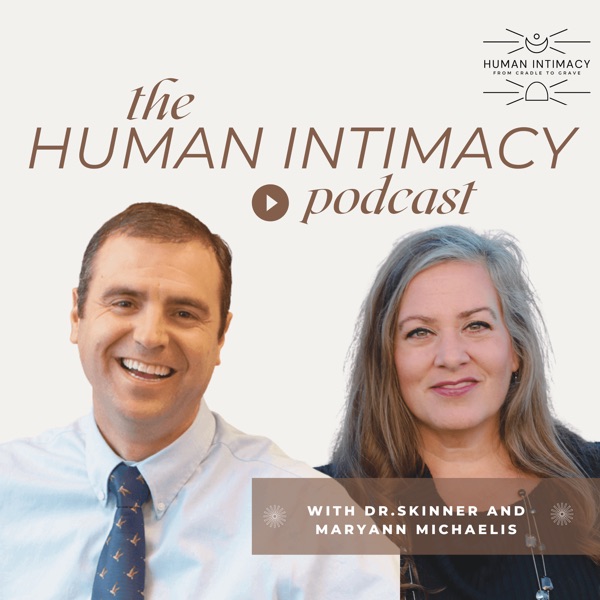
The Human Intimacy Podcast
Intimacy is a fundamental human experience that goes far beyond romantic relationships. Join us as we dive into the deep and multifaceted layers of human connection, exploring everything from friendship and family bonds to self-love and vulnerability.
Through thought-provoking conversations with experts, personal stories, and practical advice, we’ll uncover the secrets to nurturing meaningful relationships in a fast-paced digital world. From exploring trust and fostering emotional intimacy to navigating conflicts and rediscovering oneself, we’re here to discover the essence of what it means to truly connect with others and ourselves.
Whether you’re seeking to improve your relationships, gain insights into human behaviors, or simply crave a meaningful conversation that enriches your understanding of human connection, you won’t want to miss a single episode of The Human Intimacy Podcast.
- Episodes
- 142
- Releases
- Weekly
- Typical length
- 27 min
- On air since
- 2024
- Latest episode
- 1 week ago
Episodes
142 episodes, newest first
-
25 min
Will These Triggers Ever Go Away? Understanding Healing After Betrayal (Episode #142)
Episode 143
Show notes
Will These Triggers Ever Go Away? Understanding Healing After Betrayal
You have been working on healing. You have gained insight, experienced better days, and perhaps felt closer to your partner. Then a familiar place, an anniversary, or an unexpected moment brings the pain rushing back.
Does this mean you haven’t made progress? Will these triggers always be part of your life?
In this episode of the Human Intimacy Podcast, Dr. Kevin Skinner and MaryAnn Michaelis, LCSW, explore what it means when triggers return after betrayal—and why their presence does not automatically erase the healing you have experienced.
Through personal stories and examples from their work, they discuss how to approach these moments with curiosity and compassion, recognize progress, and create experiences that support safety and connection.
In This Episode
Understanding the Body’s Protective Response
MaryAnn shares an unexpected experience while driving that illustrates how quickly the body can respond to a perceived threat—before there is time to understand what happened. The conversation explores how a reaction can feel immediate and powerful, even when the meaning of the situation is not yet clear.
Responding Without Judging Yourself
A trigger can be painful. Adding “What’s wrong with me?” or “I should be over this” can bring another layer of distress. Dr. Skinner and MaryAnn discuss approaching the experience with questions such as “What just happened?” and “What needs my attention?”
Recognizing Progress Beyond the Absence of Triggers
Healing may become visible in how you understand an experience, communicate what you need, or respond to yourself afterward. Dr. Skinner introduces a letter-writing exercise to help you recognize what you have learned since discovery and identify where you still need support.
Understanding Anniversary and Sensory Reminders
Dates, seasons, sounds, smells, and locations can bring back painful associations. The hosts discuss why a reminder can still carry emotion long afterward without necessarily meaning that all previous healing has been lost.
Creating Reparative Experiences
Through stories about reclaiming a meaningful location and creating a family remembrance ritual, the episode explores how intentional experiences can bring connection and new meaning to something associated with pain. These experiences should respect readiness and safety; they are not something to force.
How a Partner’s Response Can Support Repair
When a betrayed partner shares a trigger, a caring response can become part of the healing experience. MaryAnn offers an example of a partner listening, expressing care, and asking what would help. The discussion highlights the value of reassurance, accountability, and emotional presence.
Reflection Exercise: A Letter to Your Earlier Self
Imagine writing to yourself shortly after discovering the betrayal. Consider:
•
What do I understand now that I did not understand then?
•
What would I want that earlier version of myself to know?
•
What have I learned about my needs and my responses?
•
What support or information do I still need?
Allow the letter to acknowledge both your progress and what remains difficult.
Questions to Consider
•
When a trigger returns, what do I tell myself it means about my healing?
•
What helps me understand my experience—writing, noticing sensations, movement, creative expression, or talking with someone safe?
•
What would a supportive response from my partner or another trusted person look like?
Resources Mentioned
Making Sense of Sexual Betrayal — Free Online Course
Explore a brief assessment for betrayed partners with personalized feedback, a research-informed report, and 15 questions to consider after betrayal.
Companion Episode
I Thought I’d Feel Better by Now: Understanding Trauma After Betrayal explores why distress can persist or intensify months or years after discovery.
Questions and Support
To submit a podcast question or ask about Human Intimacy resources, contact info@humanintimacy.com.
-
21 min
I Thought I’d Feel Better by Now: Understanding Trauma After Betrayal (Episode #141)
Episode 142
Show notes
I Thought I’d Feel Better by Now: Understanding Trauma After Betrayal
Months—or even years—have passed since discovering the betrayal. You expected to feel better by now, yet the anger, anxiety, intrusive thoughts, or emotional overwhelm remain. Some days, they may feel stronger than ever. You may wonder, “Why am I still struggling? Is something wrong with me?”
In this episode of the Human Intimacy Podcast, Dr. Kevin Skinner and MaryAnn Michaelis, LCSW, explore why betrayal-related trauma symptoms can persist or intensify over time. They discuss several experiences that can look similar on the surface but may need different kinds of attention: ongoing disruptions to safety, unresolved emotional wounds, and feelings that begin to surface after the initial crisis settles.
Understanding what is happening can help you identify where you need support.
What We Explore
Why time alone may not heal the pain
The passage of time does not necessarily resolve the experiences, beliefs, or relationship conditions connected to betrayal. If you feel stuck, it may help to explore what remains painful, unanswered, or unsafe.
Why stronger emotions can emerge later
During the initial crisis, you may have focused on functioning—caring for children, going to work, and getting through each day. As life becomes more stable, there may finally be room for anger, sadness, loss, and grief to emerge. These feelings can be confusing, especially when your partner seems to be doing better.
How ongoing deception affects healing
Repeated discoveries, dishonesty, or a lack of accountability can continue to disrupt safety. If the relationship remains unpredictable, it can be difficult to move out of protection mode. Healing requires attention to what is happening now as well as what happened before.
How betrayal can affect what you believe about yourself
Thoughts such as “I’m not enough,” “I don’t matter,” or “I’m unlovable” can become deeply painful parts of the experience. Betrayal may also connect with earlier experiences of rejection or abandonment. Exploring these connections does not shift responsibility for the betrayal; it helps identify wounds that deserve care.
Why your healing and your partner’s recovery may move at different speeds
A partner’s recovery efforts matter, but they do not automatically resolve your pain. You may still need space to process what happened, express grief, and receive consistent care over time.
A Five-Minute Reflection
Dr. Skinner offers a writing exercise to help you explore where you feel stuck.
Set aside five minutes and write in response to:
“What do I think is keeping me stuck in my healing?”
Write whatever comes to mind without trying to organize or correct it. Afterward, read what you wrote and consider:
•
What still feels painful, unresolved, or unsafe?
•
What feelings or beliefs need more attention?
•
What would I like help understanding?
You can bring your writing to a therapist to help guide the conversation. You do not need to solve everything in this exercise.
Resources and Next Steps
Free Course: Making Sense of Sexual Betrayal
This course includes a brief assessment for betrayed partners with personalized feedback, a research-informed report on what supports healing and relationship repair, and 15 questions to consider as you evaluate your next steps.
Access Making Sense of Sexual Betrayal
Professional Support and Betrayal Trauma Intensives
If you continue to feel overwhelmed or stuck, the episode discusses seeking professional support to explore unresolved experiences and current safety concerns. For information about Human Intimacy’s betrayal trauma intensives, contact info@humanintimacy.com.
Care for Your Body
Marianne emphasizes paying attention to rest, nourishing meals, hydration, and movement. Consider whether there is one area of daily care that needs more support as you navigate the emotional demands of healing.
Questions for a Future Episode
Have a question you would like Dr. Skinner and MaryAnn to address? Send it to info@humanintimacy.com.
This episode discusses betrayal-related trauma symptoms. Experiencing these symptoms does not, by itself, establish a PTSD diagnosis.
-
25 min
Healing After Multiple Affairs: How to Get Unstuck and Move Forward (Episode #140)
Episode 141
Show notes
Healing After Multiple Affairs: How to Get Unstuck and Move Forward Episode Summary
“My partner had multiple affairs, and I’m having a hard time healing. What can I do to make progress?”
In this episode of the Human Intimacy Podcast, Dr. Kevin Skinner and MaryAnn Michaelis, LCSW, respond to a listener’s question with compassion and practical guidance. They explore why repeated betrayals and new discoveries can reopen earlier wounds, disrupt self-trust, and leave you questioning your worth.
The conversation begins with safety and stabilization, including boundaries, physical health, and meaningful support. Dr. Skinner and MaryAnn then discuss calming your nervous system, recognizing beliefs you may have internalized, and identifying what you need for your own healing—whether you stay in the relationship or leave.
Healing takes time, but there are steps you can take. Your partner’s choices do not define your worth, and you deserve support as you find your way forward.
In This Episode
•
Why repeated discoveries can make healing feel harder.
•
Addressing immediate safety, health, and practical needs.
•
Finding trustworthy support and reducing isolation.
•
Understanding how betrayal can affect sleep, appetite, and emotional regulation.
•
Rebuilding self-trust and responding to yourself with compassion.
•
Recognizing progress without comparing your journey to someone else’s.
Three Questions for Reflection
Once you feel settled enough to reflect, consider writing about these questions:
•
What did I come to believe about myself as a result of the betrayal?
•
What is missing in my healing—information, support, boundaries, or a conversation?
•
What would feeling better look like for me?
Dr. Skinner suggests beginning with approximately 10 minutes of handwritten reflection and returning to the questions over several days.
Resources
•
Making Sense of Sexual Betrayal — Free Course
A short course with an assessment, personalized feedback, reflection questions, and research-based insights into healing and relationship patterns.•
RISE: Hope and Healing After Sexual Betrayal Podcast
Additional conversations about betrayal, grief, boundaries, and healing.•
Divorce After Sexual Betrayal: How to Know If Leaving Is the Right Decision
A RISE conversation with Dr. Skinner about staying, leaving, and rebuilding your identity.•
Grief After Betrayal Impact Scale (GABIS) Survey
Research exploring the emotional, physical, and social impacts of grief after partner betrayal.•
Talking to Strangers by Malcolm Gladwell
Mentioned in the episode during the discussion of deception and self-blame.Questions or interest in support for betrayed men? Email info@humanintimacy.com.
If this conversation helps you, please share it with someone who could use support.
-
27 min
Addiction or Choice? Understanding Sexual Compulsivity, Responsibility, and Recovery (Episode #139)
Episode 140
Show notes
Addiction or Choice? Understanding Sexual Compulsivity, Responsibility, and Recovery
When sexual betrayal occurs, one of the most difficult questions is: Was this an addiction, or was it a choice?
For betrayed partners, that question is rarely just intellectual. It can quickly become deeply personal: If my partner chose this behavior, does that mean they chose it over me? Was I not enough? Was there something wrong with me?
In this episode of the Human Intimacy Podcast, Dr. Kevin Skinner and MaryAnn Michaelis explore the complicated relationship between sexual compulsivity, addiction, and personal choice.
Repeated sexual behaviors can be influenced by early exposure, emotional distress, neurochemistry, learned coping patterns, and years of reinforcement. Over time, these patterns can narrow a person's perception of the choices available to them. But understanding why a behavior developed does not remove responsibility for it.
Instead, recovery involves developing greater choice.
Dr. Skinner and MaryAnn discuss how individuals can move from automatic or compulsive patterns toward greater awareness—learning to recognize triggers, regulate difficult emotions, reach for support, develop healthier coping strategies, and intentionally choose different responses. With practice, what once felt like the only available option can become one of many possible choices.
For betrayed partners, however, understanding addiction is only part of the healing process. An addiction framework should never become an excuse for deception, minimization, blame, or avoiding responsibility.
Relational healing requires accountability.
The acting-out partner must become increasingly capable of understanding and communicating what was happening internally, recognizing the thinking and behavioral patterns that contributed to their choices, acknowledging the impact of deception and betrayal, and demonstrating consistent change over time.
For the betrayed partner, safety often begins to return not simply because they intellectually understand why something happened, but because they begin to see and experience new patterns in the relationship.
Ultimately, the question may not be simply, “Was it addiction or choice?”
A more helpful question may be:
How does someone move from narrowed choices and automatic patterns toward awareness, accountability, healthier choices, and genuine relational repair?
That is where recovery—and the possibility of rebuilding trust—begins.
Resources Mentioned in This Episode
RISE: Hope and Healing After Sexual Betrayal
A podcast and companion course created for betrayed partners, particularly those in the early stages of healing. RISE helps individuals better understand betrayal trauma and provides principles and practical steps for beginning the healing process.RISE Online Companion Course:
https://www.humanintimacy.com/course/hope-and-healing-from-sexual-betrayalRISE Podcast:
https://rise-hope-and-healing.podbean.com/Reclaim: Healing from Pornography and Rebuilding Your Life
A podcast and 12-week companion course designed for individuals struggling with pornography. Reclaim focuses on developing greater awareness of behavioral patterns, learning how to respond differently during difficult moments, and understanding how pornography use can affect relationships and other areas of life.Reclaim Course:
https://www.humanintimacy.com/reclaimReclaim Podcast:
https://humanintimacy-reclaim.podbean.com/Charles Duhigg — The Power of Habit
Referenced during the discussion of habit formation, neural pathways, and the concept of a keystone habit—the idea that changing one important behavioral pattern can begin influencing multiple areas of a person's life.Human Intimacy
Additional podcasts, courses, and educational resources for individuals and couples experiencing sexual betrayal, compulsive sexual behavior, and relationship distress:https://www.humanintimacy.com/
Interested in Group Support?
If you are looking for additional educational or group support, contact:info@humanintimacy.com
-
24 min
Betrayal Overcompensation: From Image Management to Authentic Recovery (Episode #138)
Episode 139
Show notes
Betrayal Overcompensation: From Image Management to Authentic Recovery
After betrayal, one of the most difficult questions is often: How do I know what is real?
Sometimes betrayal is accompanied by withdrawal. A partner becomes distant, disconnected, less affectionate, or emotionally unavailable. But sometimes the opposite happens.
The person who is hiding sexual behaviors may become more helpful, attentive, productive, religious, generous, or involved. They may work harder around the house, become the “great” parent, serve others, or go out of their way to demonstrate that they are a good spouse.
In this episode of the Human Intimacy Podcast, Dr. Kevin Skinner and MaryAnn Michaelis explore this other side of betrayal withdrawal—a pattern they call betrayal overcompensation.
Betrayal overcompensation can occur when shame, secrecy, and fear of rejection lead someone to compensate for what they are hiding by emphasizing the parts of themselves they believe others will value. Underneath the behavior may be an unspoken fear: If you really knew what I was doing—or who I really am—you might reject me.
Why This Can Be So Confusing for the Betrayed Partner
Discovery can cause a betrayed partner to question not only the betrayal, but their entire perception of the relationship.
I thought we were doing well.
You were helping me.
You looked me in the eyes.
Everyone thought you were a wonderful spouse.
How did I not know?
And after discovery, even positive behavior can become difficult to trust. If someone appeared loving and responsible while hiding important parts of their life, the betrayed partner may understandably wonder whether new positive behaviors are genuine or simply another form of image management.
The question becomes: If I couldn't tell before, how am I supposed to know now?
From Performance to Congruence
Recovery requires more than doing good things.
The deeper work is becoming congruent—allowing what is happening internally to increasingly match what is being presented externally.
That involves the ability to acknowledge:
•
What I hid
•
How I deceived
•
How shame influenced my behavior
•
When I was seeking approval or protecting an image
•
How my behavior affected my partner
•
Who I genuinely want to become
The episode identifies humility, transparency, accountability, and authenticity as important signs of this deeper shift.
Instead of asking, Do other people think I'm doing well?, recovery begins asking:
Am I living with integrity even when nobody is watching or praising me?
Intrinsic vs. Extrinsic Change
One of the most important distinctions in this conversation is between extrinsic change and intrinsic change.
Extrinsic change depends heavily on outside influences—approval, praise, recognition, avoiding rejection, or maintaining a particular image.
Intrinsic change comes from within:
This is the person I want to become.
Support, therapy, groups, sponsors, and accountability can still be essential. But their purpose isn't simply to provide another audience from whom to receive validation. Healthy support provides places where people can stop hiding, become known, develop genuine connection, and practice honesty.
As recovery deepens, a person can become increasingly capable of remaining steady even when their partner is hurting, angry, questioning, or struggling. Instead of collapsing into shame or demanding recognition for their progress, they can stay present with their partner's pain.
Betrayed Partners Can Overcompensate Too
Betrayal overcompensation isn't necessarily limited to the person who acted out.
Betrayed partners may also feel tremendous pressure to make everything appear okay.
The house needs to look perfect.
The family needs to look intact.
Other people can't know what is happening.
Everything needs to appear normal—even when internally, nothing feels normal.
That can create another form of incongruence: tremendous pain on the inside while presenting an image of stability on the outside.
Giving this experience language can help betrayed partners recognize what is happening and begin moving out of isolation and toward authentic support and healing.
The Goal Isn't Looking Better. It's Becoming More Authentic.
Betrayal withdrawal and betrayal overcompensation can look very different, but both can emerge when shame, fear, and secrecy interfere with genuine connection.
Lasting change requires something deeper than appearances.
It requires becoming increasingly:
Known rather than hidden.
Connected rather than isolated.
Accountable rather than defensive.
Internally motivated rather than dependent on external validation.
You cannot change what you don't understand. Giving these experiences language can provide an important first step toward understanding what has happened—and identifying a healthier path forward.
Resources Mentioned in This Episode
Brené Brown
Her work on shame, vulnerability, and perfectionism is referenced in the discussion of presenting a polished exterior while attempting to hide what is happening internally.Anna Lembke —Dopamine Nation
Referenced during the discussion of external validation, compensatory behaviors, and the difference between outward recognition and internally motivated change.Dr. Kevin Skinner — Treating Sexual Addiction
Dr. Skinner discusses the Recovery Capital Scale and the importance of meaningful support, accountability, groups, sponsors, and connection in sustained recovery.Human Intimacy Podcast — Betrayal Withdrawal
Listen to the companion episode exploring the other side of this dynamic: emotional and relational withdrawal associated with betrayal and hidden sexual behavior.Intimacy Repair Method
Assessments, resources, therapist training, and intensive programs designed to help individuals and couples better understand betrayal, healing, recovery, and relational repair.Human Intimacy
Additional podcasts, education, and relationship resources.We Want to Hear From You
Have you experienced betrayal overcompensation? Did your partner appear especially attentive, helpful, successful, spiritual, or put together while important behaviors remained hidden? Or, as a betrayed partner, did you find yourself trying to convince the outside world that everything was okay when it wasn't?
Giving these experiences language helps us better understand the complicated dynamics surrounding betrayal.
We'd love to hear your experience.
info@humanintimacy.com
-
26 min
After Betrayal: What is the Voice of the Betraying Spouse (Episode #137)
Episode 138
Show notes
What Is the Voice of the Betraying Spouse?
After betrayal, the person who caused the harm may wonder whether they still have the right to express their feelings, disagree, set boundaries, or acknowledge when something hurts. At the same time, the betrayed partner needs space for their pain, anger, and trauma to be heard and understood.
In this episode of the Human Intimacy Podcast, Dr. Kevin Skinner and MaryAnn Michaelis explore a difficult but important question: What is the voice of the betraying spouse?
The conversation examines the difference between accountability and self-punishment, why shame can cause the betraying spouse to lose their voice, and how defensiveness can prevent the betrayed partner from feeling truly heard.
Dr. Skinner and MaryAnn explore the idea that two things can be true at the same time. The betraying spouse must take responsibility for deception, dishonesty, and the pain their actions created. But accountability does not mean they no longer have feelings, needs, or a voice—or that they deserve to be demeaned, threatened, or abused. Healthy repair requires both partners to move toward emotional safety, honesty, and respect.
They also discuss what happens when the betraying spouse hears statements such as “You never loved me.” Rather than immediately becoming defensive, the challenge is to listen for what may be underneath the words: “You hurt me deeply. Can you understand and feel my pain?”
At the same time, the betraying spouse needs healthy places to process their own emotions. Therapy, recovery groups, and trusted support can provide space to work through shame, hurt, and discouragement without expecting the betrayed partner to carry those emotions while they are still healing.
Ultimately, relational repair isn't about one person having a voice while the other remains silent. The goal is to gradually create a relationship where two people can show up, two voices can be heard, pain can be expressed without causing additional harm, and accountability and compassion can exist together.
Resources
Intimacy Repair Method
Learn more about the Intimacy Repair Method and resources for betrayal trauma, betrayed-partner healing, acting-out partner recovery, and rebuilding relational intimacy.Human Intimacy
Explore additional relationship resources and episodes of the Human Intimacy Podcast. -
31 min
When Your Partner Won’t Engage in Healing: Finding Clarity When Values and Recovery No Longer Align (Episode 136)
Episode 137
Show notes
When Your Partner Won’t Engage in Healing: Finding Clarity When Values and Recovery No Longer Align Episode Summary
What do you do when your partner refuses to discuss the betrayal, avoids recovery, or no longer seems to share the values that once defined your relationship? The uncertainty can become its own source of pain. You may feel trapped between pursuing answers, walking on eggshells, and remaining in a relationship where you no longer know what your partner believes or intends to do.
In this episode, Dr. Kevin Skinner and MaryAnn Michaelis, LCSW, explore what happens when couples face significant differences in values, sexuality, honesty, and commitment to recovery. They distinguish between a genuine change in values, uncertainty about what someone believes, and the struggle to bring behavior back into alignment with deeply held values.
The conversation emphasizes the importance of self-reflection, differentiation, and honest communication. When you cannot control your partner’s choices, you can still clarify what matters to you, identify what you need from a relationship, and determine what you are—and are not—willing to accept. Difficult truth may lead to painful decisions, but it also gives each partner the information needed to move forward with greater integrity.
Resources & Links Mentioned in the Episode
•
Facing the Shadow by Patrick Carnes — A structured guide for beginning recovery from compulsive sexual behavior and understanding the divided or “Dr. Jekyll and Mr. Hyde” experience that can accompany addiction.
•
Twelve-Step Recovery — The episode discusses concepts from the Twelve Steps, including distorted thinking, recovery, and the possibility of a spiritual awakening.
•
The Prodigal Son — Luke 15:11–32 — A biblical account of someone who “came to himself,” recognized where his choices had taken him, and began moving toward a different way of living.
Additional Support
•
The Intimacy Repair Method — Resources for understanding betrayal trauma, rebuilding safety, strengthening accountability, and repairing relational connection.
•
Human Intimacy — Courses and resources for individuals and couples seeking healing and healthier intimacy.
-
26 min
Betrayal Withdrawal: When Sexual Secrecy Creates Emotional Abandonment (Episode #135)
Episode 136
Show notes
Betrayal Withdrawal: When Sexual Secrecy Creates Emotional Abandonment Episode Summary
What happens when a partner senses that something is wrong but cannot explain the growing distance? They may reach for connection, initiate affection, or ask what has changed—only to be told that everything is fine. Over time, repeated rejection and denial can cause them to question their perceptions and wonder whether something is wrong with them.
In this episode, Dr. Kevin Skinner and MaryAnn Michaelis, LCSW, introduce the term betrayal withdrawal to describe the emotional, physical, sexual, and spiritual withdrawal that can accompany hidden sexual behavior. They examine how shame, secrecy, preoccupation, and emotional dysregulation can pull the betraying partner away from the relationship, leaving the unsuspecting partner feeling rejected, confused, and profoundly alone.
After discovery, the direction of withdrawal may change. The betrayed partner may protect themselves by creating distance, while the partner who previously withdrew may suddenly want connection. Stopping the harmful behavior is essential, but it does not immediately repair the attachment wound or erase years of loneliness.
Reconnection begins with honesty, accountability, and the willingness to witness the full impact of the betrayal. Through disclosure work, an impact letter, emotional restitution, professional support, and repeated efforts to remain present, couples can begin building a bridge across the distance. This work takes time and rarely unfolds perfectly—but each honest, emotionally present response can become a step toward greater safety and connection.
Resources & Links Mentioned in the Episode
•
Rebuild Your Relationship After Sexual Betrayal by Dr. Kevin Skinner — A couples-based guide to rebuilding honesty, trust, connection, and intimacy following sexual betrayal.
•
Treating Sexual Addiction: A Compassionate Approach to Recovery by Dr. Kevin Skinner — Explores unwanted sexual behavior, shame, loneliness, recovery capital, and the process of lasting change.
•
Hold Me Tight by Dr. Sue Johnson — Introduces an attachment-based approach to understanding emotional disconnection and the underlying question, “Are you there for me?”
•
Hardwired Behavior: What Neuroscience Reveals About Morality by Laurence R. Tancredi — Referenced in connection with the neurobiology of bonding, attachment, and sexual motivation.
Additional Support
•
The Intimacy Repair Method — Learn about a structured, trauma-informed approach that helps couples move from the crisis of betrayal toward stabilization, emotional safety, accountability, restored trust, and deeper connection.
•
Human Intimacy — Explore additional courses, assessments, podcasts, and educational resources for individuals and couples navigating betrayal and relationship repair.
When betrayal withdrawal has created a deep attachment injury, these conversations may be difficult to navigate without support. A therapist trained in betrayal trauma and couples repair can help both partners approach the process with greater structure and emotional safety.
-
29 min
Why Is Healing Taking So Long? Navigating Trust, Setbacks, and Different Paces After Betrayal (Episode #134)
Episode 135
Show notes
Why Is Healing Taking So Long? Navigating Trust, Setbacks, and Different Paces After Betrayal
Healing after betrayal rarely follows a straight path. Even when both partners are trying, progress can feel slow, uneven, and difficult to recognize. In this listener-question episode, Dr. Kevin Skinner and MaryAnn Michaelis explain why recovery requires more than simply stopping the behavior. Lasting healing involves creating new emotional and relational patterns while allowing the nervous system time to experience safety again.
They also explore how couples can distinguish between ordinary human mistakes, recovery slips, and a return to the patterns that made betrayal possible. The response often reveals as much as the mistake itself: defensiveness and minimization deepen uncertainty, while ownership, empathy, and meaningful course correction help restore trust.
Additional questions addressed include:
•
Why does healing take so long, even when both partners are working?
•
How should couples define slips, relapses, and recovery expectations?
•
Why can seemingly small inconsistencies feel so threatening after betrayal?
•
How should a partner respond when the same questions keep returning?
•
What happens when one partner wants connection and the other is not ready?
•
How can couples determine whether they still share the same values and desire for reconciliation?
Healing cannot be forced or rushed. It develops through honesty, consistent follow-through, patient responses to difficult questions, and repeated experiences that allow both the mind and body to recognize that something is genuinely changing.
Resources
•
Intimacy Repair Method — Learn about a structured approach to rebuilding safety, trust, and connection after sexual betrayal.
•
IRM for Couples Intensive — Explore focused support for couples working toward relational repair.
•
RISE: Hope and Healing from Sexual Betrayal — A guided healing course for betrayed partners.
•
Treating Trauma from Sexual Betrayal by Dr. Kevin Skinner
•
Rebuilding Your Relationship After Sexual Betrayal by Dr. Kevin Skinner
•
The Developing Mind by Dr. Daniel J. Siegel — A resource for understanding how relationships and experience influence the brain.
•
The Body Keeps the Score by Dr. Bessel van der Kolk — An exploration of how trauma affects the brain, body, and nervous system.
•
Learn more and find additional courses at Human Intimacy.
Have a question you would like addressed in a future episode? Email info@humanintimacy.com.
-
22 min
After Betrayal: Supporting Individual Healing and Relational Repair (Episode #133)
Episode 134
Show notes
After Betrayal: Supporting Individual Healing and Relational Repair Episode Summary
Learning the full truth about a betrayal can be an important step, but it does not immediately restore safety or connection. Even after disclosure, the betrayed partner may continue experiencing fear, intrusive thoughts, hypervigilance, disrupted sleep, and uncertainty. These are understandable trauma responses—not signs that they are failing to heal or refusing to move forward.
In this episode of the Human Intimacy Podcast, Dr. Kevin Skinner and MaryAnn Michaelis, LCSW, explore the different needs that emerge after betrayal. The partner who broke trust is responsible for addressing the behaviors and patterns that led to the betrayal, pursuing meaningful recovery, practicing consistent honesty, and learning to respond compassionately to the pain their choices caused.
The betrayed partner’s focus is not on fixing the relationship or managing their partner’s recovery. It is on receiving support, understanding what has happened to their mind and body, establishing needed boundaries, and caring for themselves as they regain stability. This healing is not the same as forgiveness, reconciliation, or moving on before they are ready.
When sufficient safety and stability have been established, couples may also begin learning how to communicate, respond to one another’s needs, and determine what relational repair could look like. That process cannot be rushed, and it does not replace the individual responsibility each partner carries. Healing develops gradually through support, honesty, accountability, and consistent action.
Resources
•
The Intimacy Repair Method — A structured approach to helping individuals and couples move from the crisis of betrayal toward stabilization, safety, trust, and relational repair.
•
IRM for Couples Intensive — Learn about focused support for couples who are ready to work toward greater understanding, safety, and connection.
•
Human Intimacy — Explore additional podcasts, courses, assessments, and resources related to betrayal trauma, recovery, and relationship healing.
Invitation
You do not have to rush your healing or navigate every part of this experience alone. To learn more about individual healing and couples work after betrayal, visit https://intimacyrepairmethod.com/.
-
29 min
Between Discovery and Disclosure: Seeking Truth Without Causing More Harm (Episode #132)
Episode 133
Show notes
Between Discovery and Disclosure: Seeking Truth Without Causing More Harm Episode Summary
After betrayal is discovered, the need for answers can feel immediate and overwhelming. The betrayed partner is trying to understand their reality, while the partner who broke trust may be unprepared to provide a complete, coherent, and honest account. When these conversations happen without preparation, couples can become trapped in cycles of questioning, defensiveness, freezing, partial answers, and painful trickle truth.
In this episode, Dr. Kevin Skinner and MaryAnn Michaelis, LCSW, explore the difficult period between discovery and a formal therapeutic disclosure. They explain why slowing the process down does not mean denying the betrayed partner information. Instead, the goal is to gather the truth thoroughly, prepare for difficult questions, and reduce the risk of additional confusion and relational injury.
The conversation also addresses why the question “Why did this happen?” requires more than a quick explanation. Understanding the deeper story may involve examining coping patterns, shame, trauma, sexual history, and personal choices—while maintaining responsibility for the harm caused. Listeners will learn how emotional regulation, appropriate boundaries, written questions, professional support, and a structured disclosure process can help couples move toward greater clarity, accountability, and safety.
Resources & Links
•
The Intimacy Repair Method™ for Couples — Coming Soon
The upcoming IRM for Couples program will provide a structured approach to help couples strengthen emotional regulation, interrupt reactive cycles, rebuild safety, and develop healthier ways of communicating after relational injury. Learn more and watch for updates at https://intimacyrepairmethod.com/.•
Find a Certified Sex Addiction Therapist (CSAT)
Couples preparing for a therapeutic disclosure may benefit from working with clinicians trained in betrayal trauma, compulsive sexual behavior, and the disclosure process. Find a provider through IITAP.•
RISE: Hope and Healing From Sexual Betrayal
A 12-week guided course for betrayed partners offering assessment, education, and practical tools for managing trauma responses and moving toward healing. Explore the RISE course.•
RECLAIM: Healing From Pornography and Rebuilding Your Life
Support for individuals working to understand and change pornography-related patterns, secrecy, shame, and unhealthy coping strategies. Explore RECLAIM.•
The Human Intimacy Podcast
Find additional conversations about therapeutic disclosure, betrayal trauma, emotional regulation, relationship safety, and rebuilding trust. Listen to the Human Intimacy Podcast.•
Questions for Dr. Skinner and MaryAnn
Listeners may submit questions for consideration in a future episode at info@humanintimacy.com.Closing Invitation
If you and your partner are caught in repeated cycles of questioning, freezing, defensiveness, and unresolved pain, you do not have to navigate this process alone. The upcoming IRM for Couples program is designed to help couples slow these interactions down, regulate difficult emotions, communicate more productively, and create a clearer path toward truth, safety, and repair. Learn more at https://intimacyrepairmethod.com/.
-
28 min
Betrayal Trauma Is Not Codependency (Episode #131)
Episode 132
Show notes
Betrayal Trauma Is Not Codependency Episode Summary
For years, partners who have experienced sexual betrayal have sometimes been labeled as codependent or “co-addicted.” But is that an accurate way to understand what happens after betrayal?
In this episode of the Human Intimacy Podcast, Dr. Kevin Skinner and MaryAnn Michaelis explore the important difference between betrayal trauma and codependency. They discuss research showing that the trauma symptoms experienced by betrayed partners are distinct from codependency and explain why labeling a betrayed partner as codependent can unintentionally shift responsibility away from the person who engaged in deception or betrayal.
At the same time, codependent patterns can exist in any relationship. Kevin and MaryAnn explore what happens when we become afraid to speak honestly, avoid conflict, enable unhealthy behaviors, lose our sense of identity, or depend on another person to determine our worth.
The conversation also explores the importance of differentiation—learning to remain connected to others without losing yourself. Healing means recognizing what belongs to you, taking responsibility for your own growth, setting healthy boundaries, developing your voice, and refusing to take responsibility for another person's choices.
Ultimately, healthy relationships are not built by losing ourselves in another person. They are strengthened when two people develop a clear sense of who they are while learning how to love, support, and connect with each other.
Resources
Facing Codependence — Pia Mellody
A foundational resource for understanding codependency, its origins, and developing a healthier sense of self.Codependent No More — Melody Beattie
A classic resource for recognizing codependent patterns, developing boundaries, and learning healthier forms of self-care.The Other Side of Infidelity — Dr. Kevin Skinner | TEDxRiverton
A presentation exploring the often-overlooked experience of betrayed partners and the traumatic impact of sexual betrayal.Learn More About Healing as a Couple
If sexual betrayal has affected your relationship and you are trying to understand how to move forward together, learn more about the Intimacy Repair Method™.
The Intimacy Repair Method provides couples with a structured approach for rebuilding emotional safety, restoring trust, understanding each partner's experience, and creating greater connection after betrayal.
Visit https://intimacyrepairmethod.com/ to learn more about resources, courses, and opportunities for couples.
-
31 min
Betrayal Rage: How to Regulate Overwhelming Emotions Without Abandoning Yourself (Episode #130)
Episode 131
Show notes
Betrayal Rage: How to Regulate Overwhelming Emotions Without Abandoning Yourself Episode Summary
After betrayal, many people experience a level of anger or rage that feels completely unfamiliar. They may yell, lash out, throw things, or feel an intense desire to make their partner understand the depth of their pain. When the moment passes, shame often follows: Who am I becoming? Why can’t I control this?
In this episode, Dr. Kevin Skinner and MaryAnn Michaelis, LCSW, explain why betrayal rage is often a natural trauma response. When the nervous system perceives overwhelming threat, the brain can become flooded and shift into fight, flight, or dissociation. Understanding this response does not excuse harmful behavior, but it can replace shame with compassion and create an opportunity for change.
Dr. Skinner and MaryAnn explore how betrayed partners can recognize triggers, create a pause between emotion and action, and listen for the deeper pain beneath the rage. They also discuss how the partner who caused the betrayal can remain accountable and emotionally present without becoming defensive or escalating the conflict.
Healing does not require eliminating every trigger. It means learning how to recognize what is happening, respond in ways that reflect your values, and develop a plan for moments when emotions become overwhelming.
Key Ideas
•
Betrayal rage is often an involuntary trauma response to deception, loss, humiliation, abandonment, and emotional threat.
•
Understanding the biological response helps reduce shame, but it does not make physical, verbal, or emotional harm acceptable.
•
Emotional flooding limits the brain’s ability to reason, empathize, and communicate productively.
•
Choice begins with awareness: recognizing triggers creates space between the initial reaction and what happens next.
•
Rage may function as a protector, defending a more vulnerable part that feels rejected, powerless, foolish, or not enough.
•
Healthy regulation may include grounding, journaling, physical movement, support from others, planned timeouts, and professional help.
•
The partner who caused the betrayal can help by acknowledging the injury, accepting responsibility, and remaining present when it is safe and productive to do so.
Resources & Links Mentioned in the Episode
•
Treating Trauma from Sexual Betrayal by Dr. Kevin Skinner
Includes the “Five Whys” exercise discussed in the episode for identifying the beliefs and pain beneath intense emotional reactions. Learn more at Human Intimacy.•
Emotional Flooding—The Gottman Institute
Learn how elevated physiological arousal interferes with listening, reasoning, and productive communication: Understanding Emotional Flooding.•
The Resiliency Advantage by Al Siebert, PhD
Explores resilience as the ability to experience adversity while learning how to respond, adapt, and move forward: The Resiliency Advantage.Additional Support
•
Trauma Inventory for Betrayed Partners
A free assessment developed by Dr. Kevin Skinner to help betrayed partners identify and better understand their trauma symptoms: Complete the TIBP.•
100 Days to Healing After Sexual Betrayal
A structured program offering education and practical support for recovery following betrayal: Explore the program.•
IRM Couples Intensives
An immersive experience for committed couples who need personalized support as they work to restore safety, strengthen communication, and move forward after betrayal: Learn about upcoming IRM Couples Intensives.Invitation
If betrayal has left you and your partner feeling overwhelmed or stuck in painful patterns, an Intimacy Repair Method Couples Intensive may help you understand what is happening and develop a clearer path forward. These intensives provide focused guidance, personalized couples sessions, and practical tools for rebuilding emotional safety and connection.
-
21 min
Should You Do a 90-Day Sex Fast? Understanding the Purpose, Pitfalls, and Path to Deeper Intimacy (Episode #129)
Episode 130
Show notes
Should You Do a 90-Day Sex Fast? Understanding the Purpose, Pitfalls, and Path to Deeper Intimacy Episode Summary
Is a 90-day sex fast the right choice for your relationship?
In this episode of the Human Intimacy Podcast, Dr. Kevin Skinner and MaryAnn Michaelis explore one of the most frequently discussed—and often misunderstood—recommendations in betrayal recovery and unwanted sexual behavior treatment. Rather than focusing on whether couples should or shouldn't abstain from sexual activity, they examine the purpose behind a 90-day reset and why intentionality matters far more than the number of days.
They discuss how a temporary pause in sexual activity can reduce pressure, create emotional safety, and help couples develop healthier patterns of connection. At the same time, they caution that without clear expectations and a shared plan, a sex fast can create frustration, distance, or unrealistic expectations rather than healing.
Listeners will learn why rebuilding intimacy requires much more than simply removing sex from the relationship. True healing comes from strengthening psychological safety, emotional connection, honest communication, affection, friendship, and shared experiences. Whether you're considering a sex fast or simply looking for healthier ways to reconnect, this episode offers practical guidance for building a stronger relationship.
Based on their clinical experience, Dr. Skinner and MaryAnn encourage couples to view a 90-day sex fast not as a rule or punishment, but as one possible tool for resetting patterns, developing greater self-mastery, and creating deeper intimacy that extends well beyond the bedroom. Key Takeaways
•
A 90-day sex fast is a tool—not a requirement—for healing.
•
Couples should clearly define what a "sex fast" means before beginning.
•
The primary goal is to reduce pressure and rebuild trust, not simply abstain from sex.
•
Emotional, verbal, intellectual, and relational intimacy should intentionally increase during the fast.
•
Learning sexual self-mastery and emotional regulation benefits both partners.
•
Physical affection may still be appropriate if both partners establish healthy boundaries together.
•
Without a thoughtful plan, a sex fast can create distance rather than connection.
•
The healthiest outcome is a stronger overall relationship—not simply the return of sexual activity.
Tools for Your Healing Journey
•
The Intimacy Pyramid – Build your relationship on psychological safety, trust, and multiple forms of intimacy before focusing on sexual intimacy.
•
Emotional Regulation & Sexual Self-Mastery – Learn healthier ways to regulate emotions and sexual desire without relying exclusively on sexual behavior for comfort or connection.
•
Intentional Relationship Rituals – Daily practices such as walking together, reading together, meaningful conversations, laughter, and shared experiences strengthen connection throughout the healing process.
•
Podcast Discussion Questions – Additional conversation questions are available in the Human Intimacy Podcast Companion Course to help couples continue these conversations together.
Your Next Steps
Healing after betrayal doesn't happen through information alone—it happens through intentional practice, guided conversations, and consistent connection.
1. Join Our Free Podcast Companion Course
Looking for additional support between episodes?
Our Human Intimacy Podcast Companion Course is completely free and includes discussion questions, companion resources, and practical exercises designed to help you apply the principles from each podcast episode to your own relationship.
Whether you're listening on your own or together as a couple, these resources will help you deepen your conversations, strengthen your connection, and continue making meaningful progress between episodes.
Enroll for free today:
https://www.humanintimacy.com/course/human-intimacy-podcast
2. Ready for a Deeper Level of Healing?
If you and your spouse are ready to move beyond simply surviving betrayal and begin rebuilding trust, emotional safety, and lasting intimacy, we invite you to join us for the Intimacy Repair Method Couples Intensive, September 9–13, 2026 in the beautiful mountains of Utah.
This immersive five-day retreat is designed specifically for committed couples seeking lasting healing after betrayal. You'll work personally with Dr. Kevin Skinner and MaryAnn Michaelis, LCSW, through private couples sessions, experiential exercises, and the proven Intimacy Repair Method. Together, you'll learn practical tools to strengthen communication, restore trust, deepen emotional connection, and create a roadmap for your future together.
Your retreat experience includes comfortable lodging, delicious meals, and a memorable mountain adventure designed to foster connection in a peaceful, restorative setting. Because of the personalized nature of this intensive, space is intentionally limited to ensure every couple receives individualized attention.
Learn more and reserve your place today:
https://intimacyrepairmethod.com/irm-for-couples-intensive-1
3. Continue Learning with Human Intimacy
Explore additional articles, relationship assessments, online courses, and practical resources designed to help individuals and couples build healthier, more connected relationships.
Visit:
If you have questions or would like us to discuss a future topic on the Human Intimacy Podcast, we'd love to hear from you at:
info@humanintimacy.com
"Healing doesn't happen by avoiding difficult conversations—it happens by learning how to have them safely. Whether you begin with our free Podcast Companion Course or join us for an immersive Couples Intensive, we're honored to be part of your journey toward deeper connection, lasting intimacy, and a stronger relationship."
-
29 min
Guilt After Betrayal: How Remorse Can Lead to Relationship Repair (Episode #128)
Episode 129
Show notes
Guilt After Betrayal: How Remorse Can Lead to Relationship Repair Episode Summary
What role does guilt play after betrayal? Although guilt is often viewed as something negative, it can become an important force for accountability, empathy, and healing. Unlike shame—which says, “I am a mistake”—guilt recognizes, “I made a mistake, and my actions caused harm.”
In this episode, Dr. Kevin Skinner and MaryAnn Michaelis explore how healthy guilt can help someone move toward the person they have hurt. When guilt remains connected to empathy, it allows us to recognize another person’s pain, tolerate the discomfort of what we have done, and respond with meaningful efforts to repair. Shame, by contrast, often turns our attention inward, leading to defensiveness, withdrawal, or emotional shutdown.
The conversation also examines guilt experienced by betrayed partners. Betrayal can affect a person’s ability to parent, connect, regulate emotions, and live according to their own values. That guilt must be met with compassion and an understanding that trauma temporarily changes what a person can carry.
Repair is rarely accomplished through a single apology. It develops through repeated moments of emotional presence, accountability, compassion, and changed behavior. When guilt is approached wisely, it can help us turn toward ourselves and others with greater honesty, care, and courage.
Resources & Links Mentioned in the Episode
•
Shame vs. Guilt — Brené Brown
Brown explains the important distinction between shame, which focuses on identity, and guilt, which focuses on behavior.•
The Power of Guilt: Why We Feel It and Its Surprising Ability to Heal — Chris Moore, PhD
An exploration of guilt as a relational emotion that can encourage accountability, reconciliation, and repair.•
The Betrayal Bind — Michelle Mays
A resource for understanding the attachment injuries and complex healing process associated with sexual betrayal.
Note: The title and author were spoken imprecisely in the recording; the correct reference is Michelle Mays’s The Betrayal Bind.•
Rebuild Your Relationship After Sexual Betrayal — Dr. Kevin Skinner
A practical guide for couples seeking to understand betrayal, rebuild safety, and develop a more intentional path toward relationship repair.•
What Is Self-Compassion? — Kristin Neff, PhD
An introduction to mindfulness, common humanity, and self-kindness—the three central components of self-compassion.•
Self-Compassion Practices — Kristin Neff, PhD
Guided practices for responding to guilt, pain, and self-criticism with greater compassion.Additional Support
•
Human Intimacy
Explore additional podcasts, courses, and resources for healing from betrayal and creating healthier relationships. -
24 min
Why Do I Still Feel Stuck? Understanding the Hidden Barriers to Healing After Betrayal (Episode #127)
Episode 128
Show notes
Why Do I Still Feel Stuck? Understanding the Hidden Barriers to Healing After Betrayal Episode Summary
One of the most common questions betrayed partners ask is, "Why do I still feel stuck?" Despite reading books, attending therapy, participating in support groups, and listening to countless podcasts, many people feel like they aren't making the progress they expected.
In this episode, Dr. Kevin Skinner and MaryAnn Michaelis explore why feeling "stuck" is often a normal part of the healing process rather than a sign of failure. They discuss how trauma symptoms, incomplete disclosure, unresolved questions, unrealistic expectations, and misplaced responsibility can all interfere with recovery.
The conversation also highlights the difference between individual healing and relational healing, emphasizing that while a relationship may temporarily feel stuck, an individual does not have to remain there. Dr. Skinner and MaryAnn explain how healthy boundaries, differentiation, trauma-informed therapy, support groups, and compassionate communication create the conditions for lasting progress.
Listeners will also learn why healing is a journey rather than an event, why comparing your progress to someone else's can be harmful, and how small intentional steps toward joy, self-awareness, and personal growth often become the turning points that move people forward.
Whether you are the betrayed partner, the partner seeking recovery, or a clinician walking alongside couples, this episode offers practical guidance and hope for navigating one of the most discouraging stages of betrayal recovery.
Key Takeaways
•
Feeling stuck is often a normal part of betrayal trauma recovery.
•
Healing is a journey, not a single event or milestone.
•
Trauma symptoms such as intrusive thoughts, triggers, nightmares, and hypervigilance often improve gradually—not immediately.
•
Full therapeutic disclosure often becomes a major turning point in healing.
•
You cannot control another person's recovery or prevent someone else's relapse.
•
Healthy boundaries focus on your response rather than controlling another person's behavior.
•
Differentiation builds confidence by helping you act consistently with your own values.
•
Trauma-informed therapies such as EMDR, Accelerated Resolution Therapy (ART), and Internal Family Systems (IFS) can significantly assist healing.
•
Support groups and trusted relationships provide essential stability when a partner cannot yet respond with empathy.
•
Recovery grows through self-awareness, compassion, patience, and small daily steps rather than perfection.
Resources
To learn more about betrayal trauma recovery, relationship healing, and the Intimacy Repair Method (IRM), visit:
Human Intimacy: https://www.humanintimacy.com/
Explore courses, assessments, podcasts, and additional recovery resources designed for individuals and couples rebuilding trust after betrayal.
If you enjoyed this episode, please subscribe, leave a review, and share it with someone who may benefit from this conversation. Together we can help create healthier relationships built on honesty, compassion, and lasting intimacy.
-
27 min
Differentiation: Staying Connected Without Losing Yourself (Episode #126)
Episode 127
Show notes
Differentiation: Staying Connected Without Losing Yourself Episode Summary
Healthy relationships require both deep connection and a strong sense of self. In this episode, Dr. Kevin Skinner and MaryAnn Michaelis explore the concept of differentiation—the ability to remain emotionally connected to your partner while maintaining your own identity, values, emotions, and personal responsibility.
The discussion examines how betrayal trauma often leads couples toward emotional enmeshment, where one partner's emotions, behaviors, or recovery begin to consume the other person's identity. Dr. Skinner explains why healing is not about becoming emotionally detached, but about developing the capacity to remain present with a partner's pain without becoming overwhelmed by it.
Listeners will learn the difference between differentiation, attunement, emotional contagion, empathy, and compassion, and why these concepts are often confused. The episode also highlights the importance of self-awareness, healthy boundaries, personal identity, and individual responsibility in creating lasting intimacy after betrayal. Rather than trying to control a partner's recovery or emotions, healing occurs when each person learns to "stay in their own lane" while intentionally nurturing the relationship they are building together.
Key Topics Discussed
•
What differentiation is—and what it is not
•
The difference between differentiation and emotional enmeshment
•
Attunement versus emotional contagion
•
Why betrayal trauma often causes partners to lose themselves
•
Developing greater self-awareness and personal identity
•
Healthy boundaries and personal responsibility
•
The relationship between empathy and compassion
•
Learning to stay in your own lane while remaining emotionally connected
•
Caring for yourself without disconnecting from your partner
•
Building a relationship where two healthy individuals create lasting intimacy together
Resources
If today's conversation resonated with you, we invite you to explore the many resources available through Human Intimacy.
Visit Human Intimacy to:
•
Take relationship and recovery assessments
•
Explore our online courses for betrayed partners, individuals in recovery, and couples
•
Learn about our relationship intensives and workshops
•
Access books, articles, and educational resources on betrayal trauma, intimacy, and relationship repair
•
Stay informed about upcoming events, trainings, and new podcast episodes
If you have questions or would like to connect with us, email us at info@humanintimacy.com.
If you enjoyed this episode, please subscribe, leave a review, and share the Human Intimacy Podcast with someone who could benefit from today's conversation. Your support helps us continue providing evidence-based resources to individuals and couples seeking healthier, stronger, and more connected relationships.
-
29 min
How to Deal with Getting Cheated On: The First Steps Toward Healing After Betrayal (Episode #125)
Episode 126
Show notes
How to Deal with Getting Cheated On: The First Steps Toward Healing After Betrayal Podcast Summary
What do you do after discovering your partner has cheated? Where do you even begin?
In this episode of the Human Intimacy Podcast, Dr. Kevin Skinner and MaryAnn Michaelis tackle one of the most painful questions a person can ask: How do I deal with getting cheated on?
Rather than offering quick fixes or encouraging you to simply "move on," they explain why infidelity often creates a genuine trauma response—and why healing begins with stabilization and safety before rebuilding trust or repairing a relationship.
Drawing from decades of clinical experience and current research on betrayal trauma, Dr. Skinner and MaryAnn discuss why your mind and body react the way they do after discovering infidelity and outline the first steps toward recovery.
In this episode, you'll learn:
•
Why discovering infidelity often feels like psychological trauma.
•
How betrayal affects your nervous system, sleep, appetite, and emotions.
•
Why hypervigilance, anxiety, and intrusive thoughts are normal trauma responses.
•
The difference between emotional stabilization and relationship repair.
•
Practical ways to begin caring for yourself after discovery.
•
Why safety looks different for the betrayed partner and the partner who acted out.
•
The importance of finding trusted support instead of trying to heal alone.
•
How the Intimacy Repair Method (IRM) provides a roadmap for healing after betrayal.
Whether your discovery happened days ago or years ago, this conversation offers validation, hope, and practical guidance to help you begin moving forward.
Resources Mentioned 💙 Walking Through Betrayal Trauma: 100-Day Course
A comprehensive step-by-step course designed to help betrayed partners stabilize, understand betrayal trauma, and begin healing.
https://www.humanintimacy.com/course/100-days-to-healing-after-sexual-betrayal
🛡️ Boundaries Course
Learn how healthy boundaries create safety, reduce anxiety, and support lasting healing after betrayal.
https://www.humanintimacy.com/
🌱 RISE: Hope & Healing After Sexual Betrayal
A podcast series and companion course created specifically for betrayed partners, providing education, validation, and practical tools for recovery.
https://www.humanintimacy.com/
🔄 RECLAIM: Recovery from Unwanted Sexual Behaviors
A podcast and course designed to help individuals understand the roots of unwanted sexual behaviors while developing integrity, accountability, and lasting recovery.
https://www.humanintimacy.com/reclaim
📊 Participate in the Grief After Betrayal Impact Scale (GABIS) Research
Help advance research on betrayal trauma by participating in the Grief After Betrayal Impact Scale (GABIS). Your anonymous participation contributes to a better understanding of the emotional and physical effects of betrayal.
https://www.surveymonkey.com/r/GABIS-2
🤝 Human Intimacy Support Groups & Resources
Discover online support groups, courses, intensives, podcasts, assessments, and additional resources designed to help both betrayed partners and individuals seeking recovery.
https://www.humanintimacy.com/
If this episode encouraged you, please subscribe, leave a review, and share it with someone who may need hope today. Healing after betrayal is possible, and you don't have to walk the journey alone.
-
23 min
We Did the Disclosure… Now What? Why Healing Still Feels Incomplete (Episode #124)
Episode 125
Show notes
Disclosure Is the Beginning, Not the End Summary
Many couples assume that once disclosure, impact letters, and emotional restitution are complete, healing should naturally follow. Yet many still find themselves feeling disconnected and wondering why they continue to struggle. In this episode, Dr. Kevin Skinner and MaryAnn Michaelis explain why disclosure is not the finish line but the foundation for rebuilding a relationship. Recovery and trauma work address secrecy and pain, but they do not automatically teach couples how to communicate, listen deeply, regulate emotions, and reconnect. Healing requires learning relationship skills, addressing old patterns, and developing new ways of showing up for one another. The journey doesn't end with disclosure—it begins there.
Resources Mentioned
•
Human Intimacy Podcast (previous episodes on Therapeutic Disclosure, Impact Letters, and Emotional Restitution)
Human Intimacy Podcast•
Deep Listening: A Healing Practice to Calm Your Body, Clear Your Mind, and Open Your Heart by Jillian Pransky
Deep Listening by Jillian Pransky•
The Intimacy Repair Method (courses, intensives, and relationship skill-building resources)
Intimacy Repair Method•
Human Intimacy Podcast Companion Course (free reflections, exercises, and video lessons)
Human Intimacy Podcast Companion Course•
Human Intimacy Courses (communication, emotional connection, and relationship education)
Human Intimacy Courses•
Couples Intensives with Dr. Kevin Skinner
Human Intimacy WebsiteThese resources are discussed as ways to continue developing the relationship skills necessary for healing after disclosure.
-
26 min
How Do We Create Safety in a Relationship? 10 Keys to Rebuilding Trust and Connection (Episode # 123)
Episode 124
Show notes
How Do We Create Safety in a Relationship? 10 Keys to Rebuilding Trust and Connection
In this episode of the Human Intimacy Podcast, Dr. Kevin Skinner and MaryAnn Michaelis explore one of the most important questions couples can ask themselves: “How do we create safety in a relationship?” Drawing from attachment theory, betrayal trauma recovery, and clinical experience, they discuss how safety is not simply a thought or belief—it is a physiological experience that occurs when the nervous system feels secure enough to relax, connect, and trust.
The conversation examines how unresolved wounds, betrayal, childhood experiences, and past traumas can disrupt a person's sense of safety and create hypervigilance, fear, and emotional distance. Dr. Skinner and MaryAnn explain why repairing safety requires more than good intentions; it requires consistent actions that help both partners feel seen, understood, and protected.
The episode outlines 10 practical ways couples can create safety, including accountability, humility, recovery work, emotional openness, compassion, vulnerability, communication skills, and attunement. Listeners are invited to reflect on what safety feels like in their own bodies, identify unresolved experiences that may still be influencing their relationships, and consider the specific behaviors that help foster trust and connection.
Whether rebuilding after betrayal or strengthening an existing relationship, this episode offers a framework for understanding safety as the foundation of healing, intimacy, and secure attachment.
Key Takeaways
•
Safety is experienced through the nervous system before it is experienced cognitively.
•
Unresolved wounds often create hypervigilance and make trust more difficult.
•
Betrayal recovery requires intentional efforts to rebuild safety through actions, not promises.
•
Couples can strengthen safety by practicing accountability, compassion, vulnerability, and attunement.
•
Understanding what safety feels like physically can help individuals recognize when they are moving toward or away from connection.
•
Creating safety is a skill that both partners can learn and practice over time.
Resources Mentioned Books
•
Attached — Amir Levine
•
The Seven Principles for Making Marriage Work — John Gottman & Nan Silver
•
Wired for Love — Stan Tatkin
•
The Body Keeps the Score — Bessel van der Kolk
•
The Betrayal Bond — Patrick Carnes
Research and Clinical Concepts
•
Attachment Theory
•
Betrayal Trauma
•
Hypervigilance and PTSD Symptoms
•
Nervous System Regulation
•
Attunement and Secure Connection
•
The Zeigarnik Effect
•
Compassion vs. Empathy in Relationship Healing
•
Provisional Perception (Patrick Carnes)
•
Relationship Safety and Co-Regulation
Learn More About the Intimacy Repair Method (IRM)
The concepts discussed in this episode are foundational principles of the Intimacy Repair Method (IRM)—a structured approach to helping individuals and couples heal from betrayal, rebuild safety, restore trust, and create deeper emotional connection.
The IRM focuses on seven core pillars of healing:
•
Stabilization
•
Safety
•
Boundaries
•
Transparency and Integrity
•
Empathy
•
Repairing Reality
•
Connection and Intimacy
Through education, practical tools, guided exercises, and relationship-building skills, the Intimacy Repair Method helps couples move from crisis and uncertainty toward healing, security, and lasting connection.
Note:
If you are recovering from betrayal or working to rebuild trust in your relationship, the principles discussed in this episode are explored in greater depth through the Intimacy Repair Method (IRM), a comprehensive framework designed to help couples create safety, restore trust, and strengthen emotional connection.
Learn more about the Intimacy Repair Method:
https://intimacyrepairmethod.com/
Relationships lists
More Relationships shows picked out from the charts











More in Relationships
Placed highest on Apple Podcasts' Relationships chart right now