Podcast
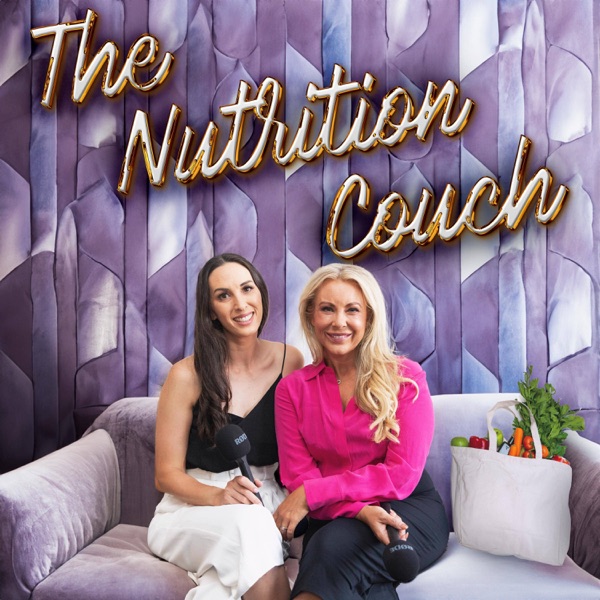
The Nutrition Couch
Unlock your best health in just 30 minutes a week. Join the thousands of listeners who’ve transformed their lives with The Nutrition Couch, Australia’s top-ranked nutrition podcast. Each Wednesday at 6am AEST, dietitians Leanne Ward and Susie Burrell deliver powerful, bite-sized advice that’s easy to implement and designed to make healthy living simple and enjoyable.
Ready for a healthier you? Subscribe now and start your journey with actionable tips that fit seamlessly into your busy life. Don’t wait—your path to better health begins here with The Nutrition Couch.
- Episodes
- 366
- Releases
- Weekly
- Typical length
- 31 min
- On air since
- 2021
- Latest episode
- 11 hours ago
Episodes
366 episodes, newest first
-
27 min
The Best Breadcrumbs for Your Schnitzel + Can B Vitamins Help Migraines?
Season 6, Episode 365
Show notes
That crumb on your schnitzel could be adding the same carbs as two slices of bread. And the multigrain box that looks like the healthy choice might be the worst one on the shelf.
This week on The Nutrition Couch, Susie Burrell and Leanne Ward tackle the supermarket breadcrumb aisle for the first time in around 360 episodes. Then they unpack new research on B vitamins and migraines, and review a crumbed chicken that actually gets a pass from Leanne. They also answer a listener question about the kids’ greens gummies you’ve probably spotted at the chemist.
What’s really in your breadcrumbs
Susie compares the classic boxed crumbs many of us grew up with against today’s panko options. One of the boxed crumbs has an ingredient list so long it should go straight back on the shelf. You’ll hear why around 50 g of crumb, roughly four tablespoons, can add 200 calories and more than 30 g of carbs to a single piece of chicken. Susie also shares which panko brands have the cleanest labels, and Leanne explains why a client of hers was horrified by the label on a multigrain crumb. Plus Susie and Leanne’s tips for making your own crumb at home with wholegrain bread or LSA, and when store-bought panko is actually the better choice.Vitamin B6, folate and migraines
A study of more than 7,000 adults found that people with higher dietary intakes of vitamin B6 and folate were less likely to report severe headache or migraine. Leanne explains why this observational research has real limits and which foods to focus on first. She also explains why she’s cautious about B6 supplements, given reports of nerve symptoms like tingling and numbness even at doses many people would consider low. Then she shares the nutrient with stronger trial evidence for migraine prevention, and why you should talk to your GP or dietitian before trying it.Product review: Steggles High Protein Chicken Tenders
The tenders are 71% chicken, with more than 40 g of protein per serve and under 10 g of carbs. Susie thinks this could be one of the best crumbed chicken options in the supermarket right now. Leanne, our resident high-protein sceptic, mostly agrees, but she points out exactly how that extra protein gets in there. She also suggests what to serve the tenders with to keep them a genuinely healthy midweek dinner.Listener question: are greens gummies worth it for fussy eaters?
A parent asks whether Little Swisse Fussy Eater Greens Gummies are worth adding to a fussy toddler’s diet. Leanne breaks down the label, including how little of each gummy is actually greens and what most of it is made of instead. She also shares what she would choose for a fussy eater who genuinely needs to fill nutrient gaps.If you’ve got a schnitzel lover, a migraine sufferer or a fussy eater at home, send this one their way. New episodes every Wednesday.
See https://omnystudio.com/listener for privacy information.
-
32 min
Weight Loss Non-Negotiables Before Party Season + The Nut Calorie Surprise
Season 6, Episode 364
Show notes
What separates the women who reach their weight loss goals from the ones who feel like they’re always starting again on Monday? After years of working one-on-one with busy women, Leanne and Susie have noticed the same small set of habits again and again. With party season about to start, this is the time to lock them in.
The non-negotiables our most successful clients never skip
This isn’t about willpower or perfection. Leanne explains why protein at breakfast is where most women fall short, why pre-deciding your meals beats relying on willpower at 6pm, and why eating the same calories every day can work against you. Susie covers why the weekend is where most progress quietly disappears. She explains how small extras like arancini and an extra slice of cake can add up to hundreds of calories a week. She also explains why steps and Pilates alone may not be enough, and gives the heart rate range she wants to see in your workouts.
Walnuts, inflammation and the nut calorie myth
New research on older adults from Loma Linda, one of the world’s Blue Zones, links a daily handful of walnuts to a less inflammatory diet. Susie explains who should eat walnuts most days, and why you probably need less of your nut and seed mix than you think. She also explains why your body doesn’t absorb all the calories listed on a packet of whole nuts, and why nut butter doesn’t get the same benefit.
Supermarket review: Streets Solero Mini Dessert Sticks
The ingredient list is long, but each stick is only about 55 calories. Leanne and Susie talk about the common trade-off between lower calories and cleaner ingredients, and why portion-controlled treats can be a smart choice for adults and kids.
Listener question: Is coconut water good for hydration?
It’s marketed as nature’s sports drink, but the sugar content might surprise you. Leanne and Susie explain when coconut water is fine to have and what they recommend instead when you really need to rehydrate.
Support the podcast and check out our science-backed supplement range, made by dietitians for busy women, at designedbydietitians.com
See https://omnystudio.com/listener for privacy information.
-
31 min
Is Your Ferritin Really Normal? New Iron Guidelines + High-Protein Cereals
Season 6, Episode 363
Show notes
One in three young Australian women don’t have enough iron stored. And if you’ve ever been told your ferritin is normal while feeling exhausted, breathless on the stairs and unable to recover from training, a brand new international guideline suggests your result may not be normal at all.
This week on The Nutrition Couch, Leanne Ward and Susie Burrell unpack the latest iron data, put the new wave of high-protein cereals to the test, and answer your berberine questions once and for all.
Your ferritin might not be as normal as you think
New data released for Iron Awareness Week shows iron deficiency is still one of the biggest issues for Australian women, and Leanne reveals which age group is hit hardest (it’s probably not who you’d expect). She explains the new American Society of Hematology guideline that more than doubles the ferritin cut-off for diagnosing iron deficiency, why women with heavy periods may need to aim even higher, and what to ask your GP if your levels have been sitting in the teens for years. Plus the everyday habits that quietly block iron absorption.High-protein cereals: worth it or just clever marketing?
Susie is surprisingly open to them. Leanne isn’t convinced 15 grams gets you anywhere near enough. Hear the ingredient checks to make before you buy, why most women need closer to 30 grams of protein at breakfast, and easy ways to turn a bowl of cereal into a meal that actually keeps you full until lunch.$11.90 for frozen chocolate raspberries?
The hosts review Bomberry’s chocolate-coated raspberries, the realistic serve size (spoiler: nobody eats three), and Susie’s favourite 90-calorie ice cream swap.Is berberine really nature’s Ozempic?
What the research actually shows for blood sugar, cholesterol and weight loss, who might benefit, and why you won’t find it in the Designed by Dietitians range.If someone you know is always tired, send them this episode. It could be the nudge they need to get their iron checked.
See https://omnystudio.com/listener for privacy information.
-
36 min
Why Eating More Fibre Can Make Constipation Worse
Season 6, Episode 362
Show notes
Eating more fibre but feeling more blocked, bloated or sluggish than ever? You’re not imagining it, and you’re definitely not alone.
This week Leanne and Susie explain why piling on more fibre so often backfires. It’s especially common if you’re in a calorie deficit or taking a GLP-1 medication like Ozempic or Mounjaro. Leanne breaks down the three types of fibre your gut actually needs and how each one works. She also explains why your lettuce, tomato and cucumber salad isn’t doing as much for your bowels as you think.
Then they dig into a brand-new JAMA Psychiatry trial that found cutting back on ultra-processed foods improved depression scores in just four weeks, and how it builds on Australia’s landmark SMILES trial. Plus there’s Leanne’s $7 supermarket pizza find, with an ingredient list she says she couldn’t beat at home. And a listener question has Leanne and Susie (rarely!) disagreeing: can peanut butter be your main fat?
In this episode:
• Why more fibre can make constipation worse, and the low and slow rule that fixes it
• The three types of fibre:• gel-forming fibre (psyllium, chia, oats, kiwifruit)
• roughage (bran, wholegrains, skins left on)
• fermentable fibre and resistant starch, which feed your gut bugs• Why two kiwifruit a day is great, but not enough on its own
• Why the 20g of fibre in your protein bar isn’t the same as fibre from whole foods
• Susie’s gut tips for GLP-1 users: cooked veggies over salads, wheat bran vs oats, moving through the day, and eating little and often
• The new study on ultra-processed food and depression, and what the SMILES trial already showed us
• The La Napoli Wood Fired Margherita pizza from Woolworths: four simple ingredients and about 20g of protein per half pizza
• Peanut butter as your main fat: how much you need, and why Leanne and Susie land on different daily fat targetsResearch mentioned:
• Chagwedera DN et al. Reducing Ultraprocessed Foods From the Diets of Patients With Depression: A Pilot Crossover Trial. JAMA Psychiatry, 2026.
• Jacka FN et al. A randomised controlled trial of dietary improvement for adults with major depression (the SMILES trial). BMC Medicine, 2017.New episodes drop every Wednesday. If this one helped, send it to a friend who’s been battling a sluggish gut. A rating or review on Apple Podcasts or Spotify helps more people find the show.
Follow Leanne on Instagram @leannewardnutrition and Susie @susie_burrell.
See https://omnystudio.com/listener for privacy information.
-
32 min
Is It Okay to Skip Dinner If You're Not Hungry? + The Caffeinated Calippo
Season 6, Episode 361
Show notes
Coffee instead of breakfast. Lunch at 2pm. Something at 5pm because you're starving, then dinner at 7.30 and maybe dessert after that. If that sounds like your day, this episode is for you.
This week on The Nutrition Couch, Leanne Ward and Susie Burrell unpack why our meals keep sliding later and later, what that does to hunger and metabolism, and why it's okay to skip a meal when you're genuinely not hungry, as long as you follow one important rule.
Why your eating day keeps drifting later
Susie explains why the real benefit of a shorter eating window comes from finishing earlier, not from pushing breakfast back. She covers why a balanced meal should keep you full for three to four hours, why dinner around 6pm can make such a difference if you're struggling with weight, hormones or metabolism, and why this isn't a one-size-fits-all rule for everyone.Skipping a meal? Don't skip this
Leanne shares the caveat she gives clients every week. If you're not hungry, you don't need to force a full meal, but you shouldn't skip your protein either. She explains why most women can't hit their protein needs on two meals a day, and the easy options she reaches for instead, like a high-protein yoghurt or a scoop of Designed by Dietitians Digestive Protein.Does tracking your food actually work?
A new study of more than 5,000 food tracking app users found that people who logged six to seven days a week lost around two-thirds more weight than those who logged fewer than two. Leanne explains why the results come with a big asterisk, and Susie shares the simpler approach she uses in clinic that can be just as eye-opening.Product review: an ice block with caffeine?
The new Calippo+ Energy has 30mg of caffeine per tube, about the same as an instant coffee, plus more than three teaspoons of sugar. Who it might suit, who should steer well clear, and the simple reference point every parent needs. Plus Susie's new Maxibon obsession and Leanne's very strong feelings about banana flavour.Listener question: how much food do kindy kids really need?
A kindergarten teacher asks whether children are being overfed. Leanne explains why afternoon tea matters at this age and how she uses Ellyn Satter's division of responsibility with her own girls. Susie shares a simple lunchbox formula, including the one-packet rule that helps the rest of the lunchbox actually get eaten.Share this episode with the friend who lives on coffee until lunchtime.
See https://omnystudio.com/listener for privacy information.
-
32 min
Is Your Kids' Sunscreen Safe? Plus Why Loving a Fast Food Brand Changes How You Eat
Season 6, Episode 360
Show notes
A new study found a common sunscreen chemical at surprisingly high levels in Queensland kids, and if you're a parent you've probably already seen the headlines. So what does it actually mean, and should you be changing what goes on your kids' skin this summer?
This week on The Nutrition Couch, Leanne and Susie cut through the alarmist sunscreen coverage with a calm, evidence-based look at the research. Then they unpack new research showing that the more you like a fast food brand, the healthier you believe it is, and the poorer your overall diet tends to be. Plus the 18-calorie burger sauce Leanne happily paid $8 for, and the truth behind the viral claim that you should never blend bananas and berries.
In this episode:
• What the new homosalate study really found in Aussie kids, why Australia allows more than double the concentration Europe permits, and what the TGA is saying
• Leanne's no-panic approach to choosing a kids' sunscreen, and why zinc isn't automatically the better option
• The melanoma story that shows why yearly skin checks and acting early matter
• New research on fast food brand loyalty, and why the "healthier option" on the menu can quietly give you permission to eat more of it
• What Susie is seeing in clinic with GLP-1 users and fast food
• Why fast food sponsorship in sport, from cricket to State of Origin, shapes what our kids think is normal
• Product review: Fropro Fit Sauce Burger Mayo, the nutrition panel, the ingredient list, and Leanne's cheeseburger salad hack for eating more veg
• Listener question: should you stop putting bananas and berries in your smoothie? Where the claim started, the tiny eight-person study behind it, and why both dietitians are still blending them togetherSee https://omnystudio.com/listener for privacy information.
-
29 min
Tomato Sauce Ranked by Dietitians + Can Creatine Add 48 Mins of Sleep?
Season 6, Episode 359
Show notes
That bottle of tomato sauce in your fridge could be anywhere from 53% tomatoes to 87%. And the brand that comes out on top will probably surprise you.
This week on The Nutrition Couch, Leanne Ward and Susie Burrell work through the supermarket sauce aisle so you don't have to, then unpack the creatine sleep study that has been all over your feed.
The tomato sauce ranking every family needs
Leanne reveals which sauces have the highest percentage of tomatoes, which ones quietly swap sugar for sweeteners, and which "fancy" glass bottle brands are among the lowest in the aisle. She also shares the three brands to choose if buying Australian-grown tomatoes matters to you, because the top performers mostly aren't. Susie's top picks will be on our Instagram as a swipe-through so you can save them for your next shop.Does creatine really give you 48 more minutes of sleep?
The headline is real, but the study behind it is far more specific than Instagram is letting on. Susie explains who was actually studied, why the benefit only showed up on certain days, and what it means for women in perimenopause and menopause. Leanne then covers a completely different line of research on creatine and sleep deprivation, which is very relevant for shift workers and parents of little ones, plus the one safety point you can't skip if you take more than the usual dose.Plus:
Leanne gives her verdict on Susie's new favourite supermarket crumbed chicken, and a listener asks the hosts to settle a sister showdown: is carob actually healthier than chocolate? The answer comes down to one number on the label most people never check.Got a specific supplement question? Join the Designed by Dietitians private community group on Facebook. Send us a DM and we'll share the link.
If this episode helped you, share it with someone who loves their tomato sauce.
See https://omnystudio.com/listener for privacy information.
-
27 min
Every Supermarket Crumbed Chicken Ranked: The Shocking Chicken Percentages and the Brands to Buy and Avoid
Season 6, Episode 358
Show notes
Most Australians buy crumbed chicken from the supermarket regularly. Very few have any idea that some of those products contain as little as 28% actual chicken.
This week Leanne and Susie go through every major supermarket crumbed chicken product on the Australian market, from Woolworths and Coles to Aldi and the big brands like Ingham's and Steggles, and rank them by actual chicken content. The results are genuinely surprising, and not always in the way you would expect.
Then they cover new CSIRO research on protein needs for women in the menopausal transition, and the specific data point that explains why so many women are eating well but still not seeing the results they are looking for.
In this episode:
• Every major supermarket crumbed chicken product ranked by percentage of actual chicken: the Woolworths products that come out on top, the Coles products that disappoint, the Aldi chicken schnitzel with only 28% chicken, and why the price you pay does not predict the quality you get
• Why Ingham's and Steggles crumbed products consistently fall short, and the one Steggles product Susie does recommend that is almost impossible to find outside of Costco
• Why crumbing chicken at home is always the better nutritional choice, what to use instead of standard supermarket breadcrumbs, and Susie's Bergen soy linseed crumb method
• The difference between a thin crust and a thick batter schnitzel and why it matters for the chicken percentage you are actually getting
• New CSIRO analysis of over 1,300 women in midlife: why most women in the menopausal transition are falling 35 grams short of optimal daily protein intake, what 1.2 grams per kilogram of body weight looks like in practice, and why breakfast and lunch are where women consistently fall short
• Why swapping dairy milk for oat milk and Greek yogurt for coconut yogurt can quietly remove 20 or more grams of protein from your day without you noticing
• The Alinas Bakehouse Seeded Brown Rice Gluten-Free Crackers reviewed: 52% seeds, five clean ingredients, almost three grams of fiber per serve, and why Susie is giving them five out of five
• Is it better to exercise in two 15-minute sessions or one 30-minute session? The research on accumulated daily movement, why the answer changes depending on whether your goal is cardiovascular health or strength building, and why the best routine is the one you will actually do consistently.See https://omnystudio.com/listener for privacy information.
-
33 min
Your GLP-1 Questions Answered: Do You Have to Take Them Forever, Will You Lose Muscle, and Is Retatrutide Safe in Australia?
Season 6, Episode 357
Show notes
GLP-1 medications are now so widely used that most people know someone who is on them or have been tempted to try them themselves. But the questions that come with these medications, how long, how much, what happens when you stop, and what about the black market options circulating online, rarely get answered clearly.
This week Leanne and Susie work through the most frequently asked questions they receive about GLP-1 medications, with straight clinical answers rather than pharmaceutical company talking points. They also cover a brand new 2026 study on pork and weight loss that will reassure anyone who has been told they have to give up pork to lose weight.
In this episode:
• Do you have to stay on GLP-1 medications forever? Susie's clinical answer, who actually needs long-term use versus who can come off them, and the weaning strategy she uses with clients
• Who these medications are and are not appropriate for: the specific thresholds around body weight, waist measurement, and family history that Susie uses before recommending them to a client
• How to prevent muscle mass loss on GLP-1 medications, why some degree of muscle loss is unavoidable in a calorie deficit, and why extreme calorie restriction makes this significantly worse
• Why rapid weight loss on GLP-1 medications causes the face and neck changes people are calling Ozempic face, and why slower, more gradual weight loss over six to twelve months is the better approach for every reason
• How to still enjoy food on these medications: why controlling the dose is the key, and what it should feel like when the medication is working properly
• Why retatrutide is not approved in Australia, what the TGA has said, and why the black market version being sold through beauty clinics and informal networks is not safe under any circumstances
• A brand new May 2026 study published in the Journal of Nutrition and Diabetes: what happened when habitual pork consumers followed a structured weight loss program, why 5.3% body weight loss is considered clinically significant, and what it means for how you think about pork in a healthy diet
• Why lean pork cuts are an underrated budget-friendly protein source, and Leanne's two favourite ways to cook pork that stretch a $20 to $22 cut into ten to twelve meals
• The Woolworths Potato Utopia duck fat potatoes reviewed: 91% potato, 2.9% duck fat, 188 milligrams of sodium, and a surprisingly modest nutritional profile for what is essentially an indulgent frozen side dish
• Is granola healthy? The honest answer, what to look for on the label, why portion size matters more than the granola itself, and the specific brands Susie reaches forSee https://omnystudio.com/listener for privacy information.
-
33 min
Is the Anti-Inflammatory Diet Actually Real? What the Science Says and the Foods That Genuinely Make a Difference
Season 6, Episode 356
Show notes
Inflammation is everywhere right now. On Instagram, in wellness spaces, in your DMs. Everything from weight gain to brain fog to sore joints is being blamed on cortisol and chronic inflammation, and a growing number of people are convinced they cannot exercise, eat in a calorie deficit, or live normally because it will make their inflammation worse.
So is any of this true? And is an anti-inflammatory diet actually a real thing?
This week Leanne and Susie take on one of the biggest buzzwords in nutrition right now and give it a proper evidence-based look. They unpack what inflammation actually is and why the way it is being described online is often completely inaccurate, what the research on polyphenols and anthocyanins actually shows, and which foods are genuinely worth prioritising if reducing inflammation is your goal.
This episode is proudly brought to you by Queen Garnet, Australia's antioxidant plum. Leanne and Susie share the research behind Queen Garnet throughout this episode, and you can find the full range at queengarnet.com.
In this episode:
• The two types of inflammation and why they are completely different: why acute inflammation from exercise, injury, or illness is a normal and healthy response, and what chronic low-grade inflammation actually looks like and why it develops
• Why a single weekend of eating badly, a glass of wine, or a slice of pizza is not putting your body into a chronic inflammatory state, and the specific lifestyle patterns that do contribute to inflammation over time
• The misinformation that is actively harming people: why telling someone with PCOS that they cannot exercise or diet because it spikes cortisol and causes inflammation is not only incorrect but counterproductive
• Why the Mediterranean dietary pattern consistently outperforms every other approach when it comes to reducing inflammatory markers, and the specific foods driving that result
• A review of a randomized, double-blind controlled trial on Queen Garnet plum juice: what happened to blood vessel function and vascular inflammatory markers when participants consumed a high antioxidant juice alongside a high fat meal, even in a single meal occasion
• A 12-week randomized controlled trial on anthocyanin-rich foods and adipose tissue function: what researchers found about how polyphenol-rich whole foods may influence metabolic processes in fat tissue and why this matters for metabolic health
• What anthocyanins and polyphenols actually are, which foods contain the highest concentrations, and why the bright red, purple, and orange colours in fruits and vegetables are a direct indicator of antioxidant content
• The Queen Garnet Antioxidant Plum Nectar reviewed: why it has approximately six times the antioxidant content of blueberries, how to use it, who it is most beneficial for, and where to find it year-round when the fresh fruit is out of season. Available at queengarnet.com, with a 20% saving on subscription
• Practical daily habits that genuinely shift inflammatory pathways: extra-virgin olive oil, walnuts, herbs and spices, green tea, brightly coloured vegetables, and the case for seven to ten serves of fresh produce every day.See https://omnystudio.com/listener for privacy information.
-
28 min
How Much Protein Is Too Much? The 80-Gram Burger That Prompted the Question, Plus New Research on the Best Diet for Menopause
Season 6, Episode 355
Show notes
Fast food chains are now launching burgers with 80 grams of protein and calling it high performance. But is that actually good for you, or has the protein craze officially gone too far?
This week Leanne and Susie answer the question the fitness industry does not want to talk about: how much protein is actually too much, what your body does with the excess, and why the race to push protein higher in every product on the market is starting to work against the very goals it claims to support.
Then they cover a brand new study published in JAMA Network Open that identified two very different dietary patterns linked to weight management through the menopausal years, including one that most people have never heard of and that contradicts almost everything being said about menopause diets online right now.
In this episode:
• The new Grilled High Performance burger range: 80 grams of protein, over 700 calories, and why Leanne thinks even her beloved Grilled has gone too far with this one
• How much protein the body can actually utilise in a single meal, why the old 30-gram rule has been updated by recent research, and what happens to protein calories your body does not need
• Why small women are often overdoing protein at the expense of good fats, and why the macronutrient ratio matters as much as the total protein number
• A brand new 12-year study of over 38,000 women from the Nurses Health Study published in JAMA Network Open: the two dietary patterns most effective at preventing weight gain through the menopausal years, and why their results are surprisingly contradictory
• The planetary health diet and the low insulinaemic diet: what they actually are, how differently they approach carbohydrate and fat, and what Susie thinks the contrasting results reveal about the two main metabolic subtypes in perimenopause and menopause
• Why there is still no single magic menopause diet, and why working with a dietitian to personalise macronutrient ratios to your own glucose regulation and metabolic response remains the most effective approach
• A high-fiber vanilla custard from the South Australian Gourmet Food Company reviewed: who this product is actually for, why inulin is not Leanne's favourite fiber type for digestive health, and why she would reach for kiwi fruit or oats first
• How to take collagen and creatine consistently every day without having to force yourself to drink a shake: the coffee method, the yogurt method, the supplement stack, and why the research really does require eight to twelve weeks of daily use before results appear
• Why collagen peptides dissolve perfectly well in hot drinks despite what you may have heard, and the simple trick for avoiding clumpingSee https://omnystudio.com/listener for privacy information.
-
34 min
Every Milk Ranked by Two Dietitians: Dairy, Oat, Soy, Almond and More, Plus Miranda Kerr's Diet Advice Fact-Checked
Season 6, Episode 354
Show notes
If you have switched to oat milk because you think it is healthier than dairy, this episode has some important information for you. And if you saw Miranda Kerr's diet advice doing the rounds in the media this week, Leanne and Susie have thoughts.
This week the team does a full ranking of every milk on the market, from full cream dairy to oat, soy, almond, coconut, and the new high-protein dairy milks, covering protein, calcium, fortification, what to check on the label, and who each one is actually best suited to. Then they respond to Miranda Kerr's widely covered restrictive diet recommendations with the specific nutritional corrections the media cycle did not bother to include.
In this episode:
• Every milk ranked by protein, calcium, and overall nutritional quality: dairy milk, soy, oat, almond, coconut, high-protein dairy blends, and why the answer to which is healthiest is not what most people assume
• Why oat milk is higher in carbohydrate, lower in protein, and often sweetened without people realising, and why the barista varieties from cafes are frequently not calcium-fortified at all
• Why soy milk is Leanne's personal choice and her preferred dairy alternative for clients, including the phytoestrogen angle for women in perimenopause and menopause
• The one thing to always check when buying any plant milk, why 300 milligrams of calcium per cup is the number to look for, and what most people are missing when they pick up almond milk thinking it is a nutritious swap
• Miranda Kerr's diet recommendations fact-checked: no eggs, no kale, no sushi, no salmon, no sourdough, venison for breakfast, and caviar as a protein source. What is actually wrong with this, why it is a concern when mainstream media amplifies it, and why the foods she is avoiding are among the most nutritionally valuable you can eat
• Why you can absolutely cook with extra virgin olive oil and always could, and the claim about salmon and mercury that is not supported by the evidence
• The new Philadelphia Protein Cream Cheese exposed: why the regular light Philadelphia and the protein version are nutritionally near-identical per 100 grams, and why the only meaningful difference is that the serving size has been increased
• How to find leaner and cheaper cuts of meat as beef prices continue to rise, why pork is underrated as a high-protein budget option, why slow cooker cuts are one of the best investments in your weekly food budget, and what to do if the supermarket sells you a fatty cut you cannot useSee https://omnystudio.com/listener for privacy information.
-
30 min
The Food Fraud Documentary Every Australian Is Talking About, the High-Protein Ham Scam, and What Strength Training Actually Means
Season 6, Episode 353
Show notes
If you watched the ABC Four Corners food fraud documentary and felt unsettled but were not quite sure what to do with the information, this episode is going to help. Leanne and Susie cut through the noise, share their honest dietitian response to what was actually alarming versus what was sensationalised, and give you the practical takeaways that matter.
Then they expose one of the most misleading supermarket product launches in recent memory, and explain something most women who exercise regularly do not want to hear: the workouts you are calling strength training probably are not.
In this episode:
• The ABC Four Corners documentary Duped: what Leanne and Susie actually think, what the investigation got right about tomato products and country of origin claims, why supermarkets and food regulators are equally responsible for the lack of accountability, and what you can practically do to reduce your exposure
• Why claims of Australian-made or Italian-grown do not always mean what you think they mean, and which food categories are most likely to be affected by supply chain substitution
• The xanthan gum research: a new study linking this common food additive to mild colon inflammation and changes to the gut microbiome in animal models, what a large French cohort study of over 100,000 adults found about emulsifier intake and cancer risk, and who specifically should be paying closer attention to this ingredient
• Primo's new High Protein Ham range exposed: how they appear to have increased the protein content without meaningfully changing the product, why the World Health Organization classifies processed red meat as a carcinogen, and the much cheaper and far better protein sources Leanne and Susie recommend instead
• Why going to the gym and lifting weights is not the same as strength training, what progressive overload actually means and why most women are not doing it, and why Pilates with one-kilo dumbbells is not building the bone density and muscle mass the guidelines are recommendingThe bone health case for proper strength training: how mechanical load stimulates osteoblasts to lay down new bone, why this matters more from your 40s onward as estrogen declines, and the most practical way to get started if you genuinely do not know whether you are doing enough
See https://omnystudio.com/listener for privacy information.
-
46 min
Why the Last Few Kilos Are the Hardest to Lose and the Tricks That Actually Work, Plus the Lowest Calorie Options at Your Favourite Fast Food Chains
Season 6, Episode 352
Show notes
If you have already done the hard work, lost a decent amount of weight, and are now staring at the same two or three kilos that simply will not budge, this episode is going to make a lot of sense of what is happening and exactly what to do about it.
Leanne and Susie break down the real physiology behind why losing the last few kilos is significantly harder than losing the first ten, why the strategies that got you here are not the ones that will get you there, and the specific changes that actually move the needle when you are already doing most things right.
Then they do the research nobody wants to do themselves: wading through the menus at Eljana, Grilled, Nando's, A Perto, Guzman y Gomez, Subway, Betty's Burgers, Fishbowl, and more to find the lowest calorie, highest protein options you can actually order without sacrificing the whole meal.
In this episode:
• Why losing 30 kilos is genuinely easier than losing three, the physiology of why the human body resists leanness, and why everything that worked before will eventually stop working
• Why going to bed slightly hungry is actually a useful signal when you are trying to lose the last few kilos, and why the fear of hunger is one of the main things holding people back
• Why eating earlier rather than eating less can be one of the most powerful and sustainable strategies for shifting stubborn body fat, and how to apply it practically around a busy family schedule
• Why some people need to do less exercise, not more, to finally see the scale move, and how to tell which camp you are in
• The role of the weekend in undoing five days of good eating, why most people are maintaining rather than losing without realising it, and the one change that breaks the cycle
• The lowest calorie, highest protein options at Eljana, Grilled, Nando's, A Porto, Guzman y Gomez, Subway, Betty's Burgers, Fishbowl, and KFC. Specific menu items named, calorie counts given, and honest advice on what is actually worth ordering versus what just looks healthy
• Why Guzman y Gomez burritos and bowls are significantly higher in calories than most people assume, and the menu hack that most people would never consider
• Why a well-chosen burger from Grilled or Nando's is often a better nutritional choice than sushi, and what to ask for to drop the calorie count further without sacrificing the meal
• The Arnott's Quattro Caramel and Peanut Bar reviewed: 140 calories, five grams of protein, 33 ingredients, and the honest debate between Leanne and Susie about whether it is genuinely healthier than a chocolate bar or simply better marketingThe vitamin C question answered with the actual evidence: does it prevent colds, does it shorten them, and is there anything better to take in winter if that is your goal
See https://omnystudio.com/listener for privacy information.
-
29 min
Why GLP-1 Medications Like Mounjaro Stop Working, and the Coles and Woolworths Products Two Dietitians Buy Every Week
Season 6, Episode 351
Show notes
If you or someone you know is on a GLP-1 medication like Ozempic, Wegovy, or Mounjaro and the results have plateaued, or the weight is starting to creep back, this episode has the explanation you have been looking for and it is probably not what your doctor told you.
This week Susie breaks down exactly why these medications stop working for so many people, what is actually going wrong metabolically, and what to do about it instead of just increasing the dose. Then Leanne takes over for a genuinely useful segment on the Coles and Woolworths home brand products both dietitians buy every single week, which ones are just as good as the branded version, and which ones they would never swap out.
In this episode:
• Why GLP-1 medications like Mounjaro, Ozempic, and Wegovy stop working: the two metabolic patterns Susie sees most commonly in her clients, and why increasing the dose is often exactly the wrong response
• Why dramatically reducing calorie intake without addressing muscle mass and exercise will always lead to a plateau, and the counterintuitive reason why eating a little more and reducing the dose can actually restart results
• Why muscular, active women are particularly vulnerable to GLP-1 plateaus, and how being in carbohydrate no man's land sabotages fat burning even when the medication is working properly
• Why these medications should never be given without dietitian support, and what to actually focus on if you want to come off them eventually without regaining the weight
• The Coles and Woolworths home brand products Leanne and Susie buy every single week without hesitation: rolled oats, canned legumes, passata, frozen vegetables, cottage cheese, Greek yogurt, chicken breast bites, marinated chicken, and more. Specific product names, aisle locations, and honest reasons why
• Why the Coles Kitchen frozen grilled vegetables and the Woolworths chicken breast bites are non-negotiables in both shopping trolleys, and the specific products in the Coles Perform and Coles Kitchen ranges that keep making it back onto the list
• The Aldi Gourmet Protein Bar reviewed: 10 grams of protein, 37% nuts and seeds, less than a dollar per bar, and a price-per-protein calculation that puts most supermarket bars to shame. What the ingredient list actually contains and who this bar is genuinely suited to
• Continuous glucose monitors: who actually needs one, why Leanne and Susie have both turned down paid partnerships with CGM companies, and the specific situations where they might genuinely be useful versus where they are more likely to create unnecessary food fearSee https://omnystudio.com/listener for privacy information.
-
31 min
Where Does Body Fat Actually Go When You Lose It? Plus the Best Dietitian Tricks to Avoid Winter Weight Gain
Season 6, Episode 350
Show notes
Most people have no idea what actually happens to body fat when they lose it. They assume it is sweated out, burned off somehow, or just disappears. The real answer is both surprising and genuinely fascinating, and it changes how you think about fat loss entirely.
This week Leanne and Susie open with the science behind what actually happens to fat cells when you lose weight, why fat cells shrink rather than disappear, and what that means for keeping weight off long term. Then they get into the practical stuff: their best tricks for avoiding that slow winter weight creep that catches so many people out between June and August.
In this episode:
• The surprising science of fat loss: where body fat actually goes when you lose it, why the answer involves your lungs and not your sweat glands, and what happens to fat cells after you lose weight that makes maintaining that loss genuinely harder than most people realise
• Why fat cells shrink rather than disappear, what that means for long-term weight management, and why working with a dietitian to maintain weight loss is often more important than working with one to lose it
• The winter weight gain conversation: why it happens, why exercise drops off before food quality does, and the three practical strategies Leanne and Susie use with clients every winter to come out the other side feeling good in their clothes
• Why a hot lunch makes more difference to afternoon cravings than most people expect, the slow cooker approach to packing in protein and vegetables without giving up comfort food, and the specific swaps that lighten up winter favourites without removing the enjoyment
• The new Moccona Protein Latte Coffee from Woolworths: 10 grams of protein, $10 for eight serves, bovine collagen as the first ingredient. What Leanne and Susie actually think, who it is and is not for, and the important protein quality point about collagen that most people buying this have not consideredWhy making your coffee on dairy or soy milk at home gives you a comparable amount of protein with significantly less processing, and why the caffeine content of this product is lower than most people would expect
The oxalate question answered plainly: do oxalates in spinach and leafy greens actually block iron absorption, should you be avoiding them with iron-rich meals, and the only situation where oxalates genuinely warrant attention in your diet
See https://omnystudio.com/listener for privacy information.
-
35 min
Why Your Iron Supplements Might Not Be Working, and the Collagen Truth Every Woman Needs to Know
Season 6, Episode 349
Show notes
If you have taken iron supplements for months and your ferritin still is not coming up, there is a physiological reason for that. And it is not your fault.
A study published in The Lancet Haematology found that taking iron supplements on consecutive days actually blocks absorption due to a hormone called hepcidin, and that alternate-day dosing improved iron uptake by 40 to 50%. This is one of the most practically useful pieces of research the show has covered, and Leanne and Susie break it down clearly so you know exactly what to do differently.
This week also includes a straight-talking collagen segment, the fibre maxing trend assessed honestly, and a review of the new Woolworths high-protein meal range.
In this episode:
• The fibre maxing trend on TikTok and Instagram: why Leanne and Susie actually support the idea, what most people get wrong about increasing fibre too quickly, and why processed fibre from bars and wraps is not the same as fibre from whole foods
• Why consistency with fibre matters more than volume, what happens to your gut during travel and weekend eating, and the three things that need to work together for good digestive health
• The Lancet Haematology iron absorption study: what hepcidin is, why it blocks iron absorption for 24 hours after a high dose, and why taking iron every day may actually be preventing your levels from improving
• Why alternate-day iron supplementation improved absorption by 40 to 50% compared to daily dosing, and the practical implication for how much to take and when
• Whether an iron infusion is still preferable for people who struggle with oral supplements, why follow-up blood tests are essential, and the one mistake Leanne sees women make once they start feeling slightly better
• The new Woolworths Teriyaki Chicken Bowl reviewed: 35 grams of protein at $12, brown rice, edamame, and quinoa, what a client who tried it actually said, and whether frozen meals might genuinely be the better option in this category
• The collagen evidence honestly assessed: what the research actually shows for skin, joints, and wrinkle depth, why you need to take it daily for 8 to 12 weeks to see results, and the specific trademarked peptide called Verisol that has the most clinical research behind it
• Why marine collagen is not superior to bovine collagen despite what you have seen online, how much you need for skin versus joint health, and why some brands charging $80 to $90 are not giving you anything better than a well-formulated $37 optionSee https://omnystudio.com/listener for privacy information.
-
29 min
The Best Things to Buy at Aldi According to Two Dietitians, Plus Why AI Diet Plans Are Getting Your Calories Wrong by Hundreds
Season 6, Episode 348
Show notes
If you shop at Aldi regularly or have been thinking about adding it to your grocery rotation, this episode is going to save you time and money. Leanne and Susie share their personal Aldi favourites, the specific products they recommend to clients, and the ones that look good but do not stack up.
And if you have ever used AI to get nutrition advice, track your intake, or build a meal plan, there is a study published earlier this year that you genuinely need to hear about.
In this episode:
• The Aldi products Leanne and Susie actually buy and recommend, across fresh produce, protein, dairy, snacks, frozen meals, and a few honest indulgences. Specific product names included, no vague recommendations
• Why the leafy greens at Aldi outperform the major supermarkets for freshness and shelf life, and how to store them to make them last even longer
• The Aldi protein yogurt, low-carb protein bread, beetroot hummus, tuna bean cups, and almond butter that both dietitians put on their regular shopping list and why
• A new study from March this year published in Frontiers in Nutrition comparing AI-generated diet plans against dietitian-designed plans: AI underestimated calories by up to 600, protein by 20 grams, and carbohydrates by 100 grams. Not a small margin of error, a significant one
• Why the false confidence AI creates around calorie and nutrient counts is the real danger, and the specific situations where Leanne and Susie would and would not use it in a nutrition context
• The Mission Carb Balance wrap reviewed: 16 grams of fibre and four grams of carbohydrate per wrap, a five-star health rating, and Leanne's strong views on why this product is not what it appears to be
• Why ultra-processed, low-carb wraps with modified wheat starch, wheat gluten isolate, and 16 grams of added fibre are a problem for most women's digestive health, and what to eat instead
• The creatine and heat question answered properly: can you add creatine to porridge, baked oats, or warm drinks without losing its effectiveness? What temperatures and time frames matter, and the one mistake Leanne sees clients make all the time with their creatine drink bottleSee https://omnystudio.com/listener for privacy information.
-
28 min
The Weight Loss Peptide Warning Every Australian Needs to Hear Right Now, Plus the Best Diet for High Blood Pressure
Season 6, Episode 347
Show notes
Six Australians have developed acute liver failure after purchasing counterfeit weight loss peptides online. The TGA and the Victorian Department of Health have both issued urgent warnings this week. And yet these products are still a Google search away from anyone who wants them.
If you have seen retatrutide or any weight loss peptide being promoted on TikTok or Instagram, or you know someone who has bought one through a gym contact, a beauty clinic, or an online supplier, this episode is essential listening.
Leanne and Susie cover the full picture this week: what these peptides actually are, why buying them outside of a prescription is genuinely life-threatening, and what you should do instead if weight loss medication is something you are considering.
In this episode:
• The breaking Australian story: six people in acute liver failure after purchasing counterfeit retatrutide, what happened, how they obtained it, and the urgent warning now issued by the TGA and the Victorian Department of Health
• What retatrutide actually is, where it is in the clinical trial process, and why it is not approved in Australia regardless of what you have seen promoted online
• Why buying weight loss peptides outside of a prescription is not a grey area: the comparison to buying illicit drugs off the street, what contaminants and counterfeit ingredients can do, and why there is no coming back from liver failure
• The right way to access weight loss medication in Australia if it is appropriate for you, what a proper prescription process looks like, and why doing it correctly is not as difficult or expensive as people assume
• New research from over 83,000 people published in the Journal of Nutrition: which of the five most well-regarded healthy eating patterns performs best for people with high blood pressure, and why the result confirms what dietitians have been saying for decades
• What the DASH diet actually requires in terms of fruit and vegetable intake, why most people who think they are following it are not eating anywhere near enough plant food, and the sodium-to-potassium ratio that makes the biggest difference to blood pressure
• The Campbell's Gut Goodness Bone Broth reviewed: 20 grams of protein per pack, Monash low FODMAP certified, acacia prebiotic fibre, less than 300 milligrams of sodium per serve, and a clean ingredient list that genuinely impressed both Leanne and Susie
• Thaumatin: what it is, where it comes from, why it sounds more alarming than it is, how it compares to stevia and monk fruit, and whether it is safe to consumeSee https://omnystudio.com/listener for privacy information.
-
34 min
Carbs: Are You Eating Too Much or Too Little? The Signs to Look For, Plus PCOS Has a New Name
Season 6, Episode 346
Show notes
Most women who are trying to eat well are getting carbohydrates wrong. Not because they are eating too many, which is what they usually assume. Often because they are eating too few of the right ones and too many of the wrong ones at the wrong times.
This week Leanne and Susie break down one of the most misunderstood topics in women's nutrition, what too little carbohydrate actually looks like in the body, what too much of the wrong kind does over time, and how to find the sweet spot that matches your actual activity level, hormones, and goals.
Plus, PCOS has a new name. Published in The Lancet in May this year, it is now being referred to as PMOS, and the reason behind the change tells you a lot about how the medical world is finally starting to understand this condition more accurately.
In this episode:
Why PCOS has been renamed PMOS in a landmark article published in The Lancet, what the name change actually reflects about the condition, and why it matters for the 8 to 13% of women living with it right now
The surprising truth about polycystic ovaries: why there are not actually more cysts, and what is really happening in the ovaries of women with this condition
Why an anti-inflammatory diet, inositol, and working with a dietitian long-term are central to managing PMOS, and why medication alone will not move the needle the way lifestyle can
The signs you are not eating enough carbohydrate: ongoing fatigue despite normal blood tests, poor exercise performance, constant cravings, difficulty concentrating, and never feeling full after meals
The signs you are eating too many of the wrong carbohydrates, why the combination of too few quality carbs and too many refined ones is the pattern Leanne and Susie see most consistently in their clinics
Why being in carbohydrate no man's land, not low enough for ketosis but not high enough to support metabolism, is one of the most common reasons women stall when trying to lose body fat
How carbohydrate needs are highly individual and change depending on body size, activity level, hormones, life stage, and whether you are breastfeeding, perimenopausal, or training intensively
The quality carbohydrates to focus on at each meal, and the refined ones that are quietly slipping in while women are avoiding rice at lunch and sweet potato at dinner
The new Uncle Tobys Protein Quick Oats reviewed: where the 8 to 9 grams of protein is actually coming from, whether it is enough for women with fat loss or body composition goals, and when Leanne would and would not recommend it
The best frozen fish in Australian supermarkets ranked: Sealord, Birdseye, Findus, the Coles wild caught fish fingers, and the steam fresh range reviewed by fish percentage, protein, and taste
Work with Leanne or Susie:
Winter is one of the best times to work with a dietitian, with fewer social events and more structure. Leanne is at leannewardnutrition.com.au and Susie is at susieburrell.com.au.
Shop Designed by Dietitians:
Support your protein, creatine, magnesium, and collagen needs with science-backed supplements at designedbydietitians.com
See https://omnystudio.com/listener for privacy information.
On these lists
The Nutrition Couch is one of the shows picked out on this list


More in Nutrition
Placed highest on Apple Podcasts' Nutrition chart right now