Podcast
The Polaris Connection Navigating Autism & Neurodiversity
The Polaris Connection is the ultimate autism parenting podcast for families, caregivers, and professionals navigating the world of autism and special needs. Each episode shares real stories, expert insights, and practical strategies to support children with autism, strengthen family life, and connect with the broader autism community. From special education resources and behavioral tips to advocacy guidance and emotional support, The Polaris Connection provides actionable tools for parents, teachers, and therapists alike. Join us to discover inspiring journeys, learn about autism support networks, and explore ways to celebrate your child’s strengths while overcoming challenges. Whether you’re seeking advice on autism therapies, school programs, social skills development, or community connection, The Polaris Connection offers trusted guidance to help you thrive. Tune in each week for episodes that empower families, build understanding, and create meaningful connections in the world of autism and special needs parenting.
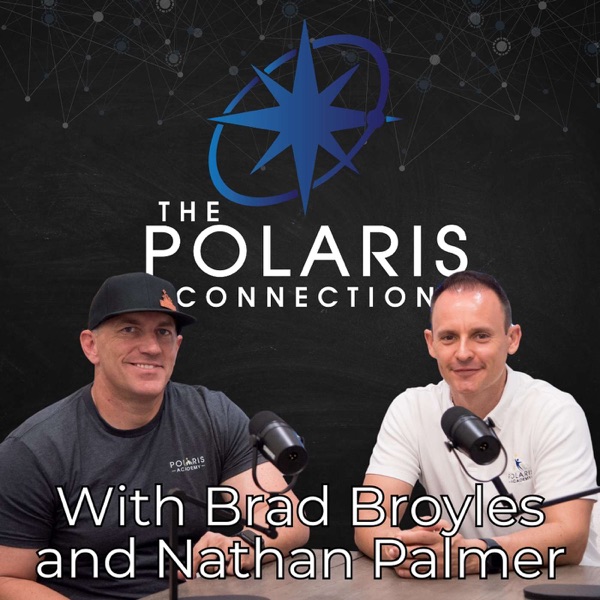
Join Brad Broyles and Nathan Palmer on The Polaris Connection where they help parents of autistic and neurodivergent children find power, perspective, and possibility. Through expert insights and real-life stories, we spark hope, share resources, and inspire families to navigate the journey with confidence. It’s not just a podcast, it’s a movement for connection, strength, and unapologetic advocacy.
Your voice matters. Do you have a topic, challenge, or question we can bring to the next episode? Reach out and follow us on social media at @PolarisAcademySocial
Email us at info@polarisacademy.org
To schedule a tour at Polaris Academy, go to PolarisAcademy.org
- Episodes
- 66
- Releases
- Weekly
- Typical length
- 47 min
- On air since
- 2025
- Latest episode
- 6 days ago
Episodes
66 episodes, newest first
-
4 min
A Halloween Special: Scared of a BOO! with Author Emily Moffat
Show notes
🎃👻 A SPOOKTACULAR HALLOWEEN SPECIAL!
We're celebrating Halloween with a special storytime edition of The Polaris Connection!
Join us as author and Disney princess voiceover artist Emily Moffat shares a delightful reading of her children's book, Scared of a Boo! 👻📖
Gabby has one BIG Halloween problem… she's afraid to say "BOO!" While all the other little ghosts shout it with confidence, Gabby must discover the courage to face her fears and find her own voice.
Filled with adorable illustrations, playful rhymes, and a heartwarming message about bravery, friendship, and believing in yourself, this is a Halloween story your little ones will love!
✨ Grab your little ghosts and goblins, get cozy, and join us for a Halloween storytime that's more sweet than spooky!
Find more at EmilyMoffat.com
We want to hear from you! Follow us and leave a comment on our Instagram at ThePolarisConnection or reach us at Info@PolarisAcademy.com
-
33 min
Connection Before Correction: Helping Neurodivergent Kids Navigate Life’s Transitions: With Dr Vivian Tran
Show notes
What if your child isn't giving you a hard time... they're HAVING a hard time? 💙
Getting out the door. Turning off a favorite game. Moving from one activity to another. For many neurodivergent children, these everyday transitions can feel completely overwhelming.
But what if the answer isn't pushing harder... it's connecting first?
Hosts Brad Broyles and Nathan Palmer welcome Dr. Vivian Tran of Grove Comprehensive Psychiatry and Wellness Group for an eye-opening conversation about the science behind transitions and the power of microconnections.
Dr. Tran shares practical strategies parents can start using TODAY to help their children feel safe, regulated, and supported through life's everyday changes.
From understanding the nervous system to the importance of regulating ourselves before helping our children, this episode is packed with powerful perspective shifts and simple tools that can make a meaningful difference.
✨ Sometimes the smallest moments of connection create the biggest breakthroughs.
We want to hear from you! Follow us and leave a comment on our Instagram at ThePolarisConnection or reach us at Info@PolarisAcademy.com
-
42 min
How the Kitchen Became a Breakthrough Tool for Autism Connection: With Jason Wenzel
Show notes
This episode is about using the kitchen as a place for connection, learning, and gradual progress... not just meal preparation. Guest Jason Wenzel shares how cooking with his autistic daughter, Lily, helped them bond and explore food together.
He and hosts Brad and Nathan discuss practical ways to support picky eaters: begin with foods a child already enjoys, offer low-pressure exposure, involve them in small and safe kitchen tasks, and use play and choice to build interest. They also highlight how celebrating small wins creates momentum, and how cooking can teach skills like math and build confidence.
Jason also talks about his cookbook, Cooking for Lily, and the role cooking played in his family’s life while he faced stage four cancer. The conversation’s central message: patience, flexibility, and shared everyday moments can make food a meaningful way to connect.
Follow more at: https://www.instagram.com/cookingforlilycookbook/
We want to hear from you! Follow us and leave a comment on our Instagram at ThePolarisConnection or reach us at Info@PolarisAcademy.com
-
52 min
Autism, Awareness, and the 3 Barriers to Growth: With Danna Evans
Show notes
For parents of autistic children, it can be exhausting to sort through advice and figure out what might help in the moment. This conversation offers a gentle reminder: what looks like resistance may be overwhelm, difficulty remembering, or a need for familiarity... not defiance.
Guest Danna Evans shares how emotional awareness can grow over time, and why small, manageable steps, repeated reminders, and offering choices can make change feel more possible. Instead of relying on big lectures or commands, try noticing effort, making the first ask small, and giving your child room to process.
There’s no one-size-fits-all approach. The goal is to keep building a toolbox of strategies—and to meet your child with curiosity and compassion along the way.
What helps your family feel supported when things get overwhelming?
#AutismParenting #AutismSupport #Neurodiversity #ParentingWithCompassion #ThePolarisConnection
Learn more feom Danna at http://www.allthingseq.com/
We want to hear from you! Follow us and leave a comment on our Instagram at ThePolarisConnection or reach us at Info@PolarisAcademy.com
-
34 min
Paws, Play & Progress: Helping Autistic Kids Build Confidence and Life Skills: With Tosha Tharp
Show notes
In this episode of The Polaris Connection, Brad and Nathan sit down with Tosha from Pawsitive Friendships to explore how animals can become an incredible bridge for autistic and neurodivergent children.
Tosha shares the story of her own autistic son and how incorporating their family dog into his occupational therapy exercises completely changed his willingness to participate. What had once felt like a difficult task suddenly became play and something he actually wanted to do again.
Parents will hear practical ideas for using a child's interests, including family pets, to:
• Reduce pressure around difficult or non-preferred tasks
• Encourage communication and independence
• Build confidence through small successes
• Practice responsibility and everyday life skills
• Support empathy and connection
• Turn therapeutic or daily tasks into playful experiences
• Create a safer, lower-demand environment for learningOne of the biggest takeaways is that you don't necessarily need a specially trained therapy animal—or even an animal at all—to use this approach. The deeper lesson is to discover what your child already loves and find creative ways to build learning, connection, and growth around that interest.
Learn more at https://pawsitivefriendships.org/
We want to hear from you! Follow us and leave a comment on our Instagram at ThePolarisConnection or reach us at Info@PolarisAcademy.com
-
47 min
Helping PDA Kids Thrive Through Validation, Safety, and the Right School Setting: With Jessie Townz
Show notes
This episode features Jessie Townz, a parent advocate from London, about raising and supporting a child with a PDA profile. Jessie shares her family’s two-year journey through school exclusion, diagnosis delays, and the fight to find an education setting that actually worked for her son. We discuss what PDA can look like in real life, why nervous system dysregulation sits underneath the behavior, and how validation, autonomy, and safety can change everything for families navigating this path.
Action items
• Keep a written log of behavior, triggers, and recovery patterns at home and school.
• Focus first on safety, hydration, food, rest, and proximity before trying to solve the behavior.
• Use language that helps children describe energy, safety, and overwhelm rather than forcing immediate explanation.
• Advocate firmly when school placement is not working and document everything.
• Listen to parents’ lived experience when school reports do not match what happens at home.Learn more by following Jessie at https://www.instagram.com/mrsjessietownz/
We want to hear from you! Follow us and leave a comment on our Instagram at ThePolarisConnection or reach us at Info@PolarisAcademy.com
-
46 min
Why Elite Athletes and Autistic Kids Need the Same Nervous System Work: With Jay Schroeder
Show notes
What if the biggest breakthroughs in autism support, athletic performance, and nervous system regulation come from the same place? Jay Schroeder makes the case that your body is far more capable than you’ve been led to believe and that the brain can be trained to unlock it.
On this episode of The Polaris Connection, hosts Brad Broyles and Nathan Palmer are joined by fitness and movement expert Frank “Jay” Schroeder for a conversation connecting elite sports, special needs support, and the way the brain learns. Jay has worked with Olympians, Hall of Famers, Super Bowl champions, and children with special needs. His philosophy is simple but powerful: stop treating people as deficits, and start helping them understand their own potential.
Brad challenges Jay to explain these ideas in practical language for parents, coaches, and families supporting someone who feels overwhelmed, dysregulated, or stuck. Jay explains why he focuses on communication rather than force and how that shift can influence athletic performance, emotional regulation, learning, and independence.
Jay also shares the personal story behind his approach, including a devastating motorcycle accident, a year and a half of neurological challenges, and the discovery that pain, movement, and awareness could help retrain his brain. That experience became the foundation for the protocols he continues to use with athletes, autistic individuals, and people recovering from injury.
If you’re a parent of an autistic child, a coach, a clinician, or anyone interested in the connection between movement and regulation, this episode offers a fresh and empowering perspective. It blends performance training, nervous system education, personal experience, and a message that stays with you long after the conversation ends: You are not broken... and your body may already know how to help itself.
We want to hear from you! Follow us and leave a comment on our Instagram at ThePolarisConnection or reach us at Info@PolarisAcademy.com
-
40 min
Practical Ways to Support an Autistic Child Through Food: With Dr. Joel Warsh
Show notes
In this episode of The Polaris Connection, hosts Brad Broyles and Nathan Palmer speak with pediatrician Dr. Joel “Gator” Warsh about supporting autistic children through an individualized, whole-child approach. They discuss why there is no single solution that works for every child, the importance of combining evidence-informed medical care with complementary support, and the need for parents to remain curious while evaluating different approaches.
A major focus is nutrition and feeding challenges. Dr. Warsh explains how picky eating, sensory sensitivities, and limited diets can contribute to nutritional deficiencies and affect a child’s overall regulation and well-being. Rather than pursuing perfection, he encourages parents to make gradual progress: keep introducing new foods, expand a child’s diet one food at a time, and seek help from professionals such as autism-informed nutritionists, occupational therapists, and feeding specialists when needed.
Small, consistent improvements in nutrition, health, and support can make a meaningful difference over time. Parents do not have to navigate these decisions alone, and asking doctors about additional services, including nutrition support, can be an important first step.
For more on Dr. Warsh: https://www.instagram.com/drjoelgator/
We want to hear from you! Follow us and leave a comment on our Instagram at ThePolarisConnection or reach us at Info@PolarisAcademy.com
-
55 min
The Parenting Mistake That Makes Special Needs Kids Needier: Dr. Jennifer Finlayson-Fife
Show notes
In this episode, we explore the real challenges and quiet strengths of parenting an autistic child, especially when parents see things differently. Dr. Jennifer Finlayson-Fife shares a practical framework for balancing expectations with responsiveness, showing why effective parenting is neither rigid nor permissive, but both compassionate and clear.
The conversation dives into co-parenting, conflict, frustration, and how to stay connected when stress is high.
For parents of autistic children, the biggest takeaway is this: your child benefits when you and your co-parent stay in conversation, self-correct, and lead with honesty instead of ego. The episode offers hope, clarity, and a reminder that asking hard questions is not a sign of failure... it is a sign of love.
Learn more from our guest at https://www.finlayson-fife.com/
We want to hear from you! Follow us and leave a comment on our Instagram at ThePolarisConnection or reach us at Info@PolarisAcademy.com
-
50 min
Why Understanding Adult Autism Diagnosis and Rejection Sensitive Dysphoria (RSD) Changes Everything - With Tony and Michelle
Show notes
In this episode of The Polaris Connection, Brad and Nathan welcome autism experts Tony Attwood and Dr. Michelle Garnett for a deeply compassionate conversation of how autism is not a defect but a different way of perceiving, thinking, learning, and relating. Tony and Michelle explain why so many autistic behaviors are actually coping strategies, and why understanding the autistic perspective can transform the way families, teachers, and professionals respond.
A major focus of the conversation is rejection sensitivity dysphoria (RSD)... a powerful emotional response to perceived rejection or criticism that can lead to anxiety, shutdowns, rumination, and trauma-like reactions. Tony and Michelle break down how RSD shows up, why it matters, and how parents can support children through it with reassurance, validation, calm presence, and connection.
The episode also covers meltdown, shutdown, freeze, flight, and fawn responses, along with practical guidance for co-regulation and trauma-informed support. Parents will hear why reduced pressure, fewer words, emotional safety, and one-on-one connection can make a huge difference for an autistic child in distress.
Most importantly, this episode offers a powerful mindset shift: autistic children are not broken, they are communicating, adapting, and doing their best in a world that often misunderstands them. By leading with empathy, curiosity, and compassion, families can create environments where autistic children feel safe, seen, and able to thrive.
If you’re a parent, educator, or caregiver looking for a clearer, kinder way to understand autism, this conversation is a must-listen.
For more on our guests, go to: https://www.attwoodandgarnettevents.com/
We want to hear from you! Follow us and leave a comment on our Instagram at ThePolarisConnection or reach us at Info@PolarisAcademy.com
-
53 min
Understanding the People You Love: The Power of the Color Code With Dan Call
Show notes
Why does one child need to talk everything through while another shuts down? Why do some people crave connection, others need control, and others simply need space?
In this episode of The Polaris Connection, we sit down with Dan Call to explore the Color Code... a powerful tool for understanding what motivates us and the people we love.
We talk about how understanding the different personality colors can help you:
✨ Better understand your child’s behavior and motivation
✨ Recognize what you need and why you respond the way you do
✨ Communicate more effectively with your spouse, children, friends, and coworkers
✨ Navigate conflict with more understanding
✨ Stop expecting everyone to think, feel, or respond the way you do
✨ Build stronger, more meaningful relationshipsBecause sometimes the biggest shift in a relationship isn’t getting someone else to change... it’s finally understanding why they are the way they are.
This conversation is insightful, practical, and one you’ll probably find yourself thinking about long after it ends.
We want to hear from you! Follow us and leave a comment on our Instagram at ThePolarisConnection or reach us at Info@PolarisAcademy.com
-
47 min
Kerry Magro on Hope, Autism, and Love on the Spectrum
Show notes
This episode offers the autism journey hope grounded in lived experience, plus practical guidance you can actually use.
Our guest, Kerry Magro, shares his journey from being non-speaking until age two and a half and speaking in full sentences around age seven to becoming a nationally recognized public speaker, author, consultant, and advocate. His story is a powerful reminder that early challenges do not define a child’s future.
Together, we explore how to support autistic kids by focusing on strengths, self-awareness, and self-advocacy rather than fear or limitations. Kerry explains why understanding a diagnosis can be empowering, how sensory supports and clear communication help in everyday life, and why parents should meet their children where they are while still nurturing their goals and interests.
The conversation also goes beyond childhood and into the future many parents worry about: relationships, adulthood, employment, and independence. Kerry shares thoughtful insight on dating, friendship, and the importance of giving autistic teens and adults space to define success on their own terms.
Most of all, this episode reassures parents that their child’s story is still being written and that with support, curiosity, and belief, there is real possibility ahead.
Learn more from our guest at https://kerrymagro.com/
We want to hear from you! Follow us and leave a comment on our Instagram at ThePolarisConnection or reach us at Info@PolarisAcademy.com
-
47 min
How Gaming Can Boost Social Skills for Kids with Autism: With Andrew Fishman
Show notes
"Are video games a social lifeline or a mental trap? This might surprise you..." 🎮
Drop a 🔥 if you've wondered about this before and tag a parent who's trying to understand their kid's gaming habits!
Many assume gaming is just mindless fun or even a source of household friction. But did you know it can promote social skills, creativity, and balance?
Andrew Fishman, a licensed therapist and author of Parenting a Gamer, explains how gaming often serves as a safe space for kids, especially those with autism, to build genuine connections without the pressure of eye contact or body language.
The key is to be involved, curious, and model healthy habits. Instead of banning, set boundaries, sit with them, ask questions, choose appropriate games for their age. Ask: What do you love about this game? and How can we make it healthy?
What’s one game your child loves that you’ve tried to understand? Drop your stories below!
Check out more from Andrew Fishman and his book, Parenting a Gamer: Help Your Child Build Healthy Habits, Make Positive Choices, and Find Balance in Virtual Worlds
https://www.barnesandnoble.com/w/parenting-a-gamer-andrew-fishman/1147552437
https://www.videogamehealth.com/
We want to hear from you! Follow us and leave a comment on our Instagram at ThePolarisConnection or reach us at Info@PolarisAcademy.com
-
52 min
Why Traditional Parenting Fails with PDA and What to Do Instead: With Laura Kerbey
Show notes
"Ever wondered what really drives demand avoidance in kids? It's not stubbornness... it's anxiety about losing control."
Drop a 💡 if you’ve ever misunderstood PDA as just defiance. There’s so much more behind the behavior. Most parents see demand avoidance as rebellion, but it’s often a child's way of managing overwhelming anxiety about autonomy. When a child feels they’re losing control, their nervous system reacts. It’s a protective response, not stubbornness. Recognizing this shifts how we support them: instead of fighting, we partner and create a safe space where they can feel in charge. Imagine driving a car with a passenger constantly giving commands... that’s how PDA feels to the child. To support them, we need to offer choices, respect their autonomy, and build trust without demanding compliance. It’s about connection, not control. What’s one way you could make your child feel more in control today?
#Neurodiversity #PathologicalDemandAvoidance #ParentingTips #AutonomyAndTrust #SpecialEducation
We want to hear from you! Follow us and leave a comment on our Instagram at ThePolarisConnection or reach us at Info@PolarisAcademy.com
-
56 min
PDA, Anxiety, and the Avoidance Cycle with Dr Nicoll
Show notes
What if your child's refusal isn't about being defiant... but about feeling overwhelmed?
In this powerful conversation, Dr. Nicoll explains why many children with a PDA (Pathological Demand Avoidance) profile experience everyday demands as threats to their nervous system—not simple requests. What can look like stubbornness, procrastination, or "noncompliance" is often an anxiety response.
💡 In this episode, we discuss:
• Why anxiety fuels the avoidance cycle.
• How demands can trigger a fight, flight, freeze, or fawn response.
• Why traditional reward-and-consequence approaches can unintentionally make things worse.
• Practical ways parents and educators can lower anxiety while still supporting growth.
• How connection, collaboration, flexibility, and trust create better outcomes than power struggles.One of the biggest takeaways? When we stop asking, "How do I get my child to comply?" and start asking, "What is making this feel unsafe for them?" everything begins to change.
If you've ever felt exhausted by daily battles over seemingly simple tasks, this conversation will leave you feeling understood and equipped with a fresh perspective.
🎧 Listen now and let us know what resonated most with you.
We want to hear from you! Follow us and leave a comment on our Instagram at ThePolarisConnection or reach us at Info@PolarisAcademy.com
-
1 hr 8 min
Autism Education Built Differently - A special episode recorded with Breaking Out Of The Box
Show notes
This week’s episode of The Polaris Connection is a little different and incredibly special.
Our hosts, Brad Broyles and Nathan Palmer, were invited to join Norrine Russell on her podcast, Breaking Out of the Box. The conversation was so meaningful, honest, and full of hope that we knew we wanted to share it with our Polaris community as this week's episode.
In this episode, Brad and Nathan open up about the journey that led to the creation of Polaris Academy, the challenges families face when traditional educational models aren't designed for neurodivergent learners, and the belief that every child deserves a place where they can truly belong. They discuss building schools around students instead of forcing students to fit into systems, the importance of individualized support, and why hope, possibility, and empowerment should be at the center of autism education.
Whether you're a parent navigating your child's educational journey, an educator, or someone who simply believes every child deserves to be seen for who they are, this conversation will leave you inspired and encouraged.
We want to hear from you! Follow us and leave a comment on our Instagram at ThePolarisConnection or reach us at Info@PolarisAcademy.com
-
48 min
What Every Dad Needs to Hear Right Now - A Fathers Day Special
Show notes
In this special Father's Day episode, hosts Brad Broyles, Nathan Palmer, and guest Aaron Kaczmarek reflect on fatherhood, autism, family life, and the lessons they've learned as dads, educators, and advocates.
The episode begins with exciting updates from Polaris Academy, then shifts to the heart of the episode: fatherhood.
Nathan shares the importance of recognizing and addressing our own dysregulation as parents, reminding dads that it's okay to admit when they're stressed, overwhelmed, or struggling. He encourages fathers to stop masking, learn their own nervous system responses, and model healthy emotional regulation for their children.
Aaron reflects on lessons learned through parenting and family challenges, including supporting loved ones through cancer. He emphasizes the importance of grace, listening without always trying to fix problems, and understanding that mistakes and failures are opportunities for growth.
Brad discusses the challenges of balancing work, family, and parenting while highlighting the importance of being present with each child and intentionally creating meaningful connections.
The episode closes with a reminder that no parent has all the answers, but showing up, staying connected, and continuing to learn alongside our children can make all the difference.
Key Message: Fatherhood isn't about perfection. It's about presence, growth, grace, and the willingness to keep showing up for your family every day.
We want to hear from you! Follow us and leave a comment on our Instagram at ThePolarisConnection or reach us at Info@PolarisAcademy.com
-
38 min
The Secret Power of Body Doubling: A Simple Strategy to Boost Focus and Independence to Neurodivergent Students
Show notes
This episode features Dr. Tara Williams, who shares invaluable insights into supporting autistic children through educational transitions. The discussion covers innovative approaches to integrating therapy into academics, the importance of visual learning, and strategies for fostering independence and self-advocacy in children.
Dr. Williams also highlights the significance of body doubling and executive functioning skills, offering practical advice for both parents and educators. This episode is a beacon of hope and guidance for navigating the unique challenges faced by neurodivergent students.
Learn more about Tara here:
https://innovativecollegiateconsultants.com/meet-tara/
We want to hear from you! Follow us and leave a comment on our Instagram at ThePolarisConnection or reach us at Info@PolarisAcademy.com
-
39 min
Finding Joy in Holland: Amber Jackson's Journey Through Grief, Special Needs Parenting, and Grace
Show notes
How do you keep moving forward when life hands you challenges that seem impossible to carry?
In this heartfelt episode of The Polaris Connection, Brad and Nathan sit down with Amber Jackson, Instagrams @EnjoyingHolland, a mother of four whose journey has been marked by profound loss, unexpected turns, and extraordinary resilience. Amber is raising children with diverse needs, including autism, Down syndrome, and other neurodivergent challenges, while navigating life after divorce and the devastating loss of her husband to a brain tumor.
Rather than allowing hardship to define her story, Amber shares how she has learned to embrace life's imperfections, find beauty in the unexpected, and choose gratitude even in the midst of grief. Through honesty, humor, faith, and hard-earned wisdom, she offers a powerful perspective on parenting children with unique needs and finding joy in circumstances that may not look like what you originally planned.
This episode is an encouraging reminder that while we may not choose our trials, we can choose how we respond to them. Amber's insights will resonate with parents, caregivers, and anyone searching for hope, strength, and a deeper appreciation for life's unexpected gifts.In this episode, you'll hear about:
• Parenting children with autism, Down syndrome, and other neurodivergent needs
• Navigating divorce, grief, and widowhood
• Finding joy in unexpected circumstances
• Shifting perspective from hardship to gratitude
• Building resilience through life's greatest challenges
• Embracing the beauty of your unique journeyAmber's story is a powerful reminder that sometimes the most meaningful life isn't the one we planned, but the one we learn to love. ❤️
Follow Amber's journey at:
https://www.instagram.com/enjoyingholland
We want to hear from you! Follow us and leave a comment on our Instagram at ThePolarisConnection or reach us at Info@PolarisAcademy.com
-
44 min
Why Understanding Sensory Systems Is the Secret to Regulating Autism's Meltdowns with Laura Petix
Show notes
"Ever thought, ‘What do butterflies and autism have in common?’ 💭
Turns out, a lot more than you’d think. It’s all about transformation and small changes making a big impact.
Drop a 🦋 if you believe in the power of tiny shifts to create big results in neurodiversity support!In our chat with Laura, she shared how her butterfly branding isn’t just pretty, it symbolizes meaningful change, from personal growth to big societal impacts, inspired by her nana’s butterfly collection. 🦋
She emphasizes that understanding sensory systems, like interoception, vestibular, and proprioception, is key to helping kids regulate and thrive. And guess what? Adults benefit too!
Knowing that a meltdown isn’t always a 'bad behavior' but signals nervous system dysregulation can radically change how we respond, making support more compassionate and effective.
What small change could make a big difference in how you support your child's sensory needs? Share your thoughts below!
Want to learn more from Laura? Go to:
We want to hear from you! Follow us and leave a comment on our Instagram at ThePolarisConnection or reach us at Info@PolarisAcademy.com
Parenting lists
More Parenting shows picked out from the charts







More in Parenting
Placed highest on Apple Podcasts' Parenting chart right now