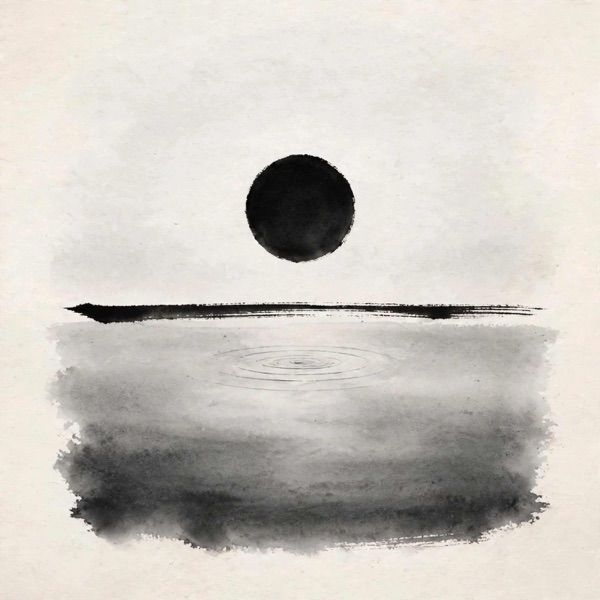
Podcast
The Useful Empty
Short, calm reflections on Taoist, Zen, and Buddhist wisdom for dads running on empty.
- Episodes
- 8
- Releases
- Twice a week
- Typical length
- 5 min
- On air since
- 2026
- Latest episode
- 2 days ago
Episodes
8 episodes, newest first
-
4 min
One Thing Less
Episode 8
Show notes
In learning, every day something is added. In following the Way, every day something is dropped. Less and less is forced, until at last nothing is forced at all. And when nothing is forced, nothing important is left undone.
That is chapter forty eight of the Tao Te Ching, told in plain words.
This week, drop one thing on purpose. Not five things. Not a whole new life. One thing. An app, a routine, a standing yes you wish you had not given. Drop it cleanly, without replacing it with something else. Then notice the evening it leaves behind. It will probably not feel dramatic. It will feel like a little air in the room. A little more of you left over at the end of the day. That is what dropping buys. Not emptiness for its own sake. Room for what was already good.
This is a public episode. If you would like to discuss this with other subscribers or get access to bonus episodes, visit https://theusefulempty.substack.com
-
5 min
A Handful of Leaves
Show notes
There is a short Buddhist teaching, from a discourse called the Simsapa Sutta, the Discourse on the Simsapa Leaves. One day the Buddha was sitting with his students in a grove of simsapa trees. He picked up a few leaves and held them in his hand. Then he asked which was more, the leaves in his hand or the leaves in the forest. The students answered the way you would expect. The leaves in the forest outnumbered the leaves in his hand by a mile.
And the Buddha said, in plain words: it is the same with what I have taught you. What I have put into words for you is only a handful of leaves. What I know, and have not put into words, is like the leaves in the whole forest. And there is a reason I have kept it to a handful. The rest would not help. It would not end your suffering. I teach what helps. Nothing more.
So here is one small practice. This week, when a question comes, give one plain sentence and stop. Let the silence sit. Do not fill it. If the kid wants the forest, the kid will ask for the forest. Most of the time, the one leaf was plenty. Try it once, and watch what happens to the evening. A shorter answer, and more of you left over at the end of it.
If these short reflections are useful to you, new episodes land in the inbox first, over at theusefulempty dot substack dot com. No noise. Just the episode, waiting for you.
This is a public episode. If you would like to discuss this with other subscribers or get access to bonus episodes, visit https://theusefulempty.substack.com
-
4 min
The Second Arrow
Episode 6
Show notes
There is an old Buddhist teaching, from a discourse called the Sallatha Sutta, sometimes called the Discourse on the Arrow. Life shoots an arrow at you, and you feel it. That is the first arrow. Pain. Trouble. A day that goes sideways. No one gets through life without taking a few. But most of us do not stop at one arrow. We shoot ourselves with a second. The first arrow is the thing itself. The second arrow is everything we add to it. The replaying. The rehearsing. The story about what it means, how long it will last, whose fault it was. The teaching is plain. The first arrow, you cannot always dodge. The second arrow is optional.
So here is one small practice. The next time the sting lands, stop and ask one quiet question. First arrow, or second. If it is the first, tend it. Wipe the milk. Take the breath. Feel what is actually there. If it is the second, you do not have to fire it. Let the bowstring go slack. The story can wait until tomorrow, and by tomorrow you probably will not want it anymore. Try it once this week. Just once. Catch one second arrow before it leaves the bow, and notice how much evening comes back to you.
If these short reflections are useful to you, new episodes land in the inbox first, over at theusefulempty dot substack dot com. No noise. Just the episode, waiting for you.
This is a public episode. If you would like to discuss this with other subscribers or get access to bonus episodes, visit https://theusefulempty.substack.com
-
5 min
Empty Your Cup
Show notes
There is an old Zen story, told in the collection Zen Flesh, Zen Bones. A university professor visits a Zen master named Nan-in because he wants to learn about Zen. Nan-in pours tea. He fills the professor’s cup, and then he keeps pouring. Tea spills over the edge. It runs down the sides, across the table, onto the professor’s lap. The professor cries out that the cup is full. And Nan-in says, like this cup, you are full of your own opinions and speculations. How can I show you Zen unless you first empty your cup?
The professor did not think he was full. He thought he was prepared. That is the part worth noticing. Fullness rarely announces itself. It feels like readiness, like caring, like being on top of things. The mind replays the day because it believes it is protecting you. It is only doing its job. But a cup cannot tell the difference between good tea and spilled tea. Once it is full, it is full.
Picture your mind at the end of a long day. It has been filling since six in the morning. The work meeting that went sideways. The deadline that moved closer. The groceries you forgot. The argument in your head with someone who is not even there. The plan for tomorrow, already being written while today is still draining out. By the time the front door opens in the evening, the cup is full. Brimming. One more drop and it is running down the sides.
And then the evening begins, and it asks you to pour something out. Patience. Attention. A bedtime story read like you mean it. But the cup is already full, and nothing new will go in until something comes out. Even good things, plans, responsibilities, love, can fill it to overflowing. And notice where the trouble sits. It is not the kid asking for one more story. It is not your wife telling you about her day. It is the cup.
Nan-in did not tell the professor to become a different person. He did not tell him to throw out the cup. He just said, empty it first. The cup is fine. It only needs room.
So here is one small practice. Tonight, before you walk through the door, give yourself two minutes. Stand at the door, or sit in the car, and pour out the day. Not by solving it. Just name it. The meeting. The deadline. The argument you were rehearsing. Name each one, quietly, and let it sit there outside. Then open the door with the cup empty enough to receive the evening.
It sounds almost too small to matter. That is the point. You cannot pour tea into a full cup, and you cannot pour attention into a full evening. A little room changes everything.
Listen to the five minute episode below.
This is a public episode. If you would like to discuss this with other subscribers or get access to bonus episodes, visit https://theusefulempty.substack.com
-
5 min
Beginner’s Mind
Show notes
Today’s idea comes from a Zen teacher named Shunryu Suzuki, who brought Zen practice from Japan to America in the nineteen sixties. In his book Zen Mind, Beginner’s Mind, he wrote a line that people have been quoting ever since. In the mind of a beginner, there are many possibilities. In the mind of an expert, there are very few.
Maybe you have become an expert in your own children, and it has made you a worse dad. Give it a few years, and you have opinions about everything. You know what she is going to say before she says it, because she said it last Tuesday. You are so busy being right about your kids that you have stopped actually meeting them.
The beginner’s mind is not ignorance. It is curiosity on purpose. It is deciding, on purpose, to not know yet. Today, ask one of your kids a real question, and then do the hard part. Listen to the whole answer without fixing anything. You will be amazed how much you have been missing. They have been new people this whole time. You were just too expert to notice.
Listen to the five minute episode below.
This is a public episode. If you would like to discuss this with other subscribers or get access to bonus episodes, visit https://theusefulempty.substack.com
-
5 min
The Useless Tree
Show notes
Episode 3 of The Useful Empty — a short, calm reflection on Zhuangzi's parable of the useless tree. The tree that was good for nothing outlasted them all: sometimes being 'useless' is the safest thing to be.
This is a public episode. If you would like to discuss this with other subscribers or get access to bonus episodes, visit https://theusefulempty.substack.com
-
5 min
Be Like Water
Show notes
Episode 2 of The Useful Empty — a short, calm reflection on Tao Te Ching, Chapter 8: be like water. The highest good flows around every obstacle, giving to all without striving.
This is a public episode. If you would like to discuss this with other subscribers or get access to bonus episodes, visit https://theusefulempty.substack.com
-
4 min
The Usefulness of Empty
Show notes
Episode 1 of The Useful Empty — a short, calm reflection on Tao Te Ching, Chapter 11: the usefulness of emptiness. We shape clay into a pot, but it is the emptiness inside that holds whatever we want.
This is a public episode. If you would like to discuss this with other subscribers or get access to bonus episodes, visit https://theusefulempty.substack.com
Buddhism lists
More Buddhism shows picked out from the charts


More in Buddhism
Placed highest on Apple Podcasts' Buddhism chart right now