Podcast
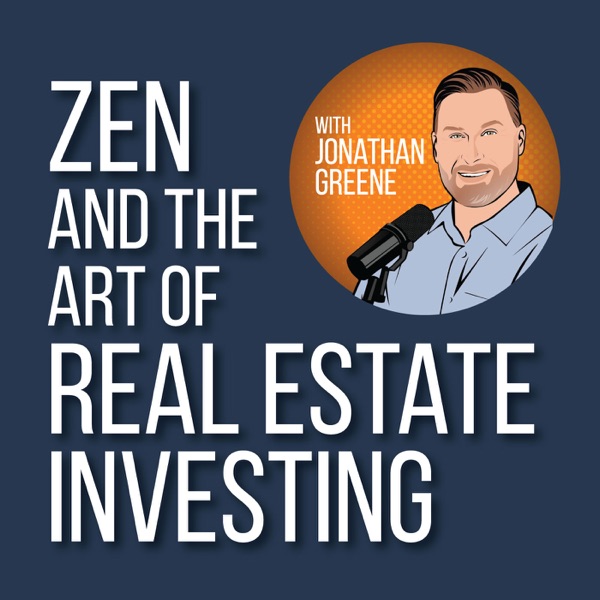
Zen and the Art of Real Estate Investing
What if you could learn from experienced real estate investors, find out what got them to where they are now, get insight into their daily habits, and take these insights to inspire your own growth? That's what each episode of Zen and the Art of Real Estate Investing brings. Hosted by Jonathan Greene, a real estate investor for more than 30 years, as well as advisor and coach, the founder of Streamlined Properties and the Team Leader of Streamlined Properties, brokered by Real, every episode is an in-depth look at the mindful approach to real estate investing. If you are looking to start from scratch, get to the next level, or just for a straightforward and honest approach to real estate investing, Zen and the Art of Real Estate Investing is the free mentorship program you can take with you anywhere.
- Episodes
- 379
- Releases
- Weekly
- Typical length
- 55 min
- On air since
- 2022
- Latest episode
- 6 days ago
Episodes
379 episodes, newest first
-
55 min
378: The Five Drivers of Wealth Nobody Talks About with George Antone
Episode 378
Show notes
On this episode of Zen and the Art of Real Estate Investing, Jonathan Greene sits down with George Antone, founder of FYNANC, to explore a different approach to building wealth by focusing on capital rather than individual assets. Drawing on decades of financial research, real estate investing, and his mathematical background, George explains how investors can accelerate their progress by understanding how money moves and how different investments work together.
George breaks down the five drivers of wealth acceleration: capital, return, leverage, capacity, and velocity of money. Rather than chasing the next promising property or stock, he encourages investors to think about how they structure their capital, use controlled leverage, and recycle money efficiently. He also explains why liquidity matters, particularly for real estate investors who may have substantial equity tied up in properties but limited access to cash when unexpected expenses arise.
The conversation explores the importance of sequencing investments according to where someone is in their financial journey. George discusses why building capital and maintaining liquidity may matter more early on than traditional compound interest, how the right combination of assets can create opportunities for growth, and why a 30-year fixed-rate mortgage can be a powerful tool when used strategically. He also shares lessons from his own investment mistakes and explains why protecting against downside risk is just as important as pursuing upside potential.
Beyond the numbers, George challenges the idea that wealth means retiring early and spending life away from work. He encourages listeners to define what a fulfilling life actually looks like, build financial systems around those goals, and measure progress along the way. His approach emphasizes financial education, disciplined decision-making, and using money to create freedom, meaningful experiences, stronger relationships, and purpose.
In this episode, you will hear:
•
Why focusing on capital structure, leverage, and money velocity can create more opportunities than chasing investment returns alone.
•
How liquidity, downside protection, and maintaining borrowing capacity can help investors manage risk and prepare for future opportunities.
•
Why the sequence of investments matters, including when to prioritize building capital before relying on compound interest.
•
How real estate strategies, carefully structured ETFs, and 30-year fixed-rate mortgages can fit into a broader wealth-building system.
•
Why defining your ideal life, continuing to find purpose in work, and tracking financial progress are essential parts of building lasting wealth.
Follow and Review
If you enjoy the show, please follow Zen and the Art of Real Estate Investing on Apple Podcasts and leave a rating and review. It helps other listeners discover the show and supports its continued growth.
Supporting Resources
Connect with George:
Website - https://fynanc.com/
Youtube - https://www.youtube.com/channel/UC4M0vLx1_PV-uUbQC_GB07w
Facebook - https://www.facebook.com/fynanc/
Instagram - https://www.instagram.com/fynanc
LinkedIn - https://www.linkedin.com/in/george-antone-7167761/
Connect with Jonathan:
Podcast - http://www.zenandtheartofrealestateinvesting.com/
YouTube - http://www.youtube.com/JonathanGreenere
Instagram - http://www.instagram.com/zenrealestateinvesting
Instagram - http://www.instagram.com/trustgreene
Bigger Pockets - http://www.biggerpockets.com/users/TrustGreene
Facebook - http://www.facebook.com/zenandtheartofrealestateinvesting
Jonathan's Hub Site - http://www.trustgreene.com/
Brokerage - https://www.streamlined.properties/
This episode was produced by Outlier Audio.
-
55 min
377: Why Franchising Is the Real Estate Investing of Business Ownership with Jon Ostenson
Episode 377
Show notes
On this episode of Zen and the Art of Real Estate Investing, Jonathan Greene sits down with Jon Ostenson, founder of FranBridge Consulting, a top 1% franchise consultant, multi-brand franchise owner, and real estate investor. They explore the opportunities in franchising, why non-food businesses are attracting investors, and how franchise ownership can fit into a broader wealth-building strategy.
Jon explains how franchising gives entrepreneurs a proven business model, established systems, training, and a network of fellow owners who can share what works and what doesn't. He discusses how technology and AI are creating new opportunities for franchisees, particularly in fragmented industries where local businesses may be less sophisticated operationally. He also shares why the right franchise owner needs to balance following the established playbook with finding ways to improve their individual operation.
The conversation takes a closer look at what makes a franchise suitable for semi-involved ownership, why having the right manager is essential, and how much responsibility still falls on the business owner. Jon shares his perspective on the differences between food and non-food franchises, explaining why he gravitates toward needs-based businesses with recurring revenue, manageable overhead, and services that customers will continue to need.
Jonathan and Jon also explore the overlap between franchising and real estate investing, including property management, home services, renovation businesses, and companies that generate off-market property leads. Jon shares examples of franchise opportunities across senior care, insurance adjusting, Pilates, environmental testing, artificial turf, pool cleaning, septic services, and more. He also discusses the potential tax benefits of business ownership and how a franchise can provide diversification, cash flow, and greater control within an investment portfolio.
Finally, Jon explains the personality traits that tend to translate well to franchise ownership, why some highly independent entrepreneurs may struggle within a franchise system, and how prospective owners can evaluate a franchise before committing. He also shares how his consulting process helps people discover industries they may never have considered and why franchising can offer a faster path into business ownership than searching for an existing company to buy.
In this episode, you will hear:
• How franchising provides a proven business model, built-in support, and a network of fellow franchise owners
• Why non-food, needs-based businesses with recurring revenue are attracting franchise investors
• What it takes to operate a franchise semi-involved and why hiring the right manager matters
• How franchise ownership can complement real estate investing through property services and other adjacent businesses
• What to evaluate before buying a franchise, from startup costs and tax considerations to personal fit and the franchisor's support systemFollow and Review
If you enjoy the show, please follow Zen and the Art of Real Estate Investing on Apple Podcasts and leave a rating and review. It helps other listeners discover the show and supports its continued growth.
Supporting Resources
Connect with Jon:
Website - https://franbridgeconsulting.com/
YouTube - https://www.youtube.com/@JonOstensonFBC
Facebook - https://www.facebook.com/JonOstenson1/
LinkedIn - https://www.linkedin.com/in/jonostenson/
Connect with Jonathan:
Podcast - http://www.zenandtheartofrealestateinvesting.com/
YouTube - http://www.youtube.com/JonathanGreenere
Instagram - http://www.instagram.com/zenrealestateinvesting
Instagram - http://www.instagram.com/trustgreene
Bigger Pockets - http://www.biggerpockets.com/users/TrustGreene
Facebook - http://www.facebook.com/zenandtheartofrealestateinvesting
Jonathan's Hub Site - http://www.trustgreene.com/
Brokerage - https://www.streamlined.properties/
This episode was produced by Outlier Audio.
-
32 min
376: The Difference Between an Asset Hunter and a Discount Hound
Episode 376
Show notes
On this episode of Zen and the Art of Real Estate Investing, Jonathan Greene explores two very different approaches to real estate investing: being an asset hunter versus being a discount hound. He explains why prioritizing the quality and long-term potential of a property can matter far more than simply getting it below market value.
Jonathan breaks down what asset hunters look for, including appreciation potential, cash flow, location, and the overall condition of a property. He contrasts that mindset with discount hunters who focus primarily on the purchase price, often overlooking the hidden costs, deferred maintenance, difficult tenants, and other problems that can come with a seemingly attractive deal.
The conversation examines why the best properties don't always look like bargains on paper. Jonathan explains how paying a fair market price for a high-quality asset can support long-term appreciation, reduce future capital expenses, and make ownership more manageable. He also discusses why investors need to understand the trade-offs between cash flow, property condition, location, and risk rather than chasing impressive-looking returns without understanding what supports them.
Jonathan shares practical ways to evaluate an investment beyond its asking price, emphasizing thorough due diligence, inspections, comparable sales, local demographics, migration trends, and growth potential. He also explains why investors should be comfortable walking away when a property doesn't meet their standards, even if someone else is willing to pay more.
Finally, Jonathan reflects on the difference between a calculated deal hunter and someone who simply wants a discount. Drawing on lessons from his father and his own investing experience, he makes the case for understanding your risk tolerance, knowing what you're buying, and focusing on assets that can compound in value over time.
In this episode, you will hear:
• The key differences between an asset hunter and a discount hound
• Why a discounted property isn't necessarily a good investment
• How property quality, location, and condition can affect long-term returns and ownership costs
• What investors should examine during due diligence before getting caught up in a seller's story about a deal
• Why the ability to walk away and stay disciplined about your valuation is essential to successful investingFollow and Review
If you enjoy the show, please follow Zen and the Art of Real Estate Investing on Apple Podcasts and leave a rating and review. It helps other listeners discover the show and supports its continued growth.
Supporting Resources
Connect with Jonathan:
Podcast - http://www.zenandtheartofrealestateinvesting.com/
YouTube - http://www.youtube.com/JonathanGreenere
Instagram - http://www.instagram.com/zenrealestateinvesting
Instagram - http://www.instagram.com/trustgreene
Bigger Pockets - http://www.biggerpockets.com/users/TrustGreene
Facebook - http://www.facebook.com/zenandtheartofrealestateinvesting
Jonathan's Hub Site - http://www.trustgreene.com/
Brokerage - https://www.streamlined.properties/
This episode was produced by Outlier Audio.
-
1 hr 5 min
375: What Holistic Wealth Means and Why Most Investors Never Get There with Wesley Rowlands
Episode 375
Show notes
On this episode of Zen and the Art of Real Estate Investing, Jonathan Greene sits down with Wesley Rowlands, partner and wealth advisor at Atican Wealth Partners, to explore what wealth really means, how people can build it, and why financial success should be measured by more than the number in your bank account.
Wesley explains the difference between financial wealth and holistic wealth, emphasizing the importance of understanding what money is supposed to accomplish in your life. He shares his framework of philosophy, strategy, and tactics, and explains why investors need to establish their vision, values, and desired lifestyle before deciding how to invest. He also breaks down the wealth-building formula of making money, saving money, and growing money, noting that increasing income is often the first major obstacle.
The conversation explores Wesley's journey from growing up with financial hardship to developing an early interest in investing and building a career in wealth management. He discusses why he believes building wealth requires financial leadership rather than passivity, the value of having experienced coaches and advisors, and how psychology can influence financial decisions. He also explains the difference between volatility and risk, and why investors need to look beyond headlines and emotional reactions.
Wesley shares his approach to building a portfolio around short-term, medium-term, and long-term assets. He discusses why he favors productive assets that generate value and cash flow, including public companies, private businesses, and real estate. He and Jonathan also examine business ownership, the opportunities in acquiring established businesses, the role of AI, and why building a valuable business requires sustained effort and a commitment to excellence.
Finally, Wesley explains how business ownership can become a powerful form of personal development, why disciplined execution of the fundamentals matters more than shortcuts, and how the right coaches can help investors make better decisions over time. Throughout the conversation, he returns to the idea that wealth should support a meaningful life, not become the end goal itself.
In this episode, you will hear:
• Why wealth should be defined by the life you want to build, not simply the amount of money you accumulate
• How Wesley's early experiences with financial hardship shaped his path into investing and wealth management
• Why making money, saving money, and growing money are all essential parts of building wealth
• How Wesley evaluates productive assets, including public companies, private businesses, and real estate
• Why financial leadership, experienced coaches, and disciplined execution can help investors make better long-term decisionsFollow and Review
If you enjoy the show, please follow Zen and the Art of Real Estate Investing on Apple Podcasts and leave a rating and review. It helps other listeners discover the show and supports its continued growth.
Supporting Resources
Connect with Wesley:
Website - https://www.atikanwealth.com/
YouTube - http://youtube.com/@WesRowlands
Facebook - http://facebook.com/wesrowlandsofficial
Instagram - https://www.instagram.com/wes.rowlands/
LinkedIn - https://www.linkedin.com/in/wesrowlands/
Connect with Jonathan:
Podcast - http://www.zenandtheartofrealestateinvesting.com/
YouTube - http://www.youtube.com/JonathanGreenere
Instagram - http://www.instagram.com/zenrealestateinvesting
Instagram - http://www.instagram.com/trustgreene
Bigger Pockets - http://www.biggerpockets.com/users/TrustGreene
Facebook - http://www.facebook.com/zenandtheartofrealestateinvesting
Jonathan's Hub Site - http://www.trustgreene.com/
Brokerage - https://www.streamlined.properties/
This episode was produced by Outlier Audio.
-
1 hr
374: How to Know When to Keep, Refinance, or Sell a Rental Property with Chris Lopez
Episode 374
Show notes
On this episode of Zen and the Art of Real Estate Investing, Jonathan Greene sits down with Chris Lopez, co-founder of Property Llama, real estate investor, entrepreneur, and host of the Passive Pockets and Denver Investment Real Estate podcasts, to talk about building, managing, and rebalancing a real estate portfolio.
Chris shares how reading Rich Dad Poor Dad in college introduced him to entrepreneurship and investing, eventually leading him from internet businesses and unsuccessful attempts at day trading into real estate. He explains how he bought his first rental property in 2011 with zero money down, lived in it for a period of time, and initially assumed he would hold it forever.
The conversation then explores the important lesson Chris learned about using equity. After watching his first property grow from roughly $67,000 to nearly $200,000 while producing only modest cash flow, Chris realized he needed to think differently about the capital trapped inside his portfolio. He ultimately used a 1031 exchange to move that equity into a fourplex and dramatically increase his cash flow.
Chris explains why he began treating his real estate portfolio like an investment portfolio that needs to be regularly rebalanced. He walks through his keep, refinance, or sell framework and explains how changing markets, family circumstances, risk tolerance, and available returns can all change whether a property still makes sense to own. He also discusses how this thinking led to the creation of Property Llama, a platform designed to help investors analyze their properties and make better portfolio decisions.
Finally, Chris and Jonathan discuss return on equity, passive investing, syndications, debt funds, diversification, and the importance of taking responsibility for your investment decisions. Chris explains why he has increasingly shifted toward passive investments and real estate debt, and why investors should focus on building a portfolio that fits their current life rather than simply accumulating as many properties as possible.
In this episode, you will hear:
• How Chris went from reading Rich Dad Poor Dad in college to becoming an entrepreneur and real estate investor
• Why Chris sold his first rental property and used a 1031 exchange to redeploy its equity into a fourplex
• How the keep, refinance, or sell framework can help investors regularly rebalance their real estate portfolios
• Why return on equity, opportunity cost, and changing life circumstances should influence your investment decisions
• How Chris's experience led to Property Llama and his growing focus on passive investing, syndications, and real estate debtFollow and Review
If you enjoy the show, please follow Zen and the Art of Real Estate Investing on Apple Podcasts and leave a rating and review. It helps other listeners discover the show and supports its continued growth.
Supporting Resources
Connect with Chris:
Website - http://propertyllama.com/
YouTube - https://www.youtube.com/@BuildingWealthWithRealEstate
LinkedIn - https://www.linkedin.com/in/christaylorlopez/
Connect with Jonathan:
Podcast - http://www.zenandtheartofrealestateinvesting.com/
YouTube - http://www.youtube.com/JonathanGreenere
Instagram - http://www.instagram.com/zenrealestateinvesting
Instagram - http://www.instagram.com/trustgreene
Bigger Pockets - http://www.biggerpockets.com/users/TrustGreene
Facebook - http://www.facebook.com/zenandtheartofrealestateinvesting
Jonathan's Hub Site - http://www.trustgreene.com/
Brokerage - https://www.streamlined.properties/
This episode was produced by Outlier Audio.
-
1 hr 2 min
373: How to Build Financial Freedom on Your Days Off with Mike Neubauer
Episode 373
Show notes
On this episode of Zen and the Art of Real Estate Investing, Jonathan Greene sits down with Mike Neubauer, a retired Maui firefighter, photographer, real estate investor, and co-founder of Our Family Invests, to talk about building financial freedom through real estate, intentional investing, and creating a lifestyle that puts family and purpose first.
Mike shares how his creative background and experience as a firefighter shaped his approach to entrepreneurship and investing. He explains how the time and flexibility of working in the fire department gave him the opportunity to read, research, and develop himself, eventually leading him to real estate through a fellow firefighter who was already investing in Maui.
The conversation explores Mike's evolution from short-term rentals to a more passive investment strategy. He explains how he created an extremely specific buy box for Maui properties, why he focused on condo complexes with lockout units, and how he went from remodeling his first short-term rental himself to building a portfolio that generated significant income.
Mike also discusses how the Maui market changed dramatically after 2023, including rising insurance and HOA costs, declining tourism, and regulatory changes surrounding short-term rentals. He shares why he ultimately sold many of his Maui properties and shifted his investments toward other markets, including development projects in Utah and Idaho.
Finally, Mike and Jonathan dig into lifestyle investing, family wealth, syndications, and the importance of taking ownership of your investment decisions. Mike explains why he prefers betting on the operator rather than simply the asset class, how syndications have given him exposure to markets and investments without the operational headaches, and why understanding your current financial position and your family's goals should come before deciding what to invest in.
In this episode, you will hear:
• How Mike used his firefighter schedule to pursue personal development and discover real estate investing
• Why Mike created a highly specific buy box for short-term rental properties in Maui
• How changing tourism, insurance costs, HOA fees, and regulations transformed the Maui short-term rental market
• Why Mike shifted from active real estate investing toward syndications, development, and lifestyle-focused investments
• How family goals, financial awareness, and extreme ownership can lead to better long-term investment decisionsFollow and Review
If you enjoy the show, please follow Zen and the Art of Real Estate Investing on Apple Podcasts and leave a rating and review. It helps other listeners discover the show and supports its continued growth.
Supporting Resources
Connect with Mike:
Website - http://ourfamilyinvests.com
YouTube - http://youtube.com/@OurFamilyInvests
Facebook - http://facebook.com/OurFamilyInvests
Instagram - http://instragram.com/OurFamilyInvests
LinkedIn - https://www.linkedin.com/in/mikeyneu/
TikTok - http://tiktok.com/OurFamilyInvests
Connect with Jonathan:
Podcast - http://www.zenandtheartofrealestateinvesting.com/
YouTube - http://www.youtube.com/JonathanGreenere
Instagram - http://www.instagram.com/zenrealestateinvesting
Instagram - http://www.instagram.com/trustgreene
Bigger Pockets - http://www.biggerpockets.com/users/TrustGreene
Facebook - http://www.facebook.com/zenandtheartofrealestateinvesting
Jonathan's Hub Site - http://www.trustgreene.com/
Brokerage - https://www.streamlined.properties/
This episode was produced by Outlier Audio.
-
31 min
372: The Passive Income Lie Nobody in Real Estate Wants to Admit
Episode 372
Show notes
On this episode of Zen and the Art of Real Estate Investing, Jonathan Greene breaks down the truth behind passive income in real estate and why the word "passive" is often used far too loosely. He explains why passive income is better understood as a spectrum, with different investments requiring different levels of involvement, oversight, and management.
Jonathan walks through where different real estate strategies fall on that spectrum, from syndications and REITs to long-term rentals, short-term rentals, multifamily properties, and house flipping. He explains why property management can make an investment less active without necessarily making it truly passive, and why owning a rental property still requires you to make decisions when things inevitably go wrong.
The episode also explores the hidden labor behind supposedly passive investments, including tenant issues, vacancies, capital expenditures, management oversight, and unexpected repairs. Jonathan explains why investors need to understand the true operational demands of an asset before deciding whether the returns justify the amount of work involved.
Jonathan also discusses the tradeoffs between control, trust, and return, including why giving up control was initially difficult when he began investing in syndications. He shares how becoming more comfortable with passive investing has allowed him to diversify his wealth while spending less time managing individual properties.
Finally, Jonathan explains that the real benefit of passive income isn't simply making more money. It's optionality. The ability to create time freedom and choose what you want to do with your life instead of being tied to the day-to-day operations of an investment.
In this episode, you will hear:
• Why passive income is a spectrum rather than a simple yes-or-no category
• Where syndications, REITs, rentals, short-term rentals, multifamily, and house flipping fall on the active-to-passive spectrum
• Why property management makes an investment less active but does not necessarily make it passive
• The hidden labor, costs, and decision-making that come with owning rental properties
• Why the real value of passive income is optionality and time freedom, not simply more moneyFollow and Review
If you enjoy the show, please follow Zen and the Art of Real Estate Investing on Apple Podcasts and leave a rating and review. It helps other listeners discover the show and supports its continued growth.
Supporting Resources
Connect with Jonathan:
Podcast - http://www.zenandtheartofrealestateinvesting.com/
YouTube - http://www.youtube.com/JonathanGreenere
Instagram - http://www.instagram.com/zenrealestateinvesting
Instagram - http://www.instagram.com/trustgreene
Bigger Pockets - http://www.biggerpockets.com/users/TrustGreene
Facebook - http://www.facebook.com/zenandtheartofrealestateinvesting
Jonathan's Hub Site - http://www.trustgreene.com/
Brokerage - https://www.streamlined.properties/
This episode was produced by Outlier Audio.
-
57 min
371: What Passive Income Actually Buys You When the Business Stops with Rachel Richards
Episode 371
Show notes
On this episode of Zen and the Art of Real Estate Investing, Jonathan Greene sits down with Rachel Richards, bestselling author of Money Honey and Passive Income Aggressive Retirement, to talk about building financial independence, investing in real estate, and redefining what retirement really means.
Rachel shares how growing up in a household that struggled financially shaped her relationship with money and motivated her to become financially independent at a young age. She explains how she went from earning a modest salary to buying her first duplex at 24, building a portfolio of boarding houses, and eventually reaching financial independence at 27.
The conversation also explores Rachel's experience with the FIRE movement, including why she believes extreme frugality can be useful at certain stages but can eventually become counterproductive. She and Jonathan discuss the difference between financial independence and time freedom, and why having something meaningful to retire to can be just as important as having enough money to retire.
Rachel also opens up about walking away from the successful social media business she built after realizing it had become a source of burnout rather than fulfillment. She shares what she learned about identity, external validation, and finding purpose after stepping away from a business that had become a major part of her life.
Finally, Rachel and Jonathan discuss financial education, relationships, prenups, investing with a partner, and why building a stable income before pursuing entrepreneurship can give you the freedom to take smarter risks.
In this episode, you will hear:
• How growing up with financial stress shaped Rachel's approach to money and motivated her to become financially independent
• How Rachel bought her first duplex at 24 and eventually built a portfolio of boarding houses and rental properties
• Why Rachel believes extreme frugality can help you build wealth but can become harmful when you no longer need it
• What Rachel learned about retirement, identity, and fulfillment after stepping away from her social media business
• Why financial education, stable income, prenups, and open conversations about money are critical to building a stronger financial futureFollow and Review
If you enjoy the show, please follow Zen and the Art of Real Estate Investing on Apple Podcasts and leave a rating and review. It helps other listeners discover the show and supports its continued growth.
Supporting Resources
Connect with Rachel:
Website - http://www.moneyhoneyrachel.com
Instagram - @moneyhoneyrachel
TikTok - @moneyhoneyrachel
Connect with Jonathan:
Podcast - http://www.zenandtheartofrealestateinvesting.com/
YouTube - http://www.youtube.com/JonathanGreenere
Instagram - http://www.instagram.com/zenrealestateinvesting
Instagram - http://www.instagram.com/trustgreene
Bigger Pockets - http://www.biggerpockets.com/users/TrustGreene
Facebook - http://www.facebook.com/zenandtheartofrealestateinvesting
Jonathan's Hub Site - http://www.trustgreene.com/
Brokerage - https://www.streamlined.properties/
This episode was produced by Outlier Audio.
-
41 min
370: Why Wealth and Financial Freedom Are Different For Each Person
Episode 370
Show notes
On this solo episode of Zen and the Art of Real Estate Investing, Jonathan Greene explores why wealth, financial freedom, and time freedom mean something different for every person. He explains why there is no universal number that defines financial freedom and how factors like where you live, how you were raised, your lifestyle, your family, and your personal goals all shape what enough looks like.
Jonathan breaks down the difference between being rich, being wealthy, and being financially free, emphasizing that someone can achieve financial freedom without being wealthy and that accumulating income does not necessarily create lasting wealth. He also examines how family history and early experiences with money can influence the way people think about saving, spending, risk, and building wealth.
The episode also looks at the true cost of financial independence. Jonathan discusses how housing costs, lifestyle choices, family responsibilities, taxes, healthcare, and spending habits can dramatically change the amount of money someone needs to feel financially secure. He explains why increasing your income and acquiring assets that generate income over time can be more powerful than simply cutting expenses.
Jonathan also challenges the popular FIRE movement and the idea that everyone should aim to retire as early as possible. He argues that financial freedom and time freedom are not necessarily the same thing, especially because many people actually enjoy working, building businesses, having structure, and staying productive. Instead of copying someone else's definition of freedom, he encourages listeners to determine what enough means for them.
Finally, Jonathan discusses comparison, FOMO, compound interest, and the importance of creating financial habits that work for your own life. He explains why comparing your financial journey to someone else's can lead you away from your own goals and why building wealth requires saving, putting money to work, and thinking long-term.
In this episode, you will hear:
• Why wealth, financial freedom, and time freedom are different concepts
• How your location, lifestyle, family, and upbringing shape your financial goals
• Why Jonathan challenges the FIRE movement and the idea of retiring extremely early
• How defining what "enough" means can change the way you approach wealth building
• Why saving, compound interest, reducing comparison, and creating financial mindfulness are essential to building lasting wealthFollow and Review
If you enjoy the show, please follow Zen and the Art of Real Estate Investing on Apple Podcasts and leave a rating and review. It helps other listeners discover the show and supports its continued growth.
Supporting Resources
Connect with Jonathan:
Podcast - http://www.zenandtheartofrealestateinvesting.com/
YouTube - http://www.youtube.com/JonathanGreenere
Instagram - http://www.instagram.com/zenrealestateinvesting
Instagram - http://www.instagram.com/trustgreene
Bigger Pockets - http://www.biggerpockets.com/users/TrustGreene
Facebook - http://www.facebook.com/zenandtheartofrealestateinvesting
Jonathan's Hub Site - http://www.trustgreene.com/
Brokerage - https://www.streamlined.properties/
This episode was produced by Outlier Audio.
-
51 min
369: Why the Best Real Estate Investors Know When to Stop and Start Again with Ian Slater
Episode 369
Show notes
On this episode of Zen and the Art of Real Estate Investing, Jonathan Greene sits down with Ian Slater, founder and partner at Trove Partners, a discreet real estate advisory team specializing in high-net-worth clients in New York, the Hamptons, and worldwide. Ian shares how growing up around his father's construction business shaped his understanding of real estate, even though he never expected to make it his career, and how he eventually built a successful career serving luxury real estate clients in New York.
Jonathan and Ian discuss what separates the most successful real estate brokers from everyone else, including the importance of trust, organization, follow-through, relationships, and understanding the lifestyle of high-net-worth clients. Ian explains how he intentionally built his personal brand and network in his 20s by putting himself in the right rooms and developing the ability to connect with sophisticated clients.
The conversation also explores Ian's personal real estate investing journey. He and his husband started with a $255,000 multifamily property in Providence, Rhode Island, eventually building a portfolio of roughly 40 apartments across eight buildings. Ian explains how they used renovation, refinancing, appreciation, and time to build equity, and how their strategy evolved from managing multifamily properties to renovating and selling homes and pursuing development opportunities.
Jonathan and Ian also examine how the current real estate market differs from the environment that allowed them to get started, including higher interest rates, compressed cap rates, rising property values, and the opportunity cost of investing in real estate versus other assets. They discuss why sophisticated investors need to understand the market they're operating in, why some New York properties still command a premium, and how Ian's investing experience helps him give clients honest advice about whether real estate actually makes sense for their goals.
Finally, Jonathan and Ian discuss the future of real estate, AI, wealth building, and the importance of playing the long game. Ian explains why he believes high-level real estate brokerage remains a relationship-driven business that is difficult to replace with technology, why avoiding "commission breath" builds trust, and how he hopes to eventually build a portfolio that produces meaningful cash flow and financial flexibility without necessarily focusing on passing a real estate empire to future generations.
In this episode, you will hear:
•
How Ian went from growing up around construction to becoming a luxury real estate advisor
•
Why trust, follow-through, and relationship building are essential to succeeding in high-end real estate
•
How Ian and his husband built a 40-unit Providence real estate portfolio
•
Why market conditions today require investors to think differently than they did a decade ago
•
How to build long-term wealth through real estate while staying flexible enough to adapt as your goals and the market change
Follow and Review
If you enjoy the show, please follow Zen and the Art of Real Estate Investing on Apple Podcasts and leave a rating and review. It helps other listeners discover the show and supports its continued growth.
Supporting Resources
Connect with Ian:
Website - https://www.trove-partners.com/
Instagram - https://www.instagram.com/ianslater/
LinkedIn - https://www.linkedin.com/in/ian-slater-53688124
Connect with Jonathan:
Podcast - http://www.zenandtheartofrealestateinvesting.com/
YouTube - http://www.youtube.com/JonathanGreenere
Instagram - http://www.instagram.com/zenrealestateinvesting
Instagram - http://www.instagram.com/trustgreene
Bigger Pockets - http://www.biggerpockets.com/users/TrustGreene
Facebook - http://www.facebook.com/zenandtheartofrealestateinvesting
Jonathan's Hub Site - http://www.trustgreene.com/
Brokerage - https://www.streamlined.properties/
This episode was produced by Outlier Audio.
-
55 min
368: Why Owning a Franchise Is the Other Path to Financial Freedom with Cliff Nonnenmacher
Episode 368
Show notes
On this episode of Zen and the Art of Real Estate Investing, Jonathan Greene sits down with Cliff Nonnenmacher, CEO and founder of Franocity, author, and franchise consultant, to explore franchising, entrepreneurship, and building businesses that can create lasting wealth. Cliff shares his unconventional path from collecting golf balls as a kid to investment banking, trading, owning multiple businesses, and eventually becoming deeply involved in franchising.
Jonathan and Cliff dive into what makes a franchise a strong investment, why following a proven playbook can be more valuable than trying to reinvent the wheel, and how prospective franchise owners should evaluate their own skills, goals, risk tolerance, and willingness to execute. They also discuss why time freedom is often a bigger motivator than money and how entrepreneurs can build businesses with generational wealth and legacy in mind.
The conversation also looks at the impact of AI and automation on the future of business. Cliff explains why entrepreneurs should focus on industries that are further from technological disruption, including businesses requiring hand dexterity, services for an aging population, youth enrichment, the humanization of pets, and the pursuit of health and longevity.
Jonathan and Cliff also explore the challenges of generational succession and why so many business owners discover too late that their children have no interest in taking over the family business. They discuss the importance of exit planning, how franchise owners can grow through acquisitions, and why aging mom and pop businesses may represent significant opportunities for entrepreneurs who already have a proven system in place.
Ultimately, this episode is about building something that gives you more than an income. Jonathan and Cliff discuss creating time freedom, following proven systems, adapting to disruption, planning for succession, and making sure the life's work you build can actually become an asset that someone else wants to buy.
In this episode, you will hear:
• How Cliff went from childhood entrepreneurship to franchising
• Why time freedom is often more important than financial freedom
• What makes someone a strong candidate for franchise ownership
• How AI and automation could reshape traditional businesses
• Why business owners need to plan their exit before they are ready to leaveFollow and Review
If you enjoy the show, please follow Zen and the Art of Real Estate Investing on Apple Podcasts and leave a rating and review. It helps other listeners discover the show and supports its continued growth.
Supporting Resources
Connect with Cliff:
Website - https://franocity.com
YouTube - https://www.youtube.com/@Franocity
Facebook - http://www.facebook.com/franocity
LinkedIn - http://www.linkedin.com/in/cliffnonnenmacher
Connect with Jonathan:
Podcast - http://www.zenandtheartofrealestateinvesting.com/
YouTube - http://www.youtube.com/JonathanGreenere
Instagram - http://www.instagram.com/zenrealestateinvesting
Instagram - http://www.instagram.com/trustgreene
Bigger Pockets - http://www.biggerpockets.com/users/TrustGreene
Facebook - http://www.facebook.com/zenandtheartofrealestateinvesting
Jonathan's Hub Site - http://www.trustgreene.com/
Brokerage - https://www.streamlined.properties/
This episode was produced by Outlier Audio.
-
50 min
367: Why Reverse Mortgages Are the Best Kept Secret in Retirement Planning with Cheryl Scheidell
Episode 367
Show notes
On this episode of Zen and the Art of Real Estate Investing, Jonathan Greene sits down with Cheryl Scheidell, a reverse mortgage specialist with Barrett Financial Group, for an in-depth conversation about one of the most misunderstood financial tools available to homeowners. Cheryl explains how reverse mortgages have evolved over the years, who they are designed to help, and why they can play an important role in retirement planning, wealth preservation, and helping seniors age in place with greater financial security.
Jonathan and Cheryl break down exactly how reverse mortgages work, separating common misconceptions from reality. Cheryl explains why borrowers are no longer required to make monthly mortgage payments, how equity is accessed responsibly, and why modern safeguards, including HUD counseling, have made today's Home Equity Conversion Mortgage (HECM) program much different from the products that earned a negative reputation years ago. They also discuss how reverse mortgages can be used to purchase homes, refinance existing loans, or even preserve low-interest first mortgages through second-position products.
The conversation also explores the importance of family communication around financial planning. Jonathan and Cheryl discuss why adult children should be included in these conversations, how reverse mortgages can reduce the financial burden on families caring for aging parents, and why proactive estate planning often prevents unnecessary conflict later. They also explain how reverse mortgages can help pay for home modifications, in-home care, assisted living expenses, or simply allow retirees to enjoy the wealth they have spent decades building.
Ultimately, this episode highlights the value of education over assumptions. Rather than viewing reverse mortgages as a last resort, Jonathan and Cheryl encourage listeners to understand them as one potential financial planning tool that, when used appropriately, can improve cash flow, preserve retirement assets, and create greater peace of mind for both homeowners and their families.
In this episode, you will hear:
• How reverse mortgages work and why today's programs differ from outdated perceptions
• Why reverse mortgages can improve cash flow while allowing seniors to remain in their homes
• How reverse mortgages can help fund home modifications, healthcare, and retirement expenses
• Why involving adult children in financial planning conversations benefits the entire family
• How Home Equity Conversion Mortgages (HECMs) include consumer protections and required counseling
• Why reverse mortgages can serve as a valuable wealth preservation and retirement planning tool when used appropriatelyFollow and Review
If you enjoy the show, please follow Zen and the Art of Real Estate Investing on Apple Podcasts and leave a rating and review. It helps other listeners discover the show and supports its continued growth.
Supporting Resources
Connect with Cheryl:
Website - http://reversemortgageandbeyond.com
YouTube - @reversemortgageandbeyond
Facebook - https://www.facebook.com/ReverseMortgageLoanOfficer/
Instagram - reversemortgageandbeyond
LinkedIn - http://linkedin.com/in/cherylscheidell
Email - cheryls@barrettfinancial.com
Cell - (480) 817-4324
Connect with Jonathan:
Podcast - http://www.zenandtheartofrealestateinvesting.com/
YouTube - http://www.youtube.com/JonathanGreenere
Instagram - http://www.instagram.com/zenrealestateinvesting
Instagram - http://www.instagram.com/trustgreene
Bigger Pockets - http://www.biggerpockets.com/users/TrustGreene
Facebook - http://www.facebook.com/zenandtheartofrealestateinvesting
Jonathan's Hub Site - http://www.trustgreene.com/
Brokerage - https://www.streamlined.properties/
This episode was produced by Outlier Audio.
-
55 min
366: What 45 Years in Manufactured Housing Teaches You About Building Real Wealth with Nasir Ali
Episode 366
Show notes
On this episode of Zen and the Art of Real Estate Investing, Jonathan Greene sits down with "Ali" Nasir Ali, founder of Rise360 Ventures and a second-generation manufactured housing community specialist. Having grown up in his family's business, Ali began collecting rent, leasing homes, and learning the industry as a teenager. Together, Jonathan and Ali discuss how entrepreneurial values, generational knowledge, and long-term thinking shaped Ali's approach to investing and why manufactured housing communities have become one of the most compelling asset classes in real estate today.
Ali explains how manufactured housing has evolved from an often misunderstood niche into an increasingly attractive investment opportunity. He shares why today's manufactured homes are dramatically different from outdated perceptions, how communities have become a key selling point, and why affordable housing demand continues to drive long-term growth. Jonathan and Ali also discuss why renting land instead of maintaining homes creates a unique business model with fewer operational headaches than many traditional real estate investments.
The conversation also explores creative financing, value-add investing, and the importance of solving problems rather than simply buying properties. Ali shares stories from his family's eight generations in commercial real estate, illustrating how creativity, patience, and understanding a seller's true motivations can unlock opportunities that many investors overlook. Jonathan and Ali also reflect on how growing up around entrepreneurial parents gave them an entirely different perspective on wealth, risk, and building businesses.
Ultimately, this episode highlights why successful investors focus on fundamentals instead of trends. Whether discussing manufactured housing communities, distressed businesses, or creative deal structures, Jonathan and Ali demonstrate that long-term wealth is built through patience, relationships, and consistently finding ways to create value rather than chasing the next opportunity.
In this episode, you will hear:
• Why Ali believes knowledge, resilience, and family values are more valuable than inherited wealth
• How manufactured housing communities have evolved into one of real estate's most attractive asset classes
• Why renting land instead of maintaining homes creates a unique investment model
• How creative financing and understanding seller motivations can unlock exceptional real estate opportunities
• Why affordable housing continues to provide strong long-term investment potential
• How patience, operational improvements, and problem-solving create lasting wealth in real estate investingFollow and Review
If you enjoy the show, please follow Zen and the Art of Real Estate Investing on Apple Podcasts and leave a rating and review. It helps other listeners discover the show and supports its continued growth.
Supporting Resources
Connect with Ali:
Website - https://rise360ventures.com/
YouTube - https://www.youtube.com/@RISE360Ventures
Facebook - https://www.facebook.com/Rise360Ventures
Instagram - https://www.instagram.com/rise360ventures/
LinkedIn - https://www.linkedin.com/company/rise360ventures/
Connect with Jonathan:
Podcast - http://www.zenandtheartofrealestateinvesting.com/
YouTube - http://www.youtube.com/JonathanGreenere
Instagram - http://www.instagram.com/zenrealestateinvesting
Instagram - http://www.instagram.com/trustgreene
Bigger Pockets - http://www.biggerpockets.com/users/TrustGreene
Facebook - http://www.facebook.com/zenandtheartofrealestateinvesting
Jonathan's Hub Site - http://www.trustgreene.com/
Brokerage - https://www.streamlined.properties/
This episode was produced by Outlier Audio.
-
39 min
365: How to Think Like a Long-Term Investor When Everything Around You Is Noise
Episode 365
Show notes
On this solo episode of Zen and the Art of Real Estate Investing, Jonathan Greene explores what it truly means to think like a long-term investor in a world dominated by constant headlines, social media, and financial noise. As the podcast continues its evolution toward financial mindfulness, Jonathan explains why successful wealth building depends less on reacting to the latest trends and more on developing the patience, discipline, and confidence to stay focused on your own long-term goals. While real estate remains the foundation of the conversation, the broader message is about creating a thoughtful approach to building and preserving wealth over a lifetime.
Jonathan breaks down the critical difference between information and noise, arguing that today's investing culture encourages short attention spans and emotional decision-making. He explains why quick takes, viral videos, and market panic often distract investors from what actually matters: data, education, and careful analysis. Instead of chasing headlines or trying to keep up with social media success stories, he encourages listeners to consume deeper sources of information, verify what they learn, and build confidence through experience rather than hype.
Throughout the episode, Jonathan shares how long-term investors behave differently during uncertain markets. Rather than panicking when prices fall or rushing into deals because of fear of missing out, they patiently evaluate opportunities, stick to their investment principles, and understand that wealth is created through consistency over decades, not dramatic short-term wins. He reflects on his own investing journey, including lessons from 2008, his approach to passive investing through syndications, and why walking away from deals has often been one of his greatest strengths.
Ultimately, this episode is about learning to filter out distractions and develop the mindset necessary for sustainable wealth creation. Jonathan argues that financial mindfulness means making intentional decisions, trusting your research, and accepting that you don't need every opportunity to succeed. By slowing down, staying curious, and focusing on long-term thinking, investors can build not only stronger portfolios but also greater confidence and peace of mind.
In this episode, you will hear:
• Why distinguishing between information and noise is essential for long-term investing
• How social media, headlines, and market panic encourage short-term thinking
• Why patient investors often outperform those constantly chasing the next opportunity
• How Jonathan evaluates deals by focusing on data, education, and long-term strategy
• What financial mindfulness looks like when everyone else is reacting to the latest market trendsFollow and Review
If you enjoy the show, please follow Zen and the Art of Real Estate Investing on Apple Podcasts and leave a rating and review. It helps other listeners discover the show and supports its continued growth.
Supporting Resources
Connect with Jonathan:
Podcast - http://www.zenandtheartofrealestateinvesting.com/
YouTube - http://www.youtube.com/JonathanGreenere
Instagram - http://www.instagram.com/zenrealestateinvesting
Instagram - http://www.instagram.com/trustgreene
Bigger Pockets - http://www.biggerpockets.com/users/TrustGreene
Facebook - http://www.facebook.com/zenandtheartofrealestateinvesting
Jonathan's Hub Site - http://www.trustgreene.com/
Brokerage - https://www.streamlined.properties/
This episode was produced by Outlier Audio.
-
45 min
364: Why I Stopped Chasing Deals and Started Building Wealth
Episode 364
Show notes
On this solo episode of Zen and the Art of Real Estate Investing, Jonathan Greene explores the difference between chasing deals and actually building long-term wealth. Drawing from his own investing career, he reflects on the moments that changed his mindset, from flipping houses and accumulating properties to focusing on thoughtful investing, patience, and financial mindfulness. Rather than celebrating volume or social media metrics, Jonathan argues that the goal of real estate investing should always be creating lasting wealth that supports the life you want to live.
Throughout the episode, Jonathan shares candid stories about deals that went wrong, expensive lessons that shaped his investing philosophy, and why slowing down ultimately made him a better investor. He explains how chasing the next opportunity often creates unnecessary stress, while carefully evaluating opportunities leads to stronger decisions and more sustainable growth. By comparing active investing with reactive investing, he highlights the importance of controlling emotions, checking your ego, and making decisions based on long-term strategy instead of adrenaline or fear of missing out.
Jonathan also discusses how his portfolio has evolved over time, including his transition from active investing to more passive real estate investments through syndications. He explains why appreciation has always mattered more to him than simply accumulating more properties, and why patience has become one of the most valuable investment tools in his arsenal. Along the way, he challenges listeners to rethink common investing metrics like door count and instead focus on building assets that truly improve their financial future.
Ultimately, this episode is a reminder that wealth is not measured by how many deals you complete or how busy you appear. It's built through thoughtful decisions, disciplined investing, and a willingness to play the long game. Jonathan encourages investors to stop chasing opportunities simply for the sake of activity and instead create a portfolio that provides freedom, stability, and generational wealth.
In this episode, you will hear:
• Why collecting deals is not the same as building wealth
• The dangers of chasing more doors instead of stronger investments
• How active investors differ from reactive investors and why mindset matters
• Why patience, appreciation, and financial mindfulness create better long-term results
• How Jonathan's investing philosophy shifted from constant deal-making to intentional wealth-buildingFollow and Review
If you enjoy the show, please follow Zen and the Art of Real Estate Investing on Apple Podcasts and leave a rating and review. It helps other listeners discover the show and supports its continued growth.
Supporting Resources
Connect with Jonathan:
Podcast - http://www.zenandtheartofrealestateinvesting.com/
YouTube - http://www.youtube.com/JonathanGreenere
Instagram - http://www.instagram.com/zenrealestateinvesting
Instagram - http://www.instagram.com/trustgreene
Bigger Pockets - http://www.biggerpockets.com/users/TrustGreene
Facebook - http://www.facebook.com/zenandtheartofrealestateinvesting
Jonathan's Hub Site - http://www.trustgreene.com/
Brokerage - https://www.streamlined.properties/
This episode was produced by Outlier Audio.
-
30 min
363: Where Financial Literacy Meets Intentional Living
Episode 363
Show notes
On this episode of Zen and the Art of Real Estate Investing, Jonathan Greene shares a solo episode announcing an important evolution for the podcast while reaffirming the principles that have guided it from the beginning. After more than 360 episodes focused on real estate investing, Jonathan explains why the show is expanding its conversations beyond traditional investing topics to explore broader themes of financial mindfulness, intentional living, and long-term wealth building. While real estate will remain the foundation of the podcast, future episodes will also examine how it fits into a diversified financial life alongside other investments, personal growth, and thoughtful decision-making.
Jonathan also shares an important update for listeners: beginning next week, the podcast will move from publishing two episodes each week to a single Wednesday release. He explains that the new schedule will create space for deeper conversations, more intentional guest selection, and an increased number of solo episodes. Rather than producing more content for the sake of consistency, Jonathan wants every episode to deliver greater value while giving listeners time to absorb the lessons and revisit past conversations.
The episode explores the idea of financial mindfulness, a philosophy Jonathan believes is missing from many investing conversations today. Instead of chasing shortcuts, viral trends, or "get rich quick" strategies, he encourages listeners to focus on building lasting wealth through patience, diversification, and intentional choices. He discusses why financial education should extend beyond real estate alone and how understanding money, risk, and long-term planning can help investors create stronger foundations for themselves and future generations.
Jonathan also shares his vision for the future of the show, including conversations with guests from across the financial world who can offer fresh perspectives on how real estate fits into a complete investment strategy. He explains that the podcast will continue to prioritize thoughtful discussion over sensational headlines, while expanding into topics such as artificial intelligence, financial education, asset allocation, and teaching the next generation about money. Throughout the episode, Jonathan reinforces that the mission has not changed. The goal has always been to help listeners think more deeply, make better decisions, and build wealth with intention.
In this episode, you will hear:
• Why the podcast is expanding its focus to include financial mindfulness alongside real estate investing • Why Jonathan is moving from two episodes per week to one Wednesday release each week • How long-term thinking, diversification, and intentional decision-making create lasting wealth • Why future guests will bring broader financial perspectives while keeping real estate at the center of the conversation • How slowing down and thinking more critically can help investors build stronger financial foundations for themselves and future generations
Supporting Resources
Connect with Jonathan:
Podcast - http://www.zenandtheartofrealestateinvesting.com/
YouTube - http://www.youtube.com/JonathanGreenere
Instagram - http://www.instagram.com/zenrealestateinvesting
Instagram - http://www.instagram.com/trustgreene
Bigger Pockets - http://www.biggerpockets.com/users/TrustGreene
Facebook - http://www.facebook.com/zenandtheartofrealestateinvesting
Jonathan's Hub Site - http://www.trustgreene.com/
Brokerage - https://www.streamlined.properties/
This episode was produced by Outlier Audio.
-
52 min
362: Why the Patient Investor Always Wins with Stewart Heath
Episode 362
Show notes
On this episode of Zen and the Art of Real Estate Investing, Jonathan Greene sits down with Stewart Heath, founder and CEO of Harvard Grace Capital, to discuss why patience remains one of the greatest competitive advantages in real estate investing. A CPA by background, Stewart shares how years of working with successful real estate investors eventually convinced him that owning real estate offered far greater wealth-building opportunities than simply advising those who did. He also reflects on the lessons he learned from both successful investments and costly mistakes, including the importance of maintaining cash reserves and avoiding excessive leverage.
Stewart explains why his firm focuses on acquiring stabilized commercial properties throughout the I-65 corridor between Nashville and Birmingham rather than chasing opportunities across the country. Instead of concentrating on a single asset class, Harvard Grace evaluates office, retail, medical office, industrial, and self-storage opportunities within markets the team knows exceptionally well. Stewart argues that understanding a local market often provides a greater advantage than specializing in one specific property type, especially when evaluating tenant quality, neighborhood trends, and long-term demand.
Jonathan and Stewart also explore the realities of passive investing through commercial real estate syndications. Stewart shares why he prioritizes steady cash flow over flashy returns, why he prefers stabilized assets instead of value-add projects, and how thoughtful underwriting helps reduce risk for investors. They discuss the importance of asking questions before investing, understanding the sponsor's experience, and recognizing that successful syndications require patience rather than expecting immediate liquidity.
The conversation also examines how different commercial asset classes are evolving in today's market. Stewart explains why he remains optimistic about suburban office and medical office properties despite negative headlines surrounding office space, and why local market conditions matter far more than national narratives. Throughout the episode, he emphasizes that successful investing comes from buying well, managing risk carefully, and allowing time to do the heavy lifting. Whether you're actively investing in commercial real estate or considering your first passive investment, Stewart offers a practical framework built on discipline, patience, and long-term thinking.
In this episode, you will hear:
• Why buying well, maintaining reserves, and exercising patience create long-term real estate success • How focusing on one geographic market can provide a competitive advantage across multiple asset classes • Why stabilized commercial properties fit Stewart's strategy better than value-add investments • What passive investors should look for when evaluating a syndication sponsor and investment opportunity • Why local market fundamentals matter far more than national real estate headlines
Follow and Review
If you enjoy the show, please follow Zen and the Art of Real Estate Investing on Apple Podcasts and leave a rating and review. It helps other listeners discover the show and supports its continued growth.
Supporting Resources
Connect with Stewart:
Website - http://www.harvardgrace.com
YouTube - https://www.youtube.com/@ChooseHarvardGrace
Facebook - https://www.facebook.com/harvardgrace
Instagram - https://www.instagram.com/chooseharvardgrace/
LinkedIn - https://www.linkedin.com/in/stewartoheath/
Connect with Jonathan:
Podcast - http://www.zenandtheartofrealestateinvesting.com/
YouTube - http://www.youtube.com/JonathanGreenere
Instagram - http://www.instagram.com/zenrealestateinvesting
Instagram - http://www.instagram.com/trustgreene
Bigger Pockets - http://www.biggerpockets.com/users/TrustGreene
Facebook - http://www.facebook.com/zenandtheartofrealestateinvesting
Jonathan's Hub Site - http://www.trustgreene.com/
Brokerage - https://www.streamlined.properties/
This episode was produced by Outlier Audio.
-
56 min
361: How Smarter Financing Leads to Better Real Estate Deals with Aaron Marsh
Episode 361
Show notes
On this episode of Zen and the Art of Real Estate Investing, Jonathan Greene welcomes Aaron Marsh, President of Marsh Lending, for a conversation about how financing decisions can shape an investor's long-term success just as much as choosing the right property. Drawing from his background in finance and a lifelong connection to real estate, Aaron explains why lending is about much more than interest rates. He shares how understanding an investor's goals, timeline, and overall strategy allows lenders to recommend financing solutions that support wealth building instead of simply closing a loan.
Aaron breaks down the wide range of financing options available to today's investors, including DSCR loans, bank statement loans, adjustable-rate mortgages, and construction financing. Rather than promoting one product over another, he explains why every loan should fit the specific investment plan. The conversation explores how experienced investors think about leverage, cash reserves, refinancing opportunities, and balancing short-term affordability with long-term financial growth.
Jonathan and Aaron also discuss several common misconceptions surrounding real estate financing. Aaron explains why waiting for lower interest rates often causes investors to miss valuable opportunities and why paying cash is not always the most effective use of capital. They also examine the importance of working with professionals who understand an investor's complete financial picture instead of simply offering the lowest advertised rate. Throughout the discussion, Aaron emphasizes that financing should always serve the investment strategy instead of dictating it.
The conversation also explores how technology continues to change the lending industry while reinforcing the value of trusted relationships. Aaron shares his thoughts on artificial intelligence, explaining that while it can improve efficiency and research, it cannot replace the experience, judgment, and personal guidance that come from working with knowledgeable professionals. Whether purchasing a first rental property or expanding a seasoned portfolio, Aaron encourages investors to build a strong team and make financing decisions with the same level of care they use when evaluating a deal.
In this episode, you will hear:
• Why financing strategy plays a critical role in long-term real estate investing success • How DSCR loans, bank statement loans, and other lending options serve different investment goals • Why waiting for lower interest rates can cost investors more than acting today • The importance of building a trusted team of lending and real estate professionals • How technology and artificial intelligence can improve investing while experienced advisors remain essential
Follow and Review
If you enjoy the show, please follow Zen and the Art of Real Estate Investing on Apple Podcasts and leave a rating and review. It helps other listeners discover the show and supports its continued growth.
Supporting Resources
Connect with Aaron:
Website - http://marshlending.com
YouTube - https://www.youtube.com/@MarshLending/featured
Facebook - https://www.facebook.com/marshlending
Instagram - https://www.instagram.com/marshlending/
LinkedIn - https://www.linkedin.com/in/aaron-marsh1/
X - https://x.com/MarshLending
Connect with Jonathan:
Podcast - http://www.zenandtheartofrealestateinvesting.com/
YouTube - http://www.youtube.com/JonathanGreenere
Instagram - http://www.instagram.com/zenrealestateinvesting
Instagram - http://www.instagram.com/trustgreene
Bigger Pockets - http://www.biggerpockets.com/users/TrustGreene
Facebook - http://www.facebook.com/zenandtheartofrealestateinvesting
Jonathan's Hub Site - http://www.trustgreene.com/
Brokerage - https://www.streamlined.properties/
This episode was produced by Outlier Audio.
-
55 min
360: How Smart Landlords Are Using Technology to Keep Better Tenants with Ryan Barone
Episode 360
Show notes
On this episode of Zen and the Art of Real Estate Investing, Jonathan Greene sits down with Ryan Barone, founder and CEO of RentRedi, to explore how technology is reshaping the relationship between landlords and tenants, and why making renting easier doesn't mean making it less human. Ryan shares the unlikely origin story behind building one of the fastest-growing rental management platforms, beginning not with landlords, but with his own frustrating experience trying to rent an apartment while in college and working in New York City.
What started as a personal project to simplify rental applications quickly evolved after Ryan realized landlords were struggling just as much as tenants. Instead of finding modern tools built for independent property owners, he discovered landlords relying on spreadsheets, manual processes, and disconnected systems to manage their properties. That insight led Ryan and his co-founder, his father, to begin building software directly alongside users, speaking with landlords and tenants personally and turning real-world frustrations into platform features.
Jonathan and Ryan dive into what independent landlords actually need to succeed today and why good systems can strengthen relationships instead of replacing them. They discuss tenant screening, communication, maintenance workflows, automated rent collection, and how technology can remove friction while still preserving flexibility and empathy. Ryan explains why platforms work best when they create better outcomes for both sides of the rental relationship, and why landlords and tenants often want the same things more than people assume.
The conversation also explores how data and automation are changing real estate operations, from helping landlords identify inefficiencies to reducing unnecessary expenses instead of simply raising rents. Ryan shares how tools like credit reporting, smarter screening, financial tracking, and maintenance analytics are helping independent investors scale more effectively while creating better tenant experiences. Throughout the episode, both Ryan and Jonathan make the case that successful landlording isn't about becoming more transactional; it's about building systems that allow people to operate more consistently and thoughtfully.
Ultimately, this episode is about using technology to remove friction, not relationships. Whether you're managing your first rental property, growing a portfolio, or trying to create a better experience for tenants, Ryan's perspective offers a reminder that the best tools aren't replacing people; they're helping people do what they already do better.
In this episode, you will hear:
• How Ryan's own rental experience inspired the creation of RentRedi • Why independent landlords need different tools than large property managers • How better systems improve landlord-tenant relationships • Ways automation and data can increase profitability without raising rents • Why successful property management still depends on human connection
Follow and Review
If you enjoy the show, please follow Zen and the Art of Real Estate Investing on Apple Podcasts and leave a rating and review. It helps other listeners discover the show and supports its continued growth.
Supporting Resources
Connect with Ryan:
Website - https://rentredi.com/
Youtube - https://www.youtube.com/@RentRedi
Facebook - https://www.facebook.com/rentredi/
Instagram - https://www.instagram.com/rentrediofficial/
LinkedIn - https://www.linkedin.com/company/rentredi
TikTok - https://www.tiktok.com/@rentredi
Connect with Jonathan:
Podcast - http://www.zenandtheartofrealestateinvesting.com/
YouTube - http://www.youtube.com/JonathanGreenere
Instagram - http://www.instagram.com/zenrealestateinvesting
Instagram - http://www.instagram.com/trustgreene
Bigger Pockets - http://www.biggerpockets.com/users/TrustGreene
Facebook - http://www.facebook.com/zenandtheartofrealestateinvesting
Jonathan's Hub Site - http://www.trustgreene.com/
Brokerage - https://www.streamlined.properties/
This episode was produced by Outlier Audio.
-
52 min
359: Why Long-Term Real Estate Investors Should Ignore the News with Kathy Fettke
Episode 359
Show notes
On this episode of Zen and the Art of Real Estate Investing, Jonathan Greene welcomes back Kathy Fettke to explore what long-term investors should really be paying attention to in today's market, and why so much of the noise surrounding interest rates, headlines, and economic uncertainty distracts investors from what actually creates wealth. Kathy, co-founder of Real Wealth and one of real estate investing's longest-running voices, shares how she's thinking about opportunity in 2026 and where she sees investors making both smart moves and avoidable mistakes.
The conversation opens with the current market environment and why Kathy believes many investors are becoming too focused on waiting for the "perfect" conditions instead of understanding fundamentals. While inflation, global uncertainty, and shifting interest rates dominate headlines, Kathy explains that successful real estate investing has always been about positioning yourself in front of long-term growth, not predicting short-term market movements. She argues that job growth, population growth, infrastructure investment, and affordability continue to matter far more than day-to-day news cycles.
Jonathan and Kathy also dive deep into out-of-state investing and why technology has made investing remotely easier, but not necessarily safer. Kathy shares lessons from decades of helping investors build portfolios across the country, emphasizing the importance of understanding local markets, establishing strong property management relationships, and physically visiting markets whenever possible. They discuss common mistakes investors make when buying remotely and why local knowledge still creates a massive advantage.
The episode also explores emerging opportunities across asset classes, including multifamily, mid-term rentals, office recovery, and senior housing. Kathy explains why periods of disruption often create some of the best buying opportunities and why investors should be careful not to mistake temporary market conditions for permanent changes. Throughout the conversation, she returns to a consistent message: investors who focus on quality assets, long-term demand, and patient execution tend to outperform those chasing trends or trying to time the market.
Ultimately, this episode is a reminder that building wealth doesn't require predicting the future; it requires understanding fundamentals, staying disciplined, and taking action when opportunities appear. Whether you're buying your first rental property or growing an existing portfolio, Kathy's perspective offers a practical framework for navigating changing markets while keeping your long-term goals in focus.
In this episode, you will hear:
• Why long-term investors should focus on fundamentals instead of headlines • How job growth, infrastructure, and population shifts drive market selection • What investors should know before buying out-of-state real estate • Why property management often matters more than the property itself • Emerging opportunities in multifamily, midterm rentals, office recovery, and senior housing
Follow and Review
If you enjoy the show, please follow Zen and the Art of Real Estate Investing on Apple Podcasts and leave a rating and review. It helps other listeners discover the show and supports its continued growth.
Supporting Resources
Connect with Kathy:
Website - https://kathyfettke.com/
Youtube - https://www.youtube.com/user/realwealthnetwork
Facebook - https://www.facebook.com/RealWealthNetwork/
Instagram - https://www.instagram.com/kathyfettke/
LinkedIn - https://www.linkedin.com/in/kathyfettke/
X - https://twitter.com/realwealthnet
Real Wealth - https://realwealth.com/
Real Wealth Instagram - https://www.instagram.com/realwealthnetwork/
Connect with Jonathan:
Podcast - http://www.zenandtheartofrealestateinvesting.com/
YouTube - http://www.youtube.com/JonathanGreenere
Instagram - http://www.instagram.com/zenrealestateinvesting
Instagram - http://www.instagram.com/trustgreene
Bigger Pockets - http://www.biggerpockets.com/users/TrustGreene
Facebook - http://www.facebook.com/zenandtheartofrealestateinvesting
Jonathan's Hub Site - http://www.trustgreene.com/
Brokerage - https://www.streamlined.properties/
This episode was produced by Outlier Audio.
On these lists
Zen and the Art of Real Estate Investing is one of the shows picked out on this list



More in Entrepreneurship
Placed highest on Apple Podcasts' Entrepreneurship chart right now