Podcast
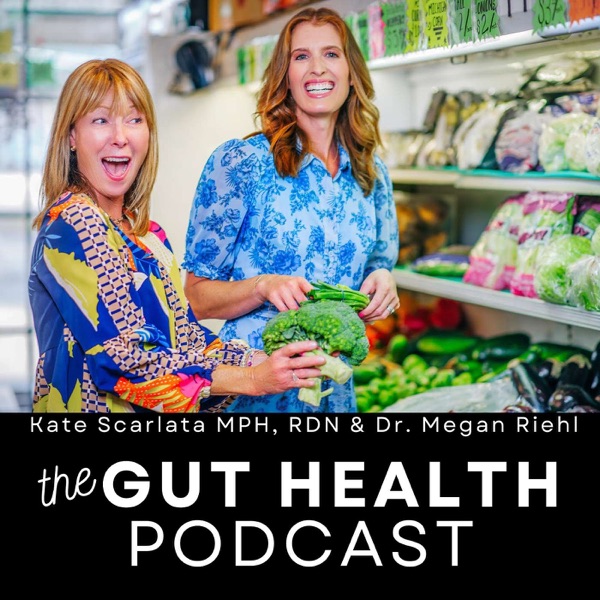
The Gut Health Podcast
The Gut Health Podcast explores the scientific connection between the gut, food, mood, microbes and well-being. Kate Scarlata is a world-renowned GI dietitian and Dr. Megan Riehl is a prominent GI psychologist at the University of Michigan and both are the co-authors of Mind Your Gut: The Science-based, Whole-body Guide to Living Well with IBS. Their unique lens with which they approach holistic conversations with leading experts in the field of gastroenterology will appeal to the millions of individuals impacted by gut health.
As leaders in their field, Kate and Megan dynamically plow through the common myths surrounding gut health and share evidence-backed information on navigating medical management, nutrition, behavioral interventions and more for those living with or without a GI condition.
The Gut Health Podcast is where science, expertise, and two enthusiastic advocates for wellness come together to help you live your best life.
Learn more about Kate and Megan at http://www.katescarlata.com/ and http://www.drriehl.com/
Instagram: @Theguthealthpodcast
- Nutrition chart
- #60
- Episodes
- 41
- Releases
- Monthly
- Typical length
- 48 min
- On air since
- 2024
- Latest episode
- 2 days ago
Episodes
41 episodes, newest first
-
51 min
Beyond Your Teeth: How Oral Health Connects to Your Gut and Whole-body Health with guest Dr. Eugene Antenucci)
Episode 40
Show notes
What if your mouth could reveal more about your overall health than you realize? Your oral microbiome affects more than the well-being of your teeth and gums, with emerging research linking oral bacteria to gut health, chronic inflammation, and disease.
Kate and Dr. Riehl sit down with dentist and dental faculty member Dr. Eugene Antenucci to explore the oral-gut connection, the signs of oral health problems you shouldn't ignore, and what your mouth may reveal about your health. From the surprising relationship between gum disease and systemic conditions to practical habits that support a healthier mouth and gut, you'll learn what the science tells us—and what you can do about it.
In this episode, we explore:
• The oral-gut connection: What happens to the billions of microbes we swallow every day, and how oral bacteria may influence gut health.
• Beyond a bright smile: Why white teeth and an absence of pain don't necessarily mean your mouth is healthy.
• The inflammation connection: How gum disease is linked to systemic inflammation, cardiovascular disease risk, and diabetes.
• What your mouth can reveal: Oral signs that may point to nutritional deficiencies, celiac disease, diabetes, and other health conditions.
• Oral bacteria and colorectal cancer: What emerging research suggests about the relationship.
• Oral health and digestive conditions: What people with IBD and celiac disease and those experiencing recurrent canker sores should know.
• Everyday habits that make a difference: From brushing and cleaning between your teeth to tongue "raking" and reducing frequent sugar exposure.
• Making the most of dental visits: What a thorough dental exam should include and why preventive care matters.Your mouth is connected to the rest of your body in ways you may not expect. Tune in to learn how small, consistent changes to your oral care routine can support your overall health.
Enjoying the show? Subscribe, rate, and leave us a review or comment. Follow The Gut Health Podcast on social media and share your thoughts, questions, and experiences with us!
References:
The Connection Between Oral Health and Heart Health
Learn more about Kate and Dr. Riehl:
Website: http://www.katescarlata.com/ and http://www.drriehl.com/
Instagram: @katescarlata @drriehl and @theguthealthpodcastOrder Kate and Dr. Riehl's book, Mind Your Gut: The Science-Based, Whole-body Guide to Living Well with IBS.
The information included in this podcast is not a substitute for professional medical advice, examination, diagnosis or treatment. Always seek the advice of your physician or other qualified health care provider before starting any new treatment or making changes to existing treatment.
-
51 min
The Gut–Bone Axis: How Gut Health Impacts Bone Health, Calcium Absorption & Osteoporosis (with guest Dr. Laura McCabe)
Episode 39
Show notes
Your bones aren’t stones, and osteoporosis isn’t just a calcium problem. Bone is living tissue that continuously remodels, and the signals that guide that process may start in an unexpected place: your gut. We dig into the gut–bone axis and the emerging field of osteomicrobiology with Dr. Laura McCabe.
We discuss:
• How bones are living tissue that continuously remodels
• Osteoporosis as a common silent disease—and why fractures are often the first sign.• Osteomicrobiology and how the gut–bone axis may influence inflammation, immune signaling, and hormones
• Fiber fermentation and short-chain fatty acids that may support calcium absorption and gut barrier health
• The gut microbiome, vitamin K, and its role in bone mineralization
• Prunes as a whole-food intervention and the evidence behind six prunes per day
• Fermented foods like yogurt and kefir, plus the importance of protein for muscle and bone health
• Menopause, estrogen loss, changes in the gut barrier, and inflammation linked to accelerated bone loss
• Calcium from food first, caution with high-dose supplements, and practical dairy options including lactose-free choices
• Weight-bearing exercise, strength training, and yoga as bone-loading signals and how exercise may also affect the microbiome
• Why people respond differently based on genetics, lifestyle, medications, and steroid exposure
• Where the science is heading, from metabolomics to more personalized nutrition approachesWe hope you’ll share this episode and help spread the word about bone health!
This episode was sponsored by Activia.
References:
Learn more about our guest, Laura McCabe, PhD
Don’t forget to subscribe, rate, and leave us a comment.
You can also follow us on social media @TheGutHealthPodcast, where we’d love for you to share your thoughts, questions, and experiences.Learn more about Kate and Dr. Riehl:
Website: http://www.katescarlata.com/ and http://www.drriehl.com/
Instagram: @katescarlata @drriehl and @theguthealthpodcastOrder Kate and Dr. Riehl's book, Mind Your Gut: The Science-Based, Whole-body Guide to Living Well with IBS.
The information included in this podcast is not a substitute for professional medical advice, examination, diagnosis or treatment. Always seek the advice of your physician or other qualified health care provider before starting any new treatment or making changes to existing treatment.
-
40 min
Gut Health Strategies For First Responders (with guest Police Chief Michael Assad Jr.)
Episode 38
Show notes
What happens when the stress of being a first responder doesn’t just stay in your head but starts showing up in your gut?
Today, we’re joined by Police Chief Michael Assad Jr. of the Rochester, Massachusetts Police Department for an honest conversation about the often-overlooked connection between first responder stress, gut health, IBS, and nutrition.
From high-pressure calls and long shifts to those unexpected “code brown” moments, chronic stress can take a serious toll on the digestive system. We’ll talk about recognizing those warning signs, why gut health deserves more attention in the first responder community, and how nutrition, stress management and everyday habits can play a role in feeling better and performing at your best.
This is a conversation about stress, resilience, and taking care of the part of your body that may be trying to tell you it’s time to slow down and pay attention.
We share practical ways to build a culture where officers can recover from adrenaline, fuel better on shift, and get support without stigma.
• why shift work and disrupted routines can trigger IBS symptoms
• the “SHIT” acronym: shift work, high octane habits, irregular nutrition, tactical stress
• how energy drinks, dehydration, and gas station food can backfire fast
• simple leadership moves that normalize wellness and real help seeking
• fitness incentives, workout on duty, and building a wellness room
• on scene tools like box breathing and diaphragmatic breathing
• gentle diet cleanup basics: adjusting caffeine, alcohol, hydration, and fiber, per tolerance
• nicotine pouches and stress habits that can worsen gut symptoms
• when to see a doctor and what red flags to watch for
• why a clear diagnosis can lower stress and improve symptomsDon't forget to subscribe, rate, and leave us a comment. You can also follow us on social media @TheGutHealthPodcast, where we'd love for you to share your thoughts, questions, and experiences.
This podcast was sponsored by Ardelyx.
Sorry for Kate’s raspy voice, she’s just getting over a cold! And a big thank-you to Megan for holding down the fort. ❤️
References:
Demo of diaphragmatic breathing.
Learn more about Kate and Dr. Riehl:
Website: http://www.katescarlata.com/ and http://www.drriehl.com/
Instagram: @katescarlata @drriehl and @theguthealthpodcastOrder Kate and Dr. Riehl's book, Mind Your Gut: The Science-Based, Whole-body Guide to Living Well with IBS.
The information included in this podcast is not a substitute for professional medical advice, examination, diagnosis or treatment. Always seek the advice of your physician or other qualified health care provider before starting any new treatment or making changes to existing treatment.
-
1 hr 4 min
Navigating Food Fear, Disordered Eating & Gut Issues Together (with guests Dr. Madison Simons and Janelle Smith, RDN, CEDS)
Episode 37
Show notes
If eating has become a source of fear because of digestive symptoms, you're not alone. For many people living with IBS, IBD, and other GI conditions, repeated eating-related symptom flares create powerful food–symptom associations that make avoiding certain foods feel like the safest choice. Over time, however, this understandable protective response can become restrictive, limiting nutrition, social connection, and overall quality of life.
In this episode, we're joined by digestive health and eating disorder dietitian expert, Janelle Smith, RDN, and GI psychologist Dr. Madison Simons to explore the overlap between gastrointestinal disorders, food fear, and disordered eating.
Together, we explore how fear around eating develops, how healthcare providers tell the difference between healthy caution and fear that's limiting daily life, and how people can gradually rebuild confidence with eating through compassionate, evidence-based care. We also explain why working with a team—including a gastroenterologist, GI dietitian, and GI psychologist—can make all the difference in helping people feel more comfortable with food, expand their diets, and get back to living life more fully.
In this episode, we discuss:
• Why progressively restricting foods can worsen fatigue, anxiety, nutrition, and overall quality of life
• Why avoiding foods because of GI symptoms can be an adaptive response, your brain is trying to help you, and this isn't inherently "pathological"
• How the amygdala, your body's alarm system, and visceral hypersensitivity create powerful food-symptom associations
• Signs that food avoidance is no longer serving you and may be driven by fear
• How clinicians use open-ended conversations and screening tools to identify disordered eating and ARFID risk
• When dietary therapies like the low FODMAP diet are appropriate and when they're not
• Least-restrictive nutrition strategies, including gentle food swaps and stepwise reintroduction
• Which evidence-based supplements may help manage symptoms without adding unnecessary diet restriction
• How exposure ladders, "micro-dosing" feared foods, and coping strategies can reduce anticipatory anxiety
• Why reframing symptoms as sensations and separating discomfort from danger is a powerful part of recovery
• How a collaborative care team can help people regain confidence, nourish their bodies, and expand their lives—not just their diets.f you or someone you love has ever felt overwhelmed by food fear because of digestive symptoms, this conversation offers reassurance, practical strategies, and hope. While some dietary changes may be appropriate to manage GI conditions, recovery is about learning to distinguish necessary restrictions from fear-driven avoidance, rebuilding trust in your body, and finding the right support so food can become a source of nourishment and enjoyment again.
This episode has been sponsored by Ardelyx.
Reference:
Learn more about Kate and Dr. Riehl:
Website: http://www.katescarlata.com/ and http://www.drriehl.com/
Instagram: @katescarlata @drriehl and @theguthealthpodcastOrder Kate and Dr. Riehl's book, Mind Your Gut: The Science-Based, Whole-body Guide to Living Well with IBS.
The information included in this podcast is not a substitute for professional medical advice, examination, diagnosis or treatment. Always seek the advice of your physician or other qualified health care provider before starting any new treatment or making changes to existing treatment.
-
45 min
Gut Health Trends: Which Ones Deserve the Hype and Which Ones Need a Reality Check?
Episode 36
Show notes
Gut health trends are everywhere, but which ones deserve a closer look, and which ones need a reality check?
In this episode, we break down the biggest gut health trends getting clicks, likes, and follows online. From our "hard no" to "I'm curious," we share where each trend lands on our hype scale and explain the science, physiology, and gut-brain connection behind our take.
We explore what actually helps symptoms like constipation, bloating, and digestive discomfort without fueling anxiety, wasting money, or creating unnecessary health risks.
From viral wellness trends to evidence-based advice, here's what we're discussing:
• Does the viral chia seed "internal shower" actually cleanse your colon or is that just clever marketing?
• Are colonics and coffee enemas detox heroes, or do they go against how your gut is designed to work?
• Can lemon water and apple cider vinegar really "wake up" your digestion first thing in the morning?
• Can a simple self-care routine improve your gut symptoms, even if it doesn't "heal" your digestive system?
• Are fermented foods always packed with probiotics or is there more to the story? (Tune in for a revisit of Episode 20!)
• Can you make colonoscopy prep more tolerable with "prep mocktails" without interfering with the procedure?
• Can you have too much of a good thing? What happens when "fibermaxxing" goes too far?
• Are gut-healing protocols and at-home microbiome tests helping you understand your gut or making you more confused and anxious?
• Do lactose intolerance patches actually work, or does the science tell a different story?
• Are castor oil packs a legitimate digestive therapy?Whether you're tempted to try the latest gut health hack or just wondering what's worth your attention, this episode will help you separate science from social media.
Resources:
Learn more about Kate and Dr. Riehl:
Website: http://www.katescarlata.com/ and http://www.drriehl.com/
Instagram: @katescarlata @drriehl and @theguthealthpodcastOrder Kate and Dr. Riehl's book, Mind Your Gut: The Science-Based, Whole-body Guide to Living Well with IBS.
The information included in this podcast is not a substitute for professional medical advice, examination, diagnosis or treatment. Always seek the advice of your physician or other qualified health care provider before starting any new treatment or making changes to existing treatment.
-
56 min
MCAS: A Whole-Body Condition Through the GI Lens (with guest Dr. Zac Spiritos)
Episode 35
Show notes
MCAS is one of those diagnoses that can make it feel like your body is telling a dozen stories at once—and no one is listening. If you're experiencing GI symptoms alongside flushing, hives, brain fog, fatigue, palpitations, medication sensitivities, or a persistent "fight-or-flight" feeling, this episode is designed to help connect the dots without oversimplifying your experience.
In this episode, we sit down with gastroenterologist Dr. Zachary Spiritos to unpack mast cell activation syndrome (MCAS) and explore the connections between immune activation, the gut-brain axis, and symptoms that can affect nearly every system in the body. We discuss why patients are often dismissed, how stress and hormonal changes can amplify symptoms, and what a realistic, stepwise treatment approach looks like when the evidence base is still evolving.
In this episode, we discuss:
• What mast cells do and why MCAS can affect multiple organ systems
• Why MCAS is often missed in siloed medical care and mislabeled as anxiety
• Barrier dysfunction, environmental triggers, and intestinal permeability as a useful framework
• Histamine as one mediator among many and why antihistamines are not a perfect treatment for all
• Links between MCAS, IBS, visceral hypersensitivity, dysautonomia, and POTS
• Hypermobility, pelvic floor dysfunction, and neck tension as common clinical clues
• Treatment principles including start low and go slow, informed consent, and layered individualized plans
• Dietary approaches patients commonly explore, including low-histamine, low-FODMAP, and gluten-free patterns
• Hormonal influences across the menstrual cycle and during perimenopause
• The role of sleep, nervous system regulation, and stress reduction in decreasing symptom reactivityIf you've ever felt like your symptoms don't fit neatly into a single diagnosis, this episode will help you make sense of the bigger picture and explore what healing can look like when the gut, immune system, and nervous system are all part of the conversation.
References:
Find Dr. Spiritos on IG @drzacspiritos
So please like and subscribe and share the gut health podcast.
Don't forget to subscribe, rate, and leave us a comment.Learn more about Kate and Dr. Riehl:
Website: http://www.katescarlata.com/ and http://www.drriehl.com/
Instagram: @katescarlata @drriehl and @theguthealthpodcastOrder Kate and Dr. Riehl's book, Mind Your Gut: The Science-Based, Whole-body Guide to Living Well with IBS.
The information included in this podcast is not a substitute for professional medical advice, examination, diagnosis or treatment. Always seek the advice of your physician or other qualified health care provider before starting any new treatment or making changes to existing treatment.
-
43 min
When Your Gut Gets in the Bedroom: Exploring Sexual Health & Intimacy (with guest Dr. Alyse Bedell)
Episode 34
Show notes
Part 3 of the Women's Health Series
Bloating, gas, urgency, abdominal pain, and that relentless “what if something happens?” loop can turn sex from a close connection into stress fast.
Digestive symptoms can quietly impact some of the most vulnerable parts of our lives...including intimacy, relationships, and self-esteem. And often, the shame surrounding those experiences feels heavier than the symptoms themselves. If you’ve ever pulled away from connection because your gut felt unpredictable, this conversation is for you. In this episode, we’re opening up an honest and empowering discussion about gut health, confidence, and reclaiming intimacy without fear or embarrassment.
We dive into this topic with our expert guest, Dr. Alyse Bedell, GI psychologist and Certified Sex Therapist, covering:
• Why digestive functions feel taboo in sexual relationships
• How IBS and IBD symptoms can impact desire, relaxation, and satisfaction
• Myth-busting the idea that sex must be spontaneous to be pleasurable
• Scripts and “reset” strategies for handling symptoms in the moment
• Redefining intimacy so closeness does not always imply intercourse
• Flexible planning around meals, energy, triggers, and symptom patterns
• Partner support that reassures without becoming patronizing
• The circular sexual response cycle and starting from sexual neutrality
• Rebuilding sexual self-esteem with stigma work and acting with "as if” confidenceThis episode has been sponsored by Ardelyx.
References:
Becoming Cliterate: Why Orgasm Equality Matters--And How to Get It by Laurie Mintz
The American Association of Sexuality Educators, Counselors and Therapists (AASECT) (great resources as well as a place to find a certified sex therapist)
Give us a follow us on social media @TheGutHealthPodcast, where we'd love for you to share your thoughts, questions, and experiences.
Learn more about Kate and Dr. Riehl:
Website: http://www.katescarlata.com/ and http://www.drriehl.com/
Instagram: @katescarlata @drriehl and @theguthealthpodcastOrder Kate and Dr. Riehl's book, Mind Your Gut: The Science-Based, Whole-body Guide to Living Well with IBS.
The information included in this podcast is not a substitute for professional medical advice, examination, diagnosis or treatment. Always seek the advice of your physician or other qualified health care provider before starting any new treatment or making changes to existing treatment.
-
54 min
Perimenopause & Menopause: Hormones, Gut Health & Whole-Body Wellness (with guests Drs. Chrisandra Shufelt and Jami Kinnucan)
Episode 33
Show notes
Part 2 of the Women's Health Series
Your digestion suddenly feels different, your sleep is falling apart, your mood and patience are all over the place — and you start wondering whether it’s stress, aging, or something bigger. Joined by two extraordinary Mayo Clinic experts, Drs. Chrisandra Shufelt and Jami Kinnucan, we pull back the curtain on perimenopause and menopause, explaining how shifting estrogen and progesterone can ripple through the entire body — from constipation and bloating to metabolic health, cardiovascular risk, and even the gut microbiome. Most importantly, this episode reminds women that these changes are real, common, and worthy of attention.
• Defining perimenopause versus menopause as a life stage and why symptoms vary so much
• Linking estrogen and progesterone changes to motility, constipation, bloating, and visceral sensitivity
• Discussing microbiome shifts, dysbiosis, and how gut health may influence estrogen recycling
• Outlining cardiometabolic changes including central weight gain, lipid changes, blood pressure, and insulin resistance
• Clarifying brain fog, sleep disruption, and increased anxiety and depression risk during perimenopause
• Reviewing SSRIs and SNRIs as options that may also reduce hot flashes
• Covering bone loss timing, hormone therapy limits, and when DEXA scanning makes sense
• Summarizing what is known about IBS symptom severity and what is less clear in IBD
• Debunking hormone panels in perimenopause and pointing to menopause-trained clinicians
• Breaking down soy, supplements, placebo effects, and lifestyle factors like weight loss and exercise snacks
• Detailing vaginal estrogen for dryness, painful sex, and recurrent UTIs, including how to use it correctlyThis episode has been sponsored by Ardelyx.
References for this episode:
The 2022 hormone therapy position statement of The North American Menopause Society
Impact of Menopause and Clinical Considerations in Patients With Inflammatory Bowel Disease
Find a Menopause Practitioner: https://menopause.org/
Learn more about Kate and Dr. Riehl:
Website: http://www.katescarlata.com/ and http://www.drriehl.com/
Instagram: @katescarlata @drriehl and @theguthealthpodcastOrder Kate and Dr. Riehl's book, Mind Your Gut: The Science-Based, Whole-body Guide to Living Well with IBS.
The information included in this podcast is not a substitute for professional medical advice, examination, diagnosis or treatment. Always seek the advice of your physician or other qualified health care provider before starting any new treatment or making changes to existing treatment.
-
48 min
Endometriosis and IBS: Key Differences, Overlaps, and Diagnosis Tips (with guest Rachelle LaCroix Mallik, MA, RDN)
Episode 32
Show notes
Part 1 of the Women's Health Series
Endometriosis can show up like a gut disorder, and that confusion keeps many people stuck for years without answers. We map the overlap between endometriosis and IBS, explain what symptoms should raise suspicion, and share practical ways to build a care plan that supports both digestion and quality of life.
• Endometriosis prevalence, symptoms and why it is often missed
• IBS-like symptoms explained, including inflammation, adhesions, and visceral hypersensitivity
• Hallmark signs beyond pelvic pain, including heavy periods, pain with sex, and pain with urination
• Why diagnosis can be delayed and how updated guidance supports symptom-based evaluation plus imaging
• Fertility considerations, diminished ovarian reserve risk, and why early treatment can matter
• Low FODMAP as a short-term tool for GI symptoms, not a cure for endometriosis
• Mediterranean-style and anti-inflammatory eating patterns as a less restrictive foundation
• Stress, sleep, and gut-directed hypnotherapy as nervous-system support for pain and gut symptoms
• Gluten-free and dairy-free myths, plus why celiac screening matters before cutting gluten
• Supplement reality check, when to correct deficiencies, and why third-party testing matters
• The “dream team” approach, including medical doctor, dietitian, pelvic floor physical therapy and mental health supportThis episode has been sponsored by Ardelyx.
References for this episode:
2023 narrative assessment on gluten and endometriosis
2025 meta-analysis on endometriosis and supplements
2023 UK survey dietitian support for endometriosis
Rachelle’s delicious spaghetti & meatballs recipe
Find Rachelle Mallik on Instagram
You can also follow us on social media at the Gut Health Podcast, where we'd love for you to share your thoughts, questions, and experiences.
Learn more about Kate and Dr. Riehl:
Website: http://www.katescarlata.com/ and http://www.drriehl.com/
Instagram: @katescarlata @drriehl and @theguthealthpodcastOrder Kate and Dr. Riehl's book, Mind Your Gut: The Science-Based, Whole-body Guide to Living Well with IBS.
The information included in this podcast is not a substitute for professional medical advice, examination, diagnosis or treatment. Always seek the advice of your physician or other qualified health care provider before starting any new treatment or making changes to existing treatment.
-
34 min
Can’t Trust Your Gut? IBS-D Strategies for Fewer Flare-Ups and More Freedom (with guest Beth Rosen, MS, RD)
Episode 31
Show notes
Part 2 of the IBS-D Series
We sit down with GI dietitian Beth Rosen to talk about her lived experience with IBS-D, and how the absence of a clear diagnosis and effective treatment plan early on led to frustration and unnecessary food restriction.
With the right diagnosis and support, she was able to shift toward a clearer path, building a sustainable, flexible approach to eating and symptom management.
We share real-world strategies for identifying triggers, eating enough without panic, and using gut-brain tools so symptoms don’t run the show.
• Beth’s IBS-D origin story after C. diff and the missteps that delayed care
• Why “everything looks normal” needs context plus a plan
• Building an IBS story document to speed up appointments and strengthen self-advocacy
• Common IBS-D triggers and why broad food cuts can backfire
• Fructans, lactose, gluten, and the value of a targeted approach
• Coffee variables to consider including caffeine dose and acidity
• Digestive enzymes as practical support when appropriate
• Dining out tactics like menu scouting, calling ahead, and simple safe orders
• Travel and social scripts that protect privacy and reduce stress
• Beth's IBS toolbox picks: adequate + regular meals, targeted fiber, hydration, modified low FODMAP, gut-brain strategies
• Diaphragmatic breathing for urgency (Check out Dr. Riehl's video on diaphragmatic breathing, here.)Other resources from our guest, Beth Rosen MS, RDN:
Hot off the press: Gut Goals- the book for IBS patients, by Beth Rosen!
The EDGI Training Project- the book and resources for practitioners on the intersection of ED and GI
Learn more about Beth: Beth Rosen's website
This episode has been sponsored by Salix Pharmaceuticals.
Don’t forget to subscribe, rate, and leave us a comment. You can also follow us on social media, instagram @theguthealthpodcast, where we’d love for you to share your thoughts, questions, and experiences.
Learn more about Kate and Dr. Riehl:
Website: http://www.katescarlata.com/ and http://www.drriehl.com/
Instagram: @katescarlata @drriehl and @theguthealthpodcastOrder Kate and Dr. Riehl's book, Mind Your Gut: The Science-Based, Whole-body Guide to Living Well with IBS.
The information included in this podcast is not a substitute for professional medical advice, examination, diagnosis or treatment. Always seek the advice of your physician or other qualified health care provider before starting any new treatment or making changes to existing treatment.
-
35 min
What’s Really Behind IBS-D? Causes, Triggers, and Treatments (with guest Anthony Lembo, MD)
Episode 30
Show notes
Part 1 of the IBS-D Series
We map out a clear, practical way to understand IBS-D, from what it is, to how clinicians rule out the conditions that can look like it. With Dr. Anthony Lembo, we move from science to real-world next steps so you can feel more confident about diagnosis, treatment options, and hope for improvement.
• How IBS-D is defined using stool form and pain patterns
• When diarrhea needs more workup using alarm features
• Common IBS-D mimickers including celiac disease, IBD, bile acid malabsorption, microscopic colitis, sucrase isomaltase deficiency and Giardia
• What post-infectious IBS may change in the gut including immune activation, permeability, microbiome, and hypersensitivity
• What the L-glutamine permeability study suggests and what remains unknown
• How to approach it a stepwise treatment IBS-D plan using lifestyle, loperamide, antispasmodics, neuromodulators, rifaximin, and other prescriptions
• Why brain-gut behavioral therapy helps even without severe anxiety or depression
• How we avoid the trap of endless “root cause” chasing with a confident diagnosisRome V will include an update of the Rome Criteria (publication available around May 2026).
This episode has been sponsored by Salix Pharmaceuticals.
Follow us on social media, instagram @theguthealthpodcast, where we’d love for you to share your thoughts, questions, and experiences.
References:
Congenital Sucrase-Isomaltase Deficiency: What, When, and How?
Learn more about Kate and Dr. Riehl:
Website: http://www.katescarlata.com/ and http://www.drriehl.com/
Instagram: @katescarlata @drriehl and @theguthealthpodcastOrder Kate and Dr. Riehl's book, Mind Your Gut: The Science-Based, Whole-body Guide to Living Well with IBS.
The information included in this podcast is not a substitute for professional medical advice, examination, diagnosis or treatment. Always seek the advice of your physician or other qualified health care provider before starting any new treatment or making changes to existing treatment.
-
57 min
Tests Say Normal, IBS Symptoms Say Otherwise (with guests Laurie Keefer, PhD and Darren Brenner, MD)
Episode 29
Show notes
Tired of hearing “it’s just stress”? IBS experts Drs. Laurie Keefer and Darren Brenner join Kate Scarlata and Dr. Megan Riehl to set the record straight on irritable bowel syndrome.
IBS is a real, biologically based disorder involving the gut–brain axis, the microbiome, immune function, and nervous system signaling. Understanding how these systems interact reshapes how we diagnose, personalize treatment, and support long-term symptom relief.
If you’ve felt dismissed, confused, or stuck in trial-and-error care, this episode will help you feel validated, informed, and empowered with a clearer, science-backed path forward.
Together we break down:
• The value of a positive diagnosis (not endless testing)
• The impact of trauma and adverse childhood experiences (ACEs) on gut sensitivity
• Using diet to support symptom relief without unnecessary food restriction
• How to comprehensively match treatment to your triggersSupport & Professional Resources
If you’ve experienced ACEs or trauma and want support from a GI psychologist or trauma-informed provider, these directories can help:
• GI Psychology (virtual services available)
• Rome Foundation GastroPsych Provider Directory
• Trauma-Informed Mental Health Provider DirectoryPartnering with a clinician trained in gut–brain disorders and trauma-informed care can safely address both physical symptoms and nervous system patterns.
• Aggeletopoulou et al. Unraveling the Pathophysiology of Irritable Bowel Syndrome: Mechanisms and Insights. Int J Mol Sci, 2025.
• Keefer L et al. The Role of Resilience in IBS and Other Chronic GI Conditions. Clin Gastroenterol Hepatol, 2021.
• Chang L et al. Sex, Anxiety, and Resilience in the Association Between Adverse Childhood Experiences and IBS. Clin Gastroenterol Hepatol, 2025.
• Dong et al (UCLA Church Lab). Experiences of discrimination are associated with microbiome and transcriptome alterations in the gut.Front Microbiol, 2024.
• Scarlata K et al. Utilization of Dietitians in the Management of Irritable Bowel Syndrome by Members of the American College of Gastroenterology. Am J Gastroenterol, 2022.• How Kate Does It: Low-FODMAP Diet (AJG)
This episode is sponsored by Ardelyx.
Learn more about Kate and Dr. Riehl:
Website: http://www.katescarlata.com/ and http://www.drriehl.com/
Instagram: @katescarlata @drriehl and @theguthealthpodcastOrder Kate and Dr. Riehl's book, Mind Your Gut: The Science-Based, Whole-body Guide to Living Well with IBS.
The information included in this podcast is not a substitute for professional medical advice, examination, diagnosis or treatment. Always seek the advice of your physician or other qualified health care provider before starting any new treatment or making changes to existing treatment.
-
56 min
Feed Your Gut: The Fiber Deficit Most of Us Don’t Know We Have (with guest Heather Armstrong, MSc, PhD)
Episode 28
Show notes
Fiber isn’t one-size-fits-all and for some people, more isn’t better. In this episode, we explore why most people under-eat fiber, why certain fibers can worsen symptoms, and how to personalize intake in a way your body can actually tolerate. Dr. Heather Armstrong shares emerging insights on fiber function, microbiome capacity, and practical strategies for going low and slow. We also unpack new science explaining why fiber supports gut health in some individuals, while triggering issues in others with reduced fermentative activity.
In this episode, we discuss:
• The fiber gap, health risks, and minimum intake targets
• How solubility, viscosity, and fermentability guide fiber choice
• Matching fiber types to IBS, diarrhea, and constipation
• Why whole foods matter more than isolates
• Citrus peel pectin and simple kitchen hacks
• Why “low and slow” dosing reduces gas and pain
• How long microbiome changes and symptom relief actually take
• When fiber supplements help (and when they don’t)
• Individualized fiber needs in IBD (and implications for IBS, MS, and liver disease)
• Why dietitians are essential for precision nutritionThis episode is especially relevant if you’ve been told to “just eat more fiber”—and it didn’t go well.
Learn more about Dr. Heather Armstrong's novel research:
References:
Ramezani F, Pourghazi F, Eslami M, et al. Dietary fiber intake and all-cause and cause-specific mortality: An updated systematic review and meta-analysis of prospective cohort studies. Clin Nutr. 2024
Chang SC, Cassidy A, Willett WC, Rimm EB, O'Reilly EJ, Okereke OI. Dietary flavonoid intake and risk of incident depression in midlife and older women. Am J Clin Nutr. 2016
Armstrong HK, Bording-Jorgensen M, Santer DM, et al. Unfermented β-fructan Fibers Fuel Inflammation in Select Inflammatory Bowel Disease Patients. Gastroenterology. 2023
Armstrong H, Mander I, Zhang Z, Armstrong D, Wine E. Not All Fibers Are Born Equal; Variable Response to Dietary Fiber Subtypes in IBD. Front Pediatr. 2021
Gao J, Lee AA, Abtahi S, et al. Low Fermentable Oligosaccharides, Disaccharides, Monosaccharides, and Polyols Diet Improves Colonic Barrier Function and Mast Cell Activation in Patients With Diarrhea-Predominant Irritable Bowel Syndrome: A Mechanistic Trial. Gastroenterology.
This episode is sponsored by Activia.
Learn more about Kate and Dr. Riehl:
Website: http://www.katescarlata.com/ and http://www.drriehl.com/
Instagram: @katescarlata @drriehl and @theguthealthpodcastOrder Kate and Dr. Riehl's book, Mind Your Gut: The Science-Based, Whole-body Guide to Living Well with IBS.
The information included in this podcast is not a substitute for professional medical advice, examination, diagnosis or treatment. Always seek the advice of your physician or other qualified health care provider before starting any new treatment or making changes to existing treatment.
-
47 min
Miracle or Misused? Benefits, Risks, and Responsible Use of GLP-1s (with guest Supriya Rao, MD)
Episode 27
Show notes
Glucagon-like peptide-1 (GLP-1) can transform metabolic health, but only with smart dosing, adequate dietary protein, regular strength training, and mental health support.
In this episode, we explore how GLP-1 medications work in the brain and gut, why metabolic health is more than BMI or a weight on the scale, and how to use these drugs safely. Our expert guest, gastroenterologist, Dr Supriya Rao shares practical dosing, side effect strategies, and what makes results stick.
• Defining metabolic health beyond BMI and weight
• How GLP-1s reduce appetite and slow gastric emptying
• Healthy weight loss pace and preserving lean muscle
• Practical + science-backed dosing and individualized titration
• The unknown risks of compounding and microdosing
• Managing nausea, reflux, and constipation
• Diet shifts: smaller meals, more fiber, adequate protein
• Mental health, body image, and stigma in care
• Durability of results and maintenance dosing
• New indications: MASH (metabolic dysfunction-associated steatohepatitis), sleep apnea, cardiovascular protection
• Building an educated care teamReferences/Resources:
Integrated Gastroenterology Consultants (Dr. Supriya Rao's practice site)
Book: The GLP-1 Kitchen: A Cookbook for Living Well on Weight Loss Medications Escobar S-N et al. (contains affiliate marketing link)
Learn more about Kate and Dr. Riehl:
Website: http://www.katescarlata.com/ and http://www.drriehl.com/
Instagram: @katescarlata @drriehl and @theguthealthpodcastOrder Kate and Dr. Riehl's book, Mind Your Gut: The Science-Based, Whole-body Guide to Living Well with IBS.
The information included in this podcast is not a substitute for professional medical advice, examination, diagnosis or treatment. Always seek the advice of your physician or other qualified health care provider before starting any new treatment or making changes to existing treatment.
-
45 min
Sorting Fact from Fad: What to Do When Science Isn't Settled
Episode 26
Show notes
This year on The Gut Health Podcast, we dug deeper than ever into the science that shapes our bodies, the myths that confuse us, and the everyday habits that actually move the needle. We challenged probiotic controversies, rethought alcohol culture, explored resilience from gravity to mindset, and turned stress management into practical, usable skills. We broached the topic of vagus nerve stimulation and the potential role of psychedelics and the gut-brain connection!
The theme in 2025 was connection: the conversation between food and microbes, the way those microbes steer our mood and gut motility, the posture-driven shifts in biology, and the everyday choices that ignite changes across the whole body.
It’s not just gut health—it’s a map of how we think, feel, move, and live. And we’re just getting started.
Key topics in this episode include:
• the evolving research with gut science and why personalization matters
• facts vs fads on probiotics, ferments, and “leaky gut syndrome”
• lifestyle foundations that beat quick fixes
• alcohol reduction strategies and social swaps
• food–mood links, excess fructose, and serotonin
• stress prescriptions such as adding diaphragmatic breathing into your daily routine
• how to build gravity resilience
• what's happening in the psilocybin research landscape and safety considerations
• practical habit stacking for hydration, movement, and sleep
• communicating with providers when evidence conflicts to help you navigate your personal gut health needs.Looking to boost overall wellbeing with meditation, breathing exercises or better sleep? Calm has you covered with 40% off a premium subscription. Visit http://calm.com/guthealthpod.
Learn more about Kate and Dr. Riehl:
Website: http://www.katescarlata.com/ and http://www.drriehl.com/
Instagram: @katescarlata @drriehl and @theguthealthpodcastOrder Kate and Dr. Riehl's book, Mind Your Gut: The Science-Based, Whole-body Guide to Living Well with IBS.
The information included in this podcast is not a substitute for professional medical advice, examination, diagnosis or treatment. Always seek the advice of your physician or other qualified health care provider before starting any new treatment or making changes to existing treatment.
-
56 min
Mind-Body Medicine: Psilocybin and the Gut (with guests Emeran Mayer, MD and Erin Mauney, MD)
Episode 25
Show notes
A growing number of patients with stubborn IBS symptoms are asking: if the gut and brain are wired together, could changing one transform the other? In this episode, we sit down with Dr. Emeran Mayer and Dr. Erin Mauney to explore what the emerging field of psychedelic-assisted therapy could mean for gut-brain health, beyond the headlines and hype.
In this episode we cover:
• Why traditional IBS treatments often fall short.
• How psilocybin opens a neuroplastic “window” for processing pain, stress, and interoception.
• The therapeutic process: preparation, guided dosing, and integration.
• Early study results: symptom relief, reduced visceral sensitivity, and improved self-illness separation.
• Safety, variability, and practical questions about access and candidacy.If you’re curious about neuroplasticity, the brain-gut axis, psilocybin, and the future of IBS care, this episode offers a grounded, hopeful, and responsible guide to what’s known, and what’s next.
This episode is sponsored by GI Psychology.
Disclaimer: Participation in the research study mentioned in this podcast is entirely voluntary and independent of The Gut Health Podcast. Please review all study details before deciding to take part. The Gut Health Podcast does not endorse or verify the research, its sponsors or its findings. Direct any questions to the study organizers using their official contact information.
References:
Psychedelic-assisted therapy: An overview for the internist
Barnett BS, Mauney EE, King F 4th. Psychedelic-assisted therapy: An overview for the internist. Cleve Clin J Med. 2025;92(3):171-180. Published 2025 Mar 3. doi:10.3949/ccjm.92a.24032
Psychedelic-assisted Therapy as a Promising Treatment for Irritable Bowel Syndrome
Mauney, Erin MD*; King, Franklin IV MD†; Burton-Murray, Helen PhD‡; Kuo, Braden MD‡. Psychedelic-assisted Therapy as a Promising Treatment for Irritable Bowel Syndrome. Journal of Clinical Gastroenterology 59(5):p 385-392, May/June 2025. | DOI: 10.1097/MCG.0000000000002149
Psilocybin and IBS treatment: First psychedelic study in gastroenterology
Learn more about the MGH study with Dr. Erin Mauney and colleagues here.
Learn more about Kate and Dr. Riehl:
Website: http://www.katescarlata.com/ and http://www.drriehl.com/
Instagram: @katescarlata @drriehl and @theguthealthpodcastOrder Kate and Dr. Riehl's book, Mind Your Gut: The Science-Based, Whole-body Guide to Living Well with IBS.
The information included in this podcast is not a substitute for professional medical advice, examination, diagnosis or treatment. Always seek the advice of your physician or other qualified health care provider before starting any new treatment or making changes to existing treatment.
-
57 min
Gravity Resilience: The Gut-Brain-Diet Connection (with guest Brennan Spiegel, MD)
Episode 24
Show notes
Dr. Brennan Spiegel, author of Pull: How Gravity Shapes Your Body, Steadies the Mind, and Guides Our Health, reveals how gravity shapes everything from our digestive health to our emotional wellbeing in this fascinating exploration of "biogravitational medicine." He presents the revolutionary concept that conditions like IBS and depression may be tied to how well our body resists gravity.
• Gravity resilience refers to how well your body manages Earth's gravitational force
• People with hypermobility conditions like Ehlers-Danlos syndrome often experience gut issues when their internal suspension systems are compromised
• The gut hangs from a suspension system like ‘ornaments on a Christmas tree,’ and if it weakens, the intestines can sag, leading to digestive issues
• Our language around emotions reflects our relationship with gravity – we feel "down" when sad and "up" when happy
• Most serotonin (90–95%) is made in the gut with help from our microbiome, where it helps regulate muscles and systems that manage our body’s relationship with gravity
• Strategies to strengthen gravity resilience
• Hypopressive exercises that draw the belly upward can improve internal organ support
• The STACK TEN diet focuses on tryptophan-rich foods to support serotonin production
• Mental and physical resilience share similar concepts - the ability to "bend without breaking"Check out Dr. Spiegel's new book "Pull" releasing October 7th, which explores how gravity affects human health and how building gravity resilience can help us find balance, stand stronger, and live longer.
References and Resources:
The Gravity Doctors Podcast Link
Brennan Spiegel MD’s book, Pull (This is an affiliate link. We may earn a small commission at no extra cost to you and only recommend products we trust.)
Effect of diet on serotonergic neurotransmission in depression. Neurochem Int. 2013;62(3):324-329.
J. Wurtman: Brain serotonin, carbohydrate-craving, obesity and depression. Obes Res. 1995;3 Suppl 4:477S-480S.
Research on sleep & tryptophan Sleep and Diet: Mounting Evidence of a Cyclical Relationship. Annu Rev Nutr. 2021 Oct 11;41:309-332.
Amy Cuddy's paper on "The Power Pose" highlights how adopting confident postures can boost mood, increase self-assurance, and positively influence how others perceive you!
Learn more about Kate and Dr. Riehl:
Website: http://www.katescarlata.com/ and http://www.drriehl.com/
Instagram: @katescarlata @drriehl and @theguthealthpodcastOrder Kate and Dr. Riehl's book, Mind Your Gut: The Science-Based, Whole-body Guide to Living Well with IBS.
The information included in this podcast is not a substitute for professional medical advice, examination, diagnosis or treatment. Always seek the advice of your physician or other qualified health care provider before starting any new treatment or making changes to existing treatment.
-
47 min
The Gut Dictionary: Probiotics, Prebiotics and Postbiotics Explained (with guest Mary Ellen Sanders, PhD)
Episode 23
Show notes
Dr. Mary Ellen Sanders, an expert in probiotic microbiology, helps us decode the often confusing world of probiotics, prebiotics, and postbiotics by explaining their scientific definitions, evidence-based benefits, and practical applications for gut health (and beyond).
This episode has been sponsored by Activia.
• Probiotics are live microorganisms that confer health benefits when consumed in adequate amounts
• For something to be called a probiotic, it must be alive, defined to the strain level, and tested in the research setting for health benefits
• When selecting probiotics, look for products with strain designations and doses guaranteed through end of shelf life, not just "at time of manufacture"
• The US Probiotic Guide (usprobioticguide.com) offers independent assessments of probiotic products and their evidence levels, including specific conditions or symptoms
• Specific probiotic benefits include supporting gut function during antibiotic use, reducing respiratory infections, and decreasing crying in colicky babies
• Prebiotics are substrates (often fibers, but also polyphenols) that feed beneficial gut bacteria
• Research suggests about 5 grams of prebiotics daily may be beneficial
• Postbiotics are beneficial preparations of dead microorganisms or their components, challenging the notion that microbes must be alive to benefit health
• When trying probiotics, consult with your health care provider first, as there are some conditions in which they are contraindicated.
• Multi-strain probiotics and synbiotics are commonly available but rarely tested in their exact formulationsReferences and resources:
• Clinical Guide to Probiotic Products Available in USA http://www.usprobioticguide.com/
• Research review: Is There Evidence to Support Probiotic Use for Healthy People? https://www.sciencedirect.com/science/article/pii/S2161831324000991?via%3Dihub
• International Scientific Association for Probiotics and Prebiotics http://www.isappscience.org/
• Perspectives on products combining functional ingredients without testing the product as formulated:• Cunningham M, et al.. The influence of product formulation on the activity and clinical outcomes of probiotic and prebiotic products. Trends Food Sci Technol: 112, June 2021, Pages 495-506.
• Sanders ME, et al. 2014. Effects of genetic, processing, or product formulation changes on efficacy and safety of probiotics. Ann N Y Acad Sci. 1309(1):1-18.• Probiotic product survey:
• Merenstein DJ, Guzzi J, Sanders ME. 2019. More Information Needed on Probiotic Supplement Product Labels. J Gen Intern Med. 34(12):2735-2737.
Learn more about Kate and Dr. Riehl:
Website: http://www.katescarlata.com/ and http://www.drriehl.com/
Instagram: @katescarlata @drriehl and @theguthealthpodcastOrder Kate and Dr. Riehl's book, Mind Your Gut: The Science-Based, Whole-body Guide to Living Well with IBS.
The information included in this podcast is not a substitute for professional medical advice, examination, diagnosis or treatment. Always seek the advice of your physician or other qualified health care provider before starting any new treatment or making changes to existing treatment.
-
44 min
The Gut Microbiome + Dysbiosis (with guest Mark Pimentel, MD)
Episode 22
Show notes
Dr. Mark Pimentel, Executive Director of the MAST program at Cedars-Sinai in Los Angeles, shares groundbreaking insights into the small intestinal microbiome that challenge long-held beliefs about gut bacteria. Findings from his team’s REIMAGINE study reveal that the small intestine is far from sterile, as previously thought—instead, it harbors substantial bacterial communities that play a critical role in health and disease, especially in conditions such as IBS and SIBO.
• E. coli and Klebsiella act as aggressive "Ferrari" bacteria that outcompete other microbes and destroy microbial diversity when overgrown inducing a "apocalyptic" disruption of the small bowel microbiome.
• Lactobacillus, commonly found in many probiotics, may act as a disruptor in the small intestine and new research correlates higher small intestinal levels with obesity and unhealthy aging (more research needed)
• The PLACIDE trial found probiotics didn't reduce C. diff or antibiotic-associated diarrhea but did increase bloating
• Food poisoning is the only proven cause-and-effect trigger for IBS, with stress acting as a modifier rather than initiator
• Combining rifaximin with NAC works 10x better for SIBO by targeting bacteria in both intestinal fluid and mucus
• A new compound (CS06) shows promise for reducing methane production and relieving constipation
• Three distinct gas patterns (hydrogen, methane, hydrogen sulfide) correlate with different symptom patterns and respond to targeted treatmentsThis episode was sponsored by Salix Pharmaceuticals.
Resources:
DDW 2025 Abstracts by the Mast Program and Dr. Pimentel
A Novel Microbiome Therapy, CS-06 (MTD Blocker), Reduces Methane Production in Stool Culture
Real World Study of Three-Gas Breath Testing Nationwide and The Association with Symptoms
Learn more about Kate and Dr. Riehl:
Website: http://www.katescarlata.com/ and http://www.drriehl.com/
Instagram: @katescarlata @drriehl and @theguthealthpodcastOrder Kate and Dr. Riehl's book, Mind Your Gut: The Science-Based, Whole-body Guide to Living Well with IBS.
The information included in this podcast is not a substitute for professional medical advice, examination, diagnosis or treatment. Always seek the advice of your physician or other qualified health care provider before starting any new treatment or making changes to existing treatment.
-
51 min
Tailored to the Core: Breathing, Bloating and Precision Medicine (with guest Iris Wang, MD)
Episode 21
Show notes
Dr. Iris Wang of the Mayo Clinic shares cutting-edge insights on gut health across the lifespan, including advancements in pharmacogenomics for personalized medication selection and innovative breathing techniques to relieve abdominal distension. She busts common myths about bloating, revealing how diaphragmatic dysfunction rather than excess gas may be the culprit. Dr. Wang also emphasizes the importance of starting gut health education early, helping kids and parents alike understand that pooping shouldn't be painful or forced.
• How pharmacogenomics helps identify why some patients metabolize medications differently, leading to better medication choices with exploration on the hope and/or hype of precision medicine in the GI world (Wang et al 2019)
• Explanation of abdomino-phrenic dyssynergia (APD) – when the diaphragm moves downward instead of upward, causing visible abdominal distention
• Specialized breathing technique developed in Barcelona that retrain the diaphragm for bloating relief (Barba E et al 2024) - see video link below
• The importance of normalizing healthy pooping habits from childhood through education & tools like toileting stools (e.g. Squatty Potty)
• Warning signs for parents about childhood constipation – including stool leakage, straining, & urinary problems (Tran DL et al 2023)
• How yoga can support gut health through mindful movement, core engagement, & stress reduction
Yoga videos:
Yoga For Digestion Flow| Yoga With Adriene (26 mins)
Yoga for Bloating, Digestion, Ulcerative Colitis, IBD & IBS (12 mins)
Check out Dr. Wang's children's book Boo Can't Poo, which helps normalize healthy pooping habits for kids while educating parents too.
References:
Specialized breathing technique for abdominal distention: Video Demonstration
Learn more about Kate and Dr. Riehl:
Website: http://www.katescarlata.com/ and http://www.drriehl.com/
Instagram: @katescarlata @drriehl and @theguthealthpodcastOrder Kate and Dr. Riehl's book, Mind Your Gut: The Science-Based, Whole-body Guide to Living Well with IBS.
The information included in this podcast is not a substitute for professional medical advice, examination, diagnosis or treatment. Always seek the advice of your physician or other qualified health care provider before starting any new treatment or making changes to existing treatment.
On these lists
The Gut Health Podcast is one of the shows picked out on this list

More in Medicine
Placed highest on Apple Podcasts' Medicine chart right now