Podcast
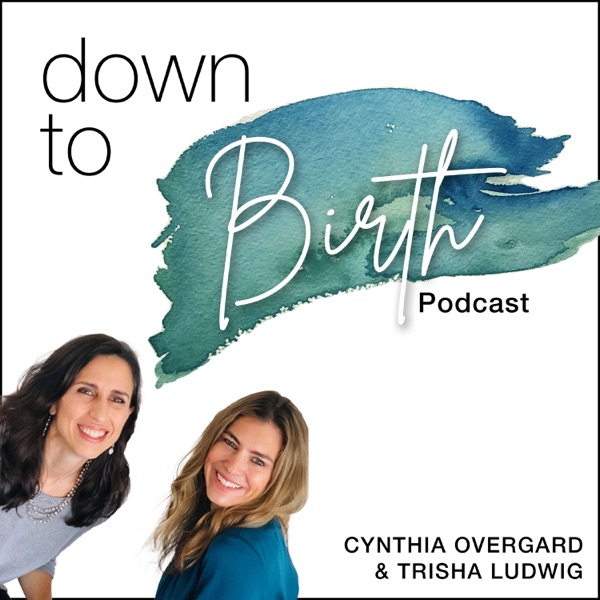
Down to Birth
Join Cynthia Overgard and Trisha Ludwig once per week for evidence-based straight talk on pregnancy, birth and postpartum --- beyond the clichés and beyond the system. With 40 years' combined experience in midwifery, childbirth education and advocacy, publishing, research and postpartum care, we've guided thousands of families toward safer, more empowered choices. Down to Birth is all about safe childbirth, while recognizing a safe outcome isn't all that matters. We challenge the status quo, explore women's rights in childbirth, and feature women from all over the world, shining shine light on the policies, culture, and systemic forces that shape our most intimate and transformative of life experiences. You'll hear the birth stories of our clients, listeners and numerous celebrities. You'll benefit from our expert-interviews, and at any time you can submit your questions for our monthly Q&A episodes by calling us at 802-GET-DOWN. With millions of downloads and listeners in 90 countries, our worldwide community of parents and birth professionals coms together to learn, question and create change, personally and societally. We're on Instagram at @downtobirthshow and at Patreon.com/downtobirthshow, where we offer live ongoing events multiple times per month. Become informed, feel empowered, and join the movement toward better maternity care in the United States and worldwide. As always, hear everyone, listen to yourself.
- Kids & Family chart
- #195
- Episodes
- 396
- Releases
- Weekly
- Typical length
- 51 min
- On air since
- 2019
- Latest episode
- 1 week ago
Episodes
396 episodes, newest first
-
57 min
#391 | October Q&A: Postpartum Depression Recurrence, Anal Fistulas & Vaginal Birth, Pregnancy Dating Without Ultrasound, RSV & Newborns
Season 7, Episode 391
Show notes
Welcome to the October Q&A! Today we kick things off with the surprising discovery that three Jeopardy contestants couldn’t identify the placenta from the clue “a temporary organ made of maternal and fetal tissue,” leading to a conversation about just how little most people are taught about the placenta.
Then we get into your questions. One mother experienced intense postpartum depression for five or six months after her first baby and now wonders whether having it once makes her more likely to experience it again. We discuss recurrence risk, what may contribute to postpartum depression, and what women can do differently the next time around.
Next, a mother who is eight months pregnant has a history of anal fistulas and previous repair surgeries. Her midwife and colorectal surgeon are comfortable with a vaginal birth, but an OB has suggested an elective C-section. Does an anal fistula make vaginal birth too risky, and what happens if she tears?
Then, a breastfeeding mother hoping to conceive before her menstrual cycle returns wants to avoid an early dating ultrasound. If she conceives with her first ovulation, she’ll have no last menstrual period to establish a due date. How can she determine gestational age, particularly with a home birth midwife who has a strict 37-to-42-week policy?
Quickies this month include precipitous labor happening again, newborn wellness checks, RSV season and the RSV antibody shot, drinking alcohol before knowing you’re pregnant, six dates a day and blood sugar, breastfed babies going days without pooping, whether children need their own bedrooms, spacing pregnancies, newborns who don’t want to be put down, progesterone supplementation, elegant baby girl names, favorite fall desserts, and our favorite (and least favorite) seasons.
Resources related to this week's episode:
Ultrasound: The Research and the Rhetoric
Recognizing Postpartum Depletion
Should I Be Induced? The ARRIVE Trial
Call us with your questions, comments or stories at 802-GET-DOWN!
**********
Access our workshops: Have a Physiologic Birth in the Hospital and Ultrasound: The Research vs Rhetoric
Needed <-- for 20% off
DrinkLMNT <-- for FREE 8-day supply
Primally Pure Skincare: Use code DOWNTOBIRTH
Postpartum Soothe: Use code DOWNTOBIRTH
ENERGYBits Superfood<--for 20% off
Join Patreon here
IG @downtobirthshowCall 802-GET-DOWN.
Watch us on YouTube! Please note we don’t provide medical advice. -
51 min
#390 | Tongue Ties, Airway Health & the Long-Term Effects of Poor Oral Development with Hilary Fritch, DMD
Season 7, Episode 390
Show notes
What if a tongue tie is about much more than breastfeeding? Biological and airway dentist Dr. Hilary Fritch, DMD, joins us to explain how tongue function, jaw development, nasal breathing, and sleep are interconnected, and why problems that begin in infancy can have effects that extend well into adulthood.
We discuss how the tongue helps shape the palate and jaw, why breastfeeding plays such an important role in facial development, what a high or narrow palate can mean for breathing and feeding, and why so many children today have crowded mouths and insufficient room for their wisdom teeth. Hilary explains the relationship between mouth breathing, fragmented sleep, snoring, and symptoms that can look like ADHD, as well as the signs parents can watch for in their own children.
We also get into tongue-tie releases in babies, children, and adults; when a frenulum actually needs to be treated; myofunctional therapy; airway expansion; mouth breathing and mouth taping; the connection between the tongue and fascia throughout the body; and why correcting oral function early can change the way a child's face, jaw, and airway develop.
Plus, we discuss why tongue ties can be both overdiagnosed and undertreated, what parents should look for when evaluating their child's airway, and why an airway dentist may see things that a conventional dental exam does not.
**********
Access our workshops: Have a Physiologic Birth in the Hospital and Ultrasound: The Research vs Rhetoric
Needed <-- for 20% off
DrinkLMNT <-- for FREE 8-day supply
Primally Pure Skincare: Use code DOWNTOBIRTH
Postpartum Soothe: Use code DOWNTOBIRTH
ENERGYBits Superfood<--for 20% off
Join Patreon here
IG @downtobirthshowCall 802-GET-DOWN.
Watch us on YouTube! Please note we don’t provide medical advice. -
44 min
#389 | October Breastfeeding Q&A: Colic, Getting Pregnant & Breastfeeding “Rules”
Season 7, Episode 389
Show notes
Welcome to another Breastfeeding Q&A episode. Today, we start with a conversation about breastfeeding advice on social media and ask our community which breastfeeding “rules” they wish they had never heard.
For today's questions, Trisha responds to these listener topics:
• Getting your period back while breastfeeding and whether you need to wean to conceive
• Night nursing at 14 months and how prolactin can affect the return of ovulation
• Colic, gas, high-pitched crying, and a baby who suddenly struggles at the breast
• What else to consider when a three-month-old is having difficulty nursing
• Taking a week-long trip without your 16-month-old and whether time apart could lead to weaning
• Maintaining milk supply while traveling and returning to breastfeeding after separationFor quickies, we tackle waking newborns to feed, infant breast preferences, uneven milk production, when supply regulates, hospital lactation consultants, nipple shields, weaning age, letdown, mastitis and clogged ducts, night sweats, collecting colostrum during pregnancy, and whether a painless, effective latch ever needs fixing.
**********
Access our workshops: Have a Physiologic Birth in the Hospital and Ultrasound: The Research vs Rhetoric
Needed <-- for 20% off
DrinkLMNT <-- for FREE 8-day supply
Primally Pure Skincare: Use code DOWNTOBIRTH
Postpartum Soothe: Use code DOWNTOBIRTH
ENERGYBits Superfood<--for 20% off
Join Patreon here
IG @downtobirthshowCall 802-GET-DOWN.
Watch us on YouTube! Please note we don’t provide medical advice. -
28 min
#388 | Twin Home Birth at 38 Weeks: Leaving High-Risk Care and Choosing a Midwife
Season 7, Episode 388
Show notes
When Victoria learned at 10 weeks that she was carrying MoDi twins, she was immediately placed in high-risk care and told to expect frequent monitoring, an operating-room birth, and potentially a C-section. But as her pregnancy progressed, the fear and anxiety she felt at every appointment led her to reconsider the model of care she had accepted.
Victoria joins us to share how she left her OB and maternal-fetal medicine team midway through pregnancy and found a home birth midwife experienced with twins and vaginal breech birth. She takes us through the pressure she faced when leaving the practice, the surprising moment during labor when she went from one to nine centimeters, and the births of her two healthy boys at home at 38 weeks and one day.
We also discuss preparing nutritionally for a twin pregnancy, the Brewer diet and her focus on protein, navigating fears planted during pregnancy, giving birth to a second baby just minutes after the first, tandem breastfeeding twins while also nursing a toddler, and the role prayer and faith played throughout her pregnancy and birth.
**********
Access our workshops: Have a Physiologic Birth in the Hospital and Ultrasound: The Research vs Rhetoric
Needed <-- for 20% off
DrinkLMNT <-- for FREE 8-day supply
Primally Pure Skincare: Use code DOWNTOBIRTH
Postpartum Soothe: Use code DOWNTOBIRTH
ENERGYBits Superfood<--for 20% off
Join Patreon here
IG @downtobirthshowCall 802-GET-DOWN.
Watch us on YouTube! Please note we don’t provide medical advice. -
56 min
#387 | September Q&A: Home Birth Reactions, Miscarriage Prevention, Short Umbilical Cords, Stalled Pushing, Postpartum Anxiety, Tandem Breastfeeding
Season 7, Episode 387
Show notes
Welcome to the September Q&A! Today we kick things off with your answers to the question, “What did people say when they found out you were planning a home birth?” From being told you’re putting your baby in danger and that you’ll end up in the ER to family members questioning your midwife, calling you brave, or even threatening to tell your husband not to let you, you had a lot to say.
Then we get into your questions. One mother is seven weeks pregnant after a 12-week miscarriage earlier this year that resulted in significant hemorrhage and an ambulance transfer. Her midwife has recommended a miscarriage prevention protocol that includes baby aspirin, progesterone cream, and supplements. Is there evidence that these interventions prevent miscarriage after a single loss, and are there additional considerations when there’s a history of hemorrhage?
Next, a mother who recently had her first baby at home noticed that her baby’s umbilical cord was quite short, making it difficult to bring her baby fully up to her chest during her water birth. She’s considering a free birth in the future and wants to know whether having a short cord once makes it more likely to happen again, what determines cord length, and whether a short cord poses any particular risks during birth.
Then, a listener asks about a home birth she recently attended where the mother pushed for two to two and a half hours, her contractions eventually stopped, and the baby was not descending. The mother ultimately transferred to the hospital, but could rest have been another option? We discuss what it means when contractions stop during pushing, when a long second stage becomes concerning, and what might help labor get going again.
Quickies this month include suddenly resenting your pets after having a baby, homeschooling, tandem breastfeeding a newborn and three-year-old, normal pumping output, pacifier use while breastfeeding, C-section after a traumatic shoulder dystocia, measuring three days behind on an early ultrasound, trying again after miscarriage, weaning from exclusive pumping, showering and self-care postpartum, postpartum anxiety improving around nine months, postpartum care after stillbirth, sleep versus exercise versus sunlight, postpartum depression and anxiety in fathers, grounding yourself during anxiety, and whether postpartum depression is more likely to recur with subsequent babies.
Call us with your questions, comments or stories at 802-GET-DOWN!
Postpartum Psychosis: The Signs, Risks, Symptoms and Recovery
Livestream: Should we homeschool? Ask a Mom whose family thrived.
**********
Access our workshops: Have a Physiologic Birth in the Hospital and Ultrasound: The Research vs Rhetoric
Needed <-- for 20% off
DrinkLMNT <-- for FREE 8-day supply
Primally Pure Skincare: Use code DOWNTOBIRTH
Postpartum Soothe: Use code DOWNTOBIRTH
ENERGYBits Superfood<--for 20% off
Join Patreon here
IG @downtobirthshowCall 802-GET-DOWN.
Watch us on YouTube! Please note we don’t provide medical advice. -
42 min
#386 | Why Home Birth: A Father's Perspective on Choosing Birth Outside the System
Season 7, Episode 386
Show notes
When Marine Corps officer Jacob Dubois'swife, Madison, told him she wanted a home birth, he was skeptical. He assumed the hospital was the safest place to have a baby until he began asking questions, researching, and meeting midwives.
That journey inspired Jacob to write Why Home Birth?, a book written for fathers who want to better understand birth and confidently support the women they love in chooseing birth outside of the medical system.
In this conversation, we discuss why birth experiences shape women long after the baby is born, how our culture has normalized traumatic birth, why fathers often see birth differently than mothers, and how couples can approach birth as a shared experience that strengthens their family for years to come.
If you enjoyed today's episode, you may be interested in these Down to Birth streaming workshops:
Birth Trauma: Recognizing & Overcoming It
Home Birth: Women's Round Table
**********
Access our workshops: Have a Physiologic Birth in the Hospital and Ultrasound: The Research vs Rhetoric
Needed <-- for 20% off
DrinkLMNT <-- for FREE 8-day supply
Primally Pure Skincare: Use code DOWNTOBIRTH
Postpartum Soothe: Use code DOWNTOBIRTH
ENERGYBits Superfood<--for 20% off
Join Patreon here
IG @downtobirthshowCall 802-GET-DOWN.
Watch us on YouTube! Please note we don’t provide medical advice. -
1 hr 22 min
#385 | The Lindsay Clancy Case: Postpartum Psychosis or Psychiatric Drug Reaction? with Dr. Roger McFillin
Season 7, Episode 385
Show notes
The tragic case of Lindsay Clancy has ignited a national conversation about postpartum psychosis, maternal mental health, and criminal responsibility. Clinical psychologist Dr. Roger McFillin of The Radically Genuine Podcast believes a critical part of the story has been largely overlooked: the psychiatric care Lindsay received in the months leading up to what happened.
Roger returns to Down to Birth to examine Lindsay’s medical history, severe sleep deprivation, reported reactions to psychiatric drugs, and the extraordinary number of prescriptions she received from multiple providers in a matter of months. We discuss what happens when adverse drug reactions are interpreted as worsening mental illness, why the psychiatric standard of care deserves greater scrutiny, and whether what happened to Lindsay was truly postpartum psychosis at all.
We also confront the difficult question of personal responsibility, and whether the role of psychiatric drugs and medical care can be examined separately from the question of criminal responsibility. Although this is a deeply unsettling topic, we feel families will benefit from the facts of this case, particularly around informed consent, the known side effects of psychiatric drugs, personal accountability, and a medical system Roger believes failed Lindsay Clancy and her family long before she committed this unimaginable tragedy. We hope this conversation offers reassurance to mothers who have been left fearing that postpartum psychosis can simply strike without warning, while encouraging women to trust themselves, ask questions, and understand the risks and benefits of the care they receive. We also hope it helps fathers to better understand what to watch for, what questions to ask, and how to advocate for and protect the women and children they love.
**********
Check out our previous episode with Dr. Roger McFillin here:#235 | Solution or Sham? The Anti-Depressant Industry Exposed with Dr. Roger McFillin
Access our workshops on postpartum:
Understanding Postpartum Psychosis
Overcoming Postnatal Depletion
Postpartum Rage: What To Do About It
Access our workshops: Have a Physiologic Birth in the Hospital and Ultrasound: The Research vs Rhetoric
Needed <-- for 20% off
DrinkLMNT <-- for FREE 8-day supply
Primally Pure Skincare: Use code DOWNTOBIRTH
Postpartum Soothe: Use code DOWNTOBIRTH
ENERGYBits Superfood<--for 20% off
Join Patreon here
IG @downtobirthshowCall 802-GET-DOWN.
Watch us on YouTube! Please note we don’t provide medical advice. -
42 min
#384 | Military Maternity Care in Sicily: Tara’s Birth Story
Season 7, Episode 384
Show notes
Tara was pregnant and stationed with her husband in Sicily, where military rules required her to give birth at the naval hospital on base. What followed was a birth marked by pressure, fear-based counseling, an induction she did not want, repeated talk of a C-section, and a series of interventions that often seemed to create more questions than answers.
In this episode, Tara shares how late fetal heart rate decelerations led her care team to tell her that refusing induction could result in stillbirth or her child becoming a "vegetable", and how close she came to agreeing to a C-section that, when all was said and done, would have been unnecessary.
We discuss informed consent, fetal monitoring, Pitocin, epidurals, hospital time limits, military maternity care, and just how difficult it can be to hold onto your instincts and decision-making when providers are warning you of the worst possible outcome.
**********
Access our workshops: Have a Physiologic Birth in the Hospital and Ultrasound: The Research vs Rhetoric
Needed <-- for 20% off
DrinkLMNT <-- for FREE 8-day supply
Primally Pure Skincare: Use code DOWNTOBIRTH
Postpartum Soothe: Use code DOWNTOBIRTH
ENERGYBits Superfood<--for 20% off
Join Patreon here
IG @downtobirthshowCall 802-GET-DOWN.
Watch us on YouTube! Please note we don’t provide medical advice. -
37 min
#383 | A Second Home Birth: Vocalizing, Instinct & Skilled Support
Season 7, Episode 383
Show notes
Birth doula and mother of two Carson Meyer joins us to share the story of her second home birth and the very different emotions that came with approaching birth after such a positive first experience.
Carson talks about the anxiety she carried in the final weeks of pregnancy, the problem with predicting when labor will begin, and her persistent worry that her midwife might not make it to the birth. We also discuss what it means to feel safe enough to be completely uninhibited in labor, why some women are quiet while others are intensely vocal, and the connection between the jaw, throat, pelvic floor, and the sounds women instinctively make in birth.
Carson shares how she prepared her young daughter to be present during labor, what happened when things suddenly began moving much faster than expected, and why her concerns about having her midwife there ultimately proved significant.
This is a conversation about trusting birth without pretending it never requires help and about the difference a calm, skilled provider can make when it does.
Make Your Hospital Birth Feel Like Home
Access our workshops: Have a Physiologic Birth in the Hospital and Ultrasound: The Research vs Rhetoric
Needed <-- for 20% off
DrinkLMNT <-- for FREE 8-day supply
Primally Pure Skincare: Use code DOWNTOBIRTH
Postpartum Soothe: Use code DOWNTOBIRTH
ENERGYBits Superfood<--for 20% off
Join Patreon here
IG @downtobirthshowCall 802-GET-DOWN.
Watch us on YouTube! Please note we don’t provide medical advice. -
52 min
#382 | August Q&A: Prodromal Labor, Breastfeeding vs. Formula Guilt, Two-Vessel Cords, When Epidurals Help, Kids at Home Births, Intrusive Thoughts
Season 7, Episode 382
Show notes
Welcome to the August Q&A! Today we kick things off with your answers to the question, “What’s one thing that happened during your birth that no one prepared you for?” From 53-hour labors and projectile vomiting to postpartum shakes, swollen labia, running out of hot water during a home birth, and yes, pooping in labor, you had a lot to say.
Then we get into your questions. One mother experienced nearly identical prodromal labors with both of her babies, never dilating beyond five centimeters before ultimately having two C-sections. She wants to know why prodromal labor happens, whether fetal positioning or her anatomy could have played a role, and whether things might have gone differently with more time or rest.
Next, a mother who breastfed her first baby for 16 months is six months into breastfeeding her second, who has multiple food intolerances. Her increasingly restricted diet is affecting her milk supply and her mental health, and she’s considering formula. But how do you make a decision that feels completely at odds with the kind of mother you thought you would be?
Then, one mom asked about her a two-vessel umbilical cord and has been advised to have additional growth scans in the third trimester. With an otherwise normal anatomy scan, how concerning is a single umbilical artery, what are the actual risks, and what information would another ultrasound provide?
Quickies this month include intrusive thoughts after weaning, IVF placentas, having young children present at a home birth, postpartum freezer meals, when an epidural can be useful, lunch meat during pregnancy, establishing breastfeeding at six weeks postpartum, free help for newborn latch problems, white coat syndrome, hemorrhoids after birth, morning sickness, vaginal tear repair, babies staying latched through naps, our favorite cookies, how we bring play into our lives, and whether faith or spirituality plays a role in ours.
Call us with your questions, comments or stories at 802-GET-DOWN!
Be sure to watch our workshops on the following topics we discussed during this episode:
Ultrasound in Pregnancy: The Research & the Rhetoric
#332 | The Hidden Power of the Infant Microbiome: Optimizing Exposure in Birth & Breastfeeding
**********
Access our workshops: Have a Physiologic Birth in the Hospital and Ultrasound: The Research vs Rhetoric
Needed <-- for 20% off
DrinkLMNT <-- for FREE 8-day supply
Primally Pure Skincare: Use code DOWNTOBIRTH
Postpartum Soothe: Use code DOWNTOBIRTH
ENERGYBits Superfood<--for 20% off
Join Patreon here
IG @downtobirthshowCall 802-GET-DOWN.
Watch us on YouTube! Please note we don’t provide medical advice. -
49 min
#381 | The Chemicals You're Wearing Every Day with The Clean Clothing Chick, Hannah Dunning
Season 7, Episode 381
Show notes
Clothing is one of the most overlooked sources of chemical exposure in modern life, and it sits on our skin all day, every day, literally from birth until death.
In this episode, we’re talking with Hannah Dunning, The Clean Clothing Chick, about what no one is regulating, no one is disclosing, and very few are questioning: the chemicals in our clothes and textiles. Many of these chemicals are believed to act like estrogen in the body, binding to receptors and interfering with normal signaling. And no, your skin isn’t the impenetrable barrier you may think it is. We also discuss why washing clothes may reduce exposure to some chemicals while potentially increasing exposure to others, as they get broken down.
We wanted to have this conversation both to learn and to raise awareness. The cumulative chemical exposure we face today is unlike anything previous generations experienced, and clothing may be a larger contributor than most people realize. Most of us care about keeping chemicals out of our food; it’s time to have a conversation about our clothes.
In this episode, you'll learn about certifications that may help consumers make more informed choices, including the difference between labels like “made with organic cotton” and more rigorous textile standards, as well as practical steps you can take to reduce exposure for yourself and your family.
Access our workshops: Have a Physiologic Birth in the Hospital and Ultrasound: The Research vs Rhetoric
Needed <-- for 20% off
DrinkLMNT <-- for FREE 8-day supply
Primally Pure Skincare: Use code DOWNTOBIRTH
Postpartum Soothe: Use code DOWNTOBIRTH
ENERGYBits Superfood<--for 20% off
Join Patreon here
IG @downtobirthshowCall 802-GET-DOWN.
Watch us on YouTube! Please note we don’t provide medical advice. -
54 min
#380 | Henci Goer on Taking Charge of Your Birth
Season 7, Episode 380
Show notes
More than twenty years ago, Henci Goer's renowned book, The Thinking Woman's Guide to a Better Birth, profoundly shaped Cynthia's understanding of pregnancy and birth, setting her on the path that eventually led to her own natural births and a career in birth education and client advocacy. In this special conversation, we sit down with the author herself, now one of the most influential voices in evidence-based maternity care.
Today, we discuss Henci's newest book, Taking Charge of Your Birth, along with evidence-based maternity care, physiologic birth, induction, cesarean prevention, and informed decision-making. Henci explains why "physiologic care" is about using the least intervention necessary—not avoiding intervention altogether—and why preserving a woman's agency may be one of the most important factors in creating a positive birth experience.
We also explore the evidence surrounding induction, Bishop scores, Pitocin protocols, cesarean rates, choosing a care provider, the role of doulas, and why preserving a woman's agency may be one of the most important factors in creating a positive birth experience.
Whether you're planning a home birth, birth center birth, or hospital birth, this conversation offers practical, evidence-based guidance for taking charge of your birth.
Choosing Induction: When it Might Be Needed
Henci Goer's Website, Books, & Articles
**********
Access our workshops: Have a Physiologic Birth in the Hospital and Ultrasound: The Research vs Rhetoric
Needed <-- for 20% off
DrinkLMNT <-- for FREE 8-day supply
Primally Pure Skincare: Use code DOWNTOBIRTH
Postpartum Soothe: Use code DOWNTOBIRTH
ENERGYBits Superfood<--for 20% off
Join Patreon here
IG @downtobirthshowCall 802-GET-DOWN.
Watch us on YouTube! Please note we don’t provide medical advice. -
40 min
#379 | When Birth Gets Complicated: The Midwifery Difference for a Mom of Four
Season 7, Episode 379
Show notes
When complications arise during pregnancy or birth, many women assume their birth plans are over. But does it have to be that way?
In this episode, we're joined by Catey, a mother of four whose pregnancies and births included severe preeclampsia, inductions, postpartum hemorrhages, postpartum depression, thyroid disease, infertility, and a hospital transfer. Despite these serious complications, every one of her births was planned under the care of certified nurse-midwives.
Catey shares how her midwives navigated medical emergencies while preserving shared decision-making, how they helped preserve the aspects of birth that mattered most to her, and how continuity of care made all the difference. We discuss the differences between physiologic labor and Pitocin inductions, when interventions like epidurals can become valuable tools, and the support that helped her recover from postpartum depression after both uncomplicated and traumatic births.
#358 | Dr. Sarah J. Buckley on Oxytocin, Safety, and the Biology of Birth
Stream our classes on this topic:
Recognizing & Overcoming Postnatal Depletion
Choosing Induction: When it May be Needed
**********
Access our workshops: Have a Physiologic Birth in the Hospital and Ultrasound: The Research vs Rhetoric
Needed <-- for 20% off
DrinkLMNT <-- for FREE 8-day supply
Primally Pure Skincare: Use code DOWNTOBIRTH
Postpartum Soothe: Use code DOWNTOBIRTH
ENERGYBits Superfood<--for 20% off
Join Patreon here
IG @downtobirthshowCall 802-GET-DOWN.
Watch us on YouTube! Please note we don’t provide medical advice. -
59 min
#378 | July Q&A: Parenting Styles, Mom Hobbies, What's "High Risk" Anyway, Third Labors, Manifesting Your Best Birth, Cytotec in Home Birth
Season 7, Episode 378
Show notes
Heads up, all! If you'd like to learn more about our parenting conversation, join our Patreon event: Parenting without Reward & Punishment
**********
This week’s Q&A begins with a conversation that struck a chord with our community: why mothers need creativity, hobbies, and joy, and sharing inspiring stories from postpartum women who rediscovered parts of themselves through music, art, and new passions.
We also dive into an impassioned discussion about parenting values, including the things we all swore we’d never do as parents (and now do regularly), co-sleeping, screen time, bribes, eating toddler food, rewards & punishments, and raising children with confidence, respect, and strong boundaries.
Then we answer listener questions about:
• What truly qualifies a pregnancy as “high risk” and who gets to define what makes someone high risk
• Planning a home birth after a previous pregnancy complicated by preeclampsia
• Building confidence after a difficult first birth experience
• Manifesting the birth you want and the role of mindset in labor, despite how discouraging someone (ahem, your own midwife) responds
• Whether third babies are really “wild cards” and where that idea comes from
• Cytotec, balloon catheters, and induction recommendations in home birth care.Plus, our Quickies cover wearable breast pumps, mastitis, vitamin D, breech babies, postpartum supplements, homeschooling, friendship, feeding schedules, and more. Thank you to everyone who called us with questions and comments for the show!
Livestream: Should we homeschool? Ask a Mom whose family thrived.
If you'd like to learn more about our parenting conversation, join our Patreon event: Parenting without Reward & Punishment
**********
Access our workshops: Have a Physiologic Birth in the Hospital and Ultrasound: The Research vs Rhetoric
Needed <-- for 20% off
DrinkLMNT <-- for FREE 8-day supply
Primally Pure Skincare: Use code DOWNTOBIRTH
Postpartum Soothe: Use code DOWNTOBIRTH
ENERGYBits Superfood<--for 20% off
Join Patreon here
IG @downtobirthshowCall 802-GET-DOWN.
Watch us on YouTube! Please note we don’t provide medical advice. -
1 hr
#377 | Protecting Your Baby From EMFs: Practical Ways to Reduce Exposure
Season 7, Episode 377
Show notes
In today's episode, we invited back Thaddeus Owen and Heidi Syme of DreamWalkerz, this time focusing on electromagnetic fields (EMFs), wireless technology, and the growing questions many families have about how modern environments can affect health.
We discuss the difference between naturally occurring and man-made electromagnetic fields, the research that has fueled concern about wireless technologies, and why this topic has become increasingly relevant as our homes fill with Wi-Fi networks, smartphones, Bluetooth devices, smart appliances, and baby monitors.
Thaddeus and Heidi share their perspective on practical ways families can reduce exposure without becoming overwhelmed, including simple changes related to device use, distance, sleep environments, and home technology. We also discuss grounding, time outdoors, and the role of nature in supporting overall well-being, as the best ways to reduce these exposures.
Topics discussed:
• What electromagnetic fields are and how they occur in nature
• The difference between native and non-native EMFs
• Research on wireless technology and biological effects
• Cell phones, Wi-Fi, Bluetooth, and baby monitors
• EMFs and fertility concerns
• Grounding and earthing practices
• Why sleep environments matter
• Common household sources of EMF exposure
• Practical ways to reduce exposure without fear or perfectionism
• The importance of spending time outdoors and connecting with natureAs with so many topics we cover, the goal isn't fear. It's awareness, thoughtful decision-making, and finding an approach that works for your family.
#330 | Sleep Like a Baby: The Impact of Melatonin, Blue Light, and Sunrise with DreamWalkerz
https://dreamwalkerz.ai/ PromoCode: Downtobirth1
Access our workshops: Have a Physiologic Birth in the Hospital and Ultrasound: The Research vs Rhetoric
Needed <-- for 20% off
DrinkLMNT <-- for FREE 8-day supply
Primally Pure Skincare: Use code DOWNTOBIRTH
Postpartum Soothe: Use code DOWNTOBIRTH
ENERGYBits Superfood<--for 20% off
Join Patreon here
IG @downtobirthshowCall 802-GET-DOWN.
Watch us on YouTube! Please note we don’t provide medical advice. -
47 min
#376 | July Breastfeeding Q&A: Sore Nipples, Breastfeeding Instincts, DMER, Low Blood Sugar in Infants and Tandem Feeding
Season 7, Episode 376
Show notes
Welcome to our July Breastfeeding Q&A episode! We open with a conversation about what surprised women most about breastfeeding (for better or worse) after all the things they'd heard from others, from pain and emotional shifts to supply, pumping, and expectations that didn’t match reality.
Additionally, we answer the following questions:
I’m pregnant and still breastfeeding my toddler. What should I know about tandem nursing, and how do I prioritize a newborn without creating oversupply?
My newborn had low blood sugar readings in the hospital and we were encouraged to use donor milk. Was that necessary, and would things have resolved differently outside that setting?
I experience waves of anxiety, nausea, and sadness right before letdown. What is this and is it normal?
As usual, we lead into a round of quickies including: can latch change during teething, how to manage nipple sensitivity during your cycle, does milk supply drop when baby starts sleeping longer stretches, should you always nurse from both sides, is one breast doing all the work okay, do breastfed babies need vitamin D, and when is it okay for baby to sleep through the night. We wrap with a personal question which is: What advice would you give to someone entering the industry?
Access our workshops: Have a Physiologic Birth in the Hospital and Ultrasound: The Research vs Rhetoric
Needed <-- for 20% off
DrinkLMNT <-- for FREE 8-day supply
Primally Pure Skincare: Use code DOWNTOBIRTH
Postpartum Soothe: Use code DOWNTOBIRTH
ENERGYBits Superfood<--for 20% off
Join Patreon here
IG @downtobirthshowCall 802-GET-DOWN.
Watch us on YouTube! Please note we don’t provide medical advice. -
53 min
#375 | Making Sense of Everyday Toxin Exposure with Kale Blossom
Season 7, Episode 375
Show notes
In today’s episode, we talk with Carly and Rachel of Kale Blossom about environmental toxins, what matters when it comes to everyday exposure, and how mothers can make thoughtful changes without getting pulled into fear-based messaging.
The conversation around “low-tox living” can quickly become overwhelming, especially during pregnancy and early motherhood, when concern for your baby is understandably high. We wanted to cut through the noise and ask a more useful question: where does reducing exposure meaningfully matter, and where are women being sold anxiety?
We talk about some of the highest-impact places to focus, including fragrance, household cleaning products, skincare, indoor air quality, plastics, and common materials in the home. We also discuss realistic, budget-conscious swaps, the role of overall health in supporting the body’s natural detoxification processes, and why perfection is neither possible nor necessary.
This is a practical conversation about relative risk, informed decision-making, and reducing toxic burden in a way that feels sustainable rather than stressful.
#221 | Understanding Fetal-Maternal Microchimerism with Rachel Marynowski of @Kale.Blossom
**********
Access our workshops: Have a Physiologic Birth in the Hospital and Ultrasound: The Research vs Rhetoric
Needed <-- for 20% off
DrinkLMNT <-- for FREE 8-day supply
Primally Pure Skincare: Use code DOWNTOBIRTH
Postpartum Soothe: Use code DOWNTOBIRTH
ENERGYBits Superfood<--for 20% off
Join Patreon here
IG @downtobirthshowCall 802-GET-DOWN.
Watch us on YouTube! Please note we don’t provide medical advice. -
47 min
#374 | Fibroids in Pregnancy: IUGR, Induction, Hemorrhage, and a Life-Saving Birth
Season 7, Episode 374
Show notes
In today’s episode, Cassidy Peck shares a birth story shaped by large fibroids, a late IUGR diagnosis, low amniotic fluid, and a postpartum emergency that nearly cost her life.
After years of debilitating periods and a delayed fibroid diagnosis, Cassidy conceived naturally and planned a home birth with an experienced midwife. Her pregnancy was largely uncomplicated until late third trimester, when concerns about fetal growth and fluid levels led to induction at 37 weeks.
What followed was an unmedicated induction, the vaginal birth of her 4 lb 6 oz daughter, and then a catastrophic postpartum hemorrhage caused by a fibroid that had descended into the birth canal. Cassidy required emergency surgery, two blood transfusions, and an unexpected intraoperative myomectomy that ultimately saved both her life and her uterus.
Access our workshops: Have a Physiologic Birth in the Hospital and Ultrasound: The Research vs Rhetoric
Needed <-- for 20% off
DrinkLMNT <-- for FREE 8-day supply
Primally Pure Skincare: Use code DOWNTOBIRTH
Postpartum Soothe: Use code DOWNTOBIRTH
ENERGYBits Superfood<--for 20% off
Join Patreon here
IG @downtobirthshowCall 802-GET-DOWN.
Watch us on YouTube! Please note we don’t provide medical advice. -
54 min
#373 | June Q&A: VBAC Labeling, Big Baby Ultrasounds, In-Law Matters & Labor Questions
Season 7, Episode 373
Show notes
In today's episode we reference the following resources:
Should I be induced? Evidence on the ARRIVE Trial
**********
Welcome to the June Q&A! In today's episode, we begin with a listener who has some things to say about the term VBAC.
Our questions begin with one from a new mother whose enthusiastic in-laws are eager to babysit her exclusively breastfed baby. The conversation is less about breastfeeding and more about expectations, trust and boundaries.
Next, we answer one we've never been asked: "What do contractions actually feel like?" How's it possible this hasn't come up before?!
Then, we discuss a common late-pregnancy scenario: a routine ultrasound that leads to concerns about a "big baby." When a healthy 38-week pregnant woman is told her baby's abdomen is measuring large, how much weight should she give to that information?
As always, we finish with Quickies, covering cervical lips, high-lipase milk, pacifiers, coffee during pregnancy, milk blebs, antidepressants, swaddling, wake windows, dates, sex, retained placenta, induction, creatine, and a few personal questions about coffee preferences and family size.
Have a question for a future Q&A? We'd love to hear from you. Leave us a voicemail and join the conversation! Call us 24/7 at 802-GET-DOWN! That's 802-438-3696.
**********
Choosing Induction: When it Might be Needed
Access our workshops: Have a Physiologic Birth in the Hospital and Ultrasound: The Research vs Rhetoric
Needed <-- for 20% off
DrinkLMNT <-- for FREE 8-day supply
Primally Pure Skincare: Use code DOWNTOBIRTH
Postpartum Soothe: Use code DOWNTOBIRTH
ENERGYBits Superfood<--for 20% off
Join Patreon here
IG @downtobirthshowCall 802-GET-DOWN.
Watch us on YouTube! Please note we don’t provide medical advice. -
48 min
#372 | The First Meal: Colostrum, Formula, and Newborn Gut Health with Dr. Rhonda Trust, PhD
Season 7, Episode 372
Show notes
Most parents have heard that breastfeeding is beneficial. What far fewer understand is why those first feedings matter so much, what colostrum does beyond nutrition, and how early feeding choices shape the gut microbiome, immune system, and long-term health.
Today, we’re joined by Dr. Rhonda Trust, PhD, registered dietitian, professor of health communication, and longtime breastfeeding educator, for a conversation about newborn gut health, colostrum, skin-to-skin contact, formula supplementation, and the larger systems influencing infant feeding decisions.
We talk about what happens when babies receive formula in the hospital before breastfeeding is established, why nutrition education is still surprisingly limited in conventional medical training, and how formula marketing continues to shape the messaging parents receive.
We also get into donor milk, birth mode, bacterial transfer, and why the newborn microbiome is about far more than digestion.
We discuss:
• What colostrum actually does in the newborn gut
• Why the first feeding matters differently from feeding decisions made later
• How skin-to-skin contact helps establish a healthy microbiome
• Why formula is so often introduced before breastfeeding is fully supported
• The connection between gut health, immune development, and chronic illness
• Why many pediatricians receive limited breastfeeding and nutrition education
• The role of donor milk when breastfeeding isn’t immediately possible
• How modern infant feeding culture became so disconnected from biologyIf you’ve ever been told “a little formula won’t hurt,” or wondered why the first few days matter so much, this episode provides much food for thought.
**********
Access our workshops: Have a Physiologic Birth in the Hospital and Ultrasound: The Research vs Rhetoric
Needed <-- for 20% off
DrinkLMNT <-- for FREE 8-day supply
Primally Pure Skincare: Use code DOWNTOBIRTH
Postpartum Soothe: Use code DOWNTOBIRTH
ENERGYBits Superfood<--for 20% off
Join Patreon here
IG @downtobirthshowCall 802-GET-DOWN.
Watch us on YouTube! Please note we don’t provide medical advice.
On these lists
Down to Birth is one of the shows picked out on each of these




More in Alternative Health
Placed highest on Apple Podcasts' Alternative Health chart right now