Podcast
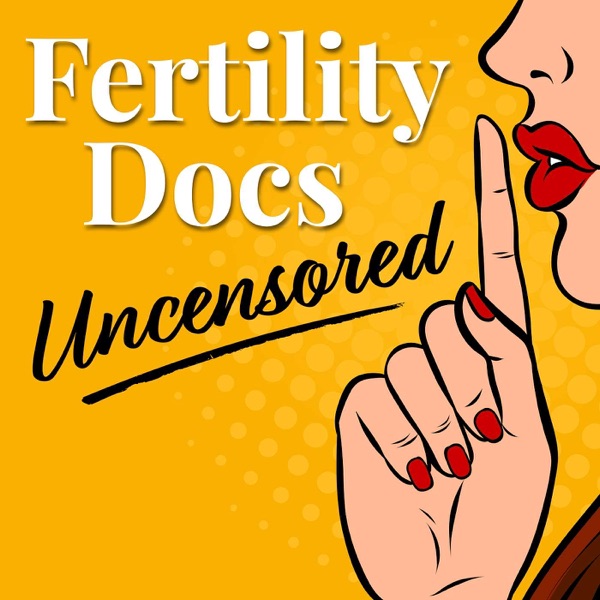
Fertility Docs Uncensored
We all know it’s wrong, but when you see one big fat negative after another, it’s tempting to turn to Dr. Google for answers. But don’t you hit that search button. You have another option: Fertility Docs Uncensored. The nation’s leading fertility doctors have joined forces to separate fertility fact from fiction. It’s the only place you can hear fertility docs from around the country diving into the nitty-gritty of infertility. From their personal experiences as infertility patients, to what you can really expect from IVF, these doctors are covering it all (and they aren’t holding back).
- Medicine chart
- #96
- Episodes
- 351
- Releases
- Weekly
- Typical length
- 40 min
- On air since
- 2020
- Latest episode
- 18 hours ago
Episodes
351 episodes, newest first
-
34 min
Ep 350: Do Short Cycles Cause Infertility?
Episode 350
Show notes
Short cycles do not automatically mean your fertility is in trouble. In this episode, Dr. Carrie Bedient of the Fertility Center of Las Vegas and Dr. Susan Hudson of Texas Fertility Center unpack what a 19- to 20-day cycle may mean, when it’s worth investigating, and why your personal pattern matters. A listener’s question about short cycles, anemia, birth control, and egg supply leads to a practical conversation about cycle length versus bleeding days, changes after pregnancy, and the difference between ovarian reserve and egg quality. The Docs also explain how thyroid issues, prolactin, breastfeeding, stress, and ovarian aging can affect cycle regularity. They address a common worry head-on: Do frequent periods mean you’re using up your eggs faster or heading into early perimenopause? Get a clear, nuanced perspective on when a short cycle may simply be your normal—and when it’s time to talk with a clinician.
-
40 min
Ep 349: Does His Age Matter? The Truth About Paternal Age & Fertility
Episode 349
Show notes
How does a man’s age affect fertility and the health of a future child? And what should prospective parents actually know about the genetic risks associated with paternal age? In this episode of Fertility Docs Uncensored, Dr. Carrie Bedient and Dr. Susan Hudson are joined by genetic counselor Maria Katz for an honest, informative conversation about paternal age, fertility, and genetics. They break down what happens to sperm as men get older, how age-related genetic changes can affect reproductive outcomes, and how paternal age risks compare with the more familiar risks associated with maternal age. From de novo mutations and embryo screening to sperm freezing and future research, this episode separates the science from the fear and gives listeners practical information to consider when planning a family.
-
39 min
Ep 348: When to Consider Donor Eggs
Episode 348
Show notes
Questioning when to use donor eggs? In this episode of Fertility Docs Uncensored, Dr. Susan Hudson from Texas Fertility Center and Dr. Carrie Bedient from The Fertility Center of Las Vegas explore when donor eggs may be worth considering. This week's listener question focuses on fibroids, sperm motility, and fertility treatment at age 39, including how fibroid location can affect treatment, when IVF or embryo banking may make sense. The Docs tackle the differences between known and de-identified donors and fresh and frozen egg cycles. They also explain how age, ovarian reserve, genetic conditions, previous treatment outcomes, cost, and family goals can factor into the decision. The conversation includes the emotional side of donor conception, including counseling and disclosure to future children. Listen in for the easily accessible conversation surrounding one of the most emotional decisions in fertility.
-
46 min
Ep 347: Pregnancy Loss: Understanding Miscarriage, Risk, and What Comes Next
Episode 347
Show notes
In this episode of Fertility Docs Uncensored, Dr. Susan Hudson of Texas Fertility Center and Dr. Carrie Bedient of Fertility Center of Las Vegas answer listener questions about miscarriage and pregnancy loss, including IVF medication, subchorionic hematomas, recurrent loss testing, and what to consider before another transfer. They share evidence-informed perspectives and acknowledge the emotional weight of loss, while reminding listeners that care should be personalized with their own physician. Listen in for expert advice and opinions on questions about one of the most traumatic diagnoses women experience in their reproductive years, and how a "normal" embryo can still result in pregnancy loss.
-
29 min
Ep 346: Sperm DNA Fragmentation & Male Fertility: What Actually Matters for IVF?
Episode 346
Show notes
Does sperm DNA fragmentation affect IVF success, embryo quality, or miscarriage? And should you actually be tested for it? In this episode of Fertility Docs Uncensored, Dr. Susan Hudson and Dr. Carrie Bedient break down sperm DNA fragmentation—what it is, how it’s tested, what causes sperm DNA damage, and what you can actually do about it. From male fertility and sperm health to IVF outcomes and pregnancy loss, the docs tackle the questions patients are asking—and the controversies fertility specialists are still debating. They discuss how age, lifestyle, medical conditions, oxidative stress, and other factors can impact sperm DNA integrity, plus potential interventions including antioxidants, lifestyle changes, sperm preparation, and testicular sperm extraction (TESE). But does treating DNA fragmentation improve fertility outcomes? When is testing useful? And what do the latest fertility guidelines and research really say? No hype. No sugarcoating. Just an uncensored conversation about the science behind sperm DNA fragmentation and what it could mean for your fertility journey.
-
48 min
Ep 345: Fertility & IVF Insurance and How to Get the Most From Your Fertility Benefits
Episode 345
Show notes
Are you leaving fertility benefits on the table? What new fertility technology is actually worth paying attention to—and how can you make your insurance work harder for you? In this episode of Fertility Docs Uncensored, Dr. Carrie Bedient of The Fertility Center of Las Vegas and Dr. Susan Hudson of Texas Fertility Center dive into the rapidly changing world of IVF insurance coverage, fertility testing, and reproductive health. From diagnostic testing to state-mandated coverage, they break down what patients need to know before starting treatment. The docs also share practical strategies for navigating prior authorizations, understanding insurance coding, planning ahead, and maximizing fertility benefits before they expire. They discuss real-world scenarios, including starting IVF at a young age, third-party reproduction, insurance limitations, pregnancy coverage, and how to advocate for better fertility benefits with your employer. Whether you're considering IVF, exploring fertility testing, already have fertility coverage, or simply want to understand your options, this episode is packed with practical fertility tips and insurance strategies that can save you time, money, and frustration.
-
34 min
Ep 344: Thin Lining: Experience Based Approach
Episode 344
Show notes
What makes the uterus truly ready for an embryo transfer? Dr. Carrie Bedient and Dr. Susan Hudson break down the often-overlooked factors that can influence fertility treatment success—from uterine anatomy and endometrial lining patterns to fluid, thin lining, and when surgery or other interventions may be needed. Tune in for practical insights into what doctors are looking for before an embryo transfer—and what happens when things don’t go exactly as planned.
-
40 min
Ep 343: Fertility & Career Planning
Episode 343
Show notes
How do you balance fertility planning with a career, travel, and everything else life demands? In this episode, Dr. Susan Hudson and Dr. Carrie Bedient explore the realities of navigating fertility treatment alongside a busy life. They discuss how endometriosis can affect fertility planning, when egg retrieval may fit into treatment, and the role of egg freezing and embryo preservation. They also tackle the practical side of fertility care—from timing and workplace challenges to insurance, finances, and gestational carriers. Whether you’re thinking about your fertility future or already navigating treatment, this conversation offers valuable perspective on making informed choices while keeping your life moving forward.
-
35 min
Ep 342: Your Hormones Are Talking: What They Can Reveal About Fertility & Health
Episode 342
Show notes
What if understanding your hormones could change the way you approach fertility—and your overall health? In this episode, Dr. Carrie Bedient at Fertility Center of Las Vegas and Dr. Susan Hudson of Texas Fertility Center speak with Dr. Amy Divaraniya about Oova to track cycle hormones. Dr. Amy opens up about her personal fertility journey and introduces OoVA, a hormone-testing platform designed to help women better understand what’s happening throughout their menstrual cycle. She explains how OoVA uses urine-based hormone testing to track patterns, identify ovulation and luteal-phase changes, and provide personalized fertility insights. From irregular cycles and preconception planning to lifestyle changes and better conversations with healthcare providers, Amy explores how hormone data can give women a clearer picture of their reproductive health. Tune in for an insightful conversation about fertility, hormone tracking, and the growing role of technology in helping women take a more informed approach to their health.
-
40 min
Ep 341: Failed IVF Cycle: How we Debrief & Adjust
Episode 341
Show notes
What does a realistic IVF journey actually look like—and how do you know when to keep going, pause, or consider a different path? In this episode, Dr. Susan Hudson and Dr. Carrie Bedient take a candid look at the realities of fertility treatment, from understanding IVF success rates to interpreting what happens during an individual cycle. They explore why statistics don’t tell the whole story, what factors can shape a patient’s prognosis, and the moments when it may be worth stepping back and reassessing the plan. But fertility treatment isn’t just about numbers and test results. The conversation also addresses the emotional toll of IVF, the importance of having the right support system, and how asking better questions—or getting a second opinion—can help patients feel more informed and confident in their decisions. Whether you’re considering IVF, in the middle of treatment, or trying to understand what comes next, this episode offers an honest and reassuring conversation about navigating the medical, emotional, and deeply personal decisions that come with a fertility journey.
-
35 min
Ep 340: Questionable Testing: Answering All Your Questions About Fertility Testing
Episode 340
Show notes
In this listener Q&A episode, Dr. Susan Hudson from Texas Fertility Center and Dr. Carrie Bedient from Fertility Center of Las Vegas breakdown the real information patients need to know. We’re tackling some of your biggest questions about fertility testing—from BV, HPV, AMH, and sperm counts to PGT-A, failed FETs, tubal issues, and when it may be time to consider IVF. We break down what the evidence actually tells us, which tests may be worth considering, and when additional testing is unlikely to change the next step. Plus, we discuss fertility testing in early pregnancy and share practical guidance for navigating the often-confusing world of fertility workups. Tune in for real answers from real patients going through their fertility journeys!
-
57 min
Ep 339: Unlocking Embryo Genetics: The Future of Whole Genome Sequencing
Episode 339
Show notes
In this episode, Dr. Susan Hudson and Dr. Carrie Bedient sit down with Maria Katz, a genetic counselor at Orchid Health, to explore the rapidly evolving world of whole genome sequencing for embryos. Maria details what genetic counselors do in fertility care, how their role differs from that of medical geneticists, and the specialized training that prepares them to help patients navigate complex genetic information. The conversation answers common questions about embryo testing, common acronyms, and how to select the right testing platform. Whether you’re a fertility professional, a patient considering embryo testing, or simply interested in the intersection of genetics and reproductive medicine, this episode offers an accessible look at the opportunities and complexities of sequencing an embryo’s genome.
-
43 min
Ep 338: What to know about PMOS
Episode 338
Show notes
In this episode, Dr. Carrie Bedient and Dr. Susan Hudson are joined by special guest Dr. Stephanie Brownridge to explore the latest insights into polycystic ovarian syndrome (PCOS) and the proposed shift to polycystic ovarian metabolic syndrome (PMOS). They discuss why the name change matters, how the condition extends beyond the ovaries, and what it means for diagnosis, fertility, and long-term health. The conversation covers the difference between ovarian cysts and follicles, the roles of insulin resistance and hormonal imbalance, current treatment options including letrozole, metformin, and emerging GLP-1 receptor agonists, as well as the value of a multidisciplinary approach to care. The doctors also address pregnancy risks, lifestyle and nutrition strategies, and how PMOS is diagnosed across a broad spectrum of symptoms. Whether you've been diagnosed with PCOS, are trying to conceive, or simply want to better understand this common condition, this episode offers practical, evidence-based guidance to help you navigate reproductive and metabolic health.
-
45 min
Ep 337: Decoding PGTA: How Embryo Testing Improves IVF Success
Episode 337
Show notes
In this episode, join Dr. Carrie Bedient from Fertility Center of Las Vegas and Dr. Susan Hudson from Texas Fertility Center as they explore the evolving role of Preimplantation Genetic Testing for Aneuploidy (PGT-A) in improving IVF outcomes and helping patients make more informed decisions on their fertility journey. The docs discuss how PGT-A is used to identify embryos with the highest potential for implantation, the science behind embryo genetic testing, and the complexities of interpreting mosaic embryo results. The conversation also examines the fascinating and often debated field of reproductive immunology, highlighting what current research tells us about the immune system's role in fertility and where evidence is still emerging. They break down the risks and benefits of PGT-A across different age groups, why it may be particularly valuable for women over 35 or those with recurrent pregnancy loss, and the ethical considerations surrounding embryo selection and transfer.
-
45 min
Ep 336: Decoding IUI: Answering Patient Questions About IUI Cycles, Timing, Trigger Shots and More
Episode 336
Show notes
Are you exploring intrauterine insemination (IUI) to grow your family? In this episode of Fertility Docs Uncensored, hosts Dr. Carrie Bedient from The Fertility Center of Las Vegas and Dr. Susan Hudson from the Texas Fertility Center discuss key patient questions about intrauterine insemination cycles and the newer intratubal insemination cycles. In this comprehensive episode, we break down exactly how an IUI cycle works, who benefits the most, and the strict medical guidelines required for success. We dive deep into the absolute necessity of accurate cycle timing, explaining how a luteinizing hormone (LH) surge or a hCG trigger shot dictates the precise 24-to-36-hour insemination window. You will also learn the critical differences between preconception screening and IVF testing—specifically, what genetic testing can and cannot do during an IUI cycle. Finally, we look at the raw numbers. We discuss mandatory medical requirements, minimal post-wash sperm counts, and realistic IUI success rates by age to help you manage expectations on your fertility journey.
-
42 min
Ep 335: Untangling Blocked Tubes: Listener Questions on Tubal Testing, Anatomy, and Choosing IVF vs. Surgery
Episode 335
Show notes
Struggling to figure out the best treatment path for blocked fallopian tubes? In this episode of Fertility Docs Uncensored, hosts Dr. Carrie Bedient from The Fertility Center of Las Vegas and Dr. Susan Hudson from the Texas Fertility Center answer critical listener questions about tubal factor infertility. Discover how modern fertility specialists evaluate tubal health through advanced testing methods like HSGs, HyCoSy, HyFoSy, or laparoscopy. The doctors look past simple blockages to explain how delicate tubal architecture, internal tissue structure, and cilia health impact natural conception. If you are weighing your reproductive options, this episode provides a clear roadmap comparing the success rates of corrective tubal surgery against moving straight to In Vitro Fertilization (IVF).
-
41 min
Ep 334: Building a Medical Team for Endometriosis Treatment
Episode 334
Show notes
Tired of managing endometriosis with just pain medication? In this episode of Fertility Docs Uncensored, hosts Dr. Carrie Bedient from The Fertility Center of Las Vegas and Dr. Susan Hudson from Texas Fertility Center sit down with guest Dr. Joy Brotherton, Director of Minimally Invasive Gynecologic and Fertility Surgery, to map out how to build your ultimate multi-disciplinary treatment team. Building a collaborative medical team is essential for true root-cause healing. [1] Discover how to strategically combine diagnostic tools like the ReceptivaDx test with holistic protocols—including pelvic floor physical therapy, somatic therapy, and acupuncture—to reduce chronic inflammation, regulate your nervous system, and restore pelvic health. If you are struggling with silent endometriosis, chronic pelvic pain, or infertility, this collaborative, whole-body approach offers a clear roadmap to reclaiming your quality of life.
-
28 min
Ep 333: Abby's Top 10 Tips for Fertility Patients
Episode 333
Show notes
• Fertility Docs Uncensored Today’s episode of Fertility Docs Uncensored is hosted by Dr. Carrie Bedient from theFertility Center of Las Vegas, Dr. Susan Hudson fromTexas Fertility Center, and Dr. Abby Eblen fromNashville Fertility Center. In this special episode, Abby’s Top 10 Tips for Fertility Patients, the hosts celebrate Dr. Eblen’s final episode. After years of helping patients navigate infertility and fertility treatment, Dr. Eblen shares the advice she believes can make the greatest difference for patients during their fertility journey. The discussion covers practical and emotional strategies that can help patients feel more informed, empowered, and supported. Dr. Eblen encourages patients to trust their medical team, understand their treatment plan and why it has been recommended. She also emphasizes the importance of understanding insurance coverage and financial responsibilities, which can reduce stress and help patients feel more prepared as treatment progresses. Other key tips include being patient and kind with the fertility team, practicing resilience when facing setbacks, seeking support from family, friends, or a mental health professional, and using mindfulness techniques to help manage anxiety. The hosts also discuss why patients should avoid putting their lives on hold during treatment, continue pursuing activities that bring them joy, and resist comparing their fertility journey to those of others. Most importantly, Dr. Eblen encourages patients to be brave, remain open-minded, and consider all available options as they work toward building their families. This heartfelt episode offers wisdom, encouragement, and practical guidance for anyone navigating infertility. This episode is sponsored by IVF Florida.
-
39 min
Ep 332: Understanding Decreased Ovarian Reserve
Episode 332
Show notes
Fertility Docs Uncensored Today’s episode of Fertility Docs Uncensored is hosted by Dr. Carrie Bedient from theFertility Center of Las Vegas, Dr. Susan Hudson fromTexas Fertility Center, and Dr. Abby Eblen fromNashville Fertility Center. In this episode, Understanding Decreased Ovarian Reserve, the doctors take a deep dive into what decreased ovarian reserve means and how it can impact fertility treatment and family-building decisions. The episode begins with a discussion of how ovarian reserve is evaluated and why several different tests are used together to provide a more complete picture. The docs explain the roles of follicle-stimulating hormone (FSH), luteinizing hormone (LH), estradiol levels, anti-Müllerian hormone (AMH), and antral follicle count (AFC), and how these factors interact in assessing a woman’s remaining egg supply. The hosts then define decreased ovarian reserve and discuss factors that may increase a woman’s risk, including smoking, prior chemotherapy exposure, and inherited conditions such as Fragile X premutation's. The conversation also focuses on treatment options and why fertility specialists often recommend a more proactive approach for patients with decreased ovarian reserve. The doctors explain that a lower egg count does not always mean poor egg quality, particularly in younger women, but it can mean that time is an important factor. They review treatment strategies ranging from ovulation induction and intrauterine insemination (IUI) to in vitro fertilization (IVF), and discuss realistic expectations for IVF outcomes. While patients with decreased ovarian reserve may produce fewer eggs during treatment, many can still achieve successful pregnancies with appropriate care and individualized treatment plans. This episode is sponsored by IVF Florida.
-
42 min
Ep 331: Ep 331: Lining Up for Success: Endometrium Questions Answered
Episode 331
Show notes
Fertility Docs Uncensored Today’s episode of Fertility Docs Uncensored is hosted by Dr. Carrie Bedient from theFertility Center of Las Vegas, Dr. Susan Hudson fromTexas Fertility Center, and Dr. Abby Eblen fromNashville Fertility Center. In this episode, we are joined by Dr. Amy Harris, reproductive endocrinologist at Shady Grove Fertility in Colorado Springs, for a listener-question episode focused on the uterus and endometrium. In this episode, we tackle some of the most common and challenging questions surrounding the uterine lining and embryo transfer. Dr. Amy Harris joins us to discuss what she would do for a patient with fluid in the endometrial cavity, including possible causes, recommended evaluation, and treatment options. We review why fluid often resolves after progesterone exposure, when aspiration before embryo transfer may be considered, and how different stimulation protocols can impact outcomes. We discuss recurrent implantation failure after the transfer of multiple euploid embryos in the setting of a thin endometrium. We discuss potential causes of a thinning uterine lining, including hormonal abnormalities, hypothalamic amenorrhea, and Asherman syndrome. Strategies such as changing endometrial preparation protocols, reassessing thyroid and prolactin levels, and allowing the uterus time to recover without medication exposure. We review treatment options for uterine scar tissue and discuss whether programmed or modified natural frozen embryo transfer cycles may offer advantages in specific situations. Finally, we address the question of transferring two embryos at once after a prior cesarean delivery. We discuss the risks of twins and higher-order multiple pregnancies, including prematurity, neonatal intensive care admissions, pregnancy complications, and the emotional and financial impact on families. We also explore whether vaginal birth after cesarean (VBAC) may be an option for some patients planning future pregnancies. Can fluid in the uterus prevent embryo implantation? What causes a thin endometrial lining? How is Asherman syndrome treated? Should patients choose a programmed or modified natural transfer cycle? Is transferring two embryos ever worth the risk? Join us as we answer these important listener questions. This podcast was sponsored by US Fertility.
Medicine lists
More Medicine shows picked out from the charts








More in Medicine
Placed highest on Apple Podcasts' Medicine chart right now