Podcast
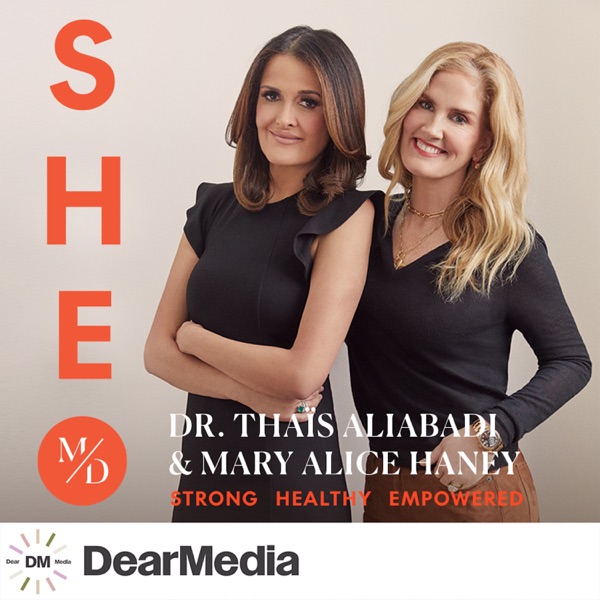
SHE MD
SHE MD is a weekly podcast hosted by world-renowned OBGYN, Dr. Thais Aliabadi, “Dr. A,” and women's advocate and influencer, Mary Alice Haney. Their candid conversations with celebrity guests and today's leading experts about women's health topics, such as menopause, endometriosis, PCOS, and fertility empower their audience with the knowledge and tools to become their own health advocates.
Dr. A and Mary Alice dive deep into critical health issues, offering women the knowledge and tools to become their best health advocates.
At SHE MD, we believe that every woman deserves access to the latest medical insights, personalized care strategies, and expert advice to navigate their health journey. From breaking down myths to providing practical tips, Dr. Aliabadi and Mary Alice Haney create a welcoming and informative space for women to take control of their health. The podcast features exclusive interviews with top-tier celebrity guests and leading experts across the medical, wellness, and health industries. Together, they explore real-world stories, struggles, and successes to ensure that every listener can feel heard and supported.
SHE MD aims to change that by providing a platform where women can receive trustworthy, expert advice on key health issues affecting their lives. Whether you’re dealing with painful menstrual cycles, navigating fertility challenges, or going through menopause, SHE MD brings clarity to these topics in a way that feels personal, approachable, and actionable. Dr. Thais Aliabadi provides expert insights into the most pressing women’s health issues, offering listeners a chance to learn from one of the leading voices in the field. Her knowledge is complemented by Mary Alice Haney's ability to relate to everyday challenges, offering a compassionate and approachable perspective on complex topics.
Meet the Hosts
Dr. Thais Aliabadi, "Dr. A"
Dr. Thais Aliabadi is a renowned board-certified OBGYN, known for her compassionate, patient-first approach. Specializing in fertility, high-risk pregnancies, menopause, and minimally invasive surgeries, Dr. A has spent her career guiding women through all stages of life. With experience treating high-profile patients and a commitment to public health education, she’s a trusted voice advocating for better healthcare access for women globally. Dr. Aliabadi frequently appears in major media to discuss key women’s health issues.
Mary Alice Haney
Mary Alice Haney is a prominent women's advocate and lifestyle influencer who empowers women to take control of their health and wellness. With a background in fashion and lifestyle, she brings a holistic approach to well-being. As co-host of SHE MD, Mary Alice fosters open, relatable conversations on often-overlooked women's health topics, helping women break down barriers and gain the knowledge they need to advocate for themselves. Her commitment to providing practical, actionable advice has made her a trusted figure in the health community.
Resources
SHE M/D- https://www.shemdpodcast.com
SHE M/D YouTube- https://www.youtube.com/@SHEMDPodcast
Instagram- https://www.instagram.com/shemdpodcast/
Mary Alice Haney Instagram- https://www.instagram.com/haneyofficial/
Dr A Instagram- https://www.instagram.com/drthaisaliabadi/
Tik Tok- https://www.tiktok.com/@shemdpodcast
Facebook- https://www.facebook.com/profile.php?id=61556530329981&sk=about
Twitter- https://x.com/shemdpodcast
#SHEMDPodcast #WomensHealth #HealthAdvocacy #DrThaisAliabadi #MaryAliceHaney #MenopauseMatters #EndometriosisAwareness #PCOS #FertilityJourney #OBGYN #HealthAndWellness #MedicalInsights #HealthEducation #EmpoweringWomen #HealthcareSelfAdvocacy #HealthTips #BreakingHealthMyths #WomenSupportingWomen #HealthJourney
- Medicine chart
- #23
- Episodes
- 174
- Releases
- Twice a week
- Typical length
- 54 min
- On air since
- 2024
- Latest episode
- 21 hours ago
Episodes
174 episodes, newest first
-
1 hr 17 min
The Longevity Playbook for Women with Dr. Darshan Shah
Episode 175
Show notes
Longevity physician Dr. Darshan Shah joins SheMD for a wide-ranging conversation about how women can become more proactive about their health and focus on extending healthspan, not simply lifespan.
Dr. Shah explains the biomarkers he follows with patients, including markers related to metabolic health, cardiovascular risk, inflammation and hormones, and why he believes identifying changes early can help people intervene before chronic disease develops.
We also take a deeper look at women’s cognitive health, including the tests and risk factors Dr. Shah considers when evaluating brain health and how exercise, sleep, metabolic health and cardiovascular health may all play a role.
Then we get practical. Dr. Shah shares the foundational habits he prioritizes for longevity, including strength training, VO2 max training, sleep, nutrition and reducing environmental exposures.
Plus, we discuss some of the most talked-about interventions in longevity medicine, including creatine, sauna, cold plunges, NAD, peptides, stem cells, red light therapy, hyperbaric oxygen and plasma exchange.
Dr. Shah also explains why women should be cautious about unregulated peptides and why advanced therapies should come after the fundamentals, not replace them.
His biggest recommendation? Build muscle. Dr. Shah says lifting heavy weights consistently is one of the most powerful longevity tools women already have access to.
Sponsors
Talkiatry: Featured in a sponsored segment highlighting its virtual psychiatry services and access to mental health care.
Babbel: Featured in a sponsored segment promoting its language-learning platform and tools for building language skills.
OSEA Malibu: Featured in a sponsored segment highlighting its skincare and body-care products.
Arca Wealth: Featured in a sponsored segment discussing financial planning and wealth management services.
Gusto: Featured in a sponsored segment highlighting its platform for simplifying payroll, tax filings, HR, and employee benefits.
What You’ll Learn
• What longevity really means and why extending your health span is just as important as extending your lifespan.
• Why preventative medicine starts with understanding your individual biology through blood work, physical assessments, cognitive testing, and personalized health data.
• The key biomarkers women should consider tracking, including hemoglobin A1C, fasting insulin, ApoB, high-sensitivity C-reactive protein, and important hormones.
• How metabolic dysfunction, cardiovascular risk, inflammation, and hormonal changes can influence long-term health.
• Why gut health plays an important role in immune function and inflammation, and how fiber, fermented foods, and a healthy microbiome support gut health.
• What leaky gut means, how gut health is evaluated, and why reducing ultra-processed foods and excess sugar may help support the microbiome.
• How environmental toxins, mold, heavy metals, pesticides, and endocrine-disrupting chemicals are evaluated through specialized testing.
• Why genetic screening can help identify certain health risks, including cardiovascular disease and Alzheimer's, and what the APOE4 gene may indicate.
• How menopause, declining estrogen, inflammation, and metabolic health intersect with women's cognitive health and Alzheimer's risk.
• Which emerging blood biomarkers, including p-tau 217 and the amyloid ratio, are being used to assess potential Alzheimer's-related changes.
• How cognitive testing, EEG assessments, and brain blood-flow measurements can help evaluate memory, executive function, and cognitive performance.
• Why cardiovascular and metabolic health are important considerations when developing a plan to protect long-term brain health.
• How VO2 max training, strength training, and other forms of exercise may support cardiovascular function and cognitive health.
• Why sleep quality matters for brain health, including the importance of deep sleep and establishing a consistent sleep routine.
• How chronic stress and elevated cortisol may affect inflammation, metabolism, and overall health, and why incorporating more restorative practices matters.
• Practical ways to reduce environmental toxin exposure through air purification, water filtration, food choices, and personal care products.
• What to know about sauna use and cold plunges, including the differences in available research and their potential benefits.
• The research behind creatine, including its potential role in muscle strength, muscle mass, and cognitive performance.
• What NAD is, how it relates to cellular energy production, and what researchers still need to understand about NAD supplementation.
• What peptides are, how they function as biological signals, and the differences between established peptide medications and less-studied treatments.
• What to consider before pursuing peptides, including sourcing, safety data, FDA approval, and potential concerns for people with a history of cancer.
• What the current research suggests about stem cell treatments, including the importance of proper manufacturing, handling, and clinical oversight.
• How red light therapy may influence circulation and collagen production, and why device wavelength matters.
• Which foundational supplements Dr. Shaw discusses, including vitamin D3 with K2, magnesium, omega-3s, creatine, and methylated B vitamins.
• Why intermittent fasting may not be appropriate for everyone, particularly when it leads to inadequate protein intake or increased stress.
• Why heavy resistance training at least three times a week is one of the most important habits women can prioritize for healthy aging.
• Why estrogen and ApoB are two important numbers women should understand when evaluating their long-term health.Key Timestamps
00:00 The most powerful longevity tool women aren't using
02:42 How preventative medicine starts with personalized biomarkers
03:49 The key health markers every woman should know
04:47 Understanding metabolic health, A1C, and fasting insulin
06:51 Why estrogen, progesterone, testosterone, thyroid, and cortisol matter
07:15 The connection between gut health and chronic inflammation
08:01 Leaky gut, the microbiome, and immune health
09:36 How fiber and fermented foods support gut health
10:32 Choosing probiotics and evaluating supplement quality
12:22 Testing for environmental toxins and genetic health risks
14:45 Dr. Shaw's personal experience reversing chronic health conditions
18:16 Why women's cognitive health deserves more attention
20:37 Understanding women's risk for Alzheimer's disease
23:27 Measuring blood flow to the brain
26:19 VO2 max training and improving microvascular health
28:54 The foundational lifestyle habits that support longevity
29:24 Nutrition, exercise, and strength training for brain health
31:39 Improving sleep quality and evaluating sleep medications
33:05 Why keeping electronics out of the bedroom matters
38:11 How to reduce everyday exposure to environmental toxins
40:12 Ultra-processed foods and environmental chemicals
40:56 Personal care products and everyday toxin exposure
42:40 Advanced treatments for supporting brain health
43:08 Transcranial magnetic stimulation and mental health
43:38 The connection between depression, anxiety, and cognitive health
44:58 Plasma exchange and emerging longevity research
47:02 Sauna, cold plunges, and hot-cold contrast therapy
47:27 What the research says about sauna use
48:14 Cold plunges, inflammation, and nervous system regulation
49:41 Creatine for muscle strength and cognitive health
53:01 What are peptides and how do they work?
56:00 Peptide safety, sourcing, and regulatory considerations
59:05 Healing, and inflammation
1:00:21 Why people with a history of cancer should be especially cautious with unproven treatments
1:03:52 Stem cell treatments and what the research currently shows
1:06:19 Red light therapy, circulation, and collagen production
1:07:32 How chronic stress and cortisol affect longevity
1:09:49 Breathwork, recovery, and tracking heart rate variability
1:11:51 The most powerful longevity tool for women: heavy strength training
1:13:02 The future of preventative medicine and longevity
1:14:54 Dr. Shaw's final thoughts on preventative healthcare
Key Takeaways
• Longevity is about health span, not just lifespan. Dr. Shaw emphasizes that the goal is to maintain physical strength, cognitive function, and quality of life for as long as possible. Preventative care focuses on identifying potential health risks before they develop into chronic disease.
• Knowing your biomarkers can change the way you approach your health. Blood sugar, fasting insulin, ApoB, inflammation markers, and hormones can provide valuable insight into metabolic, cardiovascular, and hormonal health. Dr. Shaw encourages women to become more familiar with these numbers and discuss appropriate testing with their healthcare providers.
• Metabolic health and inflammation are connected to long-term health. The conversation highlights the relationship between blood sugar regulation, insulin, cardiovascular risk, and chronic inflammation. Gut health, nutrition, movement, and sleep are all important considerations when developing a preventative health plan.
• Your gut microbiome plays an important role in overall health. Fiber and fermented foods help support beneficial gut bacteria, while diets high in ultra-processed foods and added sugars may negatively affect the microbiome. Dr. Shaw also discusses the importance of evaluating supplement quality rather than automatically adding probiotics to your routine.
• Women's cognitive health deserves more attention. The discussion explores how estrogen, metabolic dysfunction, inflammation, and environmental exposures may intersect with cognitive health and Alzheimer's risk. Dr. Shaw explains how genetic screening, emerging blood biomarkers, and cognitive assessments can help provide additional information about brain health.
• Estrogen is an important consideration throughout the aging process. Dr. Shaw discusses estrogen's relationship with brain, bone, cardiovascular, and muscular health. Hormone therapy decisions should be individualized, particularly for women with a history of breast cancer or other conditions that may affect treatment eligibility.
• Strength training is one of the most important habits for healthy aging. Dr. Shaw recommends resistance training at least three times per week, emphasizing challenging weights and progressively building strength. Muscle supports metabolic health and produces signaling molecules called myokines that are also being studied for their role in brain health.
• VO2 max training and cardiovascular fitness matter. High-intensity interval training, regular movement, and strength training can support cardiovascular function and overall physical resilience. Dr. Shaw also discusses the relationship between blood flow and cognitive health.
• Sleep is essential for brain health. The conversation highlights the importance of sleep quality, particularly deep sleep, and establishing consistent routines. Monitoring sleep patterns can help identify areas for improvement, while medication decisions should be made with a healthcare provider.
• Reducing everyday toxin exposure doesn't have to be overwhelming. Dr. Shaw introduces an 80/20 approach focused on practical changes, such as improving indoor air quality, filtering drinking water, limiting ultra-processed foods, and evaluating personal care products.
• Not every popular longevity treatment has the same level of scientific evidence. Sauna use, cold plunges, NAD, peptides, stem cells, and red light therapy are all discussed, but the strength of available research varies. Dr. Shaw emphasizes understanding potential benefits, limitations, sourcing, and safety before pursuing emerging treatments.
• Creatine is worth understanding beyond muscle health. Dr. Shaw discusses research on creatine's potential benefits for muscle strength and cognitive performance, particularly in relation to aging and sleep deprivation. Supplementation should be considered in the context of individual health needs.
• More supplements and more fasting aren't necessarily better. Dr. Shaw identifies vitamin D3 with K2, magnesium, omega-3s, creatine, and methylated B vitamins as foundational supplements he discusses with patients. He also cautions that intermittent fasting may work against some women if it compromises protein intake or increases stress.
• Stress management is part of preventative healthcare. Chronic stress and sustained cortisol activation are discussed in relation to inflammation and metabolic health. Taking breaks, practicing breathwork, spending time outdoors, and monitoring recovery can help support a healthier balance between stress and relaxation.
• Personalized medicine requires tracking progress. Rather than relying solely on how you feel, Dr. Shaw encourages using appropriate biomarkers and physical or cognitive assessments to evaluate whether a treatment or lifestyle change is actually making a difference.
• Prevention starts before symptoms appear. One of the central messages of the conversation is that women should not wait until they develop a chronic condition to start prioritizing their health. Understanding personal risk factors and building sustainable habits can make a meaningful difference over time.Guest Bio - Dr. Daron Shaw
Dr. Darshan Shah is a board-certified surgeon, longevity medicine specialist, and founder and CEO of Next Health, a health optimization and longevity clinic focused on preventive medicine and personalized healthcare. After earning his medical degree at just 21 years old and completing surgical training at the Mayo Clinic, Dr. Shah transitioned from traditional surgery to a proactive approach centered on disease prevention, biomarker testing, metabolic health, and extending healthspan. He is also the host of the EXTEND Podcast, where he explores the latest research and strategies for living a longer, healthier life.
See Privacy Policy at https://art19.com/privacy and California Privacy Notice at https://art19.com/privacy#do-not-sell-my-info.
-
54 min
Why Your Hair Is Thinning: Stress, Hormones, GLP-1s & More with Dr. Heather Woolery-Lloyd
Episode 174
Show notes
Dermatologist Dr. Heather Woolery-Lloyd joins SheMD for a comprehensive conversation about why women experience hair thinning, shedding and breakage throughout different stages of life.
Dr. Woolery-Lloyd explains how postpartum hormone changes, perimenopause and menopause, stress, PMOS, thyroid disease, autoimmune conditions, nutritional deficiencies and cosmetic damage can all affect hair health.
She also breaks down telogen effluvium, a common form of stress-related shedding that can appear 3 to 6 months after a major life event, including childbirth, surgery, illness, divorce or another period of significant stress.
We also discuss hair loss in women taking GLP-1 medications and why rapid weight loss, inadequate protein intake and nutritional deficiencies may contribute to increased shedding.
Dr. Thaïs Aliabadi and Dr. Woolery-Lloyd walk through the workup and treatment options they use with patients, including lab testing, minoxidil, spironolactone, PRP, light therapy, supplements and lifestyle changes.
Plus, we answer common questions about tight hairstyles, extensions, washing, brushing, heat damage and what women should know before starting a hair supplement.
If your hair has changed and you do not know why, this episode is a great place to start.
Sponsors
IT Cosmetics and Smile Set are featured in sponsored advertising segments during this episode.
What You’ll Learn
• Why hair thinning and shedding can occur at different stages of a woman's life, including postpartum, perimenopause, and menopause.
• How estrogen fluctuations affect the hair growth cycle and why hormonal changes can contribute to shedding, thinning, and breakage.
• Why stress, surgery, childbirth, and other major life events can trigger hair shedding three to six months later.
• The difference between telogen effluvium, female pattern hair loss, and hair breakage, including the signs that may help distinguish them.
• How PCOS, insulin resistance, and androgen levels can contribute to hair thinning, acne, and unwanted facial or body hair.
• What current evidence suggests about hair shedding during GLP-1 treatment, including the potential roles of rapid weight loss, inadequate protein intake, and nutritional deficiencies.
• Why thyroid conditions, iron deficiency, low vitamin D, autoimmune disorders, and certain medications may contribute to hair loss.
• How tight ponytails, braids, extensions, heat styling, chemical treatments, and environmental exposure can damage hair or contribute to thinning.
• How dermatologists evaluate hair loss through medical history, physical examination, hair-pull testing, blood work, and, when needed, a scalp biopsy.
• Which treatment options may be considered for different types of hair loss, including minoxidil, anti-inflammatory treatments, light therapy, and PRP.
• What to look for when choosing a hair supplement, including clinical testing of the finished product, ingredient quality, and independent safety certifications.
• How protein intake, a balanced diet, and attention to nutritional deficiencies can support hair health.
• Why hair treatments require patience, with reduced shedding potentially taking months to appear and significant regrowth often taking six months or longer.
• Practical ways to reduce breakage, including choosing gentler hairstyles, minimizing tugging and pulling, and adjusting hair care to your hair type.
• Five key takeaways for women experiencing hair changes: seek care early, consider recent stressors, prioritize nutrition, evaluate appropriate supplementation, and give yourself grace.Key Timestamps
00:00 Why your hair may be thinning months after a stressful event
01:20 How pregnancy, postpartum changes, and menopause affect hair health
03:51 Understanding the hair growth cycle
04:45 Why hair texture and breakage can change with age
05:50 How much daily hair shedding is normal?
07:47 Telogen effluvium and stress-related hair loss
10:10 Female pattern hair loss and a widening part
12:40 Understanding postpartum shedding and recovery
14:14 Hair thinning and breakage during perimenopause and menopause
15:28 How PCOS and insulin resistance affect hair health
17:21 GLP-1 medications, rapid weight loss, and hair shedding
19:53 Protein, iron, vitamin D, and other nutritional considerations
21:44 Thyroid disease and hair thinning
22:21 How tight hairstyles can cause traction alopecia
24:21 Autoimmune hair loss and alopecia areata
28:14 How heat, chemicals, and styling contribute to breakage
30:13 Why chemotherapy can cause hair loss
32:18 How dermatologists evaluate hair thinning and shedding
35:42 Medications that may contribute to hair loss
36:31 Treatment options for different types of hair loss
40:28 PRP injections and hair regrowth
42:14 What to look for in a science-backed hair supplement
44:33 Ingredients to consider in hair supplements
45:23 Hair care myths: Washing, brushing, and cutting your hair
47:28 When to start treatment and how long regrowth takes
48:09 Common hair growth myths and whether hats cause hair loss
48:59 Dr. Heather's five takeaways for healthier hair
Key Takeaways
• Hair loss has many different causes. Stress-related shedding, hormonal changes, PCOS, nutritional deficiencies, thyroid disease, autoimmune conditions, and mechanical or chemical damage can all affect hair. Identifying the underlying cause is essential because treatments vary depending on the type of hair loss.
• Hair shedding can appear months after a stressful event. Telogen effluvium occurs when a greater proportion of hair follicles shifts out of the active growth phase and into the resting phase. Shedding may become noticeable three to six months after childbirth, surgery, illness, or significant emotional stress.
• Hormonal changes can affect both hair growth and hair quality. Estrogen supports the active growth phase of hair, while declining estrogen during perimenopause and menopause can contribute to thinning in susceptible women. Hair can also become drier, more fragile, and more prone to breakage with age.
• GLP-1-associated hair shedding may be related to weight loss and nutrition. The discussion highlights rapid or significant weight loss, inadequate protein intake, and micronutrient deficiencies as potential contributors. Anyone experiencing hair loss while taking a GLP-1 medication should consult their healthcare provider rather than stopping or changing treatment independently.
• Tight hairstyles can cause preventable hair loss. Repeated tension from tight ponytails, braids, extensions, and other styling practices can lead to traction alopecia, often affecting the frontal hairline. Reducing tension early may help prevent lasting damage.
• Hair breakage and hair shedding are not the same. Shedding involves hairs leaving the growth cycle, while breakage occurs when the hair shaft becomes damaged. Heat, chemical treatments, UV exposure, and excessive pulling or manipulation can weaken hair and increase breakage.
• A thorough evaluation can help uncover underlying conditions. A dermatologist may review recent stressors, family history, menstrual patterns, medications, and hair care practices, along with examining the scalp. Depending on the individual, testing may include thyroid function, blood counts, iron and ferritin, vitamin D, and other targeted laboratory tests.
• Treatment should be tailored to the cause. Depending on the diagnosis, options may include topical or oral minoxidil, anti-inflammatory treatments, light therapy, PRP, nutritional support, or other prescription therapies. Not every treatment is appropriate for every person, so individualized medical guidance matters.
• Choose supplements based on evidence and safety. Dr. Heather recommends looking for clinical studies on the finished product rather than relying on individual ingredients alone. Independent quality and safety certifications can also help consumers evaluate supplement standards.
• Hair regrowth takes time. Reduced shedding may take around three months to become noticeable, while significant regrowth can take six months or longer. Products promising dramatic results within just a few weeks should be approached with skepticism.
• A balanced diet supports healthy hair. Adequate protein, fruits, vegetables, and sufficient vitamins and minerals are important considerations. Addressing a confirmed deficiency may be part of a broader treatment plan, but there is no single food or supplement that works for every cause of hair loss.
• Seek help early and give yourself grace. A widening part, a noticeably thinner ponytail, bald patches, or persistent changes in shedding are worth discussing with a healthcare professional. Early evaluation can help identify treatable causes, and hair changes should be approached with patience rather than self-blame.See Privacy Policy at https://art19.com/privacy and California Privacy Notice at https://art19.com/privacy#do-not-sell-my-info.
-
1 hr 2 min
Fasting for Women: Hormones, Your Cycle & Menopause with Dr. Mindy Pelz
Episode 173
Show notes
Dr. Mindy Pelz joins SheMD for a wide-ranging conversation about fasting, hormones and metabolic health throughout a woman’s life.
Mindy explains how her approach to fasting changed after she began seeing women experience symptoms including hair loss, thyroid issues and stalled weight loss when they fasted continuously without taking their menstrual cycle into account.
She breaks down how she approaches fasting during different phases of the cycle, why she recommends easing up on fasting before a period, and how those recommendations may change during perimenopause and after menopause.
Dr. Thaïs Aliabadi and Mindy also discuss insulin resistance, PCOS, metabolic health, ketones, protein, carbohydrates and the relationship between blood sugar and hormonal symptoms.
Mindy explains what she means by “metabolic switching,” how she structures an eating window, why she discourages constant snacking and what she likes women to eat when breaking a fast.
Plus, she shares why she sees menopause not as a decline but as an opportunity for women to rethink their health, their brains and the next chapter of their lives.
Sponsors
Prolon: Featured in an advertisement discussing its five-day program, which is described as supporting fat-focused weight loss while protecting lean muscle. The episode includes an offer of 15% off sitewide, plus a $40 bonus gift with a five-day program subscription, at prolonlife.com/gmd.
Huel: Featured in an advertisement for Huel Black Edition powder and ready-to-drink meals, highlighting protein, convenience, and nutritional content. The ad mentions 15% off online for new customers with code CMD at huel.com/gmd.
Peloton: Featured in an advertisement for the Peloton Tread Flex treadmill, highlighting its foldable design and at-home running, walking, hiking, and training options.
Sequencing.com: Featured in an advertisement for whole-genome testing, including information about genetic screening and medication-response insights. The ad mentions up to 10% off a full genome test, plus free shipping, with code GMD at sequencing.com.
IT Cosmetics: Featured in an advertisement for the Do-It All Sheer Tint Face Balm, highlighting its skincare ingredients and tinted coverage.
What You’ll Learn
• How Dr. Mindy Pelz's experience with chronic fatigue influenced her interest in nutrition, lifestyle changes, and women's health.
• Why she developed a cycle-based approach to fasting and what she observed when women adjusted their fasting routines around their menstrual cycles.
• How estrogen and progesterone differ in their metabolic roles, including why progesterone is associated with an increased need for glucose.
• Why the week before menstruation may call for changes to fasting and carbohydrate intake.
• How fasting strategies may differ for women who are menstruating, perimenopausal, or postmenopausal.
• What metabolic switching means, how the body uses glucose and ketones for energy, and how fasting relates to this process.
• How insulin resistance may contribute to metabolic changes associated with PCOS, including weight gain, acne, hair loss, and irregular periods.
• Why Dr. Mindy emphasizes metabolic health when discussing hormonal symptoms, brain fog, and changes in weight.
• What autophagy is and how Dr. Mindy describes its role in cellular maintenance and repair.
• Why food quality, adequate protein, healthy fats, fiber, and less frequent snacking are central to her approach to metabolic health.
• How to think about fasting duration and timing in relation to menstrual cycles and symptoms such as spotting, anxiety, and insomnia.
• Why Dr. Mindy describes menopause as an opportunity for reinvention, personal growth, and a new stage of leadership.
• How changes in estrogen may affect neurotransmitters involved in mood, motivation, memory, and emotional well-being.
• How novelty, storytelling, and exposure to natural daylight can support habits associated with cognitive health.
• What Dr. Mindy recommends considering when breaking a fast, including broth, fiber, protein, and olive oil.
• Why she believes lifestyle education should be a more central part of conversations about women's hormonal health.Key Timestamps
00:00 Why fasting differently may change women's experiences
03:13 How lifestyle changes inspired her work in women's health
04:40 Why fasting needs to account for women's hormonal cycles
05:05 Autophagy and the origins of Dr. Mindy's fasting approach
06:30 How the menstrual cycle influenced her approach to fasting
08:24 Why fasting strategies may change during perimenopause and menopause
10:10 Fasting, cortisol, and changing needs during perimenopause
12:58 Insulin resistance, PCOS, and hormonal symptoms
14:53 Why weight changes in midlife aren't simply a matter of willpower
21:22 Why some women feel better fasting than others
23:40 The connection between metabolic health, mood, and PCOS symptoms
25:24 How long should women fast?
28:42 Why the week before your period may require a different approach
30:26 Fasting strategies after menopause
31:18 What metabolic switching means
31:44 Minerals and supplements during fasting
32:36 Dr. Mindy's fasting cycle explained
40:23 Hemoglobin A1C, food quality, and hormone-supportive foods
42:35 Why constant snacking may affect metabolic health
45:04 Why Dr. Mindy describes menopause as an upgrade
48:49 How menopause may influence the brain, people-pleasing, and leadership
51:17 Metabolic switching and brain health in midlife
52:40 Supporting mood and cognition as estrogen declines
54:29 Storytelling, memory, and cognitive health
56:04 The best foods to break a fast
58:08 Foods Dr. Mindy avoids and her perspective on hormonal freedom
59:14 The one thing Dr. Mindy wants every doctor to understand about women's health
59:41 Where to find Dr. Mindy's work
Key Takeaways
• Fasting should not be approached as a one-size-fits-all practice. Dr. Mindy emphasizes that women's metabolic and hormonal needs can change throughout the menstrual cycle and during perimenopause and postmenopause. She advocates adjusting fasting routines rather than assuming longer fasts are always better.
• The week before your period may require a different approach. Dr. Mindy explains that progesterone rises during the luteal phase and that she believes this phase calls for greater attention to glucose availability. She recommends a less restrictive approach to fasting during this time.
• Metabolic health is an important part of the hormonal health conversation. The discussion explores how insulin resistance may be associated with PCOS, changes in weight, and symptoms such as acne, hair loss, and brain fog. The guests emphasize looking beyond individual symptoms to consider broader health factors.
• Perimenopause calls for flexibility and symptom awareness. Because cycles can become irregular during the transition to menopause, Dr. Mindy suggests paying attention to changes such as spotting, anxiety, and insomnia when considering fasting. Individual needs and medical guidance are important.
• Food quality comes before extending a fasting window. Dr. Mindy recommends prioritizing minimally processed foods, protein, healthy fats, fiber, and nutrient-rich carbohydrate sources as part of her approach to metabolic health.
• Metabolic switching describes the body's use of different energy sources. Dr. Mindy discusses the shift between using glucose from food and producing ketones when food intake is reduced. She connects this process to her broader approach to fasting and metabolic health, while acknowledging that individual responses vary.
• Menopause can be a new beginning, not simply a decline. Drawing on the grandmother hypothesis and research discussed in the episode, Dr. Mindy presents postmenopause as a potential opportunity to embrace new priorities, personal growth, and leadership rather than viewing aging solely through a lens of loss.
• Brain health deserves attention during the menopausal transition. The conversation explores how estrogen changes may affect brain function and neurotransmitters involved in mood, motivation, and memory. Dr. Mindy highlights novelty, storytelling, and daylight exposure as lifestyle practices worth considering.
• Breaking a fast is an opportunity to prioritize nourishment. Dr. Mindy discusses broth, fiber-rich foods, protein, and olive oil as options she favors when returning to eating, emphasizing nutrient-dense meals rather than restrictive food rules.
• Lifestyle education should be central to women's healthcare. Dr. Mindy closes by emphasizing the importance of helping women understand their bodies, make informed lifestyle choices, and seek care that considers the broader context of their hormonal and metabolic health.See Privacy Policy at https://art19.com/privacy and California Privacy Notice at https://art19.com/privacy#do-not-sell-my-info.
-
53 min
6 Breast Changes You Should Never Ignore + Dr. A’s Breast Cancer Story
Episode 172
Show notes
For Breast Cancer Awareness Month, Dr. Thaïs Aliabadi shares her own breast cancer story and the lessons she wants every woman to take from it.
Dr. A explains how an abnormal breast biopsy led her to calculate her lifetime breast cancer risk, why she continued pushing for a preventative double mastectomy despite being repeatedly reassured that she was fine, and the shocking pathology result that revealed breast cancer after surgery.
She also breaks down six breast changes women should take seriously, including new or persistent breast lumps, skin dimpling, nipple changes, discharge, persistent flaky or scaly skin and changes in the appearance of the breast skin.
Dr. A explains the difference between traditional monthly self-exams and breast awareness, why knowing what is normal for your body matters, and when a breast change should prompt a call to your doctor.
Plus, we discuss dense breasts, mammograms and ultrasounds, family history, lifetime breast cancer risk, genetic testing, polygenic risk scores and why being young or having no family history does not mean a breast change should be dismissed.
This episode is about knowing your risk, noticing changes and becoming your own health advocate.
Sponsors
OSEA Malibu: The episode features OSEA Malibu’s Undaria Algae Body Oil, a seaweed-infused body oil designed to moisturize skin and promote a healthy-looking glow. Use code CMD for 10% off your first order.
Gusto: Featured in a sponsored segment about simplifying payroll, tax filings, HR, and employee benefits for small businesses. The episode promotes three months of free payroll for eligible new customers.
Peloton: Featured in a sponsored segment introducing the Tread Flex treadmill and discussing accessible running, walking, hiking, and at-home fitness.
David Protein: Featured in a sponsored segment highlighting the brand's high-protein bars, including its Gold and Bronze product lines. The episode promotes a buy-four-cartons-get-the-fifth-free offer.
What You’ll Learn
• How Dr. Thaïs Aliabadi discovered that her lifetime breast cancer risk was significantly higher than expected, despite having no family history or known major genetic mutations.
• Why atypical lobular hyperplasia can increase breast cancer risk and why understanding biopsy results matters when evaluating your personal risk.
• How Dr. Aliabadi's experience with preventive mastectomy ultimately led to an unexpected breast cancer diagnosis.
• Why breast cancer concerns can be dismissed in healthcare settings and how patients can advocate for further evaluation when something does not feel right.
• The six breast changes that warrant medical attention: a new or persistent lump, skin dimpling or other skin changes, nipple discharge, newly inverted nipples, persistent crusting or scaling of the nipple, and unusual redness or discoloration.
• The difference between routine self-breast examinations and breast awareness, including why it is important to recognize what is normal for your own body.
• How family history, breast density, previous biopsies, hormonal history, and other factors can contribute to an individual's breast cancer risk assessment.
• What the Tyrer-Cuzick risk assessment tool evaluates and how a lifetime risk estimate can help inform conversations about screening.
• Why dense breast tissue can both increase breast cancer risk and make abnormalities more difficult to identify on a mammogram.
• How 3D mammography, breast ultrasound, and breast MRI may be used in screening plans, depending on individual risk and clinical guidance.
• What genetic testing can reveal about inherited breast cancer risk, including mutations in genes such as BRCA.
• What polygenic risk scores measure and how numerous genetic variants may contribute to breast cancer risk even when a person does not have a major known genetic mutation.
• Why breast implants do not eliminate the need for appropriate breast awareness and screening.
• Why new or persistent breast changes should be evaluated by a healthcare professional, even in younger women or those without a family history of breast cancer.Key Timestamps
00:00 Why women's breast cancer concerns can be dismissed
00:31 Six breast changes every woman should know
01:09 Dr. Thaïs Aliabadi's personal breast cancer journey
01:42 Understanding atypical lobular hyperplasia
04:34 Why Dr. Aliabadi decided to take action
07:55 Searching for a surgeon who would listen
09:58 The complications of preventive surgery
16:10 The unexpected breast cancer diagnosis
18:54 Finding purpose after a life-changing diagnosis
21:50 The six breast changes that warrant medical attention
23:33 Understanding what is normal for your breasts
24:37 Breast self-exams versus breast awareness
27:04 Why every woman should understand her personal risk
28:20 Using the Tyrer-Cuzick tool to estimate lifetime risk
30:22 How family history influences screening recommendations
34:01 Understanding average, intermediate, and high-risk categories
37:04 Why dense breasts can make cancer harder to detect
39:10 Why knowing your lifetime risk matters
40:35 Breast cancer risk factors and early detection
41:37 Genetic testing and polygenic risk scores explained
44:57 When to consider additional genetic risk assessment
46:54 Understanding breast cancer risk when a family member has a BRCA mutation
48:44 Reviewing the six breast changes you should never ignore
49:57 Why younger women should not dismiss breast symptoms
51:14 Advocating for yourself when your concerns are dismissed
Key Takeaways
• Breast cancer risk is not determined by family history alone. Dr. Aliabadi's experience demonstrates why a lack of known family history or a major genetic mutation does not eliminate the possibility of developing breast cancer. Personal risk assessment should consider multiple factors, including previous breast biopsies, breast density, and relevant medical and family history.
• Know what is normal for your breasts. Breast texture, tenderness, and fullness can change with menstrual cycles and hormonal fluctuations. Becoming familiar with your usual breast appearance and feel can help you recognize new or persistent changes that deserve medical attention.
• Recognize the six breast changes discussed in the episode. These include a new or persistent lump, skin dimpling or other visible skin changes, nipple discharge, newly inverted nipples, persistent crusting or scaling of the nipple, and unusual skin discoloration. These changes do not automatically indicate cancer, but they should be evaluated by a healthcare professional.
• Dense breast tissue can complicate cancer detection. Dense breasts contain more glandular and connective tissue relative to fat. Because both dense tissue and many breast cancers appear white on a mammogram, abnormalities can be harder to see. Breast density is also an independent risk factor, making it important to discuss appropriate screening options with a healthcare provider.
• Personalized risk assessment can help inform screening decisions. Tools such as the Tyrer-Cuzick model use information about family history and other risk factors to estimate lifetime breast cancer risk. Screening recommendations can vary depending on a person's risk profile, age, medical history, and applicable clinical guidelines.
• Genetic risk involves more than a single mutation. Genetic testing can identify inherited mutations associated with increased breast cancer risk. Polygenic risk scores assess the combined contribution of numerous genetic variants. These approaches provide different types of information and may help clinicians develop a more complete picture of risk when appropriate.
• Preventive decisions can involve difficult trade-offs. Dr. Aliabadi shares the physical challenges, uncertainty, and emotional weight involved in deciding to undergo preventive surgery. Her story highlights the importance of informed decision-making, individualized medical guidance, and having one's concerns taken seriously.
• Do not assume you are too young for a breast abnormality to matter. Although most breast changes are not cancerous, symptoms should not be dismissed based on age alone. Persistent or concerning changes warrant timely evaluation, and seeking another medical opinion may be appropriate when concerns remain unresolved.
• Patient advocacy is an important part of healthcare. Understanding your medical history, asking questions, requesting clarification about screening options, and seeking further evaluation when necessary can help you participate more actively in decisions about your health.
• Early detection and risk reduction are distinct but complementary goals. No screening strategy can prevent every breast cancer diagnosis. However, understanding personal risk, following an appropriate screening plan, and responding to new symptoms can support earlier detection and more informed care.See Privacy Policy at https://art19.com/privacy and California Privacy Notice at https://art19.com/privacy#do-not-sell-my-info.
-
43 min
Why Women Sleep Worse in Perimenopause with Eight Sleep's Alexandra Zatarain
Episode 171
Show notes
Why does sleep suddenly become so much harder for so many women in their 30s, 40s and 50s?
Eight Sleep cofounder Alexandra Zatarain joins SheMD to explore how hormones, temperature and the brain’s natural circadian rhythm affect the way women sleep throughout different stages of life.
Dr. Thaïs Aliabadi explains why fluctuations in estrogen and progesterone during perimenopause can contribute to night sweats, temperature changes, anxiety, racing thoughts and middle-of-the-night wake-ups.
Alexandra shares what years of sleep research and data have taught the Eight Sleep team about deep sleep, REM sleep, temperature regulation, pregnancy, menopause and recovery.
We also break down how much sleep adults actually need, why consistency matters and why alcohol, caffeine and late-night exercise may interfere with recovery even when you are technically getting enough hours.
Plus, Alexandra shares five practical habits she recommends for better sleep and helps us tackle common sleep myths, including whether you can really catch up on lost sleep over the weekend and whether a nightcap actually helps you sleep.
If your sleep has changed and you cannot figure out why, this episode is for you.
Sponsors
Eight Sleep is featured in this episode through a conversation with co-founder Alexandra Zatarain about sleep science and the company’s sleep technology. No formal sponsorship or promotional offer is mentioned.
What You’ll Learn
• How Alexandra Zatarain's personal experiences inspired the creation of Eight Sleep and its approach to improving sleep through technology.
• Why perimenopause and menopause can disrupt sleep, including the roles of fluctuating estrogen, declining progesterone, night sweats, and anxiety.
• How body temperature and circadian rhythms influence when we fall asleep, stay asleep, and wake up.
• Why pregnancy and postpartum hormonal changes can affect temperature regulation, snoring, and sleep quality.
• The differences between deep sleep and REM sleep, and why both are essential for physical recovery, memory, and emotional processing.
• How much sleep adults generally need, why individual sleep requirements vary, and how to recognize whether you're getting enough rest.
• Why alcohol may make it easier to fall asleep while negatively affecting overnight recovery.
• Why catching up on sleep over the weekend cannot fully compensate for consistently getting too little sleep during the week.
• How sleep-tracking technology can help monitor sleep patterns, recovery, temperature preferences, and potential signs of sleep apnea.
• Five practical ways to improve sleep, including prioritizing sufficient rest, maintaining a consistent schedule, optimizing your sleep environment, adjusting daily habits, and working with your partner.
• Why women experiencing persistent sleep disruptions should consider underlying factors, including hormonal changes and other health conditions, with guidance from a healthcare provider.Key Takeaways
• Sleep is a foundational pillar of health. Prioritizing exercise and nutrition while consistently sacrificing sleep can undermine overall well-being. Making enough time for rest is an essential part of supporting long-term health.
• Hormonal changes can significantly disrupt women's sleep. Fluctuating estrogen and progesterone levels during perimenopause and menopause may contribute to temperature sensitivity, night sweats, anxiety, and nighttime awakenings. Persistent sleep difficulties deserve attention rather than being dismissed as an inevitable part of aging.
• Temperature plays an important role in sleep. Core body temperature naturally declines as we approach sleep and rises toward morning. A comfortable, cool sleeping environment can support this process, although individual temperature preferences vary.
• Deep sleep and REM sleep serve different but complementary functions. Deep sleep is associated with physical restoration, while REM sleep supports processes involving memory, learning, and emotional processing. Getting sufficient sleep allows the body to cycle through both.
• Alcohol can interfere with overnight recovery. Although alcohol may help someone fall asleep more quickly, it can affect recovery metrics, including resting heart rate and heart rate variability. Falling asleep faster does not necessarily mean sleeping well.
• Consistency matters as much as duration. Maintaining relatively consistent bedtimes and wake-up times can support the body's circadian rhythm. Alexandra recommends aiming for seven to nine hours of sleep for most adults while paying attention to individual needs.
• Sleep quality can be affected by more than personal habits. Snoring, possible sleep apnea, hormonal changes, stress, and a partner's sleep patterns can all contribute to disrupted rest. Persistent symptoms may warrant evaluation by a healthcare professional.
• Small, sustainable changes can improve sleep habits. Gradually extending sleep time, keeping the bedroom cool, dark, and quiet, limiting late-day caffeine and alcohol, and avoiding heavy meals close to bedtime are practical starting points.
• Women's sleep deserves more research and individualized care. Pregnancy, postpartum recovery, perimenopause, and menopause each present different challenges. Understanding these life stages can help inform better research, technology, and healthcare support.See Privacy Policy at https://art19.com/privacy and California Privacy Notice at https://art19.com/privacy#do-not-sell-my-info.
-
1 hr 4 min
Naomi Watts on Menopause, Desire & Having Better Sex
Episode 170
Show notes
Naomi Watts joins SheMD alongside renowned sexual arousal researcher Dr. Cindy Meston for a candid conversation about sex, desire and what happens to women’s bodies during perimenopause and menopause.
Naomi shares her experience learning in her 30s that she was likely entering early menopause, the shame and isolation she initially felt and how opening up about her changing body ultimately transformed her relationship with intimacy.
Dr. Meston explains why female sexual desire may work differently than many women have been taught, including why arousal can sometimes come before desire. She also breaks down the physical and psychological factors that can affect sex, from hormones, blood flow and vaginal changes to stress, sleep, body image and relationships.
Dr. Thaïs Aliabadi discusses treatment options for women experiencing painful sex, vaginal dryness and changes in libido, including vaginal moisturizers, lubricants, vaginal estrogen and testosterone.
Plus, Naomi explains why she believes menopause can be an empowering new chapter rather than the end of pleasure, intimacy or good sex.
Sponsors
Sarah Pharmaceuticals / The PreTRM Test: Learn more about the PreTRM test at pre-term.com and talk with your healthcare provider about whether it may be appropriate for you.
Momentous: Try Momentous Signature Spec Creatine at livemomentous.com and use code GMD or CMD POD for up to 35% off your first order.
David Protein: Buy four cartons and get the fifth free at davidprotein.com/cmd.
Talkiatry: Visit talkiatry.com/cmd to complete a short assessment and get matched with an in-network psychiatrist.
What You’ll Learn
• Why Naomi Watts' personal experience with early menopause inspired her to help change the conversation around women's health.
• The lesser-known symptoms of perimenopause and menopause, including brain fog, sleep disruption, dry eyes, vaginal dryness, and painful sex.
• How hormonal changes can affect vaginal health, lubrication, and urinary symptoms.
• Why sexual arousal can precede desire for many women, particularly during perimenopause and menopause.
• How stress, exercise, relationship dynamics, and negative thoughts can influence sexual arousal and intimacy.
• What treatment options are available for vaginal dryness and painful sex, including moisturizers, lubricants, vaginal estrogen, and other therapies.
• Why open communication with your partner and a knowledgeable healthcare provider is essential to navigating changes in sexual health.
• How Naomi's experiences and conversations with women inspired Stripes' sexual wellness products.
• Why menopause can be a new chapter of confidence, self-advocacy, and sexual fulfillment rather than the end of a satisfying sex life.Key Timestamps
00:00 Naomi Watts on why good sex doesn't have an age limit
04:51 The overlooked symptoms of perimenopause and menopause
07:32 Vaginal dryness, painful sex, and recurring UTIs
12:32 How arousal, body image, and negative thoughts affect intimacy
18:55 Naomi's experience navigating menopause in a new relationship
22:08 The science of arousal, exercise, and blood flow
31:42 Vaginal estrogen and long-term vaginal health
40:31 How stress, sleep, and relationship dynamics affect desire
42:00 Why women should never feel they have to tolerate painful sex
45:24 The connection between psychological arousal, physical response, and communication
51:16 Testosterone therapy and the Mona Lisa laser
56:38 Naomi's menopause tips, favorite Stripes products, and rapid-fire questions
58:05 The language around menopause that needs to change
1:00:38 Dr. Meston's advice for women navigating menopause
1:02:29 Reframing menopause as an empowering new chapter
Key Takeaways
• Menopause affects more than hot flashes. Hormonal changes can influence sleep, mood, cognition, skin, eyes, vaginal health, and sexual comfort, sometimes years before menopause itself.
• Female desire and arousal don't always follow a linear pattern. For many women, particularly as they age, arousal can come before desire. Understanding this can help women move away from the expectation that sexual desire must always happen spontaneously.
• Sexual health involves both the mind and the body. Physical changes, stress, fatigue, body image, relationship dynamics, and distracting thoughts can all influence arousal and intimacy.
• Painful sex should not be accepted as an inevitable part of aging. Vaginal moisturizers, lubricants, vaginal estrogen, and other treatment options may help, depending on individual needs and medical history. Women experiencing persistent pain should seek guidance from a qualified healthcare provider.
• Communication can transform intimacy. Talking openly with a partner outside the bedroom about changing needs, comfort, and pleasure can help couples adapt and maintain connection throughout different stages of life.
• Women deserve individualized, evidence-informed care. There is no single approach to sexual health during menopause. Working with a clinician knowledgeable in menopause and sexual medicine can help women understand their options.
• Menopause is not the end of a fulfilling sex life. Naomi's story underscores the importance of challenging stigma, listening to women's experiences, and giving women the confidence to advocate for their health and pleasure.See Privacy Policy at https://art19.com/privacy and California Privacy Notice at https://art19.com/privacy#do-not-sell-my-info.
-
55 min
REPLAY: SZA on Her Health, Family History & Becoming Her Own Advocate
Episode 169
Show notes
We are revisiting one of our favorite SheMD conversations with SZA.
SZA joins her longtime physician Dr. Thaïs Aliabadi and Mary Alice Haney for an intimate conversation about her health, family history and the anxiety that can come with trying to understand what is happening inside your own body.
Dr. A walks through SZA’s breast cancer risk assessment, family history, genetic testing and why a negative genetic test does not necessarily mean someone has an average lifetime risk of breast cancer.
SZA also talks candidly about health anxiety, therapy, trauma, relationships, creativity and learning to accept the parts of herself that do not fit the traditional idea of being a “nice girl.” She reflects on the drive that helped build her career, why outside validation once mattered so much to her and what she is still learning about trusting herself.
Plus, SZA talks about getting off the internet, motherhood, life beyond music and the people who have shaped who she is today.
This conversation was originally recorded before SZA went on to win three Grammys following the release of SOS.
Subscribe to SHE MD Podcast for expert tips on PCOS, endometriosis, fertility, hormonal balance, mental health, and more. Share with friends and visit SHE MD website and Ovii for research-backed resources, holistic health strategies, and expert guidance on women's health and well-being.
Sponsors
Blueland: Get 15% off your first order at blueland.com/shemd.
Ladder: Take the quiz at ladder.fit/shemd to find your perfect plan and get a free 7-day trial plus $10 off your first month.
Huel: Get 15% off online with code SheMD at huel.com/shemd. New customers only.
Toothpillow: Use code SheMD at toothpillow.com/shemd to unlock a free full video assessment, a $50 value.
Sequencing.com: Get up to 10% off your full genome test plus free shipping at sequencing.com with promo code SheMD.
What You'll Learn
• Where the name SZA comes from and what each letter represents.
• Why every woman should know her lifetime risk of breast cancer, even without a family history.
• How factors like height, weight, breast density, family history, and genetic testing change a lifetime risk score.
• Why women with a lifetime risk above 20% should start breast imaging at 30 instead of 40.
• What a fibroadenoma is and why imaging catches cancers years before a lump can be felt.
• How a family history of cancer can create lasting health anxiety, and why being your own advocate matters.
• The story behind SOS and SZA's journey away from trying to be a "nice girl."
• SZA's advice for young artists on protecting their health and creativity.Key Takeaways
• The average woman has a 12.5% lifetime risk of breast cancer, and every woman should have her personal risk calculated by her doctor.
• A negative genetic test does not mean low risk, since family history, breast density, and other factors still affect a woman's lifetime risk.
• Women with a lifetime risk above 20% should begin breast imaging at 30, not 40, and may be missed if risk is never calculated.
• By the time a lump can be felt, it has often been there for years, which is why regular imaging is essential.
• Watching loved ones go through cancer can create real health anxiety, and advocating for yourself is better than assuming something is nothing.
• Integrating every part of yourself, including your edge, can be a source of strength rather than shame.See Privacy Policy at https://art19.com/privacy and California Privacy Notice at https://art19.com/privacy#do-not-sell-my-info.
-
44 min
Diagnosed With Stage 3 Breast Cancer at 19: Miranda McKeon’s Story
Episode 168
Show notes
Miranda McKeon was only 19 when she noticed a lump in her breast and was diagnosed with stage three, hormone positive, HER2 negative invasive ductal carcinoma.
In honor of Breast Cancer Awareness Month, Miranda joins SheMD to share the full story of her diagnosis, treatment and life after breast cancer. She opens up about the breast dimpling she initially dismissed, learning she carried a CHEK2 mutation despite having no family history of cancer, freezing her eggs before chemotherapy, undergoing a double mastectomy and radiation, and entering medically induced menopause in her early 20s.
Miranda also talks candidly about painful sex, vaginal dryness, low libido, dating, body image, fertility and the emotional impact of experiencing cancer during what should have been her college years.
Dr. Thaïs Aliabadi explains breast changes women should pay attention to, how genetics and breast density can affect risk, and why knowing your own baseline and speaking up when something changes can matter.
This conversation is a powerful reminder that breast cancer does not only affect older women and that knowing your body is an important part of advocating for your health.
Subscribe to SHE MD Podcast for expert tips on PCOS, endometriosis, fertility, hormonal balance, mental health, and more. Share with friends and visit SHE MD website and Ovii for research-backed resources, holistic health strategies, and expert guidance on women’s health and well-being.
Sponsors
SmileSet: Listeners get an additional 35% off clear aligners at smileset.com/shemd.
Arca Wealth: Book a complimentary financial planning call with an Arca advisor at arcawealth.com/shemd. Arca Wealth is a fee-only fiduciary firm. This is a paid endorsement. See arcawealth.com for important disclosures.
AG1: For a limited time, get a free immune support bundle (omega-3 fish oil and vitamin D3 K2) with your first AG1 NextGen or AG1 Pro subscription order at drinkag1.com/shemd.
Gusto: Get three months free when you run your first payroll at gusto.com/shemd.
Larine: Listeners get up to 50% off Larine remineralizing gum at buylarine.com/shemd.
What You'll Learn
• Why breast cancer rates are rising faster in women under 50, and why young women's symptoms are so often dismissed.
• The early signs of breast cancer beyond a lump, including skin dimpling, nipple changes, discharge, and persistent one-sided flaky skin.
• How CHEK2 mutations and polygenic risk scores shape breast cancer risk, even without a family history.
• Why a one-size-fits-all mammogram age misses individual risk, and how breast density, family history, and genetics change the picture.
• How to calculate your lifetime breast cancer risk with the Tyrer-Cuzick model and when high-risk screening should begin.
• How chemotherapy can affect fertility, and why egg freezing should come before treatment.
• What medically induced menopause looks like for a young woman, including hot flashes, low libido, and vaginal dryness.
• How vaginal estrogen and CO2 laser treatments can help with painful sex.
• How to cope emotionally with a young-onset diagnosis, from therapy to gratitude lists to a trusted inner circle.Key Takeaways
• Breast cancer is more common after 50, but rates are rising faster in younger women, and one in six new invasive cases occurs before age 50.
• Skin dimpling and other changes are symptoms too. A young woman may not recognize them as warning signs, which can delay diagnosis.
• Most women diagnosed with breast cancer have no family history, so a lack of family history is not a guarantee of low risk.
• Mammograms starting at 40 treat everyone alike. Breast density, genetics, family history, and polygenic risk can all change when screening should begin.
• Every woman should know her lifetime breast cancer risk by 30. A risk of 20% or more means earlier imaging, which may include mammogram, ultrasound, and MRI.
• Egg freezing should be part of the first conversation before chemotherapy, because chemo's effect on ovarian reserve is unpredictable.
• Medically induced menopause can bring severe symptoms, including painful sex, and women shouldn't feel ashamed to bring them up with their doctors.
• A double mastectomy leaves some residual breast tissue, so ongoing monitoring is still important.
• Know what's normal for your breasts and report changes promptly.
• Therapy, gratitude, and a trusted circle can help you get through a young-onset diagnosis.Guest Bio - Miranda McKeon
Miranda McKeon is a breast cancer survivor, women’s health advocate, and content creator who was diagnosed with stage 3 hormone-positive, HER2-negative invasive ductal carcinoma at just 19 years old. After discovering a lump in her breast while home from college, Miranda underwent chemotherapy, a double mastectomy, radiation, and medically induced menopause. She later learned that she carries a CHEK2 genetic mutation associated with an increased risk of breast cancer.
Since her diagnosis, Miranda has become an outspoken advocate for young women navigating cancer, sexual health, fertility, body image, and life after treatment. She openly shares her experience with intimacy and medically induced menopause and uses her platform to encourage women to understand their bodies and advocate for their health.
See Privacy Policy at https://art19.com/privacy and California Privacy Notice at https://art19.com/privacy#do-not-sell-my-info.
-
1 hr 24 min
Whitney Cummings: Freezing My Eggs, "Geriatric Pregnancy," and Becoming a Mom at 40
Episode 167
Show notes
This one is a full-circle moment. Our guest isn't just one of Mary Alice's oldest friends (25 years and counting), she's also one of Dr. A's real-life patients, the doctor who actually froze her eggs. Whitney Cummings, comedian, actress, and creator of 2 Broke Girls and Whitney, has built a career saying the things women usually only whisper about. Today she says them out loud, with us.
Whitney was talking about freezing her eggs before it was a mainstream conversation (she did it at 33), and she is refreshingly, hilariously honest about getting pregnant at 40, being handed the term "geriatric pregnancy," the postpartum depression that came after her son, and the body image struggles she's carried for years. She and the hosts get into fertility, the real cost of waiting, why "biology is sexist," and the money advice she gives every young woman (skip the designer bag, save it for your eggs).
Funny, tender, and the kind of honesty that makes you feel less alone.
Subscribe to SHE MD Podcast for expert tips on PCOS, endometriosis, fertility, hormonal balance, mental health, and more. Share with friends and visit SHE MD website and Ovii for research-backed resources, holistic health strategies, and expert guidance on women's health and well-being.
Sponsors
Prolon: For a limited time, get 15% off sitewide plus a $40 bonus gift when you subscribe to the 5-day program. Visit prolonlife.com/shemd.
Egglife: Find Egglife egg white wraps in the fridge at Aldi, Whole Foods, Kroger, Target, Walmart, and more. Visit egglifefoods.com to find a retailer near you.
OHHO: Get 20% off your first order at ohho.co with code SheMD20.
Acely: Get 20% off SAT prep today at acely.com with code SheMD.
Osea: Get 10% off your first order sitewide with code SheMD at oseamalibu.com.
Skylight: Get $30 off the 15-inch Skylight Calendar at myskylight.com/shemd.
What You'll Learn
• Why Whitney froze her eggs at 33 and how it eased her anxiety about dating and timing.
• Why Dr. A tells patients never to use all of their frozen eggs to make embryos with a partner.
• How egg quantity and quality decline with age, and what that means for miscarriage risk.
• The lifestyle changes Whitney made before conceiving naturally at 40.
• The testing and monitoring Dr. A recommends for advanced maternal age pregnancies, including preterm birth screening, low-dose aspirin, and growth ultrasounds.
• Why delivery at 39 weeks is recommended for women over 40.
• The difference between postpartum blues and postpartum depression, and how long the postpartum period really lasts.
• Whitney's approach to co-parenting, forgiveness, and choosing a partner.Key Takeaways
• Egg freezing can reduce the pressure and anxiety around timing, and women should always keep some of their own eggs rather than using them all for embryos with a partner.
• Both egg quantity and quality decline with age, but many women still have healthy pregnancies in their 40s with the right care and awareness of their personal risk factors.
• Advanced maternal age pregnancies benefit from closer monitoring, including preterm birth screening, low-dose aspirin, regular growth ultrasounds, and delivery at 39 weeks.
• Postpartum depression affects about one in seven women, can appear up to a year after birth, and is more likely without strong support at home.
• Asking for help, leaning on your village, and letting motherhood change you are essential parts of postpartum recovery.
• Choosing a partner based on respect and integrity, and co-parenting with kindness, creates a healthier environment for your child.Guest Bio - Whitney Cummings
Whitney Cummings is a comedian, actress, director, and writer. She is the co-creator of 2 Broke Girls, the creator and star of NBC's Whitney, and the host of the podcast Good for You. Known for her disarmingly honest stand-up specials, Whitney has spoken openly about egg freezing, body image, sobriety, and her recovery from an eating disorder. She became a mom at 40 to her son Henry and has been candid about her pregnancy and postpartum journey.
See Privacy Policy at https://art19.com/privacy and California Privacy Notice at https://art19.com/privacy#do-not-sell-my-info.
-
58 min
Female Longevity: Hormones, Midlife, Brain Health & Aging Strong with Dr. Elizabeth Poynor
Episode 166
Show notes
What does it actually mean to age well as a woman?
Dr. Elizabeth Poynor joins SheMD to explore longevity through a female and hormonal lens. Drawing on her background in gynecologic oncology, cancer prevention and women’s health, she explains why midlife can be a critical turning point and what may begin changing in the body years before menopause.
Dr. Poynor breaks down the roles of estrogen, progesterone and testosterone, including their connections to sleep, mood, brain fog, body composition, metabolic health and overall well-being. She also discusses hormone therapy, GLP-1s, protein intake, strength training, genetic testing, cancer prevention and why she believes movement is one of the most important habits women can build for long-term health.
Plus, Dr. Poynor shares her own experience with BRCA1, why she believes women should take a more proactive approach to prevention, and the mindset shift she wants women to make about aging.
Midlife is not just something to get through. It may be one of your greatest opportunities to take control of how you age.
Sponsors
Midi Health: It's time to get back to feeling like you again. Visit joinmidi.com right now to book your first visit today.
Talkiatry: Head to talkiatry.com/shemd to complete the short assessment and get matched with an in-network psychiatrist in just a few minutes.
Gusto: Try Gusto today at gusto.com/shemd and get three months free when you run your first payroll.
Blueland: If you're looking to make a small change in your routine, you can get fifteen percent off your first order at blueland.com/shemd
David: David is offering our listeners a special deal. Buy four cartons and get the fifth free when you go to davidprotein.com/shemd.
What You’ll Learn
• Why midlife is a critical window for women to take a proactive approach to longevity and health
• How hormonal changes in the late reproductive years can affect sleep, mood, brain health, metabolism, and body composition
• The role of strength training, protein, sleep, nutrition, and stress management in healthy aging
• What women should know about hormone therapy, including estrogen, progesterone, and testosterone
• How GLP-1 medications may fit into midlife health and body composition, and why maintaining muscle is so important
• Why women’s longevity needs to be understood through a hormonal lens—and where more research is still neededKey Timestamps
00:00 Welcome to SHE MD Podcast
00:41 From Oncologist To Longevity Expert
04:04 Why Cancer Rates Are Rising
05:11 Genetic Testing And BRCA Story
07:47 Foundational Pillars For Health
09:42 Protein Intake For Midlife Women
11:44 GLP-1s And Body Composition
19:19 The Midlife Hormonal Turning Point
26:44 When To Start Hormone Therapy
31:46 Oral Vs Transdermal Estrogen
41:07 Progesterone And Testosterone Explained
46:37 Why Midlife Is A Critical Window
50:03 Movement As The Top Longevity Habit
51:12 Peptides: Where The Research Stands
53:10 Women's Longevity Vs Men's
Key Takeaways
• Midlife is a critical opportunity to take a proactive approach to health and longevity.
• Hormonal changes can impact sleep, mood, brain health, metabolism, and body composition.
• Strength training and daily movement are foundational for healthy aging.
• Protein and muscle preservation become increasingly important as women age.
• Hormone therapy should be personalized and discussed with a knowledgeable healthcare professional.
• More research is needed on hormones, GLP-1s, peptides, and women’s longevity.
• Healthy habits built earlier in life can create a stronger foundation for long-term health.
• Women’s longevity should be studied through a female-specific hormonal lens.Guest Bio - Dr. Elizabeth Poyner
Dr. Elizabeth Poynor is a board-certified gynecologic oncologist, pelvic surgeon, and women’s health expert specializing in menopause, hormone health, and complex gynecologic conditions. She is Chair of Women’s Health and Gynecology at the Atria Health and Research Institute and a Clinical Professor at NYU Grossman School of Medicine. She combines her expertise in gynecologic oncology, surgery, and midlife women’s health to help women better understand and navigate their health.
See Privacy Policy at https://art19.com/privacy and California Privacy Notice at https://art19.com/privacy#do-not-sell-my-info.
-
52 min
Kim Kardashian's Trainer Senada Greca: Why Women Shouldn't Fear Heavy Weights
Episode 165
Show notes
Muscle is having its moment, and the woman leading the charge trains one of the most famous bodies in the world. Senada Greca, Kim Kardashian's trainer, joins Dr. A and Mary Alice to make the case that strength is a woman's birthright, and that lifting heavy will not make you bulky. It will make you powerful, capable, and built to last.
Senada shares how she went from using exercise to punish her body to using it to build herself, and how strength training became a tool that helped her heal. She and the hosts get into why so many of us were taught to fear the weight rack, what strength really does for your bones, your brain, and your longevity as you age, and how to start moving from a place of love instead of punishment.
Her advice for every woman listening: move, move mindfully, and move heavy.
Follow SheMD and share this with a woman who's ready to feel strong. @SheMDPodcast, shemdpodcast.com
Content note: this conversation includes an honest discussion of disordered eating and recovery. If you're struggling, please reach out to someone you trust or a qualified professional.
This podcast is for educational and entertainment purposes only and is not a substitute for medical advice. Some products or services discussed may involve sponsorships or paid advertising..
Sponsors
Sera: You can visit http://pretrm.com to learn more and talk with your provider about whether the PreTRM test might be right for you.
Momentous: If you want to try Momentous Signature Spec Creatine, head to http://livemomentous.com and use code sheMD for up to 35% off your entire first order.
Opill: Preventing pregnancy is as easy as Opill. You can find Opill at most major retailers, in-stores and online.
Egglife: Find egglife wraps chillin' in the fridge at Aldi, Whole Foods, Kroger, Target, Walmart & more. Visit http://www.egglifefoods.com to find a retailer near you.
Ladder: If you have an iPhone, head to http://ladder.fit/shemd and take a quick quiz to find your perfect Ladder plan. You'll get a free seven-day trial, no credit card required, and $10 off your first month when you join.
What You’ll Learn
• Why women shouldn’t be afraid of lifting heavy weights and why strength training won’t automatically make you bulky
• How strength training can support muscle mass, bone health, cognitive health, and longevity as women age
• How to start strength training safely, from mastering basic movements to gradually increasing weight
• Why progressive overload and proper form matter more than how much weight you can lift
• How protein, carbohydrates, and creatine can support strength, muscle, and overall health
• How to shift your relationship with exercise from punishment to a way of caring for and building your body
• How strength can translate beyond the gym into greater confidence, capability, and trust in yourselfKey Timestamps
00:00 Welcome to SHE MD Podcast
01:29 Her Battle With Anorexia & Binge Eating
03:35 The Shift From Punishment to Strength
07:04 Kim's 5x a Week Heavy Lifting Revealed
07:51 Why Women Are Terrified of Weights
10:14 Progressive Overload Explained
19:01 How Beginners Should Start Lifting
23:18 "Will Lifting Make Me Bulky?" Myth Busted
25:35 Muscle, Bone Density & Alzheimer's Link
25:46 Why Protein Is Non-Negotiable
28:11 Sonata's Daily Protein & Creatine Ritual
40:41 Free Resources for Beginners
47:46 Farmer's Carries, Age & Menopause
Key Takeaways
• Start where you are. Even five minutes of movement can help build a consistent habit.
• Focus on moving well and mindfully before adding more weight.
• Strength training is about becoming stronger and more capable, not shrinking yourself.
• Gradually increasing the challenge, while maintaining good form, is key to building strength.
• Aim for consistency over perfection. Three intentional strength-training sessions per week can be effective.
• Protein is an important part of supporting muscle growth and strength, particularly as women get older.
• Strength training becomes increasingly important for supporting muscle and bone health as we age and move through perimenopause and menopause.
• Movement can be an act of self-care: move to protect your future self, support your longevity, and build trust in your body.
• As Senada puts it: move, move mindfully, and move heavy.Guest Bio - Senada Greca
Senada Greca is a certified personal trainer, breathwork and meditation teacher, and the strength coach behind Kim Kardashian's viral heavy-lifting transformation. After overcoming her own struggle with anorexia, binge eating, depression, and anxiety, she built her career around helping women reframe fitness as a tool for strength rather than punishment. She holds an MBA and is the founder of We Rise, a fitness and self-development platform and app that combines strength training with mental health support, career development, and community-building for women.
See Privacy Policy at https://art19.com/privacy and California Privacy Notice at https://art19.com/privacy#do-not-sell-my-info.
-
41 min
Rhea Seehorn: The Secret to Healthy Co-Parenting
Episode 164
Show notes
Rhea Seehorn is up for an Emmy this weekend for her extraordinary performance in Pluribus, so we're bringing back one of our most personal, most-loved episodes. Because to Mary Alice, Rhea isn't just an award-winning actress. She's her best friend, and the stepmom to her two boys.
In this conversation, Mary Alice and Rhea tell the wild (and very true) story of how they met, and how Mary Alice ended up setting Rhea up with her own ex-husband. They get honest about building a thriving blended family over twelve years, co-parenting after divorce, dating in your 30s, the female friendships that hold everything up, and the health scare a dozen doctors waved off as "probably hormonal" before Rhea pushed for a real answer. She closes with five pieces of hard-won advice every woman needs to hear, starting with "you're already enough."
Whatever happens on Emmy night, we could not be prouder of her.
A companion to our episode with parenting coach Betsy Brown Braun. Follow SheMD and share this with a woman navigating divorce, dating, or a blended family of her own. @SheMDPodcast ·shemdpodcast.com
This podcast is for educational and entertainment purposes only and is not a substitute for medical advice. Some products or services discussed may involve sponsorships or paid advertising.
Subscribe to SHE MD Podcast for expert tips on PMOS, endometriosis, fertility, hormonal balance, mental health, and more. Share with friends and visit SHE MD website and Ovii for research-backed resources, holistic health strategies, and expert guidance on women’s health and well-being.
Sponsors
Midi Health: It's time to get back to feeling like you again. Visit joinmidi.com right now to book your first visit today.
Huel: Make healthy eating simple. Get Huel today with our exclusive offer of 15% OFF online with code SheMD at Huel.com/SheMD.
Acely: Visit Acely.com and use code SHEMD for 20% off.
Toothpillow: For a limited time, SheMD listeners can get a free video assessment. Just head to toothpillow.com/shemdorshemdpod and use code SheMD at checkout
Gusto: Try Gusto today at gusto.com/shemd and get three months free when you run your first payroll.
Key Timestamps
00:00 Welcome to SHE MD Podcast
04:24 Rhea’s Dating Advice
08:17 Choosing Not to Have Biological Children
11:52 Building a Blended Family
16:45 Friendship, Confidence & Supporting Other Women
18:38 The Hardest Part of a Blended Family
21:37 Missing Moments With Your Kids
23:17 Becoming a “Bonus Mom”
24:52 Balancing Motherhood & a Career
27:09 How Rhea Seehorn Became an Actress
30:00 Building a Career in Hollywood
33:42 Better Call Saul & Career-Defining Roles
37:18 Rhea’s Career, Family & Life Today
40:15 Final Thoughts
Key Takeaways
• How to co-parent without chaos: Whether biological or step-parent, your love and presence matter.
• Making a blended family work: boundaries, respect, and lots of grace. Accept that blended families require flexibility and compromise.
• Women need to stop apologizing for ambition: Working moms can be great role models by pursuing their passions.
• Speak up at the doctor’s office: Push for proper medical care, especially when facing dismissive responses.
• Open communication: Express needs and boundaries to strengthen relationships.Guest Bio: Rhea Seehorn
Rhea Seehorn is an Emmy-nominated actress and director best known for her acclaimed performance as Kim Wexler in Better Call Saul. She currently stars as Carol Sturka in Pluribus, earning a 2026 Emmy nomination for Outstanding Lead Actress in a Drama Series. Before acting, Rhea studied visual art and discovered theater through an acting elective in college, eventually building a career across theater, comedy, television, and drama. In this episode of SHE MD, Rhea joins her close friend Mary Alice Haney for a deeply personal conversation about dating, becoming a stepmother, building a blended family, choosing not to have biological children, balancing motherhood with a demanding career, and the path that ultimately led her to acting.
See Privacy Policy at https://art19.com/privacy and California Privacy Notice at https://art19.com/privacy#do-not-sell-my-info.
-
59 min
PCOS: The Signs Your Doctor Might Be Missing
Episode 163
Show notes
NOTE: PCOS is now called PMOS, or Polycystic Metabolic Ovarian Syndrome.
PMOS is about so much more than irregular periods or fertility. In this episode of SheMD, Dr. Thaïs Aliabadi breaks down the four major pillars of PCOS, and explains how they can all be connected.
This is a deep dive into why PCOS is so often missed, the symptoms that can look different from woman to woman, the role insulin resistance can play, and why you don’t necessarily need high testosterone or polycystic appearing ovaries to meet the criteria for PCOS.
Dr. A also explains how PCOS can affect weight, acne, hair growth, mood, brain fog, ovulation, fertility, and long-term health, plus what women and parents of teenage girls should know about getting properly evaluated.
If you’ve ever wondered whether your symptoms could be connected, this episode is your PCOS deep dive.
See Privacy Policy at https://art19.com/privacy and California Privacy Notice at https://art19.com/privacy#do-not-sell-my-info.
-
1 hr 11 min
The New Perimenopause: A Masterclass with Dr. Mary Claire Haver
Episode 162
Show notes
The frozen shoulder. The 3 a.m. anxiety. The brain fog and the rage that come out of nowhere. For decades, women were told it was "just stress" and sent home with an antidepressant. This week, Dr. A and Mary Alice welcome back the woman changing that — Dr. Mary Claire Haver, the OB-GYN The New York Times calls the "Menopause Queen" — for a full masterclass on perimenopause.
It can start in your late 30s, it lasts 7 to 10 years, and almost no one warned us. Dr. Haver explains what's really happening in your body and brain, why so many women are dismissed, and what you can actually do about it — HRT, progesterone, vaginal estrogen, sleep, mood, and the myth that you have to wait until it's "bad enough" to get help. Because suffering isn't the price of admission.
Subscribe to SHE MD Podcast for expert tips on PMOS, endometriosis, fertility, hormonal balance, mental health, and more. Share with friends and visit SHE MD website and Ovii for research-backed resources, holistic health strategies, and expert guidance on women’s health and well-being.
Sponsors
Talkiatry: Head to http://talkiatry.com/shemd to complete the short assessment and get matched with an in-network psychiatrist in just a few minutes.
Babbel: Right now, Babbel is offering listeners up to 60% off. Go to http://babbel.com/SheMD
Egglife: Find Egglife chillin' in the fridge at Aldi, Whole Foods, Kroger, Target, Walmart & more. Visit http://egglifefoods.com to find a retailer near you.
Acely: Visit http://acely.com and use code SHE MD for 20% off.
Ladder: If you have an iPhone, head to http://ladder.fit/SHEMD and take a quick quiz to find your perfect Ladder plan. Use our link and get a free 7-day trial with NO credit card, and $10 off your first month if you join.
Skylight Frames: Right now, Skylight is offering our listeners $30 off their 15-inch calendars by going to http://myskylight.com/shemd.
What You’ll Learn
• What perimenopause actually is and how it differs from menopause
• Why perimenopause can begin in your late 30s or 40s
• Why brain fog, sleep disruption, anxiety and mood changes can be early symptoms
• When hormone therapy may be considered during perimenopause
• The difference between HRT/MHT, birth control and vaginal estrogen
• What we know, and still don't know, about HRT and cardiovascular and bone health
• How GLP-1 medications can affect muscle and bone health
• The role of protein, resistance training, vitamin D, omega-3s, fiber and creatine
• What declining estrogen can mean for vaginal and urinary health
• What women should know about HRT and breast cancer risk
• Why listening to your symptoms and advocating for yourself mattersKey Timestamps
00:00 Why Every Vagina Needs Estrogen
01:32 Welcome Back Dr. Mary Claire Haver
05:44 What Perimenopause Actually Is
08:44 The "Zone Of Chaos" And Brain Glitching
18:08 How To Evaluate A Perimenopausal Patient
20:01 All Vaginas Need Estrogen
24:50 Why Perimenopause Is The Best Time To Start HRT
32:13 GLP-1s, Muscle Loss, And Bone Health
36:41 Patches, Pellets, Creams: What Actually Works
40:23 Debunking The HRT-Breast Cancer Myth
50:33 Creatine, Vitamin D, And Key Supplements
54:56 The Histamine-Hormone Connection
58:12 Vulvar Changes Nobody Warns You About
1:04:37 Lightning Round: Hormone Myths Busted
1:07:19 Three Takeaways For Every Woman
Key Takeaways
• Perimenopause is a years-long biological transition, not simply the period immediately before menopause.
• Symptoms can appear before periods become irregular or hot flashes begin.
• Brain fog, sleep disruption and mental health changes can be among the earliest signs of fluctuating hormones.
• Hormone therapy does not necessarily have to wait until a woman is fully menopausal; treatment should be individualized based on symptoms, risks and benefits.
• Bone health, cardiovascular health, muscle mass and metabolic health all deserve attention during the menopause transition.
• If using GLP-1 medications, Dr. Haver emphasizes adequate protein, resistance training and monitoring body composition rather than focusing solely on the number on the scale.
• Vaginal and urinary symptoms can be related to declining estrogen and may be treated with local estrogen therapy.
• The goal of understanding perimenopause is not simply to get through it, but to enter the next stage of life informed, healthy and empowered.Guest Bio: Dr. Mary Claire Haver
Dr. Mary Claire Haver is a board-certified OB-GYN and a leading voice in menopause and women's health. She has dedicated her career to helping women better understand the biological changes that happen during midlife and has been called the “Menopause Queen” by The New York Times. She is the author of the bestselling The New Menopause and her newest book, The New Perimenopause, which focuses on the years leading up to menopause. She also hosts the podcast Unpaused and shares women's health education across social media.
See Privacy Policy at https://art19.com/privacy and California Privacy Notice at https://art19.com/privacy#do-not-sell-my-info.
-
56 min
Fertility 101: What Every Woman Should Know About Her Body
Episode 161
Show notes
Mary Alice and Dr. A sit down with reproductive endocrinologist and fertility expert Dr. Natalie Crawford for a deep dive into everything women should know about their fertility before they’re ready to have a baby. They discuss why fertility can be an important reflection of overall health, how inflammation, endometriosis, PCOS/PMOS, and autoimmune conditions can impact reproductive health, and why women shouldn’t have to wait until they’re struggling to conceive before they start asking questions.
The conversation also breaks down AMH and ovarian reserve, egg freezing, when it makes sense to see a fertility specialist, and what women should know about long-term birth control and fertility. Dr. Crawford shares why getting more information earlier can give women more choices later, and why understanding your own body is one of the most important parts of advocating for your health.
Subscribe to SHE MD Podcast for expert tips on PMOS, endometriosis, fertility, hormonal balance, mental health, and more. Share with friends and visit SHE MD website and Ovii for research-backed resources, holistic health strategies, and expert guidance on women’s health and well-being.
Sponsors
Prolon: For a limited time, Prolon is offering SHE MD listeners 15% off sitewide plus a $40 bonus gift when you subscribe to their 5-Day Program! Just visit http://prolonlife.com/SHEMD
Olly: Shop Precise Probiotics with Skin, Stress Response or Metabolism Support at a Walmart near you.
David: David is offering our listeners a special deal. Buy four cartons and get the fifth free when you go to http://davidprotein.com/shemd.
Gusto: Try Gusto today at http://gusto.com/SHEMD, and get three months free when you run your first payroll.
Hers: Ready to reach your goals? Visit http://forhers.com/shemd to get personalized, affordable care that gets you.
Egglife: Find Egglife chillin' in the fridge at Aldi, Whole Foods, Kroger, Target, Walmart & more. Visit egglifefoods.com to find a retailer near you.
What You’ll Learn
• Why fertility can be an important marker of overall health
• How inflammation can affect reproductive health
• What AMH measures and what it can tell you about ovarian reserve
• When women should consider fertility testing
• When it may make sense to see a fertility specialist
• What to know about egg freezing and ovarian reserve
• How endometriosis, PCOS/PMOS, and autoimmune conditions can affect fertility
• Whether long-term birth control can impact fertility
• What to consider before coming off birth control and trying to conceive
• How to advocate for yourself when you feel dismissed by your doctorKey Timestamps
00:00 Male Fertility Is Half the Puzzle
01:42 The Fertility Formula Meet Dr. Natalie Crawford
02:15 Reproductive Endocrinology: Her Path to Fertility Medicine
05:34 Inflammation: The Hidden Root of Infertility
08:01 Chronic Inflammation vs. Normal Immune Response
10:07 Celiac, Endo, Hashimoto's Medical Causes of Inflammation
11:16 Undiagnosed Infertility
13:02 Anti-Inflammatory Eating Explained
16:09 Gut Microbiome Fiber & Healthy Fats
25:01 AMH:The Ovarian Reserve Test
29:53 Missed Diagnoses Endometriosis & PMOS
30:16 Private Equity and Fertility Medicine
40:28 Endo Test New Blood & Saliva Diagnostics
43:18 Does Birth Control Hurt Fertility?
45:02 IUDs: Thin Linings & Scar Tissue Risk
50:33 When to See a Specialist?
53:05 Pregnancy After 40
Key Takeaways
• Fertility is about more than getting pregnant. Fertility issues can sometimes point to underlying health conditions that deserve attention.
• You don't have to wait until you're trying to conceive to learn about your fertility. The conversation explores how earlier testing can give women more information and more choices.
• AMH is one piece of the fertility puzzle. Understanding ovarian reserve can help women make more informed decisions about their reproductive timeline and options.
• Birth control does not appear to cause long-term infertility. Dr. Crawford explains that research has not shown a long-term difference in conception rates after stopping the pill, while noting that hormonal birth control can affect how certain fertility markers are interpreted.
• You can see a fertility specialist before experiencing infertility. Fertility specialists can help women understand ovarian reserve, discuss egg freezing, and identify potential issues before someone begins trying to conceive.Guest Bio: Dr. Natalie Crawford
Dr. Natalie Crawford is a reproductive endocrinologist, fertility specialist, educator, podcast host, and author of The Fertility Formula. After completing her OBGYN residency at Parkland Hospital, she completed a three-year fellowship in reproductive endocrinology and infertility. She now practices at Fora Fertility in Austin, Texas, and has spent more than a decade educating women about fertility and reproductive health.
She is also the host of the As A Woman podcast, which has reached millions of downloads, and wrote The Fertility Formula to give women the foundational fertility education she believes they should have much earlier in life. Her goal is to help women understand their bodies and fertility before they’re ready to have children, so they can make informed decisions when the time comes.
See Privacy Policy at https://art19.com/privacy and California Privacy Notice at https://art19.com/privacy#do-not-sell-my-info.
-
47 min
HRT, GLP-1s & the Health Misinformation Women Need to Know
Episode 160
Show notes
What if your health is about more than your lab results? In this episode of SHE MD, Mary Alice sits down with Dr. Lucy McBride, physician and author of Beyond the Prescription, to talk about how women can become better advocates for their health while navigating an overwhelming medical system. They discuss HRT and perimenopause, GLP-1s, cortisol, alcohol, health misinformation, vaccines, AI, and how to know which medical information you can actually trust. Dr. McBride shares how to make the most of a 10- or 15-minute doctor’s appointment and why sometimes the most important health question isn’t the one you think you should be asking.
Subscribe to SHE MD Podcast for expert tips on PMOS, endometriosis, fertility, hormonal balance, mental health, and more. Share with friends and visit SHE MD website and Ovii for research-backed resources, holistic health strategies, and expert guidance on women’s health and well-being.
Sponsors
Midi Health: Book your first virtual visit today at http://joinmidi.com.
Opill: Opill is birth control in your control. Check out Opill to see if it is right for you. You can find Opill at most major retailers in store and online at http://opill.com.
Olly: Shop Precise Probiotics with Skin, Stress Response, or Metabolism Support at a Walmart near you.
Figs: So if you're in healthcare - or know someone who is - get 15% off your first order at http://wearfigs.com with code FigsRx.
Ka'Chavaa: Go to http://kachava.com and use code SheMD for 15% off your first order.
Blueland: If you're looking to make a small change in your routine, you can get 15% off your first order at http://blueland.com/SheMD.
What You’ll Learn
• Why your health is about more than what shows up on a blood test
• How to prepare for a short doctor’s appointment and advocate for yourself
• What Dr. McBride wants women to understand about HRT and perimenopause
• How she approaches GLP-1 medications and the growing conversation around “microdosing”
• Why cortisol has become a misleading catch-all explanation for women’s health concerns
• How to think about your relationship with alcohol rather than simply how much you drink
• How to identify misinformation and evaluate medical claims online
• How to use AI tools like ChatGPT or Claude more thoughtfully when researching your health
• What questions women should ask when thinking about preventive health
• Why finding the right doctor and building an ongoing relationship with them mattersKey Timestamps
00:00 Welcome Dr. Lucy McBride
04:02 How to Advocate for Yourself at the Doctor's Office
07:33 What Women Need to Know About HRT
10:58 Testosterone in Women: Benefits, Risks & When to Consider It
12:20 The Truth About the "Cortisol" Wellness Myth
14:19 Alcohol, Women's Health & Your Relationship With Drinking
21:10 What Preventive Health Really Looks Like
23:51 The Pandemic & Why Dr. McBride Wrote Her Book
25:24 How to Navigate Health Information in the Age of AI
27:50 Spotting Misinformation & Finding Trusted Medical Sources
30:23 How to Use AI to Ask Better Health Questions
36:05 How to Read Medical Studies & Spot Misleading Headlines
38:24 Dangerous Wellness Trends & Medical Misinformation
39:39 Vaccines, COVID-19 & What the Data Shows
41:36 Understanding Long COVID
43:27 Dr. Lucy McBride's Three Takeaways for Patients
45:52 Final Thoughts & SHE MD Takeaways
Key Takeaways
• How to advocate for yourself during a short doctor’s appointment
• Why your health is about more than your lab results
• What women should know about HRT during perimenopause and menopause
• How to think about GLP-1 medications and who they may be right for
• The truth about cortisol and chronic stress
• How alcohol can impact women’s physical and mental health
• How to spot health misinformation online
• How to use AI to ask better questions about your health
• What preventive health questions women should be asking their doctors
• Why finding the right doctor can make all the differenceGuest Bio: Dr. Lucy McBride
Dr. Lucy McBride is a physician, author, and medical communicator whose public-facing work grew during the COVID-19 pandemic, when she began sharing evidence-based information and helping people separate medical facts from misinformation. She has written for The Atlantic, appeared regularly on MSNBC, and testified before congressional committees. Her book, Beyond the Prescription, draws on her own experience as a patient and more than 25 years of medical experience to explore a more holistic approach to health. She is also the author of the weekly Substack newsletter Are You Okay?, which focuses on cutting through medical noise and helping people better understand their health.
See Privacy Policy at https://art19.com/privacy and California Privacy Notice at https://art19.com/privacy#do-not-sell-my-info.
-
46 min
Kim Kardashian’s Battle With Psoriasis: What Finally Helped
Episode 159
Show notes
Kim Kardashian joins Mary Alice Haney and Dr. Thais Aliabadi on SHE MD for an honest conversation about living with psoriasis and psoriatic arthritis. Kim opens up about her first flare, the challenges of managing psoriasis in the public eye, the treatments and lifestyle changes she’s tried, and what finally helped get her symptoms under control.
Alongside Dr. Wallace, Mary Alice and Dr. Thais break down what psoriasis actually is, how it can affect the joints and other parts of the body, how it’s diagnosed, and when it’s time to see a dermatologist or rheumatologist. They also discuss genetics, stress, self-care, and why understanding what’s happening beneath the skin is so important.
Kim also shares why she’s chosen to be open about her health and use her platform to bring more awareness to psoriasis and help others feel less alone.
Subscribe to SHE MD Podcast for expert tips on PMOS, endometriosis, fertility, hormonal balance, mental health, and more. Share with friends and visit SHE MD website and Ovii for research-backed resources, holistic health strategies, and expert guidance on women’s health and well-being.
Sponsors
Smile Set: Listeners of our show get an additional 35% off discount when they go to smileset.com/shemd. With this discount, you can get the smile of your dreams for under 1,300 bucks.
Ladder: If you have an iPhone, head to ladder.fit/shemd. Take the quick quiz and find your plan. You'll get a free seven-day trial, no credit card required, and $10 off your first month when you join.
BEAM Minerals: Get 20% off your first order at beamminerals.com/shemd with code SheMD.
Gusto: Try Gusto today at gusto.com/shemd and get three months free when you run your first payroll.
Acely: If your student is heading into testing season and you wanna help them achieve a life-changing score, go to acey.com and use code SheMD for 20% off today.
Skylight Frames: Go to myskylight.com/shemd for $30 off your 15-inch calendar.
What You’ll Learn
• What psoriasis is and how it affects the skin
• Why psoriasis is considered an immune-mediated condition
• The different types of psoriasis and how they can present
• How psoriasis can be connected to psoriatic arthritis
• Why diagnosing psoriasis and psoriatic arthritis can sometimes be complicated
• When topical treatments may be enough and when systemic therapy may be considered
• Why certain topical steroids need to be used carefully
• How stress and the mind-body connection may relate to psoriasis
• What Kim Kardashian experienced throughout her own psoriasis journey
• Why seeking medical care is important instead of relying solely on social media or home remediesKey Timestamps
00:00 Welcome Kim Kardashian & Dr. Daniel J. Wallace
02:25 Kim's First Psoriasis Flare at Age 30
09:04 What Exactly Is Psoriasis?
15:05 When to See a Dermatologist or Rheumatologist
22:25 How Doctors Diagnose & Evaluate Psoriasis
26:22 Topical Steroids & How to Use Them Safely
29:32 Kim's Psoriatic Arthritis & Flare-Up Experience
33:45 Kim's Skincare & Self-Care Routine
35:45 Kim on Living With Psoriasis in the Public Eye
38:13 Kim's Workout, Supplements & Wellness Routine
41:04 Kim's Advice to Her Younger Self
43:48 5 Things to Know If You Think You Have Psoriasis
44:39 Final Thoughts & Goodbye
Key Takeaways
• Psoriasis can look different from person to person and may range from localized skin lesions to more extensive disease.
• Psoriasis can affect more than the skin, including the joints and potentially other parts of the body.
• Psoriatic arthritis can develop in people with psoriasis and may cause joint pain and swelling.
• Treatment depends on the type and severity of psoriasis, and some people may require systemic therapy.
• Strong topical steroids can be effective but need to be used carefully, particularly on the face.
• Stress, self-care, exercise, and overall lifestyle can be important parts of managing health, although individual triggers and experiences vary.
• Medical evaluation is important when psoriasis is suspected, especially when joint symptoms are present.Guest Bio: Kim Kardashian
Kim Kardashian is a cultural trailblazer, actress, fashion icon, activist, entrepreneur, and devoted mother of four. She revolutionized the shapewear market with her cult-favorite brand SKIMS and has significantly transformed the beauty industry through her highly successful cosmetic and fragrance lines, KKW Beauty and KKW Fragrance. Beyond her business acumen, Kim is a powerful advocate for criminal justice reform and is currently pursuing a law degree. Her influence on contemporary culture is unparalleled, making her a defining figure of our time.
See Privacy Policy at https://art19.com/privacy and California Privacy Notice at https://art19.com/privacy#do-not-sell-my-info.
-
54 min
Is It ADHD or Anxiety? Why Women Are So Often Misdiagnosed
Episode 158
Show notes
What if the anxiety, emotional sensitivity, and overwhelm you've experienced for years are actually connected to ADHD? On this episode of SHE MD, Mary Alice sits down with board-certified psychiatrist and ADHD specialist Dr. Sasha Hamdani to unpack why ADHD is so often missed or misdiagnosed in women. They discuss the emotional side of ADHD, rejection sensitive dysphoria (RSD), hormones and ADHD symptoms, ADHD during perimenopause and postpartum, medication options, and why treating ADHD is about so much more than improving focus. Dr. Hamdani also shares the science behind her new book, Too Sensitive: Rejection, Resilience, and the Science of Feeling Deeply.
Subscribe to SHE MD Podcast for expert tips on PMOS, endometriosis, fertility, hormonal balance, mental health, and more. Share with friends and visit SHE MD website and Ovii for research-backed resources, holistic health strategies, and expert guidance on women’s health and well-being.
Sponsors
Sera: To learn more you can visit http://pretrm.com. Talk with your provider about whether the PreTRM Test might be right for you.
Momentus: If you want to try Momentous Signature Spec Creatine, head to http://livemomentous.com and use code SheMD or SheMDpod for up to 35% off your entire first order.
Talkiatry: Head to http://talkiatry.com/shemd to complete the short assessment and get matched with an in-network psychiatrist in just a few minutes.
Larine: Right now, Larinco is offering our listeners up to 50% off at http://buylarine.com/shemd.
DripDrop: Right now, DripDrop is offering podcast listeners 20% off your first order. Go to http://dripdrop.com and use promo code SheMD.
Olly: You can find OLLY Precise Probiotics with skin, stress, or metabolism support at a Walmart near you.
What You’ll Learn
• Why ADHD can look different in women than in men
• Why women with ADHD are often diagnosed with anxiety or depression instead
• How estrogen fluctuations can affect ADHD symptoms and dopamine regulation
• What happens to ADHD symptoms during PMS, pregnancy, postpartum, perimenopause, and menopause
• The difference between stimulant and non-stimulant ADHD medications
• How medication decisions can be personalized for women and children
• What rejection sensitive dysphoria (RSD) is and how it can affect relationships and daily life
• Why emotional dysregulation is an important part of the ADHD conversation
• Whether supplements can help with ADHD symptoms
• Why you can't “give yourself” ADHD by spending too much time on your phone
• Dr. Hamdani's favorite ADHD sleep hackKey Timestamps
00:00 Welcome Dr. Sasha Hamdani
02:40 Sasha's ADHD Diagnosis & Her Journey Through Medical School
07:28 Why ADHD Looks Different In Women
09:07 Why So Many Women Are Misdiagnosed With Anxiety & Depression
10:20 How Hormones Can Make ADHD Symptoms Worse
16:43 Estrogen, Menopause & ADHD Symptoms
18:50 ADHD Medication vs. HRT: What's The Difference?
20:56 Finding The Right ADHD Medication
23:09 Stimulants Vs. Non-Stimulants & The 80/20 Approach
25:26 ADHD Medication For Children
31:44 Why ADHD Medication Can Stop Working During Perimenopause
32:49 The Long-Term Effects Of ADHD Medication
34:11 Are Medication Holidays Helpful?
36:40 Understanding Rejection Sensitive Dysphoria (RSD)
40:59 How To Regulate Emotional Dysregulation
41:36 Inside "Too Sensitive" & The Science Of Feeling Deeply
44:52 Dating Advice For Women With RSD
47:16 Do Supplements Actually Help ADHD?
48:46 Can Your Phone Make ADHD Worse?
50:16 The Biggest Misconceptions About ADHD
51:05 Sasha's Favorite ADHD Hack For Better Sleep
52:28 Final Thoughts & Takeaways
Key Takeaways
• ADHD is about much more than attention and focus. It can affect emotions, relationships, sleep, eating, executive function, and everyday life.
• Women are frequently missed because they may present primarily with inattentive symptoms rather than the stereotypical hyperactive presentation.
• Hormonal changes can worsen ADHD symptoms, particularly when estrogen drops during the menstrual cycle, postpartum period, and perimenopause.
• Anxiety and depression can coexist with ADHD, but they can also be diagnoses that obscure underlying ADHD.
• Rejection sensitive dysphoria describes an intense emotional or physical response to real or perceived rejection or criticism and can be particularly disruptive for people with ADHD.
• Finding the right ADHD treatment is highly individualized. Medication can be one tool alongside behavioral strategies and other forms of support.
• Dr. Hamdani emphasizes that the goal of ADHD medication isn't to make someone feel “perfect,” but to provide consistent support that allows them to function more like they do on a good day.
• Emotional sensitivity isn't necessarily something that needs to be eliminated. The goal can be learning to better understand and regulate it.Guest Bio: Dr. Sasha Hamdani
Dr. Sasha Hamdani is a board-certified psychiatrist and ADHD specialist who has both personal and professional experience with ADHD. After being diagnosed with ADHD as a child, she went on to become a physician and now specializes in treating ADHD and helping patients better understand the condition beyond traditional symptoms of inattention and hyperactivity. She is also the author of Too Sensitive: Rejection, Resilience, and the Science of Feeling Deeply, which explores the neuroscience of emotional sensitivity, rejection, hormones, and practical tools for managing intense emotions.
See Privacy Policy at https://art19.com/privacy and California Privacy Notice at https://art19.com/privacy#do-not-sell-my-info.
-
17 min
The Lindsay Clancy Case and What To Know About Postpartum Psychosis
Episode 157
Show notes
A heartbreaking case making national headlines has reignited an important conversation about postpartum mental health. In this special bonus episode, Dr. Thais Aliabadi and Mary Alice Haney are joined by psychiatrist Dr. Stacy Cohen to break down the critical differences between postpartum depression and postpartum psychosis: a rare but life-threatening psychiatric emergency.
Together, they explain the warning signs every parent, partner, and loved one should know, discuss how these conditions are diagnosed and treated, and share why early intervention can save lives. They also explore the stigma surrounding maternal mental health, the safety of treatment during pregnancy and breastfeeding, and the hope available for women and families navigating postpartum challenges.
Subscribe to SHE MD Podcast for expert tips on PMOS, endometriosis, fertility, hormonal balance, mental health, and more. Share with friends and visit SHE MD website and Ovii for research-backed resources, holistic health strategies, and expert guidance on women’s health and well-being.
What You’ll Learn
• The difference between postpartum blues, postpartum depression, and postpartum psychosis
• Why postpartum psychosis is considered a psychiatric emergency
• The symptoms families, partners, and physicians should recognize immediately
• Risk factors associated with postpartum psychosis
• How postpartum depression and postpartum psychosis are treated differently
• The role of medications, psychotherapy, TMS, ketamine therapy, and newer treatment options
• Why seeking help early can make a life-saving differenceKey Timestamps
00:00 The Case That Shocked The Nation: Postpartum Psychosis
01:10 Postpartum Psychosis vs Postpartum Depression Explained
03:22 Who Is At Risk And When It Becomes An Emergency
07:01 How Postpartum Psychosis And Depression Are Treated
09:18 What To Do If You Think Someone Has Postpartum Psychosis
11:12 Treatment Options For Postpartum Depression
15:19 You Are Not Alone: Resources And Final Words From Dr. Stacy Cohen
Key Takeaways
• Postpartum psychosis affects approximately 1 in 1,000 women after childbirth and requires immediate emergency psychiatric care.
• Unlike postpartum depression, postpartum psychosis can include hallucinations, delusions, paranoia, and a loss of contact with reality.
• Postpartum depression is much more common and is often successfully treated with therapy, antidepressants, and strong support systems.
• Families and loved ones play a vital role in recognizing warning signs and getting emergency help when necessary.
• Mental health treatment during pregnancy and breastfeeding is often safer than leaving depression untreated, and many effective options are available.Guest Bio: Dr. Stacy Cohen
Dr. Stacy Cohen is a board-certified psychiatrist specializing in women's mental health, perinatal psychiatry, mood disorders, and anxiety disorders. She works closely with patients during pregnancy and the postpartum period, helping families navigate conditions including postpartum depression and postpartum psychosis. In this episode, she explains the science behind postpartum psychiatric illnesses, discusses evidence-based treatments, and shares practical guidance on recognizing when immediate medical intervention is needed.
See Privacy Policy at https://art19.com/privacy and California Privacy Notice at https://art19.com/privacy#do-not-sell-my-info.
-
46 min
The Truth About HRT, Menopause & Breast Cancer
Episode 156
Show notes
For decades, women have been told that hormone replacement therapy causes breast cancer, but where did that message come from, and is it the full story? In this episode, Mary Alice Haney is joined by former SheMD executive producer and award-winning storyteller, Ami Armstrong, to unpack the Women's Health Initiative, the landmark study that changed the course of menopause care for an entire generation. Together, they explore how one of the largest women's health studies ever conducted became one of the most misunderstood, and why many experts are working to correct the narrative today.
Mary Alice and Ami break down the difference between relative and absolute risk, discuss how media headlines fueled decades of fear around hormone therapy, and explain what today's research says about menopause treatment. They also examine why women have historically been left out of medical research, the importance of personalized healthcare, and how understanding your own risks can empower you to make informed decisions alongside your doctor.
Subscribe to SHE MD Podcast for expert tips on PCOS, endometriosis, fertility, hormonal balance, mental health, and more. Share with friends and visit SHE MD website and Ovii for research-backed resources, holistic health strategies, and expert guidance on women’s health and well-being.
Sponsors
K'chava: Treat yourself to a childhood favorite. Go to kachava.com and use code SheMD for 15% off your first order.
Midi Health: Book your first virtual visit today at joinmidi.com.
Babel: Right now, Babbel is offering listeners up to 60% off. Go to babbel.com/shemd. Rules and restrictions may apply.
Osea: Get 10% off your first order sitewide with code SheMD at oseamalibu.com.
Cash App: Parents and legal guardians can open a managed account for kids aged six through 12. Visit cash.app/legal/podcast for full disclosures.
Opill: Opill is birth control in your control. Check out Opill to see if it is right for you. You can find Opill at most major retailers in store and online at opill.com.
What You’ll Learn
• Why the Women's Health Initiative became one of the most influential and controversial studies in women's health.
• The difference between relative risk and absolute risk, and why that distinction matters.
• How media coverage dramatically changed public perception of hormone replacement therapy.
• Why today's menopause hormone therapy differs from what was studied in the original trial.
• How women were historically excluded from clinical research and how that affected medical care.
• What current evidence says about the timing of hormone therapy and menopause treatment.
• Why understanding your personal health risks leads to better conversations with your doctor.Key Timestamps
00:00 Welcome Ami Armstrong
02:57 Ami's own HRT journey & why she made this series
05:04 The idea behind "It's Not a Purse" (Magritte inspiration)
07:43 "Feminine Forever" and the history of estrogen marketing
09:02 Why Ami dug into the Women's Health Initiative
11:48 Getting women into clinical trials: the 1990s shift
18:43 Placebo, estrogen-only & estrogen+progestin arms
20:15 What hormones were actually used in the WHI
22:04 The timing hypothesis explained
23:14 Inside the July 2002 press conference decision
24:53 Breaking down the breast cancer numbers (absolute vs. relative risk)
27:06 Why the trial was stopped early & the estrogen-only results
32:07 HRT use plummets & what hot flashes really mean
35:42 The researchers who fought back
42:32 Individualized risk & questioning the headlines
Key Takeaways
• The Women's Health Initiative began as an ambitious effort to better understand disease prevention in postmenopausal women but became defined by a controversial 2002 announcement that dramatically changed hormone therapy use.
• Headlines focused on relative risk increases without explaining the much smaller absolute risk, creating lasting public fear around HRT.
• The hormone formulations used in the original study are different from many of today's commonly prescribed bioidentical therapies.
• Experts now recognize that the timing of hormone therapy initiation plays an important role in determining benefits and risks.
• Women have historically been underrepresented in clinical research, leading to gaps in medical knowledge that continue to impact healthcare today.
• Every woman's health decisions should be individualized, based on current evidence, personal risk factors, and informed conversations with qualified healthcare providers, not fear-driven headlines.See Privacy Policy at https://art19.com/privacy and California Privacy Notice at https://art19.com/privacy#do-not-sell-my-info.
Medicine lists
More Medicine shows picked out from the charts








More in Medicine
Placed highest on Apple Podcasts' Medicine chart right now