Podcast
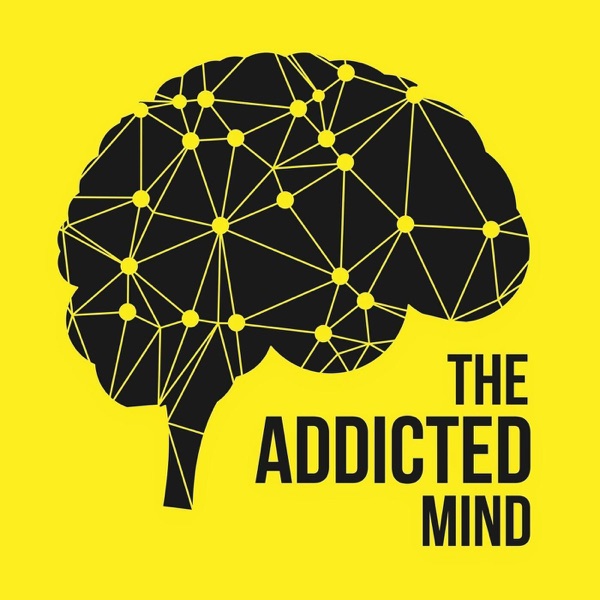
The Addicted Mind Podcast
"The Addicted Mind Podcast" offers hope, understanding, and guidance for those dealing with addiction, with real stories and research to inspire and show the journey to recovery is worth it.
We're here to do more than just talk about addiction.
We want to show you how to heal and recover.
Our talks with experts and people who have beaten addiction give you important insights into how addiction affects the mind and how recovery can happen in many ways. Whether we're looking at new treatment ideas or sharing stories that inspire, "The Addicted Mind Podcast" is all about understanding the complex world of addiction recovery and showing that recovery is possible.
If you or someone you care about is dealing with the challenges of addiction, let "The Addicted Mind Podcast" be your friend and guide. We aim to give you the knowledge you need, share stories that inspire you, and show you that the journey to recovery is worth it.
Subscribe now to be part of a community focused on learning, healing, and changing for the better. Your journey to a healthier mind and life begins right here.
- Mental Health chart
- #141
- Episodes
- 520
- Releases
- Weekly
- Typical length
- 35 min
- On air since
- 2001
- Latest episode
- 1 day ago
Episodes
520 episodes, newest first
-
33 min
Episode 399: How Genes, Biomarkers, and Epigenetics Shape Addiction with Dr. Evelyn Higgins (Rebroadcast)
Episode 399
Show notes
Would you have made different decisions if you’d known, early in life, that you had a genetic propensity toward addiction? Dr. Evelyn Higgins asks that question, and it opens up a bigger one: what changes when we look at the biological side of addiction? In this conversation, we talk about how understanding our biology can move us away from seeing addiction as a moral failing, and toward more understanding.
In this episode, I’m revisiting my conversation with Dr. Evelyn Higgins, which first aired as Episode 217 in January 2023. We talk about the biological side of addiction: genes, biomarkers and brain chemistry, and how they connect with stress, trauma and the environments we live in. Evelyn shares how her years in pain management and her own family’s experience with addiction led her to ask what was happening in the body, not just in behavior.
We also talk about why addiction is not a moral failing. Looking at the biology can feel uncomfortable, because it means there are some things we don’t have total control over. But it can also bring more understanding, both for the people who are struggling and for the families who love them.
In This Episode
• Evelyn’s path into this work, from pain management to her family’s experience with addiction
• What epigenetics means, and how, in Evelyn’s view, stressors in our lives can influence how our genes are expressed
• The difference between describing symptoms in our own words and looking at objective lab information
• Family history, genetic propensity and having open conversations with young people before they experiment
• How seeing addiction through a biological lens can change the way families respond to a loved oneKey Takeaways
• Addiction is not a moral flaw. Evelyn points out that no one wakes up wanting to lose their family, job or home. We don’t call someone with diabetes weak, and she argues that addiction deserves the same understanding.
• Biology and behavior work together. Evelyn notes that addiction is described as a biopsychosocial condition, yet the biological part often goes unexamined. She’s clear that behavior change remains just as important. Biology adds to the picture rather than replacing the work of recovery.
• “White-knuckling” may point to something unaddressed. Evelyn describes people who are sober but still angry and struggling every day. In her view, this can happen when a person’s physiology hasn’t been looked at.
• Understanding can bring hope. Evelyn shares that when she goes over lab results with people, some of them cry and say, “I’m not crazy.” As we talked about in the episode, there’s hope in that: we have the power to change how we respond to new knowledge about ourselves.
• Everyone’s experience is different. Many people don’t realize how anxious or depressed they’ve been until a substance or behavior suddenly takes it away. That’s part of why Evelyn and I talk about the importance of a personalized, individual approach.About Dr. Evelyn Higgins
Dr. Evelyn Higgins is the CEO of Wired For Addiction. Her background is in clinical practice and pain management, and her work focuses on the intersection of epigenetics, neuroscience and addiction. She has also spoken about the biology of addiction in a TEDx talk.
About Our Sponsor: Wired for Addiction
This rebroadcast opens with a new introduction where I welcome our new sponsor, Wired for Addiction. Evelyn is the company’s CEO, and the conversation you’ll hear originally aired in 2023. If it speaks to you or someone you love, Evelyn and her team have put together a free guide, The Biology of Addiction: 10 Core Biomarkers. You can download it at https://theaddictedmind.com/wired.
Connect with Evelyn
• Website: Wired For Addiction
• TEDx Talk: The Biology of AddictionListen, Follow and Review
• Apple Podcasts
• Spotify
• Instagram: @addictedmindpodcast
• Facebook: The Addicted Mind Podcast community group
• YouTube
• X: @AddictedPodcast
• Leave Duane a voice messageFollow and Review: We’d love it even more if you could drop a review or 5-star rating over on Apple Podcasts. Simply select “Ratings and Reviews” and “Write a Review” then a quick line with your favorite part of the episode. It only takes a second and it helps spread the word about the podcast.
Supporting Resources:
If you live in California and are looking for counseling or therapy please check out Novus Mindful Life Counseling and Recovery Center
http://www.novusmindfullife.com/
See Privacy Policy at https://art19.com/privacy and California Privacy Notice at https://art19.com/privacy#do-not-sell-my-info.
-
48 min
Episode 398: Recognizing the Patterns of a Narcissistic Parent with Julie L. Hall (Rebroadcast)
Episode 398
Show notes
This is a rebroadcast of Episode 90 with Julie L. Hall, a conversation originally released on The Addicted Mind.
Maybe you grew up in a home where your feelings didn’t seem to have a place. Everything seemed to orbit around one parent’s moods and needs, and you learned early to make yourself small. Maybe you’re only now finding words for it. That can be such a confusing, painful thing to sit with.
In this episode I’m sharing my conversation with Julie L. Hall, author of The Narcissist in Your Life: Recognizing the Patterns and Learning to Break Free. Julie grew up in a narcissistic family and describes herself as a survivor. She’s an educational writer, poet and journalist. While she was working on her memoir, she realized narcissism had been a theme running through her life, so she began writing about it directly. That writing became part of her own healing.
We talk about what narcissistic personality disorder is, as Julie understands it. To her, it isn’t simple vanity. It’s a defensive coping structure, often built early in life, that can cover deep feelings of vulnerability, shame and worthlessness. We look at what it can be like for children when a family is organized around a parent’s needs. We also talk about how addiction, depression, anger and family rifts can show up in these families, often without anyone naming what’s driving them.
It’s a heavy conversation. But there’s hope in it too, and a lot of that comes from Julie’s own story of putting words to what she lived through.
In This Episode
• How Julie’s memoir turned into writing about narcissism, and became part of her healing
• The difference Julie draws between the everyday self-focus most of us have and narcissistic personality disorder
• Why Julie sees narcissism as a defense against vulnerability and shame, and how that can look from the outside: avoiding self-reflection, and seeing people as either worthless or wonderful
• What it can be like for children when a family is structured around a parent’s needs
• Addiction, denial and grief in narcissistic families, and why Julie sees education as such an important stepKey Takeaways
• Julie sees narcissism as armor over shame. In her view, the superior or grandiose exterior is a persona built to cover feelings of vulnerability and worthlessness. It isn’t a picture of real confidence.
• When a parent’s needs come first, children carry the cost. Julie describes families where the children’s needs become secondary to the parent’s. She talks about the pain, confusion and complex trauma those children can carry.
• What goes unnamed is hard to heal. Julie describes addiction, depression and family rifts showing up in these families with no awareness of the core issue underneath. Denial is a big obstacle she sees for adult children, and the grief can take a long time to move through.
• Understanding can be part of healing. For Julie, learning and writing about narcissism helped her make sense of her own life. She sees education as an important step for people who grew up with a narcissistic parent.About Julie L. Hall
Julie L. Hall is the author of The Narcissist in Your Life: Recognizing the Patterns and Learning to Break Free. She grew up in a narcissistic family and describes herself as a survivor. Julie is an educational writer, poet and journalist, and she writes the blog The Narcissist Family Files. Her articles have also appeared in Psychology Today and HuffPost.
Connect with Julie
• Website: The Narcissist Family Files
Resources Mentioned
• The Narcissist in Your Life: Recognizing the Patterns and Learning to Break Free by Julie L. Hall
• The Narcissistic Family: Diagnosis and Treatment by Robert M. Pressman and Stephanie Donaldson-PressmanSupporting Resources
• Looking for a therapist? Novus Mindful Life offers therapy for addiction, betrayal trauma, anxiety and depression, in person in Garden Grove, CA, and by telehealth in California, Idaho, Virginia, Florida and Texas. → https://novusmindfullife.com
• Healing after betrayal? Addiction can break trust in a relationship. Shame to Resilience is a guided program for both the betrayed partner and the person who caused the harm. → https://shametoresilience.com
• Stay close to the work. Get new episodes, tools you can actually use, and a little hope for the hard days in your inbox. → Subscribe at TheAddictedMind.comListen, Follow and Review
If this conversation helped you, or helped you understand someone you love a little better, please follow The Addicted Mind and leave a rating or review. It helps someone else who’s struggling find the show.
• Apple Podcasts
• Spotify
• Instagram: @addictedmindpodcast
• Facebook: The Addicted Mind Podcast community group
• YouTube
• Leave Duane a voice messageIf some of this feels close to home, please go gently. Recognizing a pattern isn’t the same as diagnosing someone you love, and you don’t have to sort it all out at once. Understanding where the pain came from can be a place to start. Wherever you are with it, you’re not alone. Find more episodes and resources at TheAddictedMind.com.
Follow and Review: We’d love it even more if you could drop a review or 5-star rating over on Apple Podcasts. Simply select “Ratings and Reviews” and “Write a Review” then a quick line with your favorite part of the episode. It only takes a second and it helps spread the word about the podcast.
Supporting Resources:
If you live in California and are looking for counseling or therapy please check out Novus Mindful Life Counseling and Recovery Center
http://www.novusmindfullife.com/
We want to hear from you. Leave us a message or ask us a question: https://www.speakpipe.com/addictedmind
See Privacy Policy at https://art19.com/privacy and California Privacy Notice at https://art19.com/privacy#do-not-sell-my-info.
-
38 min
Episode 397: Breaking the Silence of Childhood Trauma and Addiction with Rich Dunning
Episode 397
Show notes
Content note: This episode includes discussion of childhood abuse, domestic violence, and a suicidal crisis. If you’re struggling, call or text 988 (Suicide & Crisis Lifeline). It’s free, confidential, and available 24/7.
For so many of us, staying quiet was how we survived. When a childhood is shaped by violence, abuse, and chaos, silence becomes a kind of armor. And that armor often follows us into adulthood, into our marriages, our careers, and our drinking.
In this episode I sit down with Rich Dunning, a medical device executive, father, husband of 32 years, and author of Silence Was My First Language. Rich grew up in the Bronx surrounded by abuse, alcoholism, hunger, and periods of homelessness. He became, in his words, a father at 10 years old, caring for his siblings when no one else would. That survival instinct carried him a long way, into a successful 28-year career and a family he loved. But the pain underneath never left, and alcohol became the way he quieted it.
Rich talks about how outward success hid a deep sense of shame, and how losing his brother and his job cracked everything open. He also shares the morning his story nearly ended, and the moment his son’s voice called him back. That was his day one. Rich is now more than nine years sober, and in recovery he found a new language. He chose to publish his story so a child or teen might get help sooner than he did.
It’s a heavy conversation. But Rich’s story is a powerful reminder that childhood trauma and addiction don’t get the last word.
In This Episode
• Growing up in the Bronx, and how silence became Rich’s first language
• The counselor who saw right through him and suggested he write down his memories
• Two fractures: the death of his 20-year-old brother and losing the job that defined him
• Being called a “dog” as a child, and the imposter feelings that followed him into his career
• Paranoia, isolation, and the made-up backstory he used to hide where he came from
• The unraveling: blackouts, hidden bottles, failed rehabs, and trying to control everything
• Rock bottom, surrender, and day one of recovery
• Why he wrote the book like a novel, and why abuse awareness still matters
• Finding his voice during COVID and deciding to publish
• Amends, rebuilding trust, and honest conversations with his kids about their family historyKey Takeaways
• Silence can be a survival strategy, and it can outlive its purpose. Learning to read a room, stay invisible, and stay quiet protected Rich as a child. But carrying that armor into adulthood kept him from ever dealing with what happened to him.
• External success can mask internal collapse. Rich won national awards while drinking heavily, and strong performance made it easy for others to overlook the warning signs. When an identity rests on one role, losing that role can feel like losing yourself.
• Shame often sounds like an old voice. Called a “dog” by his stepfather for years, Rich spent most of his career feeling like an imposter waiting to be exposed. Naming where that voice came from is part of loosening its grip.
• Asking for help takes courage, and it’s the turning point. Rich’s recovery began the day he stopped hiding and said, “help me, I can’t do this anymore.” No matter how hopeless things feel, help is available.
• Trust is rebuilt through actions, not words. Recovery is an ongoing “redemption tour” of amends, self-awareness, and consistent behavior over years. It’s not a single apology.
• Honesty can break the cycle for the next generation. Rich talks openly with his adult children about their family history and genetic risk. He’s become a parent they can approach without fear or shame.“Your past doesn’t have to define you, brother. You know, what you do right now can alter your life for the rest of your life.” (Rich Dunning)
Time Stamps
00:01 Welcome and introduction to Rich Dunning
00:52 A 15-year journey and nine years of sobriety
01:19 Silence as a first language: growing up in the Bronx
02:40 A counselor’s suggestion to write down his memories
03:36 Two fractures: his brother’s death and losing his job
07:25 What his work identity was protecting him from
09:39 Imposter feelings, paranoia, and hiding his past
11:34 Writing the book like a novel, and why abuse awareness matters
16:00 The unraveling: isolation, blackouts, and control
18:17 Rock bottom and day one of recovery
25:08 Finding his voice and deciding to publish
29:32 Rebuilding trust, making amends, and honest talks with his kids
36:51 One message for anyone who feels stuck
37:34 Where to find Rich and his book
About Rich Dunning
Rich Dunning is an author and medical device industry executive with a 28-year career. Raised in the Bronx amid abuse, violence, alcoholism, hunger, and periods of homelessness, he has been sober since 2017. His book, Silence Was My First Language, follows his journey from childhood survival through alcohol addiction and into recovery. It’s available wherever books are sold, and as an audiobook on Audible.
Connect with Rich
• Website: Rich Dunning Books
• LinkedIn: Rich DunningResources Mentioned
• Silence Was My First Language by Rich Dunning
• NetGalley: book overview
• Literary Titan: author interview
• BookLife: book coverage
• Domestic Violence Awareness Month (October)
• 988 Suicide & Crisis Lifeline: call or text 988, free and confidential, 24/7Supporting Resources
• Looking for a therapist? Novus Mindful Life offers therapy for addiction, betrayal trauma, anxiety and depression, in person in Garden Grove, CA, and by telehealth in California, Idaho, Virginia, Florida and Texas. → https://novusmindfullife.com
• Healing after betrayal? Addiction can break trust in a relationship. Shame to Resilience is a guided program for both the betrayed partner and the person who caused the harm. → https://www.shametoresilience.com
• Stay close to the work. Get new episodes, tools you can actually use, and a little hope for the hard days in your inbox. → Subscribe at TheAddictedMind.comListen, Follow and Review
If this conversation helped you, or helped you understand someone you love a little better, please follow The Addicted Mind and leave a rating or review. It helps someone else who’s struggling find the show.
• Apple Podcasts
• Spotify
• Instagram: @addictedmindpodcast
• Facebook: The Addicted Mind Podcast community group
• YouTube
• Leave Duane a voice messageIf you’re carrying old pain in silence, or loving someone who is, keep reaching out. Help is out there, and you’re not alone. Find more episodes and resources at TheAddictedMind.com.
Follow and Review: We’d love it even more if you could drop a review or 5-star rating over on Apple Podcasts. Simply select “Ratings and Reviews” and “Write a Review” then a quick line with your favorite part of the episode. It only takes a second and it helps spread the word about the podcast.
Supporting Resources:
If you live in California and are looking for counseling or therapy please check out Novus Mindful Life Counseling and Recovery Center
http://www.novusmindfullife.com/
We want to hear from you. Leave us a message or ask us a question: https://www.speakpipe.com/addictedmind
See Privacy Policy at https://art19.com/privacy and California Privacy Notice at https://art19.com/privacy#do-not-sell-my-info.
-
49 min
Episode 396: Buprenorphine, Fentanyl and the Opioid Crisis: What Medication for Opioid Use Disorder Really Does with Nick Casale, PharmD
Episode 396
Show notes
Maybe someone you love is starting treatment for opioid use disorder and their doctor mentioned buprenorphine, or a monthly shot, and you're thinking, Wait... isn't that swapping one opioid for another? Or maybe you're the one struggling, and the idea of withdrawal feels so terrifying that treatment doesn't feel possible. Those fears make so much sense. And a lot of what we've been told about these medications is confusing, outdated or wrapped up in stigma.
In this episode I sit down with Nick Casale, a pharmacist who has spent the last 15 years in addiction medicine, focused on opioid use disorder. Nick started out in a Pennsylvania Medicaid health plan in the early 2010s, right as the opioid crisis was exploding, and watched firsthand how inconsistent, and sometimes punishing, treatment coverage was. Today he works in medical affairs for a pharmaceutical company, talking with clinicians, researchers, and even sheriffs and jail medical directors about what the evidence shows.
Nick breaks down how buprenorphine works in the brain (there's a great musical-chairs metaphor in here), why fentanyl has made opioid use disorder so much harder to treat, and what long-acting injections are changing, especially for people leaving jail. And we talk about the part medication can't do alone: counseling, support, peers who've been there. It's a hard topic. The numbers are heavy. But there's real hope here. Treatment works, access is better than it's ever been, and reaching out is a brave first step.
In This Episode
• Nick's path from retail pharmacy to a Medicaid health plan to addiction medicine, and why he fell in love with this work
• Why insurance coverage for opioid use disorder treatment was "all over the board," and how kicking people off treatment for a failed drug screen made things worse
• What buprenorphine is, in plain language: a partial opioid agonist that holds the receptor, eases withdrawal and cravings, and blocks other opioids
• The three waves of the opioid crisis: prescription opioids, then heroin, then fentanyl and other synthetic opioids
• How fentanyl changes the brain by creating more opioid receptors, and why that makes withdrawal so brutal
• Tablets and films vs. long-acting weekly and monthly injections, and why steady levels matter now
• Medication for opioid use disorder in jails and prisons, and why the days after release are so dangerous
• How buprenorphine can be misused, and why naloxone was added to some forms
• What real-world research is showing beyond clinical trials: fewer non-fatal overdoses, fewer serious infections, people getting their lives back
• Access and cost today, and why so many people still aren't getting treatment.Key Takeaways
• Most people who need treatment aren't getting it. Nick shares that roughly 4.8 million U.S. adults live with opioid use disorder, and only about 1 in 5 receive medication for it. He describes the overdose toll as the equivalent of a Boeing 737 crashing every day.
• Buprenorphine works differently from other opioids. Nick's metaphor: heroin plays musical chairs, jumping on and off the receptor. Buprenorphine sits down and stays. That steadiness helps keep people out of withdrawal and blocks other opioids from taking the seat.
• Fentanyl has changed the game. According to Nick, the street supply is now dominated by fentanyl and other synthetic opioids. They're so potent the brain grows more opioid receptors, which makes withdrawal harder and treatment more complex.
• There's no set timeline for treatment. ASAM (the American Society of Addiction Medicine) recommends at least three months, and longer treatment is linked to better outcomes. How long to stay on medication is a decision between you and your provider, much like blood pressure medication.
• Relapse isn't a reason to be punished. Nick and I agree that setbacks are part of many people's recovery journeys, and treatment should keep the door open.
• Medication is one piece, not the whole picture. Buprenorphine works "exponentially better," as Nick puts it, alongside counseling, behavioral support and peer mentors."Just be brave, seek out the treatment... just make that first step." — Nick Casale
TIME STAMPS
• 00:15 Nick introduces himself and his work in addiction medicine
• 01:40 From retail pharmacy to a Medicaid health plan in the middle of the opioid crisis
• 08:06 What "transmucosal" means and how buprenorphine treatment has evolved
• 10:47 How buprenorphine works in the brain, and the musical-chairs metaphor
• 16:05 The numbers: 4.8 million adults with opioid use disorder, and 1 in 5 treated
• 17:01 The three waves of the opioid crisis
• 20:02 How fentanyl "upregulates" opioid receptors
• 21:58 How long should treatment last?
• 25:42 Long-acting injections and steady protection
• 28:57 What the research shows, and why abstinence isn't the only measure
• 30:52 Treatment in jails and prisons, and the risk after release
• 33:40 Stigma and pushback in correctional settings
• 36:40 Can buprenorphine be misused?
• 39:36 Why medication works best with therapy and support
• 44:29 Access, insurance and cost
• 47:48 Nick's one message for anyone strugglingAbout Nick Casale, PharmD
Nick Casale is a pharmacist who has worked in addiction medicine for about 15 years, with a focus on opioid use disorder. He began his career in retail pharmacy before joining a Pennsylvania Medicaid health plan as a clinical pharmacist, where he led the plan's opioid overutilization program and its addiction medicine benefit during the height of the opioid crisis. He then moved into the pharmaceutical industry, first working with Medicaid programs across the country and now leading a medical affairs team. His team shares scientific information with physicians, nurse practitioners and physician assistants, works with leaders in addiction research, and helps jails and prisons understand the evidence for treating opioid use disorder.
Connect with Nick
• LinkedIn: search Nick Casale, PharmD
Resources Mentioned
• Buprenorphine and buprenorphine/naloxone (tablets and films taken under the tongue)
• Long-acting injectable buprenorphine (weekly and monthly)
• Methadone and naltrexone, other medications for opioid use disorder
• American Society of Addiction Medicine (ASAM)
• National Commission on Correctional Health Care (NCCHC)
• SAMHSA National Helpline: 1-800-662-4357, free and confidential, 24/7
• https://findtreatment.gov: find treatment providers near you, including medication for opioid use disorderSupporting Resources
• Looking for a therapist? Medication works best with support around it. Novus Mindful Life offers therapy for addiction, betrayal trauma, anxiety and depression, in person in Garden Grove, CA, and by telehealth in California, Idaho, Virginia, Florida and Texas. → https://novusmindfullife.com
• Healing after betrayal? Addiction can break trust in a relationship. Shame to Resilience is a guided program for both the betrayed partner and the person who caused the harm. → https://shametoresilience.com
• Stay close to the work. Get new episodes, tools you can actually use, and a little hope for the hard days in your inbox. → Subscribe at TheAddictedMind.comListen, Follow and Review
If this conversation helped you, or helped you understand someone you love a little better, please follow The Addicted Mind and leave a rating or review. It helps someone else who's struggling find the show.
• Apple Podcasts
• Spotify
• Instagram: @addictedmindpodcast
• Facebook: The Addicted Mind Podcast community group
• YouTube
• Leave Duane a voice messageIf you're struggling with opioids, or loving someone who is, keep reaching out. Help is out there, and you're not alone.
Find more episodes and resources at https://theaddictedmind.com.
Follow and Review: We’d love it even more if you could drop a review or 5-star rating over on Apple Podcasts. Simply select “Ratings and Reviews” and “Write a Review” then a quick line with your favorite part of the episode. It only takes a second and it helps spread the word about the podcast.
Supporting Resources:
If you live in California and are looking for counseling or therapy please check out Novus Mindful Life Counseling and Recovery Center
http://www.novusmindfullife.com/
We want to hear from you. Leave us a message or ask us a question: https://www.speakpipe.com/addictedmind
See Privacy Policy at https://art19.com/privacy and California Privacy Notice at https://art19.com/privacy#do-not-sell-my-info.
-
43 min
Episode 395: How Culture Shapes the Way We See Addiction: Stigma, Willpower and Why Environment Matters with Dr. Maria Cichosz
Episode 395
Show notes
Maybe you've watched someone you love do something that makes no sense, something that's clearly hurting them and everyone around them, and you've asked, "Why would anyone choose this?" Or maybe you've asked that question about yourself. It's such a human question. And the answers we come up with, the stories we tell about addiction, end up shaping how we treat people who are struggling... including ourselves.
In this episode I sit down with Dr. Maria Cichosz, a writer, critical drug studies scholar and professor of literature and creative writing at Victoria College, University of Toronto. Maria isn't coming from a medical or therapy background. She has a PhD in literary and cultural studies, and she brings her own story: growing up as the child of Polish immigrant parents in a home marked by generational trauma and addiction, and her own relationship with substances over the years. Together we look at how our ideas about addiction have changed over time, from a choice, to a weakness of the will, to a disease of the brain, and what each of those stories gets right and what it misses.
It's a big conversation, and Maria doesn't pretend there are easy answers. But there's a lot of hope in it. When you can see that our ideas about addiction haven't always been this way, you can start to imagine they could be different. More compassionate. More human.
Key Takeaways
• Our ideas about addiction have a history. The idea that addiction is a disease of the brain is only a few decades old. Before that it was seen as a weakness of the will or the soul, and before that, a behavior some people chose. Those stories affect how people get treated today.
• The brain disease model helps, and it's still only part of the picture. It takes blame out of the equation. But a brain scan is "a brain in a vat," as Maria puts it. It doesn't show poverty, trauma, isolation, overprescribing or punitive drug policy.
• Environment matters, a lot. In Rat Park, rats who had community, play and stimulation mostly chose not to take the drug. Rats aren't people, but we're social creatures too.
• Compassion and responsibility can live together. Duane and Maria sit with the hard question of how we hold people accountable for the harm they cause while also understanding the forces that brought them there. Neither of them has a clean answer, and that's okay.
• Stories can build empathy. Fiction lets us step inside someone else's head and see that they think, feel and struggle much like we do."I wish I could tell you it gets better… We can't always see among the murkiness of where we are in the moment, but there is certainly something on the other side, even if it's a twisting path to get there." — Dr. Maria Cichosz
Timestamps"
• 00:36 Maria introduces herself and how she became "the drug person" in her academic work
• 06:18 Growing up in a home shaped by generational trauma and addiction
• 12:48 Addiction has a history: why the brain disease model isn't the whole story
• 13:54 From Roman law to "a disease of the will": how our ideas about addiction changed
• 24:01 What the brain disease model gets right, and what it can miss
• 30:37 The Rat Park study and the power of environment
• 33:42 The other side: psychedelics, harm reduction and moving past "good vs. bad"
• 38:54 Set and setting
• 41:30 Maria's novel Middlemen
• 45:35 One thing Maria wants you to knowAbout Dr. Maria Cichosz
Maria Cichosz is a writer, critical drug studies scholar and professor of literature and creative writing at Victoria College in the University of Toronto, where she also directs the Victoria College Writing Centre. She holds a PhD in Modern Thought & Literature from Stanford University, and her research focuses on post-1945 literature, art and theory, with a particular interest in drug histories and cultures. Her writing has appeared in Critique, the Los Angeles Review of Books, the Literary Review of Canada and American Literature. She's the author of the novels Cam & Beau (2020) and Middlemen (NoN Publishing, fall 2026). On Drugs, part of Biblioasis's Field Notes series, is forthcoming.
Connect with Maria
• Website: https://mariacichosz.com
• University of Toronto faculty page: https://vic.utoronto.ca/cichosz
• Academia.edu: https://utoronto.academia.edu/MariaCichosz
• Middlemen from NoN Publishing: https://nonpublishing.com/middlemen
• Toronto launch of Middlemen: Thursday, October 22, 2026, 6:30 PM at Queen Books, 914 Queen Street EastResources Mentioned
• Middlemen by Maria Cichosz
• Cam & Beau by Maria Cichosz (2020)
• Dr. Bruce Alexander's Rat Park study
• Eve Kosofsky Sedgwick, "Epidemics of the Will"
• Jacques Derrida, "The Rhetoric of Drugs"Follow and Review: We’d love it even more if you could drop a review or 5-star rating over on Apple Podcasts. Simply select “Ratings and Reviews” and “Write a Review” then a quick line with your favorite part of the episode. It only takes a second and it helps spread the word about the podcast.
Supporting Resources:
If you live in California and are looking for counseling or therapy please check out Novus Mindful Life Counseling and Recovery Center
http://www.novusmindfullife.com/
Novus Mindful Life offers therapy for addiction, betrayal trauma, anxiety and depression, in person in Garden Grove, CA, and by telehealth in California, Idaho, Virginia, Florida and Texas. → https://novusmindfullife.com/
• Healing after betrayal? Shame to Resilience is a guided program for both the betrayed partner and the person who caused the harm. → https://shametoresilience.com/
• Stay close to the work. Get new episodes, tools you can actually use, and a little hope for the hard days in your inbox. → Subscribe at TheAddictedMind.comWe want to hear from you. Leave us a message or ask us a question: https://www.speakpipe.com/addictedmind
See Privacy Policy at https://art19.com/privacy and California Privacy Notice at https://art19.com/privacy#do-not-sell-my-info.
-
46 min
Episode 394: The 90-Day Benchmark: What 100,000 Patients Teach Us About Lasting Sobriety Joanna Conti
Episode 394
Show notes
In this episode of The Addicted Mind, host Duane Osterlind is joined by Joanna Conti, founder of Conquer Addiction and the Vista Research Group. Driven by her personal journey navigating her daughter’s severe alcohol addiction, Joanna set out to solve a major gap in the addiction treatment industry: the lack of hard, verifiable outcome data.
Joanna shares how her background in software and engineering led her to launch Vista Research Group to track patient progress during and after rehab, as well as Conquer Addiction, a non-profit helping families find evidence-based care. They discuss what the data reveals about long-term recovery, why the 90-day care benchmark is critical, and how real-time patient monitoring can save lives.
Key Topics Covered
• A Personal Catalyst: Joanna’s harrowing experience with her daughter’s severe alcohol addiction, six years of navigating rehabs, and her daughter's eventual 13-year recovery.
• Marketing vs. Hard Data: The frustration of encountering unverified success claims (such as "98% success rates") and discovering in 2015 that only five treatment centers nationwide were scientifically tracking and publicly sharing post-treatment outcomes.
• Launching Vista Research Group: How tracking patient progress during treatment—including cravings, depression, and therapeutic alliance—improves patient outcomes in real time.
• What the Data Reveals: Insights gathered from monitoring over 100,000 patients in treatment and following up with over 50,000 post-treatment.
• Factors Influencing Success: How primary substance choice (alcohol vs. fentanyl or meth), age, peer culture, and ongoing support impact recovery rates.
• Why Industry Data Has Stagnated: Why nationwide 1-year recovery rates have remained around 36% to 37% since 1993, and how systematic measurement can drive outcome leaps similar to those in cancer research.Key Takeaways & Data Insights
• The 90-Day Benchmark: Patients who stay engaged in care across various levels (residential, IOP, outpatient) for at least 90 days are twice as likely to be in recovery one year later compared to those who leave in 20 days or less.
• Support Networks: Active involvement in recovery communities (such as AA or SMART Recovery) or living in sober housing doubles the likelihood of maintaining long-term recovery.
• Real-Time Feedback: Self-reported patient surveys often surface critical mental health warning signs—such as hidden suicidal ideation or rising cravings—that patients might hesitate to share face-to-face with clinicians.
• Hope for Chronic Relapse: Data confirms that individuals with 10 to 15 prior treatment episodes for severe substance use disorders are still fully capable of achieving lasting recovery.Guest Message
"Love them and help them find effective treatment. Don't give up." — Joanna Conti
Resources & Links
• Conquer Addiction: https://conquer-addiction.org — Treatment centers with verified, above-average outcome data.
• Vista Research Group: Data-driven patient progress monitoring and outcome tracking for addiction treatment providers.Follow and Review: We’d love it even more if you could drop a review or 5-star rating over on Apple Podcasts. Simply select “Ratings and Reviews” and “Write a Review” then a quick line with your favorite part of the episode. It only takes a second and it helps spread the word about the podcast.
Supporting Resources:
If you live in California and are looking for counseling or therapy please check out Novus Mindful Life Counseling and Recovery Center
http://www.novusmindfullife.com/
We want to hear from you. Leave us a message or ask us a question: https://www.speakpipe.com/addictedmind
See Privacy Policy at https://art19.com/privacy and California Privacy Notice at https://art19.com/privacy#do-not-sell-my-info.
-
35 min
Episode 393: Lost in Del Valle: How Actor Ned Van Zandt Turned His Darkest Days Into Redemption
Episode 393
Show notes
In this episode of The Addicted Mind Podcast, host Duane Osterlind speaks with actor, playwright, and recovery advocate Ned Van Zandt. Ned shares his life story—from an exotic childhood traveling the world to studying under Olympia Dukakis and working alongside high-profile actors and musicians in the 1970s. He candidly details his descent into hard drugs while living at New York's iconic Chelsea Hotel, his first 13-year stretch of surface-level sobriety, a sudden relapse that led to an arrest in Texas, and his eventual surrender to deep, service-driven recovery. Today, Ned is the managing director of a NYC sober living facility and the creator of the one-man show Lost in Del Valle.
Key Topics Covered
• Roots and Early Career: Growing up in a prominent Fort Worth family, child acting in The Music Man and Oliver!, and studying acting at NYU under Olympia Dukakis.
• The Chelsea Hotel Era (1978): Moving into the legendary hotel the same week as Sid Vicious and Nancy Spungen, accelerating a lifestyle of heavy drug use and rock-and-roll partying.
• First Sobriety Attempt & Relapse: Getting sober in 1987 following legal pressure, putting together 13 years of continuous recovery, and landing roles on Broadway and Law & Order. Ned reflects on how skipping the deeper step work left him vulnerable to a sudden relapse on New Year's Eve 1999.
• The Downward Spiral: Overdosing on cocaine, leaving New York to hide out in Texas, losing his life savings, and being arrested on a dirt road outside Austin for possession with intent to distribute.
• Jail at Del Valle: Navigating time in jail, where the head of the local Texas Aryan Brotherhood gang recognized him from his role on the soap opera One Life to Live.
• True Recovery in Hawaii: Entering treatment in Hawaii in 2007, embracing sponsorship and service work, and rebuilding his acting career with roles on Lost and film projects.
• Creating Lost in Del Valle: Developing a raw, humorous one-man play directed by Amir Arrison (The Blacklist) recounting his wild history, rock-and-roll encounters, time in jail, and path to redemption.
• Service as a Pillar of Sobriety: Working as managing director and partner at Transcend NYC, helping young men find direction and recovery.Words of Wisdom for Anyone Struggling
• Focus on the Single Frame: View life like a long roll of film. Instead of obsessing over the outcome or the end of the reel, focus exclusively on the single frame in front of you right now.
• Move a Muscle, Change a Thought: Physical action shifts mental state. Go for a walk or change your environment to break negative thought patterns.
• Get Out of Your Own Head: Engaging in service and helping others brings back the purpose and vitality that addiction strips away.Mentioned in This Episode
Resources & Links for Ned:
Ned's Play Lost in Del Valley at the Soho Playhouse
Play Official Website: https://lostindelvalle.com/
Sober Living Facility Transcend NYC (Upper West Side, Manhattan)
Podcast Websitehttps://theaddictedmind.com/
Supporting Resources: Duane Osterlind LMFT CSAT
If you live in California and are looking for counseling or therapy please check out Novus Mindful Life Counseling and Recovery Center
http://www.novusmindfullife.com/
We want to hear from you. Leave us a message or ask us a question: https://www.speakpipe.com/addictedmind
See Privacy Policy at https://art19.com/privacy and California Privacy Notice at https://art19.com/privacy#do-not-sell-my-info.
-
46 min
Episode 392: Beyond the Trauma Anchor: How Neuroplasticity Rewires Pain and Anxiety with Dr. David Hanscom
Episode 392
Show notes
In this episode of The Addicted Mind, host Duane Osterlind speaks with orthopedic spine surgeon Dr. David Hanscom about his book, Calm Your Body, Heal Your Mind. They explore the deep physiological connection between chronic pain, anxiety, and addiction, outlining how regulating the nervous system can lead to genuine, lasting healing.
Key Takeaways
• The Problem with Chronic Surgery: A vast majority of spine surgeries for non-structural chronic pain fail because they treat a symptom rather than the root cause. Chronic physical pain is frequently driven by an oversensitized nervous system rather than structural spinal flaws.
• Threat Physiology vs. Psychology: Anxiety and anger are physical, chemical reactions—a "fight-or-flight" survival mechanism—rather than purely psychological issues. Because the unconscious brain processes roughly 1 billion bits of information per second compared to the conscious brain’s 20–30 bits, you cannot simply talk or willpower your way out of deep physiological threat states.
• The Bridge to Addiction: When the body remains trapped in sustained threat physiology, mental and physical pain become unbearable. Without tools to down-regulate the nervous system, individuals often turn to substances or compulsive behaviors as a last-ditch effort to soothe the body's alarm system.
• Reframing Trauma Work: Continuously discussing and re-analyzing past trauma can sometimes act as a "trauma anchor," reinforcing pain circuits in the brain. Long-term recovery requires shifting focus toward present-moment awareness and neuroplasticity.The 4-Part Framework for Healing
• Thought Separation: Using expressive writing and mindfulness to separate your identity from repetitive, negative thought patterns.
• Calming the Physiology: Directly toning down fight-or-flight chemistry by engaging the vagus nerve and creating a felt sense of physical safety.
• Softening the Ego: Cultivating self-awareness to spot cognitive distortions without needing to defend a rigid identity.
• Neuroplasticity: Constructing new brain pathways by intentionally practicing gratitude, engaging with community, and pursuing purpose.Resources & Links
• Book:Calm Your Body, Heal Your Mind by Dr. David Hanscom
• Website: Back in Control
• Guided Healing Program: The DOC JourneyFollow and Review: We’d love it even more if you could drop a review or 5-star rating over on Apple Podcasts. Simply select “Ratings and Reviews” and “Write a Review” then a quick line with your favorite part of the episode. It only takes a second and it helps spread the word about the podcast.
Supporting Resources:
If you live in California and are looking for counseling or therapy please check out Novus Mindful Life Counseling and Recovery Center
http://www.novusmindfullife.com/
We want to hear from you. Leave us a message or ask us a question: https://www.speakpipe.com/addictedmind
See Privacy Policy at https://art19.com/privacy and California Privacy Notice at https://art19.com/privacy#do-not-sell-my-info.
-
39 min
Episode 391: Using Shame as a Compass for Healing with Dr. Frank Spinelli
Episode 391
Show notes
In this episode, host Duane Osterlind welcomes physician, trauma-informed coach, and author Dr. Frank Spinelli for an honest conversation about trauma, addiction, and the root causes of shame. Dr. Spinelli shares his personal story—from surviving childhood abuse in the Boy Scouts and helping law enforcement bring his abuser to justice, to experiencing a profound breakdown during the isolation of the COVID-19 pandemic.
Together, Duane and Frank explore why addiction and shame stem from the same underlying wound, how to separate healthy guilt from toxic shame, and how reframing shame as a tool rather than a sentence can guide us back toward self-acceptance and alignment with our core values.
Key Topics Discussed
• Trauma and the Hidden Roots of Addiction: How unaddressed childhood trauma often manifests as compulsive behaviors—whether involving alcohol, food, work, or sex.
• Shame vs. Guilt: Why guilt focuses on behavior ("I did something bad") while shame attacks identity ("I am bad"), and how the inner voice of shame is often an installed narrative from past abuse or upbringing.
• The Isolation Trigger: How the removal of external coping routines during the COVID-19 pandemic caused dormant trauma and shame to resurface for millions of people.
• Shame as Information, Not Indictment: How leaning into shame—rather than running from or numbing it—can reveal where you are out of alignment with your core values.
• Naming the "Unreliable Narrator": Why personifying and giving a distinct name to your inner critic helps separate your core self from intrusive, shame-based thoughts.Key Frameworks & Tools
The 4 P’s of Emotional Regulation
A practical exercise to build "shame literacy" when triggered:
• Pause: Stop before reacting or speaking.
• Be Present: Bring awareness to the immediate moment and physical surroundings.
• Ponder: Evaluate if your emotional response belongs to the present situation or an old memory.
• Possibilities: Select an intentional, grounded adult response rather than an automatic reaction.The 3 Bodies of Processing Shame
• Somatic (Physical) Body: Noticing physical sensations (chest tightness, sweating, tension) in the nervous system without judgment.
• Story Body: Recognizing the internal narrative, challenging the "unreliable narrator," and separating objective facts from emotional thoughts.
• Relational Body: Understanding how shame builds isolation walls instead of healthy, protective boundaries in relationships.Key Quotes
"What if shame is not something we need to move away from? What if we leaned into it and used it not as an indictment, but as information?" — Dr. Frank Spinelli
"Guilt is 'I did something bad.' Shame is 'I’m bad.' The voice telling you that you're bad is probably not your own voice—it was installed by someone else." — Dr. Frank Spinelli
"Addiction and shame are not separate problems. They're the same wound—they're just expressed differently." — Dr. Frank Spinelli
Guest Resources & Links
• Book: The Shame Compass: A Radical Framework for Trauma Healing and Self-Acceptance by Dr. Frank Spinelli
• Memoir:P-Shy by Dr. Frank Spinelli
• Website: https://frankspinelli.com
• Social Media: Follow Dr. Frank Spinelli on Instagram, Facebook, and YouTube for daily short-form content on overcoming shame.See Privacy Policy at https://art19.com/privacy and California Privacy Notice at https://art19.com/privacy#do-not-sell-my-info.
-
32 min
Episode 390: Healing in the Shadows: A Mother’s Journey Through Eating Disorders, Addiction, and Recovery with Janet Whitney
Episode 390
Show notes
The more we learn about the addicted mind, the more we uncover the deep connections between trauma, mental health disorders, and addiction. Today, we’re taking this exploration personal, guided by the experiences of Janet Whitney—a Licensed Family and Marriage Therapist, a mother, and a woman who has walked a challenging path alongside her daughter.
Meet Janet Whitney!
Janet Whitney is a Licensed Family and Marriage Therapist, but her journey extends far beyond her professional title. As a devoted mother, she has stood by her daughter, Hannah, through an unimaginably difficult battle with anorexia and eating disorders—a fight that has spanned years and tested the limits of resilience, love, and perseverance.
No parent ever wants to watch their child endure a life-threatening illness, especially one as complex and elusive as an eating disorder. Yet, Janet’s unwavering support for Hannah has not only shaped their relationship but also transformed her professional approach to therapy and recovery.
From Theory to Personal Insight
Recovery from eating disorders and addiction share striking similarities—so much so that Janet has woven her own life experiences into her therapeutic practice. Today, we move beyond theory and dive into the raw, unfiltered reality of healing.
The insights Janet brings to the table are profound, born from years of navigating the highs and lows of her daughter’s recovery. Her story is a testament to the power of love, patience, and the courage to challenge conventional narratives around mental health.
Key Topics Explored
• The Intersection of Eating Disorders and Addiction: How these struggles intertwine and what it means for recovery.
• Hannah’s Story: A mother’s account of the struggles, setbacks, and small victories in her daughter’s battle with an eating disorder.
• Changing the Narrative: Breaking down stigma and misconceptions surrounding eating disorders.
• The Long Road to Recovery: Understanding the time, effort, and emotional toll required to overcome such a complex disease.
• Trauma’s Role in Addiction: How past experiences shape the path to healing.
• The Conscientious Dissenter Study: A deep dive into the physical and psychological effects of starvation on the body.
• Self-Care for Caregivers: Navigating your own anxiety while creating a safe space for loved ones.
• The Path to Hannah’s Recovery: The critical factors that played a role in her journey toward healing.
• A Call to Parents: The importance of tough love in saving a child’s life—when and how to step in with strength and compassion.Final Thought:
Janet’s story is a reminder that recovery is not linear, but with the right support, resilience, and love, healing is possible. This conversation is a must-listen for anyone touched by addiction, trauma, or the journey of supporting a loved one through their darkest days.
Resources:
https://www.janetwhitneymft.com/
Want to explore more? Let’s dive deeper into the science of addiction, the role of trauma, or share your own story. Reach out and join the conversation!
Follow and Review: We’d love it even more if you could drop a review or 5-star rating over on Apple Podcasts. Simply select “Ratings and Reviews” and “Write a Review” then a quick line with your favorite part of the episode. It only takes a second and it helps spread the word about the podcast.
Supporting Resources:
If you live in California and are looking for counseling or therapy please check out Novus Mindful Life Counseling and Recovery Center
http://www.novusmindfullife.com/
We want to hear from you. Leave us a message or ask us a question: https://www.speakpipe.com/addictedmind
See Privacy Policy at https://art19.com/privacy and California Privacy Notice at https://art19.com/privacy#do-not-sell-my-info.
-
33 min
Episode 389: Bridging the Recovery Gap: How AI is Transforming Treatment Admissions with David Sichel
Episode 389
Show notes
In this episode, host Duane Osterlind sits down with David Sichel —entrepreneur, founder of Blue Shirt Media, and creator of Sober Transport. David shares his personal journey through addiction, multiple relapses, and long-term recovery, alongside how those experiences led him to innovate within the treatment ecosystem. The conversation explores how AI voice agents and text-based re-engagement tools can support overworked admission departments, capture lost leads, and ensure vulnerable individuals get immediate help during critical moments of sanity.
Key Discussion Highlights
1. David Sichel's Recovery Story
• Early Sobriety & Relapse: David first got clean at age 16 and maintained 17 years of continuous sobriety before relapsing after convincing himself he could smoke marijuana. After getting clean a second time for five years, he experienced a similar relapse.
• Achieving Long-Term Recovery: David entered treatment for a third time over 12.5 years ago (February 17). He emphasizes the importance of staying humble, attending meetings, and engaging in service work rather than relying on past accomplishments.
• Navigating Mental & Physical Health: David discusses his gastric bypass surgery (losing 145 lbs), surviving a severe bout of depression at 10 years sober through medication and a strong support network, and recent heart surgery (pacemaker placement).
• Giving Back: David hosts a long-standing home group celebrating 12 years and carries recovery meetings into local prisons weekly.2. The Evolution of "Sober Transport"
• Identifying the Need: While driving Uber in early recovery, David noticed high individuals taking rides to rehab facilities, sparking the idea for a safe, empathetic transit option.
• Building the Business: David became a certified recovery specialist and interventionist, launching a personalized transport service accompanied by his dog to build rapport with clients. He safely escorted individuals across the country into care until operations paused during COVID-19.3. Modernizing Treatment Admissions with AI Voice Solutions
• The After-Hours Problem: Unanswered calls or automated voicemails at 2 AM leave vulnerable people without immediate support, often resulting in lost opportunities for care.
• Empathetic AI Intake: David developed an AI intake assistant tailored specifically for treatment centers to answer calls 24/7.
• Key Features & Workflows:
• Fully transparent: Discloses to callers that it is an AI assistant.
• Knowledge Base: Trained on specific treatment center websites and standard intake questions.
• Live Transfers: Conducts immediate 24/7 transfers for qualified, urgent leads if requested by the facility.
• CRM Integration: Captures intake data, creates CRM lead records, and sends immediate text follow-ups to the caller.
• HIPAA Compliant: Fully adheres to healthcare privacy laws and signs Business Associate Agreements (BAAs).4. Re-Engaging Inactive Leads via Automated Text Messaging
• The "Inactive File" Problem: Facilities spend upwards of $200 per call through digital advertising, yet many leads go cold after 2–3 follow-up attempts.
• Meeting People Where They Are: Most individuals under 50 prefer text messages over phone calls from unknown numbers.
• Automated Text Campaigns: Using AI text automation, treatment centers reach out to inactive leads, alumni, or past inquiries with supportive check-ins ("Hey, just checking in to see how you're doing").
• Performance: David's text re-engagement case studies demonstrate up to a 22% response rate, qualifying leads before handing them directly back to live admissions representatives via click-to-call.Key Quotes
"When you're sitting in the dark and ready for help, a voicemail is dead. We need to meet people where they are, when they're at that moment of sanity."
— David Sichel
"If you have a chance to do any recovery service work... do it. We need you, because that's where our people are, and we have to meet them where they're at."
— David Sichel
Guest Advice for Anyone Struggling
If you or a loved one are in a dark place and struggling with addiction:
• Reach out immediately. Call anyone—a priest, a treatment center, a helpline, or a friend in recovery.
• There is no shame or judgment waiting for you; the recovery community wants to help you get well.Connect & Resources
• Website: https://www.blueshirtmedia.com (Explore AI demos, case studies, and scheduling options)
Follow and Review: We’d love it even more if you could drop a review or 5-star rating over on Apple Podcasts. Simply select “Ratings and Reviews” and “Write a Review” then a quick line with your favorite part of the episode. It only takes a second and it helps spread the word about the podcast.
Supporting Resources:
If you live in California and are looking for counseling or therapy please check out Novus Mindful Life Counseling and Recovery Center
http://www.novusmindfullife.com/
We want to hear from you. Leave us a message or ask us a question: https://www.speakpipe.com/addictedmind
See Privacy Policy at https://art19.com/privacy and California Privacy Notice at https://art19.com/privacy#do-not-sell-my-info.
-
16 min
TAM+ EP 113 The 4 Essential Boundaries That Will Transform Your Recovery Journey
Episode 113
Show notes
Download: The 4 Essential Boundaries Worksheet
Are you constantly saying "yes" to everyone else's needs while your recovery takes a backseat? In this eye-opening episode of The Addicted Mind Plus, host Duane Osterlind and Eric Osterlind dive deep into the four fundamental types of boundaries that can revolutionize your recovery journey. Many people struggle with feeling selfish about setting boundaries, but as this episode reveals, boundaries aren't just about saying "no" – they're about creating a protective space where your healing can flourish.
The hosts break down each type of boundary – physical, emotional, intellectual, and time – providing practical examples and real-world applications. They explore how these boundaries work together to create a strong foundation for long-term recovery success. Whether you're dealing with maintaining sobriety, protecting your personal space, or managing relationships, this episode offers clear, actionable insights for setting and maintaining healthy boundaries.
The discussion includes practical tips for implementing these boundaries in daily life, along with strategies for overcoming the guilt that often accompanies boundary-setting. The hosts also share how joining a supportive community can help strengthen your boundary-setting skills and enhance your recovery journey.
Key Topics
• Understanding the difference between physical, emotional, intellectual, and time boundaries
• Why setting boundaries isn't selfish and actually helps relationships flourish
• How to protect your recovery space without feeling guilty
• The importance of community support in maintaining boundaries
• Practical steps for implementing boundaries in daily lifeSee Privacy Policy at https://art19.com/privacy and California Privacy Notice at https://art19.com/privacy#do-not-sell-my-info.
-
31 min
Episode 388: The Power of "I Get To": Surviving a 130 MPH Crash and Finding Purpose with Christian Struthers
Episode 388
Show notes
In this powerful episode of The Addictive Mind, host Duane Osterlind sits down with Christian Struthers to discuss his incredible journey from an ego-driven lifestyle of addiction to surviving a catastrophic, near-fatal car accident. Christian shares how a simple shift in perspective saved his mental health, how a German Shepherd named Millie helped him heal, and how he turned his trauma into a mission to give back.
Key Takeaways From This Episode
• The Illusion of "Superman": From the outside, Christian had it all—athletic talent, college baseball scholarships, and a supportive family. However, a lack of consequences fueled a massive ego, leading him down a dark path of alcohol, party scenes, and using prescription pills (like Xanax and painkillers) to regulate his extreme lifestyle.
• The Crash That Changed Everything: On August 3, 2016, Christian was the passenger in a vehicle traveling 130 mph that flipped end-over-end for a football field and a half. The driver tragically did not survive. Christian suffered catastrophic injuries, including a broken neck, two strokes, a punctured lung, and a shattered pelvis. He survived by a thread, stopping his internal bleeding on the very last available bag of his rare O-negative blood type.
• The "I Get To" Mindset: Facing the reality of being bedridden and told he might never walk again, Christian fell into deep depression. A profound piece of wisdom from a hospital nurse flipped a switch for him: "Christian, you don't have to do this. You get to do this." This shift from obligation to gratitude changed the trajectory of his recovery.
• Millie and the Genesis of Dog Dash 3K: Promised a dog by his parents if he survived the coma, Christian bonded with a German Shepherd named Millie. She became his ultimate motivation to heal. To honor her unconditional love, he started Dog Dash 3K, a community event that now donates 100% of its profits to animal shelters.
• Recovery is a Work in Progress: Christian opens up about the painful loss of Millie to heart disease years later, which triggered a brief relapse into drinking. He shares a vulnerable, vital reminder that sobriety and healing are never linear, and that addiction is often a coping mechanism for underlying pain.Memorable Quotes
"My ego—they called me Superman... it started with ego, went to bad choices with no consequences, and then it went to addiction." — Christian Struthers
"A nurse looked at me and she said, 'Christian, you don't have to do this. You get to do this.' That right there switched for me... That's what changed my life." — Christian Struthers
"Addiction isn't necessarily the problem... it's our answer to the problem. There's an underlying pain." — Christian Struthers
"You're one good decision away from completely changing your life. And you get to make that good decision today, right now." — Christian Struthers
Resources & Links Mentioned
Connect with Christian Struthers:
• Websites: https://christianstruthers.com | https://dogdash3k.com
• Social Media (Dog Dash 3K): Facebook, Instagram, YouTube
• Social Media (Personal/Vlog): Christian Struthers Real Life Rambles (Instagram, Facebook, YouTube)Follow and Review: We’d love it even more if you could drop a review or 5-star rating over on Apple Podcasts. Simply select “Ratings and Reviews” and “Write a Review” then a quick line with your favorite part of the episode. It only takes a second and it helps spread the word about the podcast.
Supporting Resources:
If you live in California and are looking for counseling or therapy please check out Novus Mindful Life Counseling and Recovery Center
http://www.novusmindfullife.com/
We want to hear from you. Leave us a message or ask us a question: https://www.speakpipe.com/addictedmind
See Privacy Policy at https://art19.com/privacy and California Privacy Notice at https://art19.com/privacy#do-not-sell-my-info.
-
16 min
TAM+ EP 112 Breaking Down Walls: The Healing Power of Self-Disclosure in Recovery
Episode 112
Show notes
Download: Self-Disclosure in Recovery Worksheet
Ever feel like you're carrying a secret that's too heavy to share? In this powerful episode of The Addicted Mind Plus, hosts Duane and Eric Osterlind explore why sharing our authentic stories is crucial for lasting recovery. They dive into how keeping parts of ourselves hidden can actually deepen our isolation, while taking careful steps to share with trusted others can create profound healing. Drawing from the wisdom of pioneering psychotherapist Carl Rogers, they discuss how genuine connection and unconditional acceptance can transform recovery from a lonely journey into a shared path of growth. The hosts offer practical strategies for breaking down the walls of shame and secrecy, while emphasizing the importance of choosing safe people and spaces for self-disclosure. Whether you're in recovery or supporting someone who is, this episode provides valuable insights into building the authentic connections that make lasting change possible.
Key Topics:
• Understanding the relationship between isolation and addiction
• The role of unconditional positive regard in healing
• How to identify safe people for self-disclosure
• Practical steps for sharing your story
• The importance of starting small with vulnerability
• Using journaling to explore sharing readiness
• Creating a self-disclosure planTimestamps
[00:01:04] Introduction to self-disclosure and authentic connection
[00:02:00] The impact of keeping secrets in recovery
[00:04:08] Carl Rogers' insights on understanding and acceptance
[00:08:35] Practical steps for building vulnerability
[00:11:55] Understanding your comfort level with sharing
[00:13:21] Journaling prompts for self-reflection
[00:14:30] The power of community in recovery
See Privacy Policy at https://art19.com/privacy and California Privacy Notice at https://art19.com/privacy#do-not-sell-my-info.
-
36 min
Episode 387:Brain Rescue: Rewiring the Addictive Mind Through Neuroplasticity with Dr. Brody Miller
Episode 387
Show notes
In this episode of The Addictive Mind Podcast, host Duane Osterlind sits down with Dr. Brody Miller, a brain rehabilitation researcher and author of Brain Rescue. Dr. Brody shares his incredible journey from suffering a severe traumatic brain injury (TBI) and deep addiction to uncovering the life-changing power of Neuroplasticity.
They dive into the invisible link between brain trauma and substance abuse, how mindfulness physically rewires brain structures, and why massive life transformation actually starts with tiny, everyday "pinky moves."
Key Takeaways
• The TBI & Addiction Connection: Research shows that individuals who experience brain injuries or trauma have a significantly higher propensity toward addictive behaviors. When the brain isn't functioning properly, it struggles to produce stable mood-regulating neurotransmitters (like dopamine and serotonin), leading individuals to self-medicate.
• The Power of 56 Days: Dr. Brody highlights a Harvard study demonstrating that just 56 days of consistent meditation can physically alter the structure of the brain, lowering stress and improving concentration.
• The Brain Only Cares About Repetition: The brain doesn’t differentiate between positive or negative habits; it simply reinforces whatever path you repeat. Whether it's taking pills or going for a walk, repetition builds neural superhighways.
• Accountability Over Shame: Healing requires looking honestly at your current reality without letting shame keep you stuck. Swallowing the hard pill of accountability is the first step toward building a new identity.Neuroplasticity in Practice: The Power of "Pinky Moves"
If you feel overwhelmed by the idea of changing your life, Dr. Brody emphasizes taking micro-steps rather than trying to climb the mountain in one day.
• Interrupt the Default Mode Network: Humans have a natural negativity bias wired for survival. You can begin to interrupt these automatic negative thoughts simply by shifting your internal self-talk.
• Combine Thought with Action: True neural change requires backing up your thoughts with behavior. Your brain will "call BS" on positive thinking if it isn't paired with action.
• Start Small: Dr. Brody recommends James Clear’s Atomic Habits. Committing to a simple 10-minute walk or 5 minutes of breathing exercises daily creates an upward spiral of positive momentum.Words of Wisdom
"Just because you feel this way today does not mean that you have to feel this way for the rest of your life. If you start to make small changes, I promise you—from someone who has lived exactly what you're going through—you can start today and make a big change over time." — Dr. Brody Miller
Resources & Links Mentioned
Books
• Brain Rescue by Dr. Brody Miller
• Atomic Habits by James Clear
• Breaking the Habit of Being Yourself by Dr. Joe Dispenza
• The Biology of Belief by Dr. Bruce Lipton
• The Answer by John AssarafPrograms & Connect
• Addiction Rescue Course: Addiction Rescue Team (A neuroscience-backed recovery program co-created with Sean David Cohen).
• Website: Dr. Brody Miller Official Website
• Instagram: @Dr.BrodyMillerFollow and Review: We’d love it even more if you could drop a review or 5-star rating over on Apple Podcasts. Simply select “Ratings and Reviews” and “Write a Review” then a quick line with your favorite part of the episode. It only takes a second and it helps spread the word about the podcast.
Supporting Resources:
If you live in California and are looking for counseling or therapy please check out Novus Mindful Life Counseling and Recovery Center
http://www.novusmindfullife.com/
We want to hear from you. Leave us a message or ask us a question: https://www.speakpipe.com/addictedmind
See Privacy Policy at https://art19.com/privacy and California Privacy Notice at https://art19.com/privacy#do-not-sell-my-info.
-
41 min
Episode 386: How a Little Becomes a Lot: The Art of Small Changes with Eric Zimmer
Episode 386
Show notes
The Addicted Mind Podcast: How a Little Becomes a Lot with Eric Zimmer
In this episode, Duane welcomes back Eric Zimmer, host of The One You Feed podcast, behavior coach, and author of the new book, How a Little Becomes a Lot: The Art of Small Changes for a More Meaningful Life.
Eric shares his profound journey from being a homeless heroin addict facing 50 years in prison to building a deeply meaningful life in long-term recovery. Together, Duane and Eric break down why massive life transformations don't happen overnight, but are instead built on thousands of microscopic daily decisions. They explore how to navigate behavioral "choice points," overcome the trap of perfectionism, and beautifully balance the duality of acceptance and change.
Key Takeaways from the Episode
• The Fallacy of the "Big Moment": While "moments of clarity" are real and pivotal, they only matter if they are backed up by small, daily actions over time.
• Change is a Skill: Struggling to change a habit is not a character flaw or a sign of laziness; it is a skill set that must be practiced and learned.
• The Autopilot Pitfall: Many of our worst habits occur completely outside of our conscious awareness. Learning to slow down and introduce deliberation is key to making better choices.
• The 80% Rule: Except for active substance addiction, striving for 80% consistency in life (exercise, meditation, healthy eating) protects you from the self-sabotage of perfectionism.
• Puzzles Over Problems: Shifting your perspective from "I have a problem" to "I have a puzzle" opens the door to curiosity and solutions rather than shame.In-Depth Discussion Topics
At 24 years old, Eric was a homeless heroin addict, weighing 100 pounds, jaundiced from Hepatitis C, and facing severe prison time. When he finally agreed to long-term treatment, it wasn't his first attempt. Eric explains how his previous "failures" to stay clean were actually an essential part of his learning process.
Mastering "Choice Points"
A choice point is that exact split-second where you either move toward your best self or fall back into old behaviors. Eric notes that relying purely on willpower at a choice point is a losing game. Instead, behavior change requires two distinct layers:
• Structural Elements: This includes your support system, clear protocols, accountability partners, and removing triggers from your environment.
• In-the-Moment Skills: This involves recognizing self-doubt, slowing down the urge, and learning how to "trick" yourself into taking action by shrinking the task (e.g., just putting on your running shoes to walk to the mailbox)."The music producer Quincy Jones has this line, and I love it. He says, 'I don't have problems, I have puzzles.' There's a shift in there that's really important, because a puzzle has a solution. It has an answer. We just haven't figured it out yet." — Eric Zimmer
Moving Beyond the Self-Improvement Project
The episode wraps up with a deep dive into the final chapters of Eric’s book, focusing on presence and radical acceptance. While it seems counterintuitive for a book about behavior change to end on "allowing everything to be exactly as it is," Eric explains that treating your life as a non-stop self-improvement project strips away contentment. True healing happens when we can skillfully change what we can, while holding space for our pain, low moods, and current realities without judgment.
Framework: The 80% Rule vs. The Perfection Mindset
The Perfection MindsetThe 80% Consistency FrameworkViews every slip-up as a total failure.Views slip-ups as temporary data points and "puzzle pieces."Relies heavily on high motivation and intense willpower.Relies on structural support, habits, and reducing friction.Leads to burnout, self-sabotage, and quitting.Leads to long-term, sustainable lifestyle changes."If I can't do it perfectly, why bother?""If I can just hit 80% consistency over a year, I'm winning."
Resources Mentioned in this Episode
• Eric Zimmer’s Website: https://www.oneyoufeed.net/ (Find his podcast, behavior coaching program, and new book)
• Eric's Book:How a Little Becomes a Lot: The Art of Small Changes for a More Meaningful Life – A Guide to Lasting Transformation Through Behavioral Science and Wisdom
• The Addicted Mind Website: https://theaddictedmind.com/Follow and Review: We’d love it even more if you could drop a review or 5-star rating over on Apple Podcasts. Simply select “Ratings and Reviews” and “Write a Review” then a quick line with your favorite part of the episode. It only takes a second and it helps spread the word about the podcast.
Supporting Resources:
If you live in California and are looking for counseling or therapy please check out Novus Mindful Life Counseling and Recovery Center
http://www.novusmindfullife.com/
We want to hear from you. Leave us a message or ask us a question: https://www.speakpipe.com/addictedmind
See Privacy Policy at https://art19.com/privacy and California Privacy Notice at https://art19.com/privacy#do-not-sell-my-info.
-
18 min
TAM+ EP 111 Where You End and Healing Begins: Building Boundaries in Recovery
Episode 111
Show notes
Download: Setting Healthy Boundaries Worksheet
Have you ever found yourself lying awake at night, replaying that moment when you said "yes" but every fiber of your being was screaming "no"? In this transformative episode of The Addicted Mind Plus, hosts Duane and Eric Osterlind dive deep into one of recovery's most overlooked yet crucial components: setting healthy boundaries.
They explore why boundaries aren't walls that keep people out, but rather fences that let the right things in. The hosts break down common misconceptions about boundaries, explaining why they're not selfish acts but essential tools for self-respect and healing. Through practical examples and clear guidance, they show how proper boundaries can actually lead to deeper, more meaningful relationships while protecting your recovery journey.
What makes this episode particularly valuable is its practical approach. The hosts provide a step-by-step guide to setting and maintaining boundaries, from starting small to handling pushback. They emphasize that while setting boundaries might feel uncomfortable at first, especially for those who haven't seen them modeled in their lives, they're skills that can be learned and improved over time.
See Privacy Policy at https://art19.com/privacy and California Privacy Notice at https://art19.com/privacy#do-not-sell-my-info.
-
24 min
Episode 385: Tend and Befriend Women and Addiction Treatment with Adina Silvestri
Episode 385
Show notes
Welcome to the Addicted Mind Podcast. Today, we are delighted to bring you the wisdom and expertise of Dr. Adina Silvestri, EdD, LPC as she talks about her research on women seeking addiction treatment.Dr. Adina Silvestri is a licensed Professional Counselor in Richmond, Virginia and the founder of Life Cycles Counseling. One of her specialties is helping women that are struggling with substance abuse recover from shame to find hope and healing.
In this podcast, she discussed how it is important to support women with a relational focused treatment approach as opposed to using a confrontational style. She uses the adage, “tend and befriend” when beginning substance abuse treatment for women as she has determined that style helps women decrease the stress hormone cortisol.
She also discusses how it is difficult for many women to get support because they are often the primary caregivers for children. The complicated issues around finding child care to allow women to participate in substance abuse treatment add to this difficulty. Often women leave treatment early because of child care issues. This creates a consistent problem with women trying to build a recovery support network.
Dr. Silvestri reports that often women are not supported by their partners when seeking help. She reports that it is common for women to be introduced to addictive substances by their partner. She states that getting treatment can often cause relationships to break down as one person seeks recovery and the other does not. This results in circumstances in which partner does not support treatment.
She also found in her research that women often put off seeking treatment for approximately four years, adding to the compounding difficulty of getting recovery. Dr. Silvestri encourages all women who are struggling with this issue to reach out for help and tell somebody.
Here are some topics discussed in this episode:
• Barriers to treatment such as child care and pregnancy.
• Fear of losing custody of their children.
• A lack of insurance and employment.
• How women may present differently when starting treatment.
• The role of shame and cultural stereotypes.
• The importance of relational treatment when working with women in an addiction treatment program.
• Domestic abuse and violence.
• The increased potential for sexual exploitation.Get more information:
adina@adinasilvestri.com
Follow and Review: We’d love it even more if you could drop a review or 5-star rating over on Apple Podcasts. Simply select “Ratings and Reviews” and “Write a Review” then a quick line with your favorite part of the episode. It only takes a second and it helps spread the word about the podcast.
Supporting Resources:
If you live in California and are looking for counseling or therapy please check out Novus Mindful Life Counseling and Recovery Center
http://www.novusmindfullife.com/
We want to hear from you. Leave us a message or ask us a question: https://www.speakpipe.com/addictedmind
See Privacy Policy at https://art19.com/privacy and California Privacy Notice at https://art19.com/privacy#do-not-sell-my-info.
-
16 min
TAM+ EP 110 Turn Criticism into Growth: Transforming Your Response to Criticism
Episode 110
Show notes
Download: Growth Mindset Worksheet
Ever felt like feedback in your recovery journey hits you like a punch to the gut? You're not alone. In this eye-opening episode of The Addicted Mind Plus, hosts Duane and Eric Osterlind dive into why criticism can feel so painful during recovery and share game-changing strategies to transform those tough moments into opportunities for growth. Drawing from cutting-edge research in neuroscience and psychology, they explain how our early life experiences shape our sensitivity to criticism and why some people struggle more than others with feedback. But here's the good news: by adopting what scientists call a "growth mindset," you can learn to receive feedback differently and use it to strengthen your recovery journey. The brothers share practical, easy-to-implement strategies that can help you shift from feeling defensive and ashamed to seeing criticism as valuable feedback for your growth. Whether you're in recovery or supporting someone who is, this episode offers essential tools for turning difficult feedback into stepping stones toward lasting change.
KEY TOPICS
• Understanding why criticism hits harder for some people
• The connection between early childhood experiences and sensitivity to criticism
• How the brain's stress response system affects our reaction to feedback
• Dr. Carol Dweck's research on growth mindset
• Three practical strategies for developing a growth mindset
• The role of criticism in sustainable recovery
• Practical tools and worksheets for implementing these strategiesTIMESTAMPS
[00:01:07] Introduction to criticism's impact on recovery
[00:02:45] Understanding sensitivity to criticism through attachment theory
[00:06:00] Introduction to growth mindset concept
[00:08:00] Real-world examples of criticism in recovery
[00:11:11] Three practical strategies for developing growth mindset
[00:13:21] Practicing affirming statements
[00:14:57] Resources and community support information
See Privacy Policy at https://art19.com/privacy and California Privacy Notice at https://art19.com/privacy#do-not-sell-my-info.
-
36 min
Episode 384: The Hijacked Mind: The Truth About Kratom, 7-OH, and How Addiction Rewires the Soul with Dr. Muhamad Aly Rifai
Episode 385
Show notes
In this episode, host Duane Osterlind sits down with Dr. Muhamad Aly Rifai, a dual-trained internist, psychiatrist, and addiction medicine specialist with over 25 years of clinical experience. Together, they dive deep into a rising public health concern—Kratom and 7-OH products—and unpack the complex neuroscience of how substance abuse alters brain architecture.
Dr. Rifai shares insights from his book, Hijacked Mind: How Addiction Rewires the Soul, exploring the reality of permanent brain changes, the sliver of hope offered by neuroplasticity, and how a holistic Biopsychosocial model can help individuals rebuild their lives.
About the Guest
Muhamad Aly Rifai, MD, is an internist, psychiatrist, and addiction specialist. He serves as the medical director of an addiction treatment center and has spent the last two decades treating individuals facing co-occurring psychiatric disorders and chemical dependencies. He is also known online as "The Virtual Psychiatrist."
Key Takeaways & Discussion Points
1. The Kratom Crisis: Natural Leaf vs. 7-OH
Kratom is a tropical tree native to Southeast Asia. While traditionally used as a tea for pain relief, a massive commercial market has emerged around it in the United States, creating two distinct camps:
• The Natural Leaf Camp: Powdered or dried leaves primary containing mitragynine. Many users report it offers relief from chronic pain, fibromyalgia, and fatigue when used responsibly.
• The 7-OH Camp: Highly potent, biochemically isolated 7-hydroxymitragynine sold in gas stations and smoke shops as pills, extracts, and drinks.The Clinical Reality: Because these products are completely unregulated by the FDA, consumers often don't know what they are ingesting. Dr. Rifai notes a dramatic rise in patients requiring medical detoxification from 7-OH products, experiencing severe withdrawal syndromes comparable to high-dose opioid or fentanyl withdrawal.
2. The Neuroscience of a "Hijacked Mind"
For years, addiction wasn't fully understood as an architectural shift in the brain. Dr. Rifai explains the sobering realities of what happens when a substance takes over:
• Down-Regulation: Severe drug use causes a decrease in the number and sensitivity of opioid receptors.
• Apoptosis: Substances like fentanyl trigger programmed cell death in areas governing executive function, emotional regulation, and perception.
• Permanent vs. Adaptable Changes: While some cellular damage is irreversible, neuroplasticity allows the brain to build new neural pathways around damaged areas through targeted treatment.3. The Biopsychosocial Model for Recovery
Overcoming severe addiction requires a 360-degree approach. Dr. Rifai breaks down the essential framework for a successful recovery program:
Dimension Core Interventions & Strategies Biological Complete abstinence, Medication-Assisted Treatment (MAT) like buprenorphine or methadone, treating underlying psychiatric comorbidities (depression, anxiety), and neurostimulation (like Transcranial Magnetic Stimulation / TMS).Psychological Addressing cognitive distortions "on steroids," processing trauma (which is present in 60% to 70% of addiction cases), and utilizing evidence-based therapies like CBT and DBT .Social Building a supportive network through family involvement, peer support counselors, prescription digital therapeutics (specialized apps), and 24/7 accessible support groups like AA/NA via Zoom.
Words of Hope
"Help is out there. Even if you're hopeless and see no way out, help is available. There is a way out and there is somebody out there to help. So reach out."
Resources & Links Mentioned
• Dr. Rifai’s Website: alirifai.com
• Dr. Rifai’s YouTube Channel: The Virtual Psychiatrist
• Dr. Rifai's Book: Hijacked Mind: How Addiction Rewires the Soul (Available on Amazon)
• Suicide & Crisis Lifeline: Call or text 988 (Available 24/7, free, and confidential)Follow and Review: We’d love it even more if you could drop a review or 5-star rating over on Apple Podcasts. Simply select “Ratings and Reviews” and “Write a Review” then a quick line with your favorite part of the episode. It only takes a second and it helps spread the word about the podcast.
Supporting Resources:
If you live in California and are looking for counseling or therapy please check out Novus Mindful Life Counseling and Recovery Center
http://www.novusmindfullife.com/
We want to hear from you. Leave us a message or ask us a question: https://www.speakpipe.com/addictedmind
See Privacy Policy at https://art19.com/privacy and California Privacy Notice at https://art19.com/privacy#do-not-sell-my-info.
Medicine lists
More Medicine shows picked out from the charts







More in Medicine
Placed highest on Apple Podcasts' Medicine chart right now