Podcast
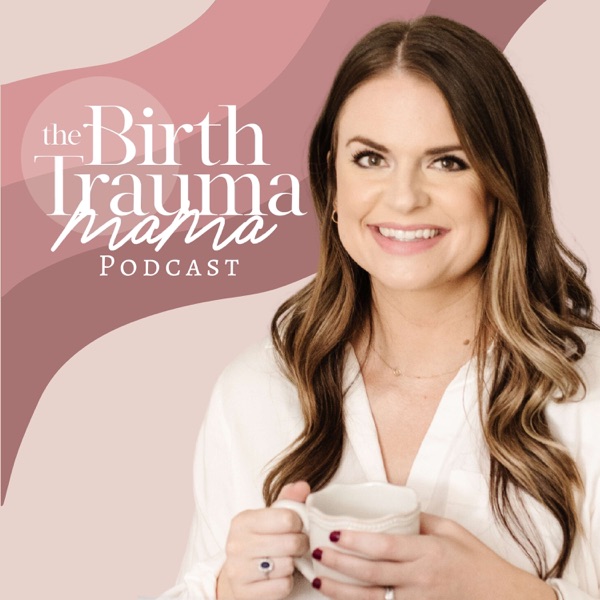
The Birth Trauma Mama Podcast
Birth trauma is the dark and sometimes scary side of pregnancy & postpartum that no one wants to talk about. But, we're here to change that! I'm Kayleigh, a licensed therapist and birth trauma survivor, determined to bring birth trauma out of the shadows and into the light. When we talk about birth trauma, we take away its power and leave space for healing. Your birth trauma does not need to “happen for a reason." Birth trauma sucks and it’s okay to admit that. Join us as we navigate what it means to heal from birth trauma. You’ll hear from experts in the field as well as others who have experienced birth trauma. Storytelling and education are keys to raising awareness and better understanding how we heal trauma. We don’t do toxic positivity in this space, but you’ll definitely hear some dark humor. You’ll laugh and you’ll cry, but, most importantly, you’ll learn that you’re not alone and that healing is possible. Birth trauma is bullish*it, but your healing is not.
- On air since
- 2022
- Episodes
- 289
- Releases · typical length
- Twice a week · 36 min
- Latest episode
- 4 days ago
Chart history since Oct 26
| Now | Chart | Peak | Since Oct 26 |
|---|---|---|---|
| Off | Mental Health Last on it Nov 21 at #171 | #171 |
Episodes
289 episodes, newest first
-
38 min
Ep. 282: A VBAC, Uterine Rupture and Now Pregnant With Twins feat. Ashton
Season 5, Episode 23
Show notes
In this episode of the Birth Trauma Mama Podcast, Kayleigh sits down with Ashton to share her story of two very different birth experiences, including a uterine rupture during her VBAC, a life-threatening emergency, and the traumatic complications that followed postpartum. Ashton opens up about the terrifying moments of her son’s birth, the unexpected physical challenges of recovery, and the emotional toll of navigating the NICU while healing herself. She also shares how faith, community, birth trauma therapy, EMDR, and pelvic floor therapy played a role in her healing journey, and how she and her husband found the courage to consider growing their family again after such a devastating experience.
This is a powerful conversation about survival, advocacy, the complexity of birth trauma, and the many ways healing can happen. Ashton reminds us that strength and seeking support can coexist, and that your birth story deserves space to be heard, too.
✨ In this episode, we discuss:
• 🤰 Ashton’s first birth experience during COVID and her unexpected C-section after a failed breech version.
• 🚗 A car accident at 23 weeks pregnant and the fear of wondering whether her baby was okay.
• 💉 Her induction and attempted VBAC, including the warning signs that were missed during labor.
• 🚨 The life-threatening uterine rupture that occurred during delivery and the emergency surgery to save her life and her uterus.
• 👶 Her son’s traumatic brain injury, NICU journey, and cerebral palsy diagnosis.
• 💔 The physical and emotional challenges of postpartum recovery, including a severe tear, wound complications, a Bartholin cyst, and sepsis.
• 🏡 The importance of community support when navigating trauma, recovery, and life outside the hospital.
• 🧠 How birth trauma therapy and EMDR helped Ashton process her trauma and find healing.
• 🙏 The role of faith, community, and pelvic floor therapy in her recovery.
• 🌈 Navigating the decision to have another pregnancy after uterine rupture, including her current twin pregnancy and the hope for a redemptive birth story.Thank you, Ashton, for sharing so vulnerably and for helping others navigating birth trauma and uterine rupture feel less alone. 💛
For more birth trauma content and a community full of love and support, head to my Instagram at@thebirthtrauma_mama.
Learn more about the support and services I offer through The Birth Trauma Mama Therapy & Support Services.
Disclaimer - The views and opinions expressed by guests on The Birth Trauma Mama Podcast are their own and do not necessarily reflect the official stance, views, or positions of The Birth Trauma Mama Podcast. The content shared is for informational purposes only and should not be considered as professional or medical advice and/or endorsement.
-
35 min
Ep. 281: Understanding Cognitive Processing Therapy (CPT) for Perinatal Trauma
Season 5, Episode 22
Show notes
What if healing from birth trauma didn't require you to retell every detail of what happened? In this episode of the Birth Trauma Mama Podcast, Kayleigh sits down with Chelsy Catsam, LCSW, PMH-C, to talk about Cognitive Processing Therapy (CPT) and how this evidence-based treatment can help individuals navigate and heal from trauma, including traumatic birth experiences.
Chelsy breaks down what CPT is, how it works, and why it can be such a helpful option for people who feel stuck in the thoughts and beliefs that developed after a traumatic experience. Together, Kayleigh and Chelsy explore how birth trauma can shape the way we see ourselves, our bodies, motherhood, and future pregnancies—and how gently challenging those beliefs can create space for healing.
Whether you're a birth trauma survivor exploring therapy options or a clinician interested in learning about another evidence-based approach to PTSD treatment, this conversation offers an insightful look at a modality that might be a great fit for you.
In this episode, we discuss:
• 🧠 What Cognitive Processing Therapy (CPT) is and how it was originally developed.
• 💭 What "stuck points" are and how traumatic experiences can shape our beliefs about ourselves and the world.
• 💜 How CPT can be used to process birth trauma, including unexpected and emergency C-sections.
• 📝 What the 12-session CPT treatment process looks like, including worksheets, homework, and the ABC model.
• 🗣️ Why CPT doesn't require you to retell your entire traumatic birth story in detail.
• 🔍 How therapists help clients gently challenge beliefs around guilt, responsibility, and self-blame.
• 🤍 Why reassurance alone isn't always enough to shift the beliefs that develop after trauma.
• 🌱 How CPT can help reduce the intensity of negative beliefs without requiring you to completely abandon them.
• 👩👧 How birth trauma can impact the way we see ourselves as mothers and how we interact with our babies.
• ⚖️ Why different evidence-based trauma therapies work for different people—and why we need a variety of approaches.
• 📚 The importance of finding a therapeutic modality that fits your needs, preferences, and readiness for treatment.About Our Guest: Chelsy Catsam, LCSW, PMH-C
Chelsy Catsam is a licensed clinical social worker and perinatal mental health-certified therapist based in York, Pennsylvania. Through her private practice, Catsam Wellness, she supports women and mothers navigating pregnancy, postpartum, birth trauma, anxiety, and the many transitions that come with motherhood.
Chelsy's own experiences with motherhood helped inspire her passion for supporting other women through the challenges that often go unseen.
Connect with Chelsy:
🌐 Website: https://www.catsamwellness.com/
📸 Instagram: Search for @CatsamWellness
👍 Facebook: Search for Catsam Wellness
Additional Resource Mentioned:
🎧 12 Sessions — A podcast documenting one woman's experience going through Cognitive Processing Therapy. Chelsy recommends this resource for anyone interested in learning more about what CPT looks and feels like from the client's perspective.
Thank you for listening! Remember, there is no one-size-fits-all approach to healing from birth trauma. You deserve to find the support and therapeutic approach that feels right for you.
For more birth trauma content and a community full of love and support, head to my Instagram at@thebirthtrauma_mama.
Learn more about the support and services I offer through The Birth Trauma Mama Therapy & Support Services.
Disclaimer - The views and opinions expressed by guests on The Birth Trauma Mama Podcast are their own and do not necessarily reflect the official stance, views, or positions of The Birth Trauma Mama Podcast. The content shared is for informational purposes only and should not be considered as professional or medical advice and/or endorsement.
-
1 hr 42 min
Ep. 281: When Healthcare Worker Trauma Compounds Birth Trauma feat. Cheryl
Season 5, Episode 21
Show notes
Content Warnings: This episode contains discussions of suicidal ideation, self-harm thoughts, postpartum depression, postpartum anxiety, intrusive thoughts involving infant harm, pregnancy loss/miscarriage, significant bleeding during miscarriage, birth trauma, medical trauma, workplace violence, verbal and physical assault, breastfeeding struggles, infant colic, and the emotional impacts of the COVID-19 pandemic. Please listen with care and prioritize your emotional well-being.
In this listener story episode, listen to Cheryl's deeply vulnerable journey through healthcare worker trauma, perinatal trauma, pregnancy loss, and the complicated realities of motherhood. As a nurse practitioner who spent years working in critical care and emergency medicine, Cheryl experienced significant workplace trauma, burnout, and repeated instances of being dismissed and unsupported by the healthcare system. She shares how those experiences shaped the way she navigated pregnancy, childbirth, and postpartum life.
Cheryl opens up about her experiences with postpartum depression, intrusive thoughts, postpartum anxiety, miscarriage, and the overwhelming challenges of navigating motherhood during the COVID-19 pandemic. She also discusses being neurodivergent, eventually receiving diagnoses of autism and ADHD, and learning to recognize her needs rather than viewing her struggles as personal failures.
In this episode, we discuss:
• 🩺 Cheryl's 20-year career in healthcare and how workplace trauma, burnout, and lack of support impacted her mental health.
• 💔 The lasting effects of being dismissed, verbally and physically assaulted, and made to feel that her experiences as a healthcare worker didn't matter.
• 🧠 How growing up neurodivergent, being diagnosed with autism and ADHD, and feeling misunderstood influenced Cheryl's experiences with trauma.
• 🤰 Navigating pregnancy with a septate uterus, fears of miscarriage, preterm birth, and the constant uncertainty of a high-risk pregnancy.
• 👶 Cheryl's first birth experience, including an unexpectedly rapid progression of labor, an epidural, vacuum assistance, and the challenges of the immediate postpartum hospital stay.
• 💛 The shame and judgment Cheryl experienced as a new mother, particularly around breastfeeding, newborn feeding, and asking for reassurance.
• 🧠 Postpartum depression, frightening intrusive thoughts, and the fear of telling someone what was happening because of concerns about having her baby taken away.
• 🕊️ Experiencing a miscarriage, navigating significant bleeding, and the grief and anxiety that followed pregnancy loss.
• 🦠 Being pregnant and giving birth during the COVID-19 pandemic, including fears of severe illness, separation from her baby, and the emotional toll of working in healthcare during an unprecedented time.
• 🌸 Cheryl's second birth experience and how having supportive, curious, and trauma-informed providers made a difference.
• 😢 The realities of parenting a colicky baby during the pandemic, struggling with bonding, and grieving the newborn experiences she felt she missed.
• ❤️ The importance of asking for help, accepting support, and recognizing when you need someone simply to be present with you.
• 🧩 How identifying her neurodivergence helped Cheryl better understand herself and begin accommodating her sensory needs.
• 🌱 The role of medication, therapy, EMDR, and community in Cheryl's healing journey.
• 💬 Why we need to stop viewing our struggles as personal failures and start recognizing them as normal human responses to extraordinarily difficult experiences.
• 🩺 Cheryl's powerful message about healthcare workers needing more than praise: they need meaningful support, protection, and leaders who believe them.Cheryl leaves us with an important reminder: Healthcare workers are human beings, too. They deserve to feel heard, supported, and valued, just like the patients they care for. And whether you're navigating motherhood, working in healthcare, or recovering from trauma, your struggles are not personal failures. You deserve support, too.
For more birth trauma content and a community full of love and support, head to my Instagram at@thebirthtrauma_mama.
Learn more about the support and services I offer through The Birth Trauma Mama Therapy & Support Services.
Disclaimer - The views and opinions expressed by guests on The Birth Trauma Mama Podcast are their own and do not necessarily reflect the official stance, views, or positions of The Birth Trauma Mama Podcast. The content shared is for informational purposes only and should not be considered as professional or medical advice and/or endorsement.
-
34 min
Ep. 280: Maternal Health Advocacy for Latine Families
Season 5, Episode 20
Show notes
In this episode of the Birth Trauma Mama Podcast, Kayleigh welcomes back Ana Lepe Vick to discuss her continued advocacy work in maternal health, stillbirth prevention, and improving care for the Latina community. Ana shares how her own experience of stillbirth and a traumatic crash C-section shaped her commitment to creating systemic change and ensuring that families receive the compassionate, informed, and culturally responsive care they deserve.
Together, Kayleigh and Ana explore the gaps in maternal healthcare for Latine families, including language barriers, inadequate interpretation services, cultural differences in provider-patient relationships, and the long-term effects of severe maternal morbidity. Ana also shares the story behind the first Latine Maternal Infant Health Conference in North Carolina, the importance of community advocacy, and why sometimes the most meaningful thing a provider can do is simply show up and offer human connection.
In this episode, we discuss:
• 💜 Ana's experience with stillbirth, a crash C-section, and the trauma that can exist alongside pregnancy and infant loss.
• 🩺 How Ana's personal experience inspired her continued work in stillbirth prevention and maternal health advocacy.
• 📊 The Hispanic Paradox and why maternal health statistics may not accurately reflect the lived experiences of Latine families.
• 🗣️ The impact of language barriers, inadequate interpretation services, and limited access to culturally responsive prenatal and birth care.
• 🤰 The importance of giving patients time to process information, ask questions, and make informed decisions during labor and delivery.
• 🌎 The first Latine Maternal Infant Health Conference in North Carolina and the importance of bringing providers, community health workers, and families together.
• ❤️ How immigration-related fears can impact access to prenatal care and hospital-based birth services.
• 🧠 The long-term mental and emotional effects of severe maternal morbidity and traumatic birth experiences.
• 🤝 The need for more Spanish-speaking therapists, doulas, and healthcare professionals who can support Latine families.
• 🕊️ The importance of compassionate bereavement care, including offering photographs, keepsakes, and meaningful opportunities to spend time with a baby after loss.
• 📸 Why providers don't need to have the perfect words when supporting a grieving family. Being present, acknowledging their pain, and offering compassion can make an enormous difference.
• ✨ How community, remembrance, and honoring our babies can help bereaved families feel less alone.
• 📣 Ana's ongoing advocacy for the Shine for Autumn Act and the importance of better stillbirth data and research.This conversation is a powerful reminder that surviving birth does not automatically mean receiving good care. Every family deserves to be heard, respected, informed, and supported, regardless of their language, culture, or pregnancy outcome.
Take a listen to Ana's first episode with us here.
Resources & Ways to Connect:
• Learn more about Push for Empowered Pregnancy and their work in stillbirth prevention and pregnancy after loss.
• Explore Postpartum Support International for perinatal mental health resources and support.
• Learn more about Now I Lay Me Down to Sleep and their remembrance photography services.
• Learn more about the Shine for Autumn Act and efforts to improve stillbirth research and data collection.If this episode resonated with you, please share it with someone who needs to hear this conversation. And remember: there is room for everyone at the table. We don't have to compete over our experiences to find connection, compassion, and community.
For more birth trauma content and a community full of love and support, head to my Instagram at@thebirthtrauma_mama.
Learn more about the support and services I offer through The Birth Trauma Mama Therapy & Support Services.
Disclaimer - The views and opinions expressed by guests on The Birth Trauma Mama Podcast are their own and do not necessarily reflect the official stance, views, or positions of The Birth Trauma Mama Podcast. The content shared is for informational purposes only and should not be considered as professional or medical advice and/or endorsement.
-
35 min
Ep. 279: AFE, a Hysterectomy, and a Nurse Becoming the Patient feat. Kelly
Season 5, Episode 19
Show notes
What happens when you're a labor and delivery nurse who suddenly finds yourself on the other side of the hospital bed? In this episode of the Birth Trauma Mama Podcast, Kayleigh sits down with Kelly, a registered nurse who experienced a catastrophic birth trauma while delivering at the very hospital where she worked.
Kelly shares the story of her 39-week induction, which quickly turned into a life-threatening emergency when she experienced an amniotic fluid embolism (AFE). After going into cardiac and pulmonary collapse, Kelly underwent an emergency C-section, massive blood transfusions, and ultimately a life-saving hysterectomy. While her daughter survived and Kelly eventually recovered physically, the emotional aftermath was far from simple.
Kelly opens up about navigating the loss of her fertility, processing what happened while recovering in the ICU, and returning to work in the very unit where her trauma occurred. She also discusses the challenges of being a healthcare provider with birth trauma, the importance of finding a different path when returning to work feels too triggering, and why talking about your experience is such an important part of healing.
In this episode, we discuss:
• 🩺 Kelly's experience as a registered nurse working in mother-baby and NICU before becoming a patient herself.
• 🤰 Her low-risk pregnancy, 39-week induction, and the unexpected complications that unfolded during labor.
• 🚨 The sudden onset of an amniotic fluid embolism (AFE) and the terrifying moments leading up to her emergency C-section.
• 🩸 Experiencing cardiac and pulmonary collapse, DIC, massive hemorrhage, and multiple blood transfusions.
• 💔 The life-saving hysterectomy and the unexpected grief of losing the ability to have more children.
• 👶 Her first meeting with her daughter while still intubated in the ICU.
• 🏥 The challenges of recovering in the hospital where she worked and trying to understand what had happened to her.
• 😢 Navigating anger, grief, postpartum emotions, and the complicated feelings that came with surviving a traumatic birth.
• 🩹 Returning to work in the same unit where her trauma happened and experiencing triggers from alarms, emergencies, and caring for other laboring families.
• ❤️ Finding a different path through pediatrics, eventually changing hospitals, and recognizing that healing doesn't always mean returning to the same environment.
• 💬 Kelly's advice for birth trauma survivors: Don't keep it bundled up inside. Talk about it, write it down, and find a way to get it out.Kelly's story is a powerful reminder that birth trauma can happen to anyone, including the healthcare professionals who spend their careers caring for birthing families. It also reminds us that healing isn't linear, that it's okay to take a different path, and that sharing your story can be an important part of making sense of what happened.
For more birth trauma content and a community full of love and support, head to my Instagram at@thebirthtrauma_mama.
Learn more about the support and services I offer through The Birth Trauma Mama Therapy & Support Services.
Disclaimer - The views and opinions expressed by guests on The Birth Trauma Mama Podcast are their own and do not necessarily reflect the official stance, views, or positions of The Birth Trauma Mama Podcast. The content shared is for informational purposes only and should not be considered as professional or medical advice and/or endorsement.
Medicine lists
More Medicine shows picked out from the charts