Podcast
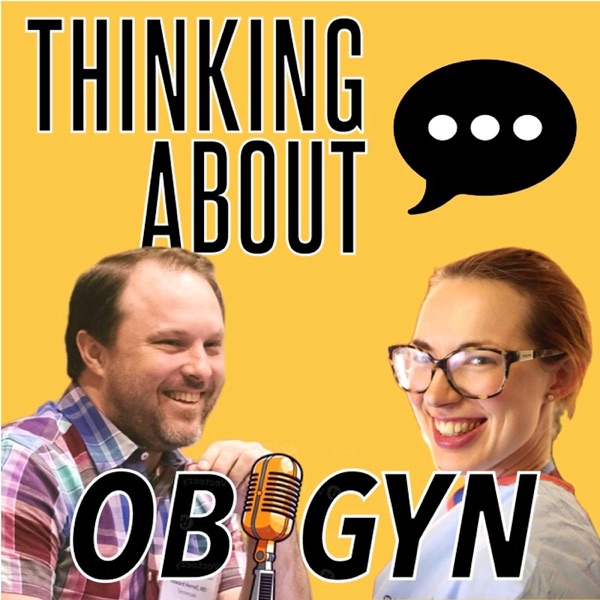
Thinking About Ob/Gyn
A fresh and evidence-based perspective of all things related to obstetrics and gynecology. Follow us on Instagram @thinkingaboutobgyn or visit thinkingaboutobgyn.com for show notes and more.
- On air since
- 2021
- Episodes
- 153
- Releases · typical length
- Every two weeks · 1 hr
- Latest episode
- 1 week ago
Episodes
153 episodes, newest first
-
58 min
Episode 12.10 The New Science of Hyperemesis and More!
Season 12, Episode 10
Show notes
We revisit standout ABOG reading-list studies and use them to stress-test common clinical theories against real-world evidence. Along the way, we unpack a major hyperemesis gravidarum finding that could reshape how we counsel patients and how future treatments get built. Featuring Jamie Perry, MD.
• how Bulkamid urethral bulking stacks up against TVT sling surgery at five years for stress urinary incontinence
• why crossover and intent-to-treat analysis change how you interpret “cure” and satisfaction
• why metronidazole after endometriosis excision does not improve persistent postoperative pain
• how microbiome narratives can sound airtight while still failing in clinical trials
• why ibuprofen appears safe postpartum for severe hypertensive disorders of pregnancy compared with acetaminophen
• how Doppler tools like CPR help stratify late fetal growth restriction and guide timing of delivery
• what the GDF-15 story suggests about hyperemesis risk, fetal-placental signaling, and future therapies
• how to think about low-dose estrogen contraception in adolescents, bone mineral density accrual, and what guidelines actually say0:00 Welcome And Lazy November Plan
2:00 Bulkamid Versus TVT For SUI
9:26 Metronidazole After Endometriosis Excision
17:29 Ibuprofen Safety After Severe Preeclampsia
21:56 Ultrasound Risk Tools For Late FGR
29:45 GDF-15 And Hyperemesis Breakthrough
46:33 Low Dose Estrogen Pills And Bones
57:08 Final Takeaways And Where To Follow
Be sure to check out thinking about obgyn.com for more information and be sure to follow us on Instagram.
Follow us on Instagram @thinkingaboutobgyn.
-
1 hr 4 min
Episode 12.9: Menopause Hormone Therapy
Season 12, Episode 9
Show notes
Menopause hormone therapy is everywhere right now, and we sort science from hype using the newest ACP and ACOG guidance. We explain why the treatment is often simpler than social media claims, and how to spot hormone grift without dismissing real symptoms.
• menopause hype and the rise of cash-pay menopause clinics
• the medical hype cycle and how WHI shaped fear and overcorrection
• ACP guideline: estrogen with progestogen first line for vasomotor symptoms when a uterus is present
• nonhormonal options and where SSRIs, SNRIs, gabapentin, and neurokinin receptor antagonists fit
• route myths: why transdermal is not proven “safer” than oral for rare harms
• ACOG guidance on vasomotor symptoms, sleep disturbance, mood symptoms, timing of initiation, and contraindications
• perimenopause management: contraception-based ovarian suppression versus MHT supplementation
• why routine hormone testing, AMH, saliva, urine, and dried urine panels do not guide care
• testosterone reality check: limited indications, superphysiologic dosing, and potential cardiovascular risk
• four red flags for social media hormone grifters: broad cure-all claims, hormone testing products, compounded hormones and pellets, excessive testosteroneBe sure to check out thinking about obgyn.com for more information, and be sure to follow us on Instagram.
0:01 Why Menopause Is Everywhere
5:54 The Hype Cycle Behind Hormones
11:12 ACP Guideline First Line Treatment
14:41 Transdermal Versus Oral Risk Claims
17:54 ACOG Vasomotor Sleep Mood Guidance
26:46 Perimenopause Toolkit And Lab Testing
32:05 Testosterone Risks And Overuse
34:19 Four Red Flags For Hormone Grifters
Follow us on Instagram @thinkingaboutobgyn.
-
58 min
Episode 12.8 Why Resilience Alone Cannot Fix Physician Burnout
Season 12, Episode 8
Show notes
We talk with Dr. Jason Knight about what burnout really looks like in medicine and why a hard day is not the same thing as a broken relationship with the work. We push past buzzwords to name root causes, moral injury, and the practical steps clinicians and leaders can take to rebuild a sustainable healthcare workforce.
• distinguishing clinical exhaustion from burnout using emotional exhaustion, efficacy, and depersonalization
• why generic wellness programs fail when they are not matched to the real driver
• the limits of resilience and why burnout is a shared workplace problem
• the six-domain mismatch model: workload, control, reward, community, fairness, values
• how rural care, maternity deserts, and legal constraints amplify workload and control gaps
• moral injury in healthcare and how it differs from second victim syndrome
• building better measurement than once-a-year engagement surveys
• having productive leadership conversations by pairing data with real stories
• creating psychological safety for learners and addressing power dynamics
• returning to center through presence, journaling, and community
• using the Maslach Burnout Inventory to name what is mismatched
• normalizing “I need help” and reducing isolation as a risk factor
• Dr. Knight’s 78-Day Spiritual Reset and why reflection can support recoveryBe sure to check out thinkingaboutobgyn.com for more information and be sure to follow us on Instagram
0:00 Welcome And Guest Setup
1:28 Wellness Without Root Cause
3:10 Burnout Versus Exhaustion Defined
6:56 Resilience And System Failures
12:34 Six Burnout Mismatch Domains
19:37 Moral Injury And Second Victim
27:13 Track Wellness Beyond Annual Surveys
29:21 How To Talk With Leadership
38:17 Returning To Center Through Presence
44:34 Practical Tools To Get Help
53:20 Reasons For Hope And Farewell
Follow us on Instagram @thinkingaboutobgyn.
-
1 hr 5 min
Episode 12.7 How Evidence Breaks Down In IVF Add-Ons, Ectopic Care, And New Surgical Tech
Season 12, Episode 7
Show notes
We dig into how good stories and elegant mechanisms can seduce clinicians into using fertility and surgical “add-ons” long before the evidence is ready. We also connect policy, access, and misinformation to a disturbing rise in ectopic pregnancy deaths, then end with what better studies should look like when patient safety is on the line.
• why low-dose naltrexone becomes a fertility add-on despite unclear mechanisms
• biologic plausibility versus proof, and why theory cannot replace trials
• what the available LDN data looks like, including weak endpoints and missing live birth outcomes
• practice inertia, file drawer bias, and when a therapy belongs in routine care
• ProPublica’s ectopic pregnancy mortality signal and how to interpret CDC WONDER data
• COVID-era care disruptions, hospital closures, and delayed early pregnancy evaluation
• Dobbs-era legal ambiguity, chilling effects, and implications for methotrexate timing
• a new Nature Medicine finding on ISM2 as an early biomarker for preeclampsia and fetal growth restriction
• V-NOTES versus vaginal hysterectomy trial design problems, including power, exclusions, and comparators
• conflicts of interest, blinding failures, and how low-quality studies pollute meta-analyses
Everybody remember to get your ABOG stuff done in the next month or so.Be sure to check out thinkingaboutobgyn.com for more information and be sure to follow us on Instagram.
0:34 Low-Dose Naltrexone For Fertility
8:38 Evidence Gaps And Practice Inertia
17:14 Ectopic Pregnancy Deaths Are Rising
22:00 Access Problems And Social Media Misinformation
24:15 Abortion Bans And Delayed Ectopic Care
29:32 ISM2 Biomarker For Preeclampsia Risk
32:31 V-Notes Versus Vaginal Hysterectomy Study
41:40 Power, Outcomes, And Unfair Comparisons
47:50 Conflict Of Interest And Broken Blinding
55:09 Where V-Notes Came From
1:01:31 Skills, Tradeoffs, And Final Reminders
Follow us on Instagram @thinkingaboutobgyn.
-
59 min
Episode 12.6 What The Lindsay Clancy Case Reveals About Perinatal Mental Health Care
Season 12, Episode 6
Show notes
Tara Chettiar joins as we talk through what the Lindsay Clancy case surfaces about postpartum mood disorders and why the public often misunderstands psychiatric illness when it gets filtered through legal arguments and internet certainty. We focus on practical clinical signals, especially sleep disruption, and what real safety planning and system reform should look like for postpartum families.
• why we avoid diagnosing a public case and instead look for system lessons
• how legal “insanity” clashes with the clinical spectrum of impairment
• why med lists get misread and what SSRI activation can signal
• baby blues versus postpartum depression and postpartum anxiety over time
• postpartum OCD intrusive thoughts versus psychosis and delusions
• sleep deprivation as the clearest danger sign and how it presents
• what families can do in an acute postpartum mental health crisis
• first line outpatient medication basics for OB GYN care
• why postpartum psychosis needs emergency level triage
• mother baby units and why the US has so few
• what a postpartum mental health safety plan includes, including guns and pills
• better screening in pregnancy, EPDS versus PHQ-9, and why anxiety matters
• workforce gaps and why OBs, family medicine, pediatrics, and ER teams need training
• Resources: Postpartum Support International at 1-800-944-4773 and text help, the National Maternal Mental Health Hotline at 833-TLC-Mama (852-6262), and 988Be sure to check out thinking about obgyn.com for more information.
And be sure to follow us on Instagram.0:00 Welcome And Trigger Warning
1:30 Meet Tara And Her Work
7:10 Why The Clancy Case Matters
11:55 Legal Binary Versus Clinical Reality
12:50 Med Lists And Public Misreads
14:50 SSRI Insomnia And Bipolar Red Flags
18:15 Baby Blues Through Psychosis Spectrum
24:00 Intrusive Thoughts Versus Psychosis
28:13 Sleep Loss And Family Warning Signs
30:45 First Line Meds And Titration
34:55 ER Triage And Postpartum Advocacy
39:05 Mother Baby Units And Step Down Care
42:30 Safety Plans Means And Support
45:35 Screening Tools EPDS Over PHQ9
48:05 Workforce Gaps And Training Fixes
49:55 Policy Social Support And Paid Leave
52:40 Hotlines Resources And Closing Thoughts
Follow us on Instagram @thinkingaboutobgyn.
Medicine lists
More Medicine shows picked out from the charts