Podcast
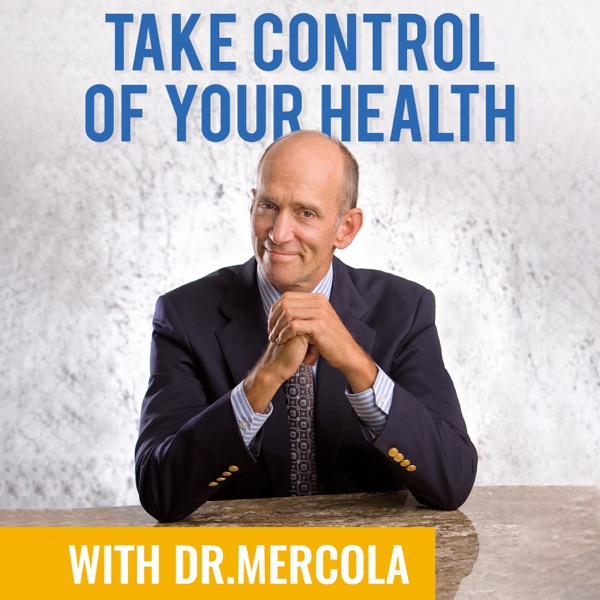
Dr. Joseph Mercola - Take Control of Your Health
Listen to Dr. Mercola's Weekly Podcast, as the legendary natural health pioneer continues to lead you on your journey towards optimal health.
- Alternative Health chart
- #78
- Episodes
- 1,006
- Releases
- Daily
- Typical length
- 7 min
- On air since
- 2022
- Latest episode
- 21 hours ago
Episodes
1,006 episodes, newest first
-
7 min
Are Americans Finally Getting Smarter About Supplements?
Show notes
• Americans are becoming more selective about supplements, shifting away from broad multivitamins and toward individual nutrients that match specific health goals, but choosing targeted products only benefits you when they address a genuine nutritional need
• Vitamin D, zinc and several other individual nutrients showed some of the largest increases in use over the past 25 years, reflecting a growing interest in personalized nutrition instead of one-size-fits-all supplementation
• The study tracked which supplements Americans buy, not whether those products improve health, making it important to base your decisions on high-quality scientific evidence rather than popularity or marketing claims
• Food remains the best source of most nutrients, with sensible sun exposure serving as the ideal source of vitamin D, while targeted supplements help fill important gaps that modern diets often leave behind, such as magnesium
• A simple supplement routine built around your daily meals is easier to maintain over the long term than juggling multiple bottles and complicated schedules, making it more likely you'll consistently receive the nutrients your body needs -
7 min
Job with Highest Risk of Radiation-Related Cancer Revealed
Show notes
• Flight attendants and pilots ranked first and second among 503 U.S. occupations for the share of deaths from radiation-related cancers, at 6.9% and 6.7%, respectively
• Aircrew receive more occupational ionizing radiation on average than any other U.S. occupational group because less atmosphere shields them from cosmic radiation at commercial flight altitudes
• Career-long exposure is the main concern, as aircrew accumulate an estimated 3 to 6 millisieverts of cosmic radiation annually, compared with about 0.4 millisieverts from 10 cross-country round-trip flights
• Molecular hydrogen and astaxanthin are two antioxidant strategies discussed for supporting the body's defenses around flights — not treatments for radiation exposure or cancer risk
• Reducing linoleic acid from seed oils helps lower another source of oxidative damage, while adequate carbohydrates, protein, sunlight and regular movement support the cellular energy your body relies on for maintenance and repair -
7 min
Beyond Smoking — These Common Sources Also Raise Lung Cancer Risk
Show notes
• Lung cancer doesn't only affect smokers; repeated exposure to cooking fumes, secondhand smoke, household pollutants and radon also contributes to lung cancer risk
• High-temperature cooking releases fine particles and chemical pollutants that accumulate in poorly ventilated kitchens, increasing your long-term respiratory exposure
• Seed oils rich in polyunsaturated fats readily oxidize when heated, producing reactive aldehydes such as HNE that are widely documented in the toxicology literature to react with proteins, DNA and cell membranes
• Secondhand smoke, aerosol products, cleaning chemicals, incense, scented candles and other household sources add pollutants to the air you breathe every day
• You can reduce several avoidable lung hazards by replacing seed oils with heat-stable saturated fats, venting cooking fumes outdoors, maintaining a smoke-free home, reducing unnecessary chemical fumes and testing for radon -
7 min
Hydration, Electrolytes, and the Science of Molecular Hydrogen
Show notes
• Molecular hydrogen is a lesser-known antioxidant studied by experts like Tyler LeBaron, Ph.D. Research suggests it may offer a range of benefits that can support your overall health
• LeBaron discusses the importance of proper hydration, which depends on electrolyte balance, not just water intake. Sodium, potassium, and calcium help regulate nerves, muscles, and fluid balance, and keeping sodium in a healthy range helps guard against water intoxication
• Molecular hydrogen appears to work by supporting your body's natural balance systems, not blocking stress entirely
• Many studies, most of them small, have reported benefits related to inflammation markers, recovery, and overall function, though results vary by delivery method, dose, and population. More research is ongoing
• How hydrogen is used appears to matter, including timing and dosing. These include drinking hydrogen-rich water promptly in spaced (pulsed) doses rather than constantly, avoiding overuse, and pairing it with healthy habits -
7 min
Inflammatory Bowel Disease Linked to Elevated Risk of Psychiatric Disorders
Show notes
• Inflammatory bowel disease is linked to a higher risk of depression, anxiety and substance misuse, with mental health problems emerging years before IBD is diagnosed
• Psychiatric risk remains elevated for up to 10 years after an IBD diagnosis, showing that mental health deserves attention throughout the course of the disease
• Crohn's disease and unclassified IBD showed stronger psychiatric associations than ulcerative colitis, with one additional psychiatric disorder for every 24 people with Crohn's disease over 10 years
• Inflammation, an unhealthy gut microbiome, a weakened intestinal barrier and psychological stress could help explain why digestive and mental health problems develop alongside each other
• Supporting gut health starts with reducing linoleic acid from seed oils and ultraprocessed foods, rebuilding beneficial gut bacteria and butyrate production, managing stress and optimizing vitamin D -
7 min
Scientists Identify Bacteria Linked to the Immune System Farm Effect
Show notes
• Children raised around farms have lower rates of asthma and allergic conditions, and research identifies specific bacteria that statistically account for much of this observed "farm effect"
• Nine genera of gram-positive bacteria explained about two-thirds of the association between farm exposure and lower childhood asthma risk in this cross-sectional analysis, narrowing the effect from thousands of environmental microbes to a much smaller group
• Farm bacteria are predicted to produce or process compounds that interact with receptors on human cells involved in immune responses, pointing to a possible route by which environmental microbes may influence immune function
• You don't need to live on a farm to support healthy microbial exposure; outdoor play, gardening and regular contact with soil, plants and pets help create a less sterile everyday environment
• Supporting your microbiome with healthy carbohydrates and varied whole foods, while limiting ultraprocessed foods, antibacterial soap and unnecessary antibiotics, helps create an environment where beneficial microbes thrive -
7 min
Common Supplement Linked to Better Health for Seniors in 3-Year Study
Show notes
• Multivitamins combine several vitamins and minerals in one product, and understanding how formulas, doses, and quality standards differ can help you choose one that better fits your needs
• The three-year COcoa Supplement and Multivitamin Outcomes Study (COSMOS) followed 16,159 adults age 60 and older and found that daily multivitamin use led to small improvements in symptoms and overall functional health
• A review of 19 studies found that memory showed the most consistent improvement, with B vitamins, vitamin C, and vitamin E among the nutrients most often linked to healthier brain function
• A separate COSMOS analysis of 958 older adults found that multivitamins may slightly slow biological aging, with the greatest benefits appearing in people who were aging fastest at the start
• Whole foods should remain the main source of nutrients, but a well-made, third-party-tested multivitamin may help fill nutritional gaps when diet alone falls short -
7 min
What Causes Gastritis and How to Support Your Stomach Lining
Show notes
• Gastritis (inflammation of your stomach lining) may come on suddenly or persist for years, and the chronic form can gradually thin the lining and interfere with nutrient absorption
• Helicobacter pylori is the most common cause, though nonsteroidal anti-inflammatory drug (NSAID) overuse, heavy alcohol intake, other infections, and physical stress on the body can each irritate the lining as well
• Research has linked symptoms such as stomachache and gastric distention to fried, salty, sour, and sweet foods, barbecue and meat, along with irregular mealtimes and inconsistent meal sizes
• Garlic, probiotic foods, green or black tea, smoking cessation, reduced alcohol intake, careful medication use, and stress management have all been examined for their potential effects on digestive health
• Symptoms lasting more than a week, worsening over time, or accompanied by blood in vomit or stool call for prompt evaluation by a health care provider -
7 min
Pandemic Prevention Starts with Finding COVID-19's Root Cause
Show notes
• More than six years after the COVID-19 outbreak began, its origin remains unresolved, leaving an important question about which risks pandemic prevention efforts need to address
• Bill Gurley argues that major catastrophes such as Challenger, Fukushima and the Boeing 737 MAX crashes received extensive root-cause investigations that offer a model for examining COVID-19's origins
• The CAPA framework follows five steps — detect, investigate, confirm the root cause, correct and prevent — because effective safeguards depend on knowing what produced the original failure
• The DEFUSE proposal described plans to insert a furin cleavage site into a bat coronavirus, a feature also found in SARS-CoV-2, making it an important investigative lead but not proof of a lab origin
• You can apply root-cause thinking to health and everyday decisions by separating evidence from interpretation, checking original sources, considering conflicts of interest and directing solutions at the underlying cause -
7 min
The Hidden Harms of Modern Lighting
Show notes
• Sunlight is one of the most important things for our health (e.g., in a 20-year Swedish observational cohort, sun avoidance was associated with higher all-cause mortality), yet all we ever hear is how important it is to avoid it
• Energy efficient light bulbs emit a narrow, blue-heavy spectrum that disrupts sleep and metabolism, while lacking the infrared our mitochondria depend upon
• Decades of forgotten research (now being confirmed by modern studies) suggest unnatural light may contribute to a range of physical and behavioral problems
• The eyes and the blood conduct light throughout the body, and when this process is disrupted (e.g., by glasses), this may have health consequences — an idea that remains outside mainstream medicine
• In 2022, incandescent bulbs were effectively banned because their infrared was scored as "waste." A Senate bill now aims to bring them back -
6 min
How Seated Posture Can Improve Mood and Decision-Making
Show notes
• Your posture does more than affect physical comfort; the way you hold your body also provides feedback to your brain that influences your mood and behavior
• Researchers changed tablet height to naturally encourage upright or slumped sitting and found that these subtle posture differences affected risk-taking even when participants weren't consciously thinking about how they sat
• Participants in a more upright, expansive posture gradually took greater risks during a decision-making task, yet they earned more overall without experiencing more failed trials
• Actual neck position helped explain differences in pride and positive or negative feelings, suggesting that arranging your workspace to naturally support good posture may matter just as much as consciously reminding yourself to sit up straight
• Raising your screen, keeping devices out of your lap, optimizing your desk and chair, taking regular breaks from sitting, and supporting your spine during sleep help prevent your environment from continually pulling your body into poor positions -
7 min
Early-Life Stress Leaves a Lasting Mark on the Brain
Show notes
• Early-life stress changed how brain cells responded to future challenges in mice, suggesting that adversity during development can leave lasting effects that become apparent when stress returns later in life
• Researchers found that 75% of the stress-related changes in proteins that help control access to DNA were associated with genes being more open, active or ready for future use
• Mice whose brains were primed during development showed stronger responses to adult stress, including altered gene activity, more easily activated dopamine neurons and behavioral signs of greater stress sensitivity
• The affected brain cells weren't constantly overactive, showing that early adversity didn't simply lock the brain into a permanent stress response; the heightened reaction emerged when another stressor occurred
• Your past doesn't determine your future response to stress; reducing chronic stress, protecting your sleep, allowing time for recovery and maintaining supportive relationships give you practical ways to better handle the pressures you face today -
7 min
Erythritol May Impair Blood Vessel Function in the Brain and Raise Stroke Risk
Show notes
• In a laboratory study, erythritol disrupted several functions in cultured human brain blood vessel cells, raising concerns that its effects extend beyond blood sugar and calorie content
• Erythritol increased oxidative stress while reducing nitric oxide production by about 20%, interfering with a key process that helps your blood vessels relax and regulate blood flow
• The sweetener increased production of endothelin-1, which promotes blood vessel constriction, by about 30%, further shifting the balance away from healthy blood vessel function
• Erythritol-treated cells failed to activate their normal clot-clearing response when researchers exposed them to a clotting signal, suggesting another way the sweetener could interfere with healthy brain blood vessel function
• Avoiding erythritol starts with checking ingredient lists — it appears in many products not obviously marketed as sugar-free — and choosing natural sweeteners like ripe fruit, raw honey or maple syrup in moderation rather than replacing it with another artificial substitute -
6 min
This Simple Supplement Could Help Boost Immune Function
Show notes
• Arginine does more than help build proteins — your cells also need this amino acid to produce immune-alert proteins that help T cells recognize infected or abnormal cells
• When arginine became scarce, the cellular machinery responsible for building these immune-alert proteins stalled, leaving fewer warning signals available to help the immune system detect threats
• In mice, increasing dietary arginine reduced colon tumor formation and improved outcomes in influenza and SARS-CoV-2 infections, benefits that disappeared when researchers disabled the immune pathway arginine supports, confirming the effect wasn't coincidental
• Whole foods are the preferred starting point for maintaining healthy arginine intake, with grass fed beef, lamb and watermelon providing options without relying automatically on supplements
• Adequate protein, sufficient carbohydrates and lower linoleic acid intake support the broader cellular environment your immune system needs to produce energy, build proteins and respond effectively to threats -
7 min
Ovarian Syndrome Linked to Fourfold Higher Heart Disease Risk
Show notes
• Women with polyendocrine metabolic ovarian syndrome (PMOS), the condition formerly called polycystic ovary syndrome (PCOS), showed a more than fourfold higher rate of artery disease in a large U.S. study based on more than two decades of health insurance records
• The analysis included more than 413,000 women with PMOS and over 2 million women without the condition, with an average age of just over 31, showing that cardiovascular risk can emerge during the reproductive years
• High blood pressure, high cholesterol, Type 2 diabetes, and obesity explained only about 36% of the association, suggesting that PMOS itself may be an important cardiovascular risk-enhancing factor
• The recent change from PCOS to PMOS reflects a broader understanding of the condition as a multisystem endocrine and metabolic disorder rather than one centered on ovarian cysts
• Lifestyle strategies that address the metabolic patterns accompanying this diagnosis include eating adequate whole-food carbohydrates, cutting seed oils high in linoleic acid, regular walking and strength training, and limiting exposure to hormone-disrupting chemicals -
7 min
10 Natural Remedies for Flu Symptoms
Show notes
• Severe flu season can affect millions, but symptoms such as fever, tiredness, swelling, and mucus often show that your immune system is working to fight the infection inside the body
• A large systematic review found zinc lozenges may modestly shorten common cold and flu duration by 2.4 days
• Honey, propolis, royal jelly, and other bee products contain natural compounds that may act against viruses, but most evidence still comes from laboratory and animal studies rather than human trials
• Tea tree oil did not kill the flu virus directly, but lab tests found that it interrupted an early step the virus needs to multiply inside infected cells
• Fluids, rest, broth, honey, salt water, steam, and moist air ease symptoms, while diet, exercise, and sunlight support health. We also review elderberry, quercetin, zinc, vitamin A, vitamin C, NAC, vitamin D, echinacea, and andrographis -
7 min
How Brief Breaks from Sitting May Benefit Cognition
Show notes
• Breaking up long periods of sitting with brief movement may improve certain thinking skills, with the strongest evidence showing benefits for memory and executive function
• Walking and other gentle activities are enough to interrupt prolonged sitting, so supporting your brain throughout the day doesn't require repeated strenuous workouts
• Just four three-minute activity breaks during 80 minutes of sitting helped adolescents maintain the brain's oxygen-rich blood response during a demanding memory task
• Some improvements in working memory, attention and reaction speed persisted for up to 30 minutes after activity ended, suggesting the benefits don't necessarily disappear when you sit back down
• Regular movement breaks complement rather than replace exercise, so aim to interrupt sitting throughout the day while gradually working toward an hour of daily walking and strength training twice a week -
7 min
The Role of Vitamin K in Tooth Decay
Show notes
• Vitamin K2 helps direct calcium into your teeth and jawbone, supporting stronger enamel and the tissues that keep your teeth firmly in place instead of relying on calcium intake alone
• People with the lowest vitamin K2 blood levels had the most advanced periodontal disease, including greater gum bleeding, deeper pockets around the teeth, more bone loss and faster disease progression
• Healthy teeth depend on more than brushing and flossing because they constantly lose and replace minerals, making your daily food choices an important part of maintaining your smile
• Natto, aged cheeses such as Gouda, pastured egg yolks and grass fed organ meats are among the richest natural sources of vitamin K2, yet these foods are uncommon in many modern diets
• Pairing vitamin K2 with vitamin D3 helps your body absorb calcium and direct it into your teeth and bones, supporting long-term oral health from the inside out -
6 min
Why Simpler Supplement Routines Make More Sense
Show notes
• Every so often, someone takes an industry that had become cold and complicated puts the humanity back into it. The way we take supplements is overdue for exactly that
• For decades, supplements were one of the least human corners of health, requiring people to take fistfuls of pills and capsules and maintaining a dosing schedule that was easily forgotten on a busy day
• This article series has presented one idea from several angles: removing the burden that makes people quit, retiring the pill pile, abandoning the mega-dose game, and meeting the inevitable backsliding with forgiveness instead of shame
• Underneath all of it is a single conviction: optimal health depends first and foremost on real food, and supplements designed to add nutrition to the meals you're already eating is one of the most effective ways to improve adherence long term
• The simpler and more natural a health routine is, the more likely you are to keep doing it. Complexity is one of the most common routine breakers -
7 min
Vestibular Migraine — The Migraine Many Doctors Miss
Show notes
• Vestibular migraine often causes dizziness, imbalance and motion sensitivity without a severe headache, so many people spend months or even years treating the wrong condition before receiving the correct diagnosis
• Looking at all of your symptoms together instead of treating each one separately makes it much easier to recognize vestibular migraine and begin a treatment plan that targets the underlying neurological problem
• Keeping a detailed symptom journal helps uncover your personal trigger pattern, allowing you to identify factors such as poor sleep, stress, skipped meals, weather changes or certain foods before they lead to another attack
• Symptoms such as brain fog, light and sound sensitivity, blurred vision, motion sickness and feeling worse in busy visual environments provide important clues that your dizziness may be part of vestibular migraine rather than an inner ear disorder
• Long-term symptom management may benefit from reducing the triggers that repeatedly overload your nervous system while supporting healthy cellular energy production, rather than simply trying to stop dizziness after an attack begins
Alternative Health lists
More Alternative Health shows picked out from the charts









More in Alternative Health
Placed highest on Apple Podcasts' Alternative Health chart right now