Podcast
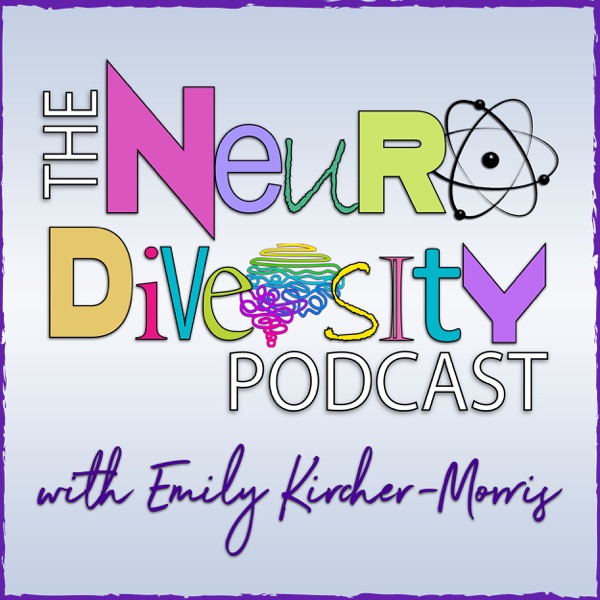
Neurodiversity Podcast
The Neurodiversity Podcast talks with leaders in the fields of psychology, education, and beyond, about positively impacting neurodivergent people. Our goal is to reframe differences that were once considered disabilities or disorders, promote awareness of this unique population, and improve the lives of neurodivergent and high-ability people.
- Mental Health chart
- #89
- Episodes
- 338
- Releases
- Weekly
- Typical length
- 38 min
- On air since
- 2018
- Latest episode
- 5 days ago
Episodes
338 episodes, newest first
-
40 min
The Social Detective: Moving Beyond Prescriptive Communication Skills
Episode 338
Show notes
When someone struggles in a group conversation or misses the unspoken cues of a classroom or workplace, the solution isn't giving them a prescriptive checklist of social rules and expecting them to fit in. For years, traditional interventions leaned heavily on teaching people what to do and say, while often overlooking whether those expectations made sense to the person living them.
Michelle Garcia Winner, speech-language pathologist and founder of Social Thinking, joins Emily Kircher-Morris to discuss how feedback from the neurodivergent community has reshaped her approach to social learning. The conversation explores why social problem-solving is about figuring out dynamic situations rather than memorizing scripts, how high-structure roles can mask deeper relational challenges, and why genuine support always starts by getting the other person's point of view.
TAKEAWAYS
•
Effective social learning focuses on helping people interpret specific situations and intentions.
•
Real-world social problem-solving requires a continuous process of attending to context, interpreting what is happening, and deciding on a response based on personal goals.
•
Fidgets and sensory tools support focus when used in an unobtrusive way, but they turn into distractors when they draw attention away from the group's shared purpose.
•
Stepping back to observe a social environment from the outside helps people identify unspoken dynamics without the immediate pressure of participating in them.
•
Many neurodivergent people thrive in structured professional roles where expectations are explicit, yet struggle in family or community settings where social boundaries are fluid.
Conducting a virtual autism evaluation isn't as simple as moving in-person assessments onto Zoom. On Friday, November 6th from 2:00 PM-3:30 PM Eastern / 11:00 AM-12:30 PM Pacific, join us as Dr. Taylor Day presents a live, 90-minute training, Conducting Comprehensive Telehealth Evaluations for Autism and Co-Occurring Conditions. You'll earn 1.5 CE credits through the APA and NBCC, while learning practical, neurodiversity-affirming strategies for virtual assessment. Register at this link by November 2nd to receive a free bonus resource guide with planning checklists and client materials!
Michelle Garcia Winner, MA, CCC-SLP, is the founder and CEO of Social Thinking and a globally recognized thought leader, author, speaker, and social-cognitive therapist. She is dedicated to helping neurodivergent and neurotypical people of all ages (starting at 4 years old) meet their social goals through better understanding of social emotional concepts, increase the development of their social competencies, learn strategies for social problem solving and executive.
BACKGROUND READING
Michelle's website, Instagram, LinkedIn, YouTube
The Neurodiversity Podcast is on Facebook, Instagram, BlueSky, and you're invited to join our Facebook Group. For more information go to https://neurodiversitypodcast.com/
If you'd like members of your organization, school district, or company to know more about the subjects discussed on our podcast, Emily Kircher-Morris provides keynote addresses, workshops, and training sessions worldwide, in-person or virtually. You can choose from a list of established presentations, or work with Emily to develop a custom talk to fit your unique situation. To learn more, visit our website.
Thank you for supporting neurodivergent people.
-
38 min
The Boredom Paradox: Why Having Plenty to Do Doesn't Cure Monotony
Episode 337
Show notes
You are surrounded by things you could be doing, yet none of them feel worth starting, leaving you stuck in a weird mix of restlessness and agitation. Do you chalk that up to being lazy or unmotivated? Many people do, but science tells a very different story. Boredom is actually a motivated state. It's an internal signal that your brain is hungry for meaning and personal control, but can't find a good place to land. In this episode, Dr. James Danckert, psychology professor at the University of Waterloo and co-author of Out of My Skull: The Psychology of Boredom, joins Emily Kircher-Morris to talk about what is really happening when our brains check out, why people with ADHD feel boredom so intensely, and how having real agency can change the way we engage with the world.
TAKEAWAYS
•
Boredom is an active, motivated state marked by restlessness and a search for purpose, distinguishing it from passive laziness or apathy.
•
A lack of personal agency strongly triggers boredom, especially when people are told what to do rather than having a say in choosing their own goals.
•
The brain seeks an optimal Goldilocks zone of stimulation, signaling discomfort through boredom when a task is either mind-numbing or overwhelmingly difficult.
•
Chronic boredom proneness is often rooted in trouble launching into action, making task initiation the primary hurdle rather than poor impulse control.
•
ADHD symptoms and boredom are closely connected because attention functions along a continuum driven by interest and personal relevance, and not an on-and-off switch, as some believe.
•
Smartphones often provide empty engagement that occupies cognitive resources for a moment, but leaving the underlying need for agency and purpose unmet.
Conducting a virtual autism evaluation isn't as simple as moving in-person assessments onto Zoom. On Friday, November 6th from 2:00 PM-3:30 PM Eastern / 11:00 AM-12:30 PM Pacific, join us as Dr. Taylor Day presents a live, 90-minute training, Conducting Comprehensive Telehealth Evaluations for Autism and Co-Occurring Conditions. You'll earn 1.5 CE credits through the APA and NBCC, while learning practical, neurodiversity-affirming strategies for virtual assessment. Register at this link by November 2nd to receive a free bonus resource guide with planning checklists and client materials!
James Danckert is a Professor of Cognitive Neuroscience at the University of Waterloo. He and his students explore the brain bases of boredom and how we create and update mental models of the world. He has published well over 100 journal articles and is co-author of the book Out of my skull: The psychology of boredom.
BACKGROUND READING
Dr Danckert's website, BlueSky
The Neurodiversity Podcast is on Facebook, Instagram, BlueSky, and you're invited to join our Facebook Group. For more information go to https://neurodiversitypodcast.com/
If you'd like members of your organization, school district, or company to know more about the subjects discussed on our podcast, Emily Kircher-Morris provides keynote addresses, workshops, and training sessions worldwide, in-person or virtually. You can choose from a list of established presentations, or work with Emily to develop a custom talk to fit your unique situation. To learn more, visit our website.
Thank you for supporting neurodivergent people.
-
38 min
Why Smart People Get Stuck: Asynchrony, Perfectionism, and Identity
Episode 336
Show notes
Say someone you know is exceptionally articulate, intellectually advanced, or academically capable. Do you then assume their general ability to function, emotional regulation, and organizational skills also operate at that same high level? You might, but that would be a mistake. For gifted and twice-exceptional people, intellectual capability often outpaces practical execution. In this episode, Mark Talaga, a licensed professional counselor, founder of the Center for Identity Potential, and host of the Hopelessly Gifted podcast, joins Emily Kircher-Morris to talk about the painful gap between intellectual insight and daily functioning, and why being bright does not make navigating everyday life any easier.
TAKEAWAYS
•
Intellectual capability does not guarantee consistent execution, leaving many twice-exceptional learners stuck between understanding a strategy and being able to carry it out.
•
Spiky developmental profiles cause an identity panic when someone who excels in one domain suddenly struggles in another context.
•
Highly verbal neurodivergent people sometimes use intellectualization as a defense mechanism, talking around their feelings rather than experiencing them.
•
Perfectionism is rarely about high standards, it often serves as a protective shield against the vulnerability of not knowing the next step.
•
Chronic anxiety functions as an internal alarm signaling that the sufferer lacks a clear pathway, necessary tools, or specific micro-skills to meet an expectation.
•
Effective self-advocacy requires identifying the exact type of help needed and suggesting a workable solution, rather than issuing an open-ended plea for help.
Conducting a virtual autism evaluation isn't as simple as moving in-person assessments onto Zoom. On Friday, November 6th from 2:00 PM-3:30 PM Eastern/11:00 AM-12:30 PM Pacific, join us as Dr. Taylor Day presents a live, 90-minute training, Conducting Comprehensive Telehealth Evaluations for Autism and Co-Occurring Conditions.You'll earn 1.5 CE credits through the APA and NBCC, while learning practical, neurodiversity-affirming strategies for virtual assessment. Register at this link by November 2nd to receive a free bonus resource guide with planning checklists and client materials!
Mark Talaga, MA, LPC, CCS, is a licensed professional counselor, speaker, and founder of the Center for Identity Potential, where he specializes in working with gifted, twice-exceptional, and neurodivergent individuals and their families. With a background in both mental health counseling and the video game industry, Mark brings a unique perspective to topics such as giftedness, motivation, anxiety, asynchronous development, screen time, and family dynamics.
He is also the host of the Hopelessly Gifted Podcast, where he explores the real-world challenges and opportunities facing gifted children, adults, parents, and educators. Mark is passionate about helping people better understand themselves, navigate complexity, and develop their potential in meaningful ways.
BACKGROUND READING
The Neurodiversity Podcast is on Facebook, Instagram, BlueSky, and you're invited to join our Facebook Group. For more information go to https://neurodiversitypodcast.com/
If you'd like members of your organization, school district, or company to know more about the subjects discussed on our podcast, Emily Kircher-Morris provides keynote addresses, workshops, and training sessions worldwide, in-person or virtually. You can choose from a list of established presentations, or work with Emily to develop a custom talk to fit your unique situation. To learn more, visit our website.
-
42 min
Why Universal Classrooms Work, and Conventional Ones Often Don't
Episode 335
Show notes
True classroom inclusion involves far more than simply placing a student's chair inside a general education room. When schools define inclusion purely by physical placement, neurodivergent students often face conditions that fall short of genuine access, belonging, and appropriate challenge. Dr. Katie Novak, an internationally recognized education consultant, former assistant superintendent, and author of The UDL Shift, joins Emily Kircher-Morris to discuss how Universal Design for Learning creates classrooms that support learner variability from the ground up.
TAKEAWAYS
•
Physical placement in a general education classroom does not equal meaningful inclusion and a genuine sense of belonging.
•
Universal Design for Learning operates on three foundational pillars: embracing learner variability, establishing firm goals with flexible means, and cultivating student agency.
•
Gating learning tools behind formal diagnosis plans creates stereotype threats, and causes students to reject accommodations to avoid looking different from their peers.
•
Designing flexible learning paths for the entire class normalizes tools like text-to-speech, graphic organizers, and verbal response options for every student.
•
Educational variability is contextual and dynamic, meaning a student's strengths and support needs fluctuate across subjects, environments, and energy levels.
•
Designing effective accommodations should actually start with asking students what classroom barriers stand in their way, and involving them in the solution.
Dr. Katie Novak is the founder and CEO of Novak Educational Consulting, an educator with 25 years of experience, and an internationally recognized expert in Universal Design for Learning (UDL) and Multi-Tiered Systems of Support (MTSS). A sought-after keynote speaker and consultant, she works with schools and districts around the world to translate research into practical strategies that strengthen inclusive teaching and learning.
Dr. Novak is the bestselling author of 17 books, with more than 350,000 copies sold worldwide, and serves as an adjunct instructor at the University of Pennsylvania. Through her writing, teaching, and consulting, she helps educators navigate complex challenges, move from intention to implementation, and create learning environments designed to support the needs of all students.
BACKGROUND READING
Katie's website, Facebook, YouTube, Instagram
The Neurodiversity Podcast is on Facebook, Instagram, BlueSky, and you're invited to join our Facebook Group. For more information go to https://neurodiversitypodcast.com/
If you'd like members of your organization, school district, or company to know more about the subjects discussed on our podcast, Emily Kircher-Morris provides keynote addresses, workshops, and training sessions worldwide, in-person or virtually. You can choose from a list of established presentations, or work with Emily to develop a custom talk to fit your unique situation. To learn more, visit our website.
Thank you for supporting neurodivergent people.
-
36 min
Planners and Binders Don't Fix Executive Dysfunction. So, what does?
Episode 334
Show notes
When a student consistently misses deadlines, misplaces assignments, or struggles to get out the door in the morning, adults often label them as disorganized or careless. Handing them a paper planner or demanding they clean their desk rarely solves the underlying breakdown. Rachel Kapp, founder of Kapp Educational Therapy Group and co-host of the Learn Smarter Podcast, joins Emily to explore how families and educators can design organizational systems that work in the real world rather than just on paper.
TAKEAWAYS
•
Handing a student an organizational tool like a planner or binder does not create a system without an explicit, sustainable routine for maintaining it.
•
Time management depends a lot on accurate time estimation, so neurodivergent learners often need to measure how long tasks actually take versus what they assume.
•
Long-term projects demand backward planning, where students break complex assignment prompts into small, answerable questions mapped onto a calendar.
•
Physical organization works best when adults reduce decision fatigue, and align processes with a child's natural pathways.
•
School app sprawl and unmanaged digital inboxes increase baseline anxiety, overwhelming working memory and driving students to avoid tasks entirely.
•
Executive functioning challenges don't reflect on intelligence, effort, or motivation.
Mental health professionals, join us October 2 for a presentation by Heather J. DeAngelis, who will explore practical ways clinicians can adapt CBT and ACT to better meet the needs of adults with ADHD.
The course is worth 1.5 continuing education hours, and is approved through both the APA and NBCC. Register now to join us October 2 at 2pm Eastern/11:00 am Pacific.
Rachel Kapp is an educational therapist with more than two decades of experience helping students with diverse learning profiles build confidence and achieve academic success. After beginning her career as a lead preschool teacher and working as a private tutor since 2004, she specialized in educational therapy to better support students who learn differently. Her expertise spans reading, writing, mathematics, executive functioning, and individualized learning strategies.
Rachel earned a BA with Honors in Sociology from the University of California, Berkeley before completing her educational therapy coursework and master's degree at California State University, Northridge. She is a Board Certified Member of the Association of Educational Therapists, a member of CHADD and the International Dyslexia Association, and is trained in the Wilson Reading System. Through her work, Rachel is dedicated to building strong relationships with students and helping them develop the skills and confidence they need to thrive academically and beyond.
BACKGROUND READING
Facebook, Instagram, LinkedIn, TikTok
The Neurodiversity Podcast is on Facebook, Instagram, BlueSky, and you're invited to join our Facebook Group. For more information go to https://neurodiversitypodcast.com/
If you'd like members of your organization, school district, or company to know more about the subjects discussed on our podcast, Emily Kircher-Morris provides keynote addresses, workshops, and training sessions worldwide, in-person or virtually. You can choose from a list of established presentations, or work with Emily to develop a custom talk to fit your unique situation. To learn more, visit our website.
Thank you for supporting neurodivergent people.
-
44 min
Why Forced Transitions Dysregulate the Autistic Brain with Pete Wharmby
Episode 333
Show notes
When autistic kids struggle, their difficulties are often treated as behavioral non-compliance or a lack of social desire, when it's often a direct mismatch with the learning environment. Adults routinely push these students into sensory-heavy spaces or force sudden task shifts, misunderstanding the neurological toll this takes on a differently wired nervous system. Pete Wharmby, an autistic author, former teacher, and late-diagnosed ADHDer, joins Emily Kircher-Morris to talk about what happens when schools and families learn to support rather than correct autistic ways of being.
TAKEAWAYS
•
Autistic behavior in schools is often pathologized and targeted for correction when it's likely a natural, necessary drive to decompress from sensory overload.
•
Monotropic focus operates like driving on a high-speed freeway, where abrupt task transitions resemble crashes and require gradual advance warning signs to exit safely.
•
Thin-slice judgments cause adults to mistake natural autistic communication, such as flat tone or lack of eye contact, for intentional rudeness or disrespect.
•
High academic performance can mask emotional distress, with deep exhaustion and low frustration tolerance serving as the real markers of masking.
•
Receiving late diagnoses of autism and ADHD often creates complex grief over missed accommodations and unmedicated years that could have prevented chronic burnout.
The doors to the Neurodiversity University Educator Hub are now open! Click here to join our collective of educators, administrators, and advocates, and let's build an education system that works for all students.
Pete Wharmby is an autistic and ADHD advocate, bestselling author, and international speaker dedicated to increasing understanding and acceptance of neurodivergence. Since his autism diagnosis in 2017 and ADHD diagnosis in 2024, Pete has worked with businesses, governments, schools, and organizations across the UK, Europe, Australia, and North America, sharing practical insights drawn from both lived experience and research.
Pete is the author of the bestselling books What I Want to Talk About, Untypical, and the forthcoming Different Minds. A former secondary English teacher, he is also a prolific writer whose work has appeared in articles, interviews, and book chapters, and he has been featured on BBC Radio 2. Through his speaking, writing, and social media platforms, where he reaches more than 150,000 followers, Pete continues to champion a more neurodiversity-affirming world.
BACKGROUND READING
Peter's website, Facebook, Instagram
The Neurodiversity Podcast is on Facebook, Instagram, BlueSky, and you're invited to join our Facebook Group. For more information go to https://neurodiversitypodcast.com/
If you'd like members of your organization, school district, or company to know more about the subjects discussed on our podcast, Emily Kircher-Morris provides keynote addresses, workshops, and training sessions worldwide, in-person or virtually. You can choose from a list of established presentations, or work with Emily to develop a custom talk to fit your unique situation. To learn more, visit our website.
Thank you for supporting neurodivergent people.
-
34 min
The Myth of the Uncoachable Athlete
Episode 332
Show notes
In competitive sports, athletes who struggle to follow plays, miss subtle social cues, or freeze during high-pressure moments are often branded as uncoachable, unmotivated, or even defiant. Because athletic environments lack formal supports like IEPs or 504 plans, coaches often default to traditional, high-pressure discipline, mistaking neurological overwhelm for a lack of commitment. Courtney Edman, an executive function coach, founder of 2tametheshamE, and co-host of the See Me Podcast, joins Emily Kircher-Morris to explore what changes when coaches and families view sports through a neurodiversity-affirming lens.
TAKEAWAYS
•
Being coachable is not a static personality trait, it often depends on whether a coach delivers instructions in a way an athlete's brain can process and act upon.
•
Motivation and physical activation occur in different regions of the brain, meaning a neurodivergent athlete can be deeply motivated while still struggling with task initiation.
•
Athletic spaces lack formal school accommodations like 504 plans, making it important for coaches to proactively look for sensory and communication barriers rather than defaulting to discipline.
•
Neurodivergent athletes bring unique strengths to sports, including high-level pattern recognition, statistical recall, strategic thinking, and deep hyperfocus.
•
True athletic resilience is built by establishing a secure, trusting relationship with a mentor rather than subjecting young players to harsh, overwhelming environments.
•
Missed social cues or literal interpretations during team drills often reflect communication mismatches rather than poor sportsmanship, disrespect, or bad attitudes.
We're getting closer to our annual, free Creating Neurodiversity-Affirming Schools Crash Course. Our a panel of experts will talk all about how to approach the new school year and set our neurodivergent students up for success. The event is Tuesday, September 22 at 7:30 PM Eastern, and again, it is free to register and attend. Here's a link to register and join us!
Courtney Edman is an executive function and life skills coach, parent coach, speaker, and the founder of 2tametheshamE, Inc. She brings more than two decades of clinical and developmental expertise to her practice, including 18 years in Early Intervention supporting families through complex genetic and neurological diagnoses, NICU stays, and long-term medical care. She also served as managing director for a specialized home-based physical therapy practice treating chronic, life-shortening conditions.
Today, Courtney integrates her clinical foundation with her personal insight as a former student-athlete and parent of three adult children, including two collegiate athletes and a twice-exceptional son with ADHD and anxiety. Grounded in neurophysiology and family systems, she equips neurodivergent individuals, parents, and educators to reframe behavior, strengthen relationships, and rebuild executive functioning skills. Her work focuses on practical roadmaps that foster lasting confidence and autonomy at home, in the classroom, in the workplace, and in competition.
BACKGROUND READING
2tametheshamE, Instagram, Facebook
The Neurodiversity Podcast is on Facebook, Instagram, BlueSky, and you're invited to join our Facebook Group. For more information go to https://neurodiversitypodcast.com/
If you'd like members of your organization, school district, or company to know more about the subjects discussed on our podcast, Emily Kircher-Morris provides keynote addresses, workshops, and training sessions worldwide, in-person or virtually. You can choose from a list of established presentations, or work with Emily to develop a custom talk to fit your unique situation. To learn more, visit our website.
-
41 min
Understanding Yourself: A Process to Finding the Person Inside
Episode 331
Show notes
Today's episode is a heartfelt conversation about the importance of helping neurodivergent children understand themselves and their brain profile, and how this understanding can foster confidence and self-advocacy. Emily talks with Dr. Liz Angoff about the need for transparent communication with children about their diagnoses, and the use of relatable metaphors to explain complex concepts. They discuss collaborative approaches in assessments, the challenges of co-occurring diagnoses, and the role of parents in supporting their children. How can families find practitioners who align with neurodiversity-affirming practices, and how can that lead to understanding and acceptance for both children and their families? Get comfortable, we're revisiting a conversation that covers a lot of ground.
TAKEAWAYS
•
Helping kids understand their brain profiles is crucial.
•
Self-understanding fosters confidence and self-advocacy.
•
Using relatable metaphors can aid in explaining neurodiversity.
•
Labels can serve as anchors for understanding experiences.
•
Children often internalize negative labels if not addressed.
•
Collaborative assessments enhance understanding for both kids and parents.
•
Empowering parents shifts the narrative from deficits to differences.
•
Finding the right practitioner is essential for supportive assessments.
•
Normalizing neurodiversity can change family dynamics for life.
Mental health clinicians: Telling a child about a new diagnosis can feel like navigating a minefield, but it doesn't have to. We're hosting a training with Dr. Liz Angoff, called Explaining a Diagnosis to Kids in a Neurodiversity-Affirming Way, on Friday, September 11th from 2:00 to 3:30 Eastern. The course is worth 1.5 continuing education hours, and is approved through both the APA and NBCC. You'll learn how to replace pathologizing jargon with empowering, neurodiversity-affirming language that builds self-advocacy and resilience. Register for this course today.
We're getting closer to our annual, free Creating Neurodiversity-Affirming Schools Crash Course. Our panel of experts will talk all about how to approach the new school year and set our neurodivergent students up for success. The event is Tuesday, September 22 at 7:30 PM Eastern, and again, it is free to register and attend. Here's a link to register and join us!
Dr. Liz Angoff is a Licensed Educational Psychologist and a Diplomate in School Neuropsychology, specializing in assessment and consultation for children and their families in the Bay Area, California. Her work centers on helping neurodivergent children better understand and embrace how their brains work, fostering confidence, self-advocacy, and empowerment.
She is the author of the Brain Building Books and Our Brains, a series designed to support children in navigating their learning and identity through affirming, accessible language. Through her practice and writing, Dr. Liz is committed to demystifying the evaluation process and creating tools that help families and educators work together to support thriving learners.
BACKGROUND READING
Liz Angoff's website, Explaining Brains, Liz's newest book - Our Brains, tools for parents, Instagram
The Neurodiversity Podcast is on Facebook, Instagram, BlueSky, and you're invited to join our Facebook Group. For more information go to https://neurodiversitypodcast.com/
If you'd like members of your organization, school district, or company to know more about the subjects discussed on our podcast, Emily Kircher-Morris provides keynote addresses, workshops, and training sessions worldwide, in-person or virtually. You can choose from a list of established presentations, or work with Emily to develop a custom talk to fit your unique situation. To learn more, visit our website.
-
40 min
The Wall of Awful: Why Starting Feels Impossible
Episode 330
Show notes
When people with ADHD struggle to start, return to, or finish a task, their inaction is frequently mislabeled as laziness, poor motivation, or chronic procrastination. In reality, the obstacle is rarely about logistics or effort. It stems from the emotional pre-work required just to get to the starting line. Brendan Mahan, an ADHD coach, speaker, host of the ADHD Essentials podcast, and author of Overcoming the Wall of Awful, joins Emily to talk about the emotional barriers that turn ordinary demands into overwhelming roadblocks.
TAKEAWAYS
•
Task paralysis is driven primarily by emotional labor and accumulated negative memories rather than simple executive dysfunction or laziness.
•
The emotional work required to face an anxiety-provoking task is invisible from the outside, which often cause those around you to mistake genuine freeze states for willful procrastination.
•
Smashing through emotional barriers using eleventh-hour panic and anger damages internal self-esteem and strains personal relationships.
•
Putting a door in an emotional barrier involves shifting short-term states using external scaffolding such as body doubling, high-interest music, or novel environments.
•
Climbing an emotional barrier requires a balance of active cognitive processing and passive mind-wandering to allow the brain's default mode network to metabolize stress.
•
Healthy accountability separates functional impairments from moral worth by treating ADHD symptoms with the same matter-of-fact compassion as an asthma flare-up or chronic physical condition.
Mental health clinicians: Telling a child about a new diagnosis can feel like navigating a minefield, but it doesn't have to. We're hosting a training with Dr. Liz Angoff, called Explaining a Diagnosis to Kids in a Neurodiversity-Affirming Way, on Friday, September 11th from 2:00 to 3:30 Eastern. The course is worth 1.5 continuing education hours, and is approved through both the APA and NBCC. You'll learn how to replace pathologizing jargon with empowering, neurodiversity-affirming language that builds self-advocacy and resilience. Register for this course today.
We're getting closer to our annual, free Creating Neurodiversity-Affirming Schools Crash Course. Our a panel of experts will talk all about how to approach the new school year and set our neurodivergent students up for success. The event is Tuesday, September 22 at 7:30 PM Eastern, and again, it is free to register and attend. Here's a link to register and join us!
Brendan Mahan, M.Ed., M.S. is an ADHD coach, speaker, and educator dedicated to helping neurodivergent individuals better understand and manage the challenges of ADHD. He is the author of Overcoming the Wall of Awful™ and the host of the popular ADHD Essentials Podcast, where he shares practical strategies and insights for navigating life with ADHD.
As a neurodivergent professional, Brendan brings both lived experience and professional expertise to his work with individuals, families, schools, and organizations. He serves on the board of the Men's ADHD Support Group, is the Director of Professional Resources for Calmer Con Boston, and previously served on the planning committee for the International Conference on ADHD. His work has been featured in The New York Times, The Washington Post, LinkedIn, Understood, How to ADHD, Verywell Mind, and ADDitude Magazine.
BACKGROUND READING
Overcoming the Wall of Awful, Facebook, Instagram, LinkedIn, BlueSky, Twitter/X
The Neurodiversity Podcast is on Facebook, Instagram, BlueSky, and you're invited to join our Facebook Group. For more information go to https://neurodiversitypodcast.com/
If you'd like members of your organization, school district, or company to know more about the subjects discussed on our podcast, Emily Kircher-Morris provides keynote addresses, workshops, and training sessions worldwide, in-person or virtually. You can choose from a list of established presentations, or work with Emily to develop a custom talk to fit your unique situation. To learn more, visit our website.
Thank you for supporting neurodivergent people.
-
42 min
The Asynchrony Paradox: Why Capable Kids Struggle with the Basics
Episode 329
Show notes
When raising or teaching gifted, twice-exceptional, and differently wired children, adults often face the emotional whiplash of asynchronous development. A child might engage in deep, high-level discussions one moment, only to struggle with basic emotional regulation, task initiation, or practical organization the next. Colleen Kessler, an educator, gifted specialist, author of The Homeschool Advantage, and host of the Raising Lifelong Learners podcast, joins Emily to discuss why supporting neurodivergent kids requires shifting away from one-size-fits-all expectations and becoming an active student of the individual child.
TAKEAWAYS
•
Asynchronous development is a natural hallmark of neurodivergence where intellectual, emotional, and physical capacities develop at markedly different rates.
•
Becoming a student of the child allows adults to separate neurological wiring differences from behavioral choices, leading to more effective scaffolding.
•
Authentic strengths-based learning uses a student's high-interest areas to build the confidence and resilience to tackle difficult academic tasks.
•
Testing critical thinking or scientific understanding can be separated from writing output by utilizing speech-to-text tools and alternative dictation methods.
•
Highly capable learners often mask executive functioning deficits until cumulative demands outpace their early compensatory strategies.
•
Being an effective advocate requires ongoing, collaborative communication between home and school rather than relying solely on formal annual meetings.
Mental health clinicians: Telling a child about a new diagnosis can feel like navigating a minefield, but it doesn't have to. We're hosting a training with Dr. Liz Angoff, called Explaining a Diagnosis to Kids in a Neurodiversity-Affirming Way, on Friday, September 11th from 2:00 to 3:30 Eastern. The course is worth 1.5 continuing education hours, and is approved through both the APA and NBCC.
You'll learn how to replace pathologizing jargon with empowering, neurodiversity-affirming language that builds self-advocacy and resilience. Register for this course today.
Colleen Kessler is an author, educator, educational consultant, and international speaker specializing in gifted, twice-exceptional, and other neurodivergent learners. With degrees in elementary education and gifted studies, she helps parents, educators, and clinicians better understand and support the social, emotional, and executive functioning needs of neurodivergent children through a strengths-based, neurodiversity-affirming approach.
Colleen is the founder of Raising Lifelong Learners and the host of the Raising Lifelong Learners podcast. Through her books, executive function resources, educational consulting, coaching programs, and The Learner's Lab membership community, she equips families with practical strategies to foster confidence, resilience, meaningful relationships, and a lifelong love of learning. Combining professional expertise with lived experience, Colleen empowers families to recognize and celebrate each child's unique strengths.
BACKGROUND READING
Colleen's website, Raising Lifelong Learners podcast, Learner's Lab, books, classes, Instagram, Facebook, Pinterest, TikTok
The Neurodiversity Podcast is on Facebook, Instagram, BlueSky, and you're invited to join our Facebook Group. For more information go to https://neurodiversitypodcast.com/
If you'd like members of your organization, school district, or company to know more about the subjects discussed on our podcast, Emily Kircher-Morris provides keynote addresses, workshops, and training sessions worldwide, in-person or virtually. You can choose from a list of established presentations, or work with Emily to develop a custom talk to fit your unique situation. To learn more, visit our website.
-
41 min
Neurodivergent Capacity: Why Can They Do It Sometimes But Not Every Time?
Episode 328
Show notes
When supporting neurodivergent kids, adults often struggle to balance when to gently challenge a child and when to pull back to prevent nervous system overload. Pushing too hard risks chronic distress and shutdown, but overprotecting can unintentionally create learned helplessness and limit opportunities for growth. Emily welcomes Dr. Emily King, a child psychologist, former school psychologist, and author of The Neurodivergent Learner, to talk about how parents and educators can work together to read a child's true capacity and build authentic engagement in school and at home.
TAKEAWAYS
•
Determining whether to challenge or accommodate a student depends on reading their real-time nervous system capacity, daily stamina, and baseline emotional regulation.
•
Distinguishing between learned helplessness and true defeat requires looking at a child's underlying mood rather than just their surface-level task avoidance.
•
Differences in how a child behaves at home versus school provide important clues about their masking demands, relationship safety, and sensory fatigue across environments.
•
Meaningful parent-teacher partnerships focus on cross-checking patterns and discovering what already works in one setting to replicate that success in another.
•
Special interests should be honored as tools for genuine emotional expression and connection rather than used as behavioral leverage to force compliance.
•
Effective school advocacy thrives on frequent, informal check-ins about everyday strategies rather than waiting solely for formal annual meetings.
Get the pre-order bonus for Dr. King's new book.
Mental health clinicians: Telling a child about a new diagnosis can feel like navigating a minefield, but it doesn't have to. We're hosting a training with Dr. Liz Angoff, called Explaining a Diagnosis to Kids in a Neurodiversity-Affirming Way, on Friday, September 11th from 2:00 to 3:30 Eastern. The course is worth 1.5 continuing education hours, and is approved through both the APA and NBCC.
You'll learn how to replace pathologizing jargon with empowering, neurodiversity-affirming language that builds self-advocacy and resilience. Register for this course today.
Dr. Emily King is a child psychologist with more than 20 years of experience supporting neurodivergent learners and their families. She earned her Ph.D. in School Psychology from the University of North Carolina at Chapel Hill and began her career providing school-based mental health services in K–12 public schools in Houston, Texas. She now works in private practice in North Carolina, specializing in the mental health, executive functioning, and social-emotional needs of neurodivergent youth.
Dr. Emily is the creator of The Neurodiverse Classroom®, a professional development curriculum for educators, and the author of The Neurodivergent Learner. She also hosts Learn with Dr. Emily on Substack, where she shares parent workshops, resources, and practical strategies to help families and educators better support neurodivergent children and teens.
BACKGROUND READING
Instagram, Facebook, YouTube, Emily's new book
The Neurodiversity Podcast is on Facebook, Instagram, BlueSky, and you're invited to join our Facebook Group. For more information go to https://neurodiversitypodcast.com/
If you'd like members of your organization, school district, or company to know more about the subjects discussed on our podcast, Emily Kircher-Morris provides keynote addresses, workshops, and training sessions worldwide, in-person or virtually. You can choose from a list of established presentations, or work with Emily to develop a custom talk to fit your unique situation. To learn more, visit our website.
-
41 min
Learning Differences And Emotional Well-Being Aren't Separate, and Here's Why
Episode 327
Show notes
It's easy to view academic difficulties and mental health challenges as two separate issues when a child struggles. However, the emotional toll of an unaddressed learning difference often leads to chronic anxiety, low self-esteem, and a loss of motivation. Dr. Karen Wilson is a pediatric neuropsychologist and the host of the Diverse Thinking-Different Learning Podcast, and she joins Emily this week to talk about the deep overlap between learning differences and emotional well-being.
TAKEAWAYS
•
Learning differences and mental health challenges are deeply connected, with neurodivergent kids experiencing higher rates of anxiety and depression than the general population.
•
Kids notice and internalize daily academic struggles long before an official diagnosis, often assuming their difficulties are signs of personal flaws rather than a neurodivergent profile.
•
Chronic academic often undermines motivation by breaking the expected relationship between hard work and successful outcomes.
•
Evaluating whether anxiety or an executive functioning difference came first requires building a clear developmental timeline through family and academic histories.
•
Complex tasks like writing demand a high executive functioning load, requiring students to juggle task initiation, working memory, organization, and emotional regulation all at once.
•
Long-term independence often requires pairing classroom accommodations with explicit skill building and self-advocacy training, so students can understand themselves and self-advocate.
The Neurodiversity Podcast Advocacy & Support Group is ready for you! Join us now.
Dr. Karen Wilson is a pediatric neuropsychologist specializing in the intersection of learning, mental health, and identity in children and adolescents who learn and think differently. With over 20 years of clinical, academic, and research experience, including faculty and training roles at UCLA, she brings deep expertise in neurodevelopment, executive functioning, and comprehensive assessment across diverse populations.
Dr. Wilson's work is grounded in a neurodiversity-affirming, equity-focused approach that considers how social, cultural, and systemic factors shape the identification and support of neurodivergent learners. She is the host of the Diverse Thinking · Different Learning podcast and an expert with https://understood.org/, where she translates complex neuropsychological concepts into practical strategies. Her work helps families, educators, and organizations move beyond labels to better understand and support the whole child.
BACKGROUND READING
Diverse Thinking Different Learning Podcast, Instagram, LinkedIn
The Neurodiversity Podcast is on Facebook, Instagram, BlueSky, and you're invited to join our Facebook Group. For more information go to https://neurodiversitypodcast.com/
If you'd like members of your organization, school district, or company to know more about the subjects discussed on our podcast, Emily Kircher-Morris provides keynote addresses, workshops, and training sessions worldwide, in-person or virtually. You can choose from a list of established presentations, or work with Emily to develop a custom talk to fit your unique situation. To learn more, visit our website.
-
36 min
The Evolution of Assessment: It's More Than Just a Score
Episode 326
Show notes
As public understanding of neurodiversity continues to grow, evaluators face a shifting landscape when assessing clients whose traits don't match traditional, less nuanced pictures of autism. Many individuals—especially women and girls—learn to navigate daily social interactions through pattern recognition and learned strategies rather than intuitive processing, masking their traits enough to miss early identification. Dr. Jeremy Sharp, a licensed psychologist, founder of the Colorado Center for Assessment, and host of the Testing Psychologist Podcast, joins Emily to unpack the realities of camouflaging and what it takes to catch these less obvious presentations during a diagnostic evaluation.
TAKEAWAYS
•
The increasing prevalence of self-identification and online research requires evaluators to look beyond traditional, high-support presentation models when assessing for autism.
•
Camouflaging and masking rely on active cognitive problem-solving and pattern recognition rather than intuitive social processing, creating high internal fatigue that standard testing environments can miss.
•
Structured, one-on-one assessment settings can artificially boost a person's immediate social performance, making ambiguous or unstructured interactions essential during clinical observations.
•
Traditional assessment tools like the ADOS can be less sensitive when evaluating females, who often demonstrate higher surface social fluency and culturally common special interests.
•
Arriving at an accurate diagnostic picture requires gathering broad collateral information from parents, partners, and teachers rather than relying on a single test score.
You can register now for our upcoming continuing education course for mental health professionals, Clinical Implications of Late-Identified Neurodivergence: Strategies for Identity Integration and Therapeutic Support. The course will be presented by Dr. Amy Marschall, author of the book Neurodiversity-Affirming Therapy, and will be available both as a live event on Friday, August 7 from 2:00 - 3:30 PM Eastern, 11:00 AM - 12:30 PM Pacific, and afterwards in video form. Both versions are worth 1.5 hours of APA and NBCC-approved CE credits. Register here.
Dr. Jeremy Sharp is a licensed psychologist and Director at the Colorado Center for Assessment, a multimillion-dollar private practice that he founded in 2009. He specializes in psychological and neuropsychological evaluation with kids and adolescents.
As the host of the Testing Psychologist Podcast and consultant for clinicians, Dr. Sharp provides private practice coaching for psychologists and other mental health professionals who want to start or grow assessment services in their practices.
In 2020, Dr. Sharp partnered with a seasoned software developer to co-found Reverb, the premier AI report-writing platform for testing psychologists that helps clinicians write faster, better reports and get their time back for what matters most.
Dr. Sharp earned his undergraduate degree in Experimental Psychology from the University of South Carolina before getting a Master's and PhD in Counseling Psychology from Colorado State University. He lives in Fort Collins, Colorado with his wife (also a therapist) and two teenagers.
BACKGROUND READING
Jeremy's website, Testing Psychologist podcast, Facebook, LinkedIn
The Neurodiversity Podcast is on Facebook, Instagram, BlueSky, and you're invited to join our Facebook Group. For more information go to https://neurodiversitypodcast.com/
If you'd like members of your organization, school district, or company to know more about the subjects discussed on our podcast, Emily Kircher-Morris provides keynote addresses, workshops, and training sessions worldwide, in-person or virtually. You can choose from a list of established presentations, or work with Emily to develop a custom talk to fit your unique situation. To learn more, visit our website.
-
33 min
Autistic Girls Are Going Undiagnosed or Misdiagnosed
Episode 325
Show notes
Often, autistic girls are called shy, introverted, perfectionistic, confused, anything BUT autistic. There is a pervasive impression, even in the medical community, that autism occurs in boys vastly more often than girls. The result is, autistic girls are missing out on services and tools that are available to them. Holly Blanc Moses is a therapist, and the host of the Autism ADHD Podcast, and she joins Emily Kircher-Morris in this encore presentation to talk about missing autism in girls.
You can register now for our upcoming continuing education course for mental health professionals, Clinical Implications of Late-Identified Neurodivergence: Strategies for Identity Integration and Therapeutic Support. The course will be presented by Dr. Amy Marschall, author of the book Neurodiversity-Affirming Therapy, and will be available both as a live event on Friday, August 7 from 2:00 - 3:30 PM Eastern, 11:00 AM - 12:30 PM Pacific, and afterwards in video form. Both versions are worth 1.5 hours of APA and NBCC-approved CE credits. Register here.
Holly Blanc Moses is a Licensed Psychological Associate, a Licensed Clinical Mental Health Counselor, and an ADHD Certified Clinical Services Provider with over 23 years of experience in ADHD, Autism, and anxiety. Over the last 23 years, she has provided mental health therapy in the areas of emotional regulation, anxiety, social interaction, depression, parent-child relationship, and school success. She is the host of The Autism ADHD Podcast and Autism ADHD TV. Holly is also the mother of two neurodivergent children.
BACKGROUND READING
The Autism ADHD Podcast, Autism ADHD TV, Facebook parent group, Facebook professionals group, Holly's private practice, Holly's education and course website
The Neurodiversity Podcast is on Facebook, Instagram, BlueSky, and you're invited to join our Facebook Group. For more information go to https://neurodiversitypodcast.com/
If you'd like members of your organization, school district, or company to know more about the subjects discussed on our podcast, Emily Kircher-Morris provides keynote addresses, workshops, and training sessions worldwide, in-person or virtually. You can choose from a list of established presentations, or work with Emily to develop a custom talk to fit your unique situation. To learn more, visit our website.
-
33 min
The Right to Be Heard: Reclaiming Communication Autonomy
Episode 324
Show notes
The baseline premise of Augmentative and Alternative Communication (AAC) rests on the fundamental principle that communication is an inherent human right rather than a privilege to be earned through baseline cognitive compliance. Too often, school systems and clinical providers inadvertently stall access to verbal alternatives by requiring non-speaking students to prove communicative readiness or complete repetitive testing metrics.
Brenda Del Monte, an AAC specialist and author, alongside Sarah Kinsella, an assistive technology specialist, join Emily Kircher-Morris to discuss ways to reverse this traditional framework. They work to dismantle the clinical assumptions that hinder expressive access.
TAKEAWAYS
•
Communication should be an absolute human right that must be provided without pre-qualifying conditions, compliance mandates, or prerequisites of demonstrated cognitive readiness.
•
Implementing top-down testing protocols on assistive devices turns natural expression into an artificial performance.
•
The usage of hand-over-hand physical guidance to steer a student's selection on an assistive device overrides physical autonomy and lessens authenticity.
•
Changing communicative environments requires a baseline differentiation between a user's current physical selection skills and their potential capabilities.
•
Introducing descriptive, speech-generating tools does not reduce a child's internal drive to develop natural verbal language, and actively enhances social interaction.
Our latest CE course for mental health professionals is available now online. It's called The New 3 Rs: Mindfulness-based Resilience, Regulation, and Relationships, and is facilitated by Dr Christopher Willard. In this course, we explore how resilience develops, what stress and overwhelm do to the developing nervous system, and why relational safety is not simply a nice addition to an intervention. The training video is available now, and is worth 1.5 APA- and NBCC-approved CE hours. Click here to take the course now.
Brenda Del Monte is a speech language pathologist and an assistive technology evaluator and facilitator. She worked as an SLP in Washington state public schools for 7 years. She is currently a private practitioner in AZ where she does home based therapy, as well as AAC evaluations and trainings. Her background includes experience in the medical setting, private setting and birth-to-three. Her role at SETC involves teaching webinars and classes, creating video tutorials, and collaborating with districts on implementing assistive technology with children with a wide range of physical and cognitive abilities. She published the book I See You In There in October 2021.
Sarah Kinsella is a Speech-Language Pathologist (SLP) passionate about empowering students with complex communication and learning needs through Augmentative and Alternative Communication (AAC). Holding a Master's degree in Speech, Language, and Hearing Sciences, Sarah has been providing support and training to children (birth-21), their families, and educators in WA state for nearly two decades. She currently works for the Special Education Technology Center (since 2015) where, in addition to providing technical assistance and training, she co-hosts and develops content for the "Awe and Wonder AAC & AT Podcast". Her background includes 11 years as a public school SLP, serving 6 of those years as district Assistive Technology (AT) Specialist.
BACKGROUND READING
Special Education Technology Center website, SETC on Facebook, Brenda's Technically Speaking website, Technically Speaking on Instagram, Technically Speaking on YouTube
The Neurodiversity Podcast is on Facebook, Instagram, BlueSky, and you're invited to join our Facebook Group. For more information go to https://neurodiversitypodcast.com/
If you'd like members of your organization, school district, or company to know more about the subjects discussed on our podcast, Emily Kircher-Morris provides keynote addresses, workshops, and training sessions worldwide, in-person or virtually. You can choose from a list of established presentations, or work with Emily to develop a custom talk to fit your unique situation. To learn more, visit our website.
-
41 min
What We're Learning About (Pervasive) Pathological Demand Avoidance
Episode 323
Show notes
When an autistic child or teen consistently pushes back against daily expectations, traditional parenting and teaching methods often default to high-pressure enforcement. This pattern routinely triggers escalating defensive behaviors, creating a continuous loop of friction that strains the entire family system.
In this encore conversation, Sandra McConnell, an advocate known as the PDA Mama Bear, joins Emily Kircher-Morris to unpack the nuanced framework of pervasive demand avoidance and explore how it reshapes typical social navigation. They talk about ways to shift the focus away from top-down behavior tracking, and why common behaviorist tools like point charts or sudden restrictions fail to foster authentic growth for youth with this cognitive profile.
TAKEAWAYS
•
PDA represents a distinct neurodivergent profile rooted in a protective baseline of sensory anxiety and a heightened resistance to coercion.
•
Traditional behavioral adjustments such as top-down discipline, sudden restrictions, and performance rewards lose their utility when applied to youth with deep demand avoidance patterns.
•
Apparent behavioral compliance can hide severe internal masking and exhaustion, which often surfaces later as profound burnout and sudden academic avoidance.
•
Manifestations of demand avoidance often vary between protective escape patterns and a desire to control the immediate household environment.
•
Shifting the caregiver approach from a position of top-down authority to that of an instructional mentor lowers daily pressure and builds authentic family trust.
•
Protecting a child's long-term social and emotional development requires moving away from absolute compliance demands to focus instead on reducing baseline nervous system stress.
This week's special CE training for mental health professionals features Dr. Christopher Willard, and is titled, "The New 3 R's: Mindfulness-Based Resilience, Regulation, and Relationships." The training is live online Friday, July 10 from 2:00 to 3:30 pm Eastern, and is approved for 1.5 APA and NBCC continuing education hours. Everyone who registers can earn those credits by watching the event live, or can choose to watch it later. Register here.
Sandra McConnell is a blogger, speaker, and trainer on Autistic Pathological Demand Avoidance (PDA). She conducts webinars, workshops and conferences all across the country to train and inform people about PDA.
She has two graduate certificates in Learning Differences & Neurodiversity specializing in Executive Functioning and Autism (Landmark College, 2021); a certification in PDA through the UK-based, OCN-accredited organization Neurodivergent Education Support and Training (NEST, 2020); a master's degree in Forensic Psychophysiology (Argosy University, 2006); and a bachelor's degree in Psychology and Criminology (UNM, 2000).
Sandra lives in Maryland, USA, with her husband, who's ADHD, her 13-year-old son, who's PDA, her 10-year-old son, who's ADHD, and her 6-year-old daughter, who's TBD.
BACKGROUND READING
The Neurodiversity Podcast is on Facebook, Instagram, BlueSky, and you're invited to join our Facebook Group. For more information go to https://neurodiversitypodcast.com/
If you'd like members of your organization, school district, or company to know more about the subjects discussed on our podcast, Emily Kircher-Morris provides keynote addresses, workshops, and training sessions worldwide, in-person or virtually. You can choose from a list of established presentations, or work with Emily to develop a custom talk to fit your unique situation. To learn more, visit our website.
-
38 min
The Parenting Long Game: Finding the Problem Under the Problem
Episode 322
Show notes
Today we talk about how parent reactivity, historical family patterns, and systemic overwhelm inadvertently trap families in cyclical power struggles. Emily Kircher-Morris welcomes Diane Dempster, a professional coach, author, and co-founder of ImpactParents, to talk about how urgency often drives parents out of an objective problem-solving mindset, and toward reactionary behaviors that over-manage their kids, rather than supporting their neurological growth.
They talk about the family as an interdependent system, and about how interpersonal traps of the traditional drama triangle can cause family members to cycle through the roles of villain, victim, and rescuer. They also discuss the ImpactParents framework, which categorizes parenting modalities into four intentional roles: director, collaborator, supporter, and champion. By learning these roles, parents can safely allow productive struggle while maintaining connection.
TAKEAWAYS
•
Responses to acute childhood dysregulation are often heavily influenced by an internalized fear of the future, childhood parenting histories, and secondary social pressures.
•
Executive functioning challenges can often be lessened by a clear shift from top-down behavior modification rules to collaborative family agreements.
•
Effective parent scaffolding can be structured across four situational modalities: the director, the collaborator, the supporter, and the champion.
The upcoming CE training Emily talks about on this week's episode features Dr. Christopher Willard, and is titled, "The New 3 R's: Mindfulness-Based Resilience, Regulation, and Relationships." The training is live online Friday, July 10 from 2:00 to 3:30 pm Eastern, and is approved for 1.5 APA and NBCC continuing education hours. Everyone who registers can earn those credits by watching the event live, or can choose to watch it later. Register here.
Diane Dempster, MHSA, CPC, PCC is a professional coach, speaker, and co-founder of https://impactparents.com/ and ImpactADHD®, where she helps families navigate ADHD with a practical, neuro-informed approach. A 2025 CHADD Hall of Fame recipient, Diane blends behavior management with change management to empower parents and caregivers to support kids, teens, and young adults in building independence and long-term success.
Diane is the co-host of the Parenting with Impact podcast and co-author of Parenting ADHD Now!. Through her coaching, teaching, and speaking, she guides families toward sustainable, inside-out change, helping them create more connected, effective, and supportive environments for neurodivergent individuals.
BACKGROUND READING
Diane's website, Facebook, Instagram, YouTube
The Neurodiversity Podcast is on Facebook, Instagram, BlueSky, and you're invited to join our Facebook Group. For more information go to https://neurodiversitypodcast.com/
If you'd like members of your organization, school district, or company to know more about the subjects discussed on our podcast, Emily Kircher-Morris provides keynote addresses, workshops, and training sessions worldwide, in-person or virtually. You can choose from a list of established presentations, or work with Emily to develop a custom talk to fit your unique situation. To learn more, visit our website.
-
32 min
The Rewards and Punishment Paradox with Alfie Kohn
Episode 321
Show notes
Within traditional educational and parenting paradigms, behaviorist strategies such as token economies, behavior color charts, and positive reinforcement models are frequently treated as standard mechanisms for human development. However, these compliance-driven metrics often collapse under long-term evaluation, obscuring the critical psychological friction they introduce. Alfie Kohn, a prominent educational theorist and author of Punished by Rewards, joins the program to systematically critique the reliance on traditional behavioral modification systems, including school-wide positive behavioral interventions and supports (PBIS).
Emily and Alfie break down the critical neurodivergent intersections of these models, explore the hidden psychological cost of praise, and discuss ways of shifting focus away from surface-level behavior modification and toward the collaborative cultivation of student-led problem-solving.
TAKEAWAYS
•
Behaviorist interventions like rewards and punishments function as temporary methods of external control rather than sustainable catalysts for authentic development.
•
Extrinsic rewards actively diminish intrinsic motivation by shifting focus away from the task itself and toward the acquisition of the reward.
•
Conditional rewards and continuous verbal praise implicitly communicates that fundamental human worth is tethered to performance and utility.
•
Applied behavioral modification techniques often target observable surface actions while systematically ignoring the underlying physical, emotional, and sensory needs driving those behaviors.
•
Cultivating a child's authentic self-regulation requires shifting from unilateral adult control to active, collaborative decision-making processes.
Check out our continuing education courses for educators through our online platform, the Neurodiversity University! Find them here and here.
Alfie Kohn is a prominent author, lecturer, and progressive education advocate whose work challenges traditional frameworks in schooling, parenting, and human behavior. He holds a bachelor's degree from Brown University and a master's degree from the University of Chicago. He has authored 14 books, including seminal titles such as Punished by Rewards, The Schools Our Children Deserve, Unconditional Parenting, and The Myth of the Spoiled Child.
Described by Time magazine as perhaps the country's most outspoken critic of education's fixation on grades and test scores, Kohn's insights have significantly shaped the practices of educators, parents, and managers worldwide. His work has been profiled in major publications like the Washington Post and the Los Angeles Times, and he has been featured on hundreds of TV and radio programs, including The Today Show and two appearances on Oprah. Based in the Boston area, Kohn lectures extensively at universities, national education conferences, and parent organizations while maintaining his comprehensive digital archive at https://alfiekohn.org/.
BACKGROUND READING
Alfie's books, website, Twitter/X
The Neurodiversity Podcast is on Facebook, Instagram, BlueSky, and you're invited to join our Facebook Group. For more information go to https://neurodiversitypodcast.com/
If you'd like members of your organization, school district, or company to know more about the subjects discussed on our podcast, Emily Kircher-Morris provides keynote addresses, workshops, and training sessions worldwide, in-person or virtually. You can choose from a list of established presentations, or work with Emily to develop a custom talk to fit your unique situation. To learn more, visit our website.
-
36 min
Educator Burnout: Why "Remember Your Why" Isn't Enough
Episode 320
Show notes
The high statistical prevalence of burnout in the education system has moved past the realm of speculation and into undeniable systemic reality. While modern teacher preparation programs provide good technical training, they consistently fail to equip people with the emotional tools required to withstand chronic occupational stress. Katrina G. Huels, an educational consultant, former special education leader, and author of Transformational Tools for Special Educators, joins Emily to talk about the cumulative emotional load of behavior management, chronic staffing shortages, and high administrative demands. They outline practical micro-interventions, and reframe emotional intelligence not as a passive wellness trend, but as a critical, evidence-based instructional skill set.
TAKEAWAYS
•
Educator burnout frequently leads to detachment from instructional purpose, high absenteeism, and significant early-career retention deficits.
•
Teacher preparation and district professional development programs rarely include formal training on managing chronic physiological stress and emotional fatigue.
•
Shifting an educator's baseline out of a chronic survival state requires self-awareness, self-regulation, and internal motivation.
•
Integrating brief, structured regulatory check-ins into existing daily routines helps prevent acute stress responses from overriding clear situational analysis.
•
Sustained district-wide improvements in school culture and collaboration starts at the top, in administration.
Check out our continuing education courses for educators through our online platform, the Neurodiversity University! Find them here and here.
Katrina G. Huels is an educational consultant and former special education leader with more than 20 years of experience spanning classrooms, specialized programs, and district leadership. Her work focuses on helping educators sustain both their effectiveness and well-being in one of the most emotionally demanding areas of education.
Drawing on her background in psychology, neuroscience-informed practice, and educational leadership, Katrina translates research into practical, real-world tools educators can use throughout the school day. Her work emphasizes emotional intelligence, neuroplasticity, and professional resilience. She is the author of Transformational Tools for Special Educators: How to Beat Burnout and Become the Best at What You Do and The Motivation Toolkit: Cultivate Your Inner Drive.
BACKGROUND READING
The Neurodiversity Podcast is on Facebook, Instagram, BlueSky, and you're invited to join our Facebook Group. For more information go to https://neurodiversitypodcast.com/
If you'd like members of your organization, school district, or company to know more about the subjects discussed on our podcast, Emily Kircher-Morris provides keynote addresses, workshops, and training sessions worldwide, in-person or virtually. You can choose from a list of established presentations, or work with Emily to develop a custom talk to fit your unique situation. To learn more, visit our website.
-
37 min
Deconstructing Gifted Burnout
Episode 319
Show notes
When highly capable children spend years cruising through an educational system where academic rigor is geared toward the average, they fail to develop the neurological muscles required to process difficulty. This week, we present an encore chat with Dr. Brian Housand, coordinator of the academically or intellectually gifted program at the University of North Carolina Wilmington, and Andi McNair, a gifted education author and digital innovation specialist.
They discuss how burnout can be a result of long-term exposure to unrealistic expectations and a profound fear of failure, and how it can also manifest in a sort of imposter phenomenon among high-ability learners. They explain why teachers and parents should resist the urge to rescue high-ability kids from cognitive discomfort, instead allowing space for productive struggle.
TAKEAWAYS
•
Equating intelligence with "quick and easy" creates a highly fragile academic identity that collapses the moment a learner encounters an authentic cognitive challenge.
•
The feeling of ineffectiveness that comes with burnout often stems from an internalized need for external validation.
•
Depriving high-ability students of productive struggle prevents them from building coping mechanisms and adaptive emotional resilience.
•
High-ability learners sometimes experience a profound sense of isolation, which can be minimized by structuring shared spaces to foster a sense of universality.
•
Gifted burnout in adults sometimes signals an unidentified twice-exceptional presentation, where early compensation strategies have finally been overwhelmed by adult executive demands.
Perfectionism can be difficult to identify in therapy, and once identified, still very difficult to overcome. If you're a mental health professional, join us for Overcoming Perfectionism in Therapy: Supporting Neurodivergent Clients Who Keep Moving the Finish Line. Matt Zakreski will present this 1.5 hour continuing education course this Friday, June 5th at 1:00 pm Central, and if you can't join us live, that's okay. The video will be available afterward for anyone who registers, and either version is APA and NBCC approved for 1.5 hours of continuing education credit. Register now or learn more at this link, or just go to neurodiversity.university.
Dr. Brian Housand is the coordinator of the Academically or Intellectually Gifted program at University of North Carolina Wilmington, and creator of Gifted360.com. He is also a published author and speaker, and has worked in education as a classroom teacher, gifted ed teacher, and university professor for over 20 years.
Andi McNair is a passionate educator, author and speaker. Andi taught in the gen-ed classroom for 16 years, and then switched to serving gifted learners where she found her calling. She enjoys sharing her passion for innovative education through her books for educators, speaking nationally, and finding meaningful ways to use technology. Andi currently works as the Digital Innovation Specialist in a Waco, Texas school district.
BACKGROUND READING
Brian Housand's website, BH Facebook, BH Twitter/X, BH Instagram
Andi McNair's website, AM Facebook, AM Twitter/X, AM Instagram
The Neurodiversity Podcast is on Facebook, Instagram, BlueSky, and you're invited to join our Facebook Group. For more information go to https://neurodiversitypodcast.com/
If you'd like members of your organization, school district, or company to know more about the subjects discussed on our podcast, Emily Kircher-Morris provides keynote addresses, workshops, and training sessions worldwide, in-person or virtually. You can choose from a list of established presentations, or work with Emily to develop a custom talk to fit your unique situation. To learn more, visit our website.
Mental Health lists
More Mental Health shows picked out from the charts










More in Mental Health
Placed highest on Apple Podcasts' Mental Health chart right now