Podcast
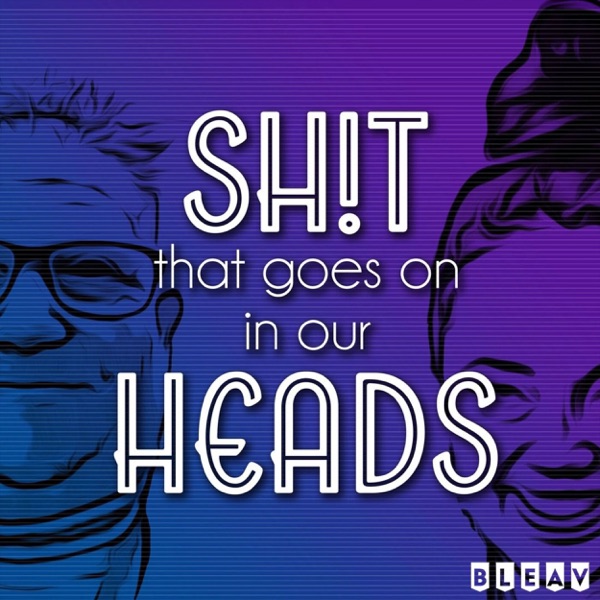
Sh!t That Goes On In Our Heads
”Sh!t That Goes On In Our Heads” is a podcast that emerged from G-Rex’s personal mental health journey, starting with a breakdown in 2022. Supported by her wife, 988, and a higher power, G-Rex found healing and vowed to destigmatize mental health struggles. With best friend Dirty Skittles, the podcast tackles life’s challenges with humor and honesty, emphasizing the importance of open dialogue. Listeners join their engaging discussions on relationships, parenting, pop culture, and mental health, gaining practical tips and a sense of community. Through laughter and camaraderie, the podcast offers empowerment and solidarity, reminding everyone that it’s okay not to be okay and encouraging reaching out for support. Ultimately, ”Sh!t That Goes On In Our Heads” is a beacon of hope, humor, and companionship, advocating for mental health awareness and inclusivity.
- Mental Health chart
- #9
- Episodes
- 245
- Releases
- Twice a week
- Typical length
- 43 min
- On air since
- 2023
- Latest episode
- 19 hours ago
Episodes
245 episodes, newest first
-
42 min
Stop Trying to Fit In: Eric Gee on Personality Types, Self-Acceptance, and Mental Health
Episode 11
Show notes
After years of wondering why he felt different from everyone else, Eric Gee turned his curiosity into a way to help people better understand themselves and each other. In this episode, G-Rex and Dirty Skittles sit down with Eric to talk about personality types, self-acceptance, emotional wellness, and why trying to fit into someone else's version of normal can hold us back.
Awards & Downloads
Sh!t That Goes On In Our Heads is a 2024 People’s Choice Podcast Award Winner (Best Health), 2024 Women in Podcasting Award Winner (Best Mental Health Podcast), 2026 Podcast Tonight Award Winner (Best Mental Health Podcast), and 2026 NYC Podcast Award Audience Choice Winner (Best Hosts), with over 4.5 million downloads and listened to in over 160 countries.
Feedback
We’d love to hear your thoughts! Leave us written or voice feedback here: https://castfeedback.com/67521f0bde0b101c7b10442a
Mental Health Quote
"I don't think it's always healthy to try to be like others." — Eric Gee
Episode Description
Why do we spend so much of our lives trying to become the person everyone else expects us to be? For Eric Gee, Author of The Power of Personality, that question started when he was young and felt different from the people around him. Instead of accepting that he needed to fit in, he became curious about what makes each of us unique.
In this funny, refreshingly honest conversation, Eric joins G-Rex and Dirty Skittles to explore personality types, self-acceptance, and the connection between understanding ourselves and emotional well-being. He introduces his animal-based personality framework, which groups 16 personality types into four packs: gatherers, hunters, smiths, and shamans.
But this isn't about slapping another label on yourself. It's about recognizing your natural strengths, understanding your struggles, and realizing that someone else's way of doing things might not work for you.
G-Rex shares why her butterfly personality feels ridiculously accurate, while Dirty Skittles opens up about her frustration with traditional personality assessments. Eric explains how his work with students, teachers, and parents revealed the limits of one-size-fits-all expectations.
The conversation also gets personal. Eric discusses self-doubt, confidence, the fear of not being good enough, and the advice he'd give his younger self about worrying less about other people's opinions.
Whether you've struggled with fitting in, questioned your strengths, or wondered why certain relationships feel complicated, this episode offers a different perspective on personal growth.
Because understanding who you are isn't about becoming someone better than everybody else. It's about becoming more comfortable being yourself.
Keywords: Eric Gee, The Power of Personality, personality types, self-acceptance, mental health, self-awareness, emotional wellness, self-discovery, personality assessment, confidence building, personal growth, understanding personality differences, healthy relationships, parenting and personality, overcoming self-doubt
Meet Our Guest — Eric Gee
Eric Gee is an Author, life coach, and writing coach with more than 20 years of experience in personality-based coaching. Through his education company, he developed and applied a personality typing method that has helped more than 20,000 students, parents, and teachers better understand individual differences. His book, The Power of Personality, brings together decades of research and practical experience to help people recognize their strengths, understand others, and embrace what makes them unique.
Connect with Eric:
• Website: https://www.projectyoutopia.com/university
• Instagram: https://www.instagram.com/the_power_of_personality/
• Facebook: https://www.facebook.com/eric.c.gee
• LinkedIn: https://www.linkedin.com/in/eric-gee-3565a79/Key Takeaways
• Being different doesn't mean something is wrong with you. Eric's journey reminds us that personal growth starts with understanding our natural tendencies, not constantly trying to meet someone else's expectations.
• Personality types are tools, not limitations. Eric encourages people to recognize their strengths and motivations without assuming they can only behave in one particular way.
• Your greatest strengths can also become your biggest struggles. Eric's concept of "deviant roles" explores how our natural tendencies can work against us when they're taken too far.
• Understanding personality differences can strengthen relationships. Parents, teachers, partners, and coworkers can communicate more thoughtfully when they stop expecting everyone to think and respond the same way.
• Self-doubt doesn't have to define your confidence. Eric openly discusses questioning whether he's good enough and why reminding ourselves of our abilities matters.
• Self-acceptance requires letting go of outside expectations. One of Eric's most important life lessons is learning that other people's opinions shouldn't determine how we live.Actionable Items
• Get curious about your personality. Explore Eric's personality framework and reflect on which descriptions resonate with you. Use the results as a starting point for self-reflection, not a permanent label or clinical assessment.
• Question one: An expectation you're trying to meet. Think about something you do because you believe you're supposed to. Ask yourself whether it genuinely supports your goals or whether you're trying to fit someone else's definition of success.
• Practice understanding before judging. The next time someone approaches a problem differently, ask what might motivate their perspective instead of assuming your way is the only right one.Important Chapters
• 00:00:36 — Meet Eric Gee: Personality, Humor, and Finding Your Own Way
• 00:04:18 — Why Eric Became Interested in Personality Types
• 00:07:42 — Understanding Personality Through Animal Types
• 00:09:58 — The Four Personality Packs: Gatherers, Hunters, Smiths, and Shamans
• 00:12:07 — Why Being Yourself Matters for Emotional Health
• 00:15:29 — How Personality Awareness Can Help Students and Teachers
• 00:17:47 — G-Rex Discovers Her Butterfly Personality
• 00:19:00 — Deviant Roles: When Personality Strengths Become Weaknesses
• 00:24:47 — Challenging Traditional Personality Tests and Labels
• 00:26:04 — Using Personality Awareness to Understand Others
• 00:27:52 — Eric's Baboon Personality and the Search for Self-Knowledge
• 00:30:46 — Understanding Personality Differences Between Parents and Children
• 00:35:14 — What Eric Would Tell His 12-Year-Old Self
• 00:36:53 — Life's Hardest Lessons: Expectations and Disillusionment
• 00:37:23 — Anxiety, Self-Doubt, and Learning to Feel Good Enough
• 00:39:24 — Where to Find Eric's Personality Assessment and BookClosing CTA
Subscribe, Rate, and Review!
Subscribe for more inspiring stories. Rate and review us on your favorite podcast platform, or visit our Website:
https://goesoninourheads.net/add-your-podcast-reviews#MentalHealthPodcast #MentalHealthAwareness #Grex #DirtySkittles #Podmatch #EricGee #ThePowerOfPersonality #PersonalityTypes #SelfAcceptance #SelfDiscovery #EmotionalWellness #SelfAwareness #PersonalGrowth #ConfidenceBuilding #OvercomingSelfDoubt #HealthyRelationships #UnderstandingYourself #PersonalityAssessment #BeYourself
***************************************************************************
If You Need Support, Reach Out
If you or someone you know is facing mental health challenges, please don’t hesitate to reach out to a crisis hotline in your area. Remember, it’s OK not to be OK—talking to someone can make all the difference.
• United States: Call or Text 988 — https://988lifeline.org/
• Canada: Call or Text 988 — https://988.ca/
• Worldwide: Find a Helpline
• Mental Health Resources and Tools: The Help HubStay Connected with G-Rex and Dirty Skittles
• Official Website: https://goesoninourheads.net/
• Facebook: @shltthatgoesoninourheads
• Instagram: @grex_and_dirtyskittles
• LinkedIn: G-Rex and Dirty Skittles
• Join Our Newsletter: (https://grexanddirtyskittles.substack.com/)
• Merch Store: https://www.goesoninourheads.shop/Audio Editing by NJz Audio
Hosted by Simplecast, an AdsWizz company. See https://pcm.adswizz.com for information about our collection and use of personal data for advertising.
-
46 min
Holly Porter: Near-Death Experience, Long COVID & Mental Health Recovery
Episode 10
Show notes
Holly Porter survived 70 days in the hospital battling COVID-19, but surviving was only the beginning of her emotional and mental health journey. In this powerful conversation, G-Rex and Dirty Skittles sit down with Holly to explore her near-death experience, the devastating mental health impact of long COVID, and how she found purpose, peace, and hope after two of the darkest years of her life.
Awards & Downloads
Sh!t That Goes On In Our Heads is a 2024 People’s Choice Podcast Award Winner (Best Health), 2024 Women in Podcasting Award Winner (Best Mental Health Podcast), 2026 Podcast Tonight Award Winner (Best Mental Health Podcast), and 2026 NYC Podcast Award Audience Choice Winner (Best Hosts), with over 4.5 million downloads and listened to in over 160 countries.
Feedback
We’d love to hear your thoughts! Leave us written or voice feedback here: https://castfeedback.com/67521f0bde0b101c7b10442a
Mental Health Quote
“Love them where they're at.” — Holly Porter
Trigger Notice + 988 Crisis Reminder
Content Notice: This episode includes conversations about near-death experiences, serious illness, medical trauma, chronic pain, profound emotional distress, family loss, and wishing for death during difficult periods of recovery. Please listen with care and take breaks if needed.
If you or someone you know is experiencing a mental health crisis in the United States, call or text 988 or visit:
https://988lifeline.org/For crisis resources outside the United States:
https://findahelpline.com/Episode Description
What happens when you survive something that nearly kills you, only to discover that staying alive is an entirely different battle? For Holly Porter, surviving COVID-19 meant 70 days in the hospital, two intubations, a tracheotomy, sepsis, and a near-death experience that changed everything she believed about life, purpose, and healing.
In this deeply personal episode of Sh!t That Goes On In Our Heads, Holly joins G-Rex and Dirty Skittles to share the mental health struggles that followed her hospitalization. Long COVID, chronic pain, hair loss, and losing her singing voice were devastating enough. But the emotional aftermath brought nearly two years of darkness, broken relationships, overwhelming grief, and moments when Holly questioned why she had survived at all.
Holly opens up about her spiritual experiences, the questions she faced about her legacy, and how finding meaning in her suffering became part of rebuilding her life. She also shares the heartbreaking family challenges that tested her resilience and the lessons she learned about surrender, forgiveness, judgment, and loving people exactly where they are.
Through her personal development framework, SHIFT—Surrender, Hope, Intuition, Faith, and Transformation—Holly offers a perspective on navigating adversity without pretending healing happens overnight.
This conversation isn't about magically fixing everything. It's about surviving the messy middle, recognizing that emotional recovery takes time, and finding one small way to move forward.
If you're navigating long COVID, medical trauma, grief, or the emotional weight of starting over, Holly's story reminds us that progress doesn't have to be dramatic to matter. Sometimes, better is simply better.
Keywords: Holly Porter, near-death experience, long COVID mental health, mental health recovery, COVID-19 survivor story, medical trauma recovery, emotional healing, chronic illness and mental health, resilience after trauma, finding purpose after illness, mental health struggles, spiritual transformation, surrender and healing, grief and recovery, mental health podcast
Meet Our Guest — Holly Porter
Holly Porter is an international speaker, bestselling author of 18 books, entrepreneur, and founder and CEO of the International Retreat Association. With more than 30 years of entrepreneurial experience, she also hosts the All Things Retreat podcast and wrote The Near Death SHIFT, a deeply personal exploration of what her near-death experience taught her about life, business, and purpose. Following her 70-day battle with COVID-19 and the emotional challenges that followed, Holly has dedicated herself to helping others transform adversity into purpose, meaningful connection, and positive change.
Connect with Holly Porter:
• Website: https://www.hollyporter.com/
• Instagram: https://www.instagram.com/hollyporterinternational/
• Facebook: https://www.facebook.com/HOLLYANNPORTER/
• YouTube: https://www.youtube.com/@IntlRetreatAssociation
• LinkedIn: https://www.linkedin.com/in/hollyporter/
• TikTok: https://www.tiktok.com/hollyporter
• Substack: https://substack.com/@hollyporterKey Takeaways
• Survival and recovery aren't the same thing. Holly's 70-day hospitalization was only the beginning. Long COVID, chronic pain, and profound emotional struggles demonstrated how complicated life after a medical crisis can become.
• Mental health struggles can follow physical trauma. Losing her hair, singing voice, independence, and sense of normalcy affected Holly's emotional well-being in ways she never anticipated.
• Purpose can help you move forward through uncertainty. Holly found motivation in the commitments and projects she believed she needed to fulfill, even when the rest of her life felt overwhelming.
• Surrender doesn't have to mean giving up. Through her SHIFT framework, Holly explains how accepting uncertainty and letting go of the need to control everything reshaped her perspective.
• Compassion matters more than judgment. One of Holly's most meaningful lessons is to love people where they are, even when their choices, beliefs, or experiences differ from yours.
• Progress doesn't require perfection. Holly's personal reminder, "Better's better," encourages you to focus on small improvements instead of expecting immediate transformation.Actionable Items
• Ask yourself what you need right now. When life feels overwhelming, borrow Holly's reflective question: "What do I need to learn out of this experience?" Consider what support, information, or change might make today a little more manageable.
• Practice loving people where they are. When someone triggers frustration or judgment, pause before reacting. Approach the situation with compassion while still respecting your own boundaries.
• Make "better's better" your daily reminder. Identify one small thing you can do today to support your mental or emotional well-being. It might be reaching out to someone, taking a break, or acknowledging progress you've already made.Important Chapters
• 00:02:27 — Holly Introduces Her Near-Death Experience
• 00:03:22 — 70 Days in the Hospital: COVID-19, Sepsis, and Survival
• 00:04:09 — Understanding Near-Death Experiences and Spiritual Transformation
• 00:06:32 — Facing Mortality, Self-Worth, and Questions About Legacy
• 00:09:19 — Being Present Versus Simply Being There
• 00:10:38 — The Meaning of 11:11 and Holly's New Purpose
• 00:15:42 — Two Years of Emotional Darkness After Surviving
• 00:19:09 — Rebuilding Purpose Through Entrepreneurship and Service
• 00:22:41 — Long COVID, Chronic Pain, and the Mental Health Toll
• 00:25:55 — What Holly Learned About Moving Through Difficult Times
• 00:28:48 — Life Review, Forgiveness, and Loving People Where They Are
• 00:31:09 — The SHIFT Framework: Surrender, Hope, Intuition, Faith, and Transformation
• 00:32:32 — Online Judgment, Harsh Comments, and Emotional Boundaries
• 00:38:46 — Family Heartbreak and One of Holly's Hardest Lessons
• 00:41:19 — Better's Better: Finding Strength in Small Steps
• 00:42:29 — Why Peace Became Holly's Favorite Word
• 00:43:20 — Where to Find Holly and Her Closing MessageClosing CTA
Subscribe, Rate, and Review!
Subscribe for more inspiring stories. Rate and review us on your favorite podcast platform, or visit our Website:
https://goesoninourheads.net/add-your-podcast-reviews#MentalHealthPodcast #MentalHealthAwareness #Grex #DirtySkittles #Podmatch #HollyPorter #NearDeathExperience #LongCOVID #MentalHealthRecovery #MedicalTrauma #ChronicIllnessSupport #EmotionalHealing #ResilienceAfterTrauma #FindingPurpose #GriefAndHealing #SelfCompassion #SurrenderAndHealing #COVIDSurvivor #MentalHealthJourney #HealingAfterTrauma
***************************************************************************
If You Need Support, Reach Out
If you or someone you know is facing mental health challenges, please don’t hesitate to reach out to a crisis hotline in your area. Remember, it’s OK not to be OK—talking to someone can make all the difference.
• United States: Call or Text 988 — https://988lifeline.org/
• Canada: Call or Text 988 — https://988.ca/
• Worldwide: Find a Helpline
• Mental Health Resources and Tools: The Help HubStay Connected with G-Rex and Dirty Skittles
• Official Website: https://goesoninourheads.net/
• Facebook: @shltthatgoesoninourheads
• Instagram: @grex_and_dirtyskittles
• LinkedIn: G-Rex and Dirty Skittles
• Join Our Newsletter: (https://grexanddirtyskittles.substack.com/)
• Merch Store: https://www.goesoninourheads.shop/Audio Editing by NJz Audio
Hosted by Simplecast, an AdsWizz company. See https://pcm.adswizz.com for information about our collection and use of personal data for advertising.
-
47 min
Steve Collins: Living with vEDS, Health Anxiety, and Letting Go of Control
Episode 9
Show notes
What happens when a life-threatening medical diagnosis forces you to rethink everything you thought you could control? In this deeply personal episode of Sh!t That Goes On In Our Heads, G-Rex and Dirty Skittles sit down with Steve Collins to explore his journey through vascular Ehlers-Danlos syndrome (vEDS), medical trauma, job loss, and the powerful role of faith, humor, and resilience in finding purpose after life changes overnight.
Awards & Downloads
Sh!t That Goes On In Our Heads is a 2024 People’s Choice Podcast Award Winner (Best Health), 2024 Women in Podcasting Award Winner (Best Mental Health Podcast), 2026 Podcast Tonight Award Winner (Best Mental Health Podcast), and 2026 NYC Podcast Award Audience Choice Winner (Best Hosts), with over 4.5 million downloads and listened to in over 160 countries.
Feedback
We’d love to hear your thoughts! Leave us written or voice feedback here: https://castfeedback.com/67521f0bde0b101c7b10442a
Mental Health Quote
“Your identity isn't defined by what you can do. Sometimes your greatest purpose comes from learning to let go, accept help, and show up for others in a different way.” — Inspired by Steve Collins
Content Notice & Crisis Resources
This episode includes discussions of life-threatening medical emergencies, chronic illness, medical trauma, fear of death, and the emotional impact of losing independence and employment. Please listen with care.
If you or someone you know is experiencing a mental health crisis in the United States, call or text 988 or visit:
https://988lifeline.org/For crisis resources outside the United States:
https://findahelpline.com/Episode Description
Steve Collins thought he had a stubborn stomach issue. Instead, persistent abdominal pain led to an artery dissection, a 32-day hospital stay, and a diagnosis he'd never heard of: vascular Ehlers-Danlos syndrome (vEDS), a rare connective tissue disorder that changed what everyday life could look like. His decision to ask doctors to re-examine his scan became a powerful lesson in speaking up for your health.
But surviving the medical crisis was only the beginning.
Steve tells G-Rex and Dirty Skittles what happened when he returned home and realized he couldn't simply muscle through life the way he always had. The guy who fixed everything, jumped in to help others, and took pride in showing up at work now had to ask for help, accept physical limits, and reckon with a terrifying question: Who am I if I can't do what I used to do?
At the same time, layoffs and the uncertainty of contract work challenged his sense of security. Steve opens up about the emotional fallout of job loss, the urge to control outcomes, and the anxiety that can follow a diagnosis when ordinary aches suddenly feel loaded with meaning. He also talks honestly about how medical emergencies affect spouses and families, not just patients.
Through it all, his faith in God, his family's support, a sense of humor, and connections with others living with rare conditions helped him rethink what purpose looks like. You'll hear why he wears a medical alert bracelet, keeps health information handy, and believes that a respectful second question can matter.
This isn't a story about pretending fear disappears. It's about learning to live with uncertainty without letting it run the whole damn show.
Keywords: Steve Collins, vascular Ehlers-Danlos syndrome, vEDS awareness, health anxiety, chronic illness mental health, rare disease diagnosis, medical trauma recovery, patient self-advocacy, faith over fear, letting go of control, job loss trauma, emotional resilience, chronic illness identity, caregiver mental health, finding purpose after illness
Meet Our Guest — Steve Collins
Steve Collins is a husband, stepfather, business leader, and man of faith living with vascular Ehlers-Danlos syndrome (vEDS), a rare genetic connective tissue disorder. As Strategic Partner and Principal Consultant at PADE HCM Services, he brings his professional experience into a new chapter of entrepreneurship while navigating the physical and emotional realities of his diagnosis. Through his story, Steve encourages others to advocate for their health, recognize the impact of medical trauma, and find meaning through faith, connection, and accepting what they cannot control.
Connect with Steve:
Company: PADE HCM Services
Website: https://www.padeservices.com/
Facebook: https://www.facebook.com/StevevEDS
LinkedIn: https://www.linkedin.com/in/steve-collins-shrm-cp-ms-b47a2538a/Key Takeaways
• Self-advocacy can change everything. Steve's decision to ask for another review of his medical scan helped uncover a dangerous arterial dissection. Asking questions and speaking up about persistent concerns can be essential to getting appropriate care.
• Medical trauma doesn't end when you leave the hospital. Living with vEDS means navigating uncertainty, physical restrictions, medication effects, and the emotional weight of knowing that serious complications can occur unexpectedly.
• Your diagnosis doesn't define who you are. Steve struggled when activities that once gave him purpose became unsafe. He learned that helping others doesn't always require physical strength; sometimes encouragement and simply being present are just as meaningful.
• Job loss can leave emotional scars even before it happens to you. Watching colleagues lose their jobs affected Steve's sense of security and led him to seek greater control over his financial future. His story reminds us that employment uncertainty can affect confidence, relationships, and emotional well-being.
• Caregivers carry their own invisible burdens. While Steve was hospitalized, his wife managed their family, work, and the fear of potentially losing someone she loved. Supporting the people standing beside someone in crisis matters just as much.
• Faith and community can help create purpose within uncertainty. Steve's relationship with God, his family, and others facing rare diagnoses helped him shift from focusing only on what he'd lost to recognizing how his experiences could encourage others.Actionable Items
• Advocate for yourself during medical appointments. Track your symptoms, ask questions when something doesn't make sense, and request clarification or a second opinion when concerns remain unresolved. Follow your medical team's guidance for urgent symptoms; don't delay emergency care.
• Identify where you're holding on too tightly. Think about a situation involving work, health, finances, or relationships where you're trying to control every outcome. Ask yourself what you can genuinely influence, what you cannot, and where accepting support might make life easier.
• Check on the caregivers, too. When someone you know is facing a health crisis, reach out to their spouse, partner, or family. Offer something specific, such as helping with a household task, bringing a meal, or simply listening without expecting them to have everything figured out.Important Chapters
• 00:01:33 — Job Loss, Financial Uncertainty, and Finding Gratitude
• 00:02:37 — The Abdominal Pain That Changed Steve's Life
• 00:03:58 — Discovering an Arterial Dissection and a Rare Diagnosis
• 00:06:23 — Medical Trauma and the Hidden Struggles of Caregivers
• 00:08:47 — Finding Purpose in the Middle of Suffering
• 00:12:28 — Layoff Trauma, Fear, and the Need for Control
• 00:17:11 — Genetic Testing and Understanding Vascular Ehlers-Danlos Syndrome
• 00:23:41 — The Importance of Medical Self-Advocacy
• 00:26:53 — Living with Health Anxiety and a New Normal
• 00:30:11 — Chronic Illness, Identity Loss, and Learning to Accept Help
• 00:33:59 — Parenting, Stress, and the Fear of Physical Complications
• 00:36:12 — Work-Life Balance and Learning to Prioritize Health
• 00:38:25 — What Steve Would Tell His Younger Self About Control
• 00:40:35 — Faith Over Fear and Trusting God Through Uncertainty
• 00:44:27 — Finding Community and Supporting Others with vEDSClosing CTA
Subscribe, Rate, and Review!
Subscribe for more inspiring stories. Rate and review us on your favorite podcast platform, or visit our Website:
https://goesoninourheads.net/add-your-podcast-reviews#MentalHealthPodcast #MentalHealthAwareness #Grex #DirtySkittles #Podmatch #VascularEDS #VEDSAwareness #EhlersDanlosSyndrome #RareDiseaseAwareness #MedicalSelfAdvocacy #ChronicIllnessJourney #HealthAnxiety #MedicalTrauma #FaithOverFear #JobLossRecovery #LettingGoOfControl #CaregiverSupport #LivingWithVEDS
***************************************************************************
If You Need Support, Reach Out
If you or someone you know is facing mental health challenges, please don’t hesitate to reach out to a crisis hotline in your area. Remember, it’s OK not to be OK—talking to someone can make all the difference.
• United States: Call or Text 988 — https://988lifeline.org/
• Canada: Call or Text 988 — https://988.ca/
• Worldwide: Find a Helpline
• Mental Health Resources and Tools: The Help HubStay Connected with G-Rex and Dirty Skittles
• Official Website: https://goesoninourheads.net/
• Facebook: @shltthatgoesoninourheads
• Instagram: @grex_and_dirtyskittles
• LinkedIn: G-Rex and Dirty Skittles
• Join Our Newsletter: (https://grexanddirtyskittles.substack.com/)
• Merch Store: https://www.goesoninourheads.shop/Audio Editing by NJz Audio
Hosted by Simplecast, an AdsWizz company. See https://pcm.adswizz.com for information about our collection and use of personal data for advertising.
-
44 min
You Are More Than Your Worst Mistake: Ranae on Healing After Prison, Resilience, and Second Chances — Part 2
Episode 8
Show notes
Can prison become the place where someone finally begins to heal from a lifetime of trauma? In Part 2, Ranae Van Roekel returns with G-Rex and Dirty Skittles to discuss surviving a serious mental health crisis, discovering healthier coping skills during incarceration, rebuilding relationships, and creating a new purpose through Connecting to Cope.
Awards & Downloads
Sh!t That Goes On In Our Heads is a 2024 People’s Choice Podcast Award Winner (Best Health), 2024 Women in Podcasting Award Winner (Best Mental Health Podcast), 2026 Podcast Tonight Award Winner (Best Mental Health Podcast), and 2026 NYC Podcast Award Audience Choice Winner (Best Hosts), with over 4.5 million downloads and listened to in over 160 countries.
Feedback
We’d love to hear your thoughts! Leave us written or voice feedback here: https://castfeedback.com/67521f0bde0b101c7b10442a
Mental Health Quote
“You are not the worst thing you ever did.” — Ranae Van Roekel
Trigger Notice + 988 Crisis Reminder
Content Notice: This episode includes discussions of suicidal thoughts, severe depression, childhood sexual trauma, incarceration, and mental health treatment. The conversation also explores recovery, self-worth, and the importance of supportive relationships.
If you or someone you know is experiencing a mental health crisis in the United States, call or text 988 or visit: https://988lifeline.org/
For crisis resources outside the United States: https://findahelpline.com/
Episode Description
Imagine walking into prison carrying decades of shame, untreated childhood trauma, and the belief that your worst decisions are all you'll ever be remembered for. Now imagine discovering that healing is still possible.
In Part 2, Ranae Van Roekel returns to Sh!t That Goes On In Our Heads for a powerful conversation with G-Rex and Dirty Skittles about mental health recovery, resilience, incarceration, and rebuilding a life after devastating choices.
Before entering prison, Ranae experienced severe depression and suicidal thoughts that led to a stay at a mental health treatment facility. Although she had begun recognizing her need for help, it wasn't until incarceration that she started confronting the childhood trauma she had spent decades suppressing.
Ranae shares how therapy, psychiatric care, physical activity, self-esteem classes, and meaningful friendships helped her challenge deeply ingrained beliefs about herself. A mental health professional who refused to accept her avoidance became especially important in helping her recognize destructive thinking patterns.
After serving 36 months, Ranae returned home during the COVID-19 pandemic. Reconnecting with her husband and sons, setting healthier boundaries, and welcoming her beloved dog, Cope, helped shape her next chapter.
That journey inspired Connecting to Cope, her platform for emotional wellness, self-care, and compassionate support.
Together, the trio explores how forgiveness differs from accountability, why healing requires ongoing effort, and how supportive relationships can help people rebuild without erasing the harm they've caused.
Ranae's message is simple but powerful: your past is part of your story, not your entire identity.
No matter how far you've fallen, the next step still matters.
Keywords: Ranae Van Roekel, healing after prison, mental health recovery, trauma healing, resilience and recovery, prison rehabilitation, second chances, suicide prevention, emotional resilience, mental health treatment, self-worth and shame, coping skills, rebuilding after incarceration, Connecting to Cope, personal transformation
Meet Our Guest — Ranae Van Roekel
Ranae Van Roekel is a mental health advocate, justice reform advocate, and founder of Connecting to Cope, an initiative focused on helping people find healing and growth beyond their circumstances. Drawing from her experiences with childhood trauma, federal incarceration, mental health treatment, and rebuilding her life, she encourages others to recognize their worth while taking responsibility for their actions. Ranae is also a wife, mother, grandmother, and devoted dog lover who believes that empathy, honest conversations, and ongoing personal work can create meaningful change.
Connect with Ranae:
• Website: https://connectingtocope.com/
• Facebook: https://www.facebook.com/connectingtocope/
• LinkedIn: https://www.linkedin.com/company/connecting-to-cope/
• YouTube: https://www.youtube.com/@ConnectingtoCope
• Instagram: https://www.instagram.com/connectingtocope/Key Takeaways
• Healing can begin in unexpected places. Ranae started confronting decades of unresolved childhood trauma while serving her prison sentence, although she acknowledges that incarceration itself does not guarantee healing.
• Mental health recovery happens one step at a time. Counseling, physical activity, better sleep, and learning new ways of thinking helped Ranae build a healthier foundation.
• Your past does not have to define your identity. Ranae encourages people to recognize the full picture of who they are rather than reducing themselves to their worst decisions.
• Healthy boundaries are essential to rebuilding relationships. Returning home meant recognizing which friendships were supportive and which relationships were no longer healthy for her.
• Real support includes accountability. Ranae credits her husband and sons with loving her while also challenging her when she slips into old people-pleasing patterns.
• Recovery is an ongoing practice, not a finish line. Ranae openly acknowledges that she still experiences anxiety, makes mistakes, and must continually practice healthier coping skills.Actionable Items
• Start with one manageable step. Identify one small action that supports your well-being today, whether that's taking a walk, reaching out for support, or creating space to rest.
• Challenge all-or-nothing self-judgment. When shame tells you that one mistake defines your entire life, remind yourself that you are responsible for your choices but are also capable of making new ones.
• Strengthen your support system. Identify people who can listen without judgment, respect your boundaries, and lovingly hold you accountable when old habits return.Important Chapters
• 00:00:46 — Finding Hope Before Entering Prison
• 00:01:44 — Severe Depression, Suicidal Thoughts, and Getting Help
• 00:03:39 — Recognizing the Connection Between Trauma and Choices
• 00:05:05 — Saying Goodbye to Her Husband at Prison Intake
• 00:05:59 — The Moment Ranae Decided to Find Herself
• 00:06:30 — Therapy, Self-Esteem Classes, and Healthier Coping Skills
• 00:08:35 — Adjusting to Life Inside Federal Prison
• 00:11:35 — Finding Friendship and Support Behind Bars
• 00:14:26 — Discovering the Prison Service Dog Program
• 00:15:43 — The Mental Health Professional Who Challenged Her Thinking
• 00:18:52 — Escaping the Prison of Your Own Mind
• 00:20:22 — Coming Home During the COVID-19 Pandemic
• 00:24:00 — Friendship, Rejection, and Learning Healthy Boundaries
• 00:27:13 — Advice for Anyone Who Thinks They've Ruined Their Life
• 00:29:39 — Rebuilding Family Life After Incarceration
• 00:30:35 — Meeting Cope and Finding a New Purpose
• 00:34:02 — What Ranae Would Tell Her Younger Self
• 00:35:00 — Why You Shouldn't Push Away the People Who Love You
• 00:38:03 — Resilience, Self-Worth, and the Power of Words
• 00:39:21 — Connecting to Cope and Ranae's Children's Book
• 00:41:15 — You Are Not the Worst Thing You've Ever Done
• 00:42:07 — Family Accountability and Continuing the WorkClosing CTA
Subscribe, Rate, and Review!
Subscribe for more inspiring stories. Rate and review us on your favorite podcast platform, or visit our Website: https://goesoninourheads.net/add-your-podcast-reviews
#MentalHealthPodcast #MentalHealthAwareness #Grex #DirtySkittles #Podmatch #RanaeVanRoekel #HealingAfterPrison #MentalHealthRecovery #TraumaHealing #ResilienceMatters #SecondChances #PrisonReform #SuicidePrevention #SelfWorth #HealthyCopingSkills #EmotionalResilience #LifeAfterIncarceration #ConnectingToCope #OvercomingShame #KeepDoingTheWork
***************************************************************************
If You Need Support, Reach Out
If you or someone you know is facing mental health challenges, please don’t hesitate to reach out to a crisis hotline in your area. Remember, it’s OK not to be OK—talking to someone can make all the difference.
• United States: Call or Text 988 — https://988lifeline.org/
• Canada: Call or Text 988 — https://988.ca/
• Worldwide: Find a Helpline
• Mental Health Resources and Tools: The Help HubStay Connected with G-Rex and Dirty Skittles
• Official Website: https://goesoninourheads.net/
• Facebook: @shltthatgoesoninourheads
• Instagram: @grex_and_dirtyskittles
• LinkedIn: G-Rex and Dirty Skittles
• Join Our Newsletter: (https://grexanddirtyskittles.substack.com/)
• Merch Store: https://www.goesoninourheads.shop/Audio Editing by NJz Audio
Hosted by Simplecast, an AdsWizz company. See https://pcm.adswizz.com for information about our collection and use of personal data for advertising.
-
34 min
You Are More Than Your Worst Mistake: Ranae on Childhood Trauma, People-Pleasing, and Accountability — Part 1
Episode 7
Show notes
What happens when unresolved childhood trauma, decades of people-pleasing, and the fear of being judged lead you down a path you never imagined? In Part 1, Ranae Van Roekel joins G-Rex and Dirty Skittles for a deeply honest conversation about childhood sexual trauma, anxiety, shame, financial fraud, and the life-changing decision to take responsibility for her actions.
Awards & Downloads
Sh!t That Goes On In Our Heads is a 2024 People’s Choice Podcast Award Winner (Best Health), 2024 Women in Podcasting Award Winner (Best Mental Health Podcast), 2026 Podcast Tonight Award Winner (Best Mental Health Podcast), and 2026 NYC Podcast Award Audience Choice Winner (Best Hosts), with over 4.5 million downloads and listened to in over 160 countries.
Feedback
We’d love to hear your thoughts! Leave us written or voice feedback here: https://castfeedback.com/67521f0bde0b101c7b10442a
Mental Health Quote
“I’m not saying I’m stupid. I’m saying I made a stupid choice.” — Ranae Van Roekel
Trigger Notice + 988 Crisis Reminder
Content Notice: This episode includes discussions of childhood sexual assault, rape, suicidal thoughts, depression, financial fraud, and the emotional impact of incarceration. Please listen with care and take a break if you need one.
If you or someone you know is experiencing a mental health crisis in the United States, call or text 988 or visit: https://988lifeline.org/
For crisis resources outside the United States: https://findahelpline.com/
Episode Description
What happens when the trauma you've spent your entire life hiding starts shaping decisions you never thought you'd make?
In Part 1 of this two-part conversation, G-Rex and Dirty Skittles welcome Ranae Van Roekel, a wife, mother, grandmother, and founder of Connecting to Cope, for an unfiltered discussion about childhood sexual trauma, people-pleasing, shame, and taking accountability when everything falls apart.
As a young girl, Ranae experienced sexual assault and tried to tell trusted adults what happened. Instead of receiving the support she needed, she learned to associate her experience with being "bad." That belief followed her into adulthood, contributing to a pattern of overcommitting, seeking approval, and struggling to face difficult truths.
Years later, what began as a small ticket-reselling business spiraled into fraudulent transactions. Ranae admits she made illegal choices while desperately trying to fix a situation that kept getting worse. The pressure, anxiety, and fear became overwhelming. Eventually, she faced a terrifying crossroads: end her life or come forward and take responsibility.
She chose to tell the truth.
Ranae shares what happened when she voluntarily contacted authorities, confessed to her husband, and began reaching out to the people she had harmed. The conversation also explores the emotional cost of apologizing, the impact of public judgment, and how her family's reactions changed everything.
This isn't a story about using trauma to excuse wrongdoing. It's about understanding how unresolved pain can shape behavior while recognizing that accountability and healing can coexist.
Sometimes, the first step toward changing your life is admitting that you can't keep living the way you have been.
Keywords: Ranae Van Roekel, childhood trauma recovery, people-pleasing, mental health and shame, sexual assault survivor, unresolved trauma, trauma responses, anxiety and depression, accountability and healing, overcoming guilt, mental health crisis, emotional resilience, family support, Connecting to Cope, mental health podcast
Meet Our Guest — Ranae Van Roekel
Ranae Van Roekel founded Connecting to Cope, a platform that helps people navigate trauma, emotional struggles, and personal growth through education, self-care, and community. After serving 36 months in federal prison, Ranae transformed her experiences with unresolved childhood trauma, accountability, and mental health recovery into a mission centered on compassion and second chances. Today, she also advocates for justice reform and a greater understanding of the human experiences behind incarceration.
Connect with Ranae:
• Website: https://connectingtocope.com/
• Facebook: https://www.facebook.com/connectingtocope/
• LinkedIn: https://www.linkedin.com/company/connecting-to-cope/
• YouTube: https://www.youtube.com/@ConnectingtoCope
• Instagram: https://www.instagram.com/connectingtocope/Key Takeaways
• Unresolved trauma can affect choices decades later. Ranae's childhood experience shaped how she saw herself, handled conflict, and sought others' approval.
• People-pleasing can become a damaging coping pattern. Constantly trying to make everyone happy made it harder for Ranae to acknowledge problems and set boundaries.
• Trauma explains context, not responsibility. Ranae distinguishes between the experiences that influenced her thinking and the criminal decisions she ultimately made.
• Shame can keep people trapped in unhealthy cycles. Believing she was inherently "bad" fueled Ranae's fear of judgment and her avoidance of difficult conversations.
• Taking accountability doesn't guarantee forgiveness. Ranae's apologies were important, even when the people she harmed remained understandably angry.
• Support can make confronting the truth possible. Her husband's eventual willingness to face the consequences alongside her became a significant source of stability.Actionable Items
• Notice your people-pleasing patterns. The next time you're tempted to say yes when you're already overwhelmed, ask yourself whether you're acting from genuine willingness or fear of disappointing someone.
• Separate your behavior from your identity. When you make a mistake, acknowledge what happened and what needs to change without automatically deciding that you are a terrible person.
• Tell someone when you're struggling. If shame, anxiety, or an unresolved problem feels too heavy to handle alone, reach out to a trusted person or qualified mental health professional rather than trying to fix everything yourself.Important Chapters
• 00:01:08 — Ranae Opens Up About Her Story and Her Mission to Help Others
• 00:01:38 — The Prison Doors That Changed Everything
• 00:04:03 — The Decision to Stop Hiding and Come Forward
• 00:05:45 — Choosing to Tell the Truth During a Mental Health Crisis
• 00:07:26 — The Federal Fraud Conviction
• 00:09:27 — Childhood Sexual Trauma and the Shame That Followed
• 00:11:11 — How a Small Ticket Business Became Financial Fraud
• 00:14:08 — People-Pleasing, Dissociation, and Trying to Fix Everything
• 00:18:15 — Telling Her Husband and Family the Truth
• 00:21:05 — A Husband's Anger, Love, and Decision to Stay
• 00:22:05 — Apologizing to the People She Harmed
• 00:23:55 — Federal Sentencing and Justice System Concerns
• 00:29:27 — The Emotional Toll of Shame and Apologizing
• 00:30:51 — Community Judgment and Protecting Her FamilyClosing CTA
Subscribe, Rate, and Review!
Subscribe for more inspiring stories. Rate and review us on your favorite podcast platform, or visit our Website: https://goesoninourheads.net/add-your-podcast-reviews
#MentalHealthPodcast #MentalHealthAwareness #Grex #DirtySkittles #Podmatch #RanaeVanRoekel #ChildhoodTrauma #TraumaRecovery #PeoplePleasing #BreakingTheShameCycle #SexualAssaultSurvivor #AccountabilityAndHealing #MentalHealthRecovery #AnxietyAwareness #OvercomingShame #EmotionalHealing #FamilySupport #ConnectingToCope #SecondChances #HealingFromTrauma
***************************************************************************
If You Need Support, Reach Out
If you or someone you know is facing mental health challenges, please don’t hesitate to reach out to a crisis hotline in your area. Remember, it’s OK not to be OK—talking to someone can make all the difference.
• United States: Call or Text 988 — https://988lifeline.org/
• Canada: Call or Text 988 — https://988.ca/
• Worldwide: Find a Helpline
• Mental Health Resources and Tools: The Help HubStay Connected with G-Rex and Dirty Skittles
• Official Website: https://goesoninourheads.net/
• Facebook: @shltthatgoesoninourheads
• Instagram: @grex_and_dirtyskittles
• LinkedIn: G-Rex and Dirty Skittles
• Join Our Newsletter: (https://grexanddirtyskittles.substack.com/)
• Merch Store: https://www.goesoninourheads.shop/Audio Editing by NJz Audio
Hosted by Simplecast, an AdsWizz company. See https://pcm.adswizz.com for information about our collection and use of personal data for advertising.
-
50 min
D E Foster: The Hidden Reality of Benzodiazepine Withdrawal and Long-Term Healing
Episode 6
Show notes
What happens when a medication prescribed to help you becomes the beginning of a life-changing health battle? In this powerful episode of Sh!t That Goes On In Our Heads, G-Rex and Dirty Skittles sit down with D E Foster to uncover the hidden realities of benzodiazepine withdrawal, chronic anxiety, and living with Benzodiazepine-Induced Neurological Dysfunction (BIND). From 12 years on Klonopin to becoming a voice for patients navigating withdrawal, D shares a story of resilience, medical advocacy, and learning that healing doesn't always follow a straight line.
Awards & Downloads
Sh!t That Goes On In Our Heads is a 2024 People’s Choice Podcast Award Winner (Best Health), 2024 Women in Podcasting Award Winner (Best Mental Health Podcast), 2026 Podcast Tonight Award Winner (Best Mental Health Podcast), and 2026 NYC Podcast Award Audience Choice Winner (Best Hosts), with over 4.5 million downloads and listened to in over 160 countries.
Feedback
We’d love to hear your thoughts! Leave us written or voice feedback here: https://castfeedback.com/67521f0bde0b101c7b10442a
Mental Health Quote
“Kindness to ourselves, take care of yourself, be good to yourself, treat yourself well, and equal kindness to others.” — D E Foster
Content Notice & Mental Health Crisis Resources
Content Notice: This episode includes discussions of benzodiazepine dependence, prolonged withdrawal symptoms, chronic anxiety, medical trauma, loss of independence, and suicide. Please take care of yourself as you listen.
D shares the heartbreaking loss of two close friends to suicide while discussing the emotional and physical challenges some people experience during prolonged benzodiazepine withdrawal.
If you or someone you know is experiencing a mental health crisis in the United States, call or text 988 or visit:
https://988lifeline.org/For crisis resources outside the United States:
https://findahelpline.com/Important Medication Safety Reminder: Benzodiazepine withdrawal can be medically dangerous, particularly when medication is stopped abruptly. Do not stop or change a prescribed medication without working with a qualified healthcare professional. This episode shares lived experiences and educational information, not individualized medical advice.
Episode Description
Imagine taking a prescribed medication for 12 years, trusting that it's helping you, only to discover that coming off it could change your life in ways you never expected.
That's exactly what happened to D E Foster.
In this eye-opening conversation, G-Rex and Dirty Skittles welcome D, an author, podcaster, medical researcher, and patient advocate who has dedicated more than a decade to helping people understand benzodiazepine dependence and withdrawal.
Originally prescribed Klonopin for chronic stomach distress, D spent 12 years taking the medication without being warned about the potential complications of long-term use. When he eventually learned about those risks, he began an 18-month taper. His final dose was August 20, 2014, but his journey was far from over.
D opens up about living with Benzodiazepine-Induced Neurological Dysfunction (BIND), including cognitive challenges, physical symptoms, and the emotional toll of losing his career and independence. He also explains the critical difference between physical dependence and addiction, why individualized medical guidance matters, and how his lived experience helped shape benzodiazepine research and clinical guidelines.
But this conversation isn't just about medication.
It's about what happens when life doesn't return to normal, and you have to figure out what normal looks like now.
From meditation and mindfulness to his wife's unwavering support, D shares the coping tools, relationships, and sense of purpose that have helped him navigate his toughest moments.
He also gets real about people-pleasing, setting boundaries, and stepping away from advocacy work to protect his own well-being.
Because sometimes the strongest thing you can do isn't push harder. It's recognizing when you need to take care of yourself.
Keywords: D E Foster, benzodiazepine withdrawal, Klonopin withdrawal, benzodiazepine dependence, BIND, Benzodiazepine-Induced Neurological Dysfunction, protracted withdrawal, chronic anxiety, benzodiazepine tapering, anxiety medication, mental health advocacy, medication withdrawal support, long-term healing, mindfulness for anxiety, self-compassion
Meet Our Guest — D E Foster
D E Foster is an author, podcaster, medical researcher, and mental health advocate specializing in chronic anxiety, benzodiazepine dependence, and the complications of long-term withdrawal. After his own difficult experience discontinuing Klonopin, he wrote Benzo Free: The World of Anti-Anxiety Drugs and the Reality of Withdrawal, created the Benzo Free Podcast, and helped advance research identifying Benzodiazepine-Induced Neurological Dysfunction (BIND).
As co-founder and co-chair of the Benzodiazepine Action Work Group, D has contributed to medical education, peer-support training, and research initiatives, including helping develop the American Society of Addiction Medicine's 2025 benzodiazepine tapering guidelines. He also founded Uneven Life, a community organization that supports people affected by BIND, and continues sharing his knowledge while prioritizing his own health.
Connect with D E Foster:
• Website: https://unevenlife.com/
• X: https://x.com/theunevenlife
• Facebook: https://www.facebook.com/theUnevenLife/
• LinkedIn: https://www.linkedin.com/in/defoster88/
• YouTube: https://youtube.com/@theunevenlifeKey Takeaways
• Physical dependence and addiction aren't the same thing. D explains how people taking benzodiazepines exactly as prescribed can develop physical dependence without the behaviors associated with addiction, and why understanding that difference matters for compassionate care.
• Benzodiazepine withdrawal isn't always a short-term experience. While many people recover without prolonged difficulties, D's experience with BIND reveals why persistent symptoms deserve medical attention, research, and understanding.
• Being informed changes the conversation with your doctor. D discusses the 2025 ASAM benzodiazepine tapering guidelines and why informed, collaborative conversations between patients and healthcare providers are essential.
• Healing requires more than managing physical symptoms. Meditation, mindfulness, breathing exercises, meaningful activities, and supportive relationships helped D cope with anxiety and the ongoing challenges of withdrawal.
• Supporting others shouldn't come at the expense of your own well-being. After years of community leadership, D stepped away from running support groups and coaching services to focus on his health, reminding us that boundaries matter even when the work is deeply personal.
• Kindness and compassionate responsibility can exist together. D's approach recognizes that people deserve understanding and support while still having agency in how they respond to difficult circumstances.Actionable Items
• Prepare for a more informed medication conversation. If you have questions about a prescribed benzodiazepine, write down your symptoms, concerns, and medication history. Discuss them with your prescribing clinician and ask about the ASAM benzodiazepine tapering guidelines when relevant. Never adjust your dosage independently.
• Experiment with a small anxiety-management practice. D found meditation especially helpful during his hardest moments. Try a few minutes of mindful breathing, a gentle relaxation exercise, or another grounding activity that feels comfortable for you. The goal isn't to eliminate anxiety instantly; it's to discover tools that support you.
• Practice kindness with boundaries. Think about one responsibility you've taken on because you don't want to disappoint someone. Ask whether it's sustainable and consider where you might need more rest, support, or a compassionate boundary.Important Chapters
• 00:00:37 — Meet D E Foster: From Patient to Benzodiazepine Advocate
• 00:02:37 — Why D Was Prescribed Klonopin for Stomach Problems
• 00:05:27 — The 18-Month Taper and the Reality of Withdrawal
• 00:07:30 — Living With BIND and Choosing Self-Care
• 00:11:26 — Neurological Symptoms and the Loss of Independence
• 00:13:17 — The Emotional Toll of Withdrawal and Losing Friends to Suicide
• 00:14:59 — Why Peer Support Matters During Benzodiazepine Withdrawal
• 00:17:21 — Finding a Doctor Who Understands Benzo Tapering
• 00:19:53 — ASAM Guidelines and Changing Medical Conversations
• 00:21:35 — Why D Decided to Stop Taking Klonopin
• 00:23:15 — Understanding Slow Tapers and Protracted Withdrawal
• 00:25:36 — Meditation, Mindfulness, and Relearning Anxiety Management
• 00:27:55 — The Power of Marriage, Purpose, and Emotional Support
• 00:30:25 — Why Honest Podcasting Creates Real Human Connection
• 00:35:08 — Physical Dependence vs. Addiction
• 00:37:32 — What D Would Tell His Younger Self
• 00:39:06 — Kindness, People-Pleasing, and Setting Boundaries
• 00:41:28 — If Anxiety Had a Theme Song
• 00:43:29 — Everybody Has Their Shit: Finding Perspective
• 00:45:15 — Kindness, Blame, and Compassionate Responsibility
• 00:47:19 — Where to Find D and Benzodiazepine Support ResourcesClosing CTA
Subscribe, Rate, and Review!
Subscribe for more inspiring stories. Rate and review us on your favorite podcast platform, or visit our Website:
https://goesoninourheads.net/add-your-podcast-reviews#MentalHealthPodcast #MentalHealthAwareness #Grex #DirtySkittles #Podmatch #DEFoster #BenzodiazepineWithdrawal #BenzoAwareness #KlonopinWithdrawal #BINDRecovery #ChronicAnxiety #AnxietyManagement #MentalHealthAdvocacy #MedicationAwareness #ProtractedWithdrawal #BenzoTapering #MindfulnessForAnxiety #SelfCompassion #PatientAdvocacy #LongTermHealing
***************************************************************************
If You Need Support, Reach Out
If you or someone you know is facing mental health challenges, please don’t hesitate to reach out to a crisis hotline in your area. Remember, it’s OK not to be OK—talking to someone can make all the difference.
• United States: Call or Text 988 — https://988lifeline.org/
• Canada: Call or Text 988 — https://988.ca/
• Worldwide: Find a Helpline
• Mental Health Resources and Tools: The Help HubStay Connected with G-Rex and Dirty Skittles
• Official Website: https://goesoninourheads.net/
• Facebook: @shltthatgoesoninourheads
• Instagram: @grex_and_dirtyskittles
• LinkedIn: G-Rex and Dirty Skittles
• Join Our Newsletter: (https://grexanddirtyskittles.substack.com/)
• Merch Store: https://www.goesoninourheads.shop/Audio Editing by NJz Audio
Hosted by Simplecast, an AdsWizz company. See https://pcm.adswizz.com for information about our collection and use of personal data for advertising.
-
51 min
Alexis: You Are Not Your Diagnosis — Redefining Mental Health
Episode 5
Show notes
Who gets to define who you are? Your diagnosis, your past, or someone else's expectations? In this hilariously honest and deeply meaningful episode, G-Rex and Dirty Skittles sit down with Alexis, a special education teacher, mental health advocate, and founder of Permission to Define, to talk about living with Dissociative Identity Disorder (DID), challenging mental health stereotypes, finding the right therapist, setting boundaries, and taking back the power to define yourself.
Awards & Downloads
Sh!t That Goes On In Our Heads is a 2024 People’s Choice Podcast Award Winner (Best Health), 2024 Women in Podcasting Award Winner (Best Mental Health Podcast), 2026 Podcast Tonight Award Winner (Best Mental Health Podcast), and 2026 NYC Podcast Award Audience Choice Winner (Best Hosts), with over 4.5 million downloads and listened to in over 160 countries.
Feedback
We’d love to hear your thoughts! Leave us written or voice feedback here: https://castfeedback.com/67521f0bde0b101c7b10442a
Mental Health Quote
"The hardest lesson I've ever learned is disclosure is not access." — Alexis Kur
Content Notice & Mental Health Crisis Resources
This episode includes conversations about Dissociative Identity Disorder (DID), trauma, mental health stigma, difficult therapeutic experiences, discrimination related to a mental health diagnosis, and a brief mention of a past suicide attempt. Please listen with care and take breaks if needed.
If you or someone you know is experiencing a mental health crisis in the United States, call or text 988 or visit:
https://988lifeline.org/For crisis resources outside the United States:
https://findahelpline.com/Episode Description
What if everything you've been told about your mental health, your identity, and what success should look like isn't the whole story?
In this powerful, funny, and unapologetically honest episode, Alexis joins G-Rex and Dirty Skittles to talk about living with Dissociative Identity Disorder (DID), challenging mental health stigma, and refusing to let anyone else define who you are.
Diagnosed with DID at 26, Alexis opens up about navigating nearly two decades of therapy, confronting misconceptions about her diagnosis, and building a trusted team of three therapists she affectionately calls her "Justice League." From equine-assisted therapy to exploring EMDR, she shares why finding the right mental health support matters and why healing sometimes requires questioning the language and expectations surrounding it.
Alexis also shares the remarkable career change that took her from a successful, six-figure environmental consulting career to teaching high school special education. For her, success is no longer measured by money or professional recognition. It's watching a struggling student find the confidence to walk into class or discover a strength nobody else noticed.
Things get especially real when Alexis discusses having her diagnosis used against her by someone she trusted professionally. That painful experience reinforced one of her most important lessons: Disclosure is not access. Sharing your story doesn't give someone permission to weaponize it.
Through laughter, vulnerability, and plenty of colorful language, Alexis reminds us that lived experience matters, boundaries are essential, and only you get to decide what your diagnosis or your life means.
Because sometimes the most powerful thing you can do for your mental health is stop trying to fit someone else's definition of normal.
Keywords: Alexis Kur, Permission to Define, Dissociative Identity Disorder, DID awareness, living with DID, mental health stigma, mental health advocacy, trauma therapy, EMDR therapy, equine-assisted therapy, therapy relationships, mental health boundaries, self-advocacy, redefining success, lived experience
Meet Our Guest — Alexis
Alexis is a high school special education teacher, mental health advocate, speaker, writer, and founder of Permission to Define, a platform dedicated to challenging labels, amplifying lived experiences, and changing conversations about mental health.
After 15 years in environmental consulting, Alexis traded a six-figure salary for something far more meaningful: helping teenagers recognize their strengths, build confidence, and believe in themselves. Now, working with high school students who receive special education services for emotional impairments, she brings compassion, authenticity, and her lived experience into the classroom.
Diagnosed with Dissociative Identity Disorder (DID) at 26, Alexis has spent nearly two decades navigating therapy, confronting mental health stereotypes, and discovering what it means to live authentically. Through Permission to Define, she champions the value of lived experience, challenges limiting language, and encourages others to take ownership of how they define themselves.
With sharp humor, unapologetic honesty, and a refreshing willingness to question the status quo, Alexis reminds us that a diagnosis is information, not an identity, and that everyone deserves the freedom to tell their own story.
Connect with Alexis:
• Website: https://permissiontodefine.com/
• Facebook: https://www.facebook.com/PermissiontoDefine
• LinkedIn: https://www.linkedin.com/in/alexisekur5030/Key Takeaways
• Your diagnosis doesn't define your identity. Alexis challenges misconceptions about Dissociative Identity Disorder and reminds us that a diagnosis may help explain someone's experiences, but it never tells their entire story.
• Disclosure is not access. Sharing personal mental health information doesn't give anyone permission to weaponize that information, cross your boundaries, or demand access to parts of your life you've chosen to keep private.
• Finding the right therapist can change your mental health journey. Alexis's trusted "Justice League" of three therapists demonstrates how collaboration, respect, and a strong therapeutic relationship can make difficult emotional work feel more manageable.
• Success is about purpose, not just a paycheck. Leaving a lucrative environmental consulting career helped Alexis realize that watching a student overcome a challenge can be more rewarding than professional status or financial success.
• Lived experience deserves a voice in mental health conversations. Alexis uses her experiences with DID and therapy to help educators, mental health professionals, and others better understand the perspectives of people living with mental health conditions.
• You have permission to challenge the language of healing. Whether she's questioning the word "resilient" or pushing back against scripted therapy phrases, Alexis reminds us that we can choose words and definitions that genuinely reflect our experiences.Actionable Items
• Redefine a label you've been carrying. Choose one word others have used to describe you, such as anxious, difficult, or resilient, and consider whether it reflects who you are or whether it's time to create your own definition.
• Practice setting boundaries around personal disclosure. Before sharing something about your mental health, decide what you're comfortable revealing and remind yourself that being honest doesn't mean giving someone unlimited access to your personal experiences.
• Evaluate whether your support system respects your needs. Think about whether the people supporting your mental health listen without judgment, respect your boundaries, and encourage you to participate in decisions about your well-being.Important Chapters
• 00:00:37 — Meet Alexis: Mental Health Advocate and Educator
• 00:01:22 — Overcommitting, Perfectionism, and Mental Health
• 00:04:29 — Living With DID and the Art of Multitasking
• 00:07:54 — Finding Balance and Learning to Protect Your Time
• 00:11:30 — Leaving a Six-Figure Career to Redefine Success
• 00:14:13 — Building Trust With Special Education Students
• 00:19:45 — How Lived Experience Shapes Alexis's Teaching
• 00:23:05 — Receiving a Dissociative Identity Disorder Diagnosis
• 00:24:27 — The Therapy Justice League: EMDR and Equine-Assisted Therapy
• 00:27:24 — Why Alexis Challenges Traditional Therapy Language
• 00:30:01 — Finding the Right Therapist and Building Trust
• 00:33:19 — Overcoming Fear Through Equine-Assisted Therapy
• 00:37:05 — Why Therapy Is Hard Work
• 00:37:51 — Creating Permission to Define
• 00:39:32 — Living Authentically Beyond Mental Health Labels
• 00:42:48 — Advice to Her Younger Self: Finding Your People
• 00:43:34 — Disclosure Is Not Access: Learning Difficult Boundaries
• 00:44:56 — Mental Health Advice That Misses the Mark
• 00:46:13 — Anxiety Theme Songs, Humor, and the Power of Words
• 00:49:02 — Connecting With Alexis and Permission to Define
• 00:49:54 — Closing Thoughts and Mental Health ReminderClosing CTA
Subscribe, Rate, and Review!
Subscribe for more inspiring stories. Rate and review us on your favorite podcast platform, or visit our Website:
https://goesoninourheads.net/add-your-podcast-reviews#MentalHealthPodcast #MentalHealthAwareness #Grex #DirtySkittles #Podmatch #Alexis #PermissionToDefine #DissociativeIdentityDisorder #DIDAwareness #MentalHealthStigma #MentalHealthAdvocacy #TraumaHealing #TherapyJourney #MentalHealthBoundaries #SelfAdvocacy #LivedExperienceMatters #RedefiningSuccess #AuthenticLiving #SpecialEducation #YouAreNotYourDiagnosis
***************************************************************************
If You Need Support, Reach Out
If you or someone you know is facing mental health challenges, please don’t hesitate to reach out to a crisis hotline in your area. Remember, it’s OK not to be OK—talking to someone can make all the difference.
• United States: Call or Text 988 — https://988lifeline.org/
• Canada: Call or Text 988 — https://988.ca/
• Worldwide: Find a Helpline
• Mental Health Resources and Tools: The Help HubStay Connected with G-Rex and Dirty Skittles
• Official Website: https://goesoninourheads.net/
• Facebook: @shltthatgoesoninourheads
• Instagram: @grex_and_dirtyskittles
• LinkedIn: G-Rex and Dirty Skittles
• Join Our Newsletter: (https://grexanddirtyskittles.substack.com/)
• Merch Store: https://www.goesoninourheads.shop/Audio Editing by NJz Audio
Hosted by Simplecast, an AdsWizz company. See https://pcm.adswizz.com for information about our collection and use of personal data for advertising.
-
52 min
Amy & Avery: Rebuilding After Life Changes — Caregiving, Self-Advocacy, and Finding Your Voice | Part 2
Episode 4
Show notes
What happens when chronic pain doesn’t only change the person hurting — it changes the marriage, the money, the business, the caregiver, and everybody’s identity? In Part 2, G-Rex and Dirty Skittles continue their conversation with Amy and Avery Nubson about caregiver burnout, asking for help, surviving the darkest chapters of a relationship, rebuilding independence, letting go of shame, and creating a life that looks nothing like the one they originally planned.
Awards & Downloads
Sh!t That Goes On In Our Heads is a 2024 People’s Choice Podcast Award Winner (Best Health), 2024 Women in Podcasting Award Winner (Best Mental Health Podcast), 2026 Podcast Tonight Award Winner (Best Mental Health Podcast), and 2026 NYC Podcast Award Audience Choice Winner (Best Hosts), with over 4.5 million downloads and listened to in over 160 countries.
Feedback
We’d love to hear your thoughts! Leave us written or voice feedback here: https://castfeedback.com/67521f0bde0b101c7b10442a
Mental Health Quote
“Doing nothing was just not an option.” — Avery Nubson
Trigger Notice + 988 Crisis Reminder
This episode includes discussion of suicidal concern, severe chronic pain, caregiver burnout, depression, medication complications, medical trauma, and significant relationship and financial stress. Please take care while listening.
If you or someone you know is experiencing a mental health crisis in the United States, call or text 988 or visit:
https://988lifeline.org/For crisis resources outside the United States:
https://findahelpline.com/Episode Description
Part 2 of Amy and Avery Nubson’s story asks a question we don’t talk about nearly enough: what happens to the caregiver when someone they love becomes consumed by pain?
Amy gets brutally honest with G-Rex and Dirty Skittles about the period when she felt like a car accident had stolen her husband, best friend, business partner, and financial security all at once. Their clients disappeared. Medical bills landed on credit cards. She became Avery’s caregiver while trying to keep their lives afloat — and eventually reached a point where she knew something had to change.
Avery shares the other side: the shame of needing help, the frustration of invisible disability, difficult treatment decisions, setbacks that sent his mental health spiraling, and the exhausting process of learning to advocate for himself. Together, they explain how pain journals helped reveal progress that was otherwise almost impossible to see.
But this episode isn’t only about surviving. It’s about becoming.
Amy found independence and her voice. Avery returned to art, creativity, illustration, and board-game design. They learned to travel differently, spend time apart without fear, ask for help, tell the truth about what they were experiencing, and stop measuring their lives against someone else’s timeline.
Twelve years after the accident, Avery says something remarkable: he feels like he is coming back better.
Keywords: caregiver burnout, chronic pain recovery, caregiver mental health, self-advocacy, men’s mental health, invisible disability, relationship resilience, asking for help, medical trauma, chronic illness marriage, emotional healing, storytelling and shame, self-discovery, pain journaling, finding your voice
Meet Our Guests — Amy & Avery Nubson
Amy Nubson turned one of the most difficult periods of her life into a mission to help other women rediscover their voices, courage, and confidence through storytelling, coaching, conferences, and her Rebrand You work. Avery Nubson is a longtime designer, marketer, illustrator, web and SEO professional whose life after a 2014 accident expanded his creative work into board-game design while giving him a deeply personal reason to speak about chronic pain, men’s pelvic health, PTSD, and the importance of refusing to give up on finding care.
Together, Amy and Avery offer two sides of the same story: the person living with pain and the person loving, supporting, and sometimes struggling beside them.
Website:
http://www.nufiremarketing.comAmy Nubson on LinkedIn:
https://www.linkedin.com/in/amynubson-business-coach/Avery Nubson on LinkedIn:
https://www.linkedin.com/in/averynubson/Avery’s Games:
https://humerusgames.comKey Takeaways
• Chronic illness affects relationships and families, not only the person experiencing the physical symptoms.
• Caregivers need care too, and ignoring their needs can create resentment, exhaustion, isolation, and emotional collapse.
• Progress can be so gradual that you miss it unless you intentionally look backward and notice how far you’ve come.
• Asking for help is not failure. Sometimes the most useful request is incredibly simple: mow the lawn, carry the bag, sit with me, or listen.
• Independence can strengthen a relationship. Amy and Avery learned that doing things separately helped them rediscover themselves outside their roles as patient and caregiver.
• Telling the story you once hid can transform shame into connection and give somebody else permission to speak.Actionable Items
• Write down one specific thing someone could help you with instead of waiting until you are completely overwhelmed. Make the request concrete.
• Track your progress. Whether you’re dealing with emotional healing, chronic illness, caregiving, or another long-term challenge, periodically compare where you are now with where you started.
• Put something on the calendar to look forward to — a creative project, trip, conversation, class, walk, or small experience that reminds you your life contains more than the hard thing.Important Chapters
• 00:00:46 — Pride, Wheelchairs, and Invisible Disability
• 00:02:06 — Learning to Advocate for Yourself
• 00:05:56 — A Medical Setback Hits Mental Health Hard
• 00:09:44 — Where Do You Find the Strength to Keep Going?
• 00:10:47 — Why Avery Kept Pain Journals
• 00:12:06 — The Caregiver Story Nobody Was Asking About
• 00:14:44 — The Conversation That Changed Their Marriage
• 00:16:43 — Rebuilding Amy, Not Just Avery
• 00:18:17 — Stop Waiting for Retirement to Live
• 00:20:10 — The Moment Amy Heard Avery Laugh Again
• 00:22:19 — Creativity Comes Back Online
• 00:27:42 — “I Think I’m Coming Back Even Better”
• 00:30:23 — Turning Pain Into Art and Shame Into Story
• 00:33:52 — You Never Know What Someone Is Carrying
• 00:35:58 — Getting Lost and Learning You’ll Be Okay
• 00:39:43 — Advice to Their Younger Selves
• 00:42:19 — Asking for Help, Perfection, and Not Giving Up
• 00:44:38 — Theme Songs, Favorite Words, and a Little FunClosing CTA
Subscribe, Rate, and Review!
Subscribe for more inspiring stories. Rate and review us on your favorite podcast platform, or visit our Website:
https://goesoninourheads.net/add-your-podcast-reviews#MentalHealthPodcast #MentalHealthAwareness #Grex #DirtySkittles #Podmatch #CaregiverBurnout #CaregiverSupport #ChronicPain #MensMentalHealth #InvisibleDisability #PatientAdvocacy #RelationshipResilience #AskingForHelp #FindingYourVoice #SelfDiscovery #TraumaRecovery #EmotionalHealing #ChronicIllness #StorytellingHeals #MentalHealthRecovery
***************************************************************************
If You Need Support, Reach Out
If you or someone you know is facing mental health challenges, please don’t hesitate to reach out to a crisis hotline in your area. Remember, it’s OK not to be OK—talking to someone can make all the difference.
• United States: Call or Text 988 — https://988lifeline.org/
• Canada: Call or Text 988 — https://988.ca/
• Worldwide: Find a Helpline
• Mental Health Resources and Tools: The Help HubStay Connected with G-Rex and Dirty Skittles
• Official Website: https://goesoninourheads.net/
• Facebook: @shltthatgoesoninourheads
• Instagram: @grex_and_dirtyskittles
• LinkedIn: G-Rex and Dirty Skittles
• Join Our Newsletter: (https://grexanddirtyskittles.substack.com/)
• Merch Store: https://www.goesoninourheads.shop/Audio Editing by NJz Audio
Hosted by Simplecast, an AdsWizz company. See https://pcm.adswizz.com for information about our collection and use of personal data for advertising.
-
56 min
Amy & Avery: Rebuilding After Life Changes — Chronic Pain, PTSD, and Fighting to Be Heard | Part 1
Episode 3
Show notes
One car accident changed everything for Amy and Avery Nubson — their health, their marriage, their business, and the future they thought they had planned. In Part 1, G-Rex and Dirty Skittles sit down with Amy and Avery for a raw conversation about invisible injuries, chronic pain, PTSD, medical trauma, and what happens when you know something is wrong but getting someone to listen becomes a battle of its own.
Awards & Downloads
Sh!t That Goes On In Our Heads is a 2024 People’s Choice Podcast Award Winner (Best Health), 2024 Women in Podcasting Award Winner (Best Mental Health Podcast), 2026 Podcast Tonight Award Winner (Best Mental Health Podcast), and 2026 NYC Podcast Award Audience Choice Winner (Best Hosts), with over 4.5 million downloads and listened to in over 160 countries.
Feedback
We’d love to hear your thoughts! Leave us written or voice feedback here: https://castfeedback.com/67521f0bde0b101c7b10442a
Mental Health Quote
“Pain doesn’t have to be visible to be real, and progress doesn’t have to be fast to matter.” — Inspired by Avery Nubson
Trigger Notice + 988 Crisis Reminder
This episode includes discussion of chronic pain, PTSD, medical trauma, medication dependence and withdrawal, invasive medical treatment, and suicide risk. Please take care while listening.
If you or someone you know is experiencing a mental health crisis in the United States, call or text 988 or visit:
https://988lifeline.org/For crisis resources outside the United States:
https://findahelpline.com/Episode Description
A car accident that looked minor on paper changed nearly every part of Amy and Avery Nubson’s lives.
After Avery was hit from behind while stopped at a red light in 2014, he walked away without broken bones or obvious external injuries. But what followed was anything but minor: debilitating pain, PTSD, panic attacks, flashbacks, bladder and pelvic health complications, sleep problems, mobility limitations, and eventually a traumatic brain injury diagnosis that took years to uncover.
In Part 1 of this deeply honest conversation, Avery tells G-Rex and Dirty Skittles what it was like to have his body become unfamiliar territory while repeatedly hearing that tests looked normal or providers didn’t know what came next. He opens up about male pelvic floor therapy, the shame surrounding intimate health problems, opioid withdrawal after insurance coverage changed, EMDR, implanted medical devices, and the exhausting reality of having to continuously advocate for care.
Amy shares the other side of that journey: watching the person you love disappear beneath pain, trying to understand symptoms nobody prepared you for, and learning how to support someone through a recovery that doesn’t follow a clean timeline.
This isn’t a story about magically “getting better.” It’s about persistence, invisible disability, medical self-advocacy, and finding hope in inches, not miles.
Keywords: chronic pain, PTSD recovery, medical trauma, invisible disability, traumatic brain injury, EMDR therapy, men’s mental health, pelvic floor therapy, chronic illness, pain management, healthcare advocacy, anxiety after car accidents, caregiver support, mental health recovery, patient advocacy
Meet Our Guests — Amy & Avery Nubson
Amy and Avery Nubson have spent more than two decades building a life, businesses, and creative projects together, but a 2014 car accident forced them to completely rethink what partnership, healing, and success looked like. Amy now helps women reclaim their voices and tell their stories, while Avery brings his background in design, web development, marketing, SEO, illustration, and game design together with a growing desire to speak openly about chronic pain, men’s pelvic health, PTSD, and the treatments that helped him rebuild his life.
Website:
http://www.nufiremarketing.comAmy Nubson on LinkedIn:
https://www.linkedin.com/in/amynubson-business-coach/Avery Nubson on LinkedIn:
https://www.linkedin.com/in/averynubson/Avery’s Games:
https://humerusgames.comKey Takeaways
• An injury does not have to be visible on a scan for the pain and trauma surrounding it to be real.
• PTSD can show up in waves, through flashbacks, panic attacks, sleep disruption, avoidance, and triggers that may make everyday life feel unsafe.
• Physical pain and mental health are deeply connected, and treating one without acknowledging the other can leave major pieces of recovery untouched.
• Men’s pelvic health remains difficult to talk about, and shame can make an already isolating medical problem even harder to navigate.
• Self-advocacy sometimes means asking again, getting another opinion, and refusing to stop simply because the first answer was “we don’t know.”
• Healing may be measured in tiny changes: driving around the block, skiing again, traveling, sleeping better, or simply experiencing less pain than yesterday.Actionable Items
• Keep a symptom or pain journal. Track changes, triggers, treatments, medication reactions, and small improvements so you have something concrete to reference when progress feels invisible.
• If you feel dismissed or your symptoms remain unexplained, consider asking what the next appropriate referral or specialty might be instead of accepting “nothing is wrong” as the end of the conversation.
• When traveling with medical devices, mobility challenges, or other medical needs, research passenger-support options ahead of time and create a plan that reduces unnecessary stress.Important Chapters
• 00:01:57 — From Art School to 26 Years Together
• 00:04:10 — The Accident That Changed Everything
• 00:07:07 — When PTSD Arrived in Waves
• 00:14:57 — Portugal, Pain Relief, and Feeling Safe Again
• 00:20:05 — EMDR and Life After Panic Attacks
• 00:22:03 — The Medical Problems Nobody Could Explain
• 00:27:01 — The Reality of Men’s Pelvic Floor Therapy
• 00:33:15 — Fighting Insurance While Fighting to Heal
• 00:36:04 — Why Men Need Somewhere to Talk About This
• 00:42:51 — Pain Medication, Withdrawal, and the Pain Pump Decision
• 00:47:32 — Traveling With Medical DevicesClosing CTA
Subscribe, Rate, and Review!
Subscribe for more inspiring stories. Rate and review us on your favorite podcast platform, or visit our Website:
https://goesoninourheads.net/add-your-podcast-reviews#MentalHealthPodcast #MentalHealthAwareness #Grex #DirtySkittles #Podmatch #ChronicPain #PTSDRecovery #MensMentalHealth #InvisibleDisability #MedicalTrauma #PelvicFloorTherapy #PatientAdvocacy #ChronicPainAwareness #EMDRTherapy #TraumaRecovery #HealthcareAdvocacy #PainManagement #CaregiverSupport #InvisibleIllness #MentalHealthRecovery
***************************************************************************
If You Need Support, Reach Out
If you or someone you know is facing mental health challenges, please don’t hesitate to reach out to a crisis hotline in your area. Remember, it’s OK not to be OK—talking to someone can make all the difference.
• United States: Call or Text 988 — https://988lifeline.org/
• Canada: Call or Text 988 — https://988.ca/
• Worldwide: Find a Helpline
• Mental Health Resources and Tools: The Help HubStay Connected with G-Rex and Dirty Skittles
• Official Website: https://goesoninourheads.net/
• Facebook: @shltthatgoesoninourheads
• Instagram: @grex_and_dirtyskittles
• LinkedIn: G-Rex and Dirty Skittles
• Join Our Newsletter: (https://grexanddirtyskittles.substack.com/)
• Merch Store: https://www.goesoninourheads.shop/Audio Editing by NJz Audio
Hosted by Simplecast, an AdsWizz company. See https://pcm.adswizz.com for information about our collection and use of personal data for advertising.
-
31 min
Tiphany Kane: Medical Gaslighting, Women’s Health, and Fighting to Be Heard
Episode 2
Show notes
Season 20 continues with Part 2 of our conversation with Tiphany Kane, where finding your voice becomes more than personal growth. Tiphany joins G-Rex and Dirty Skittles to share what happened when she had to fight to be heard while living with dangerously uncontrolled hypertension and repeatedly being told anxiety was the problem.
Awards & Downloads
Sh!t That Goes On In Our Heads is a 2024 People’s Choice Podcast Award Winner (Best Health), 2024 Women in Podcasting Award Winner (Best Mental Health Podcast), 2026 Podcast Tonight Award Winner (Best Mental Health Podcast), and 2026 NYC Podcast Award Audience Choice Winner (Best Hosts), with over 4.5 million downloads and listened to in over 160 countries.
Feedback
We’d love to hear your thoughts! Leave us written or voice feedback here: https://castfeedback.com/67521f0bde0b101c7b10442a
Mental Health Quote
“You’re supposed to share your story. You’re supposed to be heard and seen.” — Tiphany Kane
Episode Description
What do you do when you know something is wrong with your body, but you keep hearing that it’s anxiety?
You keep fighting to be heard.
In Part 2 of our Season 20 opener, Tiphany Kane takes G-Rex and Dirty Skittles deeper into the medical journey that turned her hard-won voice into one of her most important tools.
Tiphany was dealing with dangerously uncontrolled hypertension alongside lifelong congenital organ abnormalities. After one medical appointment left her sobbing before she could even make it to her car, she found a clinical trial through UCI Health for people with resistant hypertension.
Two days after an appointment where she felt completely dismissed, she walked into a room where people listened.
Tiphany was accepted into the clinical trial and eventually underwent renal denervation. Months later, she says her blood pressure was controlled with medication, and she had something back that she’d desperately missed: quality of life.
But those years came with consequences. Tiphany discusses lasting damage involving her eyes, kidneys, and heart.
This conversation isn’t about pretending every doctor is terrible or that anxiety can’t affect the body. It’s about recognizing that mental and physical health can exist in the same damn body at the same time.
Having anxiety doesn’t make every physical symptom anxiety.
Tiphany’s story is a powerful reminder to ask questions, document what you’re experiencing, bring support when you need it, and keep advocating for yourself when something doesn’t feel right.
Keywords: Tiphany Kane, medical gaslighting, women’s health, patient advocacy, self-advocacy, anxiety stigma, chronic illness, resistant hypertension, healthcare trauma, trusting your body, women’s mental health, medical dismissal, emotional resilience, finding your voice, patient empowerment
Meet Our Guest — Tiphany Kane
Tiphany Kane, M.Ed., is an award-winning producer, entrepreneur, public speaker, and storyteller whose own medical journey has added another powerful chapter to her work: speaking openly about what happens when people have to fight to be heard and believed.
• CEO & Co-Founder, KaSa Media Productions — Tiphany produces podcasts, video, live events, and other story-driven media.
• Founder, J4F MORE Foundation — Her work reaches beyond production into advocacy, storytelling, and creating opportunities for other voices to be heard.
• Medical Advocacy — After navigating lifelong complex health issues and feeling dismissed during her medical journey, Tiphany began publicly sharing what happened so other people would know they aren’t alone.
• Just 4 Feet Studio — She is building a 5,500-square-foot state-of-the-art Dolby Atmos recording and post-production studio in Orange County, California.
• Academy of Interactive & Visual Arts — Tiphany is an AIVA member and serves as an AIVA juror.
• Website — http://www.kasamediapro.com
• Instagram — https://www.instagram.com/tiphanykane/
• Facebook — https://www.facebook.com/tiphany.k
• YouTube — https://www.youtube.com/@J4Fstudio
• LinkedIn — https://www.linkedin.com/in/tiphany-kane-m-ed-514264175/Key Takeaways
• Mental health and physical illness can exist at the same time. One doesn’t automatically explain away the other.
• You live in your body every damn day. If something feels wrong and keeps feeling wrong, it’s okay to keep asking questions.
• Self-advocacy isn’t about picking a fight with your doctor. It’s about being an active participant in your own care.
• Sometimes you need another person in the room. An advocate can listen, take notes, ask questions, and help when you’re too sick, exhausted, or overwhelmed to do everything yourself.
• Being listened to changed Tiphany’s medical experience. Feeling heard shouldn’t have to feel like winning the lottery.
• The voice Tiphany spent decades learning not to suppress became exactly the voice she needed when the stakes got serious.Actionable Items
• Walk in prepared. Keep a simple timeline of your symptoms, medications, relevant medical history, changes you’ve noticed, and the questions you don’t want to forget.
• Bring backup when you need it. Ask someone you trust to attend an appointment with you, and tell them beforehand exactly how you’d like them to support you.
• Ask one more question. If a physical symptom is being attributed to anxiety, ask what physical causes have been considered and what findings support that conclusion.Important Chapters
• 00:00:45 — What Happened After the Appointment?
• 00:01:14 — Finding the Clinical Trial
• 00:02:58 — Renal Denervation and Getting Her Blood Pressure Controlled
• 00:04:06 — The Lasting Physical Damage
• 00:05:03 — Getting Her Quality of Life Back
• 00:06:33 — Why Did Tiphany Have to Find the Answer Herself?
• 00:08:57 — Finally Being Taken Seriously
• 00:12:44 — When Trust in Healthcare Breaks Down
• 00:14:20 — Insurance, Chronic Illness, and Access to Care
• 00:19:51 — Why Having an Advocate Matters
• 00:20:59 — Anxiety and Physical Illness Can Coexist
• 00:22:17 — What Tiphany Wishes She Had Said
• 00:23:43 — Using Her Voice to Help Others
• 00:24:40 — What She Would Tell Her Younger Self
• 00:26:21 — Divorce and One of Life’s Hardest Lessons
• 00:29:27 — Where to Find TiphanyClosing CTA
Subscribe, Rate, and Review!
Subscribe for more inspiring stories. Rate and review us on your favorite podcast platform, or visit our Website:
https://goesoninourheads.net/add-your-podcast-reviews#MentalHealthPodcast #MentalHealthAwareness #Grex #DirtySkittles #Podmatch #Season20 #TiphanyKane #MedicalGaslighting #WomensHealth #PatientAdvocacy #SelfAdvocacy #ChronicIllness #HealthcareTrauma #AnxietyAwareness #TrustYourBody #WomensMentalHealth #FindingYourVoice #HypertensionAwareness #HealthcareAdvocacy #InvisibleIllness #EmotionalWellness
***************************************************************************
If You Need Support, Reach Out
If you or someone you know is facing mental health challenges, please don’t hesitate to reach out to a crisis hotline in your area. Remember, it’s OK not to be OK—talking to someone can make all the difference.
• United States: Call or Text 988 — https://988lifeline.org/
• Canada: Call or Text 988 — https://988.ca/
• Worldwide: Find a Helpline
• Mental Health Resources and Tools: The Help HubStay Connected with G-Rex and Dirty Skittles
• Official Website: https://goesoninourheads.net/
• Facebook: @shltthatgoesoninourheads
• Instagram: @grex_and_dirtyskittles
• LinkedIn: G-Rex and Dirty Skittles
• Join Our Newsletter: (https://grexanddirtyskittles.substack.com/)
• Merch Store: https://www.goesoninourheads.shop/Audio Editing by NJz Audio
Hosted by Simplecast, an AdsWizz company. See https://pcm.adswizz.com for information about our collection and use of personal data for advertising.
-
33 min
Tiphany Kane: Finding Your Voice After Religious Trauma, Rejection, and Reinvention
Episode 1
Show notes
Season 20 starts with one hell of a story. In Part 1 of this two-part opener, Tiphany Kane joins G-Rex and Dirty Skittles to talk about leaving a restrictive religious environment at 19, losing family and community, carrying the wounds of rejection, and eventually realizing she didn’t need anyone’s permission to use her voice.
Awards & Downloads
Sh!t That Goes On In Our Heads is a 2024 People’s Choice Podcast Award Winner (Best Health), 2024 Women in Podcasting Award Winner (Best Mental Health Podcast), 2026 Podcast Tonight Award Winner (Best Mental Health Podcast), and 2026 NYC Podcast Award Audience Choice Winner (Best Hosts), with over 4.5 million downloads and listened to in over 160 countries.
Feedback
We’d love to hear your thoughts! Leave us written or voice feedback here: https://castfeedback.com/67521f0bde0b101c7b10442a
Mental Health Quote
“I can do really hard things.” — Tiphany Kane
Episode Description
At 19, Tiphany Kane packed up her little blue Toyota Corolla and drove across the country. She was leaving behind the restrictive religious world that had shaped what she believed about women, family, belonging, and herself.
But getting out was only the beginning.
In this Season 20 opener, Tiphany talks with G-Rex and Dirty Skittles about being disfellowshipped and suddenly losing contact with family members, childhood friends, and the community she had always known. She describes becoming an “instant orphan” and how that kind of rejection doesn’t magically disappear, even after decades.
Those old wounds still show up. Sometimes rejection brings up a protective wall. Other times, it wakes up the little girl who wonders why people don’t fight for her. Tiphany has learned to recognize those stories without letting them run the whole damn show.
She also opens up about people-pleasing, divorce, rebuilding her life, leaving a 20-year career she loved, and being told professionally that she was “too passionate.”
That moment became another crossroads: keep making herself smaller or figure out who she was without everyone else’s rules.
Then she found podcasting.
For the first time, Tiphany could say what she wanted to say without asking permission. And once she found that voice, there was no putting it back in the box.
Keywords: Tiphany Kane, religious trauma, finding your voice, rejection, people-pleasing, emotional healing, divorce recovery, reinvention, abandonment wounds, women’s mental health, self-worth, resilience, starting over, trauma recovery, podcasting
Meet Our Guest — Tiphany Kane
Tiphany Kane, M.Ed., is an award-winning producer, entrepreneur, public speaker, and storyteller who has seen firsthand what happens when someone finally stops shrinking and starts owning their voice.
• CEO & Co-Founder, KaSa Media Productions — Produces podcasts, video, live events, and story-driven media for people with something meaningful to say.
• Founder, J4F MORE Foundation — Tiphany has expanded her work beyond media production through the foundation and her passion for helping others.
• Just 4 Feet Studio — She is building a 5,500-square-foot state-of-the-art Dolby Atmos recording and post-production studio in Orange County, California.
• Academy of Interactive & Visual Arts — Tiphany is an AIVA member and serves as an AIVA juror.
• Website — http://www.kasamediapro.com
• Instagram — https://www.instagram.com/tiphanykane/
• Facebook — https://www.facebook.com/tiphany.k
• YouTube — https://www.youtube.com/@J4Fstudio
• LinkedIn — https://www.linkedin.com/in/tiphany-kane-m-ed-514264175/Key Takeaways
• Reinventing yourself doesn’t mean the person you were before was a failure. Sometimes every version of you gets you a little closer to who you really are.
• You can leave a controlling environment and still carry pieces of what happened with you for years.
• Rejection and abandonment can leave emotional fingerprints long after you’ve built an entirely new life.
• People-pleasing isn’t always about being nice. Sometimes it starts as a way to stay safe, accepted, or loved.
• There is no expiration date on finding your voice. Tiphany was in her late 40s when podcasting helped her truly discover hers.
• Being called “too much” doesn’t automatically mean you need to tone yourself down. Sometimes you’ve simply outgrown the room you’re standing in.Actionable Items
• Catch the rejection story. The next time something feels like rejection, ask yourself: What actually happened, and what is my old wound telling me happened?
• Notice where you’re shrinking. Look at your work, relationships, family, and friendships. Where are you editing yourself just to keep somebody else comfortable?
• Practice using your voice. Journal it, record it, say it to someone you trust, or create something. Give yourself one place where you don’t have to make your truth prettier for everybody else.Important Chapters
• 00:02:07 — A Lifetime of Reinvention
• 00:04:02 — Leaving Home at 19
• 00:05:30 — Growing Up in a Restrictive Religion
• 00:07:14 — The Questions That Changed Everything
• 00:11:08 — Disfellowshipped and Losing Her Community
• 00:14:52 — Rejection and Abandonment Wounds
• 00:16:34 — Breaking the “Good Girl” Programming
• 00:19:32 — Finding Her Voice in Her Late 40s
• 00:21:56 — How Podcasting Changed Everything
• 00:25:54 — When Health Problems Get Blamed on Anxiety
• 00:28:34 — Sharing Her Medical Story With the WorldClosing CTA
Subscribe, Rate, and Review!
Subscribe for more inspiring stories. Rate and review us on your favorite podcast platform, or visit our Website:
https://goesoninourheads.net/add-your-podcast-reviews#MentalHealthPodcast #MentalHealthAwareness #Grex #DirtySkittles #Podmatch #Season20 #TiphanyKane #ReligiousTrauma #FindingYourVoice #PeoplePleasing #EmotionalHealing #TraumaRecovery #Reinvention #StartingOver #SelfWorth #WomensMentalHealth #AbandonmentWounds #HealingJourney #DivorceRecovery #Resilience #Podcasting
***************************************************************************
If You Need Support, Reach Out
If you or someone you know is facing mental health challenges, please don’t hesitate to reach out to a crisis hotline in your area. Remember, it’s OK not to be OK—talking to someone can make all the difference.
• United States: Call or Text 988 — https://988lifeline.org/
• Canada: Call or Text 988 — https://988.ca/
• Worldwide: Find a Helpline
• Mental Health Resources and Tools: The Help HubStay Connected with G-Rex and Dirty Skittles
• Official Website: https://goesoninourheads.net/
• Facebook: @shltthatgoesoninourheads
• Instagram: @grex_and_dirtyskittles
• LinkedIn: G-Rex and Dirty Skittles
• Join Our Newsletter: (https://grexanddirtyskittles.substack.com/)
• Merch Store: https://www.goesoninourheads.shop/Audio Editing by NJz Audio
Hosted by Simplecast, an AdsWizz company. See https://pcm.adswizz.com for information about our collection and use of personal data for advertising.
-
33 min
G-Rex & Dirty Skittles: Leaving Self-Doubt Behind — Our Biggest Mental Health Lessons from Season 19
Episode 17
Show notes
Season 19 gave us a front-row seat to grief, resilience, reinvention, boundaries, healing, and some seriously honest conversations. In this season finale, we look back at every guest who sat down with us, the moments that stayed with us after the microphones turned off, and how much we have both changed along the way.
Awards & Downloads
Sh!t That Goes On In Our Heads is a 2024 People’s Choice Podcast Award Winner (Best Health), 2024 Women in Podcasting Award Winner (Best Mental Health Podcast), 2026 Podcast Tonight Award Winner (Best Mental Health Podcast), and 2026 NYC Podcast Award Audience Choice Winner (Best Hosts), with over 4.5 million downloads and listened to in over 160 countries.
Feedback
We’d love to hear your thoughts! Leave us written or voice feedback here:
https://castfeedback.com/67521f0bde0b101c7b10442a
Mental Health Quote
“I want to leave behind doubt and sadness and bring with me determination and hope and love.” — Dirty Skittles
Trigger Notice + 988 Crisis Reminder
This episode includes conversations about grief, suicide loss, sexual assault, addiction, depression, trauma, and other difficult mental health experiences.
If you or someone you know is struggling or in crisis, call or text 988 in the United States to connect with the Suicide & Crisis Lifeline:
For international crisis support:
Episode Description
We honestly cannot believe we are wrapping up Season 19.
When we started Sh!t That Goes On In Our Heads, we knew we wanted honest conversations about mental health. We didn't realize how much those conversations would change us, too.
This season brought us stories about burnout, grief, perfectionism, binge eating, difficult relationships, workplace stress, suicide loss, trauma, resilience, identity, and what it really means to reinvent yourself. Every guest brought something different into the room, but somehow each conversation left us looking at our own lives a little differently.
In this finale, we go back through every guest from Season 19 and talk about what stuck with us.
We reflect on boundaries, self-doubt, fear of failure, therapy, creativity, friendship, and the weird little things that help us stay grounded when life gets messy. We talk about learning to protect our peace, walking away from drama, giving ourselves permission to change, and understanding that trying something hard does not mean we failed just because the outcome looked different than expected.
And yes, we also talk about fishing, fantasy romance, laughing at wildly inappropriate things, and why sometimes the best mental health support is having that one person who understands exactly how your brain works.
The biggest takeaway from Season 19 is this: our stories matter, but they don't have to become our entire identity.
Season 19 is ending, and we are leaving self-doubt behind.
Keywords: mental health podcast, emotional wellness, resilience, self-doubt, boundaries, burnout recovery, grief, trauma healing, perfectionism, anxiety, personal growth, therapy, self-care, reinvention, mental health awareness
Meet Our Guests — Season 19
Season 19 gave us some unforgettable conversations, and every guest left us with something that stuck.
• Diandra Ford-Wing — Diandra talked with us about severe workplace burnout, losing her mom, and what happens when grief does not fit inside somebody else’s timeline.
• Justin Shaw — Justin introduced us to his “shadow and sorcerer” framework and gave us a different way to think about trauma, identity, and what happens when our unhealed parts start running the show.
• David Meyer — David reminded us how powerful creativity can be when writing, poetry, storytelling, and self-expression become part of how we process what is going on inside our heads.
• Rocio & Angel — Rocio and Angel shared their work around women’s identity, growth, and transformation through The Orchid: The Secret Code of Modern Goddesses, while also showing us what genuine partnership and mutual respect can look like.
• Mandi Lynne — Mandi opened up about being a recovering perfectionist and learning how to stop tying her worth to being extraordinary all the time.
• Amber Abila — Amber shared her experience with restrictive eating, binge eating, and bulimia, along with the work it took to rebuild her relationship with food and herself.
• Barbara Parker — Barbara talked about perfectionism, divorce, rebuilding her life, and learning that sometimes “good enough” really is enough.
• Regent Cornell — Regent reminded us why the conversations we most want to avoid are often the ones we need to have, especially when work, relationships, and mental health collide.
• Stephanie Renner — Stephanie shared the heartbreaking loss of her son Jordan and how she has turned that grief into meaningful ways of reminding people that they matter.
• Noah May — Noah opened up about the circumstances surrounding his conception, the mental health struggles that followed, and how podcasting helped him find his voice.
• John Carter — John shared an unbelievable story of surviving being shot in the head, depression, addiction, jail, and major life changes before rebuilding a life centered around fatherhood, fitness, and resilience.Key Takeaways
• Healing does not happen on somebody else’s schedule. Grief, trauma, and burnout do not care what a policy says.
• What happened to us can shape us without becoming the only thing that defines us.
• Boundaries can feel uncomfortable, but protecting our peace is worth it.
• Trying something difficult and getting an unexpected result does not automatically mean we failed.
• We can reinvent ourselves at any age. There is no expiration date on becoming somebody new.
• Mental health support does not always look serious. Sometimes it is therapy. Sometimes it is laughter. Sometimes it is fishing, fantasy books, a phone game, or calling the one person who understands your sense of humor.Actionable Items
• Ask yourself what you are ready to leave behind in this season of your life. Write down what you want to replace it with.
• Pick one boundary that would make your life feel lighter and practice holding it without overexplaining yourself.
• Start your own joy folder. Fill it with photos, memories, screenshots, quotes, or anything else that reminds you what makes you feel like yourself.Important Chapters
• 00:00:37 — Welcome to the Season 19 Finale
• 00:03:48 — How Much We Have Changed
• 00:08:23 — Diandra Ford-Wing: Burnout, Grief, and Work
• 00:10:17 — Justin Shaw: Your Shadow Is Not Your Identity
• 00:11:32 — David Meyer: Creativity and Mental Health
• 00:12:53 — Rocio & Angel: Identity, Partnership, and The Orchid
• 00:14:04 — Mandi Lynne: Recovering From Perfectionism
• 00:15:22 — Amber Abila: Binge Eating and Understanding the Why
• 00:16:39 — Barbara Parker: When Good Enough Is Good Enough
• 00:18:24 — Regent Cornell: Having the Conversations We Avoid
• 00:20:13 — Stephanie Renner: Grief, Jordan, and Letting People Know They Matter
• 00:21:51 — Noah May: Finding His Voice Through Podcasting
• 00:22:54 — John Carter: Survival, Resilience, and Rebuilding
• 00:24:18 — Five Questions for Us
• 00:26:14 — The Ridiculous Things That Actually Help Our Mental Health
• 00:27:25 — Friendship as Mental Health Support
• 00:30:10 — What We Are Leaving Behind in Season 19
• 00:31:01 — Thank You, Season 19Closing CTA
Subscribe, Rate, and Review!
Subscribe for more inspiring stories. Rate and review us on your favorite podcast platform, or visit our Website:
https://goesoninourheads.net/add-your-podcast-reviews
#MentalHealthPodcast #MentalHealthAwareness #Grex #DirtySkittles #Podmatch #Season19 #MentalHealthJourney #EmotionalWellness #Resilience #HealingJourney #PersonalGrowth #HealthyBoundaries #BurnoutRecovery #GriefSupport #TraumaHealing #SelfDoubt #TherapyWorks #FindingJoy #MentalHealthCommunity #Reinvention
***************************************************************************
If You Need Support, Reach Out
If you or someone you know is facing mental health challenges, please don’t hesitate to reach out to a crisis hotline in your area. Remember, it’s OK not to be OK—talking to someone can make all the difference.
• United States: Call or Text 988 — https://988lifeline.org/
• Canada: Call or Text 988 — https://988.ca/
• Worldwide: Find a Helpline
• Mental Health Resources and Tools: The Help HubStay Connected with G-Rex and Dirty Skittles
• Official Website: https://goesoninourheads.net/
• Facebook: @shltthatgoesoninourheads
• Instagram: @grex_and_dirtyskittles
• LinkedIn: G-Rex and Dirty Skittles
• Join Our Newsletter: (https://grexanddirtyskittles.substack.com/)
• Merch Store: https://www.goesoninourheads.shop/Audio Editing by NJz Audio
Hosted by Simplecast, an AdsWizz company. See https://pcm.adswizz.com for information about our collection and use of personal data for advertising.
-
26 min
John Carter: Part 2- Never Give Up — Sobriety, Forgiveness, and Finding Purpose After Trauma
Episode 16
Show notes
What happens after you survive something that should have killed you? In Part 2, G-Rex and Dirty Skittles continue their conversation with John Carter about waking from a coma, living with permanent injuries, maintaining long-term sobriety, choosing forgiveness, staying grateful, and turning a brutal past into a life of purpose.
Awards & Downloads
Sh!t That Goes On In Our Heads is a 2024 People’s Choice Podcast Award Winner (Best Health), 2024 Women in Podcasting Award Winner (Best Mental Health Podcast), 2026 Podcast Tonight Award Winner (Best Mental Health Podcast), and 2026 NYC Podcast Award Audience Choice Winner (Best Hosts), with over 4.5 million downloads and listened to in over 160 countries.
Feedback
We’d love to hear your thoughts! Leave us written or voice feedback here: https://castfeedback.com/67521f0bde0b101c7b10442a
Mental Health Quote
“Never give up. You are much stronger than you think.” — John Carter
Trigger Notice + 988 Crisis Reminder
This episode includes conversations about gun violence, addiction, overdose, incarceration, depression, disability, and loss. Please take care of yourself while listening.
If you or someone you know is in crisis or needs immediate emotional support in the United States, call or text 988 or visit:
https://988lifeline.org/For crisis resources outside the U.S.:
https://findahelpline.com/Episode Description
In Part 2 of John Carter’s story, G-Rex and Dirty Skittles go deeper into the moments that shaped the man he is today—and the mindset that keeps him moving forward.
John describes the vivid dream he experienced while unconscious after being shot in the head. In the dream, he was repeatedly challenged to swim a race he could not win until an unknown older man appeared, coached him, and refused to let him quit. John eventually won the race—and woke up. To him, that mysterious coach represented a higher power delivering a message that would follow him for the rest of his life: keep going.
The conversation explores the long road of physical recovery, John’s decision not to carry hatred toward the man who shot him, and why he sees accountability differently after surviving the consequences of his own choices.
John also talks about maintaining sobriety by refusing to forget how bad addiction became. Today, storytelling, speaking at recovery centers, mentoring younger people, training clients, supporting Mobility Danes of New England, and being present for his children and grandchildren all help keep him connected to his purpose.
He is candid about one challenge that remains difficult: accepting changes in his mobility. But instead of pretending those feelings don't exist, John keeps returning to gratitude.
His message is beautifully simple: never give up, accept help when it comes, and remember that you may be stronger than adversity has allowed you to believe.
Keywords: John Carter, trauma recovery, long-term sobriety, addiction recovery, forgiveness, gratitude, resilience, mental health recovery, overcoming adversity, purpose after trauma, disability awareness, personal growth, second chances, recovery motivation, never give up
Meet Our Guest — John Carter
John Carter is a personal trainer, motivational speaker, entrepreneur, author, and owner of Titanium Health and Fitness in Boston. After surviving a near-fatal gunshot, addiction, incarceration, disability, and profound loss, John rebuilt his life and now uses his experience to help others through fitness, speaking, recovery advocacy, mentorship, and service.
His first book, Triggered to Change, documents a life he describes as having contained “a hundred lives”—and the second chances that made his current one possible.
• Website: https://www.johncarterauthor.com/
• Book: https://www.amazon.com/Triggered-Change-Life-Full-Turbulence/dp/B0DWLVRWW5
• Facebook: https://www.facebook.com/fitnessbycarter
• YouTube: https://www.youtube.com/@turbulencebook
• Instagram: https://www.instagram.com/turbulencebook_/
• LinkedIn: https://www.linkedin.com/in/john-carter-b29a0a337/
• TikTok: https://www.tiktok.com/@titaniumfitnessbr?_t=ZP-8wcklttkhhe&_r=1Key Takeaways
• Long-term recovery requires remembering where addiction can take you—not romanticizing where you came from.
• Forgiveness can mean recognizing your own choices without carrying hatred for someone else.
• Purpose often grows when we turn painful experiences into something that can help another person.
• Accepting help can be every bit as important as having the strength to keep fighting.
• Gratitude does not erase difficulty; it changes what you choose to focus on inside it.
• Being present for the people you love can become one of the strongest reasons to protect your recovery.Actionable Items
• Write down the reality of a difficult period you never want to return to. Keep it somewhere you can revisit when your memory starts softening the hard edges.
• Identify one way your lived experience could help someone else—even if it is simply having an honest conversation.
• When adversity hits, replace “I can’t do this” with one smaller question: “What is the next thing I can do without giving up?”References Mentioned
• John Carter’s website: https://www.johncarterauthor.com/
• John Carter’s memoir, Triggered to Change: https://www.amazon.com/Triggered-Change-Life-Full-Turbulence/dp/B0DWLVRWW5
• John Carter’s TEDx talk is available through his website: https://www.johncarterauthor.com/
• Mobility Danes of New England: https://www.mobilitydanesofnewengland.com/
• Books for Prison: https://prisonbookprogram.org/Important Chapters
• 00:00:53 — What Happened After John Was Shot
• 00:01:30 — The Dream John Remembers From His Coma
• 00:04:18 — Waking Up Unable to Move or Speak
• 00:05:19 — Physical Recovery and Aqua Therapy
• 00:06:43 — What Happened to the Man Who Shot John
• 00:07:23 — Choosing Accountability Over Resentment
• 00:09:03 — John’s Documentary and What Comes Next
• 00:10:20 — Getting His Book Into Prisons
• 00:11:25 — How John Maintains His Sobriety
• 00:12:27 — Being Present for His Family
• 00:14:37 — Accepting Changes in His Mobility
• 00:18:00 — Fatherhood After Prison
• 00:19:23 — What John Would Tell His Younger Self
• 00:22:19 — John’s Advice: Never Give Up
• 00:23:00 — Anxiety, Turbulence, and the Word John Hates MostClosing CTA
Subscribe, Rate, and Review!
Subscribe for more inspiring stories. Rate and review us on your favorite podcast platform, or visit our Website:
https://goesoninourheads.net/add-your-podcast-reviews#MentalHealthPodcast #MentalHealthAwareness #Grex #DirtySkittles #Podmatch #TraumaRecovery #SobrietyJourney #AddictionRecovery #NeverGiveUp #Forgiveness #GratitudePractice #PurposeAfterTrauma #SecondChances #Resilience #RecoveryIsPossible #DisabilityAwareness #PersonalGrowth #RecoveryMotivation #TriggeredToChange #JohnCarter
***************************************************************************
If You Need Support, Reach Out
If you or someone you know is facing mental health challenges, please don’t hesitate to reach out to a crisis hotline in your area. Remember, it’s OK not to be OK—talking to someone can make all the difference.
• United States: Call or Text 988 — https://988lifeline.org/
• Canada: Call or Text 988 — https://988.ca/
• Worldwide: Find a Helpline
• Mental Health Resources and Tools: The Help HubStay Connected with G-Rex and Dirty Skittles
• Official Website: https://goesoninourheads.net/
• Facebook: @shltthatgoesoninourheads
• Instagram: @grex_and_dirtyskittles
• LinkedIn: G-Rex and Dirty Skittles
• Join Our Newsletter: (https://grexanddirtyskittles.substack.com/)
• Merch Store: https://www.goesoninourheads.shop/Audio Editing by NJz Audio
Hosted by Simplecast, an AdsWizz company. See https://pcm.adswizz.com for information about our collection and use of personal data for advertising.
-
33 min
John Carter: Part 1- Shot in the Head, Lost in Addiction, and Fighting His Way Back
Episode 15
Show notes
At 22, John Carter survived a point-blank gunshot to the back of the head—but surviving the bullet was only the beginning. G-Rex and Dirty Skittles sit down with John for Part 1 of an unbelievable conversation about organized crime, depression, addiction, prison, sobriety, physical recovery, and the people who helped him fight his way back.
Awards & Downloads
Sh!t That Goes On In Our Heads is a 2024 People’s Choice Podcast Award Winner (Best Health), 2024 Women in Podcasting Award Winner (Best Mental Health Podcast), 2026 Podcast Tonight Award Winner (Best Mental Health Podcast), and 2026 NYC Podcast Award Audience Choice Winner (Best Hosts), with over 4.5 million downloads and listened to in over 160 countries.
Feedback
We’d love to hear your thoughts! Leave us written or voice feedback here: https://castfeedback.com/67521f0bde0b101c7b10442a
Mental Health Quote
“Tomorrow might not be here for you, so take advantage of it.” — John Carter
Trigger Notice + 988 Crisis Reminder
This episode includes conversations about gun violence, addiction, incarceration, depression, overdose, and loss. Please take care of yourself while listening.
If you or someone you know is in crisis or needs immediate emotional support in the United States, call or text 988 or visit:
https://988lifeline.org/For crisis resources outside the U.S.:
https://findahelpline.com/Episode Description
John Carter has lived through the kind of story that sounds impossible until you hear him tell it. Raised around organized crime and determined to follow in his father’s footsteps, John entered a dangerous world that nearly killed him. At just 22, he was shot point-blank in the back of the head. He survived—but the aftermath brought disability, depression, alcohol, drugs, and eventually dealing drugs to support his addiction.
In Part 1, John joins G-Rex and Dirty Skittles to talk about the moments that changed the direction of his life. After his arrest, he found himself sitting in a police department parking lot at more than 300 pounds, using a wheelchair, broke, addicted, and out of options. A trip to detox—and a woman named Deb who showed him what recovery could look like—became the beginning of something different.
John also shares how a 10-year prison sentence ultimately became part of his second chance. Inside, three men who had known his father refused to let him stay in his wheelchair. They brought him to the prison gym, trained with him, and helped him rebuild his body until he eventually walked out of prison.
The conversation also explores grief, the loss of John’s brothers to addiction, the importance of asking for help, and the unexpected purpose he found through personal training and service dogs.
John’s story isn’t about pretending trauma was a gift. It’s about what can happen when you keep getting back up.
Keywords: John Carter, addiction recovery, mental health recovery, sobriety, trauma recovery, depression, prison rehabilitation, resilience, second chances, organized crime survivor, personal transformation, service dogs, recovery community, fitness and mental health, overcoming adversity
Meet Our Guest — John Carter
John Carter is a personal trainer, motivational speaker, entrepreneur, author, and owner of Titanium Health and Fitness, a private gym in Boston. After surviving a near-fatal gunshot, addiction, incarceration, and profound personal loss, John rebuilt his life around sobriety, service, fitness, and helping others believe that change is still possible.
His memoir, Triggered to Change, shares his journey from organized crime and addiction to recovery, purpose, and second chances.
• Website: https://www.johncarterauthor.com/
• Book: https://www.amazon.com/Triggered-Change-Life-Full-Turbulence/dp/B0DWLVRWW5
• Facebook: https://www.facebook.com/fitnessbycarter
• YouTube: https://www.youtube.com/@turbulencebook
• Instagram: https://www.instagram.com/turbulencebook_/
• LinkedIn: https://www.linkedin.com/in/john-carter-b29a0a337/
• TikTok: https://www.tiktok.com/@titaniumfitnessbr?_t=ZP-8wcklttkhhe&_r=1Key Takeaways
• Recovery can begin at the moment you finally admit you need help.
• Getting sober does not make every problem disappear, but it gives you a fighting chance to face them.
• A painful consequence can sometimes become the interruption that saves a life.
• Asking for help is not weakness—it can completely change the direction of your story.
• Physical movement and fitness became powerful tools in John’s rebuilding process.
• The people who believe in you can matter enormously, but you still have to choose the next right step.Actionable Items
• Make a recovery plan before you need it. Identify the people, places, and resources you can turn to when life becomes overwhelming.
• Look honestly at the environments that pull you backward. Sometimes protecting your progress means changing where you go and who you spend time with.
• Find one healthy practice that helps you reconnect with your body—walking, strength training, stretching, swimming, or another form of movement that meets you where you are.Important Chapters
• 00:01:02 — John Introduces His Story
• 00:02:25 — Growing Up Around Organized Crime
• 00:03:03 — Surviving the Gunshot
• 00:04:00 — Addiction, Arrest, and Hitting Bottom
• 00:05:09 — Meeting Deb and Seeing Recovery Differently
• 00:06:00 — A 10-Year Prison Sentence
• 00:07:29 — Making a Plan Instead of Giving Up
• 00:09:13 — Rebuilding His Body in Prison
• 00:12:14 — The Lesson John’s Father Taught Him About Quitting
• 00:16:55 — Entering Prison at 24
• 00:18:31 — Facing Temptation After Prison
• 00:19:40 — Losing His Brothers to Addiction
• 00:21:16 — Turbulence and the Power of Service Dogs
• 00:26:21 — Turning His Story Into a TEDx Talk
• 00:29:46 — Finding Purpose Through Speaking and ServiceClosing CTA
Subscribe, Rate, and Review!
Subscribe for more inspiring stories. Rate and review us on your favorite podcast platform, or visit our Website:
https://goesoninourheads.net/add-your-podcast-reviews#MentalHealthPodcast #MentalHealthAwareness #Grex #DirtySkittles #Podmatch #AddictionRecovery #SobrietyJourney #TraumaRecovery #SecondChances #RecoveryIsPossible #OvercomingAdversity #Resilience #PrisonRehabilitation #DepressionRecovery #ServiceDogs #FitnessAndMentalHealth #RecoveryCommunity #NeverGiveUp #TriggeredToChange #JohnCarter
***************************************************************************
If You Need Support, Reach Out
If you or someone you know is facing mental health challenges, please don’t hesitate to reach out to a crisis hotline in your area. Remember, it’s OK not to be OK—talking to someone can make all the difference.
• United States: Call or Text 988 — https://988lifeline.org/
• Canada: Call or Text 988 — https://988.ca/
• Worldwide: Find a Helpline
• Mental Health Resources and Tools: The Help HubStay Connected with G-Rex and Dirty Skittles
• Official Website: https://goesoninourheads.net/
• Facebook: @shltthatgoesoninourheads
• Instagram: @grex_and_dirtyskittles
• LinkedIn: G-Rex and Dirty Skittles
• Join Our Newsletter: (https://grexanddirtyskittles.substack.com/)
• Merch Store: https://www.goesoninourheads.shop/Audio Editing by NJz Audio
Hosted by Simplecast, an AdsWizz company. See https://pcm.adswizz.com for information about our collection and use of personal data for advertising.
-
36 min
Noah: From Depression and Suicidal Thoughts to Finding His Voice Through Podcasting
Episode 17
Show notes
What happens when years of depression, anxiety, bullying, and feeling like an outsider finally meet a microphone? G-Rex and Dirty Skittles sit down with Noah May to talk about surviving some of his darkest moments, finding connection when he needed it most, and discovering that using his voice through podcasting could become part of his healing.
Awards & Downloads
Sh!t That Goes On In Our Heads is a 2024 People’s Choice Podcast Award Winner (Best Health), 2024 Women in Podcasting Award Winner (Best Mental Health Podcast), 2026 Podcast Tonight Award Winner (Best Mental Health Podcast), and 2026 NYC Podcast Award Audience Choice Winner (Best Hosts), with over 4.5 million downloads and listened to in over 160 countries.
Feedback
We’d love to hear your thoughts! Leave us written or voice feedback here: https://castfeedback.com/67521f0bde0b101c7b10442a
Mental Health Quote
“Stay strong and don’t let it all bring you down. You got to keep fighting.” — Noah May
Episode Description
Noah May has been navigating depression since he was 13 and anxiety since he was 18, but his story is about more than diagnoses. It’s about what happens when loneliness, bullying, complicated family history, and feeling like you don’t belong start shaping the way you see yourself — and what can happen when you finally find a way to speak back.
In this deeply personal conversation, Noah joins G-Rex and Dirty Skittles to talk about growing up without his biological father, learning the painful circumstances surrounding his conception, being bullied by classmates, and wondering whether he was ever good enough. He also opens up about starting therapy, struggling to be completely honest during those early sessions, and later realizing that healing sometimes requires finding the right outlet — not just following someone else’s version of what recovery should look like.
For Noah, one of those outlets became podcasting.
After graduating from Auburn University with a journalism degree, Noah faced another familiar fear: What if all that work had been for nothing? Instead of giving up, he leaned harder into creating. Today, he hosts three podcasts — Lethal Venom, Music Talks, and Southern Reads — and uses his platform to tell the truth, connect with people, and create the kind of space he once needed himself.
Noah’s story reminds us that life rarely follows the damn plan. Sometimes healing looks like therapy. Sometimes it looks like friendship. Sometimes it looks like music, books, or sitting behind a microphone and finally saying the things you’ve carried for years.
Keywords: Noah May, depression, anxiety, suicidal thoughts, mental health recovery, podcasting and mental health, bullying recovery, loneliness, finding your voice, emotional healing, therapy, young adult mental health, mental health advocacy, overcoming adversity, healing through storytelling
Meet Our Guest — Noah May
Noah May is an Auburn University graduate with a bachelor’s degree in journalism and the host of three podcasts: Lethal Venom, Music Talks, and Southern Reads. After navigating depression, anxiety, bullying, loneliness, and periods of suicidal thinking, Noah turned his experiences into a reason to speak openly and create conversations where others can feel seen, heard, and less alone.
Website: https://www.noahspodcasts.com/
Facebook: https://www.facebook.com/713902225134300
Instagram: https://www.instagram.com/thenoahshowww
LinkedIn: https://www.linkedin.com/in/noah-c-may
TikTok: https://www.tiktok.com/@thenoahshowww
X: https://www.x.com/noahspodcasts
YouTube: https://www.youtube.com/noahspodcastsLethal Venom:
https://noahspodcasts.com/lethal-venomMusic Talks:
https://noahspodcasts.com/music-talksSouthern Reads:
https://noahspodcasts.com/southern-readsKey Takeaways
• Your past can shape you without getting the final say in who you become.
• Depression and anxiety can make you feel isolated, but hearing someone else’s story can remind you that you aren’t the only one carrying heavy shit.
• Finding the right mental health support may take time, honesty, and sometimes more than one therapist or healing approach.
• Creative expression can become a powerful emotional outlet when you've buried feelings for years.
• Supportive friendships can completely change the way we experience difficult seasons.
• Life rarely unfolds exactly according to plan, and that doesn’t mean you failed.Actionable Items
• Find one safe outlet where you can say what you’ve been holding back — whether that’s therapy, journaling, podcasting, voice notes, art, or a trusted person.
• Take inventory of the people around you. Pay attention to who makes you feel supported, heard, and able to be yourself.
• When your original plan falls apart, ask yourself, “What can I build with what I have right now?” instead of automatically assuming you failed.Important Chapters
• 00:00 — Meet Noah May
• 01:45 — Noah’s Childhood and Family Story
• 06:38 — Bullying and Growing Up Without a Father
• 08:11 — Depression and Anxiety Begin
• 09:12 — Starting College During COVID
• 12:52 — Why Noah Chose Journalism
• 15:00 — Turning a Dream Into Podcasting
• 16:38 — Podcasting as a Therapeutic Outlet
• 19:59 — Building Three Podcasts
• 21:05 — Music and Mental Health
• 23:14 — Rediscovering Reading
• 26:15 — Therapy and Learning to Open Up
• 28:28 — Giving Anxiety a Theme Song
• 29:53 — Advice to Noah’s 12-Year-Old Self
• 30:52 — The Hardest Lesson Noah Has Learned
• 32:15 — Noah’s Favorite Word
• 33:32 — Where to Find NoahClosing CTA
Subscribe, Rate, and Review!
Remember to subscribe for more inspiring stories. Rate and review us on your favorite podcast platform, or visit our Website:
https://goesoninourheads.net/add-your-podcast-reviews#MentalHealthPodcast #MentalHealthAwareness #Grex #DirtySkittles #Podmatch #DepressionAwareness #AnxietyAwareness #SuicidePrevention #MentalHealthRecovery #HealingJourney #PodcastingForHealing #FindingYourVoice #YoungAdultMentalHealth #BullyingRecovery #EmotionalWellness #MentalHealthAdvocate #HealingThroughStorytelling #YouAreNotAlone #OvercomingAdversity #NoahMay
***************************************************************************
If You Need Support, Reach Out
If you or someone you know is facing mental health challenges, please don’t hesitate to reach out to a crisis hotline in your area. Remember, it’s OK not to be OK—talking to someone can make all the difference.
• United States: Call or Text 988 — https://988lifeline.org/
• Canada: Call or Text 988 — https://988.ca/
• Worldwide: Find a Helpline
• Mental Health Resources and Tools: The Help HubStay Connected with G-Rex and Dirty Skittles
• Official Website: https://goesoninourheads.net/
• Facebook: @shltthatgoesoninourheads
• Instagram: @grex_and_dirtyskittles
• LinkedIn: G-Rex and Dirty Skittles
• Join Our Newsletter: (https://grexanddirtyskittles.substack.com/)
• Merch Store: https://www.goesoninourheads.shop/Audio Editing by NJz Audio
Hosted by Simplecast, an AdsWizz company. See https://pcm.adswizz.com for information about our collection and use of personal data for advertising.
-
47 min
Stephanie on Grief, Guilt, and Turning Regret Into Resilience
Episode 13
Show notes
Grief has a way of dragging us back into every decision, every conversation, and every painful “what if.” In this deeply personal episode, Stephanie Renner joins G-Rex and Dirty Skittles to talk about losing her son Jordan to suicide, the guilt and regret that followed, and how she learned to keep moving forward without letting the past define the rest of her life.
Awards & Downloads Line
Sh!t That Goes On In Our Heads is a 2024 People’s Choice Podcast Award Winner (Best Health), 2024 Women in Podcasting Award Winner (Best Mental Health Podcast), 2026 Podcast Tonight Award Winner (Best Mental Health Podcast), and 2026 NYC Podcast Award Audience Choice Winner (Best Hosts), with over 4.5 million downloads and listeners in more than 160 countries.
Feedback Link Line
We’d love to hear your thoughts! Leave us written or voice feedback here:
https://castfeedback.com/67521f0bde0b101c7b10442a
Mental Health Quote
“Love is not measured by the outcome.” — Stephanie Renner
Trigger Notice + 988 Crisis Reminder
This episode includes candid conversations about suicide, suicidal ideation, self-harm, grief, and the loss of a child. Please take care of yourself while listening and step away if you need to.
If you or someone you know is struggling or in crisis in the United States, call or text 988 to connect with the Suicide & Crisis Lifeline. https://988lifeline.org/
For crisis support outside the United States: https://findahelpline.com/
Episode Description
After losing her father, her mother, and her oldest son within a six-year span, Stephanie Renner knows what it feels like to replay the past and wonder what could have been different.
In this raw and deeply human conversation, Stephanie opens up to G-Rex and Dirty Skittles about her son Jordan, who died by suicide shortly before his nineteenth birthday. She shares what it was like raising a deeply empathetic young man who struggled for years with suicidal ideation, mental health challenges, and the feeling that he did not quite fit into the world around him.
Stephanie also speaks honestly about the guilt that can follow devastating loss. The questions come fast and hard: What if I had found the right therapist? What if I had been home? What if I had made one different decision? She calls them the “if-onlys,” and she knows firsthand how easily they can become a prison.
Over time, Stephanie began to understand that loving someone deeply does not mean you can control their outcome. That realization became one of the most important lessons of her life: Love is not measured by the outcome.
She also shares the unexpected signs that have helped her feel connected to Jordan, the community that surrounded her when she could barely function, and the ways grief changed her perspective on fear, work, and what actually matters.
After nearly 25 years as an attorney, Stephanie stepped away from the life she built and moved toward something more meaningful. Today, through her Regret to Resilience Method, she helps people work through regret, guilt, and shame after trauma or loss.
She also founded Gilly’s Friends in Jordan’s memory, turning his kindness into a lasting reminder: You matter. You’re loved.
Keywords: Stephanie Renner, Regret to Resilience, grief, grief recovery, suicide loss, suicide prevention, parental grief, guilt after loss, regret, emotional healing, self-forgiveness, resilience, trauma recovery, mental health awareness, finding purpose after loss
Meet Our Guest — Stephanie Renner
Stephanie Renner is a keynote speaker, writer, attorney, nonprofit founder, and creator of The Regret to Resilience Method. Her work helps people release regret, guilt, and shame after trauma or loss so they can move forward with greater purpose, confidence, and self-compassion.
Her work is deeply personal. After losing her father, mother, and oldest son, Jordan, within six years, Stephanie turned her own experience with grief into a mission to help others stop allowing the past to control what comes next.
She is also the founder of Gilly’s Friends, a nonprofit created in Jordan “Gilly” Guilford’s memory that spreads intentional acts of kindness and reminds people that they matter and are loved.
• Website: https://www.stephanierennerspeaks.com/
• Gilly’s Friends: https://gillysfriends.com/
• Instagram: https://www.instagram.com/srrnd/
• Facebook: https://www.facebook.com/stephanie.renner2
• LinkedIn: https://www.linkedin.com/in/stephanierenner/Key Takeaways
• Love is not measured by the outcome. You can love someone completely and still not control what happens.
• Regret often lives in the “if-onlys,” where we convince ourselves that one different choice would have changed everything.
• Grief does not mean forgetting someone or moving on from them. It can mean learning to carry love and loss at the same time.
• Support matters. Sometimes the people who simply show up, sit with you, feed you, and stay close make survival possible.
• Belonging matters, especially for young people who feel like they do not fit anywhere.
• Purpose can grow alongside grief. Stephanie transformed Jordan’s legacy of kindness into work that continues to help other people feel seen and valued.Actionable Items
• Challenge one “if-only.” Write down a regret you keep replaying and ask yourself whether you truly know that changing that one moment would have changed the outcome.
• Know who your people are. Identify two or three people you can call when life gets heavy, and consider whether someone in your life may need you to be that person for them.
• Do one intentional act of kindness. Send the text. Make the call. Buy the coffee. Check in. Small moments can carry more weight than we realize.Important Chapters
• 00:00 – Meet Stephanie Renner
• 02:30 – Signs From Jordan and Staying Connected After Loss
• 08:15 – Jordan’s Mental Health Journey
• 12:00 – Surviving the Loss of a Child
• 13:35 – The “If-Onlys” of Grief and Regret
• 18:50 – One of Stephanie and Jordan’s Final Conversations
• 21:45 – Mental Health, Shame, and Creating a Kinder World
• 23:30 – The Community That Carried Stephanie
• 26:15 – Losing Fear After Losing So Much
• 26:55 – Grieving a Son While Losing a Mother to Alzheimer’s
• 29:30 – From Attorney to Regret to Resilience
• 31:00 – Letting Go of Mother’s Day Guilt
• 33:30 – Care Bears, Raccoons, and Signs From Beyond
• 41:25 – What Stephanie Would Tell a Younger Jordan
• 44:25 – Love Is Not Measured by the Outcome
• 45:40 – Favorite Word, Least Favorite Word
• 46:10 – Regret to Resilience
• 47:05 – Gilly’s Friends and Jordan’s Legacy of KindnessClosing CTA
Subscribe, Rate, and Review!
Subscribe for more inspiring stories. Rate and review us on your favorite podcast platform, or visit our Website: https://goesoninourheads.net/add-your-podcast-reviews
#MentalHealthPodcast #MentalHealthAwareness #Grex #DirtySkittles #Podmatch #GriefSupport #SuicideLoss #SuicidePrevention #GriefJourney #RegretToResilience #HealingAfterLoss #ParentalGrief #BereavedParents #EmotionalHealing #SelfForgiveness #TraumaRecovery #Resilience #FindingPurpose #GriefAndLoss #YouMatter
***************************************************************************
If You Need Support, Reach Out
If you or someone you know is facing mental health challenges, please don’t hesitate to reach out to a crisis hotline in your area. Remember, it’s OK not to be OK—talking to someone can make all the difference.
• United States: Call or Text 988 — https://988lifeline.org/
• Canada: Call or Text 988 — https://988.ca/
• Worldwide: Find a Helpline
• Mental Health Resources and Tools: The Help HubStay Connected with G-Rex and Dirty Skittles
• Official Website: https://goesoninourheads.net/
• Facebook: @shltthatgoesoninourheads
• Instagram: @grex_and_dirtyskittles
• LinkedIn: G-Rex and Dirty Skittles
• Join Our Newsletter: (https://grexanddirtyskittles.substack.com/)
• Merch Store: https://www.goesoninourheads.shop/Audio Editing by NJz Audio
Hosted by Simplecast, an AdsWizz company. See https://pcm.adswizz.com for information about our collection and use of personal data for advertising.
-
28 min
Regent on Courageous Conversations: Stop Avoiding What’s Costing You Peace — Part 2
Episode 12
Show notes
Some conversations can be course-corrected with feedback. Others cross a bright line and demand something more. In Part 2, G-Rex, Dirty Skittles, and Regent Cornell get even more practical about confrontation, emotional regulation, accountability, leadership, and what to do when the other person simply refuses to meet you halfway.
Awards & Downloads Line
Sh!t That Goes On In Our Heads is a 2024 People’s Choice Podcast Award Winner (Best Health), 2024 Women in Podcasting Award Winner (Best Mental Health Podcast), 2026 Podcast Tonight Award Winner (Best Mental Health Podcast), and 2026 NYC Podcast Award Audience Choice Winner (Best Hosts), with over 4.5 million downloads and listened to in over 160 countries.
Feedback Link Line
We’d love to hear your thoughts! Leave us written or voice feedback here: https://castfeedback.com/67521f0bde0b101c7b10442a
Mental Health Quote
“People rarely need fewer confrontations. They need thousands more courageous everyday feedback conversations.” — Regent Cornell
Episode Description
How do you have a healthy conversation when the other person refuses to listen, take accountability, or change?
In Part 2, Regent Cornell returns with G-Rex and Dirty Skittles to push the conversation beyond basic communication skills and into the harder territory: bright lines, toxic leadership, broken trust, emotional triggers, and knowing when you have done everything you can.
Regent explains the difference between feedback and confrontation, including situations where a boundary has been crossed so clearly that feedback is no longer enough. He also explores why confrontation should never become an excuse to retaliate, humiliate, or emotionally punish another person. The temporary satisfaction of “winning” a fight can quickly turn into regret.
G-Rex asks what happens when leaders avoid conflict or when the person receiving feedback refuses to engage. Regent’s answer is clear: you cannot force someone to change. You can communicate, influence, set expectations, and choose what you are willing to tolerate, but accountability ultimately belongs to each individual.
The trio also talks about self-worth, curiosity, emotional regulation, and why avoidance can quietly destroy relationships. Regent leaves listeners with a challenge: choose one conversation. Not ten. One. Decide what needs daylight, get curious about the other person’s reality, and stop waiting for the “suddenly” that comes after months or years of avoidance.
Keywords: difficult conversations, courageous conversations, conflict resolution, mental health, emotional wellness, boundaries, leadership communication, workplace conflict, toxic leadership, self-worth, accountability, emotional regulation, healthy confrontation, relationship communication, Fierce Conversations
Meet Our Guest — Regent Cornell
Regent Cornell is a transformational leadership, talent-development, and organizational-growth expert with more than 33 years of experience helping leaders, teams, and individuals build the clarity, confidence, and capability to thrive. He serves as Vice President of Market Evolution & Strategic Growth at Fierce Conversations and owns Cornell Consulting, bringing expertise in executive coaching, strategic communication, organizational development, team building, diversity and inclusion, negotiation, and change management.
Regent is an HBDI Level III Master Facilitator through Herrmann International and holds a Professional Coaching Certification at the ICF-PCC level from the University of Miami. He is also certified in Fierce Conversations, Myers-Briggs, DiSC, Prosci Change Management, and Advanced Consulting.
Fierce Inc.:
https://www.fierceinc.com/LinkedIn:
https://www.linkedin.com/in/regent-cornellKey Takeaways
• Feedback is preventative care; confrontation is the intervention when a pattern becomes too important to ignore.
• Some situations cross a “bright line” and require immediate accountability rather than gradual feedback.
• You cannot force another person to change, no matter how well you communicate.
• Entering a confrontation to prove you are right usually shuts down curiosity and learning.
• The best time to give feedback is close enough to the moment to be useful and calm enough to be constructive.
• Avoidance weakens relationships; curiosity strengthens them.Actionable Items
• Pick one conversation you have been postponing and put a date on when you will address it.
• Before speaking, ask yourself: “Am I entering this conversation to prove something or to learn something?”
• Use Regent’s standard for fierce feedback: candor with care, clarity with curiosity, and courage with respect.References Mentioned
Fierce Inc.: https://www.fierceinc.com/
Fierce Conversations by Susan Scott
Important Chapters
• 00:00:49 – Asking, “How Can I Show Up Better for You?”
• 00:01:31 – Feedback as Preventative Care
• 00:02:08 – When Someone Crosses a Bright Line
• 00:04:22 – Confrontation Is Not Revenge
• 00:06:58 – What Happens When Leaders Avoid Conflict?
• 00:10:52 – What If the Other Person Won’t Reciprocate?
• 00:12:39 – The Cost of Waiting Too Long
• 00:16:08 – Self-Worth, Choice, and What You Will Tolerate
• 00:17:55 – Avoidance vs. Curiosity
• 00:19:57 – Stop Entering Conversations to Prove You’re Right
• 00:20:57 – Candor With Care
• 00:21:41 – Start With One Conversation
• 00:23:09 – Stop Waiting for the “Suddenly”
• 00:24:33 – A Message for Leaders
• 00:25:24 – How to Connect With RegentClosing CTA
Subscribe, Rate, and Review!
Subscribe for more inspiring stories. Rate and review us on your favorite podcast platform, or visit our Website:
https://goesoninourheads.net/add-your-podcast-reviews#MentalHealthPodcast #MentalHealthAwareness #Grex #DirtySkittles #Podmatch #CourageousConversations #DifficultConversations #ConflictResolution #HealthyCommunication #LeadershipDevelopment #EmotionalWellness #BoundariesMatter #Accountability #ProtectYourPeace #WorkplaceMentalHealth #EmotionalRegulation #SelfWorth #FierceConversations #RelationshipAdvice #PersonalGrowth
***************************************************************************
If You Need Support, Reach Out
If you or someone you know is facing mental health challenges, please don’t hesitate to reach out to a crisis hotline in your area. Remember, it’s OK not to be OK—talking to someone can make all the difference.
• United States: Call or Text 988 — https://988lifeline.org/
• Canada: Call or Text 988 — https://988.ca/
• Worldwide: Find a Helpline
• Mental Health Resources and Tools: The Help HubStay Connected with G-Rex and Dirty Skittles
• Official Website: https://goesoninourheads.net/
• Facebook: @shltthatgoesoninourheads
• Instagram: @grex_and_dirtyskittles
• LinkedIn: G-Rex and Dirty Skittles
• Join Our Newsletter: (https://grexanddirtyskittles.substack.com/)
• Merch Store: https://www.goesoninourheads.shop/Audio Editing by NJz Audio
Hosted by Simplecast, an AdsWizz company. See https://pcm.adswizz.com for information about our collection and use of personal data for advertising.
-
33 min
Regent on Courageous Conversations: Stop Avoiding What’s Costing You Peace — Part 1
Episode 11
Show notes
What happens when the conversations you keep avoiding start costing you your peace, your relationships, or even your mental health? G-Rex and Dirty Skittles welcome back Regent Cornell for a powerful conversation about honest feedback, emotional courage, boundaries, and why saying the hard thing early can keep resentment from taking over.
Awards & Downloads Line
Sh!t That Goes On In Our Heads is a 2024 People’s Choice Podcast Award Winner (Best Health), 2024 Women in Podcasting Award Winner (Best Mental Health Podcast), 2026 Podcast Tonight Award Winner (Best Mental Health Podcast), and 2026 NYC Podcast Award Audience Choice Winner (Best Hosts), with over 4.5 million downloads and listened to in over 160 countries.
Feedback Link Line
We’d love to hear your thoughts! Leave us written or voice feedback here: https://castfeedback.com/67521f0bde0b101c7b10442a
Mental Health Quote
“Silence does not remove the issue. It simply delays the conversation while allowing the impact to continue.” — Regent Cornell
Episode Description
Avoiding a hard conversation might feel easier in the moment, but what happens when silence starts becoming resentment, anxiety, or emotional exhaustion?
In Part 1 of this two-part conversation, G-Rex and Dirty Skittles welcome back leadership and communication expert Regent Cornell to talk about why courageous conversations matter long before things reach a breaking point. Regent shares how the principles of Fierce Conversations have changed his personal and professional life, and why feedback should feel less like criticism and more like a GPS helping us course-correct.
The conversation gets deeply personal as Regent opens up about quarterly relationship check-ins with his partner, navigating difficult family dynamics, and setting a painful boundary with a friend struggling with addiction. Dirty Skittles reflects on how avoiding hard conversations can turn into resentment, while G-Rex shares how she uses the principles of Fierce Conversations even when the person she needs to confront is herself.
Together, they unpack why confrontation does not have to mean conflict, cruelty, or emotional warfare. Healthy confrontation means facing the problem with honesty, curiosity, and respect before frustration becomes something bigger.
This episode reminds you that protecting your peace doesn't always mean walking away. Sometimes it means finally saying what needs to be said.
Keywords: courageous conversations, difficult conversations, mental health, emotional wellness, healthy communication, boundaries, feedback, confrontation, resentment, self-awareness, relationship communication, conflict resolution, Fierce Conversations, leadership communication, protecting your peace
Meet Our Guest — Regent Cornell
Regent Cornell is a transformational leadership, talent-development, and organizational-growth expert with more than 33 years of experience helping leaders, teams, and individuals build the clarity, confidence, and capability to thrive. As Vice President of Market Evolution & Strategic Growth at Fierce Conversations and owner of Cornell Consulting, Regent works at the intersection of leadership, strategy, human connection, and change, grounded in the belief that meaningful conversations create the conditions for learning, action, and transformation.
Fierce Inc.:
https://www.fierceinc.com/LinkedIn:
https://www.linkedin.com/in/regent-cornellKey Takeaways
• Avoidance does not solve conflict; it often gives resentment room to grow.
• Feedback works best when it happens before frustration becomes confrontation.
• Difficult conversations can strengthen both professional and personal relationships.
• You can have a Fierce Conversation with yourself, but an outside perspective can help challenge the stories you tell yourself.
• Setting a boundary does not mean you stopped caring about someone.
• Honest communication should come from respect, not revenge or the need to prove you are right.Actionable Items
• Think of one conversation you have been avoiding and write down what you actually need the other person to understand.
• Use Regent’s “experience, explore, explain” approach: share your experience, ask about theirs, explore the situation together, and clarify what happens next.
• Before confronting someone, check your emotional temperature. If you are going in to punish, prove, or unload, give yourself time to regulate first.References Mentioned
Fierce Conversations:
Fierce Inc.:
https://www.fierceinc.com/Fierce Conversations by Susan Scott
Herrmann International / HBDI
Important Chapters
• 00:00:40 – Regent Returns to the Podcast
• 00:04:44 – You Don’t Have a “Work Self” and a “Personal Self”
• 00:09:49 – Why Common Sense Is Not Always Common Practice
• 00:10:33 – Feedback Before Confrontation
• 00:15:46 – How Avoidance Turns Into Resentment
• 00:18:34 – Having Fierce Conversations With Yourself
• 00:21:55 – When Loving Someone Requires a Boundary
• 00:27:20 – Why We Need Other Perspectives
• 00:29:36 – Confrontation Is Not a Brawl
• 00:31:24 – Experience, Explore, ExplainClosing CTA
Subscribe, Rate, and Review!
Subscribe for more inspiring stories. Rate and review us on your favorite podcast platform, or visit our Website:
https://goesoninourheads.net/add-your-podcast-reviews#MentalHealthPodcast #MentalHealthAwareness #Grex #DirtySkittles #Podmatch #CourageousConversations #DifficultConversations #HealthyCommunication #EmotionalWellness #BoundariesMatter #ProtectYourPeace #ConflictResolution #RelationshipCommunication #SelfAwareness #LeadershipDevelopment #FierceConversations #EmotionalHealth #Resentment #PersonalGrowth #CommunicationSkills
***************************************************************************
If You Need Support, Reach Out
If you or someone you know is facing mental health challenges, please don’t hesitate to reach out to a crisis hotline in your area. Remember, it’s OK not to be OK—talking to someone can make all the difference.
• United States: Call or Text 988 — https://988lifeline.org/
• Canada: Call or Text 988 — https://988.ca/
• Worldwide: Find a Helpline
• Mental Health Resources and Tools: The Help HubStay Connected with G-Rex and Dirty Skittles
• Official Website: https://goesoninourheads.net/
• Facebook: @shltthatgoesoninourheads
• Instagram: @grex_and_dirtyskittles
• LinkedIn: G-Rex and Dirty Skittles
• Join Our Newsletter: (https://grexanddirtyskittles.substack.com/)
• Merch Store: https://www.goesoninourheads.shop/Audio Editing by NJz Audio
Hosted by Simplecast, an AdsWizz company. See https://pcm.adswizz.com for information about our collection and use of personal data for advertising.
-
39 min
Barbara: How Healthy Boundaries Protect Your Peace and Self-Worth
Episode 10
Show notes
What happens when betrayal forces you to stop fixing everyone else and finally start protecting yourself? G-Rex and Dirty Skittles sit down with Barbara Parker for a raw, funny, and deeply honest conversation about healthy boundaries, emotional safety, perfectionism, rebuilding self-worth, and learning that protecting your peace isn’t selfish—it’s necessary.
Awards & Downloads
Sh!t That Goes On In Our Heads is a 2024 People’s Choice Podcast Award Winner (Best Health), 2024 Women in Podcasting Award Winner (Best Mental Health Podcast), 2026 Podcast Tonight Award Winner (Best Mental Health Podcast), and 2026 NYC Podcast Award Audience Choice Winner (Best Hosts), with over 4.5 million downloads and listened to in over 160 countries.
Feedback
We’d love to hear your thoughts! Leave us written or voice feedback here: https://castfeedback.com/67521f0bde0b101c7b10442a
Trigger Notice + 988 Crisis Reminder
This episode includes conversations about infidelity, toxic relationships, emotional trauma, alcohol misuse, suicidal thoughts, and intense emotional distress. Please listen with care.
If you or someone you know is struggling or in crisis, call or text 988 in the United States and Canada for immediate support. You don’t have to carry the heavy shit alone.
Mental Health Quote
“Anything that comes between you and your peace needs to be removed.” — Barbara Parker
Episode Description
Barbara Parker knows what it feels like to lose yourself while trying to hold a relationship together. After discovering repeated infidelity in her marriage, she found herself facing heartbreak, anger, financial instability, and one brutal realization: she had spent so much energy worrying about someone else’s happiness that she had stopped paying attention to her own.
In this powerful conversation with G-Rex and Dirty Skittles, Barbara shares how those painful experiences became the foundation for rebuilding her identity, strengthening her boundaries, and eventually helping others do the same. She explains why boundaries start with knowing what you want, why two perfectly good people can still be completely wrong for each other, and why protecting your peace sometimes means accepting that somebody simply isn’t headed where you’re headed.
Barbara also gets real about perfectionism, anxiety, emotional triggers, and the wounds that can sit beneath our awareness until something slams directly into the panic button. She shares her “good enough” approach when perfection falls apart, her tea-kettle analogy for bottled-up emotions, and how her POWER method helps people communicate more clearly, rediscover their confidence, and create lives aligned with what actually matters.
This isn’t about pretending heartbreak was some magical gift wrapped in a bow. It’s about realizing the shit that hurt you doesn’t get to own you forever. You can learn from it, rebuild from it, and become fiercely protective of the peace you worked so damn hard to find.
Keywords: healthy boundaries, self-worth, emotional safety, toxic relationships, relationship healing, betrayal trauma, divorce recovery, self-love, perfectionism, anxiety, emotional wellness, confidence building, personal growth, women’s empowerment, mental health podcast
Meet Our Guest — Barbara Parker
Barbara L. Parker, MA, LPCC-S, is the Founder and CEO of BF Empowerment Center, where she helps people build confidence, improve communication, set healthier boundaries, and move through emotional healing and major life transitions. Drawing from both professional expertise and her own experiences with heartbreak, divorce, financial hardship, and rebuilding her identity, Barbara brings a practical, empowering approach to helping people create healthier relationships with themselves and others.
Connect with Barbara:
Official Website:
https://www.bfempowerment.com/Instagram — BF Empowerment:
https://www.instagram.com/bfempowerment/Facebook — B F Empowerment Center:
https://www.facebook.com/bfempowerment/LinkedIn — Barbara L. Parker:
https://www.linkedin.com/in/queenblparkerKey Takeaways
• Healthy boundaries begin with knowing what you want before somebody else starts deciding it for you.
• Two people can both be good humans and still be completely wrong for each other.
• Protecting your peace sometimes requires walking away from situations that keep pulling you away from yourself.
• Perfectionism can steal the joy from moments you worked incredibly hard to create.
• Anger can be the surface reaction covering a much deeper emotional wound.
• Rebuilding after betrayal means investing energy back into yourself instead of endlessly investigating somebody else.
• Emotional safety, self-worth, and identity matter just as much as what a relationship looks like from the outside.Actionable Items
• Ask whether it’s on mission or off mission. Before saying yes to a relationship, commitment, opportunity, or another obligation, ask whether it supports the life you’re trying to build or pulls you away from it.
• Practice the “good enough” reset. When perfectionism starts convincing you everything is ruined because something went wrong, remind yourself that successful doesn't have to mean flawless.
• Empty the emotional tea kettle. Make regular space to talk, journal, rest, seek therapy, or process what you’re carrying before one small trigger sends everything boiling over.Important Chapters
• 00:01:06 – Meet Barbara: Spunky, Sassy, and a Recovering Perfectionist
• 00:04:21 – What Healthy Boundaries Actually Look Like
• 00:06:29 – The Heartbreak That Taught Barbara Boundaries
• 00:08:53 – Facing Infidelity and Talking to Nine Mistresses
• 00:13:30 – Poor Boundaries, Lost Identity, and Inviting Chaos
• 00:15:15 – When Betrayal Made Barbara Disconnect From Herself
• 00:16:28 – Turning Pain Into Purpose
• 00:19:01 – Stop Investigating Them and Start Investing in You
• 00:21:53 – The POWER Method and Finding Yourself Again
• 00:23:51 – Anger, Old Wounds, and the Panic Button
• 00:25:26 – The Tea Kettle: What Happens When We Never Empty Out
• 00:30:22 – “This Is Going to Hurt, but It’s Going to Be Worth It”
• 00:32:04 – Loyalty, Fidelity, and Emotional Safety
• 00:34:06 – Anxiety, Perfectionism, and Never Feeling Productive Enough
• 00:35:12 – Favorite Word, Least Favorite Word, and Why “Can’t” Gets No LoveClosing CTA
Subscribe, Rate, and Review!
Subscribe for more inspiring stories. Rate and review us on your favorite podcast platform, or visit our Website:
https://goesoninourheads.net/add-your-podcast-reviews#MentalHealthPodcast #MentalHealthAwareness #Grex #DirtySkittles #Podmatch #HealthyBoundaries #ProtectYourPeace #SelfWorth #EmotionalSafety #ToxicRelationships #RelationshipHealing #DivorceRecovery #BetrayalTrauma #SelfLoveJourney #WomenEmpowerment #EmotionalWellness #PerfectionismRecovery #ConfidenceBuilding #PersonalGrowth #HealingAfterHeartbreak
***************************************************************************
If You Need Support, Reach Out
If you or someone you know is facing mental health challenges, please don’t hesitate to reach out to a crisis hotline in your area. Remember, it’s OK not to be OK—talking to someone can make all the difference.
• United States: Call or Text 988 — https://988lifeline.org/
• Canada: Call or Text 988 — https://988.ca/
• Worldwide: Find a Helpline
• Mental Health Resources and Tools: The Help HubStay Connected with G-Rex and Dirty Skittles
• Official Website: https://goesoninourheads.net/
• Facebook: @shltthatgoesoninourheads
• Instagram: @grex_and_dirtyskittles
• LinkedIn: G-Rex and Dirty Skittles
• Join Our Newsletter: (https://grexanddirtyskittles.substack.com/)
• Merch Store: https://www.goesoninourheads.shop/Audio Editing by NJz Audio
Hosted by Simplecast, an AdsWizz company. See https://pcm.adswizz.com for information about our collection and use of personal data for advertising.
-
49 min
Amber on Food Addiction, Binge Eating, and Why Willpower Isn’t the Answer*
Episode 9
Show notes
What if binge eating isn’t proof that you lack discipline—but a learned pattern your brain can actually change? In this episode, G-Rex and Dirty Skittles sit down with binge-eating coach Amber Abila to unpack food obsession, restriction, cravings, shame, and what it can look like to rebuild trust with yourself around food.
Awards & Downloads
Sh!t That Goes On In Our Heads is a 2024 People’s Choice Podcast Award Winner (Best Health), 2024 Women in Podcasting Award Winner (Best Mental Health Podcast), 2026 Podcast Tonight Award Winner (Best Mental Health Podcast), and 2026 NYC Podcast Award Audience Choice Winner (Best Hosts), with over 4.5 million downloads and listened to in over 160 countries.
Feedback Link
We’d love to hear your thoughts! Leave us written or voice feedback here: https://castfeedback.com/67521f0bde0b101c7b10442a
Mental Health Quote
“You’re a lot less alone than you think you are.” — Amber Abila
Special Announcement
Amber shares a guided audio designed to help people slow down and “play the story forward” when an urge to binge hits. The direct resource link was not included in the transcript, but listeners can find Amber’s resources through: https://theconfidenteater.org/
Episode Description
Binge eating can feel like a battle between what you want to do and what your brain seems determined to make you do. Amber Abila knows that fight firsthand. After years of restriction, bingeing, bulimia, food guilt, and trying everything from calorie counting to willpower, she began searching for a different way forward.
In this raw and practical conversation, Amber joins G-Rex and Dirty Skittles to talk about how binge-eating patterns can develop, why shame often keeps people stuck, and why simply trying harder may not create lasting change. Amber explains her approach to separating the biology that may contribute to urges from the psychology that can reinforce them, while also challenging the belief that recovery has to take forever.
The conversation gets especially real around dieting, food noise, emotional eating, body image, and the endless mental tug-of-war between “I’ve been good all day” and “I deserve this.” Amber also shares how visualization, questioning automatic thoughts, noticing how food actually makes you feel, and celebrating small wins can help create new patterns.
G-Rex and Dirty Skittles bring their own complicated relationships with sugar, carbs, dieting, GLP-1 medications, and body changes into the conversation, making this episode less about perfection and more about curiosity, awareness, and self-trust.
Most importantly, Amber reminds listeners that shame doesn’t have to run the show. Change can begin when you stop treating yourself like the enemy and start paying attention to what your mind and body are actually telling you.
Keywords: binge eating, food addiction, emotional eating, binge eating recovery, food obsession, food guilt, eating habits, body image, diet culture, food cravings, mental health, emotional wellness, self-compassion, habit change, confident eating
Meet Our Guest — Amber Abila
Amber Abila is a binge-eating and overeating coach and the founder of The Confident Eater. Drawing from her own experience with binge eating and bulimia, Amber now helps people challenge learned food patterns, understand urges, question automatic thoughts, and build a more confident relationship with eating.
Her work centers on emotional eating, hunger and fullness cues, food mindset, body confidence, habit change, and helping people move away from cycles of restriction and shame.
Website: https://theconfidenteater.org/
Instagram: https://www.instagram.com/theconfidenteater_/
Facebook: https://www.facebook.com/groups/532434625387487
YouTube: https://www.youtube.com/@amberabila
Key Takeaways
• Binge eating is not simply a matter of being “weak” or lacking willpower; Amber encourages people to look at the patterns underneath the behavior.
• Restriction and food obsession can create a cycle in which cravings grow louder rather than quieter.
• Shame makes it harder to ask for help, which is why talking openly about binge eating matters.
• Learning to question automatic thoughts like “I deserve this because I’ve been good all day” can interrupt old habits.
• Visualization can help you move beyond the first few seconds of an urge and imagine how each choice may feel afterward.
• Celebrating small wins matters. Your brain needs reinforcement when you practice a new response instead of immediately moving on.Actionable Items
• Ask, “Is this true?” When a food-related thought shows up—“I need this,” “I deserve this,” or “I already blew it”—pause and question whether the thought is actually true or simply familiar.
• Play the story forward. Imagine both paths: what happens physically and emotionally if you act on the urge, and what happens if you allow the urge to pass?
• Celebrate the new behavior. When you make a choice that supports the relationship with food you want, consciously acknowledge it instead of brushing it off.References Mentioned
The Confident Eater: https://theconfidenteater.org/
Become a Confident Eater Podcast: Amber mentions her weekly podcast during the episode. You can find it on The Confident Eater website.
DSM-5 / Diagnostic and Statistical Manual of Mental Disorders: Amber references diagnostic criteria for binge-eating disorder while discussing how binge eating is recognized clinically.
Important Chapters
• 00:01:12 – Amber’s Story and the Beginning of Binge Eating
• 00:02:22 – Restriction, Cravings, and Amber’s First Binge
• 00:05:17 – GLP-1s and Food Noise
• 00:06:38 – Why Amber Believes Binge Eating Starts
• 00:10:16 – Food Flavor, Cravings, and Hyperpalatable Foods
• 00:15:44 – The Pleasure-versus-Pain Teeter-Totter
• 00:23:46 – Visualization as a Tool for Urges
• 00:27:37 – Why You Should Celebrate Small Wins
• 00:30:02 – The Question That Can Change Your Thinking
• 00:32:59 – Can Change Really Happen Quickly?
• 00:37:22 – Restriction vs. Self-Care
• 00:40:25 – What Amber Wishes She Could Tell Her Younger Self
• 00:43:20 – The Hard Things Can Build Us
• 00:45:09 – Anxiety’s Theme Song and the Meaning of Confidence
• 00:47:00 – Where to Find AmberClosing CTA
Subscribe, Rate, and Review!
Subscribe for more inspiring stories. Rate and review us on your favorite podcast platform, or visit our Website: https://goesoninourheads.net/add-your-podcast-reviews
#MentalHealthPodcast #MentalHealthAwareness #Grex #DirtySkittles #Podmatch #BingeEatingRecovery #BingeEatingAwareness #EmotionalEating #FoodAddiction #FoodFreedom #RelationshipWithFood #BodyImage #DietCulture #FoodGuilt #SelfCompassion #EatingHabits #EmotionalWellness #HabitChange #ConfidentEater #FoodObsession
***************************************************************************
If You Need Support, Reach Out
If you or someone you know is facing mental health challenges, please don’t hesitate to reach out to a crisis hotline in your area. Remember, it’s OK not to be OK—talking to someone can make all the difference.
• United States: Call or Text 988 — https://988lifeline.org/
• Canada: Call or Text 988 — https://988.ca/
• Worldwide: Find a Helpline
• Mental Health Resources and Tools: The Help HubStay Connected with G-Rex and Dirty Skittles
• Official Website: https://goesoninourheads.net/
• Facebook: @shltthatgoesoninourheads
• Instagram: @grex_and_dirtyskittles
• LinkedIn: G-Rex and Dirty Skittles
• Join Our Newsletter: (https://grexanddirtyskittles.substack.com/)
• Merch Store: https://www.goesoninourheads.shop/Audio Editing by NJz Audio
Hosted by Simplecast, an AdsWizz company. See https://pcm.adswizz.com for information about our collection and use of personal data for advertising.
Alternative Health lists
More Alternative Health shows picked out from the charts










More in Alternative Health
Placed highest on Apple Podcasts' Alternative Health chart right now