Podcast
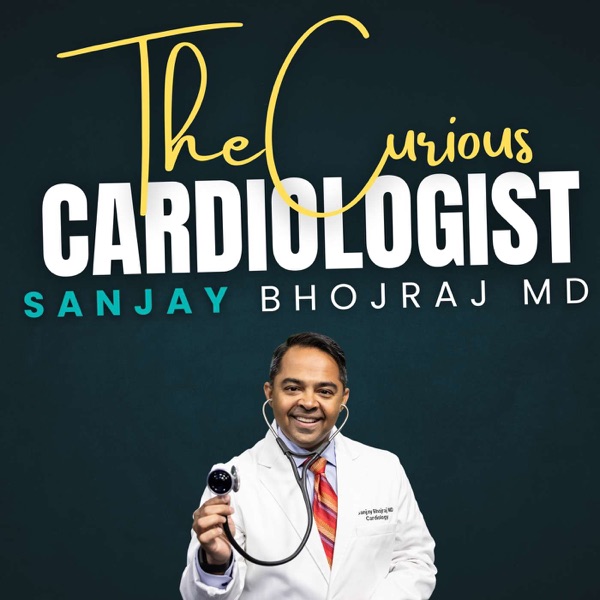
The Curious Cardiologist
Rethinking heart health, one question at a time.
I’m Dr. Sanjay Bhojraj—interventional cardiologist, functional medicine expert, and lifelong student of what really keeps us well. In this podcast, we go beyond prescriptions and procedures to explore the deeper drivers of health, disease, and healing.
From inflammation to intuition, cholesterol to consciousness, I sit down with doctors, researchers, and changemakers who are reshaping how we think about the heart—and the whole human behind it.
Whether you're a fellow clinician, a health seeker, or someone navigating your own transformation, this show will challenge what you thought you knew—and invite you to stay curious.
- Episodes
- 30
- Releases
- Weekly
- Typical length
- 1 hr 2 min
- On air since
- 2025
- Latest episode
- 3 days ago
Episodes
30 episodes, newest first
-
50 min
The Power of Plant Stem Cells: Exploring Gemmotherapy
Episode 30
Show notes
What if some of nature’s most interesting healing potential could be found in the earliest stages of a plant’s growth?
In this episode of The Curious Cardiologist, Dr. Sanjay Bhojraj sits down with Jennifer Payeur, CEO and founder of Nature Provides, to explore gemmotherapy—a practice that uses extracts from the buds and young growth of plants.
Jennifer explains what plant stem cells are, how they differ from conventional human stem cells, and why she became passionate about this approach after a deeply personal health journey. She also shares the history of gemmotherapy, the traditional use of medicinal plants, and how Nature Provides sources its plant material from the Italian Alps.
The conversation explores the relationship between plants and human health, including the lymphatic system, fascia, inflammation, cardiovascular health, nervous system regulation, and the body's natural balance.
Jennifer also discusses several plants featured in the company's formulations, including blackcurrant, linden, sweet chestnut, hawthorn, and rosemary.
In this episode, you'll hear about:
• What plant stem cells are and how gemmotherapy works
• The history and origins of gemmotherapy
• Jennifer's personal journey into natural and integrative health
• Why plant buds are used instead of mature plant material
• The role of the lymphatic system and extracellular matrix
• The connection between fascia, stress, and the body's healing journey
• Plants traditionally associated with cardiovascular and nervous system support
• Nature Provides' sourcing and harvesting process in the Italian Alps
• The importance of researching traditional plant-based approachesAbout Jennifer Payeur
Jennifer Payeur is the CEO and founder of Nature Provides, a company specializing in gemmotherapy and plant-based formulations. Her work brings together her background in the healing arts, her interest in plant medicine, and her commitment to making the subject more accessible to practitioners and the public.
Explore Nature Provides:
• Consumer website: https://health.nature-provides.com/
• Practitioner website: https://nature-provides.com/ -
1 hr 5 min
Perimenopause & Heart Health: The Hormone Connection Every Woman Should Know
Episode 29
Show notes
Perimenopause is about more than hot flashes and changes in your menstrual cycle. It can also be an important time to pay closer attention to cardiovascular and metabolic health.
On this episode of The Curious Cardiologist, Dr. Sanjay Bhojraj sits down with Dr. Mariza Snyder, author of The Perimenopause Revolution, to explore the connections between hormones, heart health, blood sugar, sleep, movement, and stress.
They discuss why women’s cardiovascular health has historically received less attention, how hormonal changes during midlife can coincide with shifts in metabolic and cardiovascular markers, and why a broader approach to women’s health matters.
In this episode, we cover:
• Why cardiovascular disease deserves more attention in conversations about women’s health
• How perimenopause can affect sleep, energy, and metabolic health
• Why everyday movement may matter more than a perfect workout routine
• What “exercise snacks” are and how to incorporate short bursts of movement into your day
• The relationship between sleep consistency and cardiometabolic health
• How community, connection, and nervous system regulation fit into a healthy lifestyle
• Why tracking glucose trends can offer useful information—and why individual readings need context
• Protein, fiber, healthy fats, and the role of minimally processed foods
• Meal timing, circadian rhythms, and late-night eating
• How changing hormones can coincide with shifts in lipids, inflammation, and blood pressure
• The role of symptoms, health history, and laboratory trends in conversations about perimenopause
• Dr. Snyder’s perspective on hormone therapy and the importance of looking at the bigger health pictureDr. Snyder’s central message is that women’s health should be about more than managing individual symptoms. Movement, sleep, nutrition, connection, and stress management all deserve a place in the conversation about long-term health.
About Dr. Mariza Snyder
Dr. Mariza Snyder is a women’s health educator and author of The Perimenopause Revolution. In this conversation, she shares her approach to supporting women through midlife and connecting hormone health with broader lifestyle and metabolic considerations.
About The Curious Cardiologist
Hosted by Dr. Sanjay Bhojraj, The Curious Cardiologist explores health and longevity through new perspectives on familiar medical questions.
Subscribe for more conversations about cardiovascular health, prevention, and whole-person approaches to wellness.
Connect with Dr. Mariza Snyder:
• Website: https://drmariza.com/
• Instagram: https://www.instagram.com/drmariza/
• Facebook: https://www.facebook.com/drmarizasnyder/
• YouTube: https://www.youtube.com/user/drmarizasnyder/
• Book, The Perimenopause Revolution: https://peri-revolution.com/ -
59 min
The Brain Health Blueprint: Sleep, Metabolism & Cognitive Decline
Episode 28
Show notes
Can Alzheimer’s disease be reversed—or is cognitive decline simply an inevitable part of aging?
On this episode of The Curious Cardiologist, Dr. Sanjay Bhojraj sits down with Dr. Josh Helman, an emergency medicine and lifestyle medicine physician focused on brain health and cognitive disease, to explore how sleep, metabolism, genetics, environmental exposures, and lifestyle may influence cognitive function.
Dr. Helman shares how his grandmother’s experience with Alzheimer’s first shaped his interest in the disease, and how his clinical work led him to investigate the many factors that may contribute to cognitive decline. He describes his individualized approach to patients and explains why he believes there is reason to focus on brain health long before memory problems appear.
In this episode, we discuss:
Why Alzheimer’s risk may begin decades before symptoms appear
The role of deep N3 sleep and why Dr. Helman emphasizes formal sleep evaluations
Genetics, including APOE variants, and individual differences in risk
Metabolic health, insulin resistance, and the brain’s use of energy
Environmental exposures, including mold, heavy metals, and microplastics
How exercise, strength, balance, social connection, and stress management support overall health
Brain-derived neurotrophic factor (BDNF) and the relationship between exercise and brain function
Dr. Helman’s perspective on therapeutic plasma exchange and other interventions used in his practice
Cognitive assessments and the importance of tracking objective changes over time
The ongoing debate surrounding cholesterol, LDL, statins, and brain health
Why hope, early action, and individualized medical care matter
A key takeaway: Brain health is multifactorial. Genetics are only one part of the picture, and everyday habits—including sleep, physical activity, nutrition, and social connection—are important areas to discuss with your healthcare professional.
About Dr. Josh Helman
Dr. Josh Helman is a physician board-certified in emergency medicine and lifestyle medicine who focuses on cognitive health and Alzheimer’s disease. His work combines detailed assessment with individualized treatment strategies.
Learn more:
Website: https://drjosh.com
Programs and supplement information: https://drjosh.com/program
Social media: Green Brains MD
If you found this conversation valuable, please like, subscribe, and share your thoughts in the comments. What would you like us to explore in a future episode?
-
1 hr 1 min
Beyond Your Biological Age: The Future of Longevity Medicine
Episode 27
Show notes
What if aging didn't have to mean an inevitable decline in energy, strength, cognition, and performance?
In this episode of The Curious Cardiologist, Dr. Sanjay Bhojraj sits down with Dr. Jeffrey Gladden, an interventional cardiologist who transitioned into functional, integrative, and longevity medicine after experiencing his own health challenges.
After approximately 25 years practicing interventional cardiology, Dr. Gladden began experiencing persistent fatigue, weight gain, loss of strength, brain fog, anxiety, and depression. When his initial medical evaluation suggested that his results were normal for his age, he decided to investigate further.
That personal journey changed his approach to medicine and led him to explore a more individualized model of health—one that considers multiple biological systems, personal risk factors, physical performance, psychological well-being, and the environments that shape our habits.
Together, Sanjay and Dr. Gladden discuss why treating disease is different from optimizing health, why one test cannot tell the whole story, and how emerging technologies could transform the future of personalized longevity care.
In this episode, you'll learn about:
• Dr. Gladden's transition from interventional cardiology to longevity medicine
• His personal health journey and the search for answers beyond “normal for your age”
• Why personalized medicine looks beyond population averages
• The role of genetic differences and individual responses in health decisions
• The relationship between stress, trauma, mental health, and physical health
• The five areas Dr. Gladden uses to organize his approach to longevity
• Why physical fitness involves the nervous system, coordination, and balance—not just muscle
• Resilience, robustness, and the idea of becoming stronger after challenges
• Hormesis: the concept of beneficial adaptation to certain forms of stress
• Why biological aging is more complex than a single number
• How AI, quantum computing, and digital twins might support personalized health optimization
• The emerging role of technology in understanding individual biology
• Why purpose, relationships, and psychological well-being belong in the longevity conversationThe five areas of Dr. Gladden's longevity framework
During the conversation, Dr. Gladden describes five interconnected areas:
• Life energy: Psychological and spiritual well-being.
• Longevity: The biological processes associated with aging.
• Health: Understanding and addressing health issues.
• Performance: Strength, speed, agility, balance, flexibility, and cardiovascular capacity.
• Environments: Designing surroundings and routines that make healthy behaviors easier to maintain.The broader goal is to understand the individual more completely instead of relying on a single metric or a one-size-fits-all approach.
About Dr. Jeffrey Gladden
Dr. Jeffrey Gladden is a physician focused on longevity and personalized health. His work explores biological aging, health optimization, physical performance, and the relationship between psychological well-being and biology.
He is the author of 100 Is the New 30 and host of the Gladden Longevity Podcast.
Website: https://gladdenlongevity.com/
Book: 100 Is the New 30
Podcast: Gladden Longevity Podcast
Join the conversation
What do you think matters most for healthy aging: physical fitness, personalized testing, mental and emotional well-being, or the environment in which we live? Share your thoughts in the comments and subscribe to The Curious Cardiologist for more conversations about health, longevity, and the future of medicine.
-
1 hr 4 min
Medical Gaslighting, Patient Advocacy & Rethinking Healthcare
Episode 26
Show notes
What happens when the healthcare system isn't designed for the kind of health problems we're facing today?
In this episode of The Curious Cardiologist, Dr. Sanjay Bhojraj sits down with Dr. Efrat LaMandre, a nurse practitioner with a PhD and a voice in the conversation around healthcare disruption, functional medicine, patient advocacy, and medical gaslighting.
Together, they explore the tension between conventional medicine and emerging approaches to chronic disease—and why the goal shouldn't necessarily be to reject conventional medicine, but to understand where different approaches may be useful.
They discuss what medical gaslighting can look like, why patients sometimes stop questioning their healthcare providers, and how patients can become more informed advocates for themselves and their families.
Dr. Efrat also shares personal and professional experiences that shaped the way she thinks about diagnosis, chronic illness, nutrition, and the doctor-patient relationship, while Dr. Sanjay reflects on a patient experience that fundamentally changed how he approached symptoms in women.
The conversation also moves beyond the exam room into the economics of healthcare, including insurance, prior authorization, and the financial pressures that can influence how care is delivered.
In this episode, we discuss:
• How medical training has shaped modern healthcare
• Where conventional medicine works—and where patients may experience gaps
• Acute care vs. chronic disease management
• What medical gaslighting can look like in practice
• Why patients sometimes struggle to advocate for themselves
• The importance of asking questions and seeking second opinions
• The difference between information and wisdom
• Why clinicians need to keep learning and evolving
• Dr. Efrat's personal experiences with diagnosis and nutrition
• The patient stories that changed how both doctors practice
• How healthcare hierarchy can affect patient behavior
• Why trusting your instincts can matter when something doesn't feel right
• How insurance and financial incentives can influence patient care
• The importance of finding a healthcare professional you trustAbout Dr. Efrat LaMandre
Dr. Efrat LaMandre is a nurse practitioner with a PhD who works at the intersection of healthcare, education, patient advocacy, and medical disruption. She is also the author of It's Not In Your Head, which she discusses during the episode.
Learn more about Dr. Efrat LaMandre:
https://www.drefratlamandre.com/ -
1 hr 2 min
From Chef to Functional Nutrition: Rethinking What We Eat
Episode 25
Show notes
In this episode of The Curious Cardiologist, Dr. Sanjay Bhojraj sits down with professional chef and Pluck founder James Barry to explore the relationship between food, nutrition, and health.
James shares how his journey from professional chef to nutrition entrepreneur began with a personal health experience and a growing curiosity about how food affects the body.
The conversation explores what “real food” actually means, whether modern food is as nutrient-dense as it once was, the limitations of labels such as “organic” and “free range,” seasonal eating, food storage and preparation, and why cooking methods can matter.
They also dive deep into organ meats, including why they disappeared from the modern American diet, their historical role in traditional diets, and why James believes they can be an accessible source of nutrients.
James explains how he created Pluck, a seasoning made with powdered organ meats, designed to make incorporating organ meats into everyday meals easier.
The episode also covers parenting, picky eaters, nutrient density, food cravings, consistency, and the four foundational lifestyle pillars James believes people can't escape: real food, movement, stress management, and sleep.
Timestamps
• 06:30 — Why “Real Food” Beats Diet Trends
• 08:20 — What Does “Organic” Really Mean?
• 18:18 — Does Stress Change How We Digest Food?
• 25:28 — How to Cook Vegetables Without Overcooking Them
• 32:55 — Why Beef Liver Is So Nutrient Dense
• 35:36 — Why Did We Stop Eating Organ Meats?
• 42:16 — How to Start Eating Organ Meats
• 46:12 — Nutrient Density, Satiety & Food Cravings
• 48:39 — The 4 Lifestyle Pillars You Can't Escape
• 49:46 — What Is Pluck?Connect with James Barry:
🌐 Eat Pluck: eatpluck.com
📱 Social: @ChefJamesBarry -
1 hr 7 min
Beyond Blood Pressure Medication: A Functional Approach to Cardiovascular Health
Episode 24
Show notes
High blood pressure is one of the most common cardiovascular problems in the world—but what if the number on the blood pressure cuff is only part of the story?
In this episode of The Curious Cardiologist, Dr. Sanjay Bhojraj sits down with Mark Young, a functional medicine practitioner, entrepreneur, and CEO of Zona Health, to explore a different way of thinking about cardiovascular wellness.
Mark shares his journey from academia and health marketing into functional medicine and explains why he became interested in the relationship between endothelial function, circulation, nitric oxide, and blood pressure.
The conversation dives into the concept of isometric exercise—static muscle contractions such as planks, wall sits, and grip exercises—and how Zona Health has developed a guided hand-grip device around this type of exercise.
Dr. Sanjay and Mark also discuss the importance of lifestyle interventions, patient ownership, cardiovascular conditioning, medication conversations, and the challenge of separating evidence-based health information from online wellness noise.
The episode ultimately asks listeners to remain curious, question assumptions, and understand cardiovascular health as a system rather than simply a number on a blood pressure monitor.
The conversation explores:
• Why blood pressure may be viewed as part of a larger cardiovascular picture
• What the endothelium is and why it matters
• The relationship between vascular function and blood pressure
• How nitric oxide contributes to vasodilation
• What isometric exercise actually does
• How grip-based isometric training works
• Why Zona Health developed a guided isometric device
• Cardiovascular conditioning and lifestyle interventions
• The importance of patient education and health ownership
• How to evaluate health information online
• Why Mark believes people need to remain curious rather than blindly accepting health claimsTIMESTAMPS
00:00 — Meet Mark Young: Functional Medicine & Cardiovascular Health
07:37 — Taking Ownership of Your Health
14:30 — The Problem With Treating High Blood Pressure as Just a Number
19:00 — “Question Everything”: Rethinking the Standard of Care
25:09 — What Is the Endothelium?
29:50 — What Is Isometric Exercise?
32:41 — How the Zona Hand-Grip Device Works
40:54 — Sanjay Tests the Zona Device Live
43:02 — What Does the Research Say About Zona?
53:10 — Why a 12-Minute Lifestyle Change Can Feel So Difficult
Connect with Mark Young:
🌐 Website: https://themarkyoung.com/
📸 Instagram: @themarkyoung
💼 LinkedIn: Mark YoungLearn more about Zona Health:
🌐 zona.com
📸 @zonahealth -
1 hr 1 min
The Truth About Hormones: PCOS, Menopause, Testosterone & Longevity
Episode 23
Show notes
What if hormone health is about far more than fertility and menopause symptoms?
In this episode of The Curious Cardiologist, Dr. Sanjay Bhojraj sits down with double-boarded OB-GYN and integrative medicine physician Dr. Jennifer Roelands to explore the connection between hormones, metabolism, fertility, cardiovascular health and longevity.
Dr. Jen shares her own experience discovering PCOS and thyroid disease after struggling to conceive her second child—and how being told she couldn't have PCOS because she was “skinny” ultimately changed the direction of her medical career.
The conversation explores why PCOS should be viewed as more than a gynecological condition, why menstrual cycles can provide important clues about overall health, and how insulin resistance, inflammation and thyroid health fit into the picture.
They then dive into perimenopause and menopause, including estrogen, progesterone and testosterone, and discuss hormone replacement therapy, healthspan, bone health, muscle, cardiovascular health and brain health.
The conversation also covers testosterone and men's health, environmental endocrine disruptors, fertility, lifestyle, nutrition and why earlier intervention may matter when it comes to chronic disease prevention.
In this episode, they explore:
• Why PCOS is more than a gynecological condition
• The connection between PCOS and metabolic health
• Why menstrual cycles may provide important health information
• Insulin resistance and inflammation
• Fertility and mitochondrial health
• Why women's health can be missed in conventional medicine
• What happens during perimenopause
• Estrogen, progesterone and testosterone
• Symptoms associated with hormonal changes
• Hormone replacement therapy and healthspan
• Early menopause and long-term health considerations
• Testosterone and men's health
• TRT, fertility and endogenous testosterone production
• Lifestyle factors that influence testosterone
• Endocrine-disrupting chemicals
• Consumer products and environmental exposures
• Why prevention should begin earlier in lifeDr. Jen also shares practical ways patients can become more informed about environmental exposures, including resources such as the Environmental Working Group's Skin Deep database.
Where to find Dr. Jen:
Pivot Book: https://drjenniferroelands.com/pivotbook/
Drs Guide: https://drjenniferroelands.com/guide/
YouTube Channel: https://youtube.com/@drjenniferroelandsmd
Website: https://drjenniferroelands.com/Timestamps
00:00 — Introduction: Hormones and the Missing Piece of Women's Health
02:20 — Why Dr. Jen Left Conventional Medicine
02:48 — Her Personal PCOS and Fertility Story
04:08 — Discovering PCOS and Thyroid Disease
05:08 — “My Labs Look Normal, But I Don't Feel Normal”
06:30 — Treating PCOS Beyond Medication
08:26 — Why PCOS Is a Metabolic Problem
09:52 — Should Your Period Be a Vital Sign?
10:54 — Fertility, Mitochondria and Long-Term Health
12:47 — What Conventional Medicine Gets Wrong About Lifestyle
16:07 — Why PCOS Research Is Still Limited
16:39 — The Underfunding of Women's Health Research
17:35 — Birth Control vs. Hormone Replacement
18:29 — PCOS Meets Perimenopause
20:07 — Why Prevention Should Start Earlier
21:17 — Risk Stratifying Women for Long-Term Health
22:38 — Genetics, Epigenetics and PCOS
23:53 — Pregnancy as a Window Into Future Health
25:10 — Why OB-GYNs Often Become Primary Care
26:45 — What Does Longevity Medicine Really Mean?
27:36 — Menopause as Healthspan Therapy
28:17 — When Does Perimenopause Actually Start?
29:35 — The Symptoms of Perimenopause
31:10 — Palpitations, Progesterone and Hormonal Changes
32:25 — Estrogen, Memory, Skin, Bladder and More
33:14 — Why Testosterone Is the Undervalued Hormone
34:21 — Early Menopause and Cardiovascular Risk
35:26 — The Legacy of the Women's Health Initiative
36:29 — When Should Women Consider HRT?
37:33 — Why Timing May Matter
39:25 — Andropause and Testosterone in Men
40:29 — Insulin, SHBG and Testosterone
42:12 — Who Actually Needs Testosterone Therapy?
44:18 — Why HRT and TRT Can't Replace Lifestyle
45:30 — Testosterone, Fertility and Endogenous Production
46:44 — The Amazon Analogy for Free Testosterone
47:11 — Testosterone and Cardiovascular Health
48:41 — Testosterone Therapy in Younger Men
50:03 — Medical Optimization vs. Bodybuilding
50:32 — Testosterone Risks and Side Effects
51:30 — Endocrine Disruptors Are Everywhere
52:30 — Reducing Everyday Toxin Exposure
53:54 — Why “Natural” Doesn't Always Mean Safe
55:06 — Teaching the Next Generation to Be Savvy Consumers
55:59 — Menstrual Products and Environmental Exposures
56:53 — Endocrine Disruptors and Pregnancy
58:28 — Finding Hope in Prevention
59:34 — “Eat More Plants, Not What's Made in a Plant”
59:49 — Rapid Fire: Dr. Jen's Favorite Things
-
1 hr 5 min
The Science of Heart Coherence, Intuition & Heart-Centered Leadership
Episode 22
Show notes
What if the heart could do more than pump blood?
In this episode of The Curious Cardiologist, Dr. Sanjay Bhojraj sits down with entrepreneur, author and heart-centered leadership expert Mindie Kniss to explore the fascinating intersection of heart intelligence, heart coherence, intuition, spirituality, leadership and personal transformation.
Mindie shares the remarkable story behind her work—from leaving a successful pharmaceutical career and moving into entrepreneurship, to experiencing bankruptcy, foreclosure and $100,000 of credit-card debt, and ultimately rebuilding her life and business. She also opens up about the devastating loss of her husband and how the practices she had spent years teaching helped her navigate grief and find a path forward.
The conversation explores why we often live from the “head” instead of the heart, how stress can affect our ability to communicate clearly within ourselves, why gratitude may be more powerful when it is physically felt rather than simply thought, and how heart coherence can influence the people around us.
They also discuss authentic leadership, radical ownership, intuition, purpose, Ikigai, and the importance of trusting yourself when life doesn't go according to plan.
In this episode, you'll discover:
• What “heart intelligence” means
• Why the heart isn't simply a pump
• The relationship between the heart and brain
• What heart coherence is
• How stress can affect internal communication
• Why intuition may be more than pattern recognition
• How gratitude can become a physiological experience
• The difference between thinking gratitude and actually feeling it
• How presence can help interrupt anxiety and overthinking
• Why authentic leaders create stronger connections
• What radical ownership looks like
• How adversity can become part of your development
• How Ikigai can help clarify purpose
• Why trusting yourself is essential to meaningful leadershipMindie also discusses her books Heart of Consciousness and The Collective Heart, her Heart Path work, and her upcoming Heart Path book scheduled for publication through Hay House in March 2027.
Timestamps
00:00 — Introduction: What Does It Mean to Lead With Your Heart?
00:58 — Meet Mindie Kniss
03:16 — From Traditional Career to Entrepreneurship
05:27 — The Golden Handcuffs of Corporate Success
06:55 — The “Slow Suicide to My Soul”
07:24 — A Life-Changing Fellowship in Kenya
10:53 — When the Universe Opened a Door
13:02 — The Entrepreneurial Crash
14:45 — $100,000 in Debt, Foreclosure and Rock Bottom
16:10 — Meeting Her Future Husband
18:08 — Rebuilding Her Business and Money Mindset
19:40 — The Tragedy That Changed Everything
20:05 — Grief, the Heart and Finding a Path Forward
21:50 — What Is Neurocardiology?
23:33 — Sedona, Nature and the Birth of Heart Path
25:57 — Why Personal Experience Makes a Better Coach
26:43 — Finding the Lesson in Your Worst Experiences
29:59 — The Science Behind Heart Intelligence
31:53 — The Heart-Brain Connection and Coherence
34:01 — Can One Person's Coherence Affect Another?
36:22 — Heart Coherence in Real Life
37:34 — How Calm People Change a Room
40:24 — The First Heart Key: Gratitude
42:14 — Why Thinking Gratitude Isn't Enough
44:04 — The Story of the Gifted Duck
45:59 — Emotional Resilience as a Muscle
49:41 — Moving Beyond the “Woo-Woo”
50:11 — Anxiety, Depression and Getting Out of Your Head
51:09 — The Fascinating Question of Heart Cancer
52:48 — Trust, Authenticity and Leadership
55:54 — Radical Ownership
57:10 — Why the Present Moment Matters
59:05 — The Only Way Through Is Through
1:00:18 — What Is Ikigai?
1:01:12 — Purpose, Dharma and Trust
1:01:44 — Mindie's Upcoming Hay House Book
1:02:12 — Rapid Fire: Favorite Place, Food and Curiosity
1:04:04 — Mindie's Books and Where to Find Her
1:05:21 — Final Thoughts: The Heart Is More Than a Muscle
-
58 min
The Truth About Testosterone, Menopause & Healthy Aging
Episode 21
Show notes
Is fatigue, brain fog, weight gain, declining muscle, and loss of motivation simply part of getting older—or are your hormones trying to tell you something?
In this episode of The Curious Cardiologist, Dr. Sanjay Bhojraj sits down with functional medicine expert Joya Van Der Laan to discuss the science of testosterone, estrogen, menopause, metabolic health, and longevity.
They explore why hormone levels are changing across modern populations, the difference between "normal" and "optimal" lab values, and why muscle may be one of the strongest predictors of healthy aging. The conversation also covers bioidentical hormone replacement therapy, sleep, nutrition, strength training, cardiovascular health, and how functional medicine approaches root causes rather than simply treating symptoms.
Whether you're navigating menopause, low testosterone, or simply looking to improve your health-span, this episode provides practical, evidence-informed insights to help you feel stronger, think clearer, and age with greater vitality.
In this episode you'll learn:
• Why testosterone levels have declined over recent decades
• The difference between "normal" and "optimal" hormone levels
• Menopause, perimenopause, and andropause
• Strength training as the #1 longevity strategy
• Hormones and cardiovascular health
• Functional medicine vs conventional medicine
• Sleep apnea, snoring, and hormone health
• Bioidentical hormone replacement therapy (BHRT)
• Pellets vs creams vs injections
• Practical lifestyle strategies to optimize hormones naturallyTimestamps
00:00 Introduction
01:45 Joya's Journey into Functional Medicine
04:15 Why Root-Cause Medicine Matters
05:30 Understanding Low Testosterone
08:00 Symptoms Most Men Ignore
10:30 Natural Ways to Support Testosterone
15:00 Free vs Total Testosterone
17:00 Exercise, Muscle & Longevity
22:00 "Normal" vs "Optimal" Hormone Levels
24:00 Testosterone & Metabolic Health
26:30 Sleep, Snoring & Hormones
30:00 Testosterone Therapy Options
33:00 Pellets vs Creams vs Injections
35:30 Women's Hormones & Menopause
39:00 Hormone Testing & Functional Medicine Labs
43:00 Hormones After Cancer: What Does the Evidence Say?
49:00 The Future of Functional Medicine
53:00 Final Takeaways
-
1 hr 3 min
The Hidden Metabolic Crisis Affecting Millions of Southeast Asians
Episode 20
Show notes
South Asians develop heart disease, diabetes, and metabolic dysfunction at dramatically higher rates than almost any other population—but why?
In this episode, Dr. Sanjay Bhojraj is joined by functional medicine practitioner Shefaly Ravula to unpack the unique biology behind South Asian metabolic health. Together they explore the "thrifty gene" hypothesis, insulin resistance, muscle loss, continuous glucose monitoring (CGMs), gut health, personalized nutrition, cholesterol testing, and why traditional risk factors often miss the bigger picture.
They also discuss practical strategies for improving metabolic health, including building muscle, optimizing protein intake, improving blood sugar regulation, interpreting advanced lipid testing, and adapting traditional Indian foods without abandoning cultural identity.
Whether you're South Asian or simply interested in longevity, prevention, and precision medicine, this conversation offers actionable insights into one of today's biggest health challenges.
Together they discuss:
• Why South Asians have unique metabolic risks
• The truth about insulin resistance
• Continuous Glucose Monitors (CGMs)
• Muscle, longevity, and blood sugar
• Advanced cholesterol testing
• Functional medicine vs conventional medicine
• Gut health and inflammation
• Traditional Indian diets
• Protein myths
• Precision nutritionTimestamps
00:00 Introduction01:00 Meet Shefaly Ravula
02:15 From Gastroenterology to Functional Medicine
05:30 Why Lifestyle Medicine Comes First
07:00 Precision Medicine vs Traditional Medicine
08:20 Why South Asians Develop Heart Disease Earlier
10:30 The Thrifty Gene Hypothesis
13:00 Why "Skinny" Doesn't Mean Healthy
15:15 The Muscle Deficit in South Asians
17:00 Continuous Glucose Monitors Explained
21:00 Why HbA1c Isn't Enough
23:30 Should Healthy People Wear CGMs?
26:30 The Functional Medicine Lab Panel
31:00 The Indian Diet Problem
38:00 Protein, Muscle & Longevity
41:00 White Rice vs Brown Rice
45:00 Cooking Oils: Seed Oils, Ghee & Olive Oil
50:00 Ancient Wisdom Meets Modern Science
-
1 hr 1 min
Functional Medicine vs Conventional Medicine: The Future of Hormone Health
Episode 19
Show notes
Millions of people struggle with fatigue, weight gain, thyroid issues, insulin resistance, menopause symptoms, and hormone imbalance—but are we treating the symptoms instead of the root cause?
In this episode of The Curious Cardiologist, Dr. Sanjay Bhojraj sits down with functional endocrinologist Dr. Saadia Mian to explore why conventional medicine often overlooks the deeper causes of hormone dysfunction and metabolic disease.
Together they discuss:
• Why insulin resistance starts years before diabetes
• The connection between gut health and hormones
• Hashimoto's disease and thyroid dysfunction
• PCOS and metabolic health
• Menopause and hormone replacement therapy (HRT)
• GLP-1 medications like Ozempic and Wegovy
• Stress, cortisol and the hidden drivers of chronic illness
• Functional medicine versus conventional medicine
• Practical lifestyle changes that can dramatically improve hormone healthWhether you're struggling with fatigue, stubborn weight gain, thyroid disease, menopause symptoms, or simply want to optimize your long-term health, this conversation provides a science-backed roadmap to understanding your body.
Time Stamps
00:00 Introduction
01:15 Why Both Doctors Left Conventional Medicine
04:10 Dr. Saadia's Functional Medicine Journey
05:15 What Is Functional Endocrinology?
07:00 Hashimoto's & Autoimmune Thyroid Disease
09:00 Treating Root Causes Instead of Symptoms
10:45 Insulin Resistance & PCOS
13:15 Gut Health and Hormones
15:10 Functional Hormone Testing
18:25 Menopause & Hormone Replacement Therapy
22:45 Why Endocrinologists Aren't Trained in HRT
25:20 Hormone Therapy Safety
26:00 GLP-1 Medications Explained
30:00 Should Everyone Take Ozempic?
33:00 Trauma, Stress & Weight Gain
37:00 Functional Medicine vs Conventional Medicine
40:15 The Earliest Signs of Insulin Resistance
42:30 Three Lifestyle Changes That Improve Hormones
47:45 Artificial Sweeteners vs Sugar
51:00 Finding a Functional Endocrinologist
53:00 Why Insulin Resistance Is the Root Cause
54:30 Early Symptoms You Shouldn't Ignore
57:30 Rapid Fire Questions -
1 hr 7 min
Women’s Health: The Truth About Menopause, Heart Disease & GLP-1s
Episode 18
Show notes
Women account for nearly one in three cardiovascular deaths, yet many of the biggest risk factors are still overlooked. In this episode of The Curious Cardiologist, Dr. Sanjay Bhojraj sits down with functional medicine expert Cynthia Thurlow to discuss why women's cardiovascular health deserves a completely different approach.
Together they explore the relationship between menopause, metabolic health, hormone replacement therapy, intermittent fasting, advanced cholesterol testing, GLP-1 medications, and personalized medicine. They discuss why traditional lipid panels often fail to identify cardiovascular risk, how pregnancy can reveal future metabolic disease, and why markers like ApoB and Lp(a) are transforming preventive cardiology.
You'll also learn how fasting differs between men and women, why muscle preservation becomes increasingly important during menopause, and how physicians can move beyond one-size-fits-all medicine toward truly individualized care.
Whether you're interested in heart health, hormones, longevity, metabolic health, or evidence-based functional medicine, this conversation offers practical insights grounded in both clinical experience and emerging research.
Topics include:
• Why heart disease remains the #1 killer of women
• Menopause and cardiovascular disease
• Hormone replacement therapy (HRT)
• ApoB vs LDL
• Lipoprotein(a) Lp(a)
• Advanced lipid testing
• GLP-1 medications beyond weight loss
• Intermittent fasting for women
• Muscle preservation during menopause
• Personalized preventive cardiology
If you're interested in functional medicine, longevity, metabolic health, women's hormones, or preventive cardiology, this conversation is packed with practical insights.
-
1 hr 2 min
Music as Medicine: The Science Behind Healing Through Sound
Episode 17
Show notes
Can music become medicine? In this fascinating episode of The Curious Cardiologist, Dr. Sanjay Bhojraj speaks with Grammy-winning producer and author Barry Goldstein about the emerging science of Acousticeuticals™—the intentional use of music to influence brain function, heart health, stress physiology, sleep, and emotional wellbeing.
Barry explains how music affects the autonomic nervous system, heart rate variability, inflammation, cognition, and even our internal chemistry through dopamine, oxytocin, and cortisol. Together they explore ancient practices like chanting OM through the lens of modern neuroscience, discuss research on Alzheimer's disease and PTSD, and explain why certain tempos can literally entrain the heart and brain into healthier rhythms.
The episode concludes with practical strategies anyone can use—including Barry's "Musical Nutrition" framework—to intentionally use music throughout the day for better health.
Chapters / Time Stamps
00:00 Introduction: Can Music Become Medicine?
02:30 What are Acoustaceuticals?
05:20 Ancient Healing Meets Modern Science
09:00 The Neuroscience of Chanting OM
14:00 Alzheimer's Research & Memory Improvement
18:00 Drumming, PTSD & Inflammation
21:30 Heart Coherence Explained
26:00 Music, HRV & The Vagus Nerve
30:30 Why Noise Can Harm the Body
36:30 Ultrasound, Medicine & Future Therapies
41:00 Music's Effect on Hormones & Inflammation
45:00 How to Build a Daily Music Practice
51:00 Musical Nutrition: Morning, Midday & Evening
58:00 The Future of Acoustaceuticals
1:02:00 Rapid Fire Questions
1:07:00 Final Thoughts & Resources
-
52 min
Alopecia Explained: Root Causes, Gut Health & Hair Regrowth
Episode 16
Show notes
Hair loss is often dismissed as a cosmetic issue—but what if it's actually one of your body's earliest warning signs?
In this episode of the Curious Cardiologist Podcast, Dr. Sanjay Bhojraj sits down with Johanna Dahlman, founder of Alopecia Angel, to uncover the root causes of alopecia and why conventional medicine often falls short.
After developing autoimmune alopecia in her early 30s, Johanna spent four years researching nutrition, functional medicine, lifestyle interventions, and autoimmune health before naturally restoring her hair. Today, she has helped thousands of people in more than 68 countries navigate hair loss by addressing the underlying drivers—not just the symptoms.
Together, they discuss autoimmune disease, gut health, stress, genetics, medications, supplements, hormones, pregnancy, longevity, and why hair loss is often a sign that something deeper is happening inside the body.
Whether you're experiencing hair loss yourself, supporting a loved one, or simply interested in preventative health, this conversation offers practical insights and a hopeful perspective.
Topics discussed:
✔ What alopecia really is
✔ Autoimmune hair loss
✔ Functional medicine
✔ Gut health and the microbiome
✔ Stress and chronic inflammation
✔ Hormones and women's health
✔ DNA testing and personalized medicine
✔ Hair loss medications
✔ Supplements that may actually worsen hair loss
✔ Why "aging" isn't the whole story
✔ Hair regrowth through lifestyle changesJohanna also shares her personal journey of overcoming autoimmune alopecia naturally after being told there was no cure, and explains how that experience led her to help thousands of people worldwide.
If you've ever wondered why you're losing your hair—or what your body might be trying to tell you—this episode is for you.
👍 Like, subscribe, and share if you found this conversation helpful.
Timestamps
00:00 Introduction
01:20 Meet Johanna Dahlman
02:00 What Is Alopecia?
04:45 Johanna's Personal Hair Loss Story
08:00 Why Conventional Medicine Misses the Root Cause
10:30 The Functional Medicine Approach to Hair Loss
13:00 Healthcare Around the World
16:00 Is It Ever Too Early to Prevent Hair Loss?
18:30 DNA Testing & Personalized Medicine
20:00 Hidden Causes of Hair Loss
22:00 Breast Implants, Botox & Autoimmunity
24:30 Is Hair Loss Just Aging?
26:30 Can Exercise Improve Hair Growth?
28:00 Stress, Cortisol & Hair Loss
31:00 Diet, Nutrition & Protein
34:00 Medications That Cause Hair Loss
36:00 Supplements That May Be Making Things Worse
39:00 Gut Health & Autoimmune Disease
42:00 How Long Does Hair Regrowth Take?
45:00 Why There Isn't One Cure for Alopecia
47:30 Johanna's New Nonprofit Mission
50:00 Final Advice for Anyone Losing Their Hair
52:00 Rapid Fire Questions -
1 hr 5 min
The Missing Foundation of Health: Minerals, Mitochondria & Energy
Episode 15
Show notes
What if the reason you feel tired, foggy, inflamed, or depleted isn’t stress, aging, or hormones… but something much more foundational?
In this episode of The Curious Cardiologist Podcast, Dr. Sanjay Bhojraj sits down with Carol Allen, CEO and co-founder of Beam Minerals, to explore one of the most overlooked topics in modern health: minerals.
Together, they unpack why mineral deficiencies may be contributing to fatigue, poor sleep, muscle cramps, hormone imbalance, brain fog, gut issues, stress resilience, and even mitochondrial dysfunction.
They also dive into the science of humic and fulvic minerals, why delivery matters more than simply taking supplements, and whether modern food systems are leaving us fundamentally depleted.
Topics covered include:
In this episode:
• Why minerals are foundational to human health
• The connection between electrolytes, heart health, and energy
• Brain fog, fatigue, hormones, sleep & mineral depletion
• Why modern soil and food may be less nutrient dense
• The hidden problem with conventional electrolyte drinks
• Humic vs. fulvic minerals explained simply
• How minerals impact mitochondria and cellular energy
• Detoxification, glyphosate, heavy metals & environmental exposures
• Why some supplements don’t actually get into your cells
• What mineral testing can (and can’t) tell youKey Takeaway:
You can’t build health on depleted foundations. Minerals may be one of the most overlooked pieces of the wellness puzzle.
Chapters / Timestamps
00:00 – Introduction: Why minerals matter
02:45 – Fatigue, brain fog & hidden deficiencies
08:30 – Why food may no longer be enough
14:00 – Soil depletion & modern agriculture
24:30 – What are humic & fulvic minerals?
35:00 – How minerals actually get into cells
42:00 – The truth about electrolyte drinks
48:30 – Mineral testing: blood vs hair vs tissue
55:00 – The future of mineral replenishment
1:00:00 – Rapid fire questions -
31 min
When Did Doctors Stop Being Doctors? | Apr 01, 2026
Episode 14
Show notes
In this episode, Dr. Sanjay Bhojraj explores the decline of genuine doctor-patient connection, systemic issues in healthcare, and how a systems biology approach can transform medical practice. He shares personal experiences and insights on restoring empathy, curiosity, and holistic care in medicine.
Interested in joining my U360 Membeship? Go to doctorsanjay.com to sign up!
"When did doctors stop being doctors?"
"Connection is more important than ever"
"Inflammation drives most chronic diseases"Chapters
00:00 Welcome to Season Two
00:58 The Shift from Provider to Consumer
02:53 The Disconnection in Doctor-Patient Relationships
09:03 The Challenges of Modern Medicine
12:00 The Fragmentation of Care
17:48 The Importance of Lifestyle in Health
20:51 The Role of Curiosity and Listening in Medicine
27:00 The Future of Medicine: Connecting with Patients -
1 hr 4 min
Ayurveda and Elemental Design: Ancient Healing for Modern Medicine
Episode 13
Show notes
In this episode of The Curious Cardiologist, Dr. Sanjay Bhojraj sits down with Dr. Shivani Gupta, PhD in Ayurvedic medicine, founder of Fusionary Formulas, and author of The Inflammation Code.
Together, they explore why Ayurveda — a 5,000-year-old system of medicine — may be more relevant than ever in a modern world defined by chronic inflammation, burnout, disrupted circadian rhythms, and one-size-fits-all wellness trends.
This conversation bridges ancient wisdom and modern science, reframing inflammation, gut health, sleep, fasting, and metabolic health through the lens of personalized, lifestyle-based medicine.
If you’ve ever felt like you’re “doing all the right things” but still feel off — this episode is for you.
👇 Watch until the end for practical, simple ways to apply Ayurveda to your daily life.
⏱️ Chapters / Timestamps
00:01 – Welcome & introduction to Dr. Shivani Gupta
01:44 – What Ayurveda really is (and why it aligns with functional medicine)
02:57 – Doshas as the original personalized medicine
04:14 – Elemental Design: air, fire, earth explained
06:15 – Vata (air): anxiety, gut issues, grounding strategies
08:53 – Pitta (fire): inflammation, burnout, cooling the system
10:21 – Kapha (earth): metabolism, weight, mood, movement
12:36 – How seasons & life events shift your constitution
15:06 – Ayurveda vs genomics: two paths to personalization
18:20 – Why intermittent fasting & trends don’t work for everyone
22:44 – Why Ayurveda matters more than ever today
26:14 – Micro-rituals to reset the nervous system
29:17 – Tongue scraping, oil pulling, dry brushing, self-massage
35:34 – Food timing & the Ayurvedic circadian diet
37:41 – Super spices & the science of turmeric
50:46 – Supplement quality & why formulation matters
54:33 – Dr. Gupta’s Top 5 Ayurveda “Start Here” moves
59:01 – Rapid-fire questions (nachos, Italy, race cars)
01:01:54 – Where to find Dr. Gupta + listener discount
01:02:38 – Final thoughts & outro🧠 What You’ll Learn in This Episode
• Why Ayurveda is the original root-cause & lifestyle medicine
• The three Ayurvedic constitutions (Vata, Pitta, Kapha) explained simply
• How circadian rhythm affects inflammation, digestion, and sleep
• Why some people feel worse with fasting, cold exposure, or extreme wellness trends
• Simple Ayurvedic rituals that support gut health, lymphatic flow, and nervous system regulation
• The real science behind turmeric and Ayurvedic “super spices”
• Why healing starts when you stop fighting your naturePractical Takeaways
Dr. Gupta shares her Top 5 Ayurveda Moves anyone can start today:
• Learn your Elemental Design (Ayurvedic constitution)
• Use a copper tongue scraper daily
• Align your day with circadian rhythm & sunlight
• Protect sleep — especially the 10pm–2am window
• Use turmeric strategically to lower inflammation (with lifestyle support)🔗 Guest Links & Resources
• Dr. Shivani Gupta – Website & Elemental Design Quiz
👉 https://shivanigupta.com
• Instagram
👉 https://www.instagram.com/doctor.shivanigupta
• Book: The Inflammation Code
👉 https://theinflammationcode.com
(Also available on Amazon & Barnes & Noble)
• Supplements: Fusionary Formulas
👉 https://fusionaryformulas.com🎟 Listener Discount Code: CURIOUS15
👉 15% off at checkout (mentioned in the episode)👍 Support the Show
If you found this episode helpful:
• Like the video
• Subscribe to The Curious Cardiologist
• Comment with topics or guests you’d like to see next -
58 min
Doctors Diagnose, Coaches Activate: The Future of Patient Care with Sandra Scheinbaum PhD
Episode 12
Show notes
In this episode of The Curious Cardiologist, Dr. Sanjay Bhojraj sits down with Sandra Scheinbaum, PhD, founder and CEO of the Functional Medicine Coaching Academy (FMCA), to explore why health coaching may be the most underutilized—and most powerful—tool in modern healthcare.
Together, they unpack the growing gap between what doctors say and what patients actually do, why behavior change is so difficult even when people know what’s “right,” and how trained health coaches dramatically improve outcomes for chronic disease, mental health, and lifestyle-related conditions.
Dr. Scheinbaum shares her journey from psychology and mind‑body medicine to founding FMCA, explains the science behind health coaching, and outlines how coaches integrate seamlessly into medical teams without replacing physicians. The conversation also tackles physician burnout, patient non‑adherence, Medicare reimbursement, and the future of collaborative care.
This episode is essential listening for clinicians, health system leaders, coaches, and anyone interested in sustainable health transformation.
Key Topics Covered
• Why the U.S. healthcare system struggles with outcomes despite record spending
• The communication gap between doctors and patients
• What health coaches actually do (and what they don’t)
• Why doctors are not trained to create behavior change
• The psychology of motivation, self‑efficacy, and lifestyle change
• Evidence and randomized trials supporting health coaching
• Health coaching for cardiometabolic disease, autoimmunity, mental health, and GLP‑1 users
• How health coaches reduce physician burnout
• Group coaching, community medicine, and peer support models
• Scope, certification, and avoiding “bad actors” in coaching
• Medicare reimbursement and collaborative care models
• Becoming a health coach: training, certification, and career pathsEpisode Show Notes
Guest: Sandra Scheinbaum, PhD
Founder & CEO, Functional Medicine Coaching Academy
Certified through the Institute for Functional Medicine (IFM)What You’ll Learn
• Why knowledge alone doesn’t change behavior
• How health coaches increase adherence, outcomes, and patient satisfaction
• Why patients are often more honest with coaches than doctors
• The role of self‑efficacy in healing and long‑term health
• How lifestyle interventions can improve anxiety, depression, and quality of life
• Why community and accountability matter more than willpowerMemorable Quotes
• “Doctors diagnose. Coaches help people change when change is hard.”
• “Genes are not destiny—daily habits matter more than people realize.”
• “Health coaching doesn’t replace medicine; it completes it.”Resources Mentioned
• Functional Medicine Coaching Academy: https://functionalmedicinecoaching.org
• National Board for Health & Wellness Coaching (NBHWC) -
1 hr 2 min
The Perimenopause Reset: Anxiety, Brain Fog, and Hormones Explained with Dr. Jen
Episode 11
Show notes
In this episode, Dr. Sanjay Bhojraj speaks with Dr. Jennifer Pfleghaar about her transition from emergency medicine to integrative medicine, focusing on the importance of lifestyle changes, the challenges of conventional medicine, and the need for personalized care, especially in women's health during perimenopause. They discuss the impact of pharmaceuticals, the role of hormones, and the significance of education in health. Dr. Jen also shares insights from her book, 'The Perimenopause Reset,' which aims to help women navigate this critical phase of life.
Takeaways
Dr. Jen transitioned to integrative medicine after seeing chronic disease in the ER.
Conventional medicine often fails to address root causes of health issues.
90% of ER visits are related to chronic diseases.
Hashimoto's thyroiditis can be reversed with lifestyle changes.
Preventive care is lacking in the current healthcare system.
Hormonal imbalances can significantly affect women's health.
Bioidentical hormones are safer than synthetic alternatives.
Education is crucial for patients to understand their health.
Environmental factors can impact hormonal health.
The Perimenopause Reset book provides a holistic approach to women's health.Chapters
00:00 Transitioning to Integrative Medicine
03:02 The Role of Nutrition in Emergency Medicine
06:11 Chronic Diseases and Conventional Medicine
08:46 The Disconnect in Patient Care
12:04 The Importance of Prevention
15:00 The Impact of Pharmaceuticals on Health
17:58 Motivational Interviewing in Patient Care
21:13 The Challenges of Hormone Replacement Therapy
23:57 Bioidentical Hormones vs. Synthetic Hormones
33:53 Understanding Hormonal Changes in Women
34:51 The Importance of Hormone Replacement Therapy
37:23 Navigating Hormone Testing and Medical Advice
38:03 The Risks of Self-Medication with Hormones
40:14 The Dangers of Hormone Pellets
43:32 The Need for Proper Medical Oversight
45:34 The Role of Continuous Learning in Medicine
51:01 The Holistic Approach to Perimenopause
54:11 The Impact of Environmental Factors on Hormones
56:41 Finding the Right Practitioner for Hormonal Health
Alternative Health lists
More Alternative Health shows picked out from the charts








More in Alternative Health
Placed highest on Apple Podcasts' Alternative Health chart right now